34 Alternatives to Disposable Plastic Products

Happy Monday! In honor of Earth month, we’re sharing 34 alternatives to disposable plastic products. I hope you had a swell Earth Day yesterday. Initially I had a little lake kayak paddle planned, but a friend called and suggested a food truck rodeo in downtown Chapel Hill. After sharing a serving of every and anything that called to us, we headed to her deck to sit in the sunshine and plan a camping adventure. Soaking up eight hours of beautiful North Carolina sun was actually epically earthy. I enjoyed it to the max and ended up passing out well before midnight, a first in weeks for me!
live seasoned reduce plastic use

The food truck rodeo was a no waste event, meaning everything that could be recycled or composted was with the help of volunteers who stood by each trash can instructing consumers where to discard their plates, cups, and food scraps. It’s almost unfortunate that we need that type of vigilance to get it right, but we surely do. Besides proper waste disposal, the coffee truck was selling stainless steel straws! They don’t do lids or plastic straws, hooray!

Plastic straws and my wish to ban them forever is actually what inspired this post of 34 alternatives to disposable plastic products. There is just no reason for us to go through so many, so often. Two at once?! I want to punch that drink right out of your hand. I’m not saying I’ve never done it, but I am saying I will never do it again. I once spent an entire afternoon picking up trash on one of my favorite Thai islands and by far the most common item was plastic straws. It was heart breaking.
Major benefits of swapping disposable plastic for reusable items :

Continue reading

Make with Me : Be a Test Knitter

At the beginning of the year, I encouraged our readers to “make with me“. In that post I shared a few of the many benefits that you may get from picking up a hobby, and I gave you a few simple suggestions for how to turn your hobby into a regular habit (that’s good for you!).

If you follow our Instagram feed or have been a long-time reader, it’s no surprise that my primary hobby is knitting. I always have a project (or ten) in the works. While I don’t need the encouragement to knit more, I’m taking this resolution as a nudge to share more of my projects, in their many phases, on the blog. And if you’d like to find me on Ravelry, my username is winterfoliage.

~

live seasoned sweater - print res-3

Continue reading

Make with Me : Simple Kid’s Sweater

At the beginning of the year, I encouraged our readers to “make with me“. In that post I shared a few of the many benefits that you may get from picking up a hobby, and I gave you a few simple suggestions for how to turn your hobby into a regular habit (that’s good for you!).

If you follow our Instagram feed or have been a long-time reader, it’s no surprise that my primary hobby is knitting. I always have a project (or ten) in the works. While I don’t need the encouragement to knit more, I’m taking this resolution as a nudge to share more of my projects, in their many phases, on the blog. And if you’d like to find me on Ravelry, my username is winterfoliage.

~

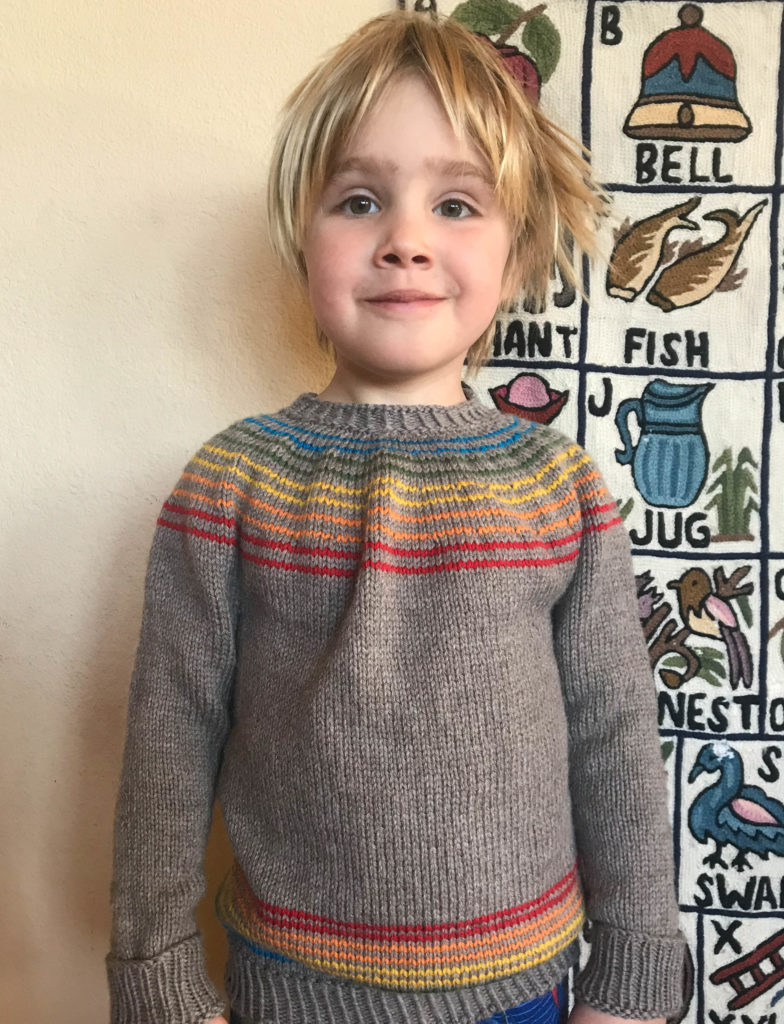
rainbow4

Continue reading

Teachable Moments : Potato Stamps

Potatoes are our ingredient of the season. You can find our full archive of potato posts here.

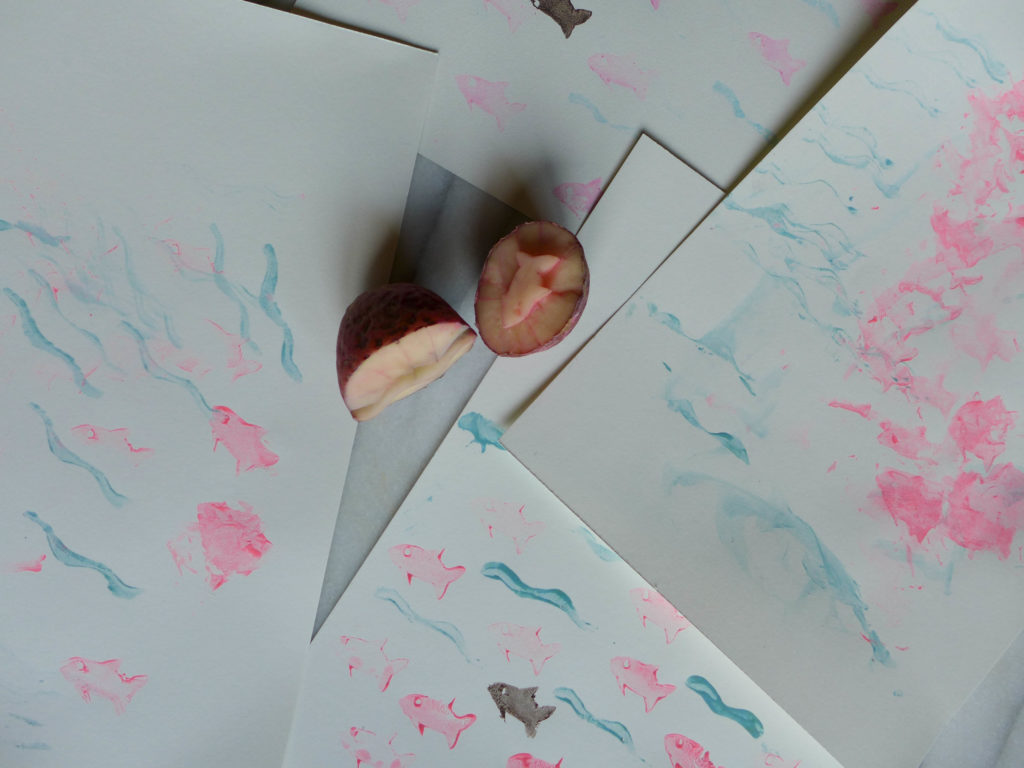
Have you ever used potato stamps before? The idea is super simple : carve a shape into the smooth side of a cut potato, dip it in paint, and print it on paper!

potato_stamps6

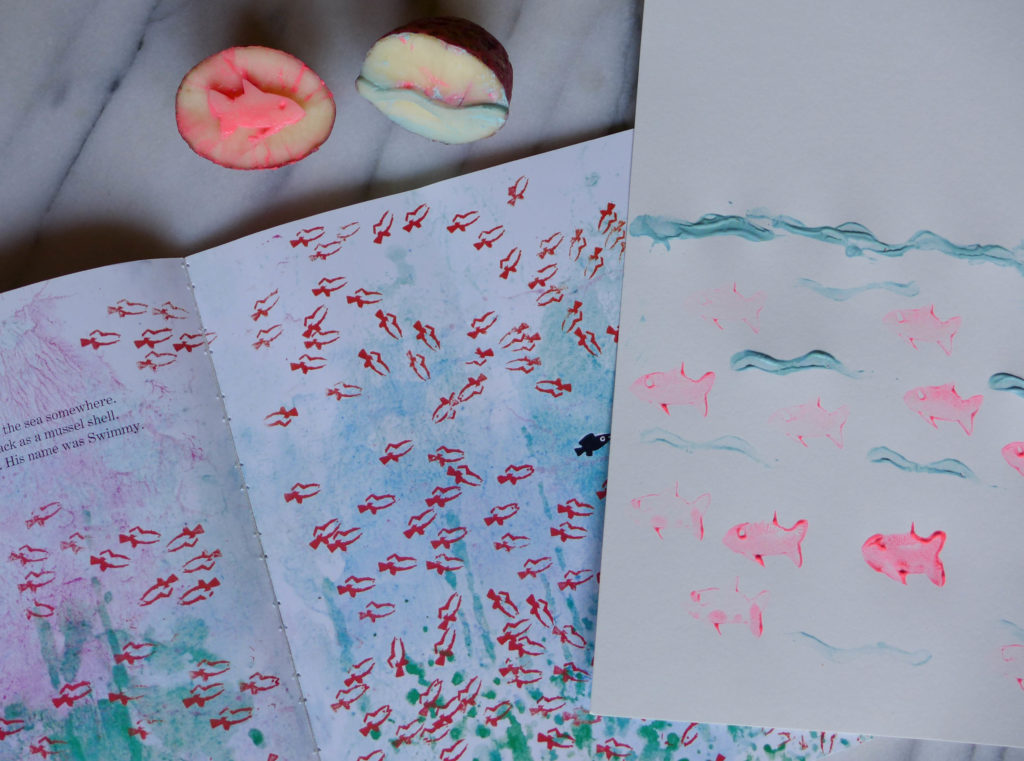
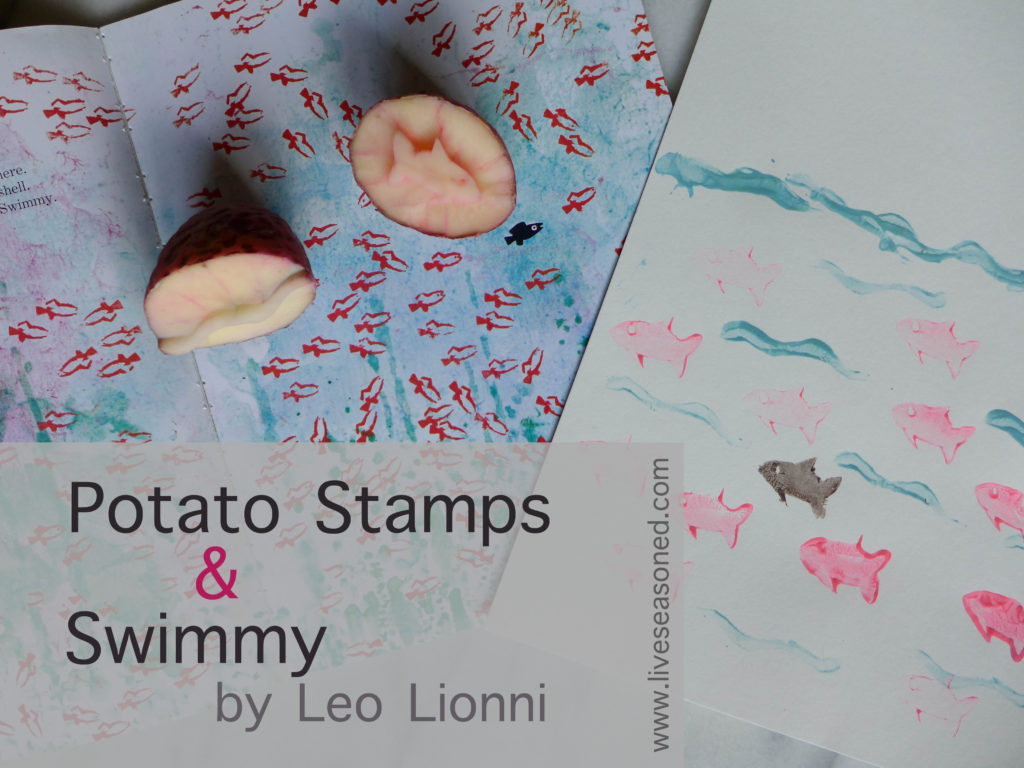
Today we created a simple project inspired by Swimmy, a book written and illustrated by Leo Lionni.

Swimmy & Lionni

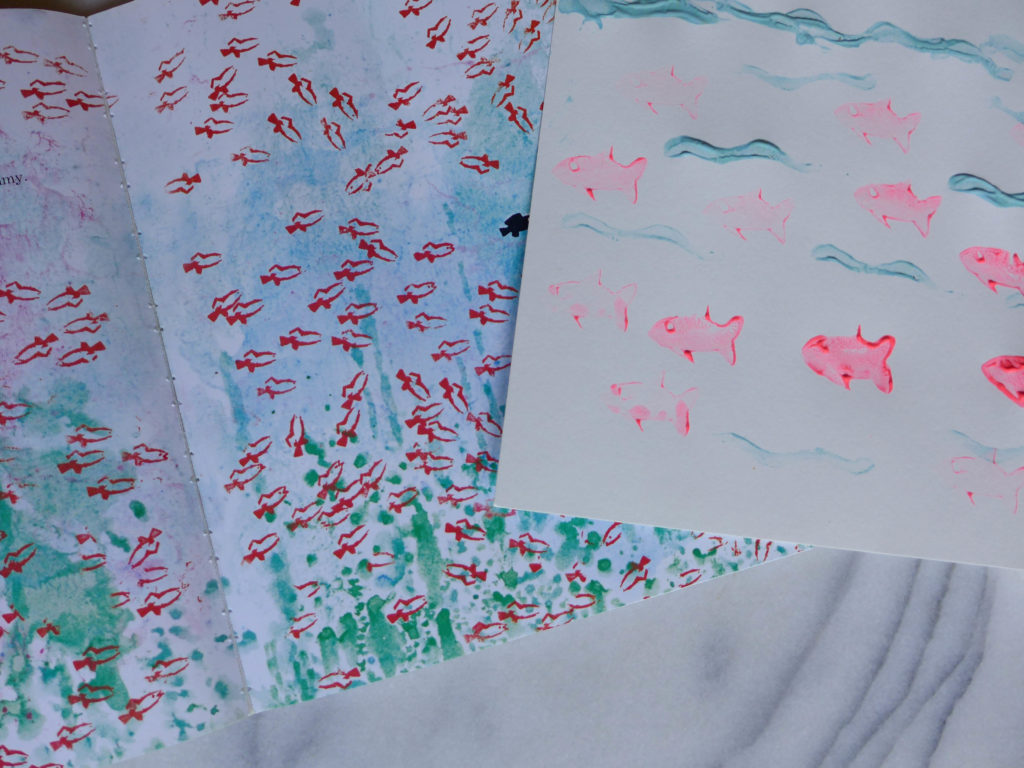
Lionni is said to be the first children’s illustrator to use collage as his main medium. In this book, the illustrations are printed. And, on many of the pages, you can see that the same stamps are used over and over again, as in these examples with the fish.

Swimmy’s story is relatively simple. He stands out from his school of fish, but sadly one day they are all eaten (except him!). He ventures out into the ocean and sees many wonderful sites. Eventually he finds another school of fish, and this time he teaches his new family a way to work together and protect themselves.

If you’ve never read it before, we’ve included a video of the story above. But really, there’s nothing better than reading aloud to your kids, and it’s nice to have the book on hand to discuss the artwork and how to use a couple of stamps to make a complex image, so we suggest picking up a copy from your favorite bookstore or the library.

You’ll see that we focused our work on the pages of Swimmy and his school of fish. But there are many beautiful illustrations in the book that you could recreate (my other favorite is the seaweed printed using doilies).

Potato Stamp 411

potato_stamps potato_stamps2

potato_stamps5

I prefer keeping projects simple, because I often believe that that helps little kiddos create beautiful artwork without too many complications, confusing steps, or accidental blunders (like mixing all of the colors and just getting brown!). In an effort to keep this project simple, we used just two stamps and two colors, EXCEPT at the last moment when we added a black Swimmy to our pieces.

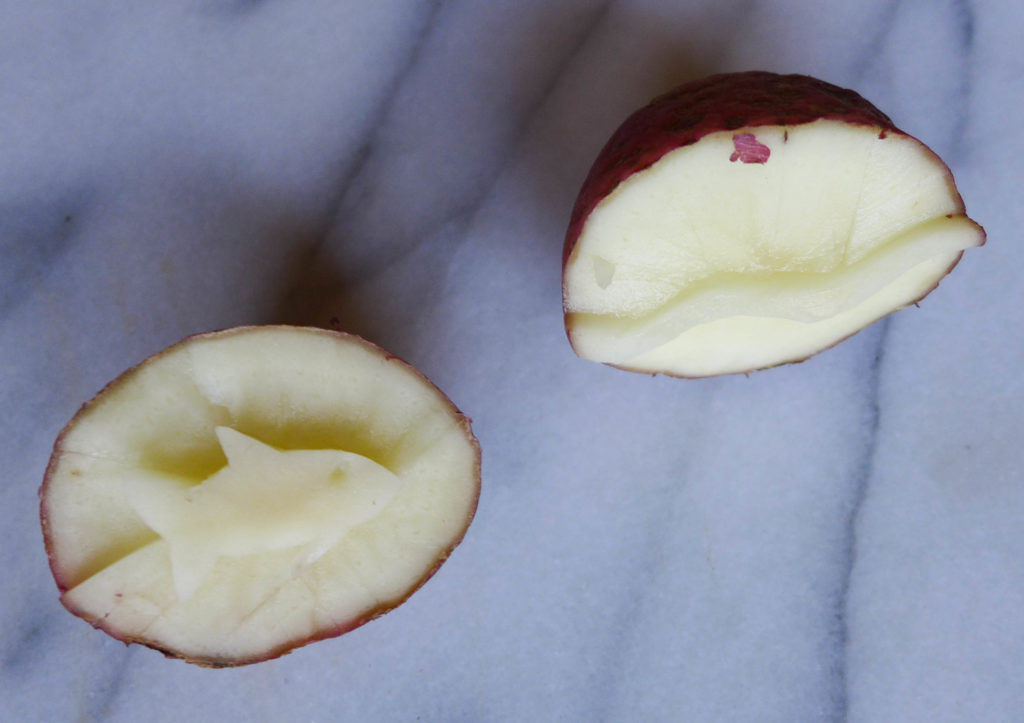
  • start the project by cutting out two stamps : a fish and a wave. This obviously requires an adult to use the knife.
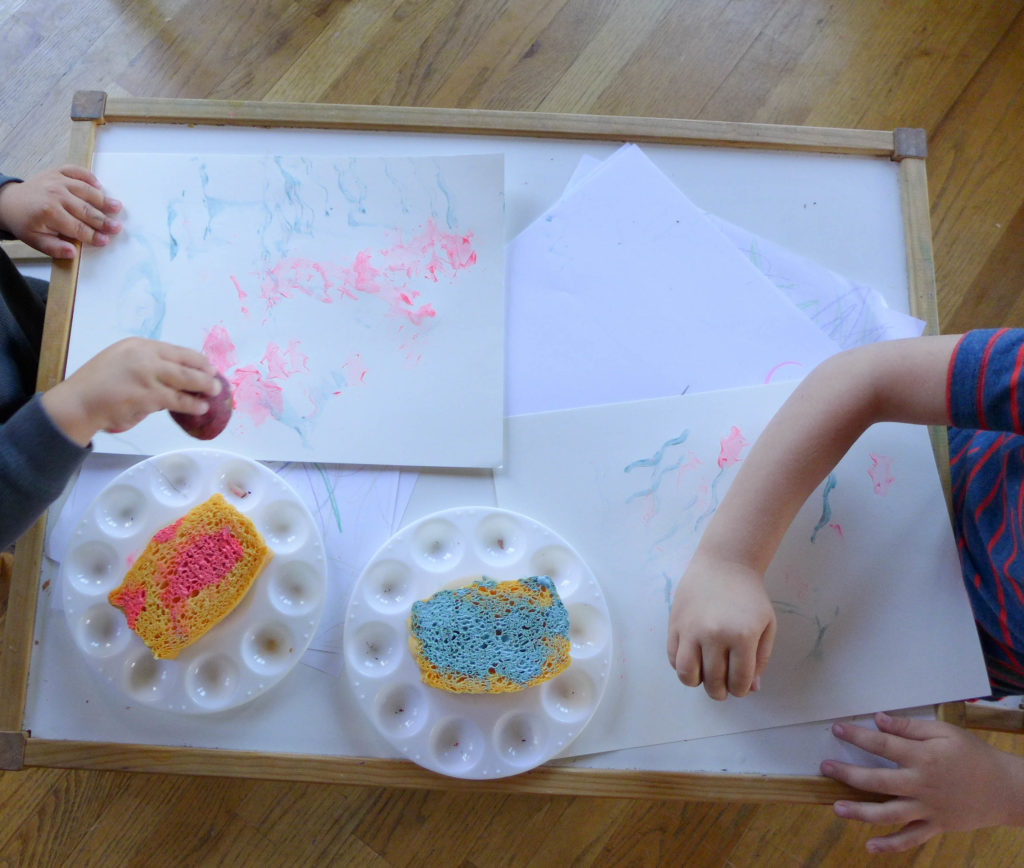
  • set up two printing areas : I like to use a clean sponge with paint poured on top. You can pat the stamp onto the paint area to get a thin and even layer of paint on the stamp.
  • start stamping!

The nice thing about using Swimmy as inspiration for these projects is that the kiddos can stamp a school of fish going in any direction. As you can see in the original work, fish are swimming up, down, and all around.

And as you can see from our pile of work above, stamping takes a bit of practice. At first the boys wanted to stamp and slide the potatoes. Similar to how they would slide a paintbrush across the paper. It took a little bit of help and some practice to get them comfortable with stamping and lifting the stamp straight up.

potato_stamps3

This is a great project for making a book “come alive” for the kids. Imitating art found in books is a great way to expose kids to different techniques. It encourages them to start questioning how different pieces of art are made and gives them the tools to start making their own original pieces!

potato_stamps4_title

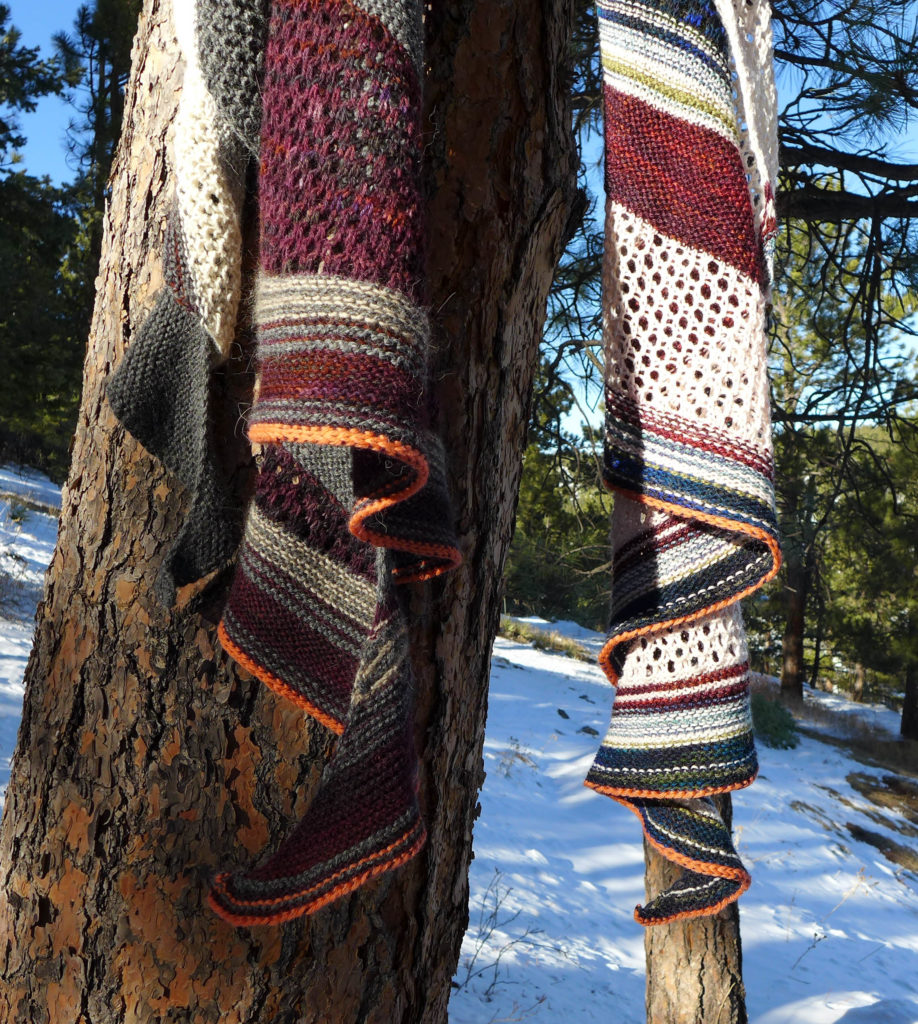
Make with Me : Lace Scarf

At the beginning of the year, I encouraged our readers to “make with me“. In that post I shared a few of the many benefits that you may get from picking up a hobby, and I gave you a few simple suggestions for how to turn your hobby into a regular habit (that’s good for you!).

If you follow our Instagram feed or have been a long-time reader, it’s no surprise that my primary hobby is knitting. I always have a project (or ten) in the works. While I don’t need the encouragement to knit more, I’m taking this resolution as a nudge to share more of my projects, in their many phases, on the blog.


make_with_me3

Make with Me : Lace Scarf

This pattern is Goldfinch by Andrea Mowry of Drea Renee Knits.

Continue reading

Fire Cider!

Ginger is our ingredient of the season, and you can find our complete archive of ginger posts here.

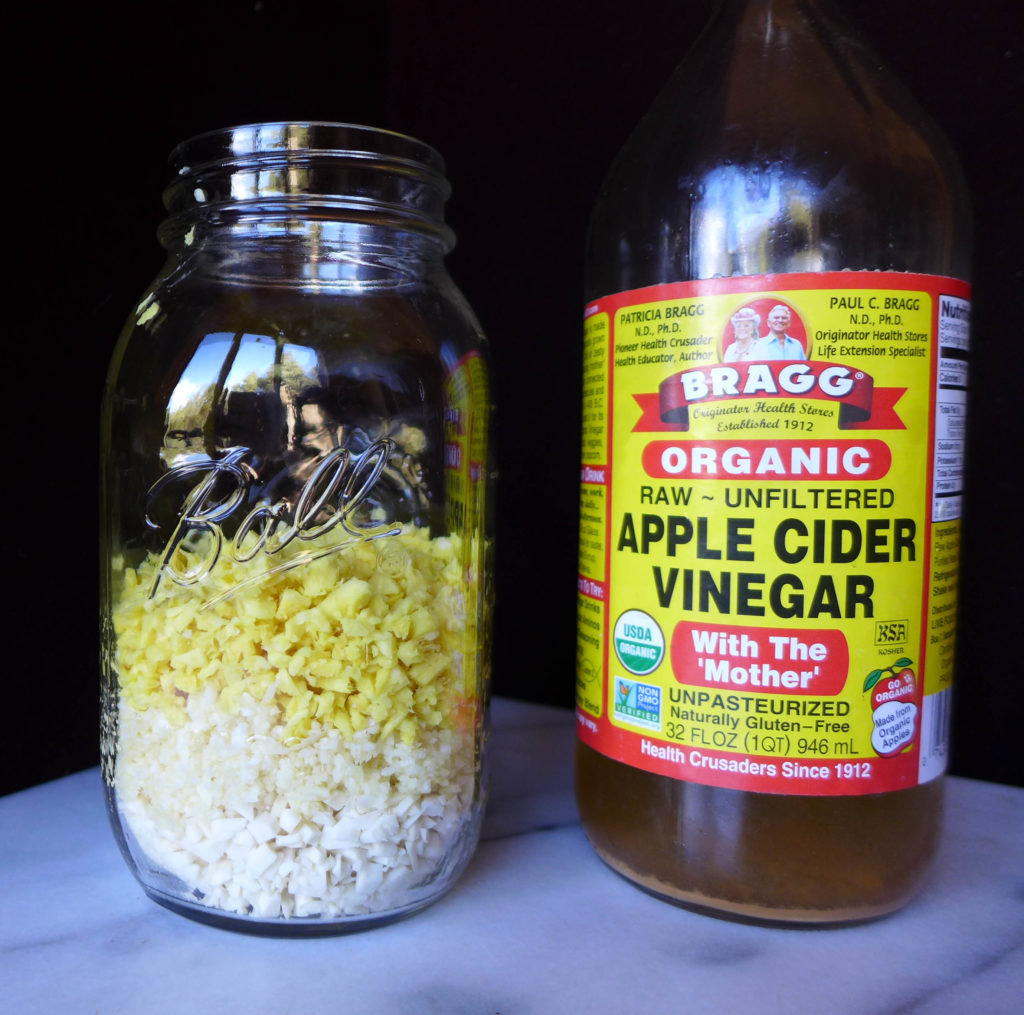
Have you heard of Fire Cider*? Some consider it a magic elixir others consider it crazy hippie medicine. No matter where you stand on the topic, we can all agree that it’s a bit hard to swallow without a good dose of honey.

fire_cider4

This is a post has been on the back-burner for a while. I’ve been wanting to write it and share one of our trusted winter elixirs, but at the same time, I don’t like to spout magic without having a bit of science to back me up.

In the end, I decided to share a recipe for fire cider along with a few links and a suggestion that you do your own research into food as medicine.

Continue reading

Put a Heart on It.

Still looking for a last minute DIY gift? We have a variety of ideas here.

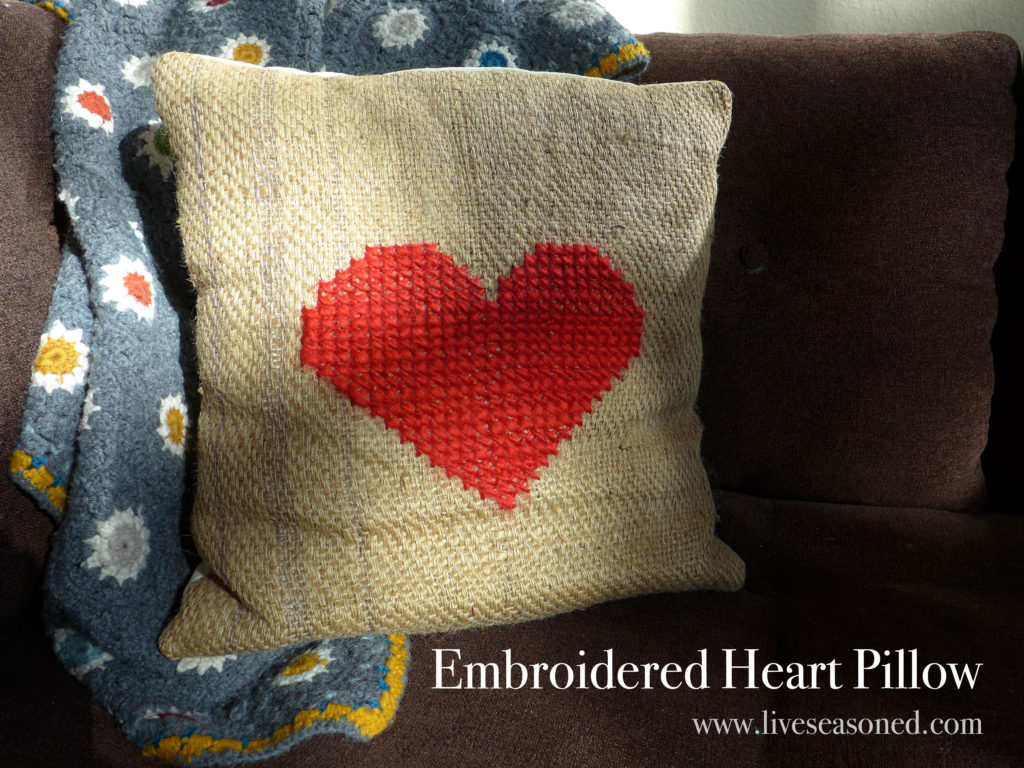
With Valentine’s Day right around the corner, we wanted to share this simple embroidered pillow as a bit of DIY inspiration. While this isn’t made from the softest of materials (more info below), it’s meant to add a punch of color and design rather than as a place to lay your head.

heart_pillow3b

I made this pillow at least four years ago, and it’s still going strong! Through multiple moves and many moments being sat upon, it’s holding up well. And fortunately, it has remained an enjoyable bit of decor. Seeing that big red heart makes me smile.

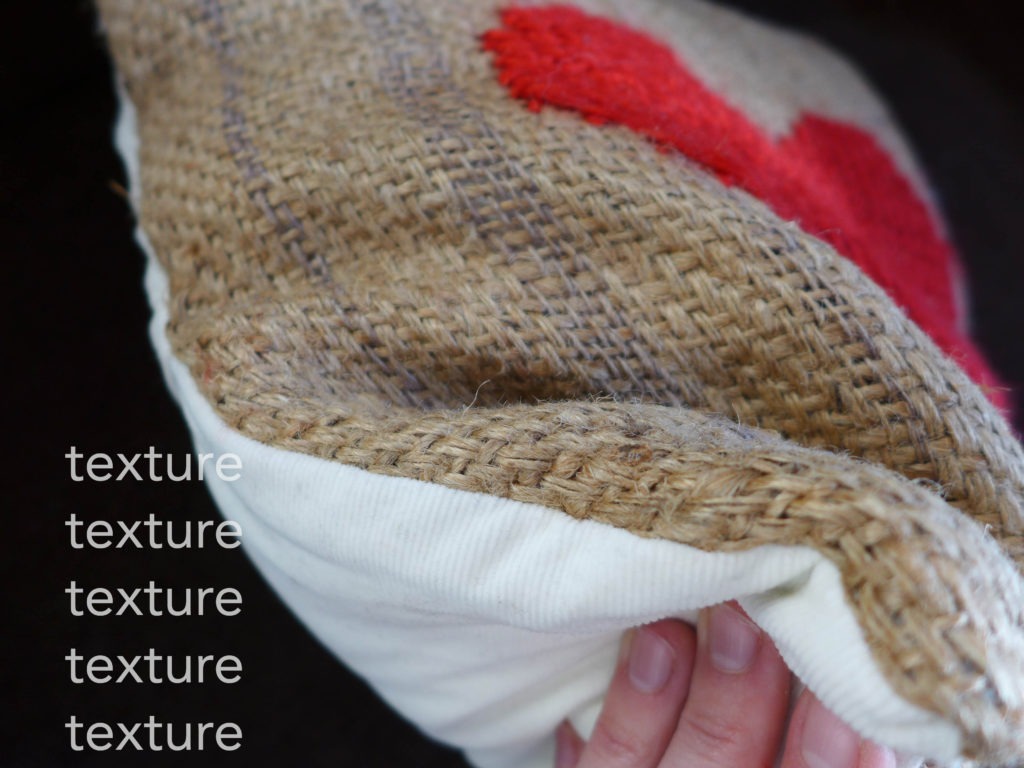
The combination of materials for decorative pillow cover and the embroidering adds a textural element that can make a room feel richer and more creative than if all upholstery in a room uses the same fabrics.

heart_pillowb

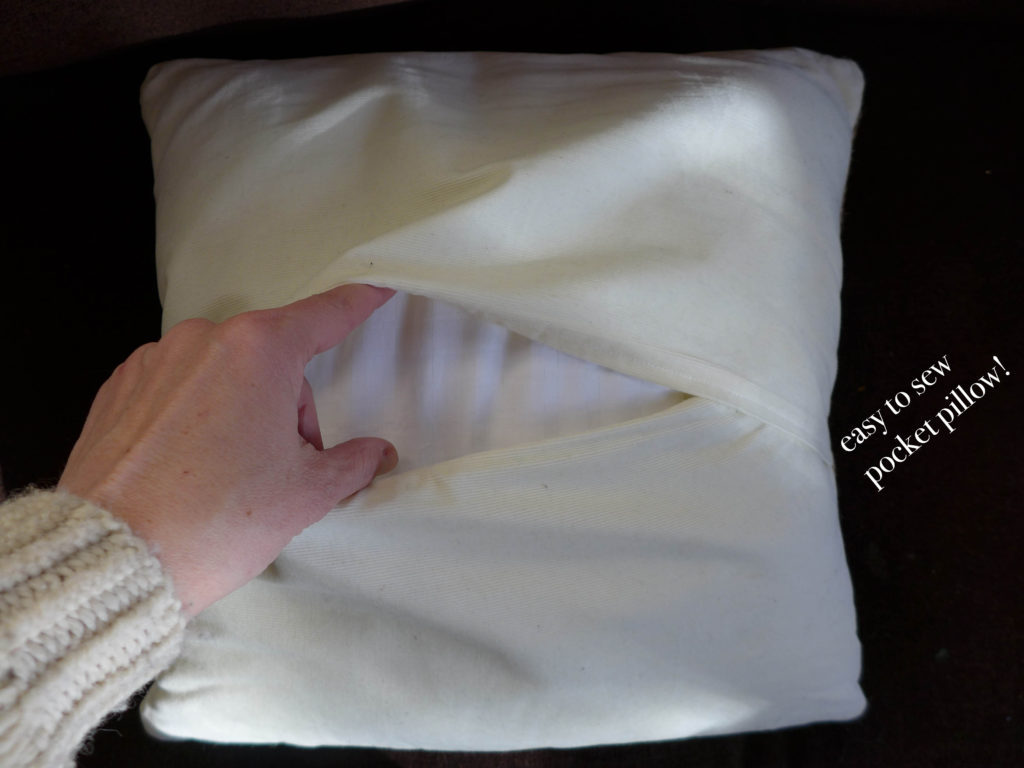
As I mentioned, this is a DIY inspiration post. We aren’t giving you step-by-step photographs and instructions because I made this pillow with bits of material and reused items in my craft room.

heart_pillow2b

Materials

*The face of my pillow is made from an old burlap coffee sack with the heart embroidered using red acrylic roving. Those blue stripes that you see on the front were on the coffee sack. If you don’t have access to a coffee roaster (that’s where I get my sacks), then you can easily substitute a burlap; look for a tighter weave if you don’t want to see the pillow insert between the burlap fibers.

411

  • Option – before you start the embroidery, cut your burlap to the size of your pillow (making sure to leave at least an extra inch of length in both directions for hemming), and if you’d like, you could sew along each edge to stop the burlap from fraying while you sew.
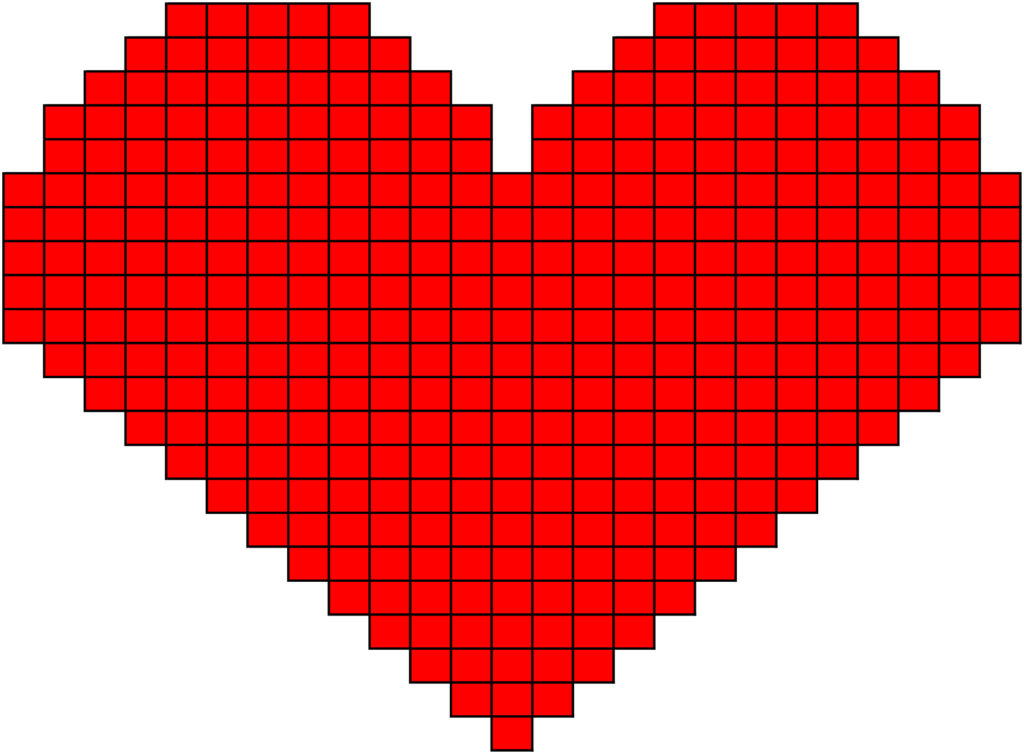
  • Cross-stitch a heart onto the burlap material being used for your pillow face. You can follow the pattern below or customize a heart to the size you want. Cross stitching is as simple as sewing little x’s on your fabric to match the red squares in the heart below. A quick tip to make your cross-stitching look more pro is to always keep the over and under stitches of your x’s consistent. For example, if you sew the line that goes from the upper left to the lower right first (it’s on the bottom), and the other line of the x second (it’s on the top), then you should use that pattern for all of the other x’s in your design.


heart_patternIf you don’t want to go through the effort of making a pillow. I think it would also be super cute to cross stitch a little red heart onto a piece of aida cloth (the typical cross-stitch fabric) using embroidery floss. Then you can hang it on the wall framed with the embroidery hoop. Super simple, but super cute.
Donate with Me

live seasoned clothing donation2 copy

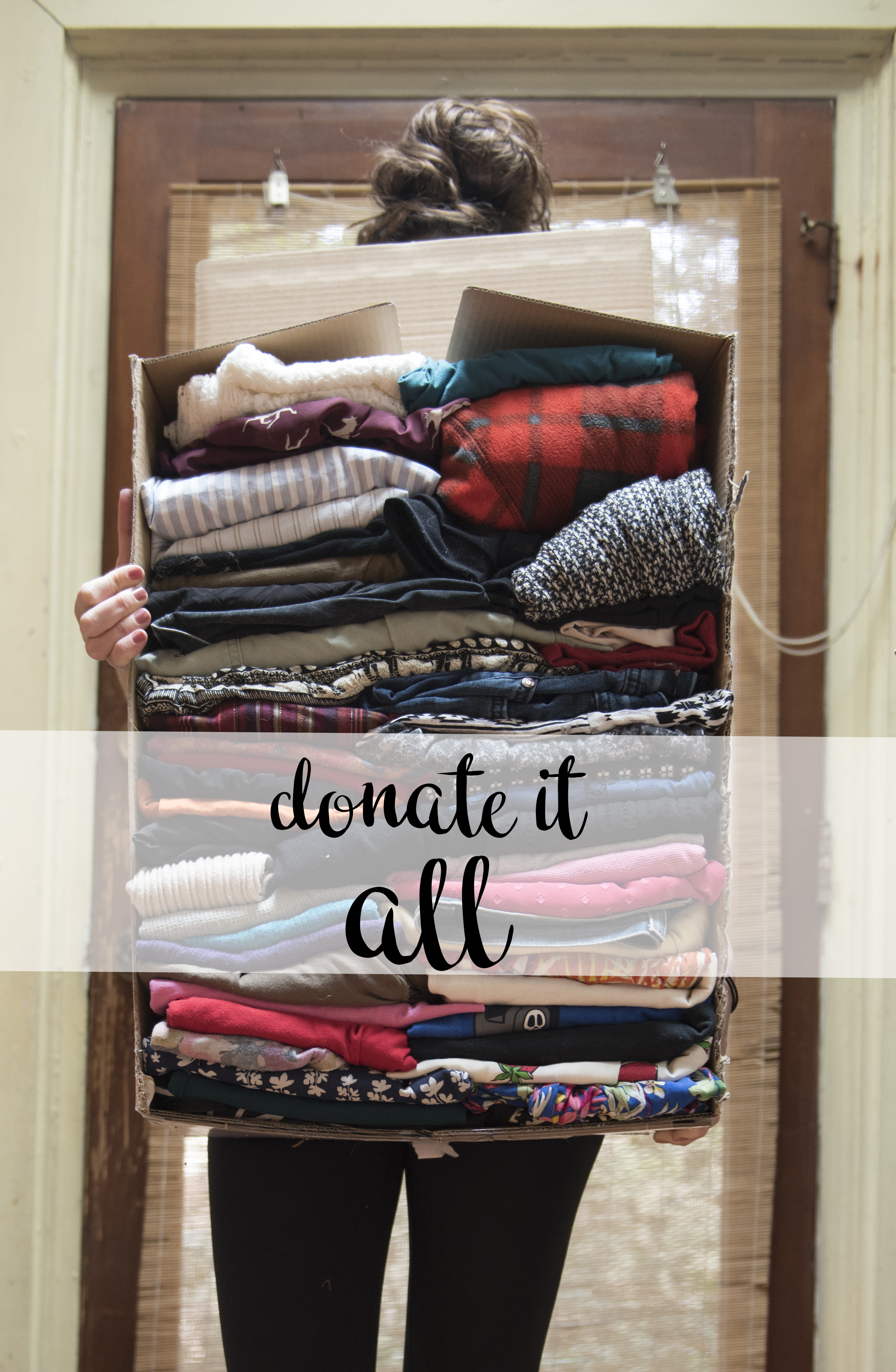
Hey y’all! This past month we introduced a few new initiatives, Read with Me & Make with Me and today we are asking you to do even more : Donate with Me. Kate and I find it’s encouraging and motivating to us if we share our mini goals and ask you to participate. It’s like we’re all in this together. It’s as if each page I read acts as a push for you to read more and each project you complete is the inspiration for us to start another one. Ya dig it?

First, I want to share a few reasons why you should donate it all. We live in a society that prides itself on the accumulation of possessions so buying and owning less is counter culture. It won’t come naturally, but it’s something we can all work towards in a way that makes us feel good. I’m not asking you to go on a spending freeze or to move into a tiny home. I’m simply asking that you assess what you own and get rid of what you don’t use and need and by doing this you will end up buying and owning less in the future. Here’s why:

Why You Should Donate It All

  • Save money. Buying only the essentials will save you money. You’ll have the financial freedom to travel, pay off debt faster or to save for a larger, quality item that you really want and need.
  • Save the planet. The less we consume, the less we damage the environment. It’s important to think of the true cost or the entire lifecycle of every single thing you buy. Simply doing this will cause you to be more conscious of your shopping instead of simply looking at the price tag.
  • Stop cleaning. Less stuff means less organizing and cleaning. Who doesn’t want that?
  • Buy better, not more. By owning less stuff, you’ll save more money allowing you to buy better items instead of more items.
  • Occupational freedom. Spending less gives you freedom in your occupation as well. I earn less than the median salary for a female my age because I choose to spend a lot of time not working and instead of traveling and visiting with friends and family. I have the financial freedom to do this because I rarely spend money on clothes and objects.
  • Appreciate what you do have. Owning less will automatically give you a greater sense of love and appreciation for the objects you do keep.
  • Lighten your burden. The less you possess, the less burdened you are. You don’t need a large house to store everything and moving about in the world becomes easier and easier.
  • Shift your priority. When you focus less on consumption, your priorities change. You make space for new hobbies, ideas, and visions for your life instead of constantly saving to spend or keeping up with fast fashion and consumption trends.
  • You are not your stuff. The more you covet possessions the more you associate yourself with them and see them as your identity. This could be traumatic if you suddenly lost or couldn’t afford to keep up with your possessions as that would mean losing a sense of yourself.

27650692_10155933703491217_1355341028_o 27650841_10155933703456217_1616767404_o

How You Should Donate It All

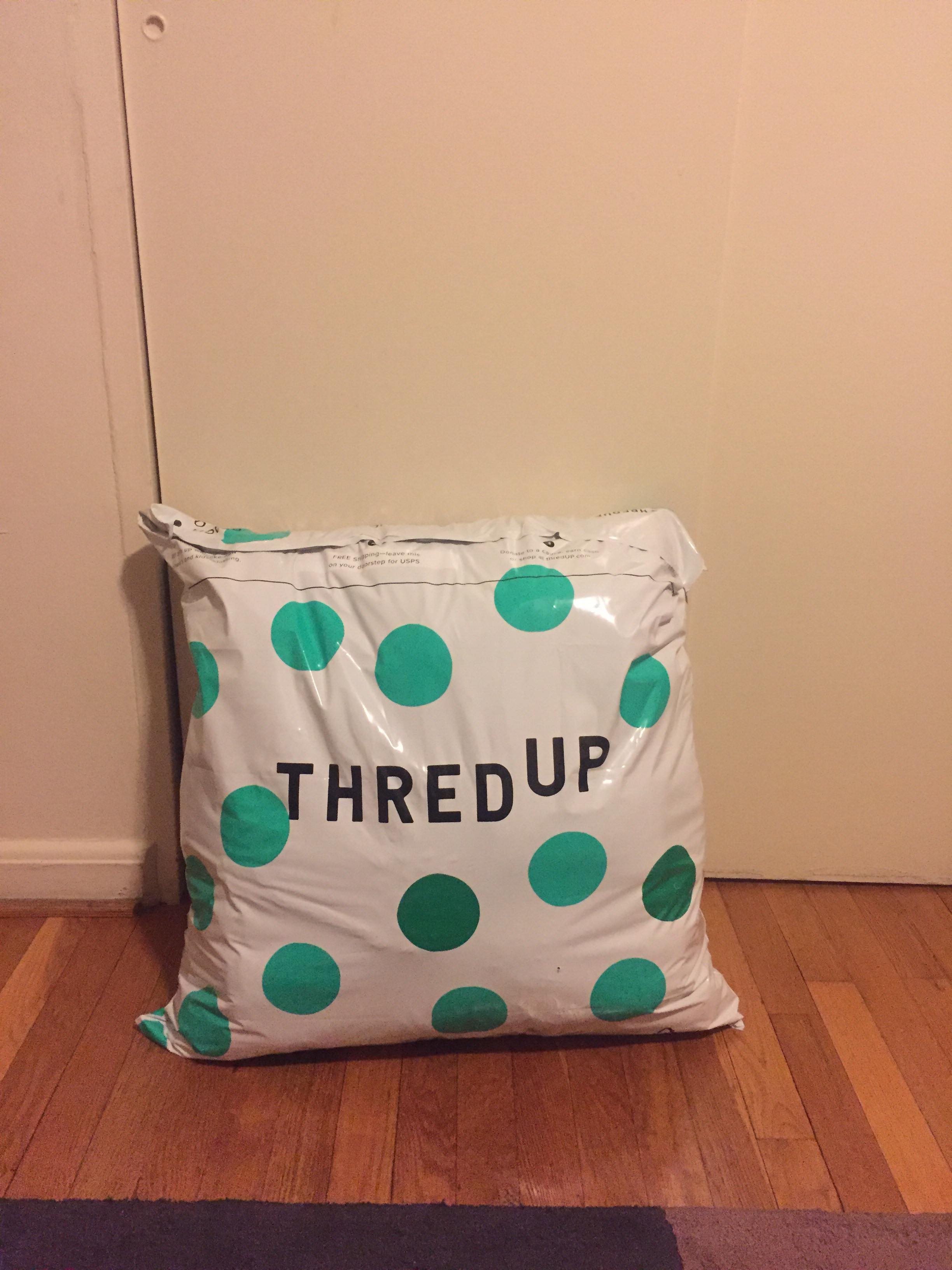
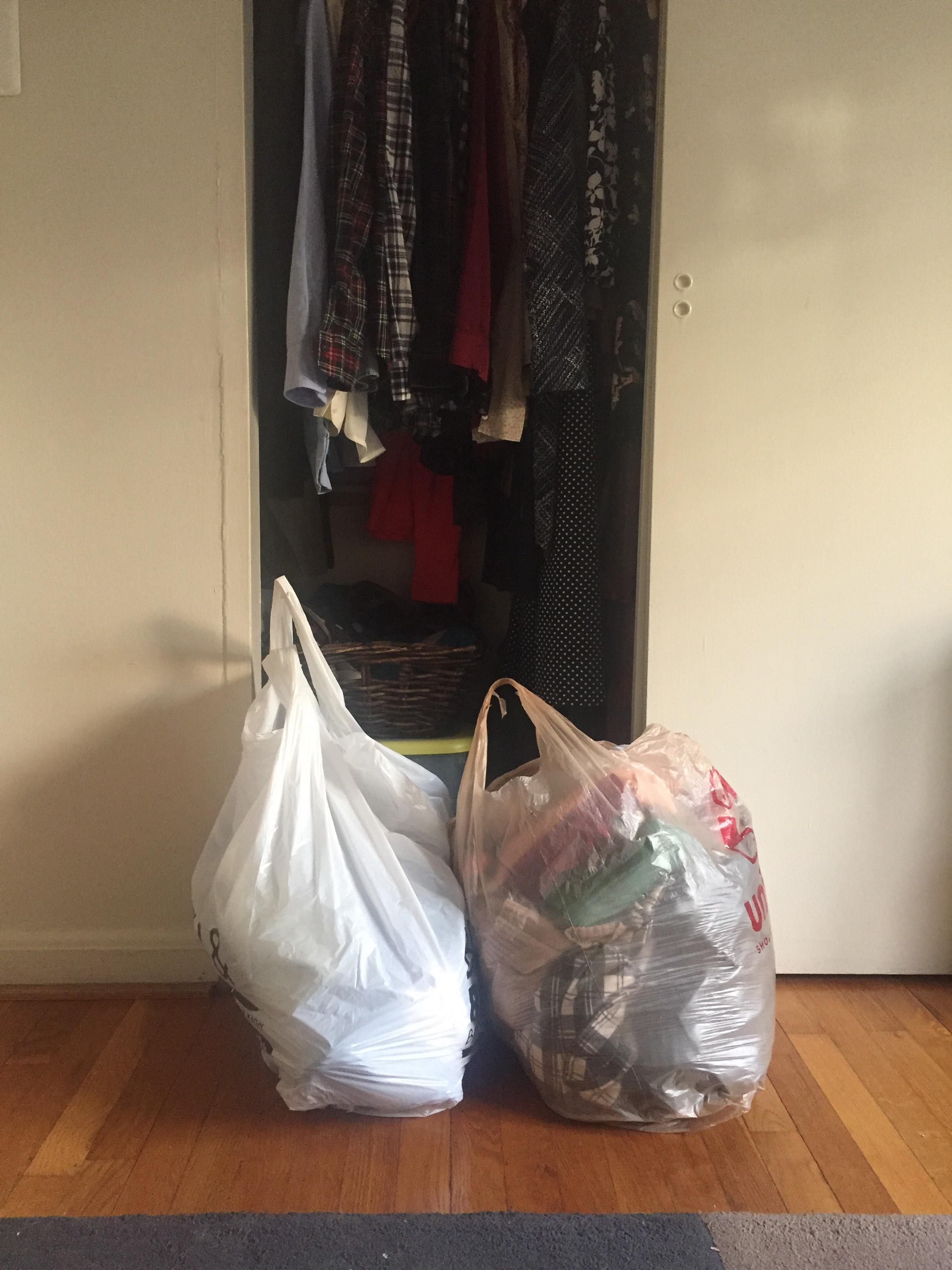
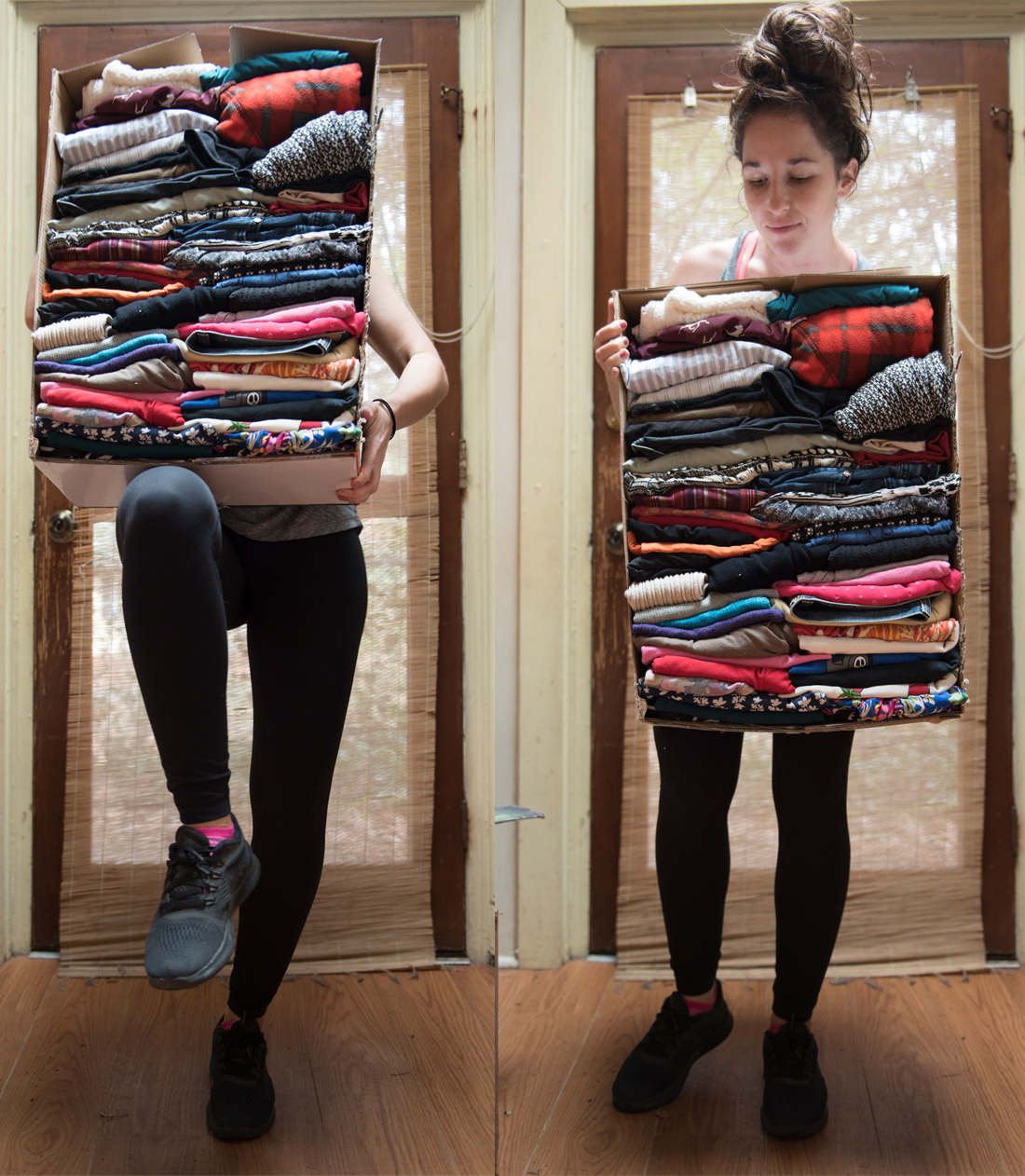
  • Always have a bag or box for the Goodwill started somewhere in your house. My roomie and I leave ours by the front door and drop it off every couple weeks, but you could also keep one in your car, laundry room, garage or at the bottom of your closet.
  • Encourage your roommate and friends to participate. Keep them accountable by asking for photos of the donation box and bags. Involving friends turns it into a competition and you may realize you need something your friend is donating or vice versa.
  • If you contemplate how much you appreciate an item, the answer is probably not much. Put the item in the donation box and leave it there for a couple days or a week, if you aren’t thinking about it or using it, get rid of it.
  • For one month, choose an item a day to give away. This will start to shift your perspective.
  • Notice which clothes always live in your drawers. The clothes you seem to never wear even when all your other laundry is dirty. Get rid of them.
  • Organize similar items together and identify your favorites in each category. Ask your self how many of each thing to you actually need and use. Donate the rest.
  • Release the guilt of giving away clothes and objects that were gifted to you. Just because you’re giving them away doesn’t mean you didn’t value the sentiment behind the gift.
  • Learn about the sunk cost fallacy and release yourself from it. Don’t dwell on money spent, feel motivated about the money you’ll save once you define what you actually need to thrive.
  • If there is anything that brings up negative feelings, get rid of it. Things hold energy and they have the potential to weigh you down. Things elicit feelings and spark memories you had when you got them. Clothes elicit how you feel when you wear them. Be realistic about how you feel when you wear or use items and get rid of them if necessary. Paying attention to these feelings also helps you to choose objects that better align with your style and ascetic in the future, which will further reduce your consumption.
  • Acknowledge that your style changes. Just because you loved a shirt and wore it practically every day for a year doesn’t mean you need to hang onto it if you’re not diggin’ it this year.


What You Should Do With Your Donations

  • Drop your donations off at a Goodwill, Salvation Army, or an independent thrift store.
  • Donate your cleaning supplies, towels, blankets, sheets, etc to a local animal shelter.
  • Donate bath and body items, including feminine hygiene products to homeless shelters.
  • Sift through your craft and office supplies and donate them to a preschool or send them to a young person in your life that way they can be creative without it costing them anything.
  • Sanitize and donate toys and books to a preschool, family homeless shelter or local family who may need new stimulation.
  • Sell your items on Facebook marketplace, craigslist, eBay, ThredUp, Poshmark etc.
  • Gift your quality, coveted, but unwanted items to family and friends that way you know they’re being enjoyed.

live seasoned clothes

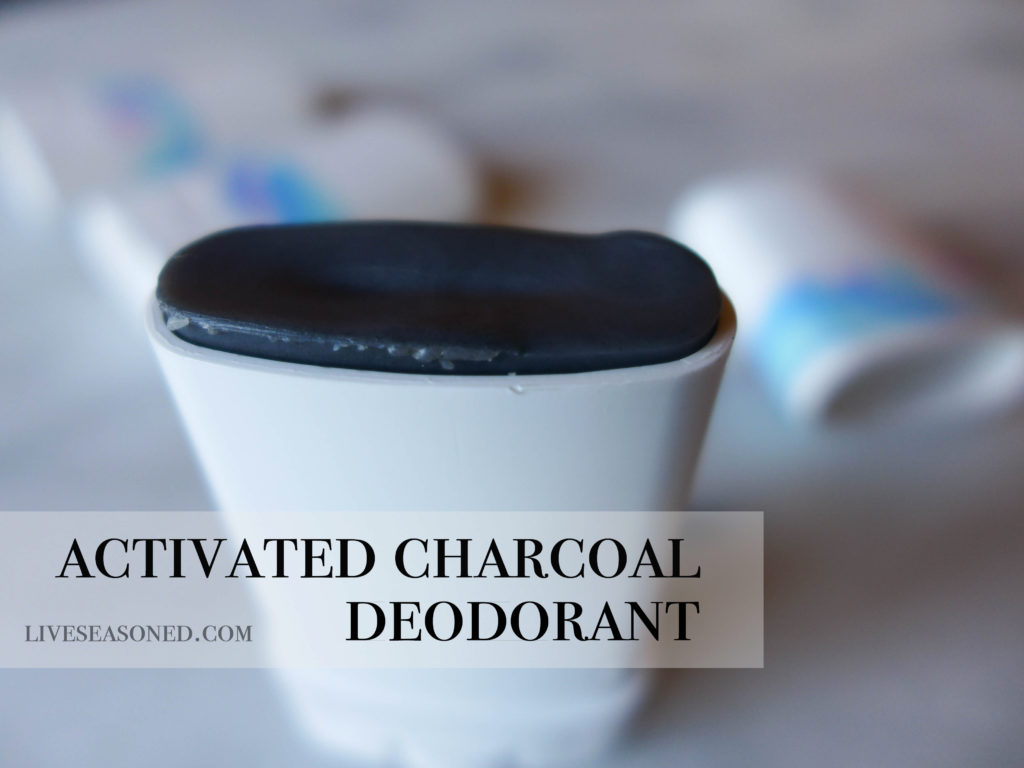
Activated Charcoal Deodorant

When feasible, we like to experiment with our own beauty potions. You can find a bunch here, from lip balms to face masks to foot scrubs!

We like our deodorants simple and effective. With their long ingredient lists, it can be hard to find simple deodorants in the beauty section. And when we do find something that’s simple and often “natural” it’s often not as effective as we want it to be. Admittedly, that goes for our own DIY blends too.

charcoal_deoderant_title

But we aren’t throwing in the towel yet, and today we have a new blend that we’re excited to share!

Continue reading

Solid Perfume Necklace

We love crafting with essential oils. You can see some previous projects here.

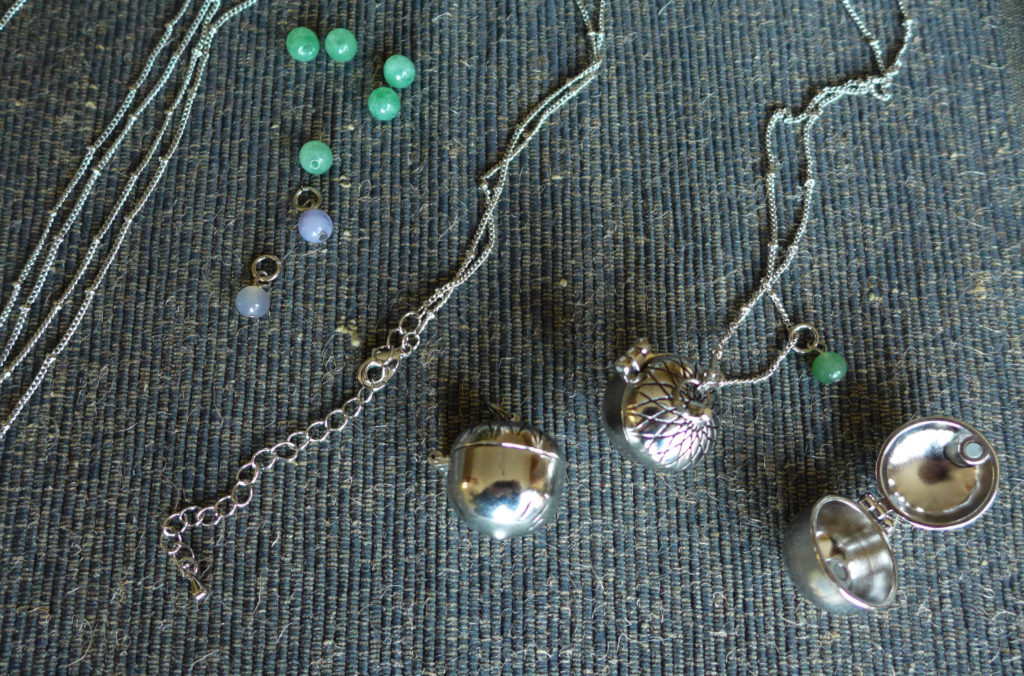
One of the homemade gifts that I gave this year were these necklaces. Each contained an adorable acorn locket filled with solid perfume.

solid_perfume_necklace

Read on for the simple DIY and an amazing woodsy essential oil blend.

Continue reading