Summer Face Oil

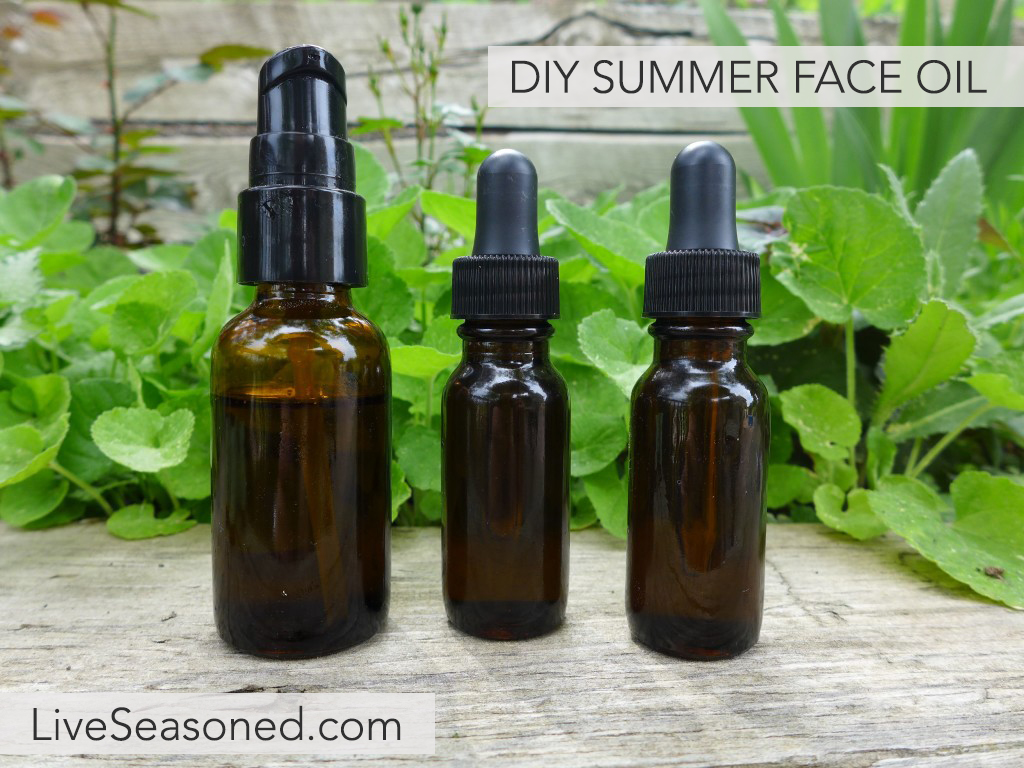
We’re exploring the many uses for essential oils for both our home and body. You can see our archive of essential oil posts here. liveseasoned_summer2015_faceoil8-1024x768 copy

Oh my skincare routine has changed throughout the years, and I only wish that I was as gentle on my skin in high school as I am now. Back then I thought my skin was too oily and would never have dreamed of actually applying oil to my face to moisturize and nourish it, instead, I would be drawn to any cleanser that promised to dry out my face. In reality, I’m guessing that all of those harsh, drying products likely irritated my skin, stripped it of its natural oils, and caused it to over produce oil in order to try to hydrate my face and reverse the damage I was doing. Jump ahead ten years, and I slowly came around to the amazingly beneficial characteristics of plant oils for the skin. Jump ahead another couple of years, and I’m now adding some essential oils to my basic routine.

I like to shy away from the camera when it comes to our posts, but if any post calls for a headshot, it’s this one! So I’m putting my face in focus for this post, and hopefully it will stand as a record that I can refer back to when looking at how my skin responds to a few years of essential oil use. I should also mention that I really believe that healthy skin starts from the inside. So while I’ve found these skin oil potions to be effective, I also make it a point to drink plenty of water and eat a well-balanced diet full of fruits and vegetables.

Continue reading

Wedding Crafts : Purses

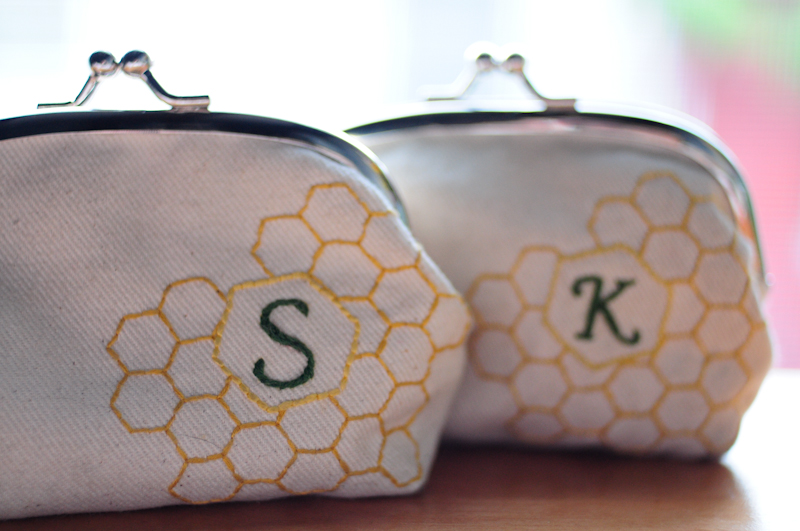
This June I’m sharing some of the crafts that we made for my wedding, which was four year ago this month! Last week I showed you the bunting that decorated everything from our reception tent to our ceremony backdrop. Today I’m giving you a glimpse at the clasp purses that I made as gifts for the bridesmaids!

liveseasoned_summer2015_purses7

Continue reading

Natural Bug Sprays

This is part of our ongoing series on using essential oils for home and body care. You can see our archive of essential oil posts here.

We’re celebrating Pollinator Week around here with a series of pollinator-related posts. When you grab a bottle of bug spray, I’m guessing that “pollinator” is not the first word that you think of, instead, it’s likely “mosquito” “f-ing mosquitos”. Am I right? But guess, what?! Mosquitos are pollinators!

Pollination aside, we will never grow to love the pesky mosquitos, ticks, and fleas. Today we’re sharing a natural, non-toxic bug spray. I find that this works well when the mosquito populations aren’t too high, but I admit, there are still times, particularly in the swampy waters at the shore, that I have to use something containing DEET. What this spray lacks in DEET, it makes up for in its beautiful scent, and in the ability to personalize (there are so many mixing options below!).

Continue reading

Mold & Mildew Shower Spray

This is the first of a multi-part series on using essential oils in the home and on your body. Excited to make some potions? We already have some essential oil uses in our archives, and you can see our introduction to essential oils here. Also, lemons are our ingredient of the season. You can find more lemony-fresh posts here.

Moving into our new house, I had one thing on my mind when it came to the showers : keeping them clean! Let’s be honest, they are never really squeaky clean, but I wanted to be sure that they stayed free of mold and mildew. We have three showers in the house, and they are all tiled and have glass doors, so there are a lot of grout cracks and door crevices to keep my eye on.

With the limited time I have, I knew I wouldn’t be in there scrubbing them each week, so I was on the hunt for a mold and mildew prevention spray that I could use between deep cleans. I found just what I was looking for in my new favorite cleaning resource, The Naturally Clean Home. That is a great book for anyone looking to rid their cleaning routine of chemicals, and it’s particularly helpful if you’re new to many of the natural alternatives as she provides a great overview of what the common ingredients used throughout the book.

liveseasoned_summer2015_showerspray

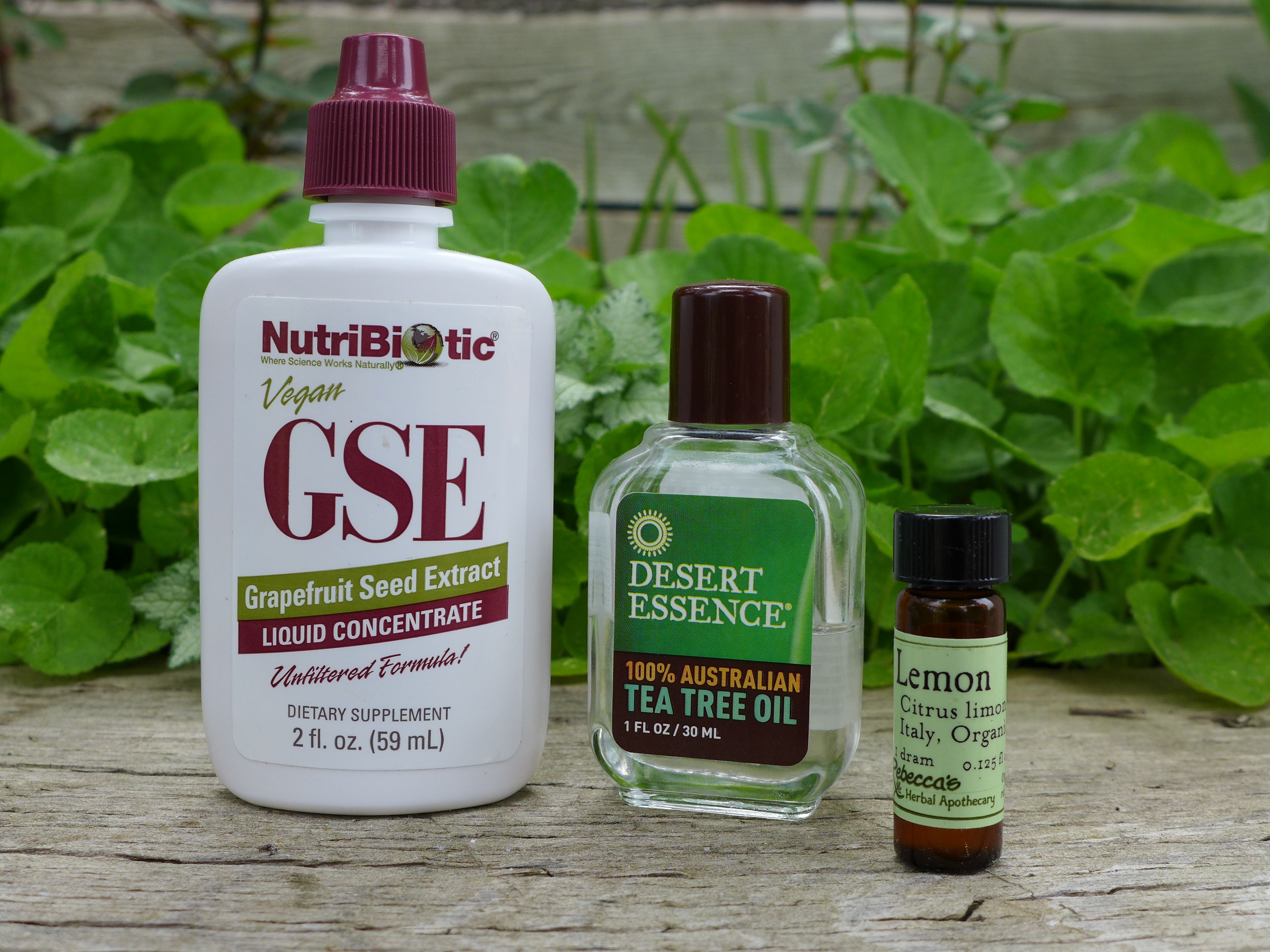
Today’s recipe uses two essential oils and a citrus extract. All three ingredients are powerful antimicrobials, helping to kill mold, mildew, bacteria, and fungus. All of the nasty stuff that you don’t want growing in your shower. Water is used as the diluting agent, because at full strength, the oils and extracts would cause damage to your skin and possibly to some of the surfaces in your shower.

Ingredients & Materials :

  • spray bottle, 16 oz or larger
  • 2 cups water
  • 8-10 drops citrus seed extract (commonly sold in health food stores as grapefruit seed extract)
  • 2 tsp tea tree oil
  • 4-6 drops lemon essential oil

Mix all ingredients together in the bottle and spray on a wet shower surface (a great time is immediately after you shower), paying special attention to cracks and crevices, especially those that are in the darker corners of your shower. I like to give the bottle a good shake before each use, just to be sure that the ingredients are well-mixed.

While this spray does an amazing job of deterring mold and mildew, and even killing the little colonies that start to grow, I’ve found that there are time when I have to add a bit of scrubbing to completely eliminate some spots. When I have them, I love to use magic erasers for this job. I find that at times they are even better than a traditional scrub brush at getting into small crevices and completely removing all signs of mold and mildew.

liveseasoned_summer2015_showerspray3

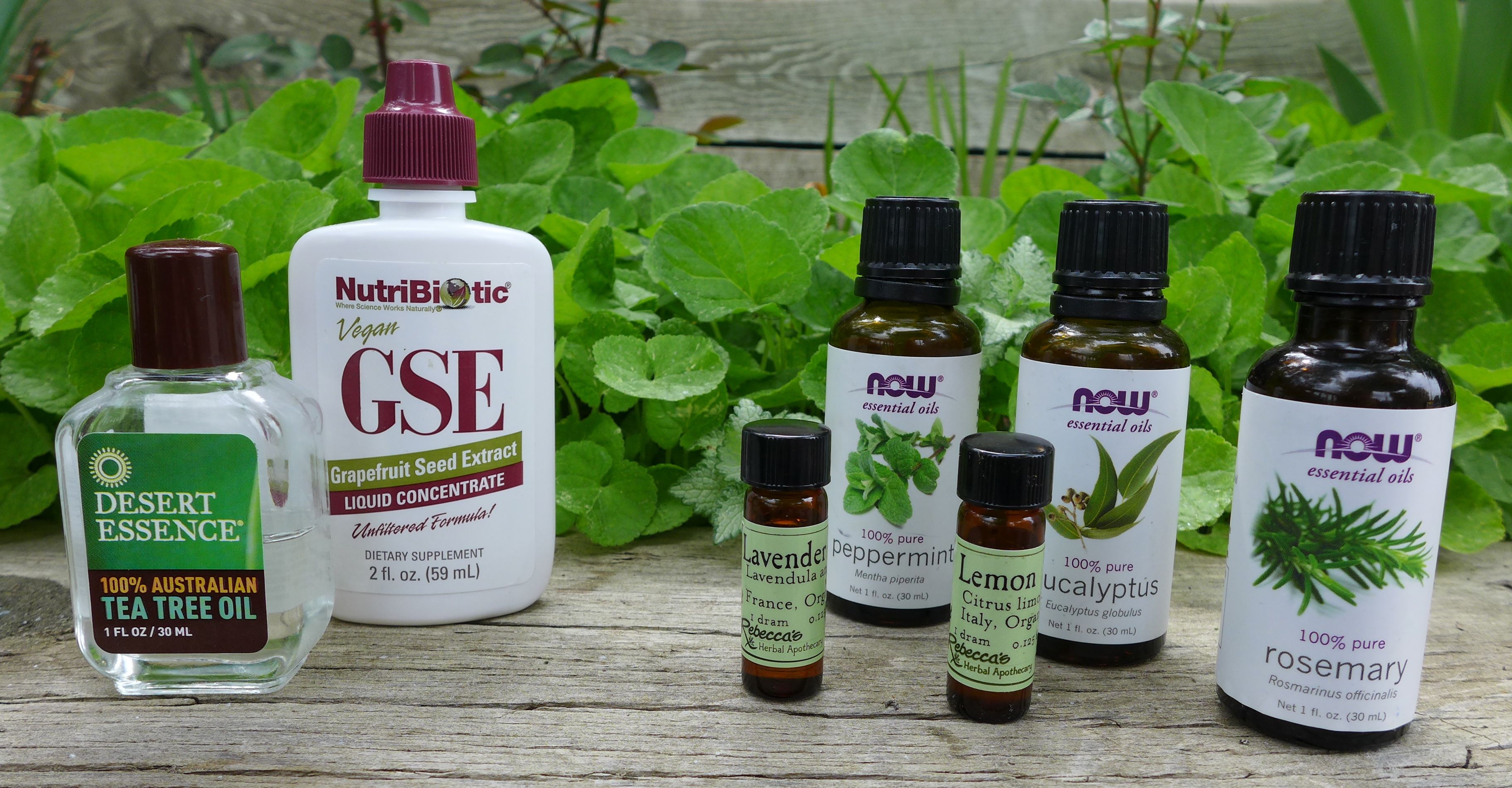
When it comes to this potion, I always use the grapefruit extract and tea tree oil, but will vary which other essential oil I’m using depending upon the season. I’ve used peppermint, eucalyptus, and lavender in the past. If you do experiment, I would recommend sticking with an essential oil that has some antimicrobial properties, but off course, you could always add a few drops of other essential oils if you like their aroma.

Now, do yourself and the planet some good : ditch the bleach cleaners and start crafting your own shower spray with essential oils!

Using Essential Oils

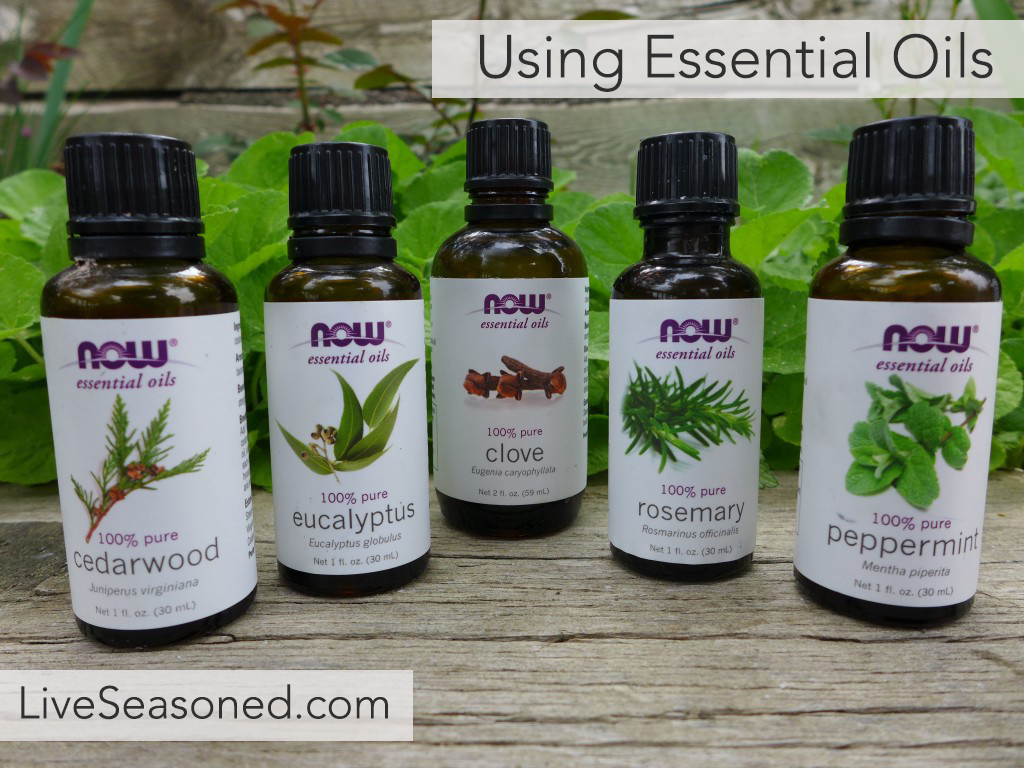
This is the first of a multi-part series on using essential oils in the home and on your body. Excited to make some potions? We already have some essential oil uses in our archives.

Wherever I can, I’ve been trying to eliminate chemicals from our home, and introduce more natural alternatives, whether we’re talking cleaning products for the bathroom, cosmetics, or even pharmaceuticals. What I’ve found again and again is that essential oils are often recommended as a natural source for ingredients in many of my replacement recipes. The world of essential oils is vast, and I’m just starting to really explore all that these oils have to offer, but I thought it would be fun to start a little series this summer where I share with you what I’m learning and the useful resources I’ve found both online and off. As I’m just starting this series, I think it’s important to note that even if you’re buying high quality essential oils, while these are natural products, if used incorrectly they can be just as dangerous as manufactured chemicals.

liveseasoned_summer2015_essentialoils2-1024x768 copy

In this post I wanted to cover some basics about essential oils, focusing on what they are and a few examples of how they can be used. At the bottom of this post I share some of the resources that I’ve found particularly helpful. And we couldn’t end the day without a recipe, so in a second post this afternoon I’ll share one of my favorite potions for keeping our shower clean and smelling fresh.

Continue reading

Wedding Crafts : Bunting!

Hey there! We can’t believe it, but four years ago in June, Calder and I got married! It was such a fun day, and whenever the topic of our wedding comes up, we always look back on it with fond memories. Just the other day we were telling new friends about our “meat and greet” line, where Calder grilled the steak and salmon and got to say hello to every guest as he served them their main course. While we can’t offer you a fillet of salmon, we thought it would be fun to look back at our wedding and share some of the other homemade elements that we incorporated into the big day.

liveseasoned_summer2015_bunting13

{I had to include the photo above, because when do you ever get to use the wedding outtakes?!… and sometimes they’re so cute.}

We had the wedding at my parents’ farm in central PA, and being the hands-on, crafters that we are, everyone in my family was excited to help personalize the wedding. My brother designed and printed our invitations, my mom made the cakes and hand-beaded the sash for my wedding dress, my sisters helped with homemade signage, and styling the dancing barn that our dad had just finished rebuilding, and the list goes on.

Continue reading

5 Tips For Taking Better Kid Candids

Taking great kid candids is an important skill to have.  Give any parent a stellar photo of their son or daughter and you’ll be invited over for dinner often.  Throw all those kid candids in a photo album and BOOM you have the best mother’s day present ever, one that will never be duplicated or lost.  If you need more dinner dates or a great father’s day present (it’s already June!) than read on my friends, read on and charge those camera batteries because today’s post includes 5 Tips For Taking Better Kid Candids.

liveseasoned_sp14_siblingphototips-16


Continue reading

Dino DIY Terrarium

Hey there! Hopefully I met you today at the Anthracite Heritage Festival 🙂

Here’s how to assemble the Dino DIY Terrarium:

  1. Find a glass vessel.
  2. Line the bottom with stones.
  3. Sprinkle a layer of charcoal on top.
  4. Add a few inches of potting soil.
  5. Tuck small plants into the soil.
  6. Add moss and decorations.
  7. Keep the terrarium in indirect sunlight and mist when soil is dry.

Cheers!

Walnut Oil Wood Balm

Nuts are our ingredient of the season. We’ve been using them for sweetsdrinkssnack bars and savory condiments! Today we’re finally getting crafty (sort of)!

liveseasoned_spring2015_walnutoil8

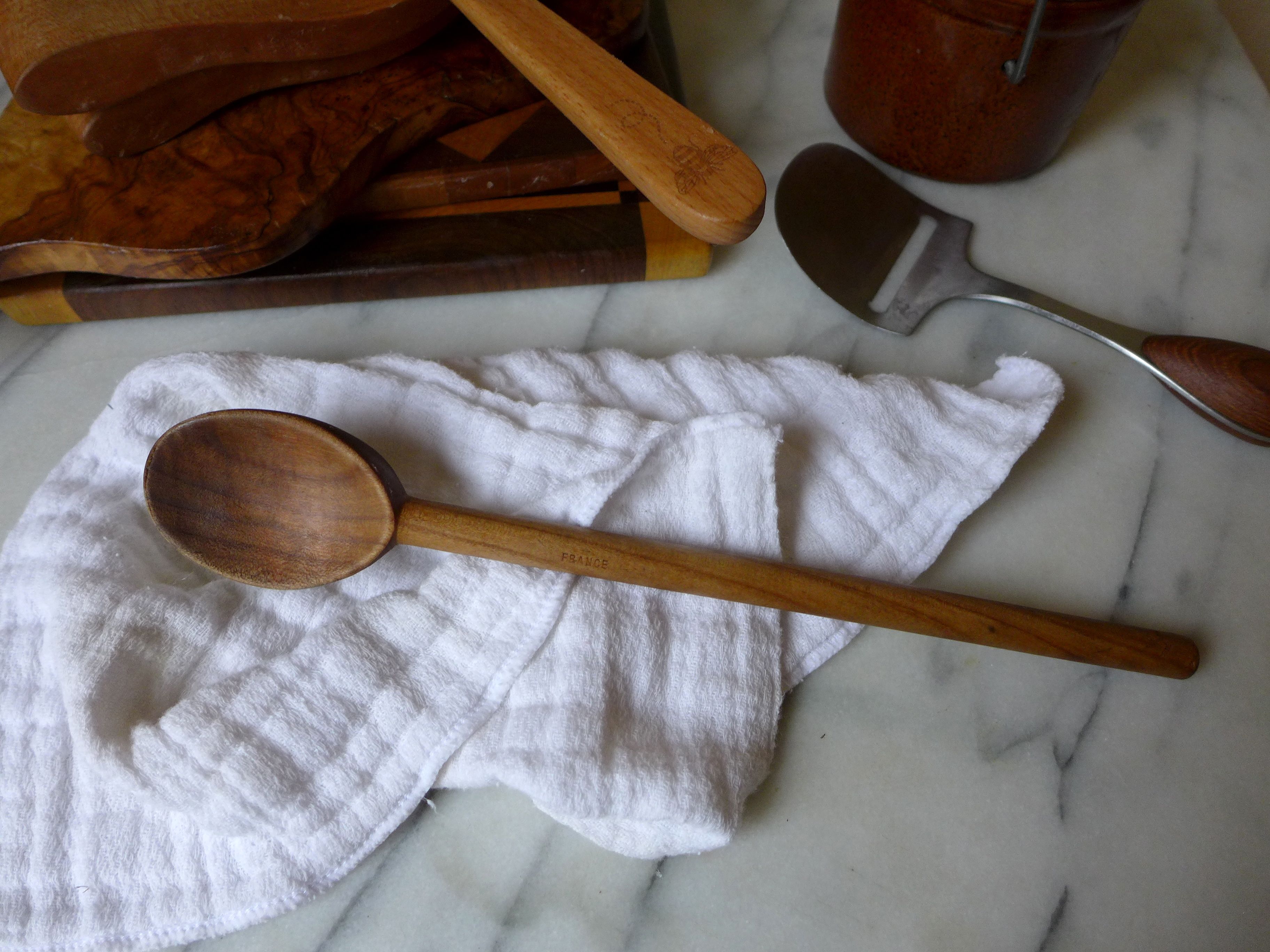
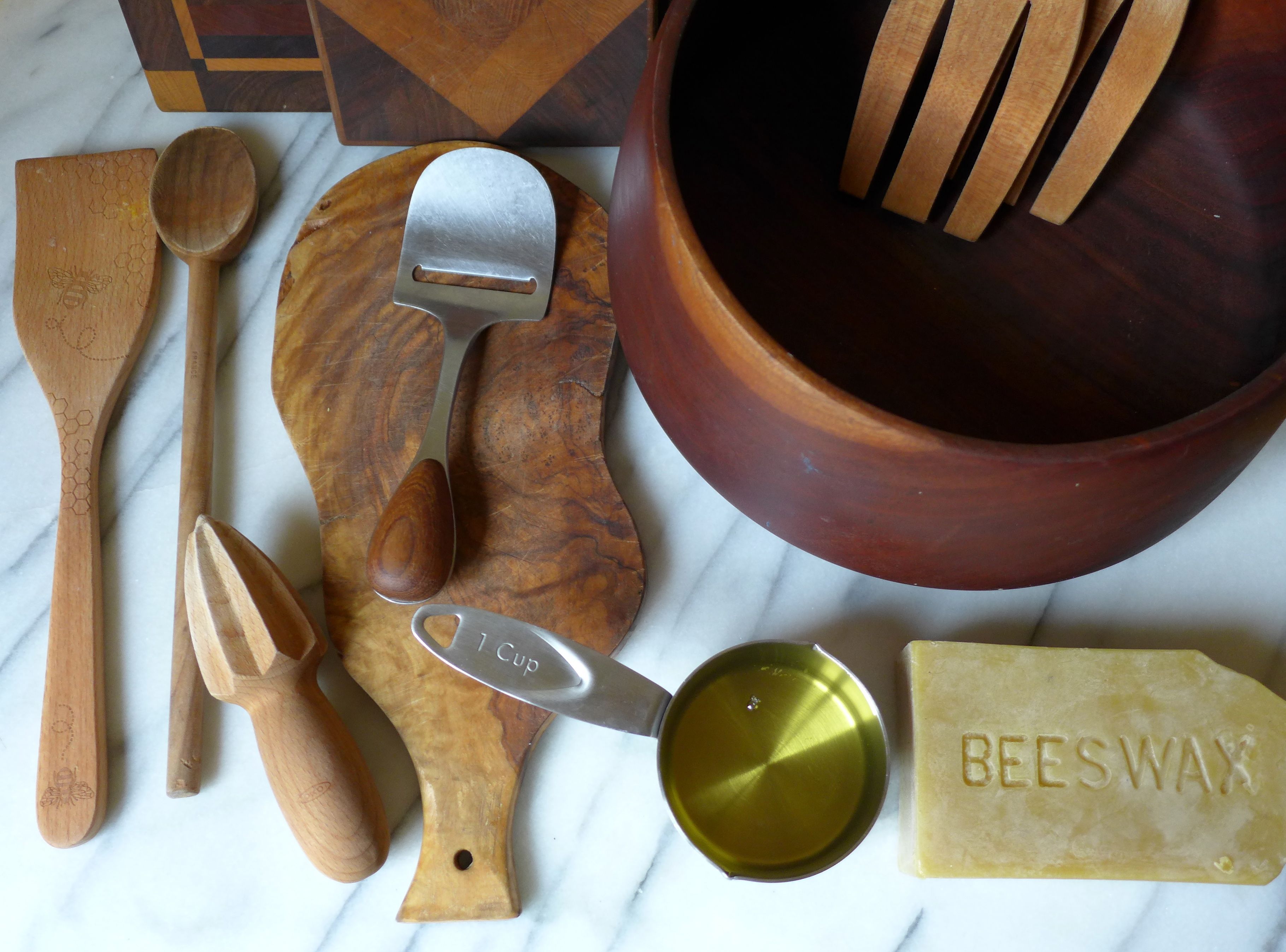
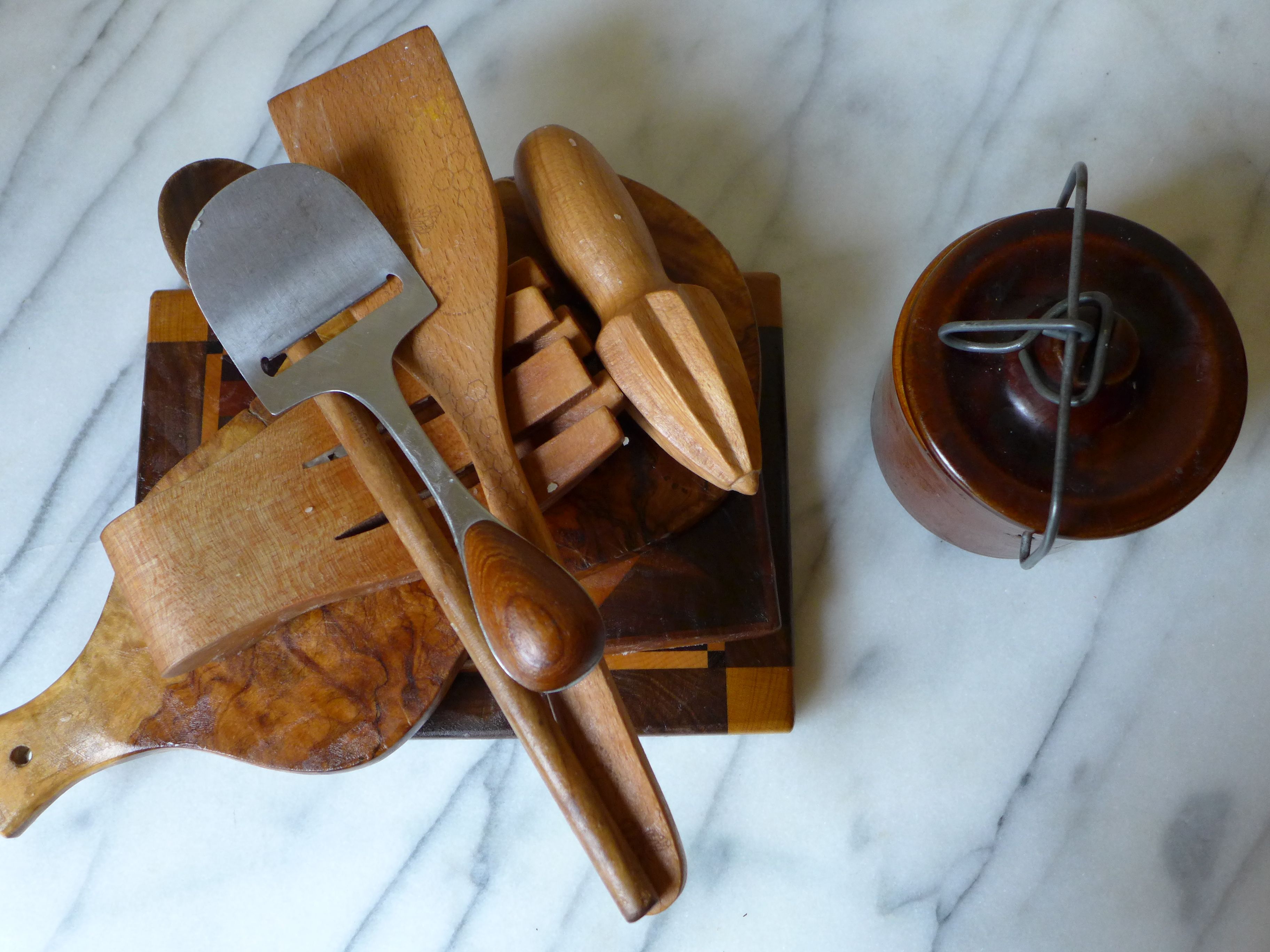
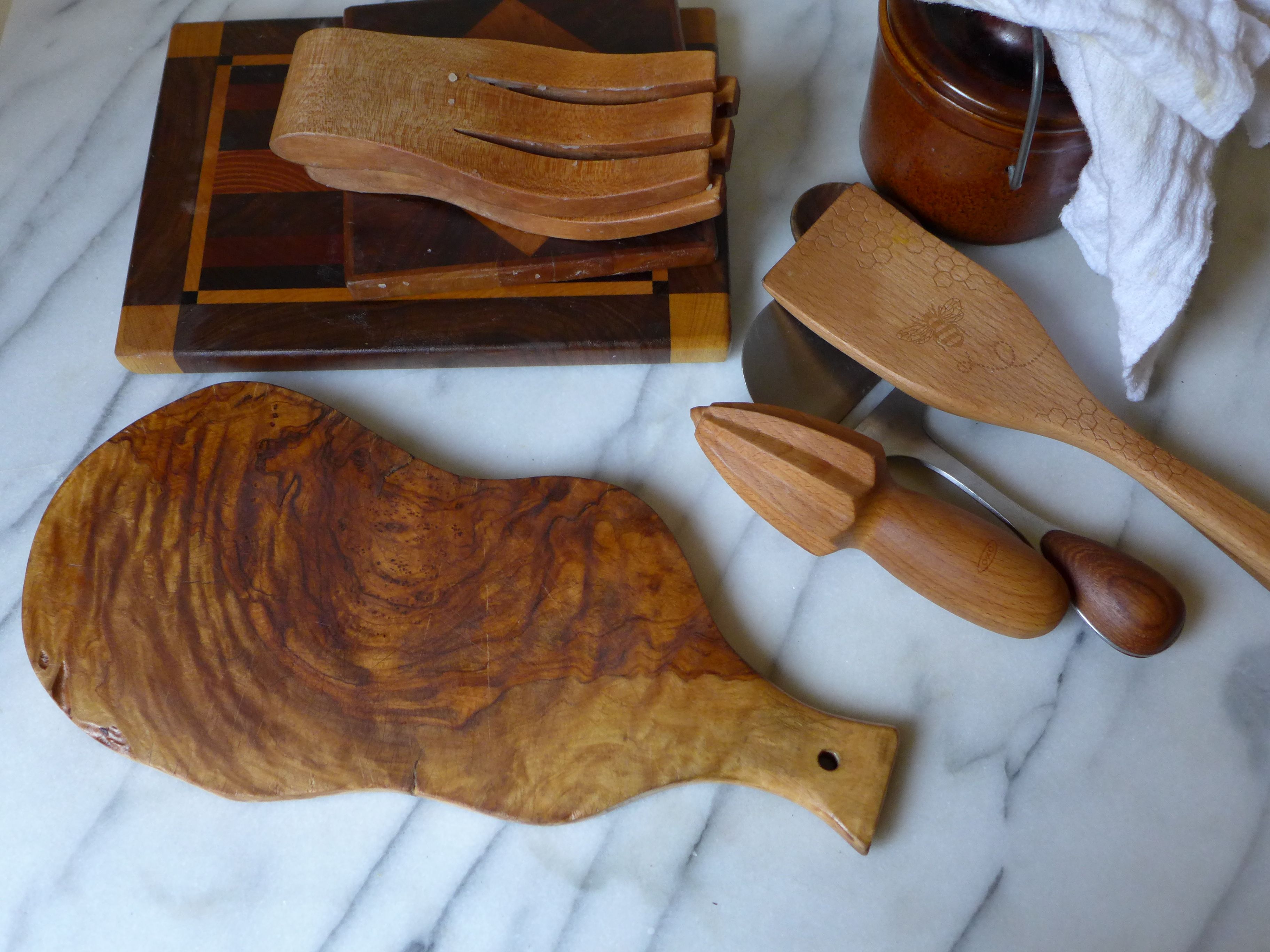
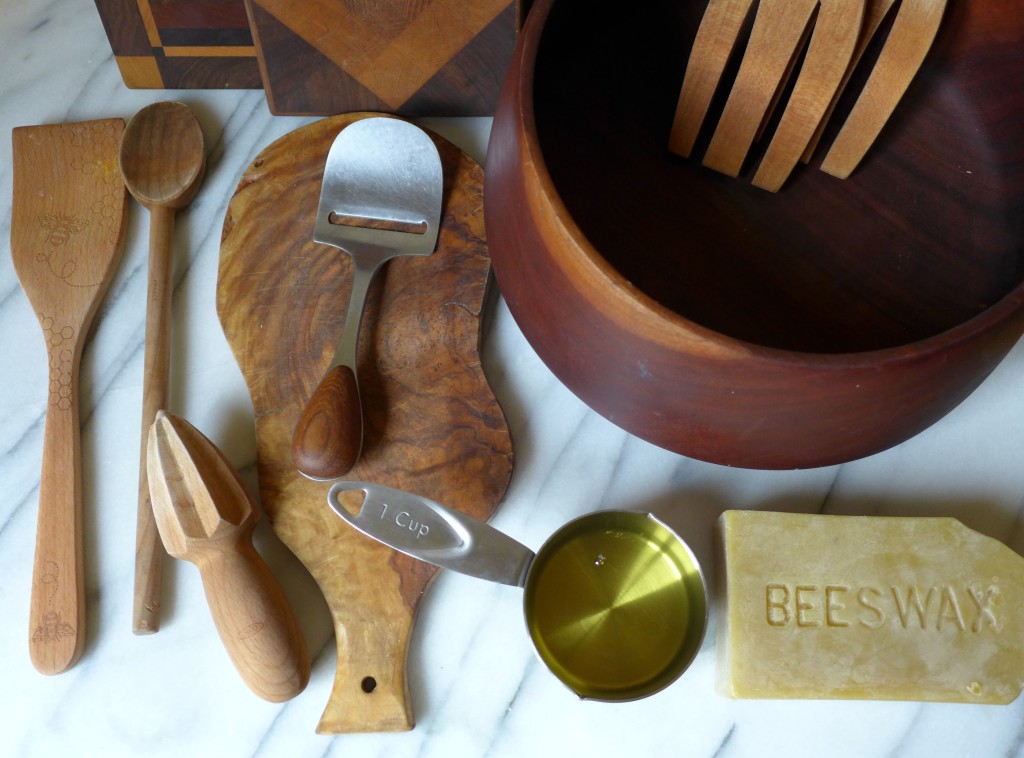
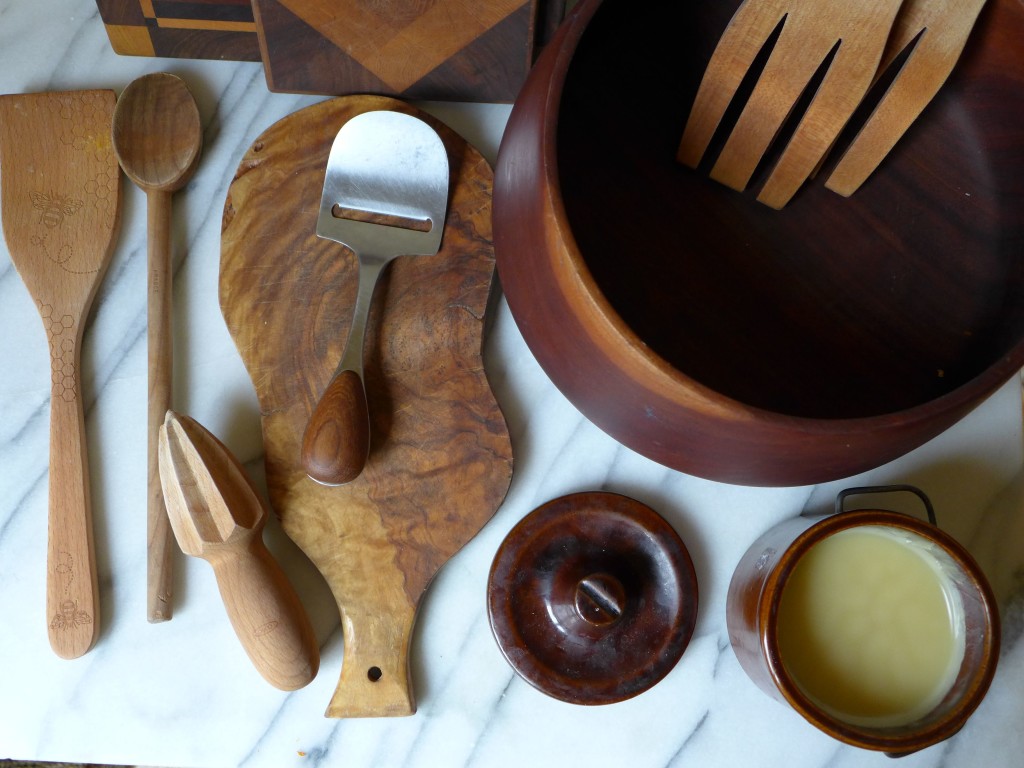
All of us have at least a few wooden items in our kitchen, likely a couple of spoons and a cutting board. Maybe you also have a wooden salad bowl? How about some fancy wood-handled serving pieces? All of these items could use some moisture to keep them looking and functioning at their best. If your spoons are looking dull and your cutting board is starting to crack, then this post is for you!
liveseasoned_spring2015_walnutoil1

At a bare minimum, you could rub some olive oil into your wood pieces. I used to do this, but I found that that technique never lasted that long, especially for the cooking spoons and cutting boards that I’m using every day. Then, about four years ago I came across 3191’s post about spoon oil. What is spoon oil? It’s really more of a balm and is made by mixing melted beeswax with a food-safe oil. Once the mixture cools, it turns from a liquid state into the balm.

I used the mineral oil-based spoon oil for years now, and it worked well, but I still felt like my wooden pieces needed it sooner than I would have expected. Well, after a bit of research, I learned why! When applied, the mineral oil keeps the spoon oil in a soft state, which is good and bad. This is great for wooden countertops and butcher blocks that you wipe down, but don’t wash with soap and water every day. The liquid state of the mineral oil allows the compound to soak deeper into the wood, especially with each new application. But, the soft nature of the mineral oil means that it’s easier to wash off and doesn’t hold up as well on the items that you wash nearly every day.

What’s the solution? Walnut oil!

After walnut oil soaks into the wood, due to a reaction with the air, it hardens, making it more resistant to repeated washings. You could use walnut oil on its own (many people do!), but I like using it in the balm as the beeswax adds another layer of protection to the wood. The curing of the walnut oil also stops it from turning rancid, which can be an issue with other kitchen oils.

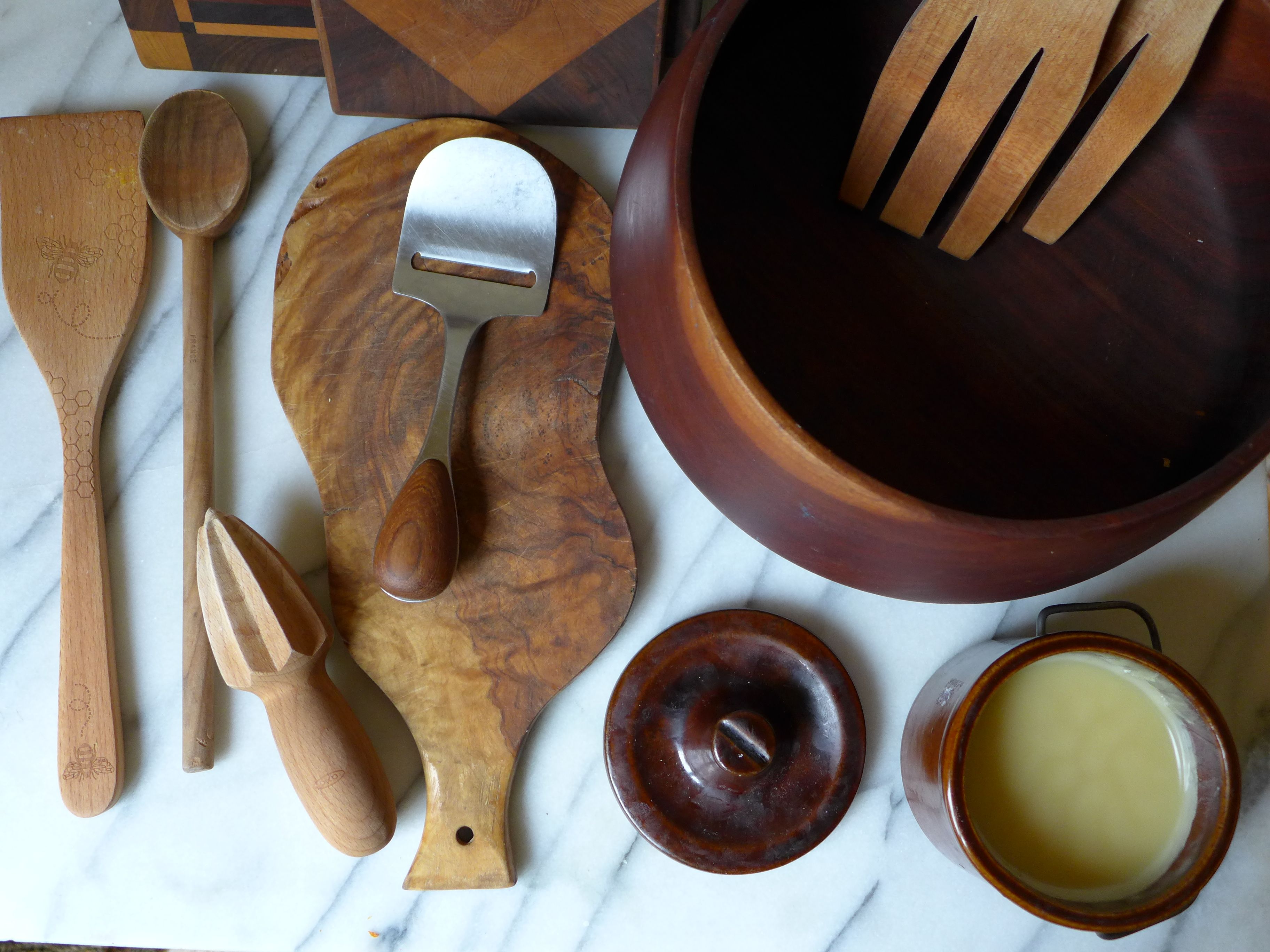
Making the wood balm is super easy: just follow a 1:4 ratio of beeswax to oil. For example, to make this batch I used 2 ounces of beeswax and 8 ounces of walnut oil. Make an improvised double boiler by placing a mason jar or a glass measuring cup in a pot of simmering water. Place the beeswax and oil in the glass vessel and allow them to warm until the wax melts. Once it the wax has melted, be sure to give the mixture a good stir and take it off the heat. If you used a glass measuring cup for the double boiler, you’ll want to pour the wood balm into a storage container while it’s still a liquid (if you used a mason jar, you can just allow the balm to cool within that jar for easy storage).  I use a thrifted crock for my balm, adding a new batch without bothering to completely clean out remnants from the previous batch.

**It’s essential to warm both the beeswax and the oil. If you don’t warm the oil, when you mix both together the room temp oil will cause the beeswax to immediately solidify, and they won’t blend together. Of course, if this happens to you, it’s not a problem – just place the whole mixture back in the double boiler and let the wax melt again.
liveseasoned_spring2015_walnutoil5

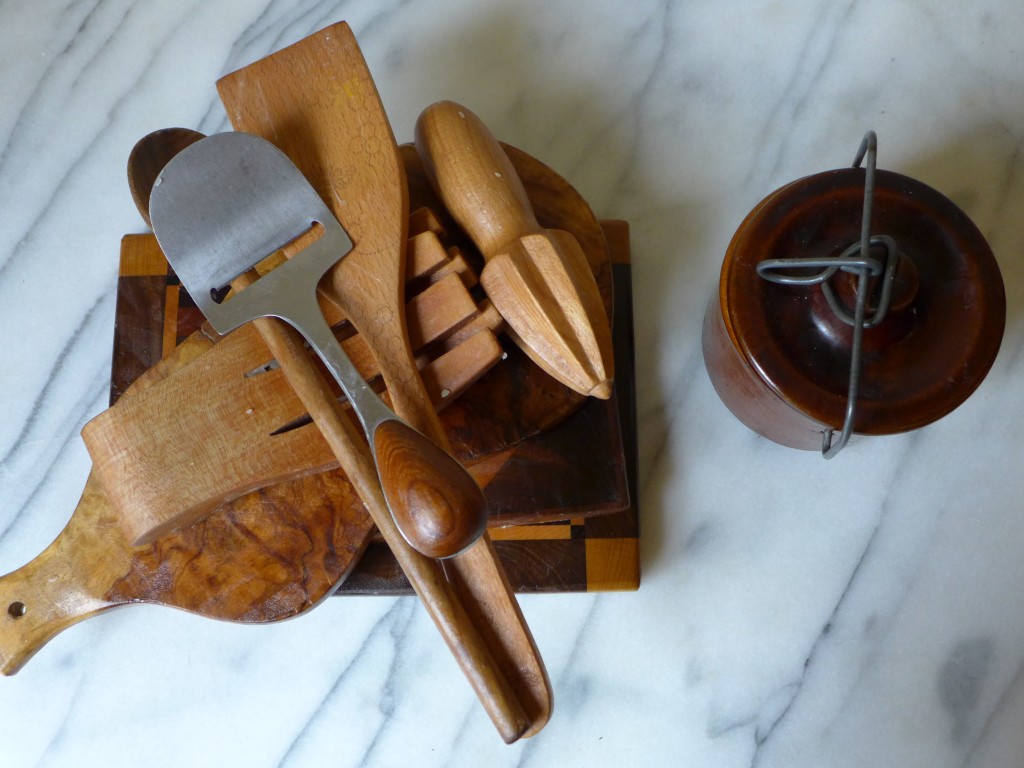
Once made, using the balm is so easy. Just rub a thin layer over your wooden pieces and let them sit overnight, allowing some of the excess balm soak into the wood. I’m so lazy that I pile up my “sticky” pieces and let them sit until I have the time to polish them.
liveseasoned_spring2015_walnutoil7

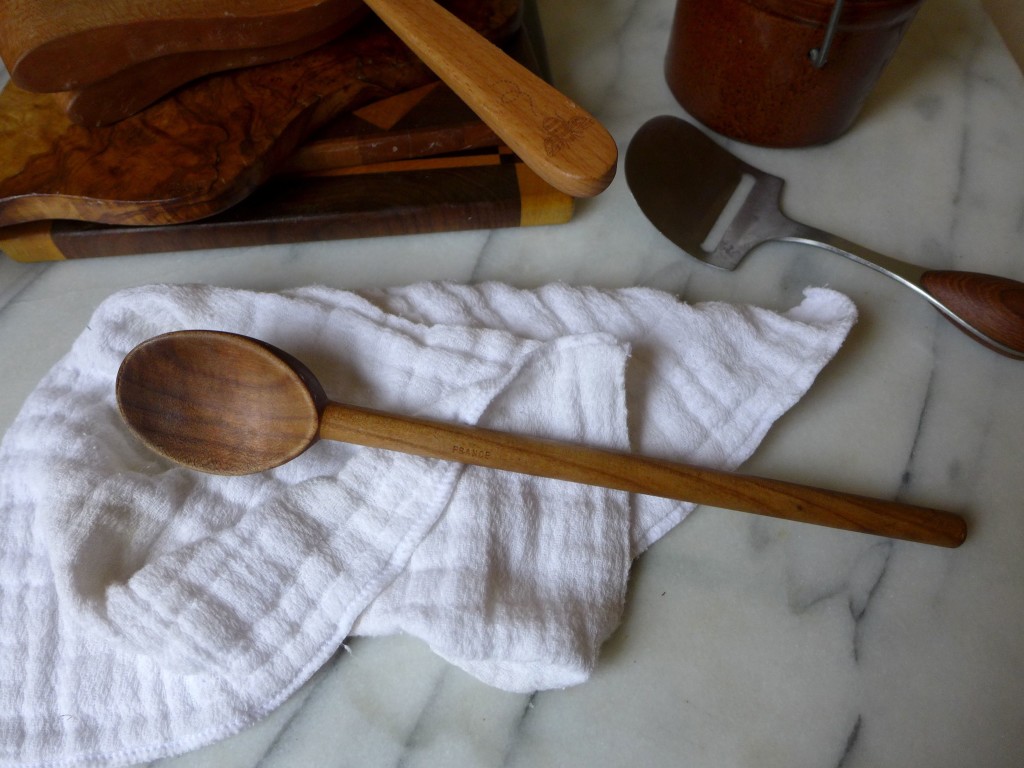
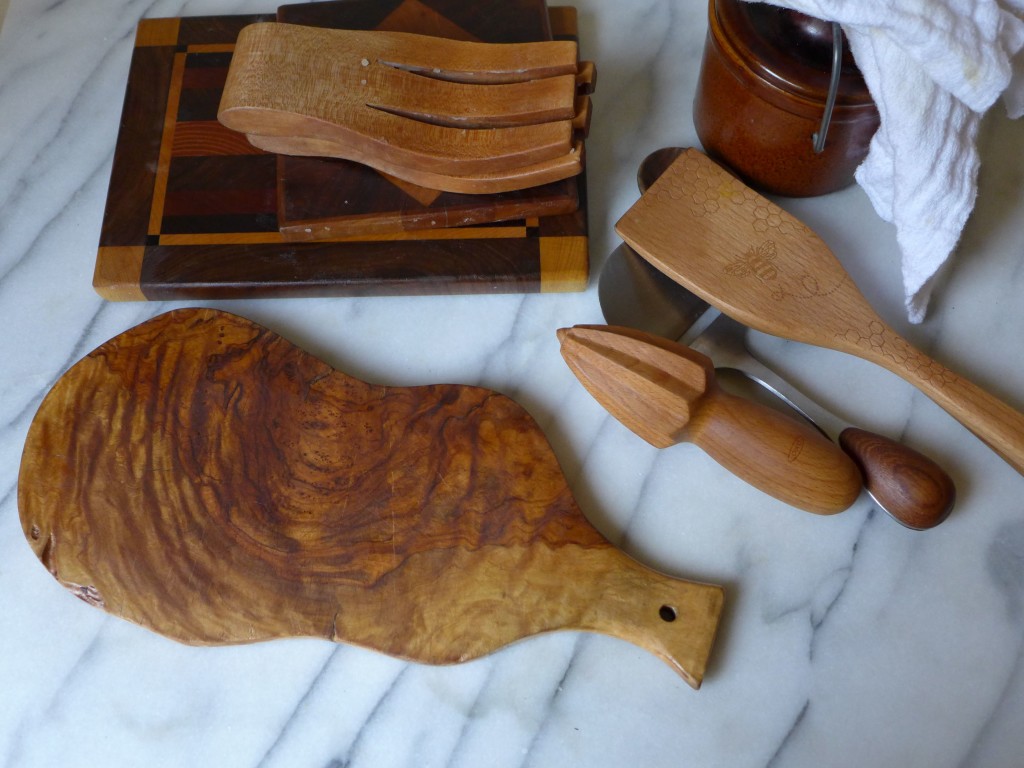
When it’s time to polish, I use a basic cloth diaper to wipe of the excess balm and give the pieces a shine. Side note : I’ve never used the cloth diapers for actual diapering, but find them to be so helpful around the house, particularly for cleaning. I keep my polishing cloth with the crock of balm, reusing it multiple times.  The cloth covered with excess balm serves double duty as a polishing cloth for other wooden items in our house (for example, we have a few wooden buddha statues that get a quick wood balm rub once in a while). And that’s that, a super simple, completely safe balm that nourishes your wooden kitchen utensils, the same ones that you use to nourish your family! xo

liveseasoned_spring2015_walnutoil9

How To: Take a Newborn Portrait

liveseasoned_sp14_newbornphototips-8

Hey baby mommas and poppas! From time to time I like to share photography tips and bits. Today I’ll show you a simple setup for a newborn photography session.  If you have a DSLR, this tutorial is especially for you!  If you’re working with an iPhone or point and shoot camera, these tips will totally help you out too, but there’s going to be some information that you don’t need so just skim through all that junk.  Like I said, this is a simple setup.  Nothing crazy goin’ on here.  I think it’s best to master the basics first and that’s what we’ll be focusing on in this post.

liveseasoned_sp14_newbornphototips-12

Continue reading