Colorado Hike : Maroon Bells

liveseasoned_summer2014_maroonbells_wm3

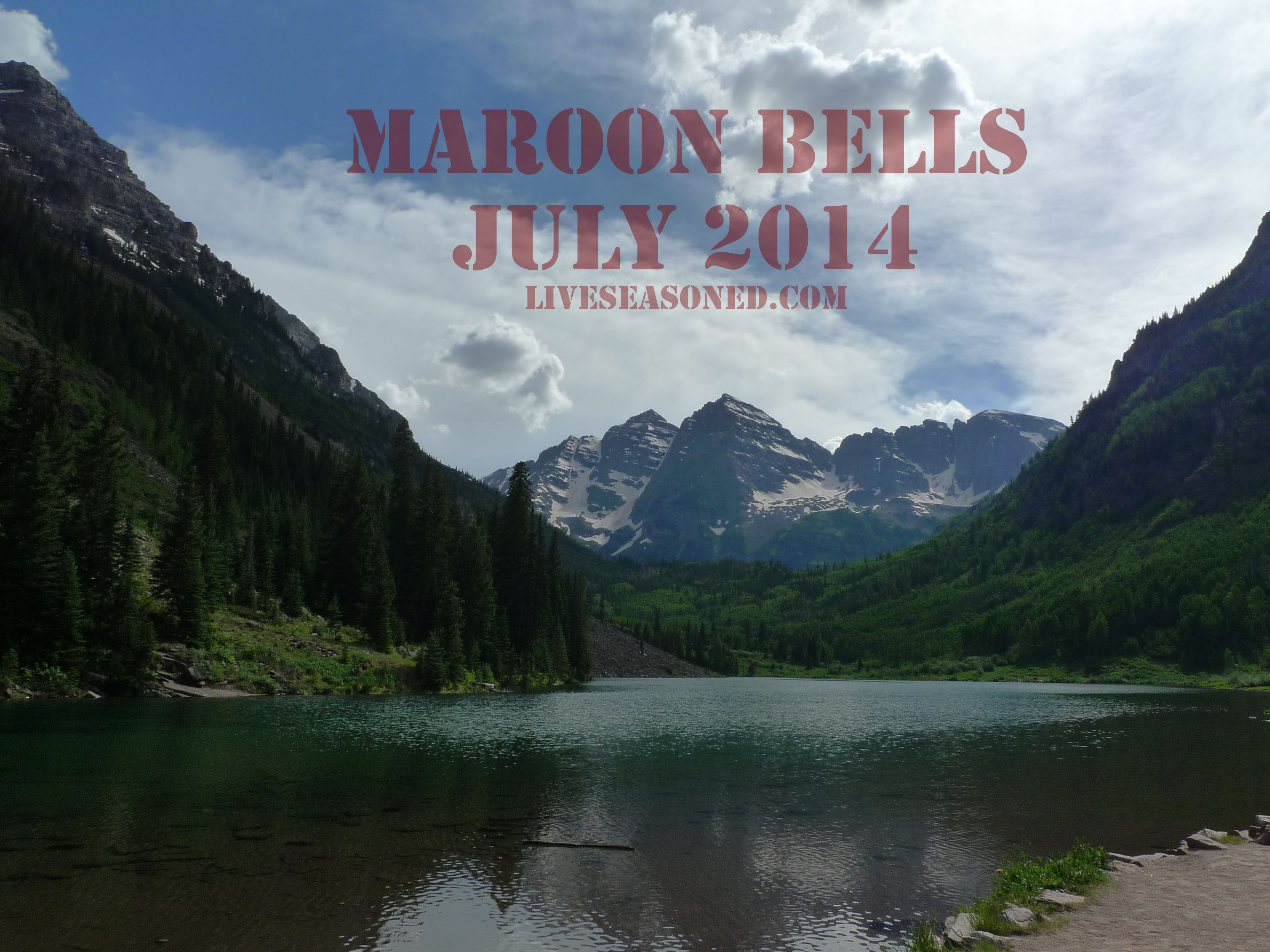
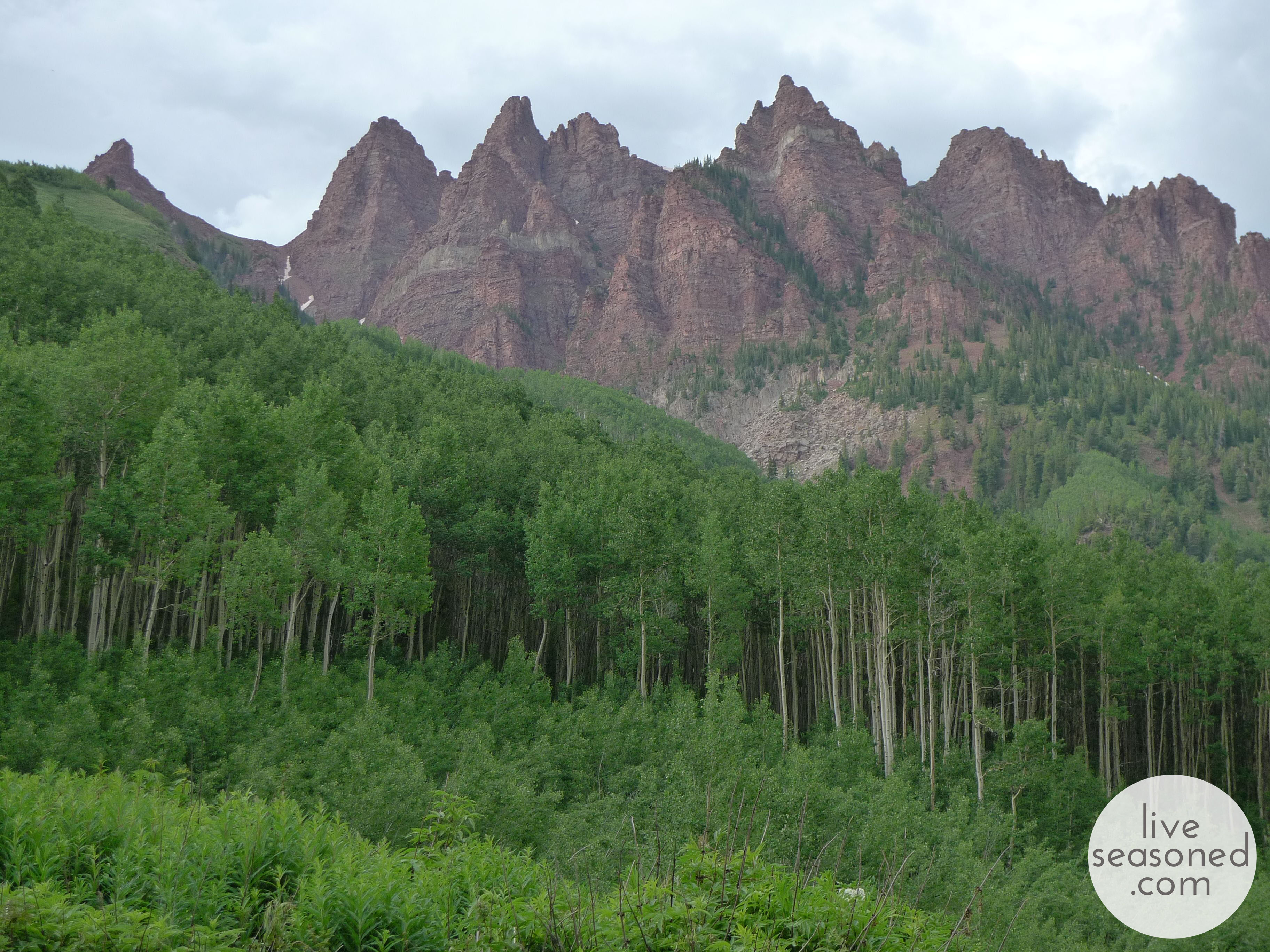
They say that the Maroon Bells, those two mountain peaks in the photo above, are the most photographed and famous scene in Colorado. I had never been, so we made it one of our small adventures over the Fourth of July weekend.

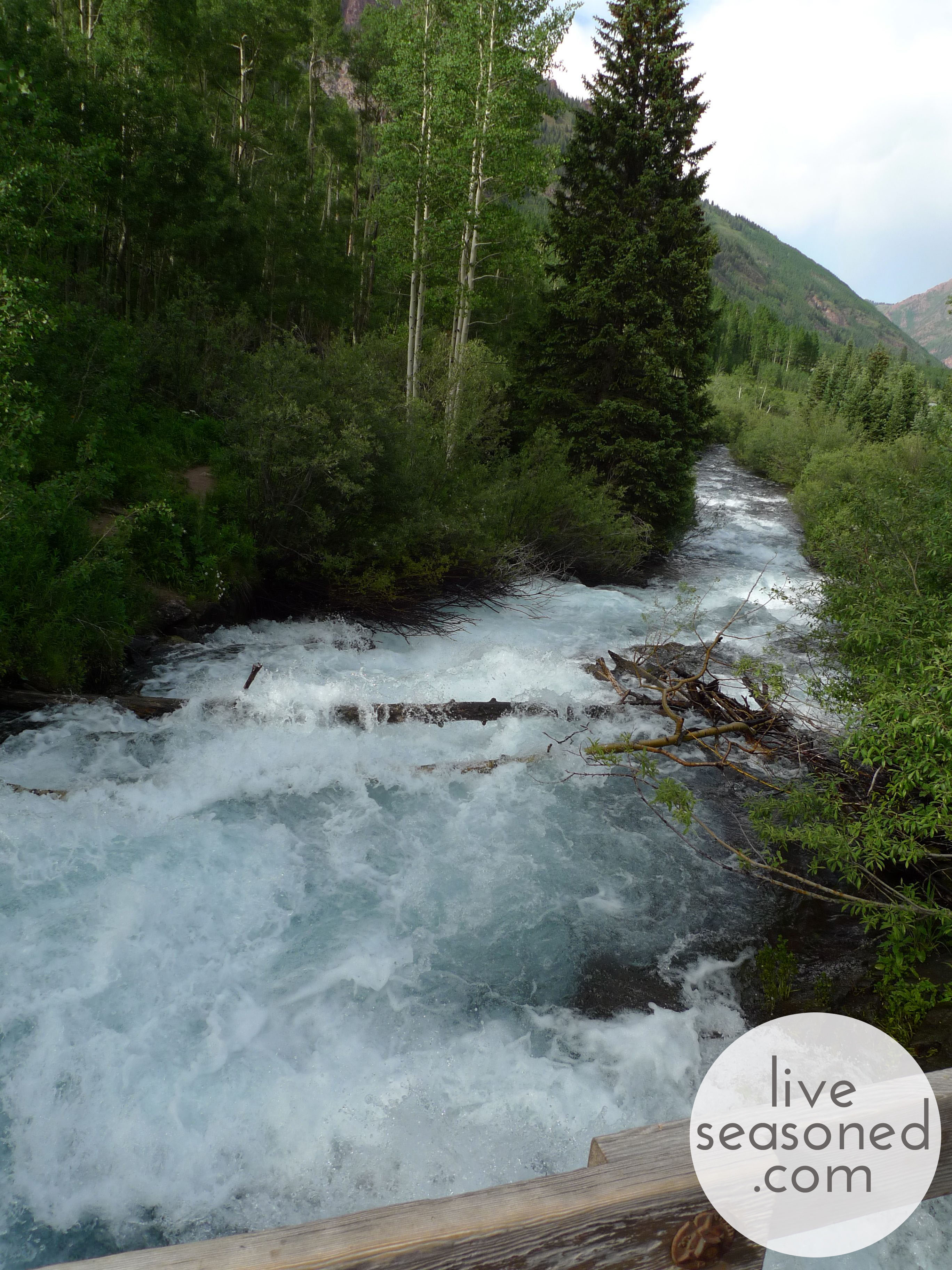
The area is breathtaking in summer. Wildflowers are blooming everywhere you look. In early July there was still some snow on the mountains, reminding you just how high you are, yet it’s melting quickly, so the streams are roaring adding an element of excitement to every bridge crossing. And as if it couldn’t get any better, there were signs of beavers and a couple of moose!
liveseasoned_summer2014_maroonbells13_wm

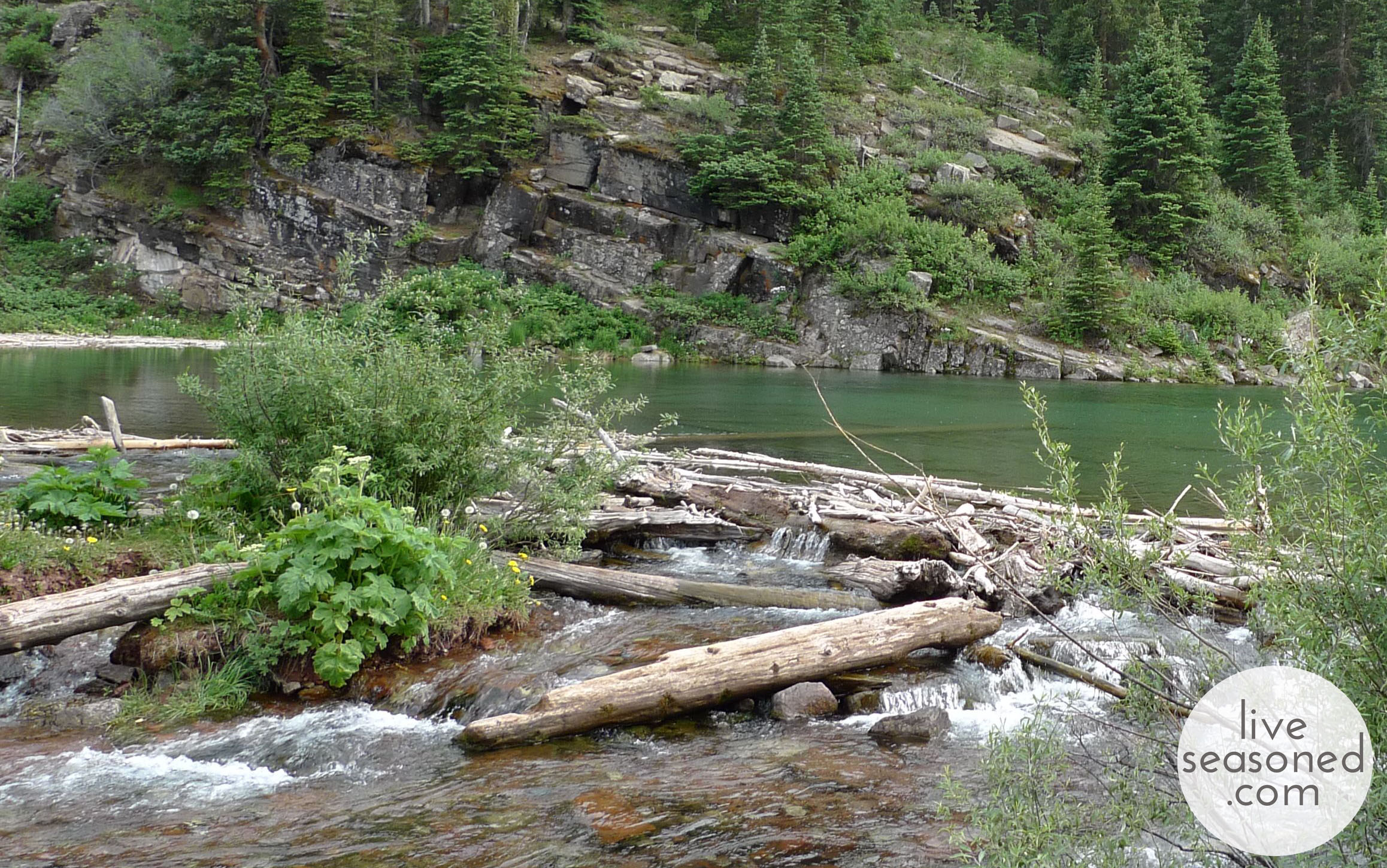
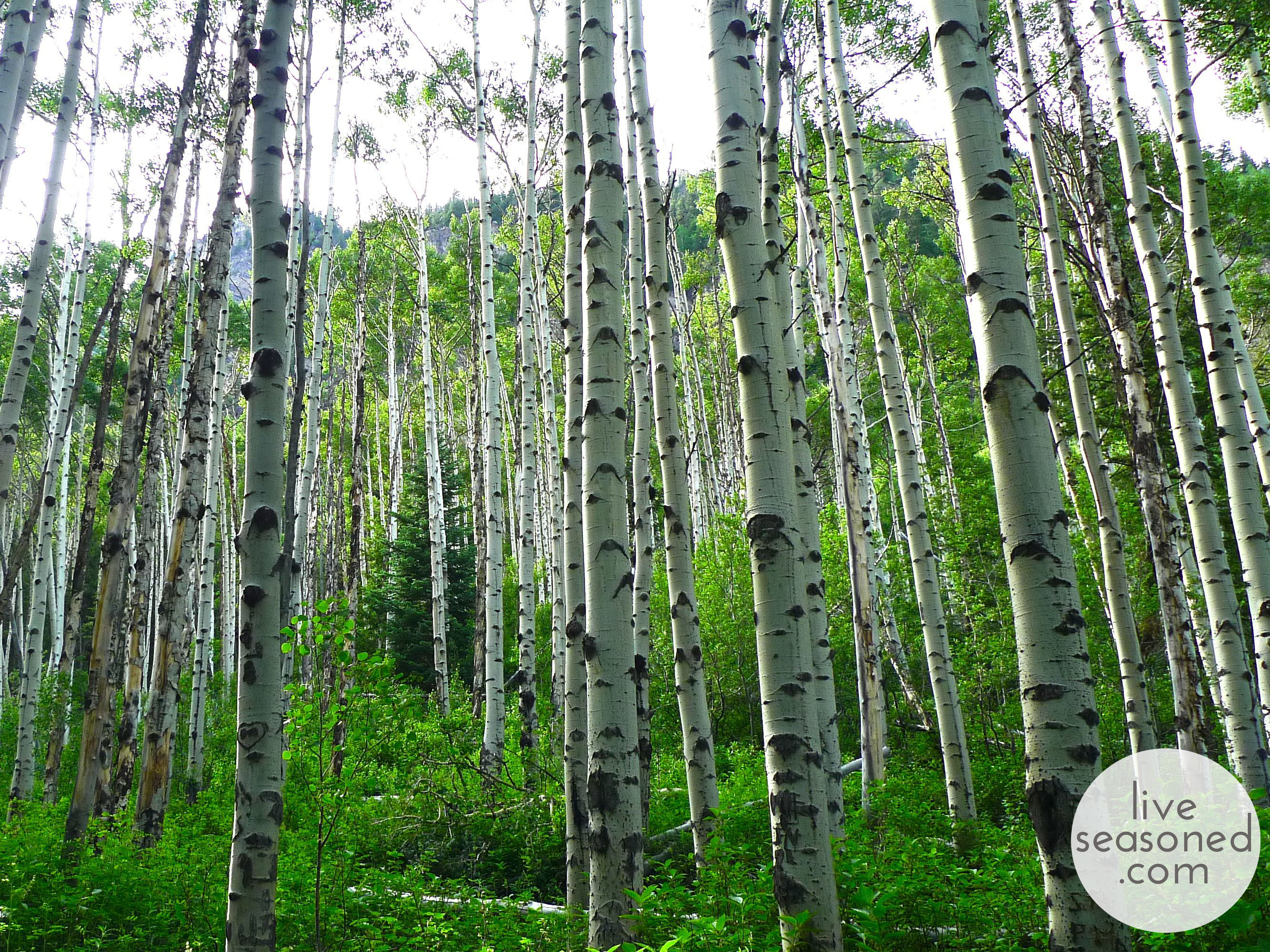
Maroon lake was created by glacial deposits, but there are also some busy beavers on the lake working to build up the dam. We followed the Maroon Lake Scenic Trail along the lake, over the roaring Maroon Creek, through an aspen grove, and around to a small active beaver pond.
liveseasoned_summer2014_maroonbells7_wm

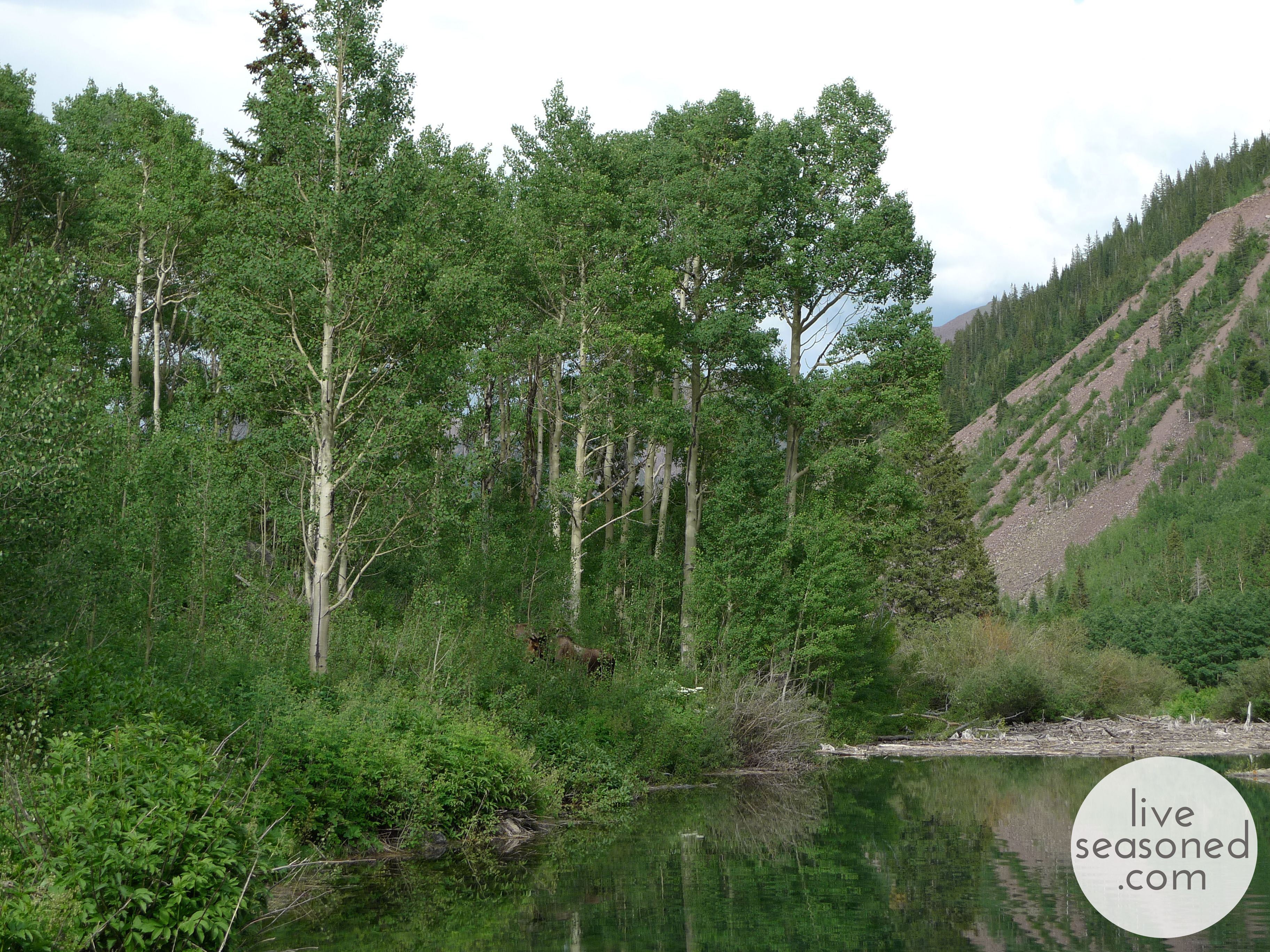
liveseasoned_summer2014_maroonbells8_wmWe were standing at the pond, taking in the tranquil scene, when all of a sudden someone realized that we were looking right at a moose! Can you see him in the lower center of the photo below, to the left of the pond? This was my first moose sighting and I was ecstatic, the other members of my party – not so much. Apparently, moose are extremely dangerous. So much to my chagrin, we turned around and headed back the way we came.
liveseasoned_summer2014_maroonbells9_wm

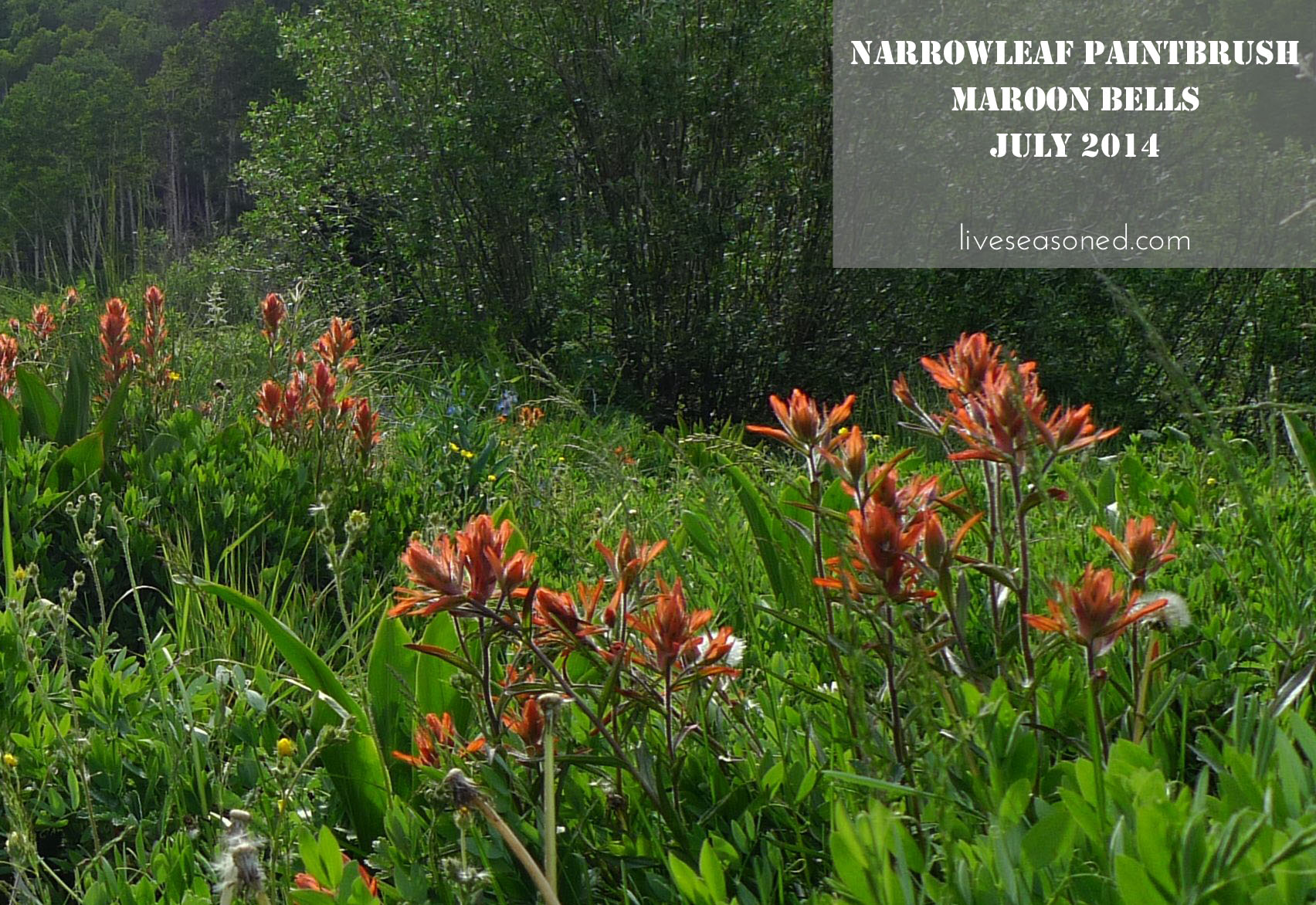
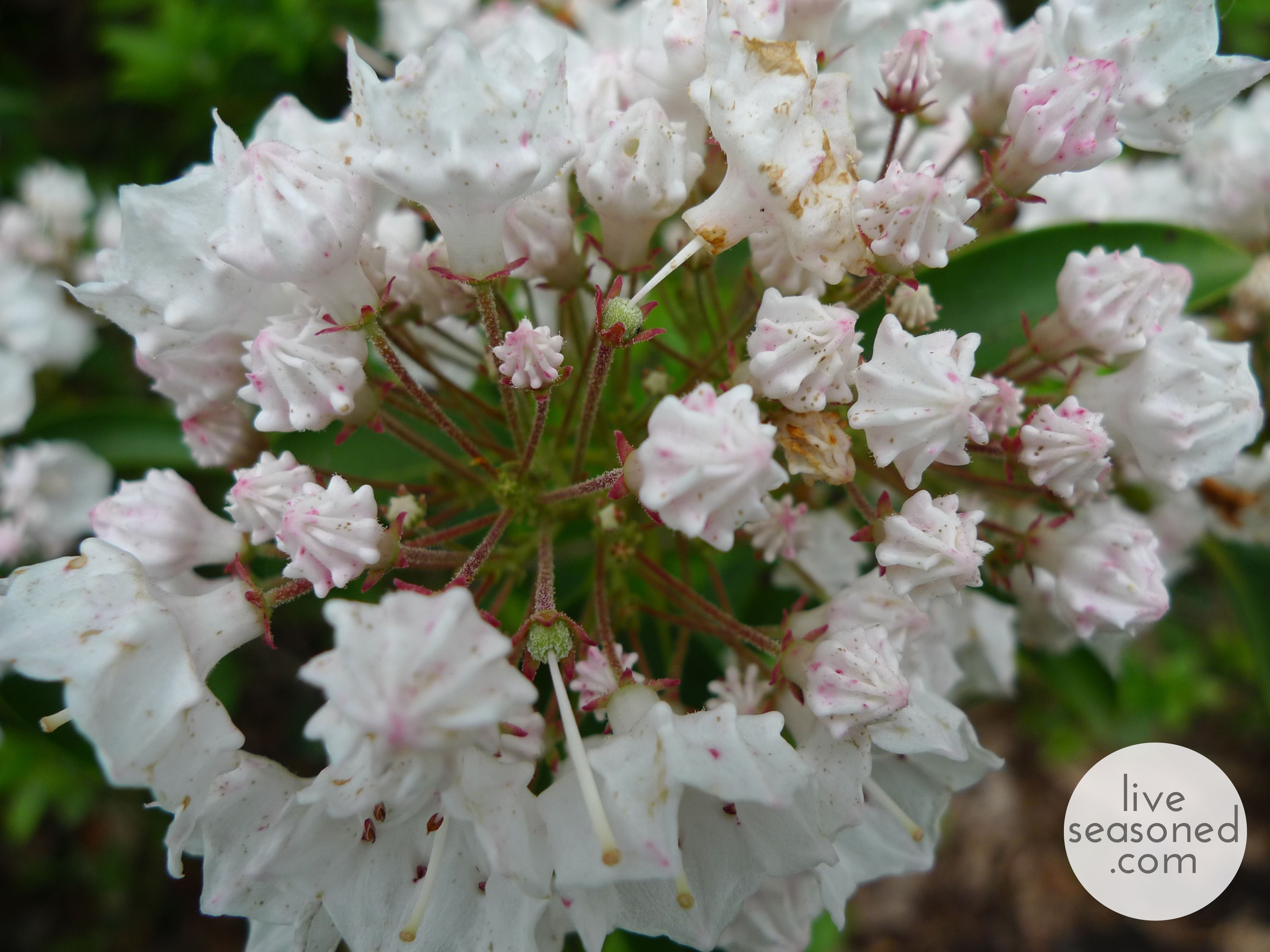
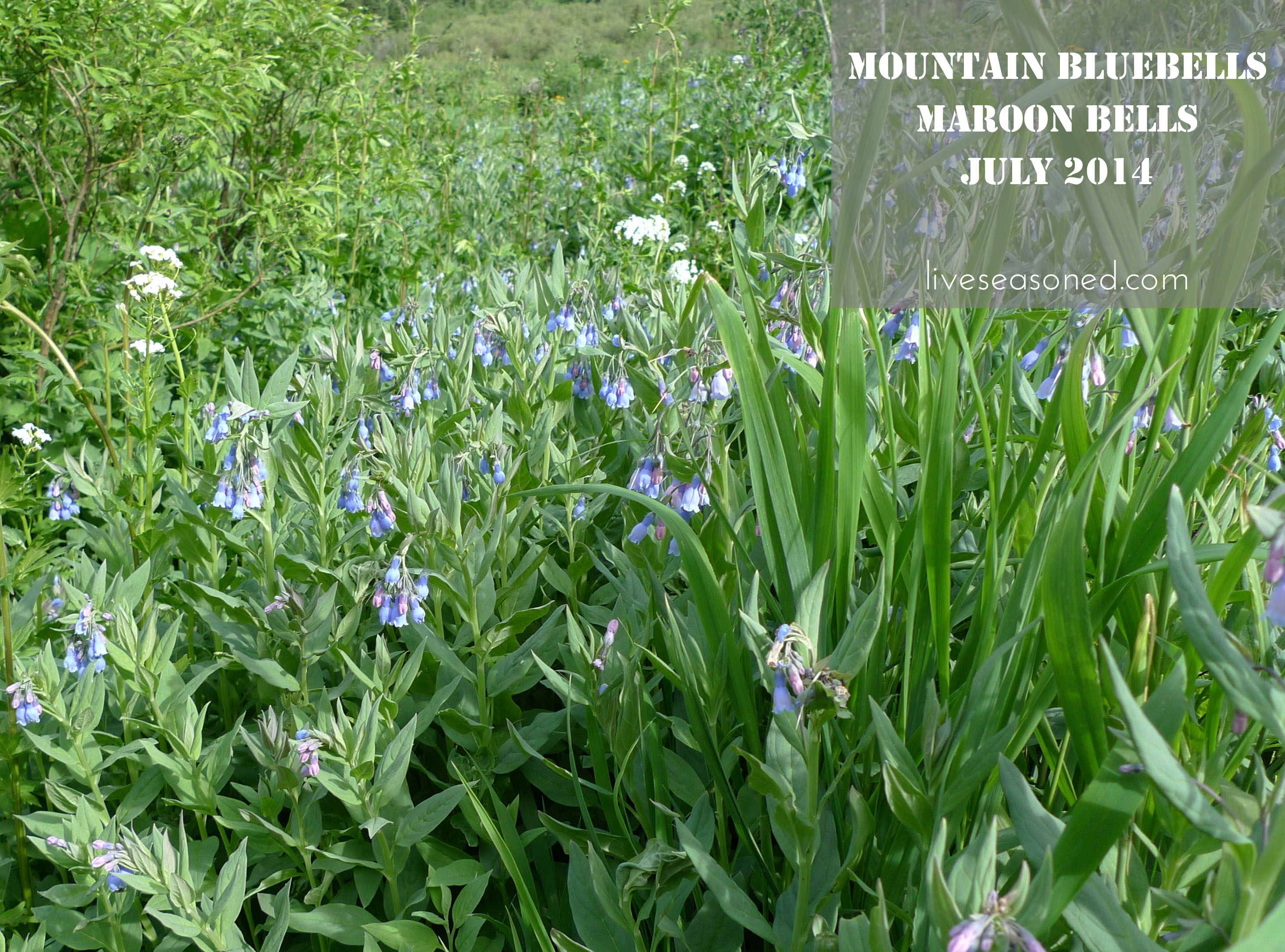
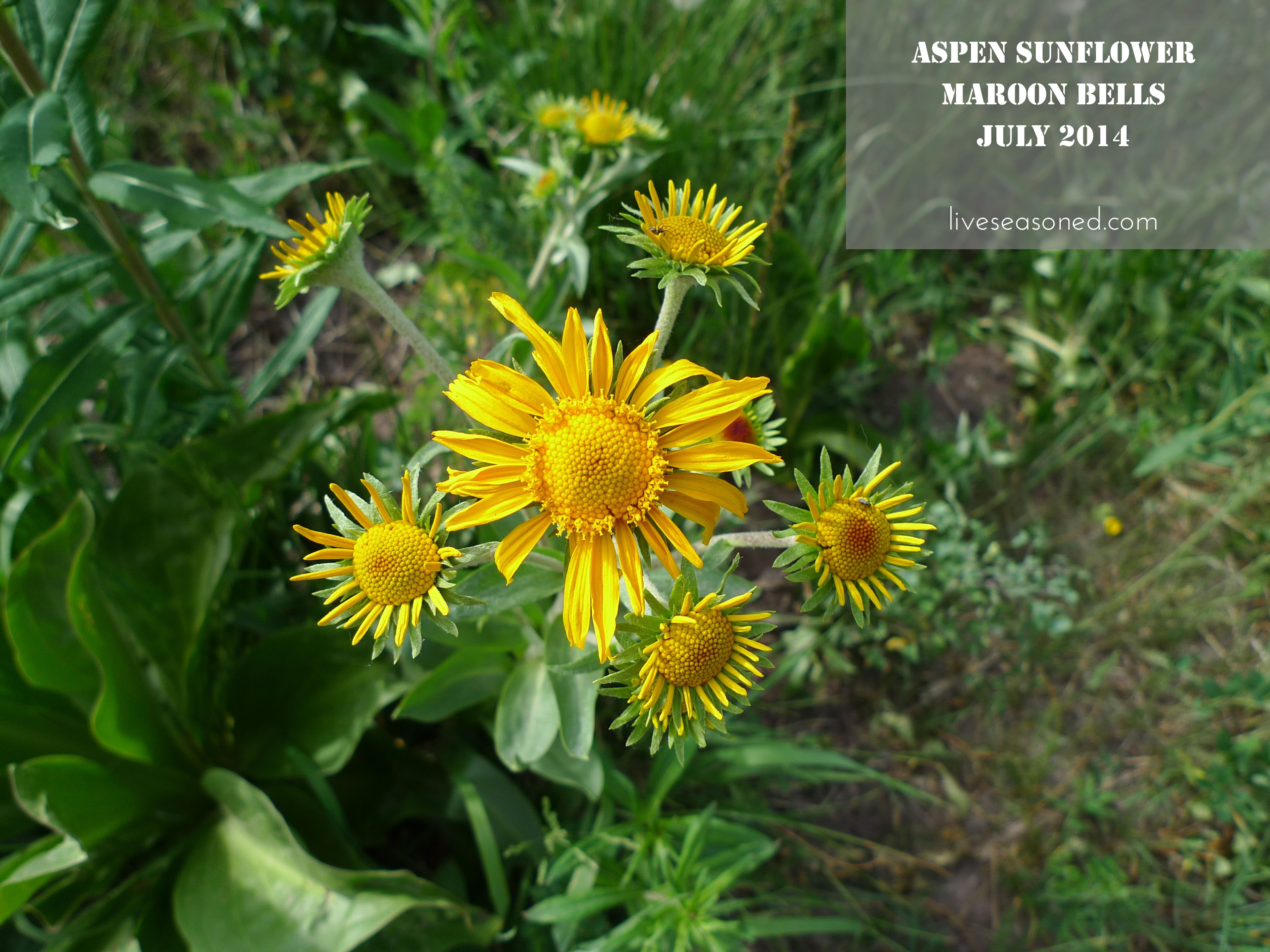
Wildflowers were blooming all along the trail, but particularly in the riparian and shrubland areas around the lake. We visited just at the beginning of the blooming season, but if you want to see everything in peak bloom, schedule your visit for late July into August.
liveseasoned_summer2014_maroonbells6_wm

liveseasoned_summer2014_maroonbells5_wm

liveseasoned_summer2014_maroonbells4_wm

liveseasoned_summer2014_maroonbells1_wm

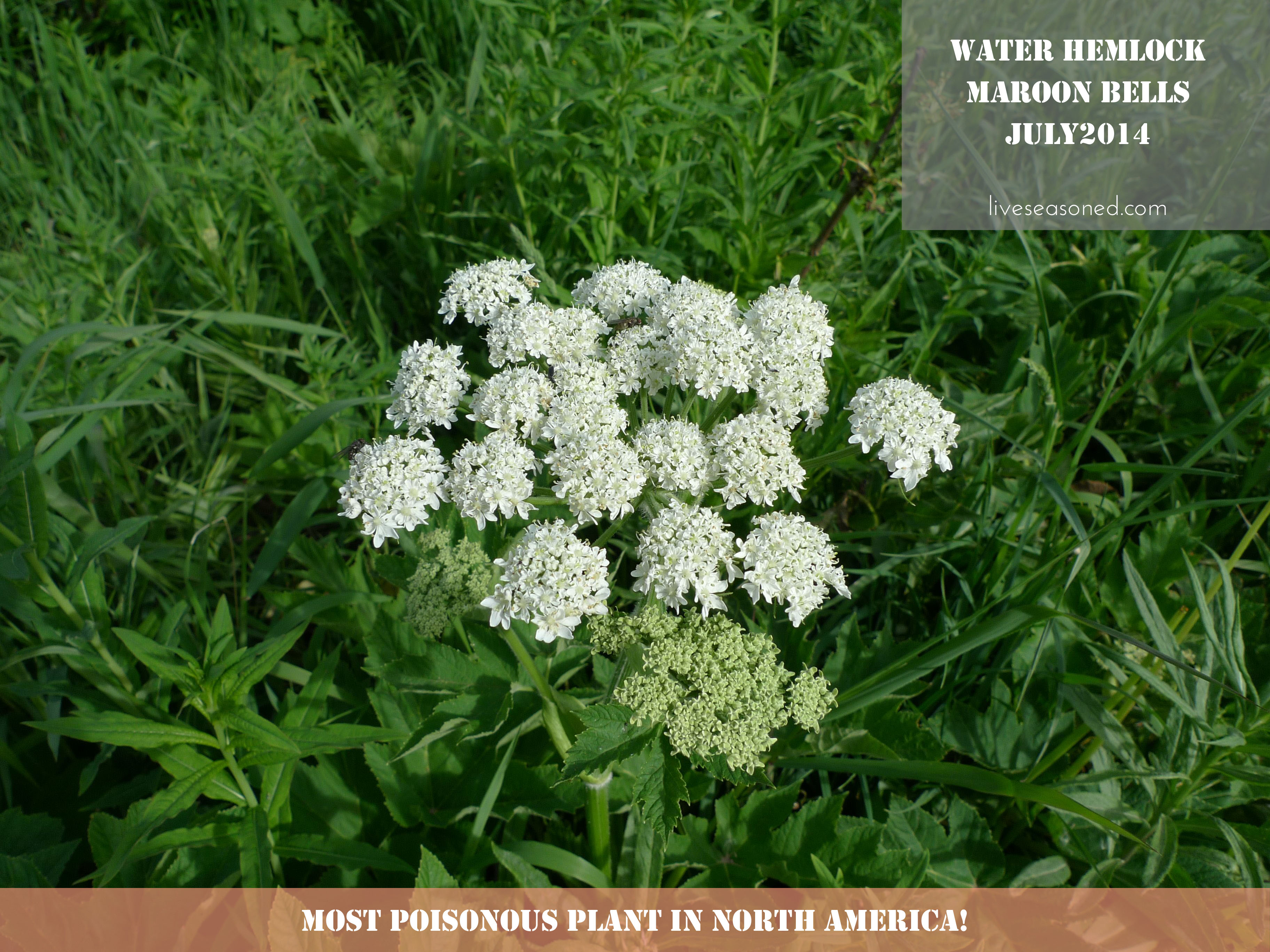
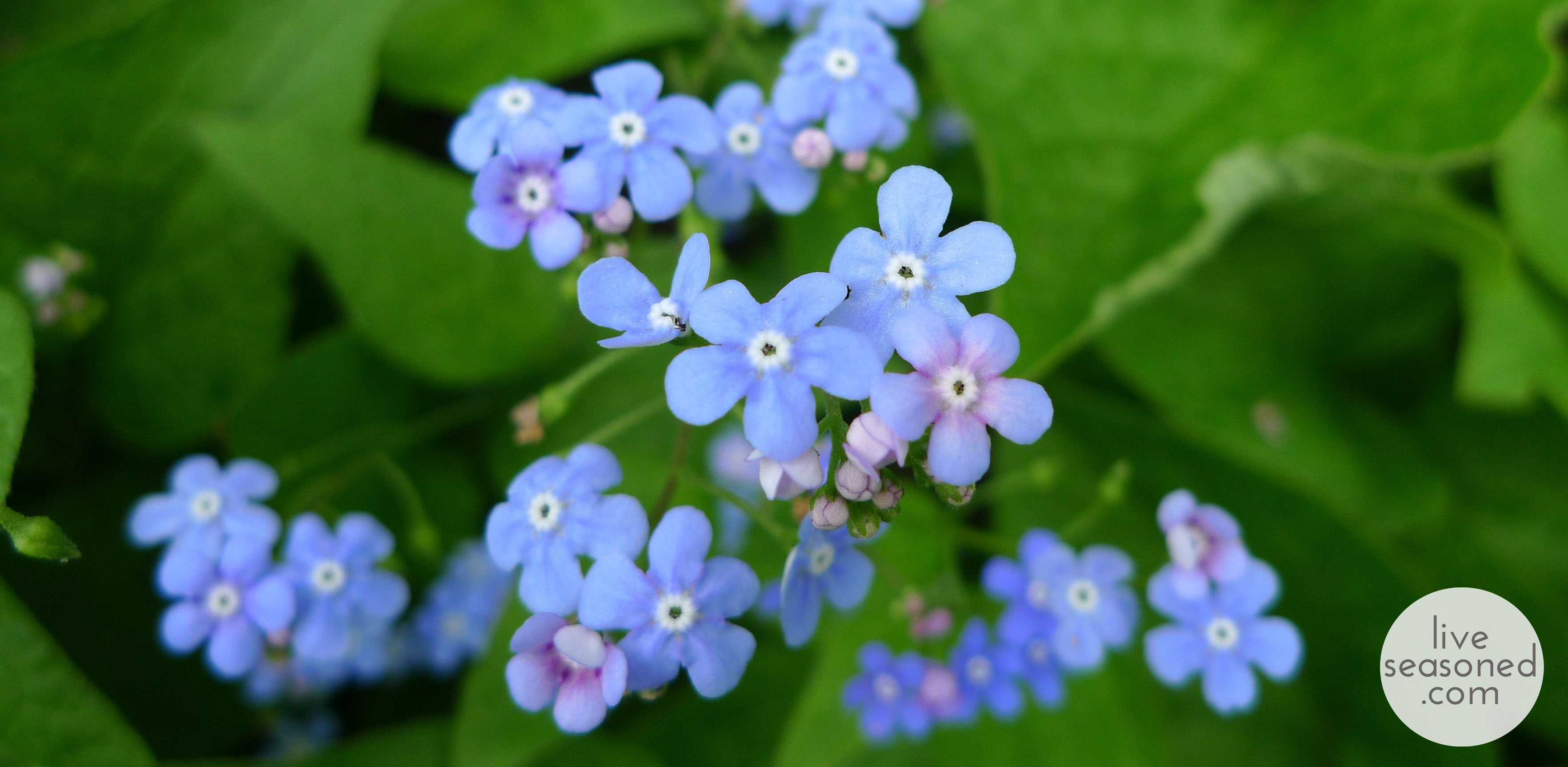
When I got back to the house and was identifying plants, I couldn’t believe that we saw the most poisonous plant in North America. A piece of the water hemlock’s root the size of a marble can kill an adult in 15 minutes! Even more frightening, children have died while playing with the hollowed out stem, using it as a peashooter and such. Crazy!
liveseasoned_summer2014_maroonbells2_wm

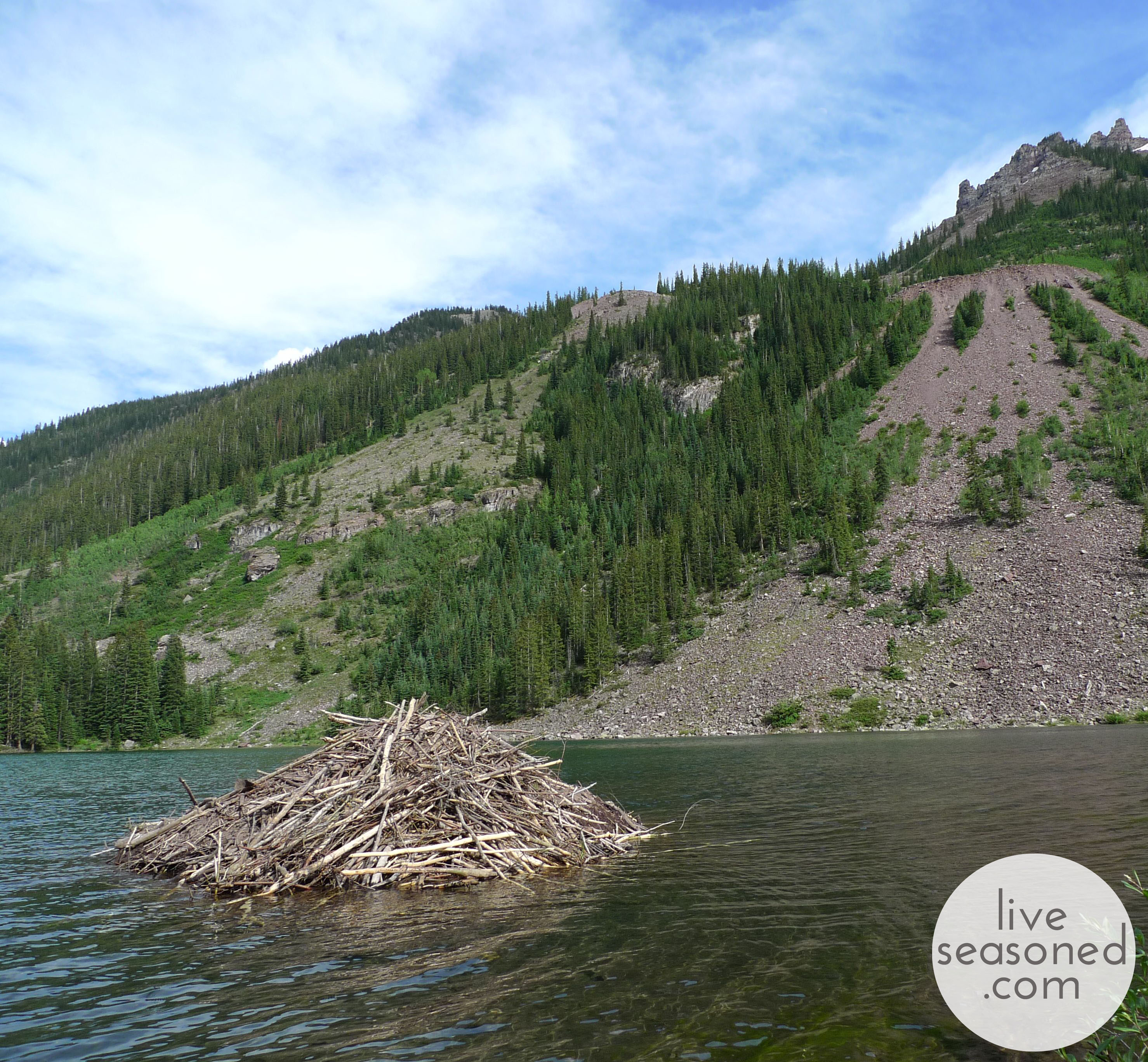
Walking along the Scenic trail, you get a fantastic view of the beaver’s home. Unfortunately, we didn’t see any beavers, but just being close to their dam and home was fun. Fun fact from Calder: beavers can get up to 150 pounds!

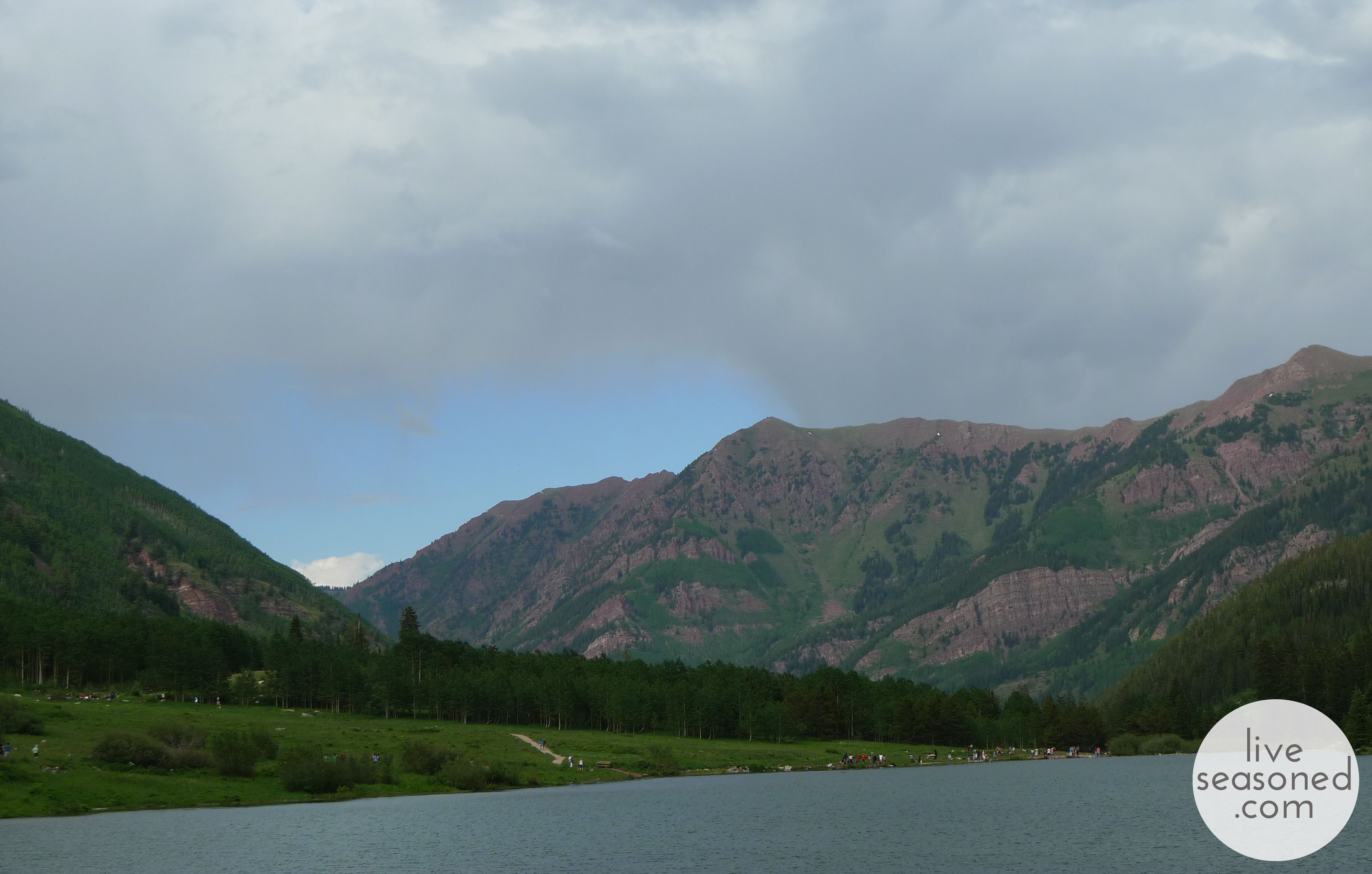
From this vantage point, you can also look back towards the dam and see the crowds along the shore. The photo below is the mountain version of those beach paintings/photos where everyone is just a colored speck in the sand grassland, isn’t it?
liveseasoned_summer2014_maroonbells11_wm

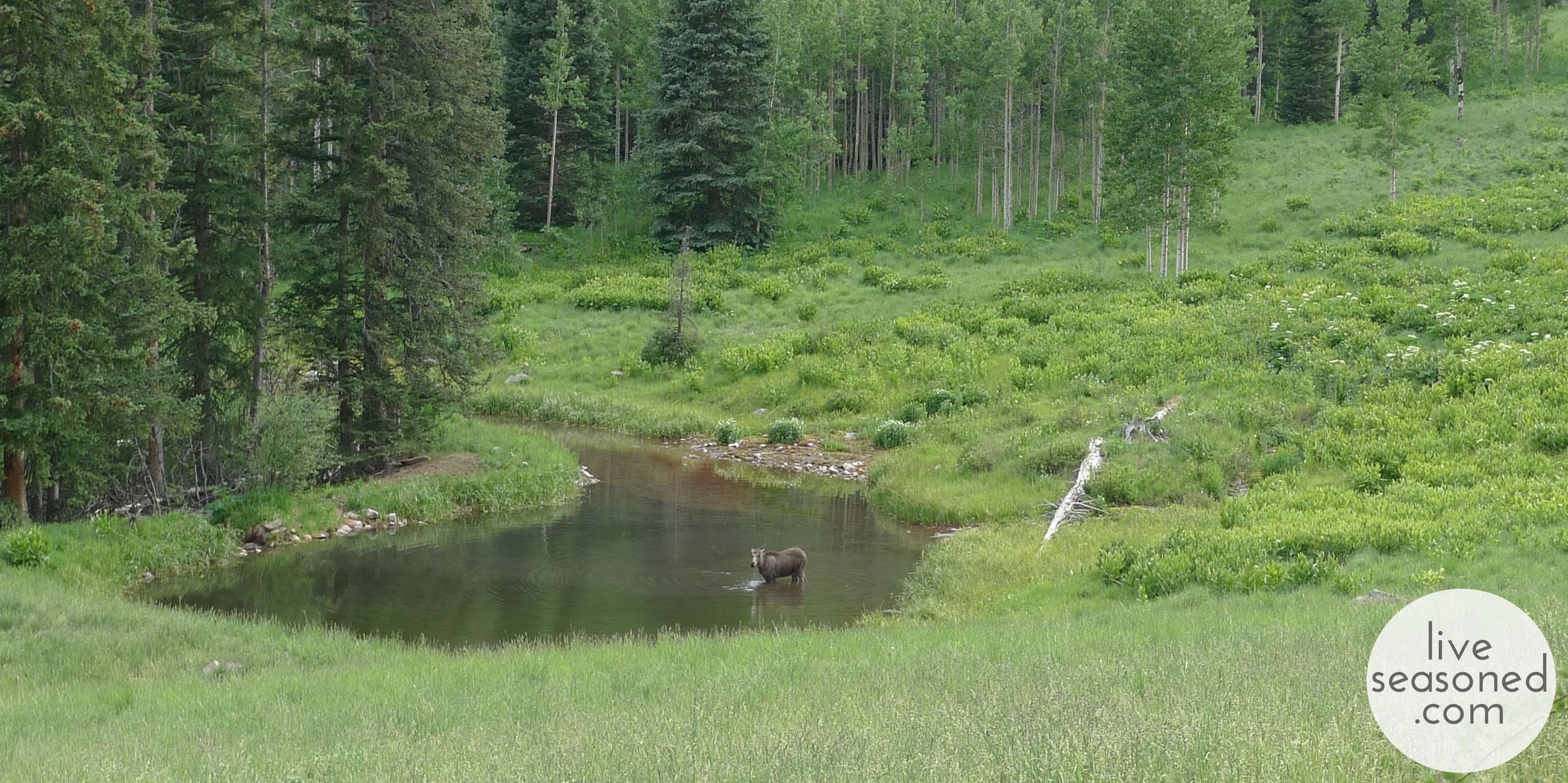
As we were driving back down into town, we noticed a group of cars pulled off to the side of the road. There was another moose! This one was far enough away that no one was in danger, so I hopped out and took a few more photos. Two moose in one day, I was a happy camper.
liveseasoned_summer2014_maroonbells14_wm

Before you go:

  • The Scenic Trail was an easy hike with a few steep spots, but overall there was relatively little elevation gain. Waterproof shoes with good traction are recommended as there were muddy areas.
  • Wild at Heart is a fantastic resource if you’re planning a visit. It’s a field guide to the plants, birds, and mammals of the Rockies, with a particular focus on the Aspen-Snowmass area. I know that it’s out of print and not available on Amazon, but I’m pretty sure you can still pick it up in some of the shops around Aspen and Snowmass (I just received my copy as a birthday present, so it’s out there!).
liveseasoned_summer2014_maroonbells12_wm

Getting there:

  • Traffic is restricted from mid-June through September
  • The site is open to all traffic from 7:00am-9:00am and 5:00pm-7:00pm
  • With a few exceptions, all visitors are required to take a bus from 9:00am-5:00pm. You catch the bus in Aspen Highlands Village (where you can park for free). The pass fee is $6/adult, $3/child.
  • Cars with children under 2, disabled passengers, or groups of 11 or more are allowed through from 9:00am-5:00pm if they pay a $10 fee.
  • You can also drive up if you are camping in the area
  • For detailed information see this site.
 

Welcome July!

Can you still say welcome when we’ve already passed the big fourth of July mark? Usually we post our monthly welcome on the first Wednesday of the month, but last Wednesday was a bit crazy. After a late night flight on Tuesday, Alex and I woke up in our new home (rental) in Boulder! We were so excited to be here that we took off on our Taga for a ride around the city and Sarah filled in beautifully with her killer pizza post.

So I’m finally here with a late and lazy welcome, but isn’t that how everything should be in the middle of summer? Fashionably late and a little drowsy from a day out in the sun? Toss in a slice of watermelon and that’s what our house looks like every day around closing time.

liveseasoned_summer2014_welcomejuly1

Earth and Sky

Last month we shifted gears and told you about some of the more extreme migrations taking place across the globe. Wondering what’s going on with those animals now?

serengeti-migration2

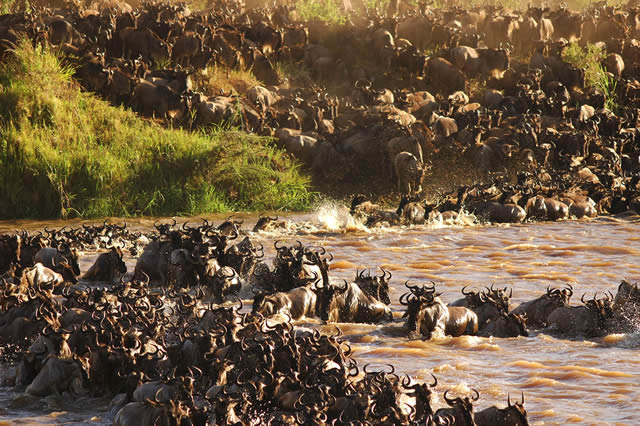
The poor wildebeest are just reaching the first big hurdle of their migration, the Grumeti River. The rains make this river particularly deep, which would be challenging enough, but the river is also full of crocodiles waiting to take advantage of the herds as they cross. And the wildebeest aren’t the only animals taking the plunge, zebra and other antelope will cross the river as they follow the same migration route.

Muellerf_caribou09_web

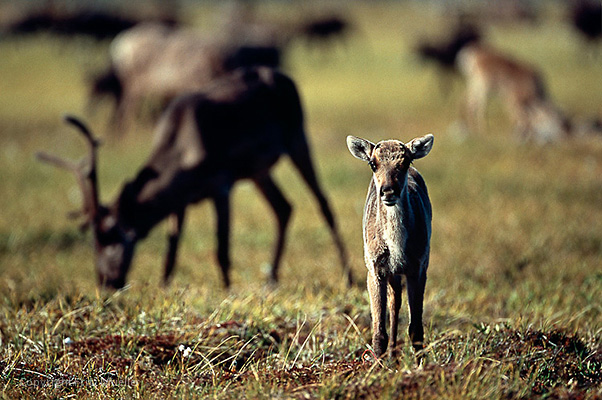
The caribou from the Porcupine herd have begun moving off of their summer calving grounds along the coast of the Arctic National Wildlife Refuge. They are moving with their calves into the foothills and mountains south of the coastal plain as they seek out cool, breezy areas that will give them relief from the mosquitos along the coast. In this post you can read more about what sounds like a beautiful day when the image of the caribou that I posted here was taken.

Arctic_tern_nest_2_25JUN10

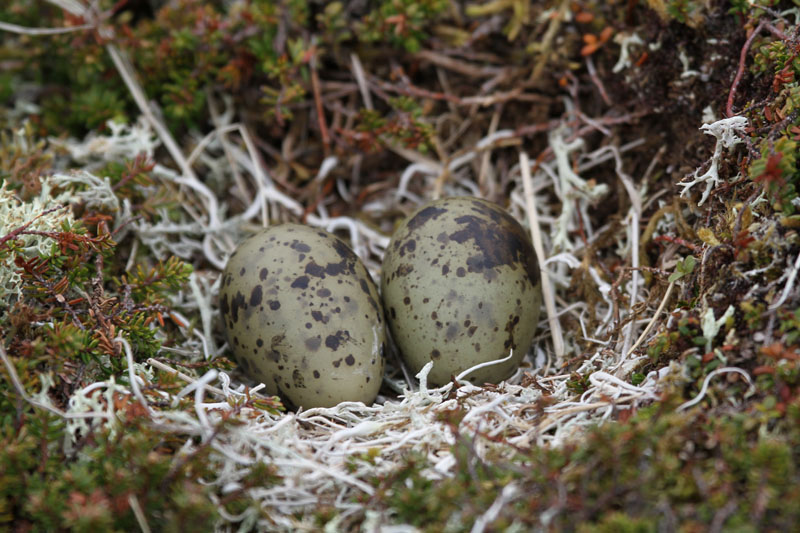
If they haven’t done so yet, the Arctic Tern’s eggs should hatch very soon. Both parents will care for the young, feeding them a steady diet of fish. After about 21-24 days the chicks will fledge, meaning that they’ve now developed the muscle strength and feathers for flight. Soon after, they will begin to learn to feed themselves, which requires plunging into open waters to catch fish!

Turning our heads to the sky, it’s a rather uneventful month. There’s a full moon on July 12th and the new moon on the 26th. The Delta Aquarids meteor shower peaks towards the end of the month from July 28-29th with about 20 meteors per hour. While that’s not a spectacular show, between the dark moon and warm summer nights, it should make for some great meteor viewing!

Fields and Festivals

Oh, there’s so much going on out there! July is a big month for festivals of all sorts. Showing a little PA pride, Sarah and I love the Boalsburg People’s Choice festival with PA-only venders.   There’s a fine art and craft festival at this weekend’s Boulder farmers market that I’m excited to explore.  Any fun or odd festivals going on where you live?

liveseasoned_summer2014_julywelcome2

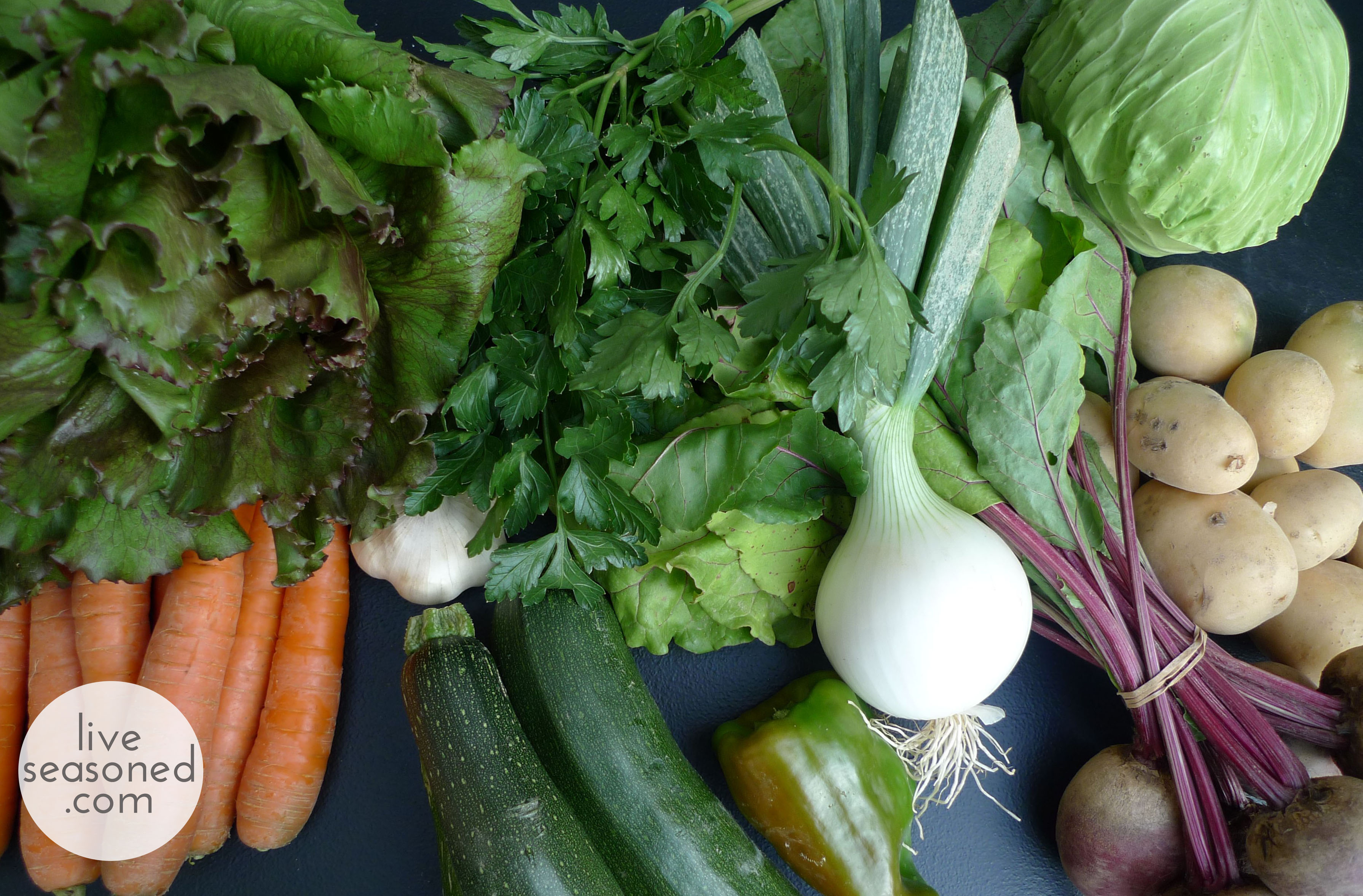
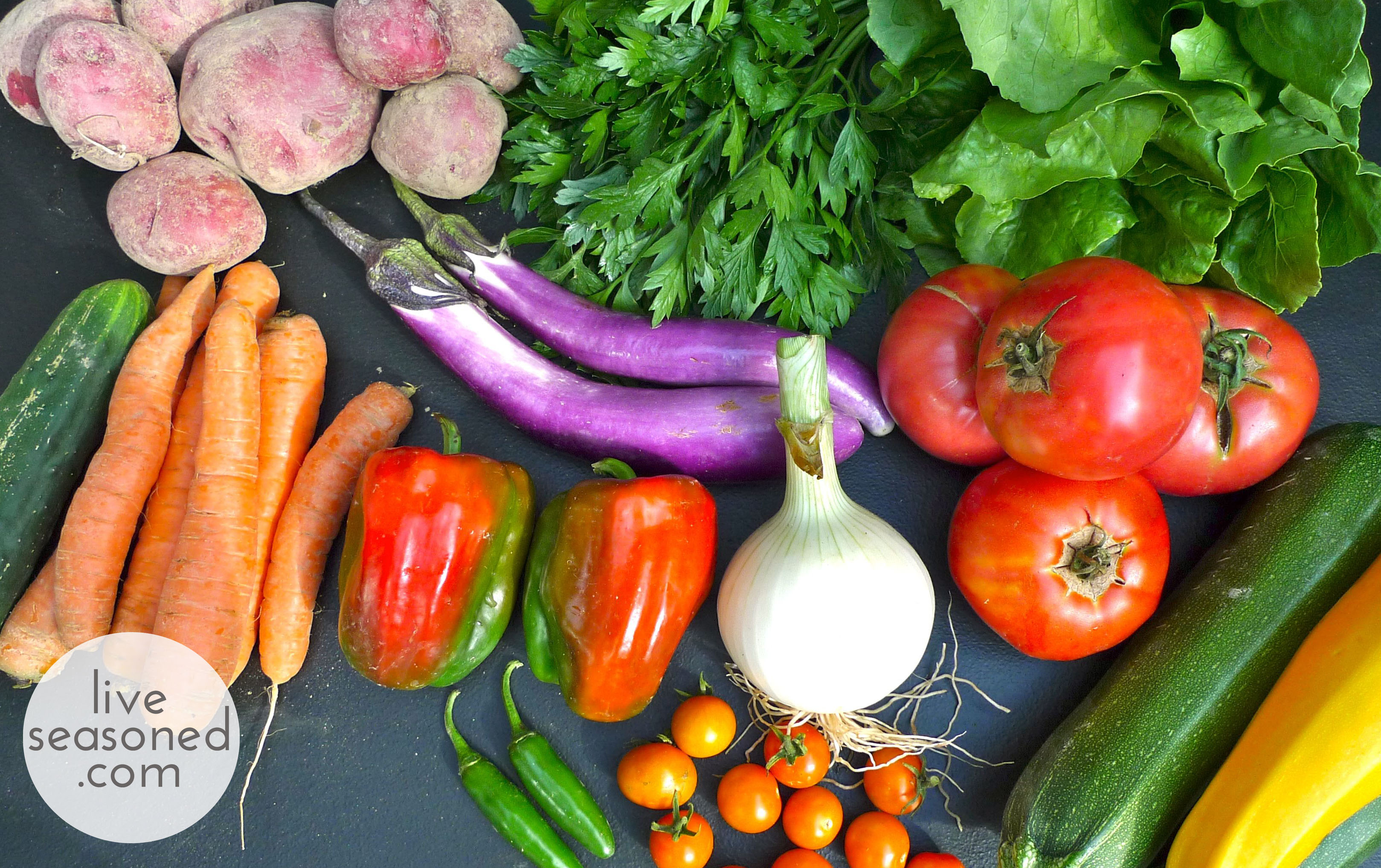
Expect your farmer’s fields to be bursting with produce. What’s in season? It’s easier to list what’s not (rhubarb, you’re gone in a flash! apples, we’ll be seeing you soon.). It’s time to buy local, buy ripe, and enjoy every nutritious bite! Not sure what to do with your market score? Our rosemary roasted veggies are a great place to start. I’m missing our farm-share like crazy, but am already researching local farms for next year. In our house it’s going to be a whole lot of farmers’ market visits this month and next. We’re going to the Boulder market for the first time tomorrow. We hear that in addition to the farmers’ stands there are great food truck options for dinner, so we’re hoping to make an evening of it.

liveseasoned_summer2014_julywelcome3

If you’re looking for a farmers market in your neighborhood, I found this handy directory from USDA. It probably doesn’t list every market, but I tested it for a few locations where I’ve lived, and was happy to see my favorite markets listed.

Get out there and fill up on everything delicious, because those overflowing produce bins won’t last forever!

Wildebeest image from here. Caribou image by Fritz Mueller. Arctic tern eggs from adakbirding.com.


Welcome June!

On the first Wednesday of each month we like to pause and take a look at what’s going on in the world around us, with a particular focus on animal activity, celestial events, and our farmers’ fields.

liveseasoned_summer2014_junewelcome2

June! From the Seasoned perspective, summer has arrived! We are so excited for everything this season brings, particularly in the way of fresh foods, afternoon naps in the hammock, the way our hair is oh-so-perfect after a day in the ocean, and of course, the care-free feeling that comes with these long, warm, sun-soaked days. But if you see us on the beach this month, working on our tan, know that behind those dark shades we’re actually thinking big thoughts about 1. the crazy wildebeest migrations just starting up (see below), and 2. just what are we going to do with all of that mint we planted.

Continue reading

Pack Your Bags: Spring Backpacking

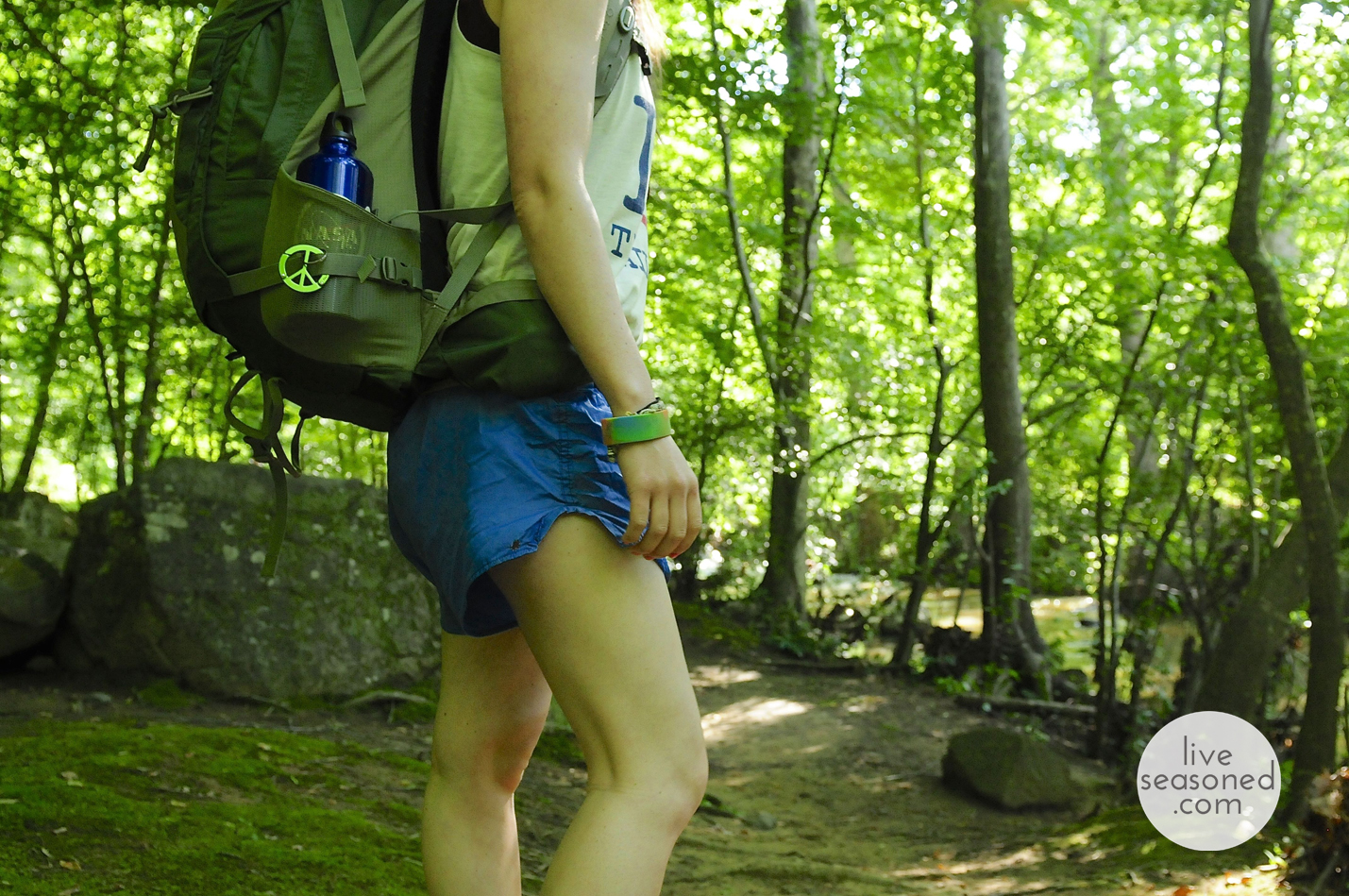
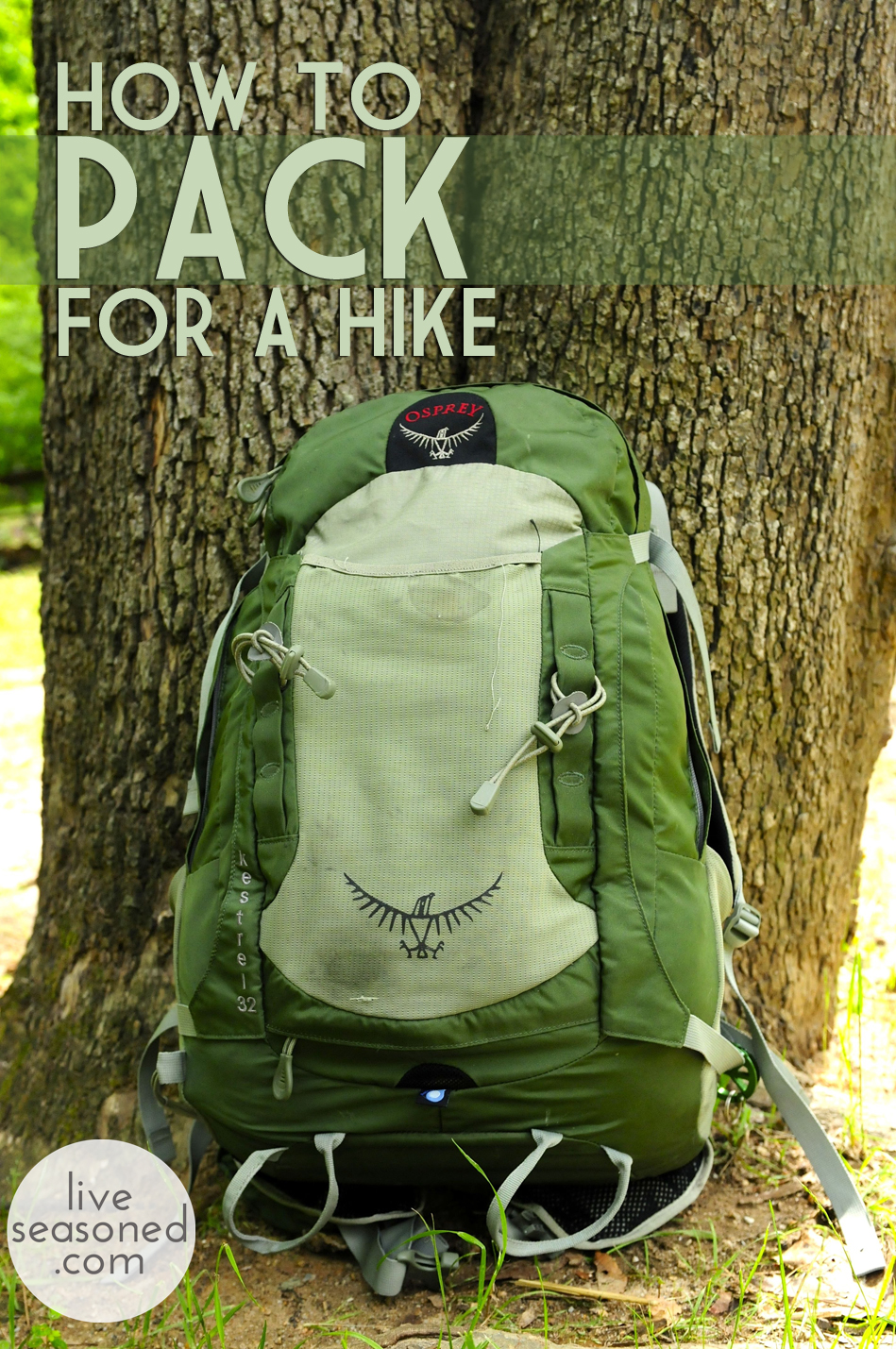
Spring is a great time to hit the trails.  The weather is warm, but not too hot and the creeks are overflowing with water.  Lots of water is a good thing.  That means you’ll have enough to drink, cook and wash with.  Nothing is worse than hiking to a campsite and realizing the creek has run dry.  Backpacking may seem a little intimidating if you have never gone before, but by the time you finish reading this post, you’ll realize you can do it to!

liveseasoned_spring2014_backpacking2

liveseasoned_spring2014_backpacking10

In this segment of Pack Your Bags, we’ll cover everything you need in your pack for a weekend trip.  In the future we will fill you in on some basic backpacking 101 information as well as what to eat on the trail.  If you are preparing for your first hike, make it an easy overnighter.  That way you will get a feel for hiking and have a better idea of what it entails for future weekend-long hikes.

Continue reading

Welcome May!

On the first Wednesday of every month you will find us checking in with what’s coming up on the calendar and what’s going on outside. 

I almost started this post complaining about our long cold spring, but caught myself in the nick of time. Most days it still seems to be unseasonably chilly. Case in point, we walked down to the baseball fields for concession-stand-dinner tonight (our new favorite dinner “out” with Alex), and I found myself bundling up in my vest and cozy winter hat! So while I could grumble, I would be doing just as much complaining if the weather were warm, because we don’t have time to enjoy this year (apparently I’m a complaining ball of fun these days). There’s packing to do! As I got ready to write this post, thinking about all of the creatures just ending their spring migrations, I’m reminded that we’re just starting our migration west, and at least for the next month, I hope time stands still outside so I don’t miss all of the action.

Of course, I want to quickly point out that while I’m calling this an unseasonably cold spring, it’s just that I’m used to the warm, early springs we’ve experienced over the past few decades. Records show that spring is arriving an average of 25 days sooner than it did a mere 40 years ago!

liveseasoned_spring2014_welcomemay2_wm

Continue reading

Monday Inspiration Vol. 2

liveseasoned_spring2014_mondayinspiration


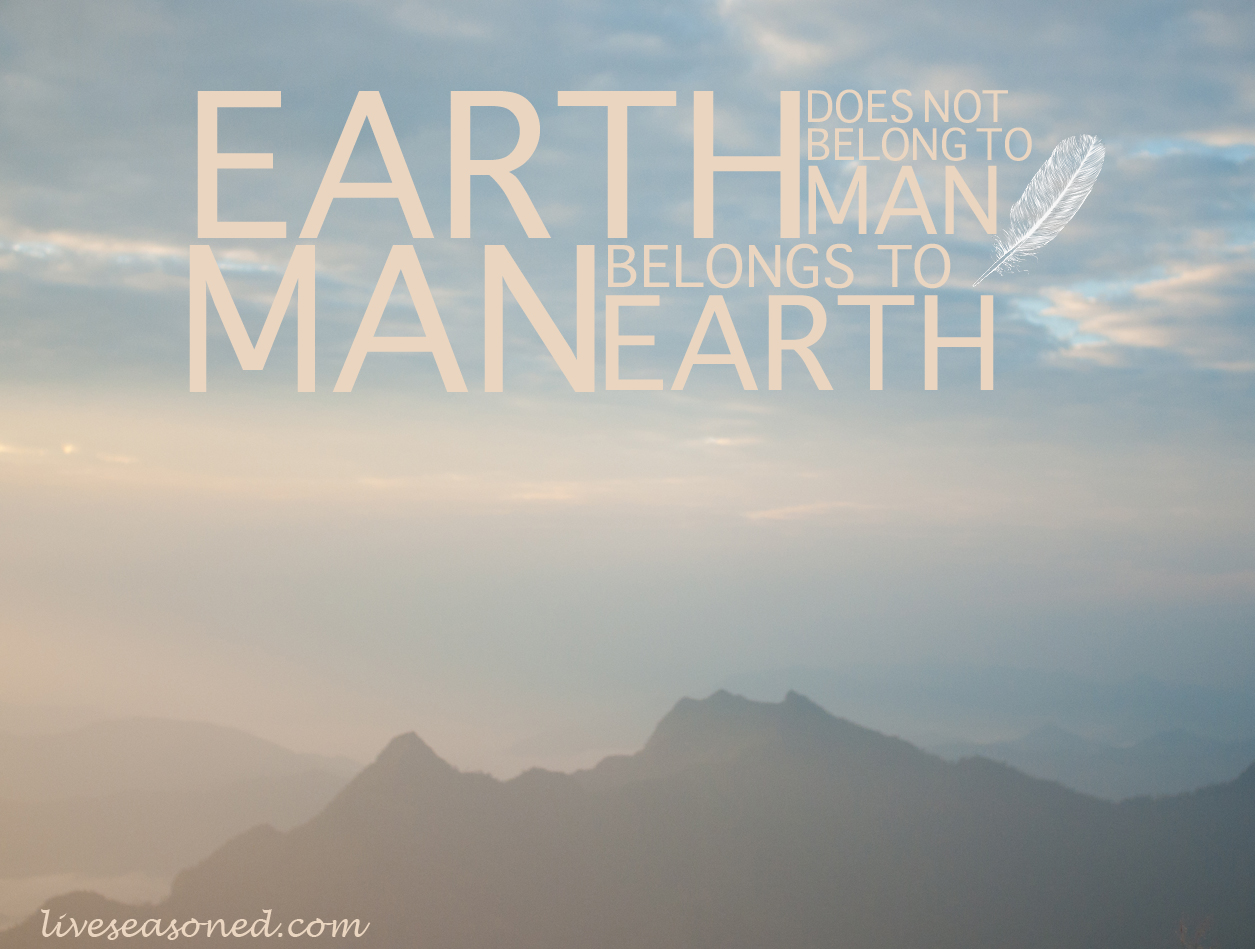
This we know: the earth does not belong to man, man belongs to   the earth. All things are connected like the blood that unites usall. Man did not weave the web of life, he is merely a strand in it. Whatever he does to the web, he does to himself.

A quick internet search revealed the source of these words as Chief Seattle, but after a little digging and this article, that wide-spread assumption is most likely false.  Even so, I think the sentiment is beautiful and one that I wished many humans believed in.  Tomorrow is earth day and Friday is arbor day so I challenge you to carry these sentences with you this week and the rest of the year.  Pass them on and share them when appropriate and feel great when you do something beneficial for mother nature.  She deserves it and so do you.

Rather than follow our regular schedule, this week we have some really great Earth and Arbor Day-inspired posts for you cats.  Tuesday we’re featuring artist, Benjamin Gazsi, who creates impressive large-scale eco-sculptures that we think you’ll love.  Wednesday’s post will be an easy to follow nature photography tutorial.  You’ll learn about aperture, shutter speed and other functions of your point-and-shoot or DSLR so that you can stop shooting on auto settings and start taking better photos.  Thursday we’re sharing a terracotta pot painting tutorial.  We’ll also highlight some common herbs and tips on how to grow and use them in your home!  And Friday we’re going to skip our usual In Season post and introduce a new series we’re calling In the Field. This week we’ll be talking to Sara Fitzsimmons, a scientist working to breed and reintroduce blight-resistant Chestnut trees to the forests of the eastern US.

We hope you’re gearing up for a week full of earth-inspired posts and living every day like earth day.  Ok, time to take the pup on a hike. Happy Monday!

Welcome April

On the first Wednesday of every month, you can find us checking in with what’s coming up on the calendar. 

Well, Punxsutawney Phil was not joking this year! March never quite warmed up, did it? As I sat down to write this month’s welcome letter, I thought about how almost nothing has happened in our backyard, but that just means we have so much to look forward to in April!

The snowdrops and winter aconite that I mentioned last month timed their bloom to the first day of spring. Sarah reports that the forsythia and magnolias are blooming in North Carolina.  And we can feel the warmth moving north as our mom’s crocuses bloomed last week in Virginia, while mine started blooming just two days ago in PA. With everything off to a slow start, April will be bursting with flowers. I’m a big proponent of picking flowers and bringing the beauty inside. A vase of cherry blossoms, daffodils, hyacinth, and tulips creates the perfect early spring mix! And if we’re lucky, that will be followed by vases of lilacs and tree peonies.

Continue reading

Early Spring Camping

liveseasoned_spring2014_springbreak16_wm2

Surprise! We had to come back with a one-two punch, because what goes better with a maple syrup festival than camping?!

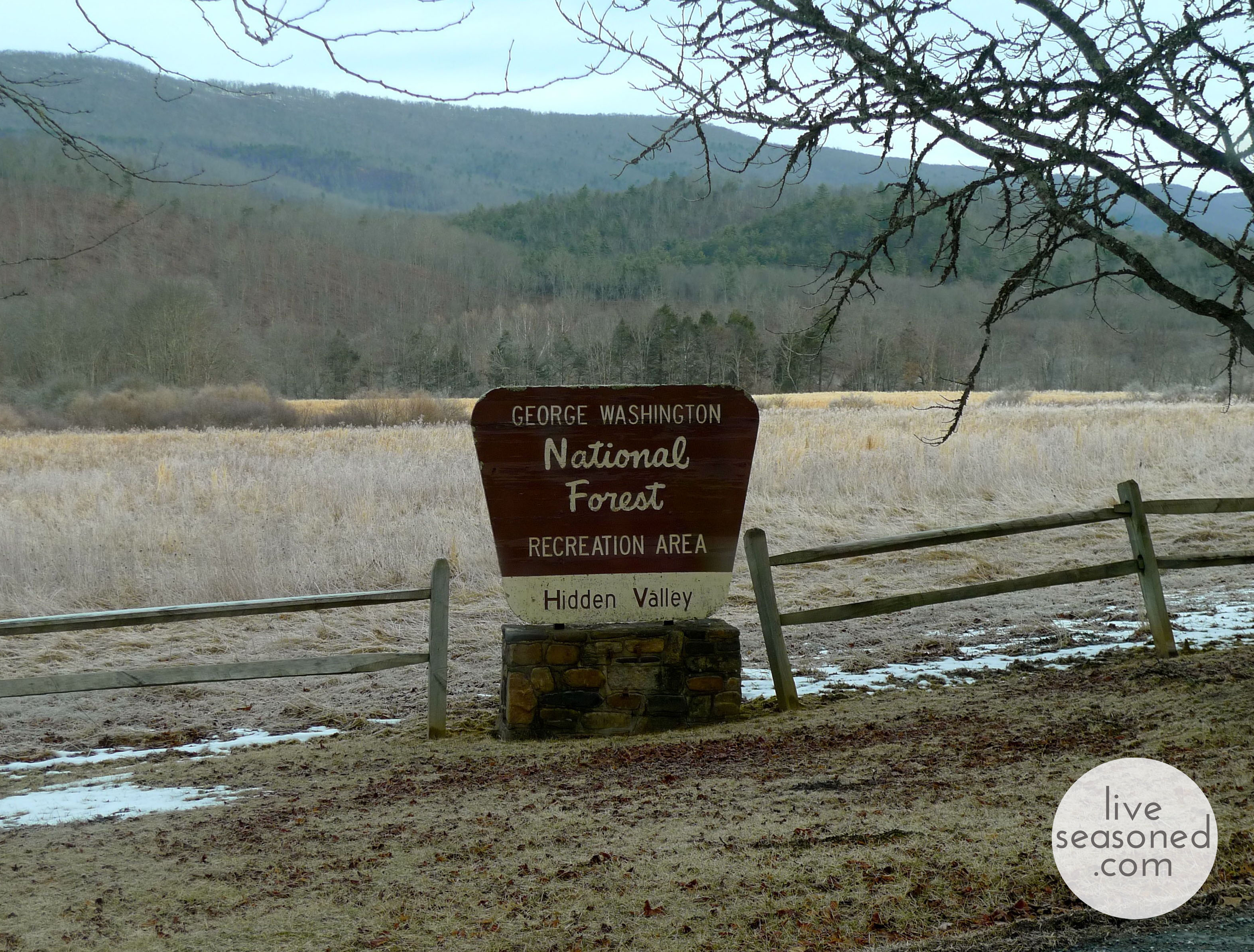
If you haven’t tried it yet, early spring camping can be a lot of fun. During our week-long road trip in early March, we spent almost as much time camping as we did sleeping indoors. Albeit our camping isn’t necessarily roughing it; the back seat of our van folds down into a bed big enough for the three of us (four when Cash curls up for a snooze). These were taken on the first morning in George Washington National Forest, just outside of Warm Springs, VA. 

liveseasoned_spring2014_springbreak13_wm2

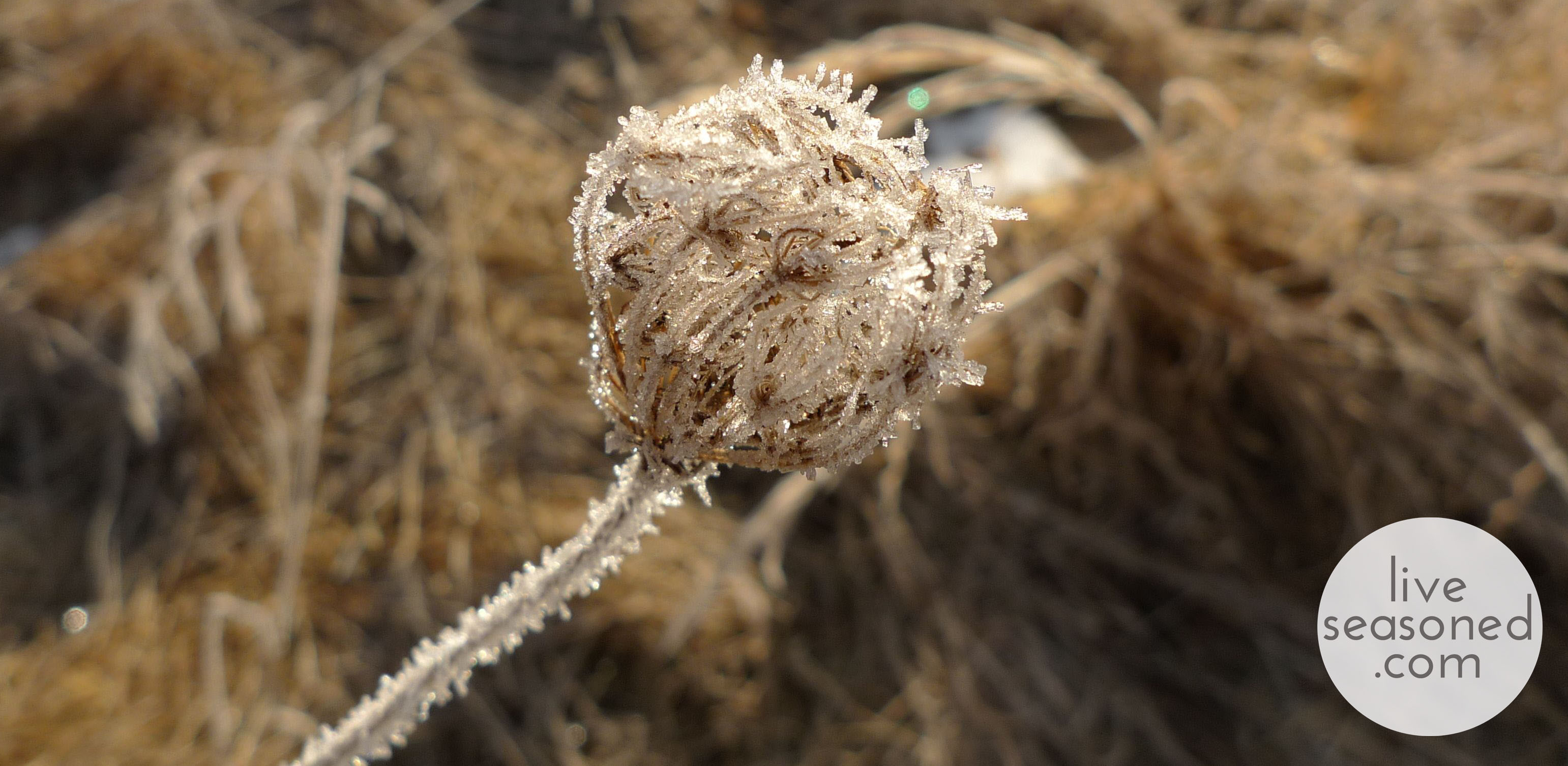
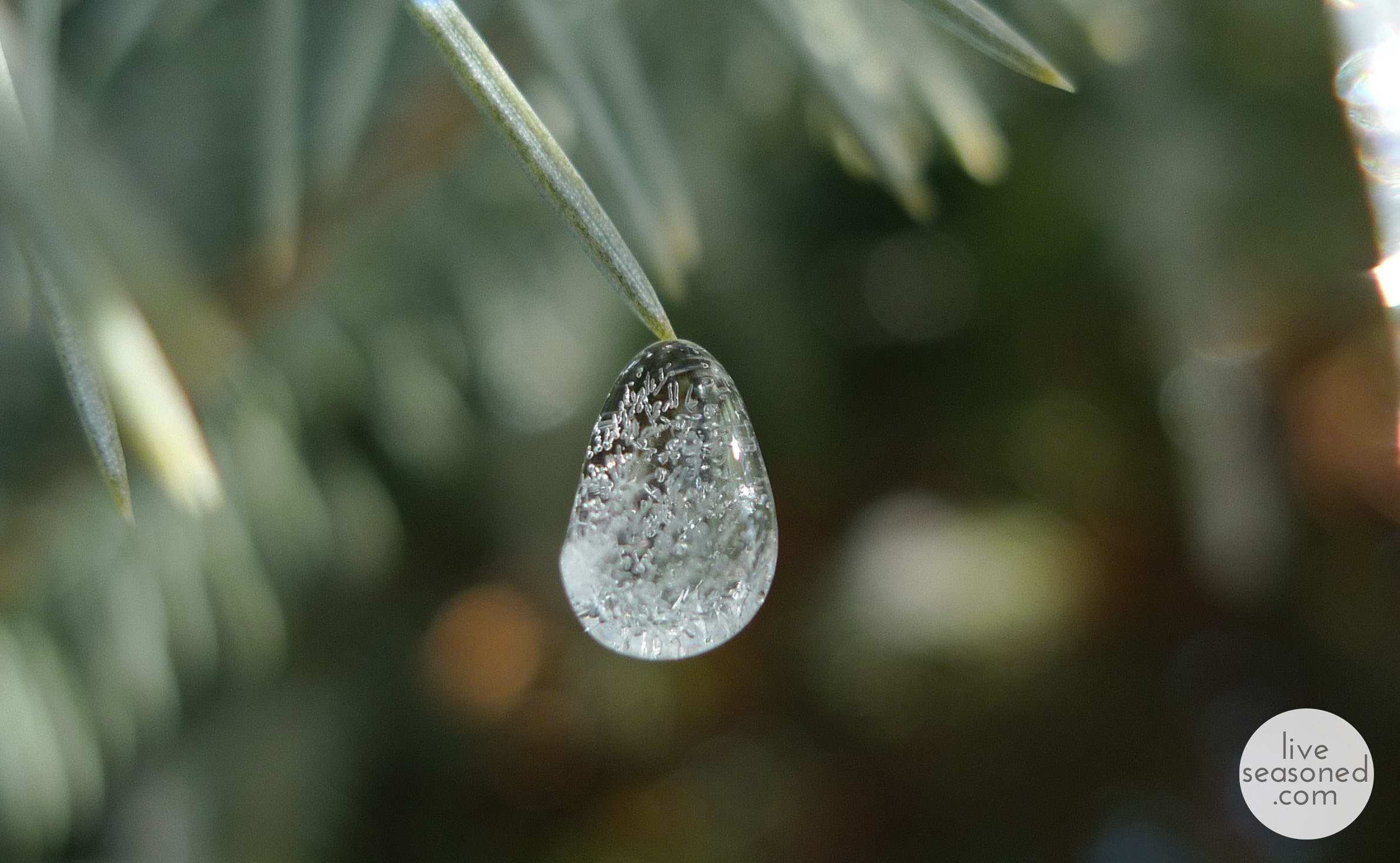
As you can tell, the morning air was freezing crisp and refreshing, with a beautiful layer of frost and ice crystals covering every surface. So first things, first, Calder made some coffee in the french press while I wandered off to check out the scenery. Soon I was back at the van, grabbing my coffee, and encouraging everyone to get out and watch the rising sun sparkle on the ice.

Continue reading

The Meaning of the Moon

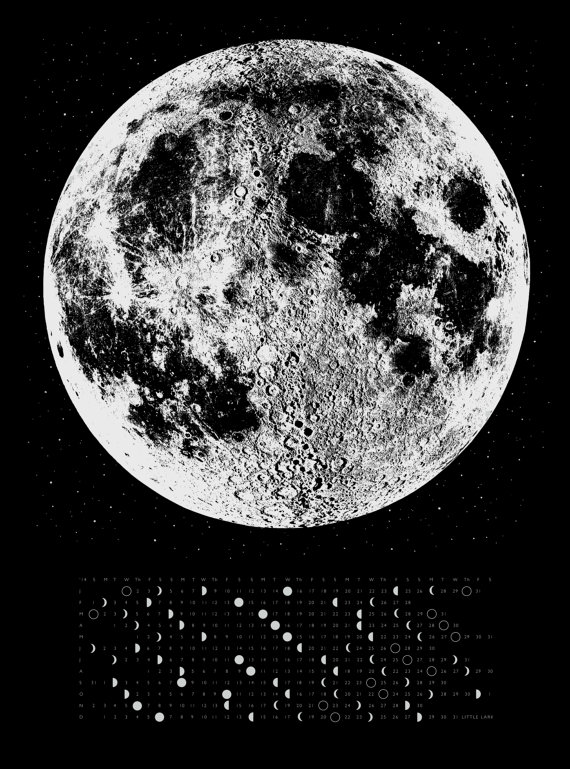
Moon Cycles Calendar

Moon Cycles Calendar

Month after month we gaze up at the full moon in appreciation.  It’s a captivating sight and made even more special by it’s relatively rare occurrence (only 12 or 13 each year).  Personally full moons inspire me to write poems (that aren’t very good) and create cosmic artwork.  I also like to plan goals around the moon cycle, like mini new moon resolutions instead of one big New Year’s resolution.  Each month I stare at that pale disk and fall madly in love.  I feel inspired and giddy with feeling.  We are so small, the galaxy is so big, I love you moon!  Imagine how amazing it would be if we lived on Jupiter? Sixty moons, yes please!  Although maybe if we had sixty moons we wouldn’t appreciate our one full beauty as much.  Sixty moons would also make this post really, really, really long, so thank the solar system for our position while I describe the reasons for our full moon names.

Were you aware that each moon has a different name?  I’ve heard of a few, like the harvest moon (the moon that occurs closets to the autumnal equinox) and the snow moon, but until a few months ago I had no idea each month’s moon was assigned a name. Full moons occur about every 29.5 days as the moon is directly opposite the sun from an earth perspective.  The moon reflects the sun’s rays and appears as a perfectly round disk.  For millennia humans have used the moon cycle to keep track of seasons and to set schedules for planting, hunting and harvesting.  The same is true with the Algonquin Native American tribes that spanned from New England to west of Lake Superior.  These are the names I’ll mainly be describing here and the ones that are most commonly referred to in the United States.  If you’re reading this from the Southern Hemisphere (welcome!) the months and names are listed at the end of the post.

  • January-Wolf Moon is named after angry howling wolves.  During deep snows and cold winters, wolf packs would howl hungrily near the perimeters of Native American villages.  It’s sometimes referred to as the Old Moon, the Ice Moon or the Moon after Yule.
  • February- Snow Moon is named for, you guessed it, the ridiculous amount of snow that falls each February.  Usually this month has the highest recorded snowfall so it’s no wonder why it was deemed the snow moon.  February’s full moon is also known as the Hunger Moon since temperatures were so low, hunting was difficult and food was scarce.
  • March-Worm Moon got its name because worm castings (poop) would appear as the ground thawed.  This also signaled the return of the robins who love to chow down on worms.  March is also referred to as the Crow Moon because of their incessant cawing.  I love crow cawing (am I the only one?) so I tend to refer to this moon as the Crow Moon.  It’s also known as the Crust Moon because the ground thaws during the day, but freezes again at night forming a crust.  Lastly, it can also be referred to as the Sap Moon because trees are prime-tappin’-time during March.
  • April-Pink Moon is named for a species of early blooming wildflower known as wild moss pink or ground phlox.  Coastal tribes refer to April’s moon as the Fish Moon.  Other names include Egg Moon and Grass Moon.
  • May-Flower Moon is a given for the month of May. April showers bring May flowers, ya dig?  Some tribes also referred to May’s moon as Corn Planting Moon and Milk Moon.
  • June-Strawberry Moon is apparently the only name that is universal to all Algonquin tribes.  It was deemed Strawberry Moon because strawberries are in their peak picking season during June each year.  European settlers named it the Rose Moon, but I think Strawberry Moon sounds way cooler. *I’m obsessed with Strawberries*
  • July-Buck Moon is named because male deer begin to grow new antlers each year during July.  Bucks shed their antlers at some point during the year, which means if you scour the woods you may find some! Take a dog with you to increase your odds.  July is also known as Thunder Moon because of the frequent storms during this month.
  • August-Sturgeon Moon was named by Native American fishing tribes.  Sturgeons were caught in abundance every August. It can also be called the Red Moon, the Grain Moon or the Green Corn Moon.
  • September-Corn Moon signifies when corn and other crops are to be harvested.  It’s often called the Harvest Moon, which is the full moon closest to the autumnal equinox (2 out of 3 years it falls in September).  At the peak of harvest, farmers can work late into the night with the help of the light from the Corn Moon.  Another fun fact, usually the full moon rises an average of fifty minutes later each night, but for the few nights around the Harvest moon it rises only 25-30 minutes later across the U.S. and only 10-20 minutes later for much of Canada and Europe.  I always imagine the Harvest Moon to be the happiest of the year for the Native Americans.
  • October-Hunter’s Moon signifies the perfect time to hunt deer and other animals.  Deer are fattened up from summer and easily spotted in the bare forest.  Fox, squirrels and smaller game are also more easily seen now that the fields are bare.  October’s moon is also referred to as the Travel Moon and the Dying Grass Moon.
  • November-Beaver Moon is named for beavers, but it’s not clear why.  It’s either because beavers are highly active preparing winter dams or because it’s time to set beaver traps to stock up on warm winter furs.  The animal lover in me hopes it’s because of the busy beavers.  It’s also known as the Frost Moon.
  • December-Cold Moon because it’s darn cold during December.  It’s also known as the Long Night Moon, which I prefer because I dislike the cold so much that I’d rather it be left out of my vocabulary and because it describes December’s moon so well.  In December, nights are the longest and the moon has a high (above the horizon) trajectory across the sky because it’s opposite a low sun so long nights, long moon.
  • Blue Moon-Full Moons are roughly 29.5 days apart, which leaves 11 days before the Earth finishes its orbit around the sun (one year).  Roughly every 2.5 years there’s an ‘extra’ full moon during a season (usually it’s three full moons per season), which is where the Blue Moon comes in.  It was a common mistake that the Blue Moon referred to the second full moon of the year, but it is actually the name given to the third full moon during a season that has four full moons.  Apparently the big mix-up came about way back in 1946 when Sky and Telescope magazine claimed the Blue Moon fell on the second full moon of the calendar month.  This error caused widespread misunderstanding until it was corrected more than fifty years later in 1999.

Southern Hemisphere Full Moon Names:

  • January-Buck Moon
  • February-Sturgeon Moon
  • March-Corn Moon also usually the Harvest Moon
  • April-Hunter’s Moon
  • May-Beaver Moon
  • June-Cold Moon
  • July-Wolf Moon
  • August-Snow Moon
  • September-Worm Moon
  • October-Pink Moon
  • November-Flower Moon
  • December-Strawberry Moon


Did you learn a little something here?  We’re all about educatin’ [insert your best hillbilly accent here] over here at Live Seasoned.  Do these names still ring true for you or do you label your moons differently?  Since I learned all the names, I’ve been trying to decide which I like best and also adopting some new names for fun.  I love living my life by the lunar cycle.  It’s a fun way to set goals mainly because you can’t do too much procrastinating in only 29 days. Do you find the moon shaping your life in any way?  Tell us about it, we’re all ears.


*Image via Little Lark

Welcome March!

On the first Wednesday of every month, you can find us checking in with what’s coming up on the calendar, both literally and figuratively. 

It’s 50F as I type this. I’m at the kitchen table, and the ground outside is covered in a blanket of snow, but there’s a steady drip of water as the snow on the roof begins to melt.

March is truly a month of transitions as we leave winter behind and take that first confident step into spring. Of course, there were a few warm days towards the end of February that hinted at the coming spring, and Mother Nature has started to make her move.

liveseasoned_spring2014_welcomemarch_ice_wmDeciduous trees and shrubs that have stored sugars and nutrients in their roots all winter begin sending it up their trunks to their outer branches as the days warm. That stored energy will be used to open the tree’s buds, making leaves and flowers. It’s during this time of year, that we tap the sap from the maple trees and boil it down into syrup. Maple syrup festivals abound throughout the tapping region and follow the slow warming of the east coast beginning with festivals in Virginia in early March and PA and NY festivals in mid to late March. Along with the maple trees, the opening of the Cherry blossoms are a cause for celebration throughout Japan and here in the US. The month-long National Cherry Blossom Festival begins in DC on March 19th.

Even before the deciduous trees fill out, the earliest of bulbs begin to flower. Crocus may be the typical early spring bloom that pops into your mind, but they are preceded by winter aconite (Eranthis) or snowdrops (Galanthus) bloom.  Of course, all of these will soon be followed by daffodils, hyacinth and tulips.

March is a month of intense activity for many of our migratory animals, including some of our favorites: the monarch butterfly, whooping crane, and ruby-throated hummingbird. Monarchs* are leaving Mexico and southern US for their multi-generation trip north. The endangered Whooping Crane, which is North America’s tallest bird at around 5 feet, take off from their Texas wintering grounds in mid-March. Ruby-throated hummingbirds that flew all the way down to Panama for the winter are now well into their migration north. Many have reached the Yucatan peninsula by now where they will gorge on insects before making the non-stop flight across the Gulf in early March. From there they will continue north following the blooming flowers they rely on for nectar.

Robins have already arrived in central PA. They differ than the other species we’ve mentioned in that they don’t have a direct north-south migration, and their movements are not well understood. They move in large flocks, avoiding areas with deep snow, looking for the availability of fruit in the fall and then returning to their summer breeding grounds as the soil warms and earthworms are available.

The vernal equinox and first official day of spring occurs on March 20th when the sun is positioned directly over the equator. While it may be the most anticipated, that’s not the only fun celestial activity this month. Coincidentally, also on March 20th an extremely rare event will take place shortly after 2 a.m.. An asteroid known as 163 Erigone will pass in front of the bright star Regulus in the constellation of Leo, causing the star to disappear.  This event is even more special because it will only be visible (invisible?) along a 45-mile-wide path that begins in the span between New York City to Oswego, NY and continues northwest into Ontario, Canada. If you’re in the center of this path, the star will remain invisible for 12 seconds.

March’s full moon occurs on the 15th. The native american tribes of the US named the full moons in order to help them keep track of the seasons, most names have to do with natural phenomena or seasonal activities. Many of the moons have a single name, but March’s moon takes the cake in naming. It’s known as the Worm Moon because earthworm casts appear (with the worms feeding the aforementioned robins). The more northern tribes referred to the moon as the Full Crow Moon or Full Crust Moon; the cawing of crows signaled the end of winter, and as many readers can probably relate to this year, the carpet of snow still present in the north thaws during the day and then forms a hard crust overnight when it freezes.  In conjunction with the tapping of the make trees, March’s moon has also been called the Full Sap Moon.

liveseasoned_spring2014_welcomemarch_beer_wm

Back in the human realm, Mardi Gras was celebrated yesterday on March 4th (maybe you’re still recovering? or still snacking on those donuts?). Daylight savings time begins at 2:00 a.m. on March 9th; spring ahead lovelies! March 14th is Pi Day. March 17th is St. Patrick’s Day, don’t worry, we’re doing the heavy lifting and planning a little beer review for you. This year the 17th also happens to be India’s famous Holi Festival, also known as the Festival of Colors, celebrating the coming of spring and the victory of good over evil. If you can’t make it to India, there’s a festival on March 8th in LA and the 29th-30th in Spanish Fork, UT.

Finally, just a little warning from Scottish folklore ~ the last three days of March have a reputation for being stormy, and the story has it that these days were borrowed from April. So if the sun is shining today, enjoy it, but be prepared for the end of March and those pesky April showers.

So, that’s a little bit of what’s going on around here, what we’re excited for, and what we’re looking for in our backyard. What’s on your agenda for March?

*Have you heard that the overwintering populations in Mexico are at record lows? This is a concern that we thought was worth acknowledging here, but we would love to discuss it in more detail in a future post.