In the Snow with Little A

liveseasoned_w2015_snow_a

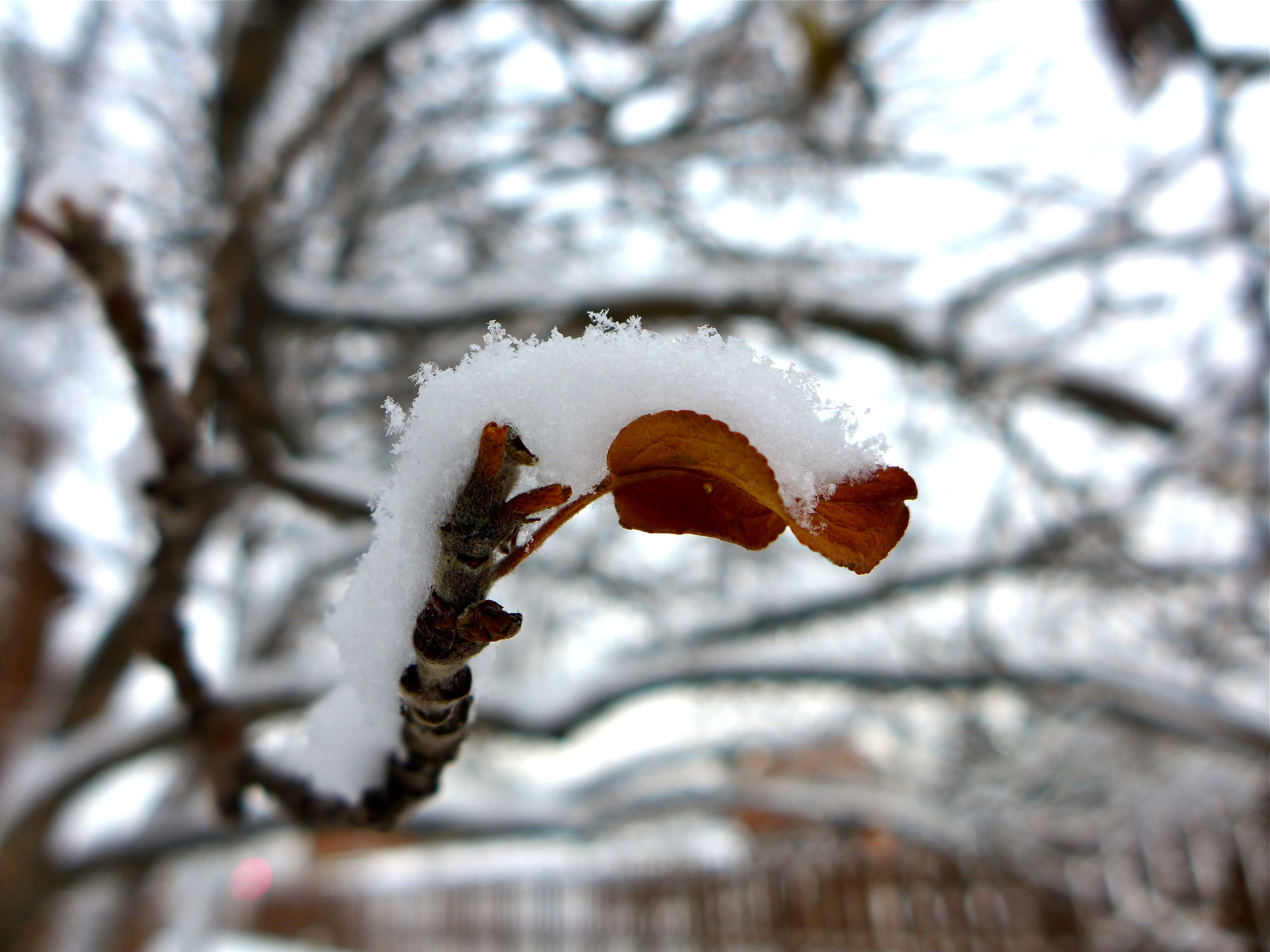
We waited until late in the afternoon to venture out into yesterday’s snow. I admit that I had to build up my courage to face the cold temps, but after a big bowl of soup and a few layers of wool, I was ready. Alex’s mission was simple : eat as much snow as possible, and my mission even simpler : quietly follow behind the little guy as he explored.

I think we’d both declare the mission a success.

liveseasoned_w2015_snow8

Pressed Leaf Garland and Place Cards

liveseasoned_fall14_leafgarland-10

I love nothing more than bringing the outdoors in.  One day I hope I live in a mountain cottage full of fur, bones, feathers, antlers, crystals and insect specimens but until then I’ll build my collection and make leaf garland each autumn. If you follow us on Instagram you know that I tried to pick up a live praying mantis (I thought it was dead) the other day, what a shocking moment!  I actually found that big brown guy while I was collecting leaves for this project 🙂

liveseasoned_fall14_leafgarland-1

I love projects that encourage you to go outside and walk in the woods and making leaf garland is just that.  Wander around with a shallow cardboard box or bag and collect a big old pile of freshly fallen leafs.  You want some moisture in your leaves so that they haven’t started to brown or curl just yet.  You also want to preserve the leaves so that they continue to retain some color and lay flat on your string or table.

liveseasoned_fal14_leafpressing

There are several methods for preserving fall leaves.  I choose what I found to be the easiest and safest method, which is sealing them in wax paper.

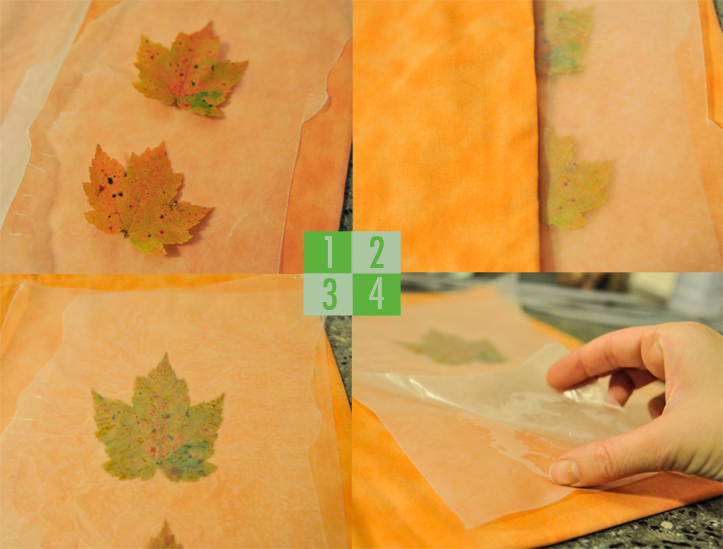
  • Simply lay down a piece of material (I used an old pillow case) and tear off two pieces of wax paper.
  • Lay as many leaves as possible (without the leaves touching) between the sheets and then place the material on top as well.
  • Iron slowly and on the highest setting for a minute or two, flip the entire material, wax and leaf sandwich over and iron the other side for another minute.
  • Remove the wax paper and let it cool while you repeat the process on more leaves.  Once the wax cools, gently peel the pieces apart and release the leaves.

The leaves should be dry and coated in a very thin layer of wax.  They’re now ready to be used as escort cards or strung onto embroidery thread for garland or a table runner.

liveseasoned_fall14_leafgarland-9

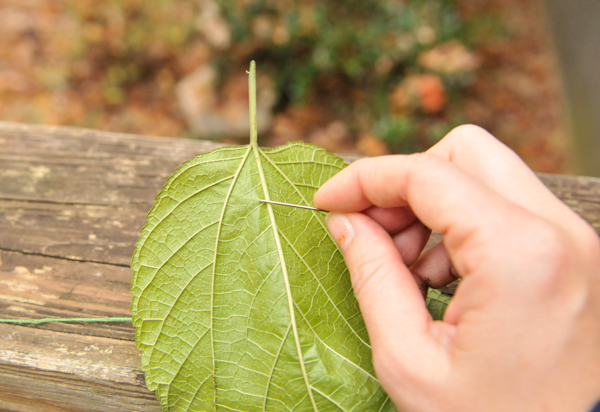
To make the garland, simply cut a length of embroidery thread, tie a knot at one end and thread the needle at the other and start stringing them up.  This is a somewhat delicate process, but it’s easy enough that you can sit and watch a show while you’re working on it.  For the best results, pierce the leaf at least an eighth of an inch in the any edges and gently move it down the thread.  As you become familiar with the fragility level of the leaf, you can pierce several at a time making the process move right along.

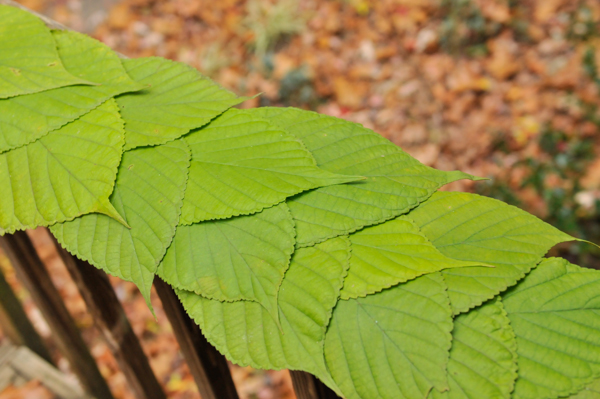
Making the table running is similar to making the garland, but I found it helps to work directly on the space you’ll be decorating.  As you can see, my work in progress photos were taken outside, but that was solely to photograph them in good light.  It’s a little tough to pick up a finished table runner and carry it so I recommend choose the space that you’ll decorate and making it there.  Like most crafts that we make on Seasoned, we encourage you to inject your own creativity into it; the sky is the limit.  For the green table running, I cut a long length of green embroidery floss, tied a knot and threaded a needle. I then added the leaves in a spaced out, loose and layered way.  I wanted the leaves to look like they were simply placed on the table.  I also wanted them to kind of flow or drift through the center of the table, which is why I had them pointing in different directions.  I’m very pleased with the result, too bad I’m not entertaining this year!

liveseasoned_fall14_leafgarland-12

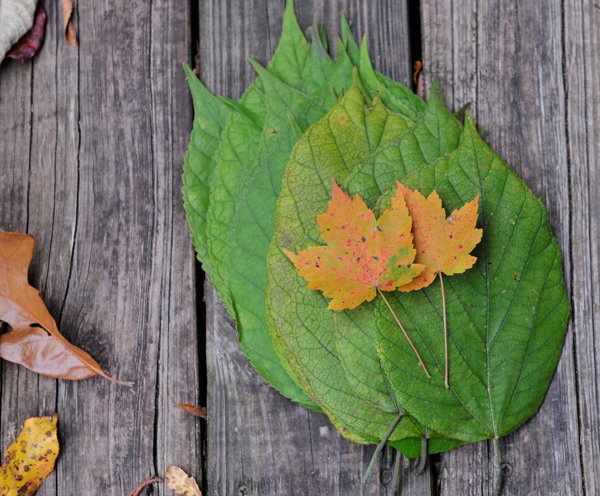
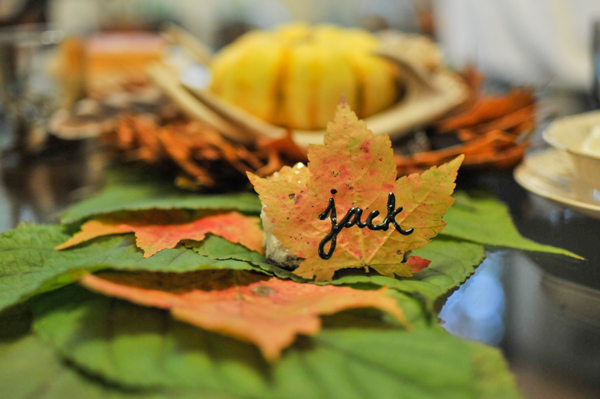
The escort cards and super simple to make as well.  Again, gather and preserve some colorful leaves.  Then use paint bottle with a tip or a paint marker to write each person’s name.  I propped mine up against crystals, but they look just as lovely laying flat on a cloth napkin or plate.

I had a great time making the leaf garland. I spent some time outside, had the opportunity to look closely at nature and then preserve it in my home.  It’s a free and simple craft that is great for kids too.  Iron up some leaves and let them do what they please.  How are you decorating your table for turkey day?


*Just so you know, I did press the green table runner leaves, but I didn’t press the orange and brown leaves that are hanging up and also arranged in a circle.  I kind of liked the transitional look for the hanging garland, but I didn’t want the table runner leaves to be dry and brittle.

Welcome November

On the first Wednesday of each month we like to pause and take a look at what’s going on in the world around us, with a particular focus on animal activity, celestial events, and our farmers’ fields.

liveseasoned_fall2014_nov5_wm

I don’t know what happened this year, but as soon as the calendar flipped to November I had a twinge of nervousness that the season’s passing to quickly. Did you feel that way? It’s the mix of looking forward to and preparing for Christmas while at the same time trying to live in the moment and enjoy every bit of the slow days before Thanksgiving. In an effort to mix the two, I have big plans for long evenings in front of the fire slowly crafting away on holiday projects… we’ll see how that goes. It was nice to look through photos from Novembers past and realize just how much we are able to pack into this one month. From the ones I’m sharing in this post, it’s a pretty even mix of travel, time outside, and of course, the Christmas prep that I love. I hope your month is a mix of all the good things you love too.

We’ve had such a mild fall in Boulder so far, it’s hard to believe that at the end of the month we’ll be visiting Calder’s family in CA, where, if we’re lucky we’ll be knee deep in snow, risking our life sledding, and (unsuccessfully) dodging stray snowballs!

Earth & Sky

As the seasons change from summer to winter, fall is another important and busy time for migrating animals. I thought it would be fun to move from land to sea this month and look up the migration activities of animals that live in or are closely linked to an ocean.

Humpback Whales

Every year populations of humpback whales cross the Pacific from north to south as they move from their summer feeding grounds along the shores of Alaska and Russia to their winter breeding grounds off the coasts of Hawaii, Mexico, and Asian Pacific Islands.


The largest winter calving grounds are in the waters around Hawaii, and particularly off the island of Maui in the Humpback Whale Marine Sanctuary. You can expect the first whales to begin arriving in these waters by September or October, but you are guaranteed to see them starting in November. The whales will stay in the area through May, birthing their young and teaching them basic behaviors, from breaching to tail and fin slapping. If you’re lucky enough to vacation in Hawaii this winter, listen for the male humpbacks singing!

Christmas Island Red Crabs

Christmas Island, located in the Indian Ocean, is home to an endemic species of land-dwelling crabs. For most of the year, the crabs live a solitary life inland, eating leaves and flowers, but every year between October and January, the crabs migration en mass to the coast to mate and spawn. With a population of over 40 million crabs all moving at once, this migration is awe-inspiring, and can cause a bit of a headache for local travels. The crabs can take-over roadways, and often roads that cross their migration route are closed off to let the crabs pass. The start of the migration coincides with the wet season on the Island. Generally, the crabs have to be very conservative with their movements in order to conserve body moisture, but with the rains, they are able to move more freely and make the migration to the coast.

Once at the beach, the male crabs will create a burrow where they will mate with the female crabs. After mating, the males will return to the forest while the females will stay in the burrows for up to two weeks as the eggs develop. The females will then deposit their eggs in the ocean where the larva will hatch and spend 3-4 weeks before returning to land as young crabs. What’s really interesting about the whole event is that the female crabs deposit their eggs in the ocean precisely at the turn of high tide during the last quarter of the moon!

Understanding the timing of that activity, the possible spawning dates for this year are October 19th, November 18th, or December 18th. It all depends upon when the rains begin to fall.

Fields & Festivals

I think of November and I think about good, hearty, home-cooked meals. What about you? Our farm share continues to deliver into December, so I’ve started researching some new-to-me savory veggie recipes for the season. On Monday I made my own version of this savory galette using fresh kale, leeks, and butternut squash. Tonight it’s a spinach and salmon quiche, and tomorrow it’s short ribs with a side of roasted acorn squash.

liveseasoned_fall2014_welcomenov1_wm

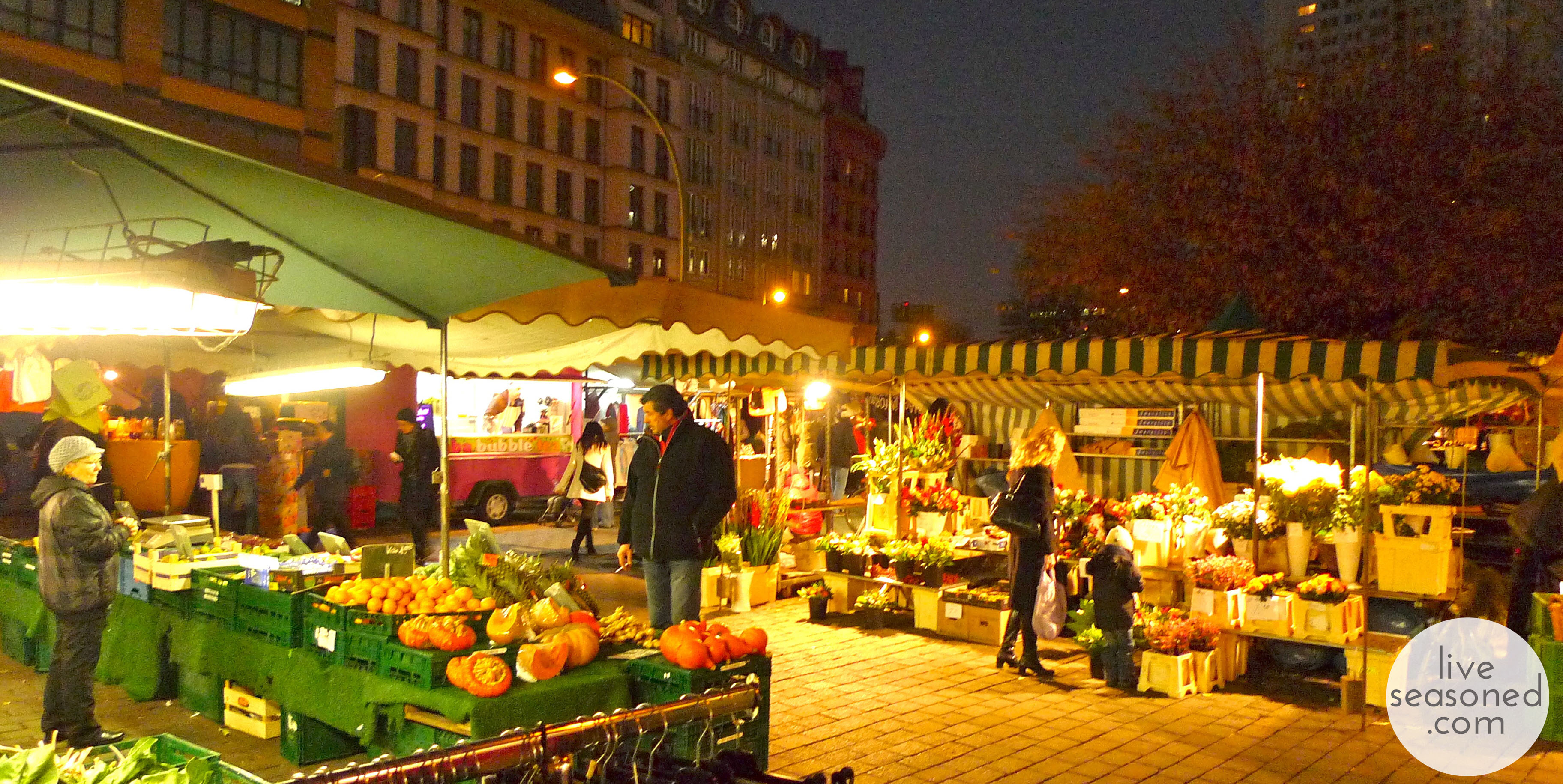
There are still plenty of veggies coming out of the farmers’ fields, and plenty going into storage for the winter, so don’t reduce yourself to iceberg lettuce and applies shipped from New Zealand yet! If you’re lucky, your local farmer’s market may still be in operation. Don’t wait to get out there and pick up something fresh. I took the photo above at an evening market in Berlin as I passed through a couple years ago for work.

liveseasoned_fall2014_nov7_wm

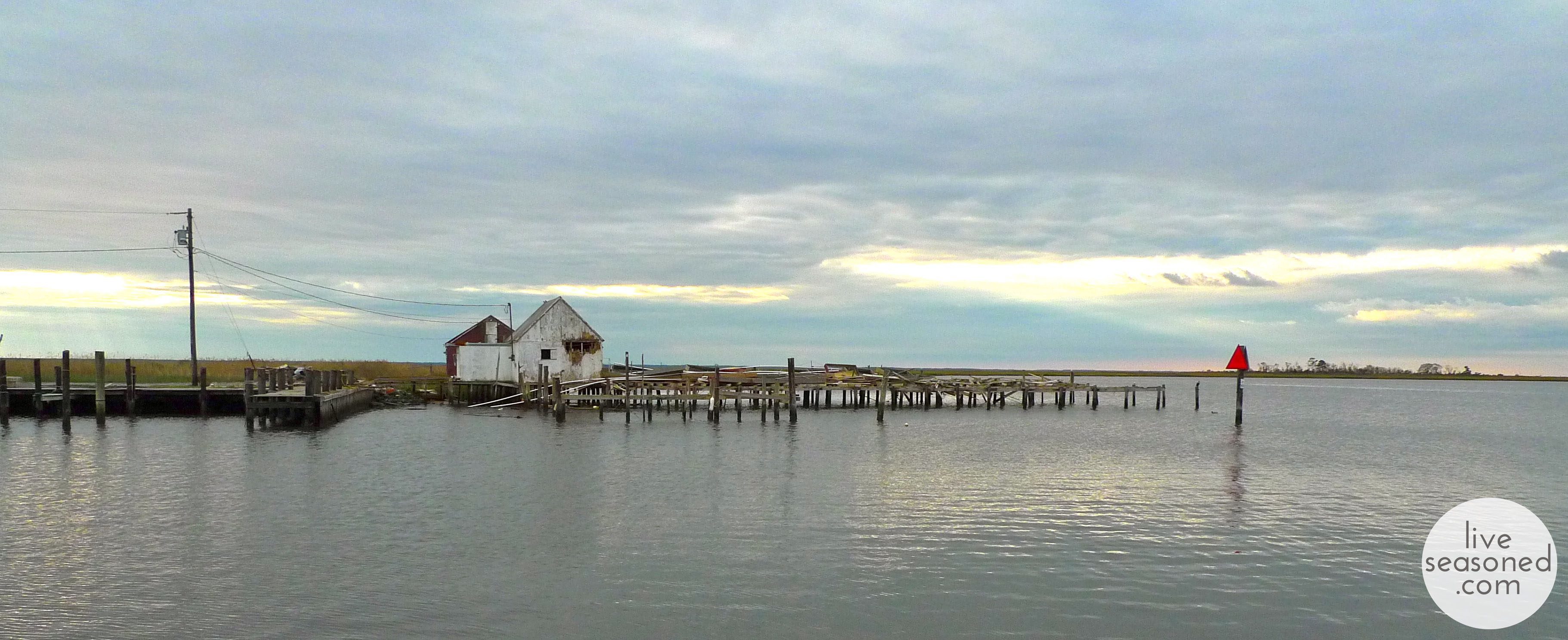
When it comes to festivals, there are still some great food-focused events going on. Sarah’s heading to Saxis (photo above taken as the sun rose over the town’s marina two Novembers ago) to hit up the Saxis Oyster festival this weekend! If you’re looking for something fun to do this weekend, you may find the calendar dominated by craft fairs and festivals – we think they’re a great way to support independent artists and pick up unique gifts for holiday giving. Below are a few we would love to check out. If there’s anything fun going on in your area, let us know!

liveseasoned_fall2014_nov6_wm


As I’m signing off, I’m thinking about ways to wrangle this baby-turned-toddler for some Christmas card photos!

Whale map from KQED. Whale image from Animalians wikispace. Red Crab image from here.

Simple Twig Wreath

liveseasoned_fall14_twigwreath-5

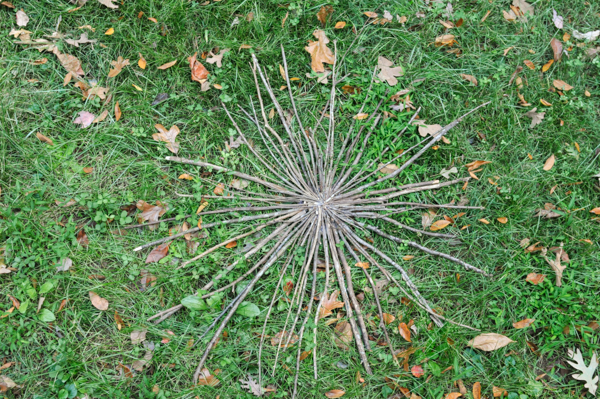
Happy Fall! This foraged twig wreath screams autumn and the best part about it is it encourages you to go outside and prance around in the woods.  You’ll need to gather a bunch of twigs and sticks, which is really easy at this time of year.  The forest should be full of dry kindling waiting to be collected.  I wanted to create a natural looking decoration that was quick and easy, but also cheap.  This wreath ended up costing me nothing but time (most of which I spent looking for my glue gun) since I already owned the other materials.  I made a pretty big wreath because I wanted it to be the center of attention on my tiny shed wall.  First things first, think about where you’d like to hang your wreath and measure or eye it up so that you have a general idea of how big you’d like your finished product to be.

Supplies:

  • thick cardboard
  • pen
  • scissors
  • tape
  • twine
  • glue gun
  • big ol’ pile of twigs

Steps:

  • Step 1: Draw a donut onto some scrap cardboard (I traced a random jar, but it doesn’t have to be perfect) and cut it out.  My cardboard seemed flimsy so I cut two identical donuts and taped them together with masking tape.
  • Step 2: Dispense a line of glue on one side of your donut. Press the twine into it and wrap it neatly around the donut.  Continue dispensing glue (on what will be the back side of your donut) and wrapping twine until you cover the entire donut.  Cut a length of twine (mine was about 4 inches) and tie it in a loop around your donut so you can hang it up later.
  • Step 3: Now it’s time to place the twigs.  This is where you can let your creativity come through.  Do you want a wreath of all tiny twigs? Bigger sticks? Bark or no bark? That’s all up to you.  I wanted something that looked really rustic so I strived for lots of variation in both size and color.  Start by placing the 12 o’clock and three o’clock sticks, but don’t glue them down yet.  Choose sticks to fill in the space between 12 and 3.  Once you have a quarter of your wreath laid out, you can begin hot gluing the sticks to the donut.  Don’t rush this process, glue each stick individually and pay attention to how they are arranged in the center of the donut. You will want the center to resemble a star when you’re finished.
  • Step 4: After you have filled in 12 o’clock to 3 o’clock section, place the 6 o’clock stick on the donut and repeat the process.  Continue until your entire donut is covered and your wreath is complete.
  • Because my wreath is so large, I wanted to create an additional layer of smaller twigs to add some depth.  I did this by repeating steps 1-3 and simple gluing my smaller wreath onto the larger one.

I had  a great time creating this project because there really is no way you can screw it up. It was a stress free craft project, which kind of equates to meditation for me.  I hate sitting idle, but sometimes I don’t feel like concentrating too hard on a project.  It’s also perfect for kiddos.  They can search for twigs and lay them out to their liking while a parent glues them to the donut.  Another reason I’m keen on this twig wreath, it gives me something to photograph in all seasons.  Have you ever taken the same photo over and over during each season?  It’s nice to have a single object that remains unchanged yet altered by whatever is going on in the shot (rain, sleet, snow).  I’m excited to see how this simple craft holds up this year and how pretty it will look with a dusting of snow 🙂


Welcome October

On the first Wednesday of each month we like to pause and take a look at what’s going on in the world around us, with a particular focus on animal activity, celestial events, and our farmers’ fields.

Last week we welcomed the official Autumn Equinox.  Katie and I both camped last week in our separate necks of the wood and I speak for both of us when I say how lovely it was.  It is truly comfortable outside.  I love fall for its cool breeze and warm sun.  If you’re a photographer you know that shooting during October sunsets is magical. The leaves are changing, the weather is perfect and the light is warm.

Hikes take more time in Autumn because there is so much to see.  Mushrooms are springing up after the first fall rains, flowers are both blooming and going to seed and animal activity is abundant.  I may be making this up (definitely am), but Autumn seems like everyone’s favorite time of year.  We are shaking off summer, enjoying the changing seasons and attending every fair and festival like it’s going out of style, which well, it is because in a couple months it will be winter, but we don’t have to talk about that right now.

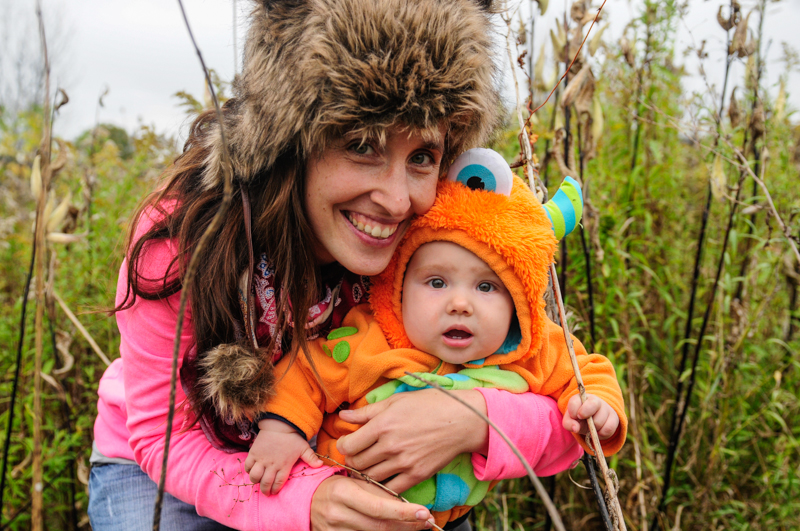
Last year at this time, I stayed in a yurt with my sister Kristin and some friends and we had a little visit from Katie and her forest monster.  I hope you plan a little something to soak up the season this month 🙂
liveseasoned_fall14_octoberwelcome-1-21

Fields and Festivals

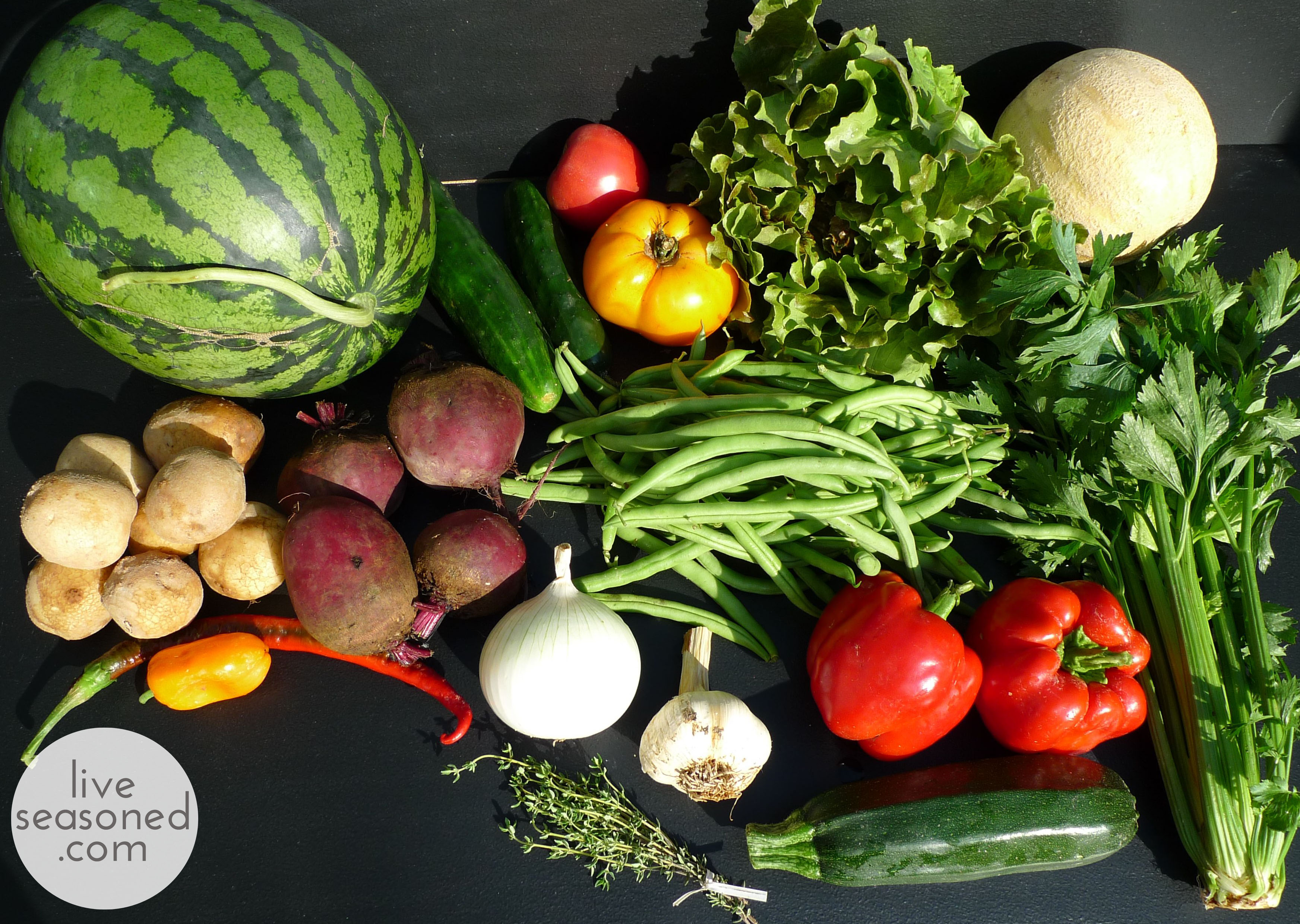
Farmer’s markets at this time of year are my favorite.  The weather is usually sunny, but there is a nice breeze, which means I can meander through the market and take my time with selecting which veggies I’ll purchase from which vendor.  Unfortunately it’s also the time of year when markets transition from two to one day each week.  Three local markets in my area have cut back to one day and while I really don’t need to go twice a week, I really do enjoy the errand.  Like we mentioned last month, this is the time of year when crops that need a full summer growing season and ready to be harvested and brought to market.  At my market in Carrboro, North Carolina, I’m see lots of  summer and winter squash including butternut, acorn and pumpkin.  There are also a wide variety of tomatoes,  apples, melons, and greens.  I’m contemplating joining a CSA for the winter. I know it will mostly be filled with kale, chard, lettuces, beets, carrots and turnips, but it might be nice to be forced (ok, gently prodded) to go to the market to pick up my box each week-even in the dead of winter.

Don’t have a favorite farmer’s market? Autumn is a fantastic time to pick wild mushrooms.  You should always pick with someone who is experienced in the craft, but if you’ve never done it before, you should try it this fall.  Look up a local mycological club, call an old friend (and mushroom expert) or attend a conference!  Make sure you know a little bit about mushroom etiquette before you hit the trails though.  Don’t pick on private property unless you have permission and know the rules about permits and such before picking in state and national forests.

Now that we’re talking about picking, I’m thinking about pumpkin patches.  I love outdoor autumn activities and picking my own pumpkin nearly tops the list.  I came across this website that lets you search pick-your-own farms by country, state and county.  While you’re out in the farmer’s field, I’m sure you can talk them into letting you take a few dried cornstalks home for decoration.  While we’re on the topic of pumpkins, I wanted to admit to a slightly shameful story.  Until 2010 I had always thought of pumpkins as decorations instead of food.  I would eat pumpkin pie and various other dishes made with pumpkin, but in my mind they registered as jack-o-lanterns and decorations rather than a good source of fiber and other nutrients.  It wasn’t until I worked with a group of Jamaican farmers (who grew lots of pumpkin) that I realized they were a great crop first and foremost and not simply a seasonal decoration.  Now I make sure to roast the seeds from my carved pumpkins and use any whole pumpkins before they rot on my doorstep.  Just some food for thought that I had failed to think about for the first 21 years of my life.

Along with flocking to pumpkin patches and going on hayrides, there are plenty of other festivals and activities to attend in October.

  • Watching the leaves change color in the Great Smoky Mountains in North Carolina and Tennessee attracts millions each year. (Fun fact: over 9.4 million people visited the park in 2010 making it the most visited national park. The second most popular is the Grand Canyon which had 4.4 million visitors in 2010)
  • Vermont is also a popular destination for leaf chasers, but really, any forest is bursting with color this month so where ever you are, you don’t have to drive far, tie up your boots and hit the trail.
  • There’s more than just colorful leaves floating around, the Albuquerque Balloon Fiesta is in a few days!
  • October Autumn Fest is also this coming weekend in Fort Washington Park, Maryland.  If you’re in the area you should check out the ranger scarecrow building contest.
  • Astronomy day is on October 4th. There may be some events at your local planetarium or museum.
  • The Earth Harmony Festival is a free weekend celebrating eco-living & sustainability.  It’s held on the country’s largest EcoVillage located in Arizona. Did I mention that it’s free?  There’s also a kickstarter for the event if you believe nothing in life is free..
  • While September was packed with environmental holidays, October has only a couple official ones, including World Habitat Day.


Avian & Astrological Activity

From what I’ve gathered, beehive robbing is quite common during the month of October. What do I mean by robbing?  Robbing is when a beehive is attacked by invaders from other hives.  Robbing is a serious situation for beehives because the colony will fight to its death.  Also, if the invading army is stronger, it may steal all of the weak colony’s food, which it needs to survive the winter months.

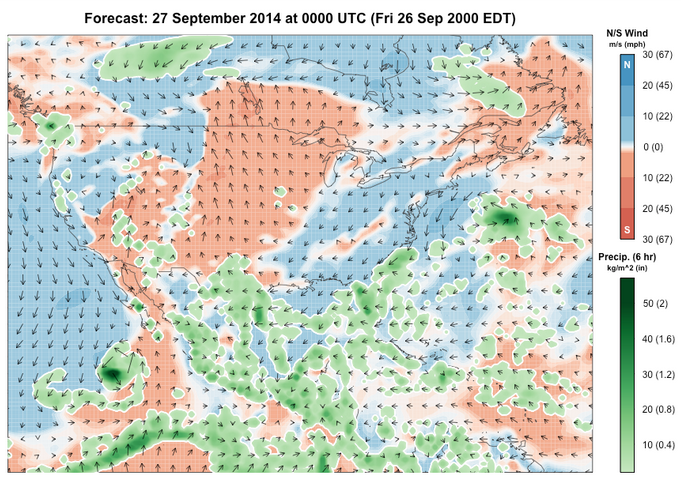
I’ve been noticing lots of geese overhead this week and let me tell you, it never gets old.  Each time I hear their honks I’m looking skyward and pointing it out to those nearby as if I’m one and a half years old and just learned the word for bird (shout out to my nephew!). I recently stumbled upon this website and while I would like to paraphrase their information for you, they said it just right, so here is a continental update from BirdCast: “Favorable conditions this past week bring widespread light to moderate movements to the West and moderate to heavy movements to the Plains, while increasingly scattered moderate movements occur in the East in more summer-like conditions. Species on the move this week will include Cackling, Snow, and Great White-fronted Geese, American Wigeon, Ring-necked Duck, Yellow-bellied Sapsucker, Northern Flicker, Hermit and Varied Thrushes, Ruby-crowned and Golden-crowned Kinglets, Brown Creeper, Gray Catbird, Orange-crowned, Palm, Yellow-rumped Warblers, Savannah, LeConte’s, Fox, White-throated, White-crowned, Golden-crowned, Harris’s, and Lincoln’s Sparrows, and Dark-eyed Junco.” I will definitely keep my eye on this website in the future so if you forget, we’ll keep you informed.
Screen Shot 2014-10-01 at 12.35.08 AM

Now onto October’s astrological events, but first let me say that it is so. damn. hard. to find detailed migration information on the web.  The search terms alone make it pretty difficult (animal migrations, animal activity, animal movement) because it seems the web is only focused on african animal migrations to attract tourism, animal activities for children to act out and animal movements as in, movements to benefit various animal groups. If you have any reliable animal migration sites (or searching suggestions) I would LOVE to hear about them. Please, I’m begging you. Ok, now let’s talk space:

  • Uranus at Opposition. Uranus will be at its closest approach to Earth and its face will be fully illuminated by the Sun. Due to its distance, it will only appear as a tiny blue-green dot, but nonetheless it’s the best time to view Uranus.
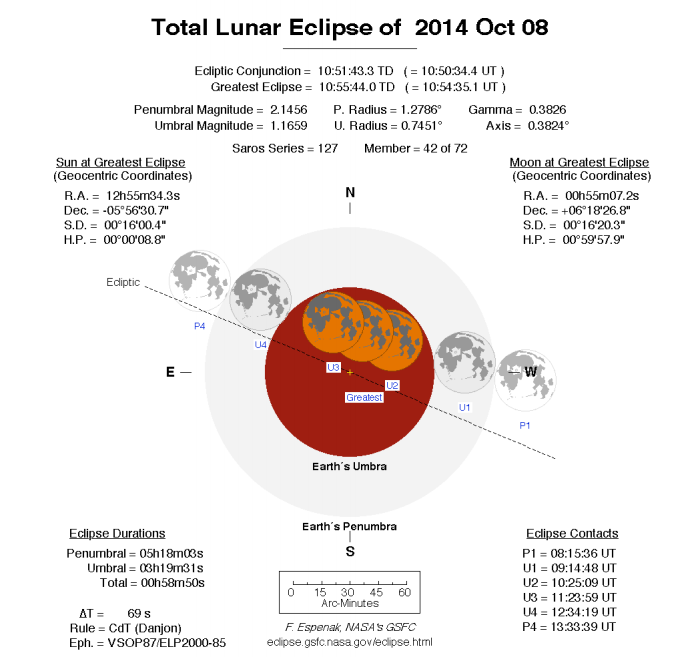
  • Total Lunar Eclipse. A total lunar eclipse occurs when the Moon passes completely through the Earth’s dark shadow, or umbra. During this type of eclipse, the Moon will gradually get darker and then take on a rusty or blood red color. The eclipse will be visible throughout most of North America, South America, eastern Asia, and Australia. Check out this map so that you’re prepared.
  • Draconids Meteor Shower. The Draconids is a minor meteor shower producing only about 10 meteors per hour. It is produced by dust grains left behind by comet 21P Giacobini-Zinner, which was first discovered in 1900. The shower runs annually from October 6-10 and peaks this year on the the night of the 8th and morning of the 9th. Due to the full moon, the shower will be less than spectacular. I recommend focusing all your energy on catching the eclipse or the Orionids Meteor Shower.
  • Orionids Meteor Shower. The Orionids is an average shower producing up to 20 meteors per hour at its peak. It is produced by dust grains left behind by comet Halley, which has been known and observed since ancient times. The shower runs annually from October 2 to November 7. It peaks this year on the night of October 21 and the morning of October 22. This will be an excellent year for the Orionids because there will be no moon to interfere with the show. Meteors will radiate from the constellation Orion, but can appear anywhere in the sky.
  • Partial Solar Eclipse. A partial solar eclipse occurs when the Moon covers only a part of the Sun.  It can only be safely observed with a special solar filter or by looking at the Sun’s reflection. The partial eclipse will be visible throughout most of North and Central America. Check out this map to be better prepared.
Screen Shot 2014-10-01 at 12.36.07 AM


Looking back through past October photos, it is clear that this month deserves to be spent outside.  I think I’m finally going to treat myself to a trip to Asheville, something I’ve been meaning to do since July.  Have you ever been there? Any suggestions for me? I’d love to hear about them in the comments.

*Migration forecast via + Lunar Eclipse chart via.

Happy Autumnal Equinox!

liveseasoned_fall14_autumn-2

Wouldn’t you agree?  As we (in the northern hemisphere) move towards the dark, it’s important to gather up all the golden moments of autumn and squirrel them away for winter.  Fall always seems to be the season that scurries by the fastest and that may be why it steals my heart year after year.  I’m always trying to grasp onto those last warm weekends and the fresh fall air before the weather turns frigid.

liveseasoned_fall14_autumn-1

“I cannot endure to waste anything so precious as autumnal sunshine by staying in the house.”

-Nathaniel Hawthorne

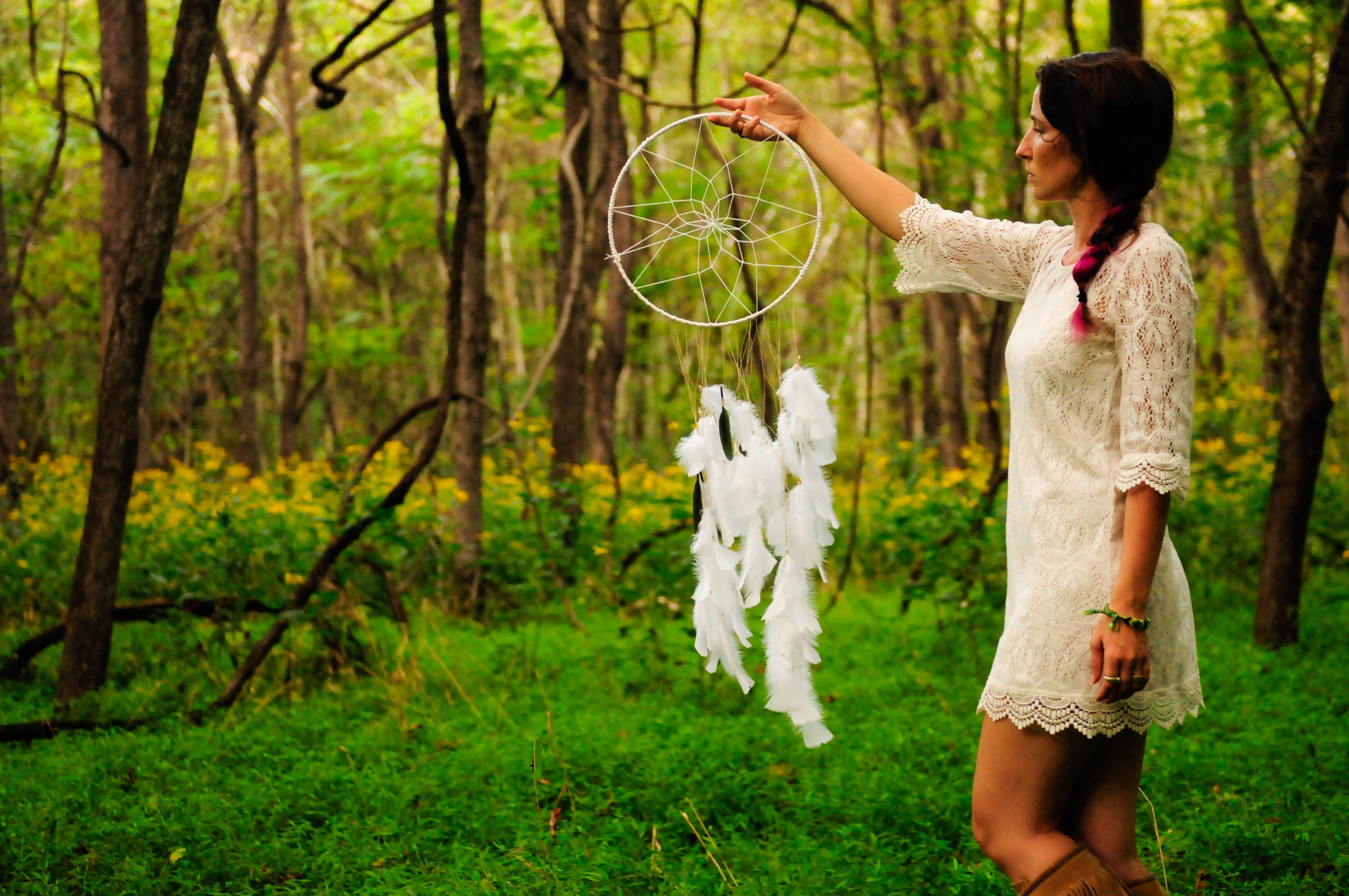
This year I’m going to try my hardest to spend lots of hours outside (I camped at the McDowell Nature Preserve last night) and appreciate each moment that autumn brings.  I’m also going to make it a point to welcome the long nights of autumn and winter.  Life is about balance and change and the sooner we welcome and appreciate those changes the easier life will be. So dust off your dream catcher, pull out your comforter and screw in a daylight bulb near your reading nook, but before you do that, find your favorite fall outfit, take lots of walks and soak in the season.  Happy Equinox!


Welcome September!

On the first Wednesday of each month we like to pause and take a look at what’s going on in the world around us, with a particular focus on animal activity, celestial events, and our farmers’ fields.
september_banner

With school starting, September always feels like the actual start of the new year. Of course I want to start by restocking my office supplies when I see the fresh school supplies in the stores, don’t you? Yet while I’m looking at the zillions of new pens it’s also the moment I start to mourn the end of summer. It’s good to make a little list of everything to look forward to, like the start of sweater season, cozy evenings inside, afternoons baking apple treats! This month’s Seasoned View provided another nice reminder to perk up – did you see how green those photos were? Yet another reminder that while the nights are getting cool, the days are still plenty warm.

liveseasoned_fall2014_welcome6

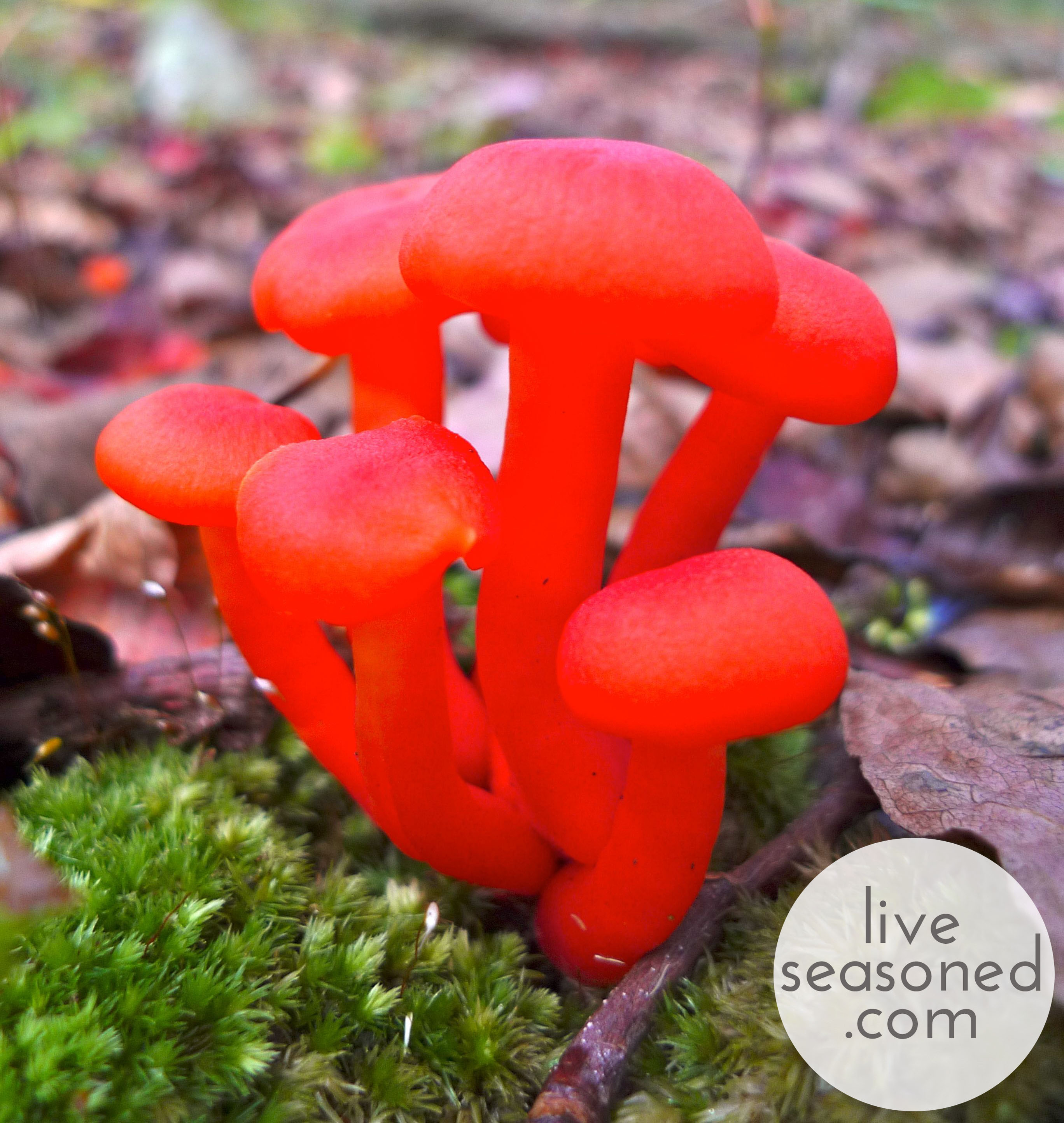
When I was living on the East Coast, September was always such a fun time to explore the woods. As you know, Sarah and I are year-round hikers, but after a dry hot summer, we could usually count on more rain to arrive with the cooler days in September. With that rain, the woods came alive as all sorts of fungus pushed up through the leaf litter. It was always such a spectacle with colors that were almost too vivid for my camera to handle! {Sarah here: Last week while playing frisbee golf in the woods, I was constantly admiring the various mushrooms.  I started to annoy my bf because I kept making him ‘come look!’ at all the different types, every two minutes} It’s also a time rich with animal activity as birds are migrating overhead and mammals are scurrying through the woods looking to collect food and bulk up for the winter months. Now that we’re in the mountains, I’m excited to see how September’s weather changes our hiking trails.

Earth and Sky

This section is going to be all about keeping your head up, looking and listening for September’s migrating birds and celestial activity.

September falls in the middle of peak activity for migratory birds. So many species are on the move – from the shore birds that started their journey towards the end of summer to a variety of warblers, orioles, hawks, and even owls that are moving throughout North America. Rather than talk about a few specific species this month, I thought it would be a great time to talk about what we can do to help the migrating species, mention some fun facts, and provide a few resources if you would like to learn more and follow along with the migrations in your area.

There are a number of things that you can do throughout the migration seasons, and even throughout the year, to help ensure a successful trip for the birds in your area.

  • Keep your feeders stocked. Provide quality, energy dense feed to fuel their journey (add more black-oil sunflower seeds to your mix, put suet feeders out). This includes your (dye-free) hummingbird feeders too!
  • Provide clean water. Quench their thirst, and make it attractive to them by keeping the water moving either with a bubbler or pump.
  • Keep pets indoors during this time. If the birds have landed in your yard for a meal and a rest, you don’t want your pets to disturb or kill them.
  • Provide native habitat. Depending upon the current state of your yard, this may require more work and time than the previous points, but it’s one of the best things you can do to attract birds (and bonus – your native yard will likely require less work and water than one planted with non-native species!). Native plants provide both food and shelter for the birds.
  • Reduce or eliminate pesticide and other chemical applications. It’s a problem for the entire ecosystem, including birds, our waterways, and us. ‘Nuff said?
  • Turn off your lights at night! Many migratory birds fly at night, using the stars as their guide. By eliminating light pollution you’re helping them navigate.
  • Reduce window reflections. Millions (500 million on average) of migratory birds die every year by flying into windows. This is especially a problem in cities with tall glass-covered buildings. An article this past spring discussed work that’s being done to try to remedy this by using glass that deters the birds. If you find that the windows in your house are targeted by birds, closing the curtains or putting up large decals (at least for migration season) on those windows may help.

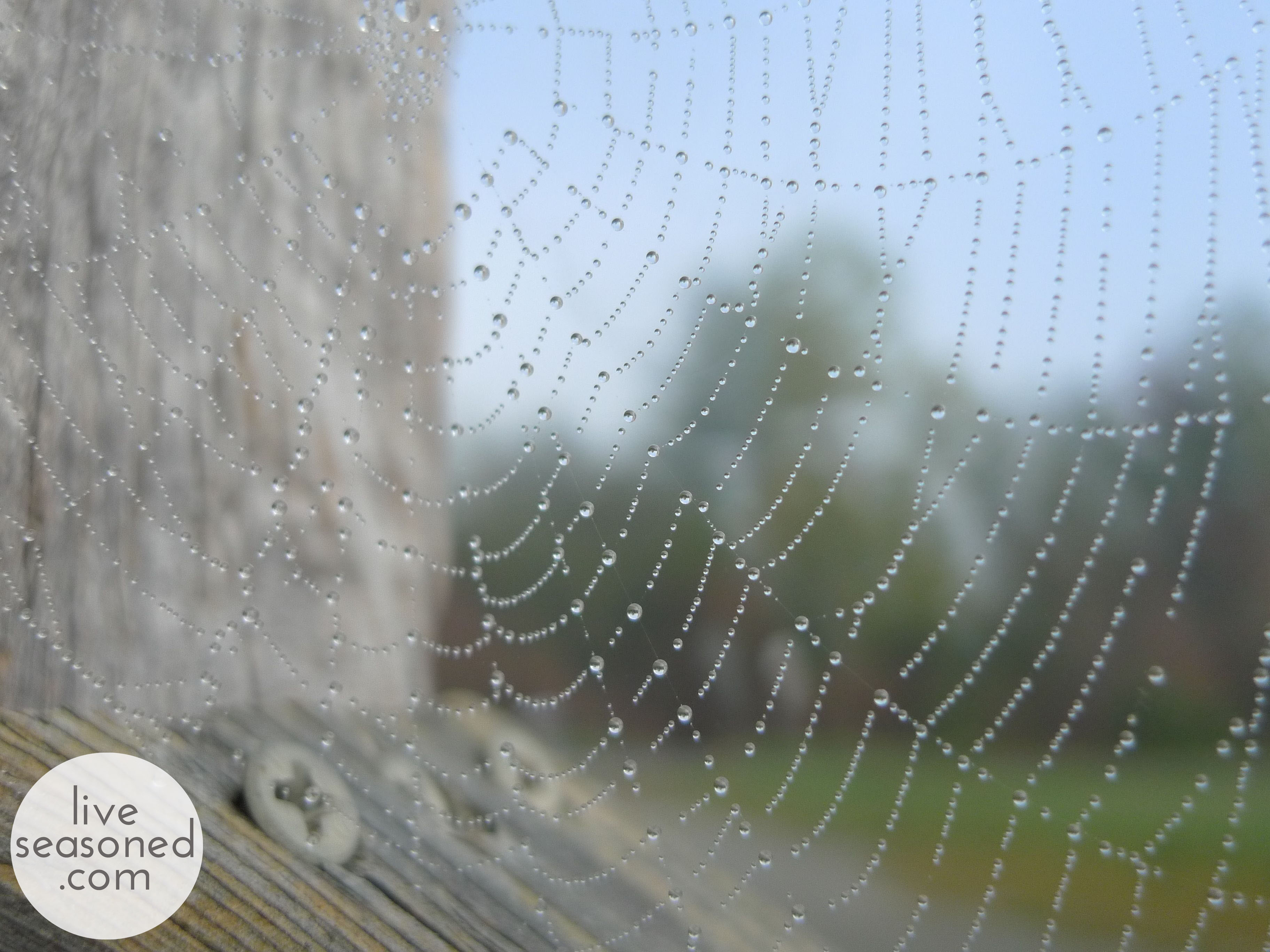
If you’re interested in following along with this season’s migrations, the Cornel Lab of Ornithology produces a bird migration forecast. It discusses what species you should expect to see moving in different regions of the United States. After reading one forecast, it becomes clear that migrations are dependent upon current weather conditions. Some of the best times to see large populations of migrating birds is directly after a cold front passes, leaving clear cool and rain-free days and nights in their wake. A more detailed discussion of the interplay between weather and migrations as well as a discussion of day versus night migrants can be found here. As I mentioned above, many species migrate at night, landing around dawn to feed and rest for the day. If you really want to increase your chances of seeing a wide variety of migrating birds, get out early (when the dew’s still heavy on the cobwebs) and look for the closest native habitat with water.

liveseasoned_fall2014_welcome7

Still holding your eyes to the sky, you’ll see September’s full Harvest Moon on the 9th. The first official day of Autumn occurs on September 23rd (Bruce Springsteen’s birthday!) when the sun is directly over the equator and there are nearly equal amounts of day and night throughout the world. Then it’s bye bye sun for us in the Northern Hemisphere. This month’s new moon occurs on the 24th, making it a great evening to get out and look for faint objects in the night’s sky. If you’re looking to find a planet this month, you may have some luck finding Saturn. On September 28th around midnight EDT, the moon will pass just north of Saturn in the constellation Libra. Let us know if you see it!

Fields and Festivals

Have potatoes popped up at your market yet? If not, they should soon! This is the time of year when those crops that require the full summer growing season are finally ready for harvest. You can include apples, pumpkin, and other winter squash on that list too. It’s also a time when the mid-day temperatures start to cool off enough to allow farmer to grow a wider variety of greens again. That’s in addition to the watermelon, summer squash, peppers, and cucumbers that you’ve been enjoying for a few weeks now!

liveseasoned_fall2014_welcome

It was a couple Septembers ago when Sarah and I volunteered at our farmshare’s sweet potato harvest. If you have the opportunity, I think it’s always worth visiting a farm to see how your food is grown and harvested. This farm uses draft horses for anything that would typically require a gasoline-powered tractor. On this day, the horses pulled a plow that would overturn the dirt, unearthing the sweet potatoes in the process. It was our job to follow the plow and separate the potatoes into “firsts”, those without any blemishes, and “seconds”, those that were cut by the plow, nibbled on by mice, or damaged in some other way. Once separated, the potatoes would have to sit out to cure for a couple of days before going into storage. Curing dries their skin, minimizing the chance of the potatoes getting moldy while being stored. What a relaxing, yet invigorating morning that ended with fresh-baked sweet potatoes for lunch!

Since the fair and festival season is dying down (although our favorite Bloomsburg Fair is still to come!), we thought it would be fun to highlight a few of the nature-related holidays that are on the calendar this month.

So much going on, and plenty of days on that list reminding us to take a moment and appreciate this great planet. We hope you’ll do something that makes it a better place this month. Maybe even something that takes some thought and time, like biking to work, planting something native for the migrating birds, or taking those shorter showers.  And of course we hope you celebrate the season’s bounty too – with jugs of apple cider, piles of potatoes, and bushels of beans!

Colorado Hike : Ajax Mountain

liveseasoned_summer2014_aspen3

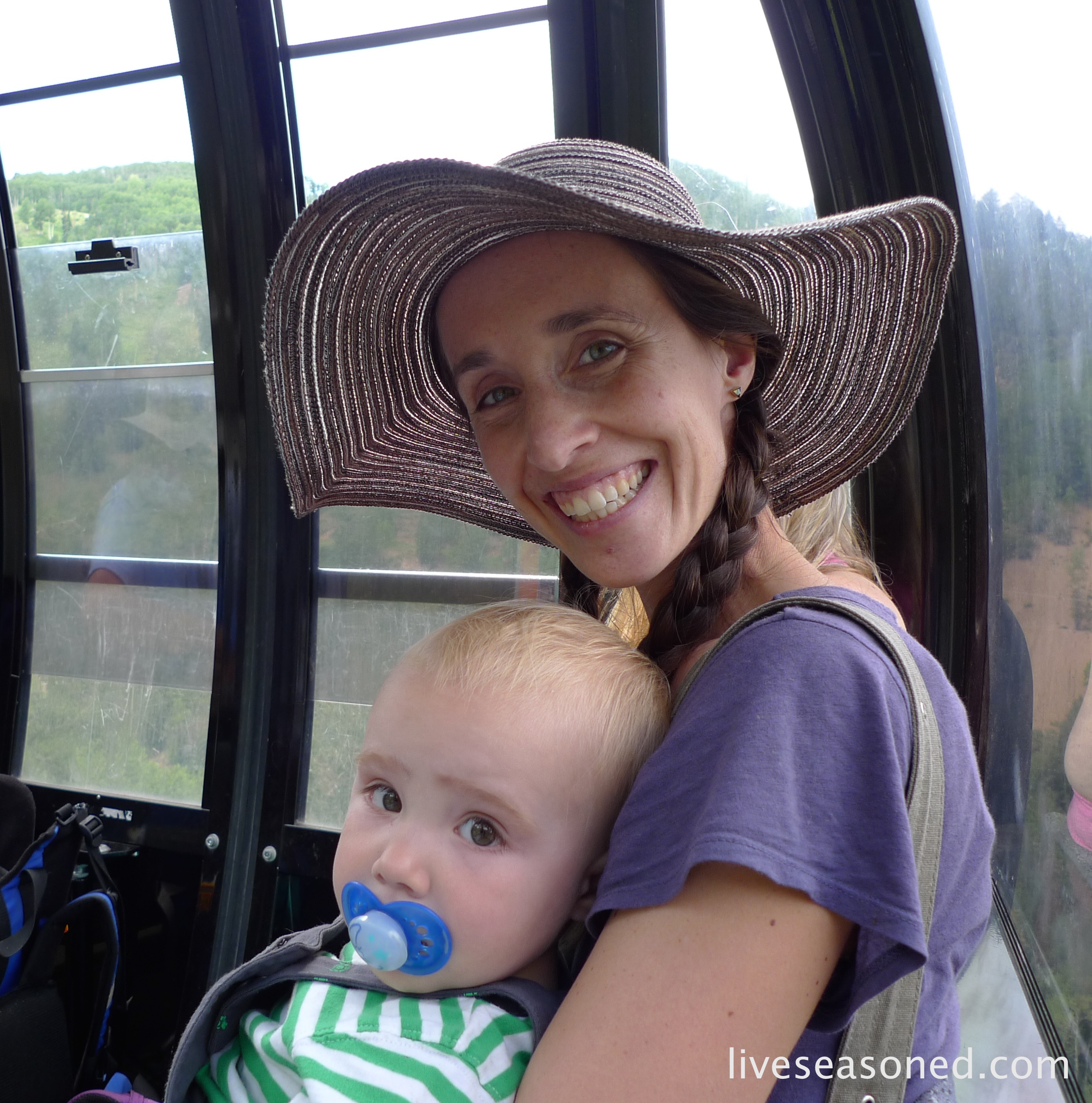
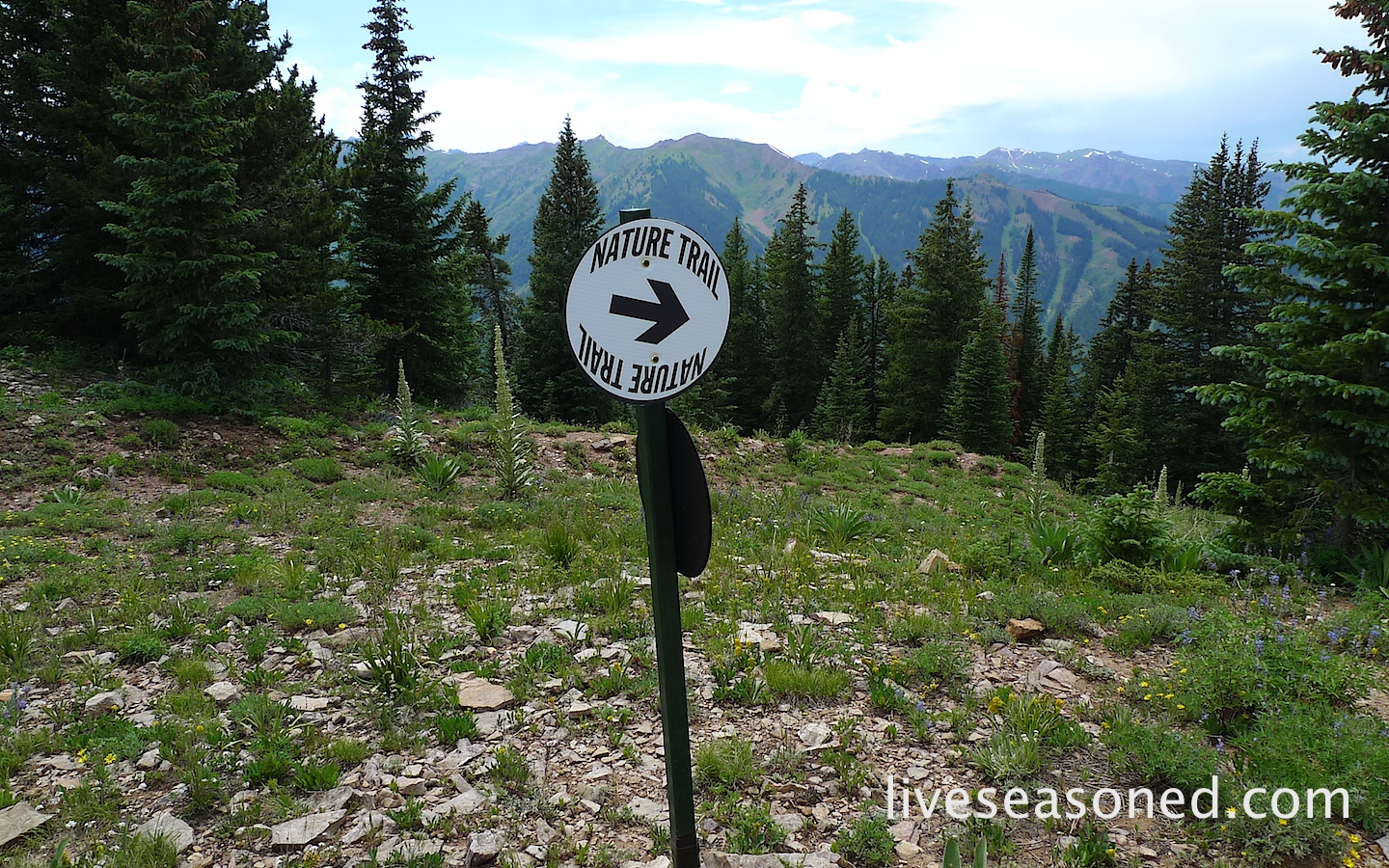
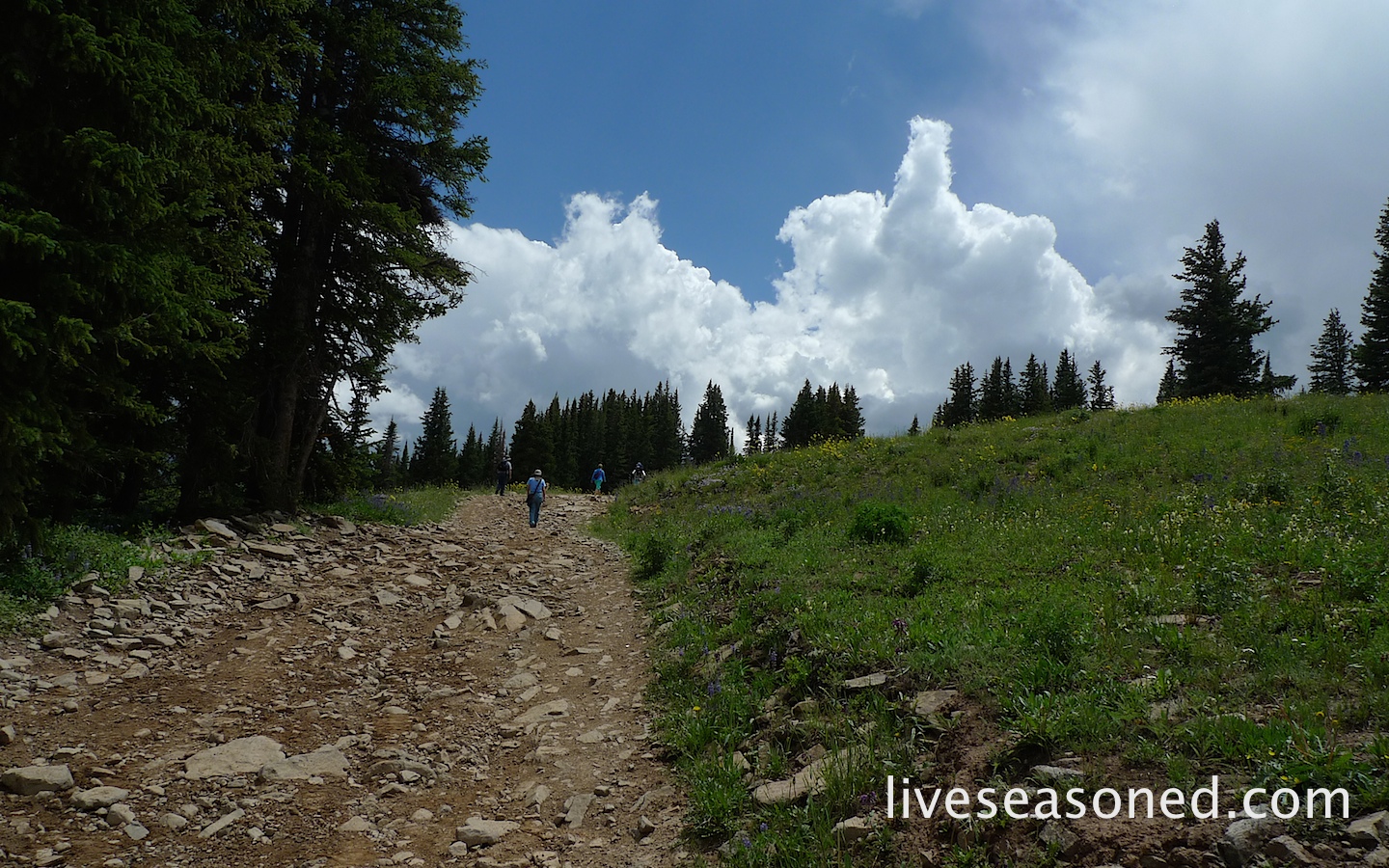
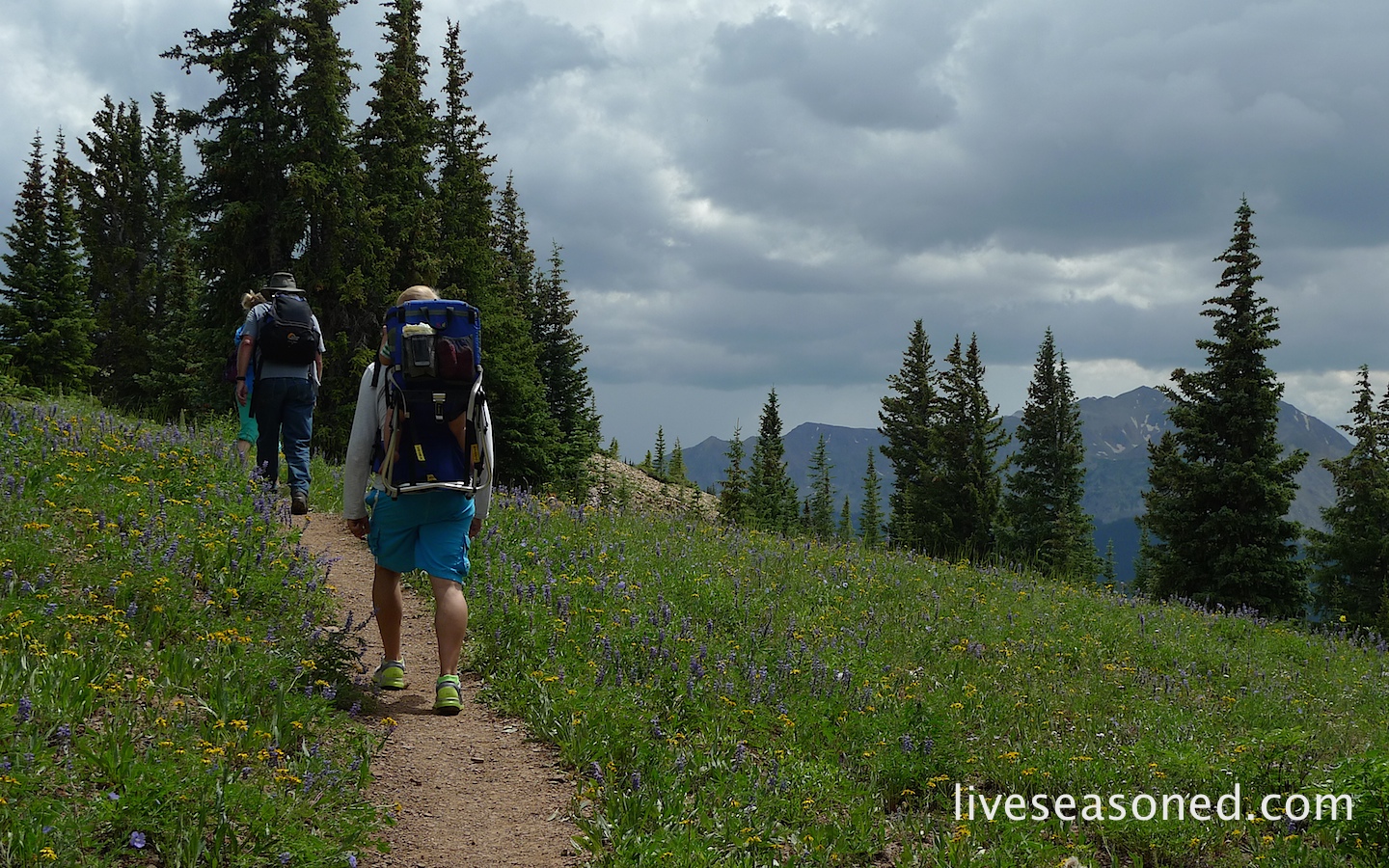
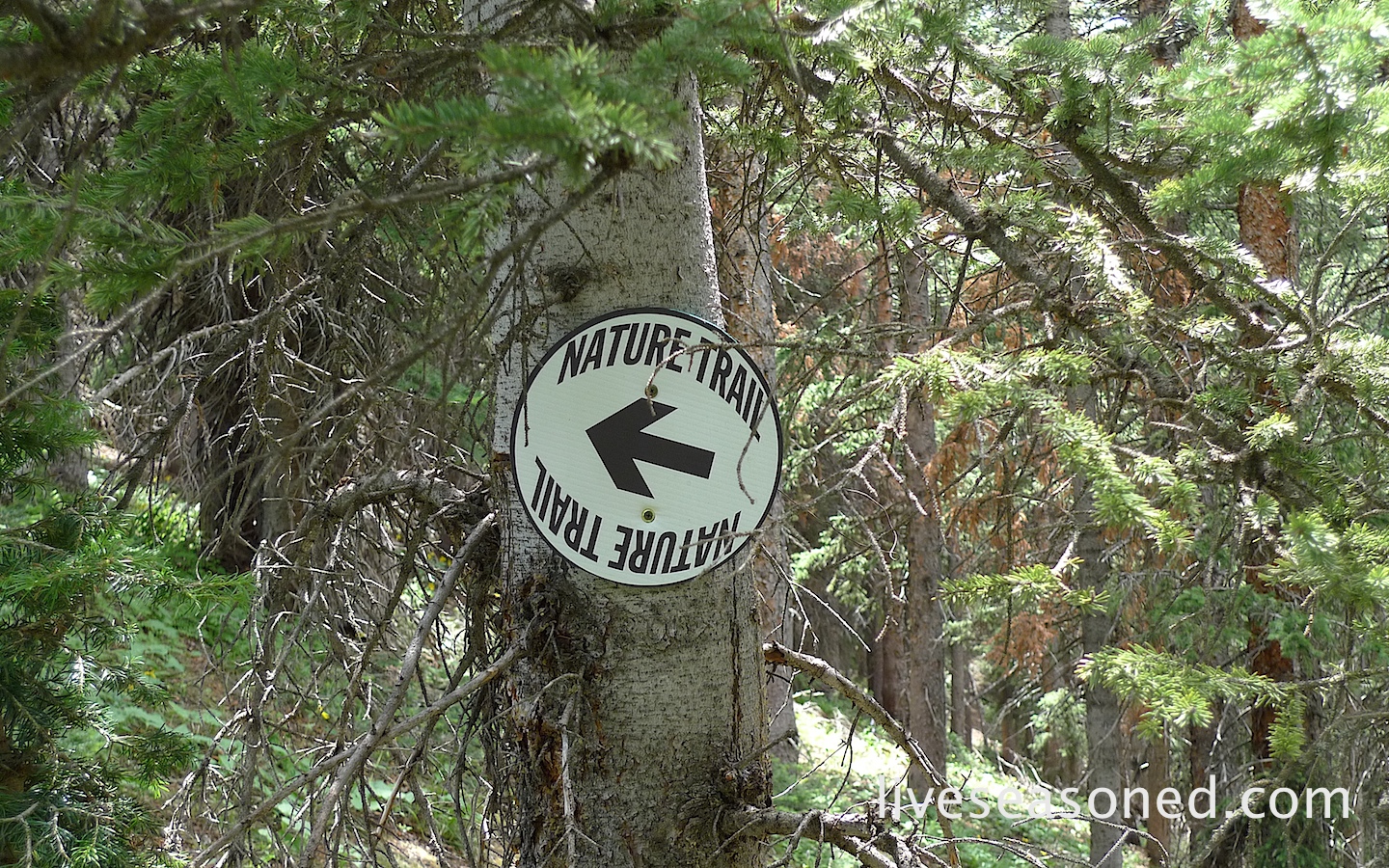
A few weeks ago we took a leisurely afternoon hike on the Nature Trail that starts at the top of Ajax, or Aspen, Mountain. This was an out and back hike that was super easy with barely any elevation gain because you do all of your climbing as you ride the gondola to the top of the mountain!

liveseasoned_summer2014_aspen1

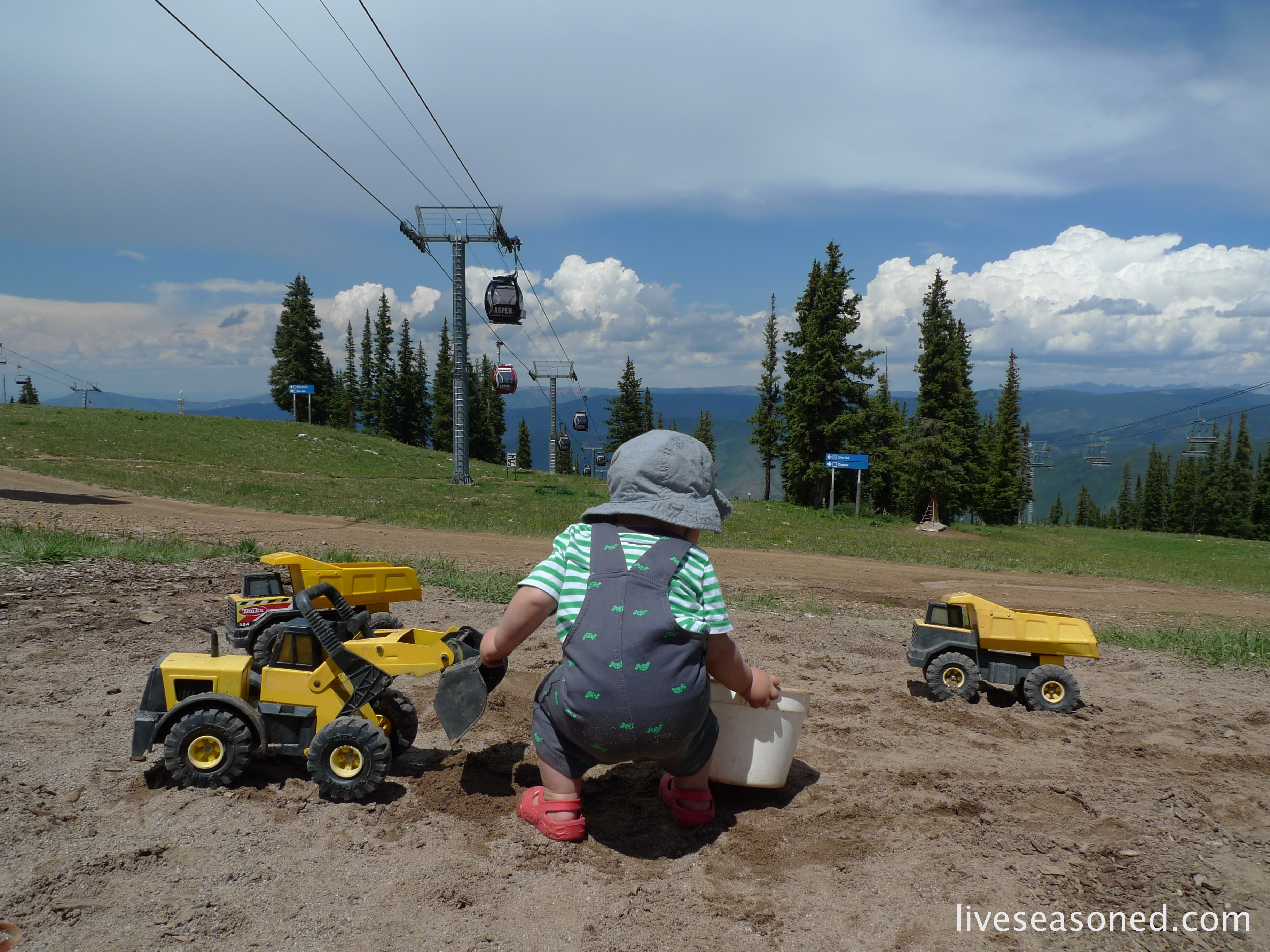
If you want to head straight for the hike, veer left as you get off the gondola and you’ll have no trouble finding the trail. If you’re heading up with kiddos, veer to the right and there are plenty of fun activities to let them burn off the energy before/after riding the gondola. Our little guy was just interested in the huge sand pit and trucks, but there are also spaces to dig for gold, go rock climbing, go trampoline jumping, and room for some good old running.

liveseasoned_summer2014_aspen2

liveseasoned_summer2014_aspen22

liveseasoned_summer2014_aspen20

liveseasoned_summer2014_aspen13

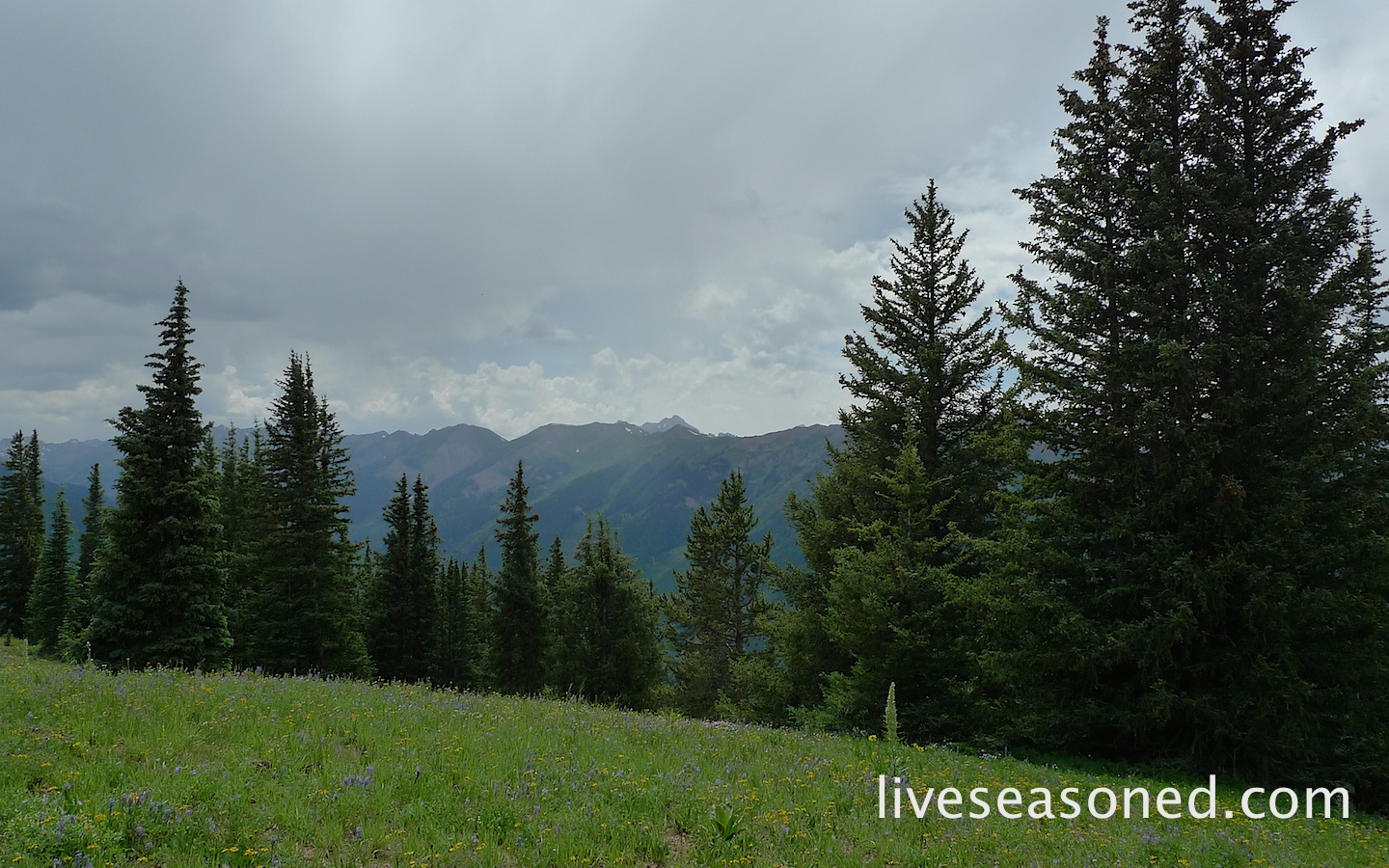
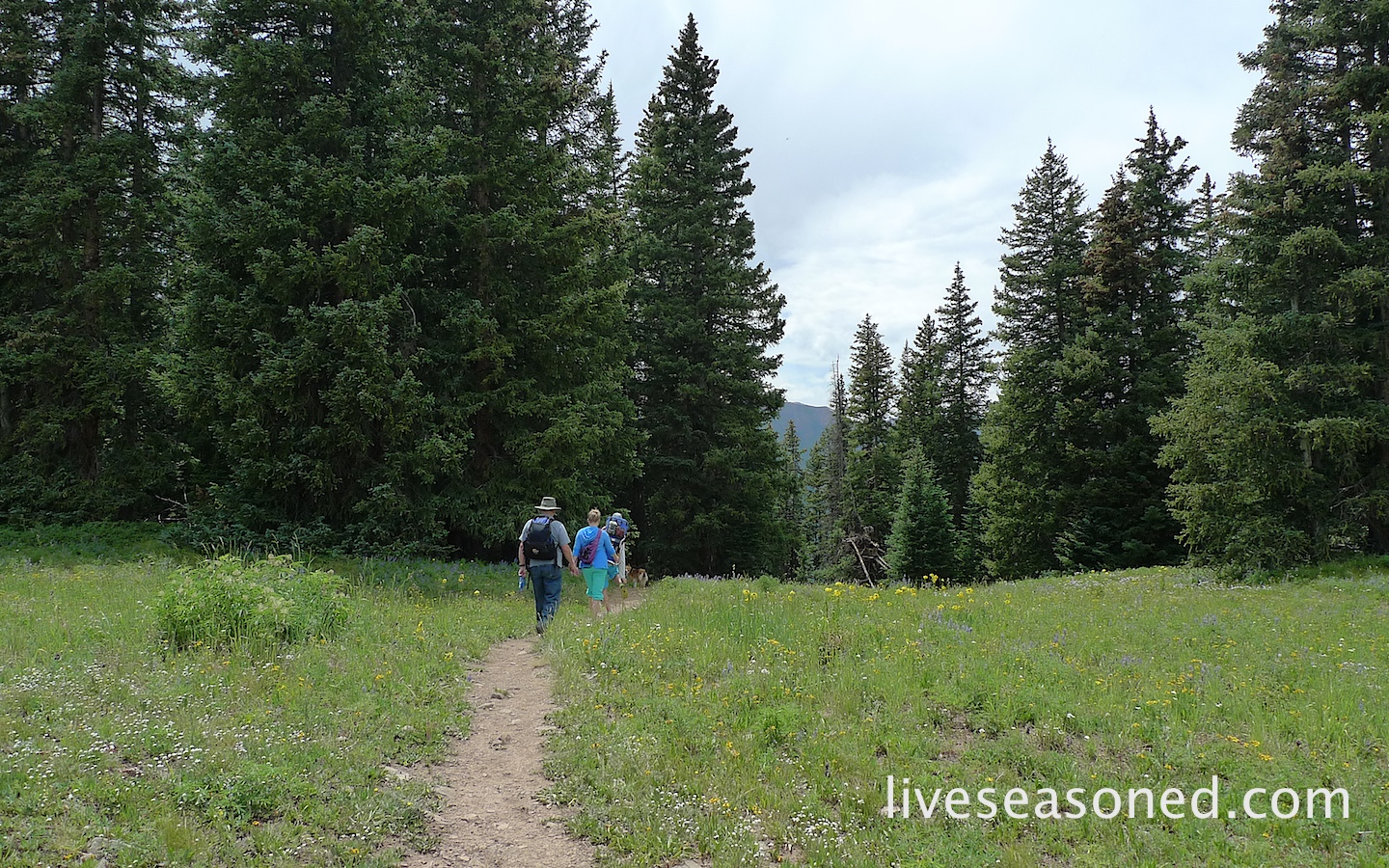
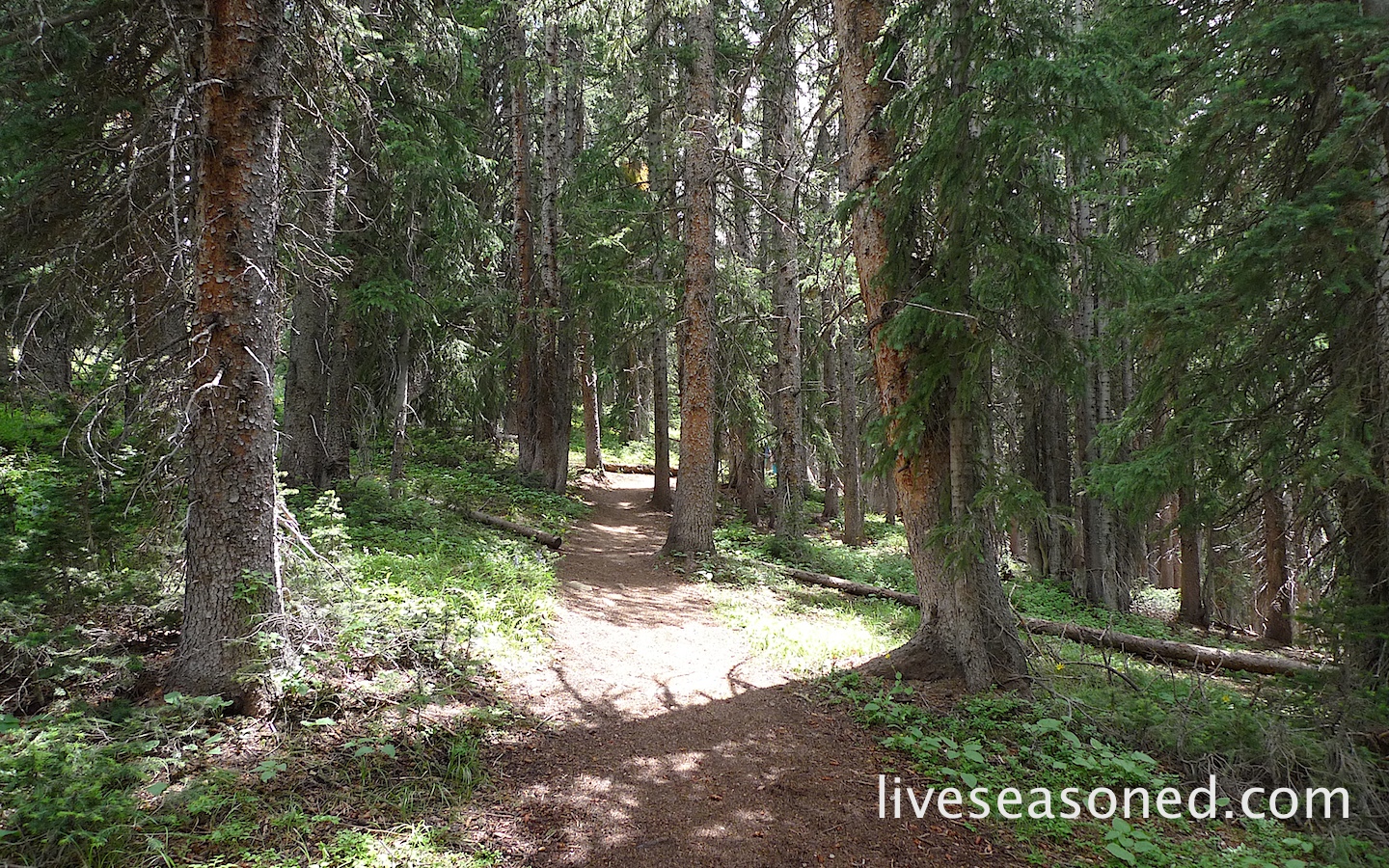
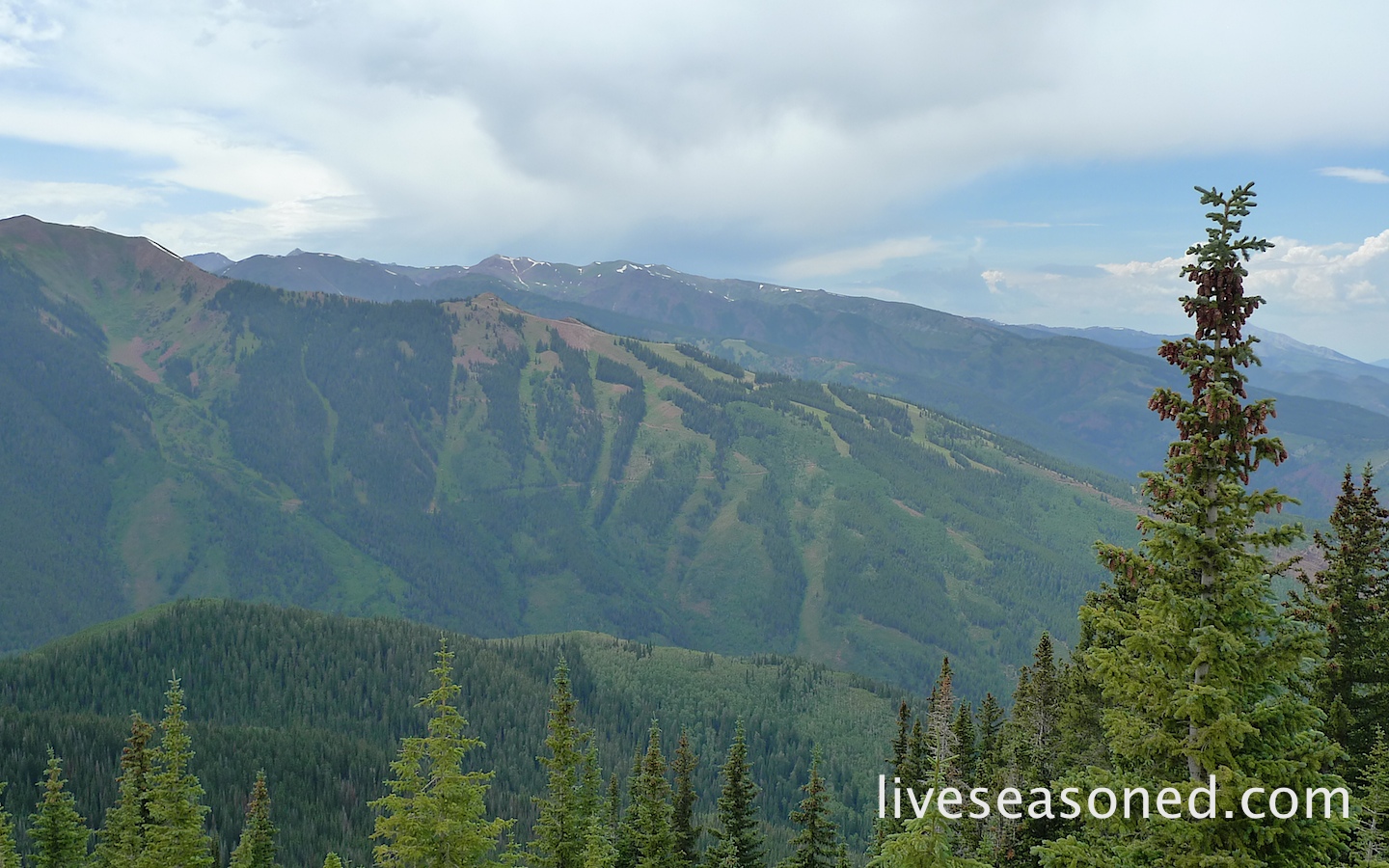
As well as delivering beautiful mountain views, the trail dips into the pine forest, giving you a reprieve from the bright alpine sun.

liveseasoned_summer2014_aspen21

liveseasoned_summer2014_aspen16

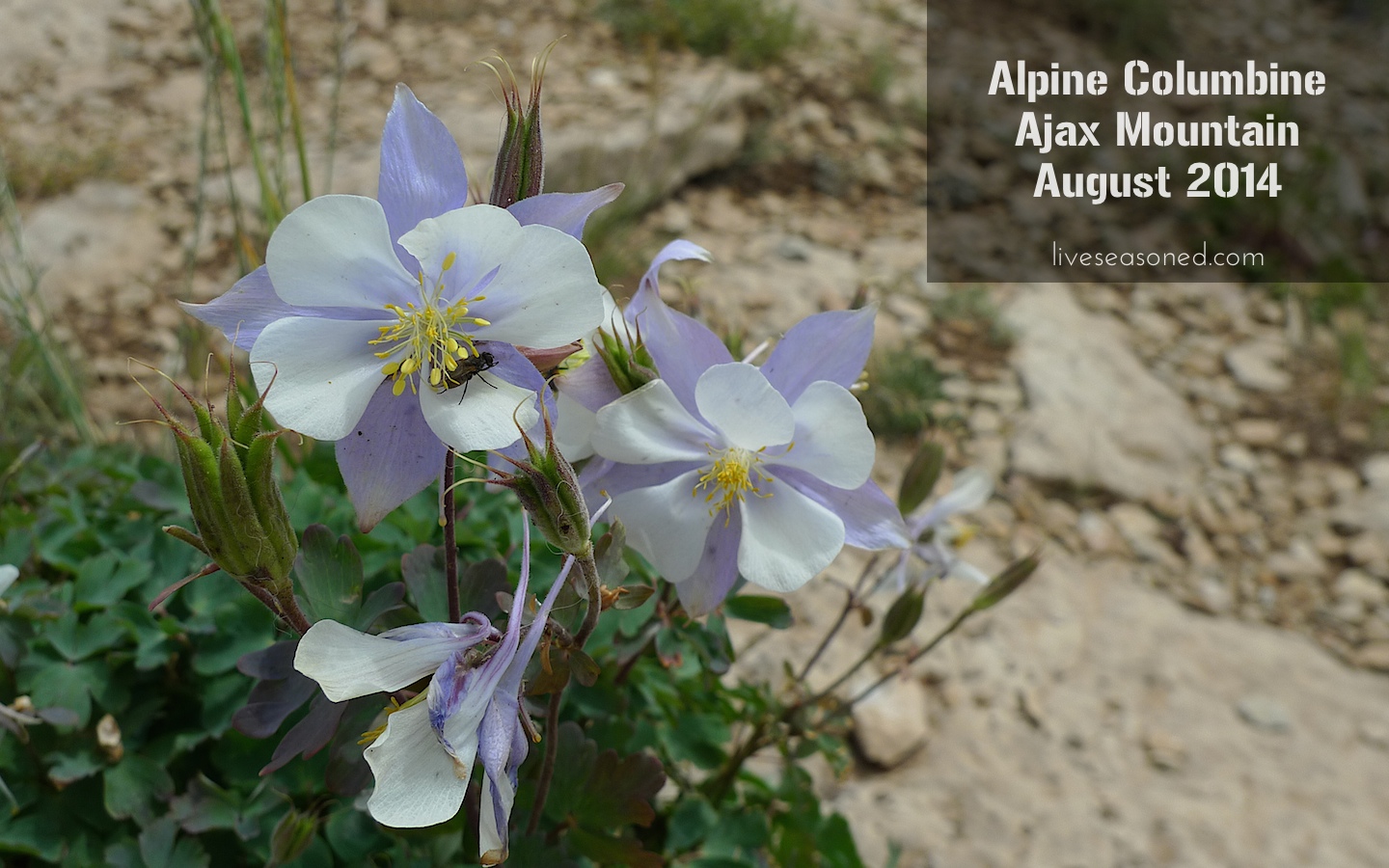
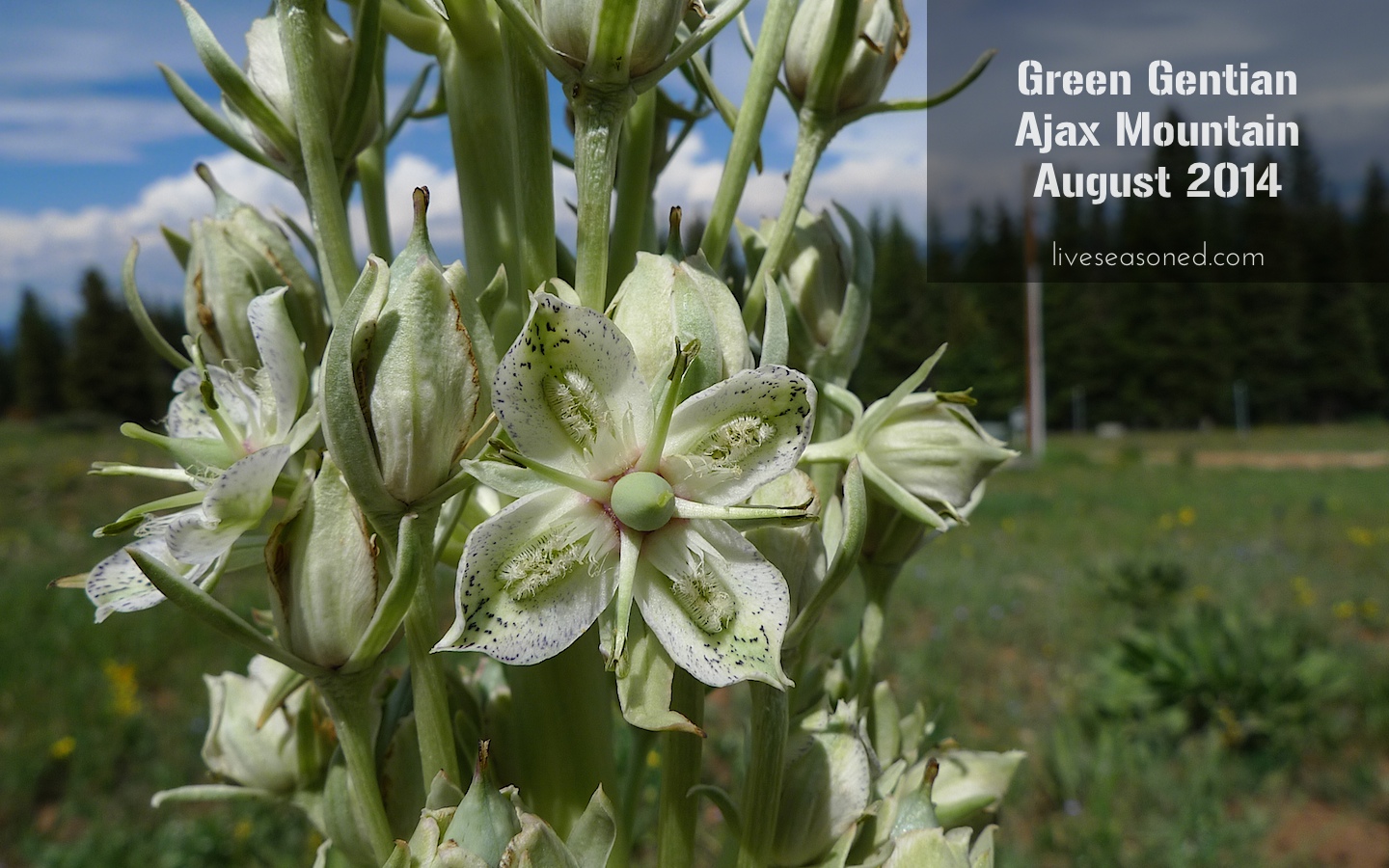
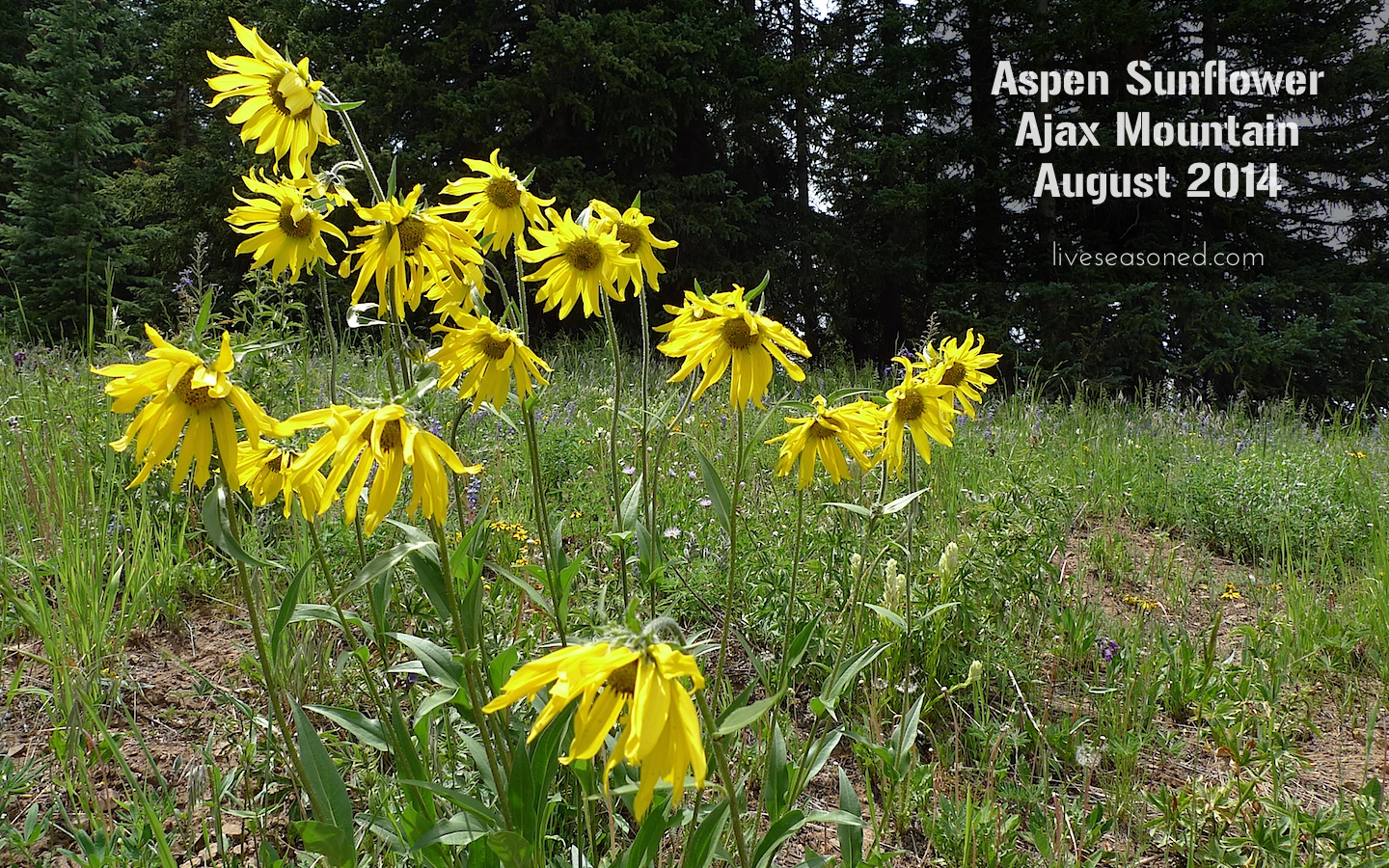
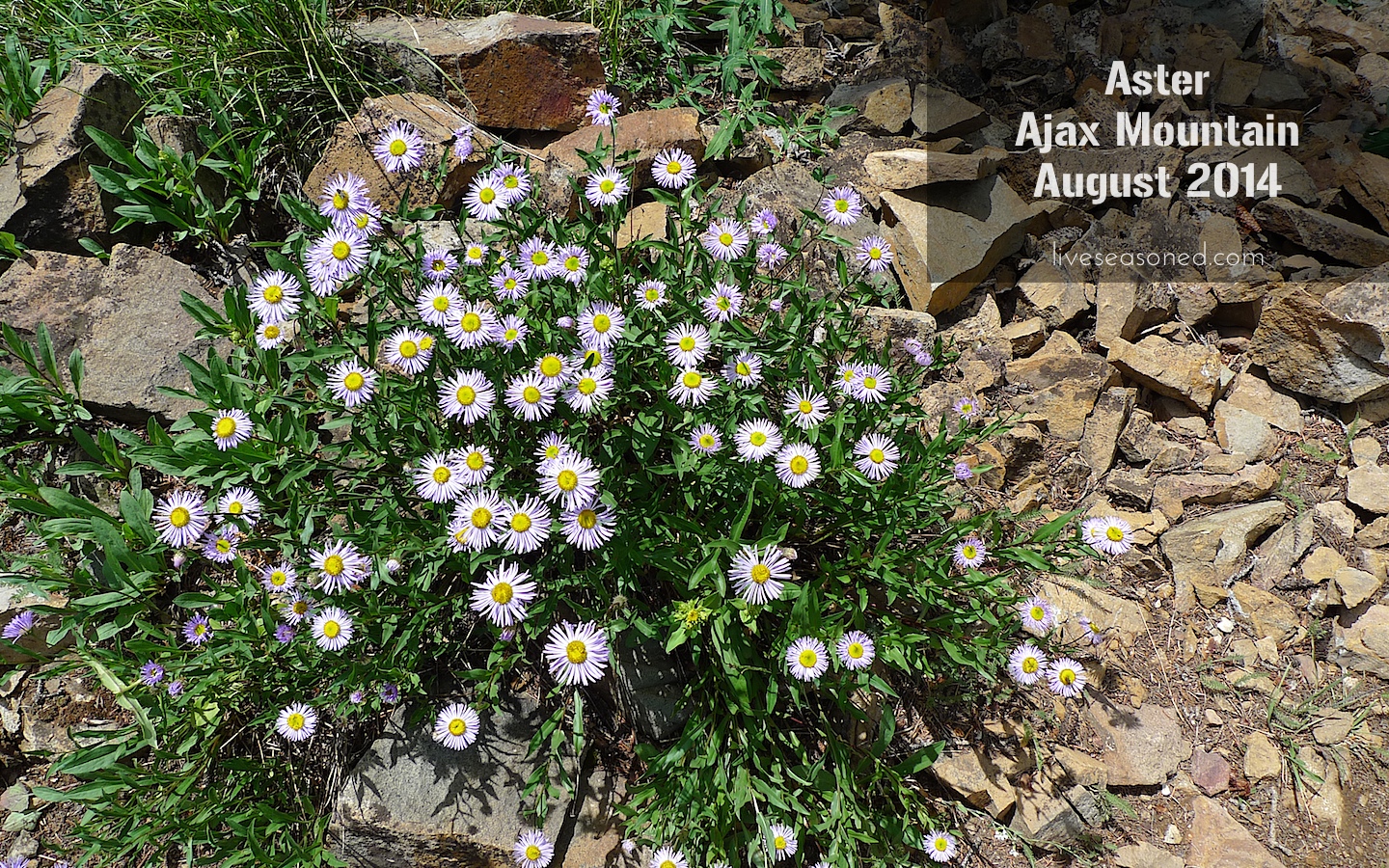
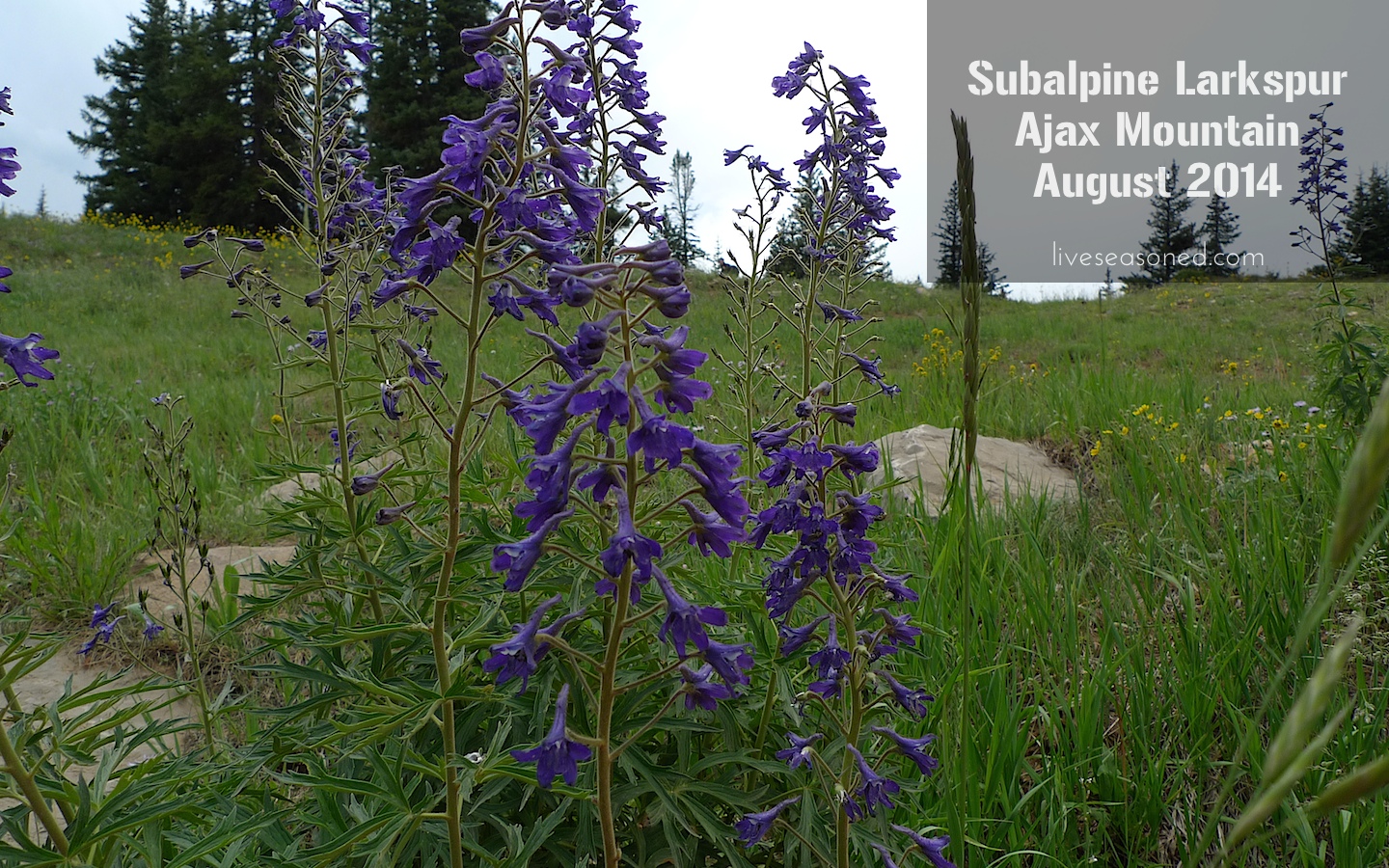
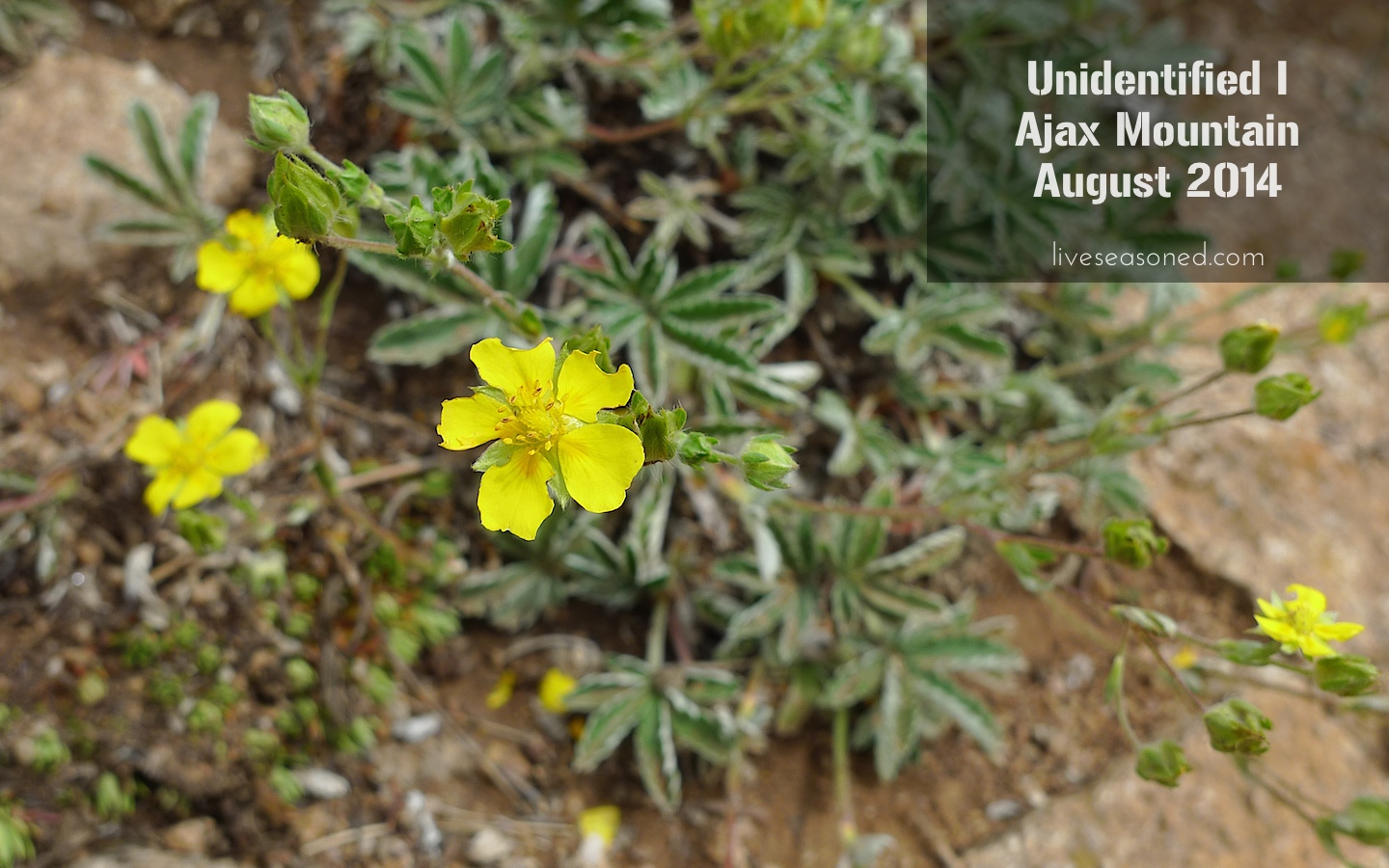
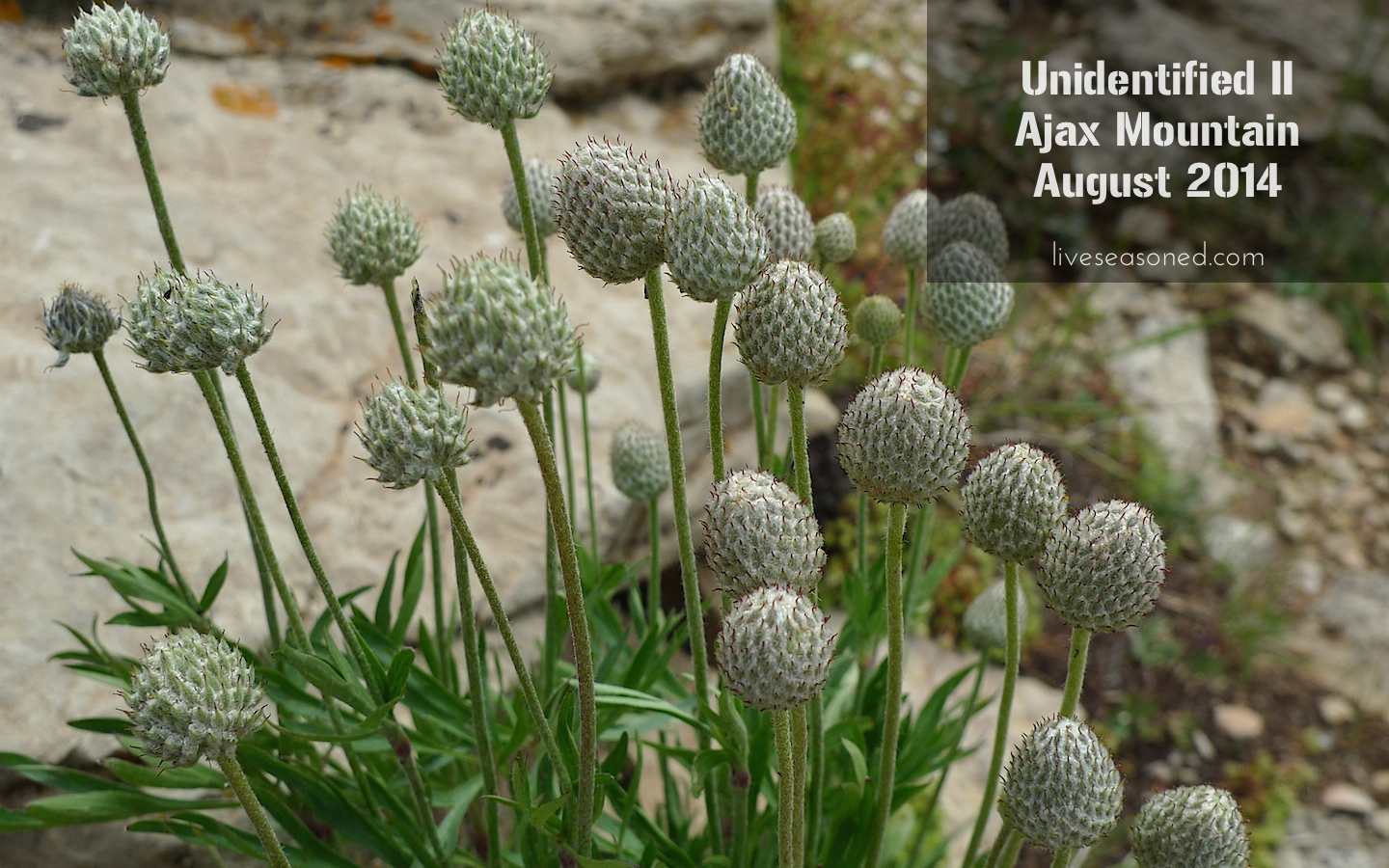
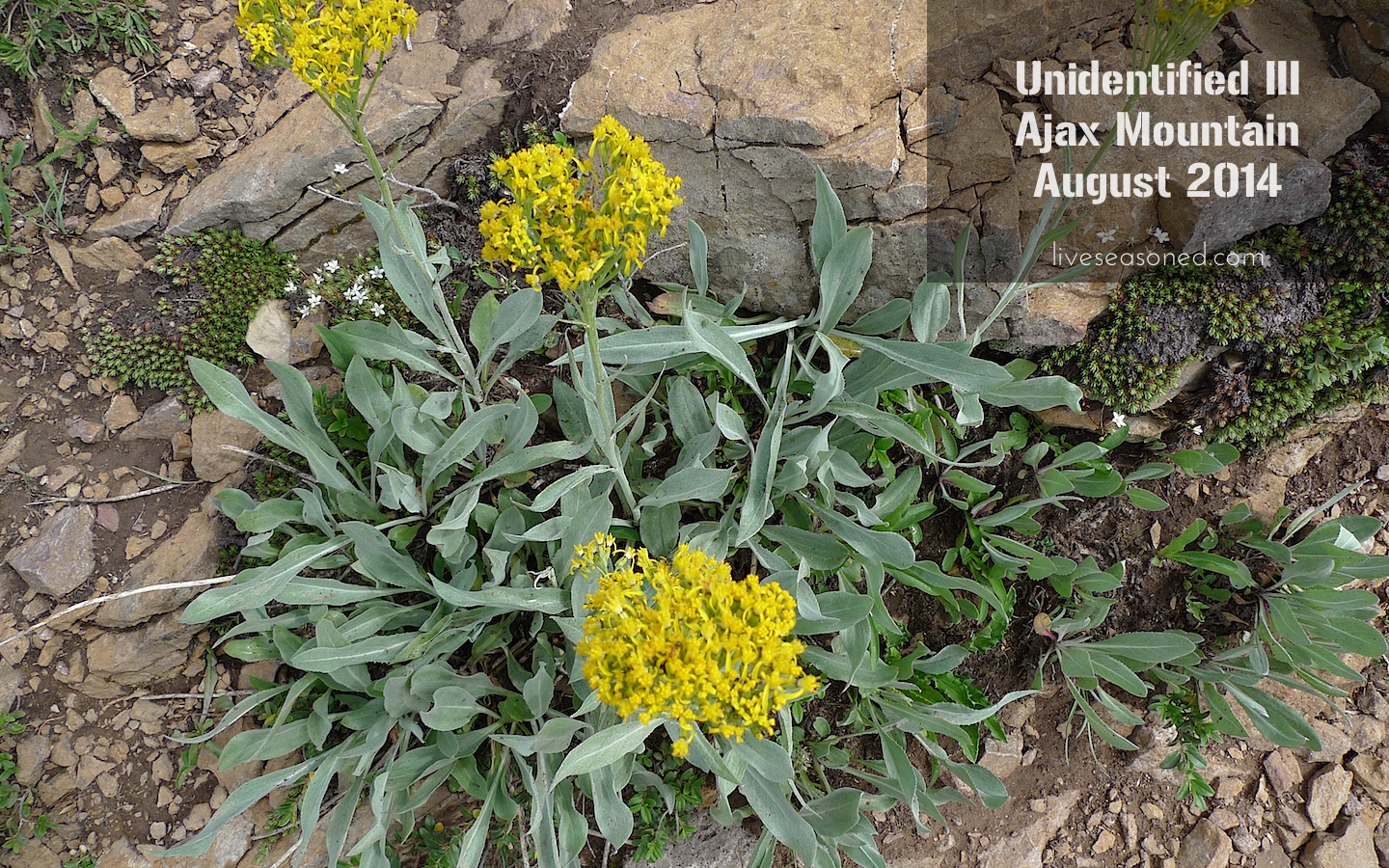
This was our third hike and I was excited to see yet more wildflowers in bloom. Unfortunately, I didn’t take a guide with me and had trouble identifying some new-to-me species from the photos. If you have any clues as to the names of the unidentified flowers below, I would really appreciate it!

liveseasoned_summer2014_aspen4

liveseasoned_summer2014_aspen7

liveseasoned_summer2014_aspen17

liveseasoned_summer2014_aspen18

liveseasoned_summer2014_aspen19

liveseasoned_summer2014_aspen5

liveseasoned_summer2014_aspen9

liveseasoned_summer2014_aspen10

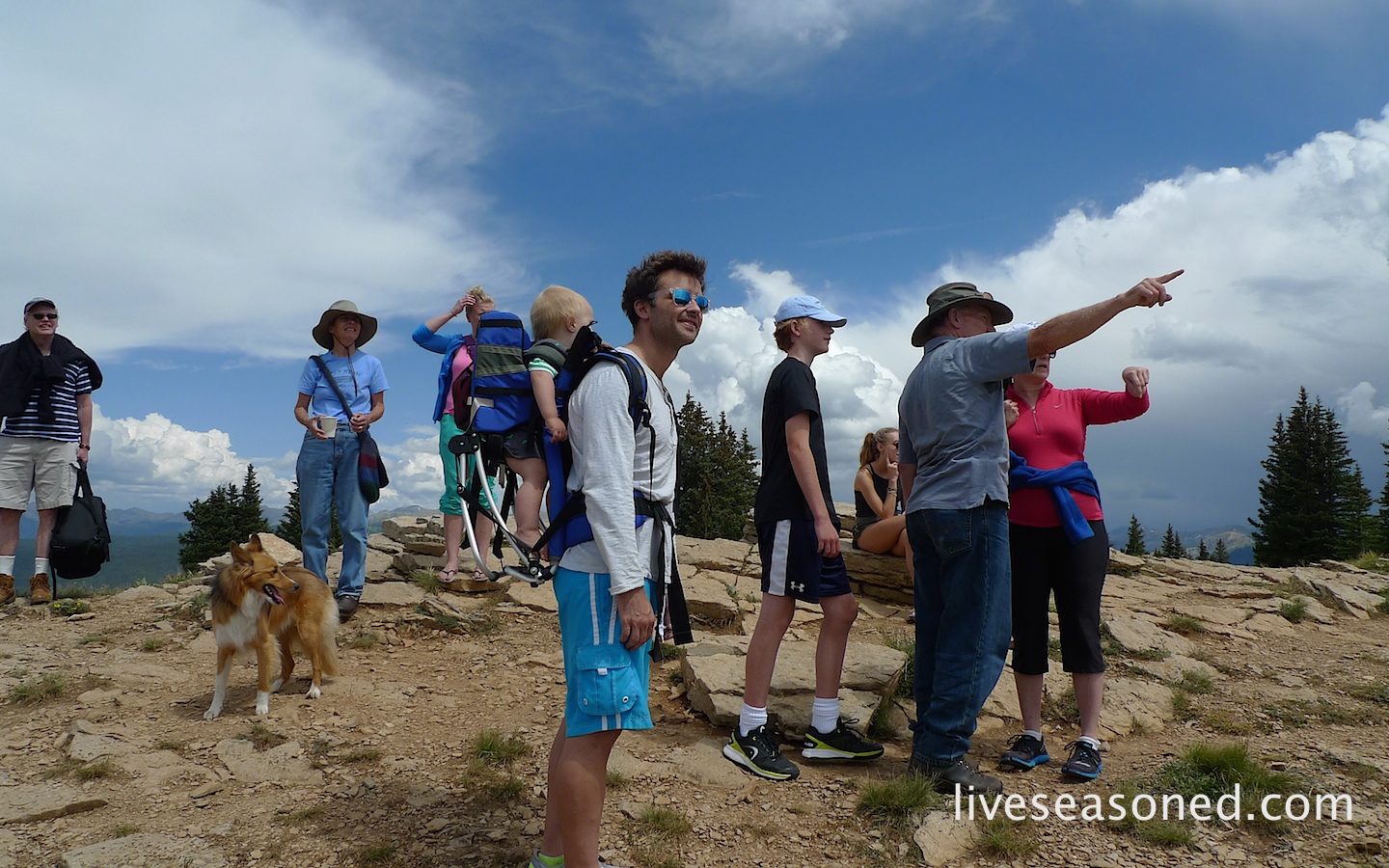
We hiked out to the point where there was a perfectly clear view of the Aspen Highlands ski resort. At this point, you can also see the very top of one of the two Maroon Bells peaks. We spent some time sitting here, letting Little A out of the pack to tool around and throw some rocks, while C and I talked to other hikers. It seemed to be a common stopping/turning point for many people.

liveseasoned_summer2014_aspen6
liveseasoned_summer2014_aspen8

liveseasoned_summer2014_aspen11

Extra Details:

  • During the summer months, the gondola’s open daily from 10:00am-4:00pm. A single ticket costs $19.00, but if you’re staying for a few days, or planning to take the bus up to Maroon Bells, they have a great package for $29.00.
  • Of course, you’re welcome to skip the gondola and turn this into a more rigorous, multi-hour hike by starting your walk from the bottom of the mountain. This is something that you can do any time of day in the summer, but only before the gondola opens during ski season.
  • This is probably obvious, but take sunscreen and a hat! You’ll be more comfortable because the sun is bright and there are plenty of areas without tree cover.

liveseasoned_summer2014_aspen15

Welcome August!

On the first Wednesday of each month we like to pause and take a look at what’s going on in the world around us, with a particular focus on animal activity, celestial events, and our farmers’ fields.

liveseasoned_summer2014_welcomeaugust4

As I sat down to write this post, I had lump in my throat realizing that summer was almost over, but then pulled myself together and remembered that for most of our childhoods, August always represented the peak of summer. We still had one (two if we were lucky) week of beach vacation on the calendar. At home days were spent outside at the city pool with afternoons on the soccer fields. And in the evenings our dinners usually included something just picked from our Pop’s garden.  So, with that in mind, I’m not going to let this summer fade away, and I hope you won’t either. Let’s fill it with sun, water(melon), and grilled veggies.

liveseasoned_summer2014_welcomeaugust3

Earth and Sky

Throughout the summer season, we’ve been following the migrations of Africa’s wildebeest, North America’s Porcupine Caribou, and (the world’s?) Arctic Terns.

Wildebeest

Continuing their clockwise migration, the first of the wildebeest are crossing the border from Tanzania into Kenya. Their August location is marked by the red shading in the image below. They will stay in Kenya on the Maasai Mara Reserve through October before returning south.


Arctic Tern

The Arctic tern is just beginning its 21,500 mile migration south (the green lines in the image above) from Greenland to Antarctica, although, this is not a single direct flight. They have a favored stopover location in the Newfoundland Basin of the North Atlantic where nutrient rich waters provide a source of fuel for the journey ahead.

Caribou

The caribou’s movement during this month is less precise, as their migration south may begin anytime from late August through October. The most common movements observed by the caribou during August is a vigorous shaking of their head, stomping of their feet, and racing wildly from one point to another on the tundra. What are they doing? Trying to avoid the warble and nose-bot flies. As you’ll see these flies each carry out their own migrations on the caribou during this month.


The warble fly lays its eggs on the fur of the caribou. When the larvae hatch, they burrow under the caribou’s  skin, moving under their skin to the animal’s back, once their, they form a capsule around themselves and then cut a breathing hole through the caribou’s  skin. The larva will remain under the caribou’s back skin until spring when they cut a hole and drop out of the caribou to mature into adult flies. The bot-nose larvae migrate through the caribou’s nasal passage until they reach the entrance to the animal’s throat. The nose-bot larvae will remain there until spring, growing so large that they can begin to interfere with the caribou’s breathing! Whatever you do, don’t do an image search for either fly.

Celestial Events

August’s full Sturgeon moon will take place on the 10th. One of our favorite meteor showers, the Perseids, peaks this year on August 12th and 13th, producing up to a meteor per minute on these evenings! Fingers crossed that the skies are clear (we spent a few rainy years parked at the beach cursing the clouds). On August 18th look for the conjunction of Jupiter and Venus; the bright planets will be clustered together in the eastern sky just before sunrise. Neptune will be at its closest point to Earth on August 29th. It still just appear as a small blue dot in the sky, but special none-the-less.

Fields and Festivals

liveseasoned_summer2014_welcomeaugust2

Just when you think the markets couldn’t be any richer, August’s produce is here to blow us away. Have you been to your local farmer’s market? What’s in season near you? We’ve had a run of delicious melons lately, and I hear that the Colorado peaches are about to hit their prime (you didn’t know we had the most delicious peaches this side of the Mississippi, did you?). It’s a good thing too, because Little A goes crazy when we’re shopping for produce ~ trying to sample everything before take it to the register! August is going to be one big peach-fest in our house.

liveseasoned_summer2014_welcomeaugust1

If celebrating the season’s bounty is your thing, we found some festivals that highlight everything from peaches and watermelon to beef, beans, and shrimp!

And if you’re looking for arts and music, here’s what we’ve found:

As usual, we’ve just touched the tip of the iceberg with these lists. We tend to favor our home states when researching events, but if you hear about anything worth publicizing, please let us know.

Happy August ~ make these your best summer days yet!

Wildebeest image from here. Arctic Tern migration from here. Photo of warble fly from here. Image of deer head dissection sourced from Wikipedia.

Colorado Hike : Chautauqua Park

We love to get out for hikes as often as possible and thought it would be fun to document these little adventures, like our recent trip to Maroon Bells.

liveseasoned_summer2014_hike1

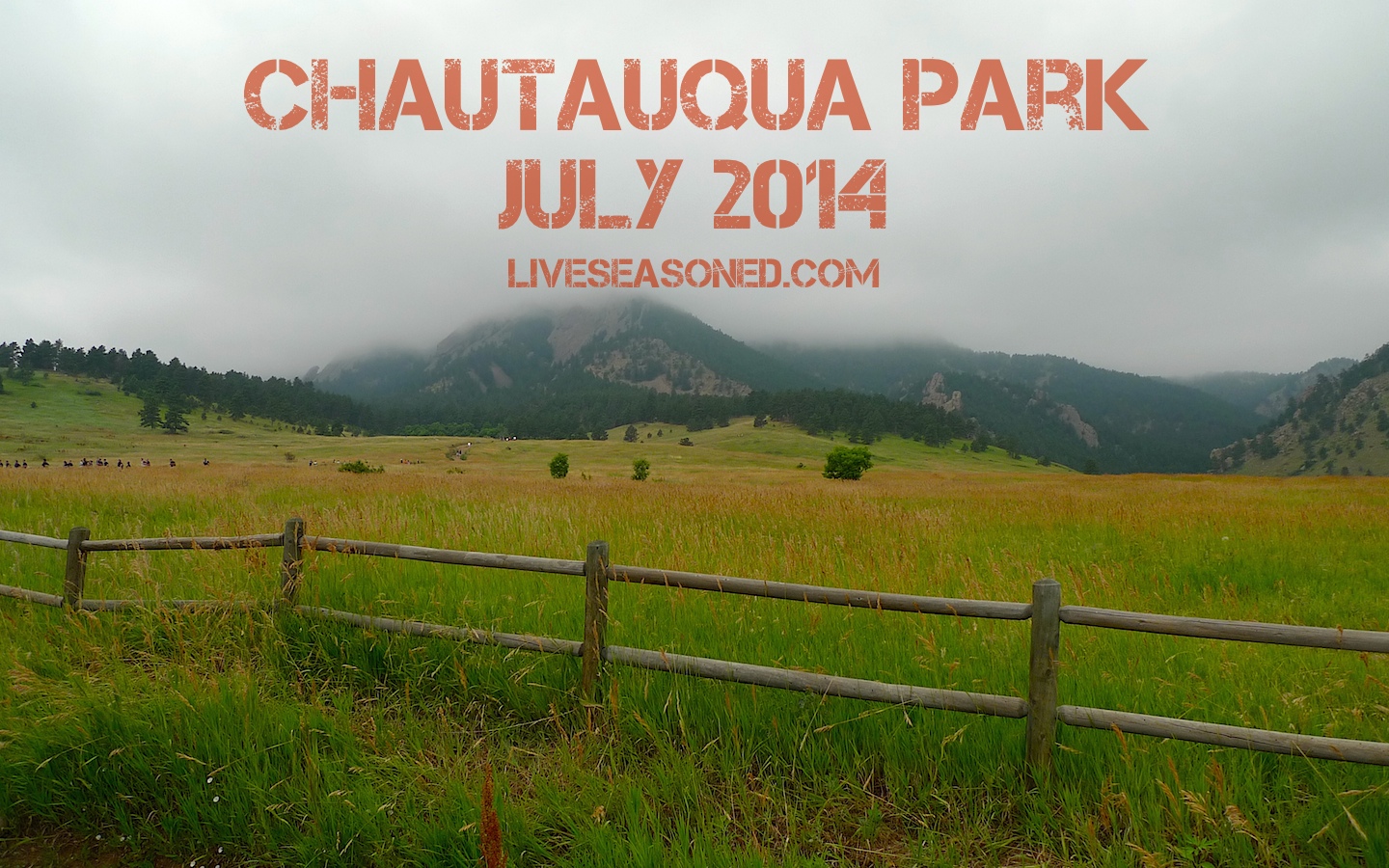
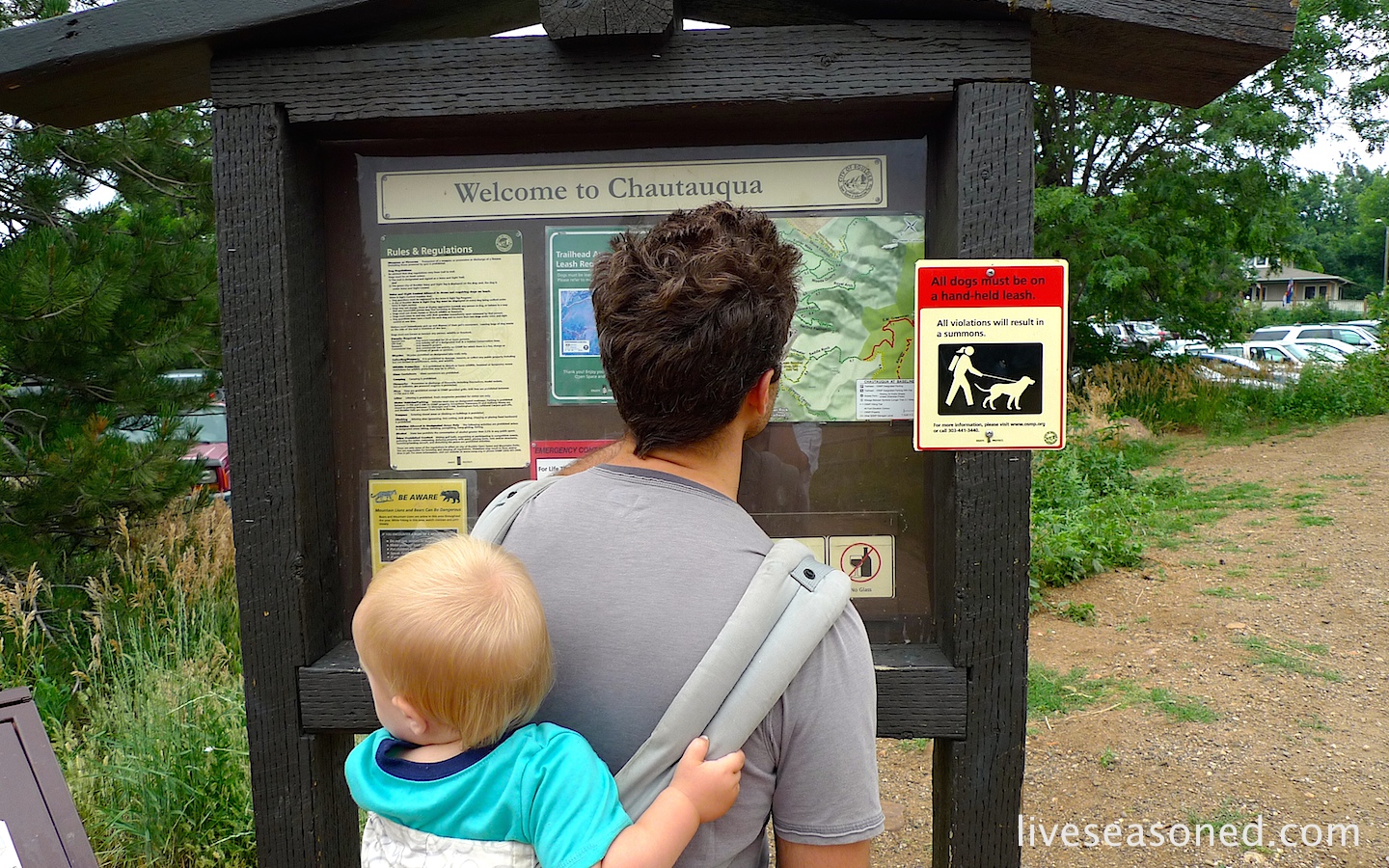
Last weekend we decided to stay close to home, wanting to explore more of what Boulder has to offer, so for our weekend hike, we headed to Chautauqua Park (pronounced with a soft “shhh” for the CH – I’m still getting the hang of it!). Chautauqua was one of the older open space areas purchased by the city over 100 years ago when it began preserving wild lands. The park is home to the Colorado Chautauqua  Association, which provides cultural and educational programs throughout the year. Among its many buildings and features, the Association has a dining hall, general store, and cottages that you can rent! On this particular day we skipped all of the buildings and headed straight for the hills, but we’re hoping to stop into the dining hall for brunch after our next hike.
**Before moving to Boulder, I was unfamiliar with Chautauqua, the adult education movement. Were you?

liveseasoned_summer2014_hike2

liveseasoned_summer2014_hike4

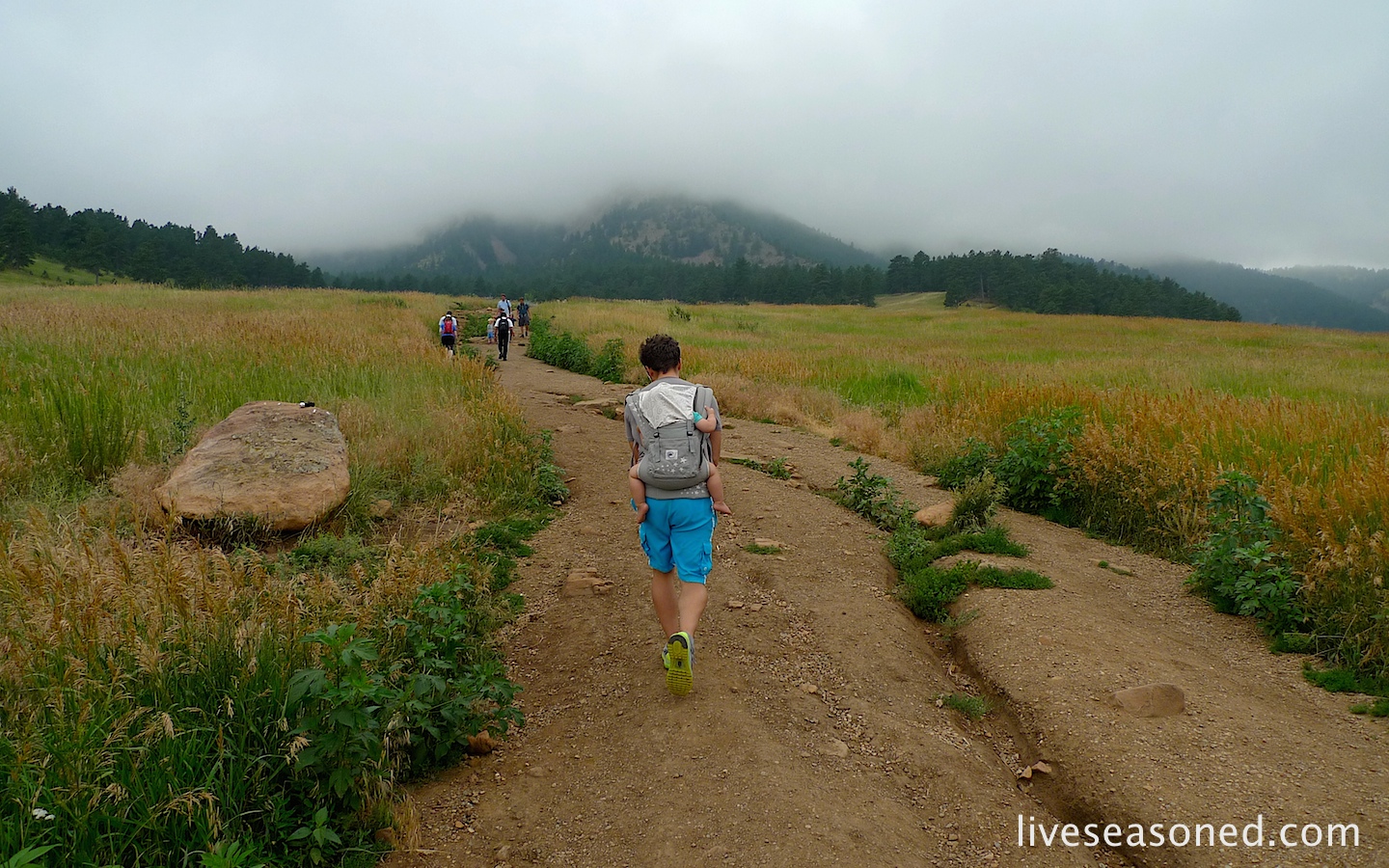
Arriving at the park, we knew it was a popular weekend destination, but were overwhelmed by just how many people were there. These pictures don’t do the crowds justice. At all times there were people in front of us, behind us, scaling the rock face to our right and left. There were babies laughing (and crying), there were more college-age girls chatting away than I wish to remember. Ugh, it was crowded. But, the scenery totally made up for it, and I can’t wait to get back out there on a weekday. A friend also tipped me off that if we start at Four Pines on King St., then we won’t hit the crowds. Keep that secret.

liveseasoned_summer2014_hike5

Before heading out, we asked for some trail recommendations and received a number of excited responses suggesting Royal Arch Trail, but it was still closed for raptor nesting.  So, with all of the well-marked trails in the park, we decided to wing it. We headed up Chautauqua Trail, made a left on Blue-Baird Trail, and then came back down on Bluebell Trail. In total, the hike took about an hour.

liveseasoned_summer2014_hike20

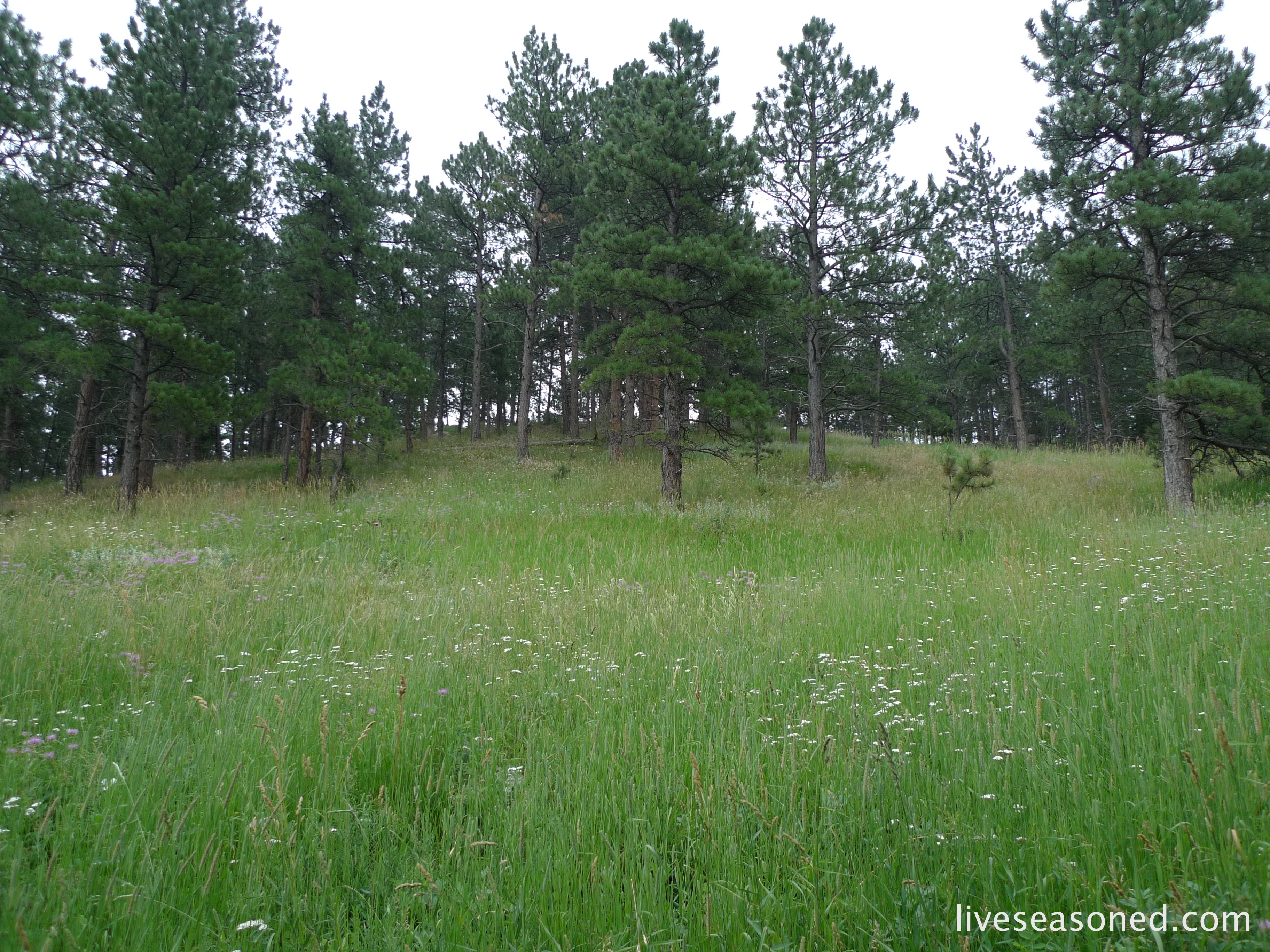
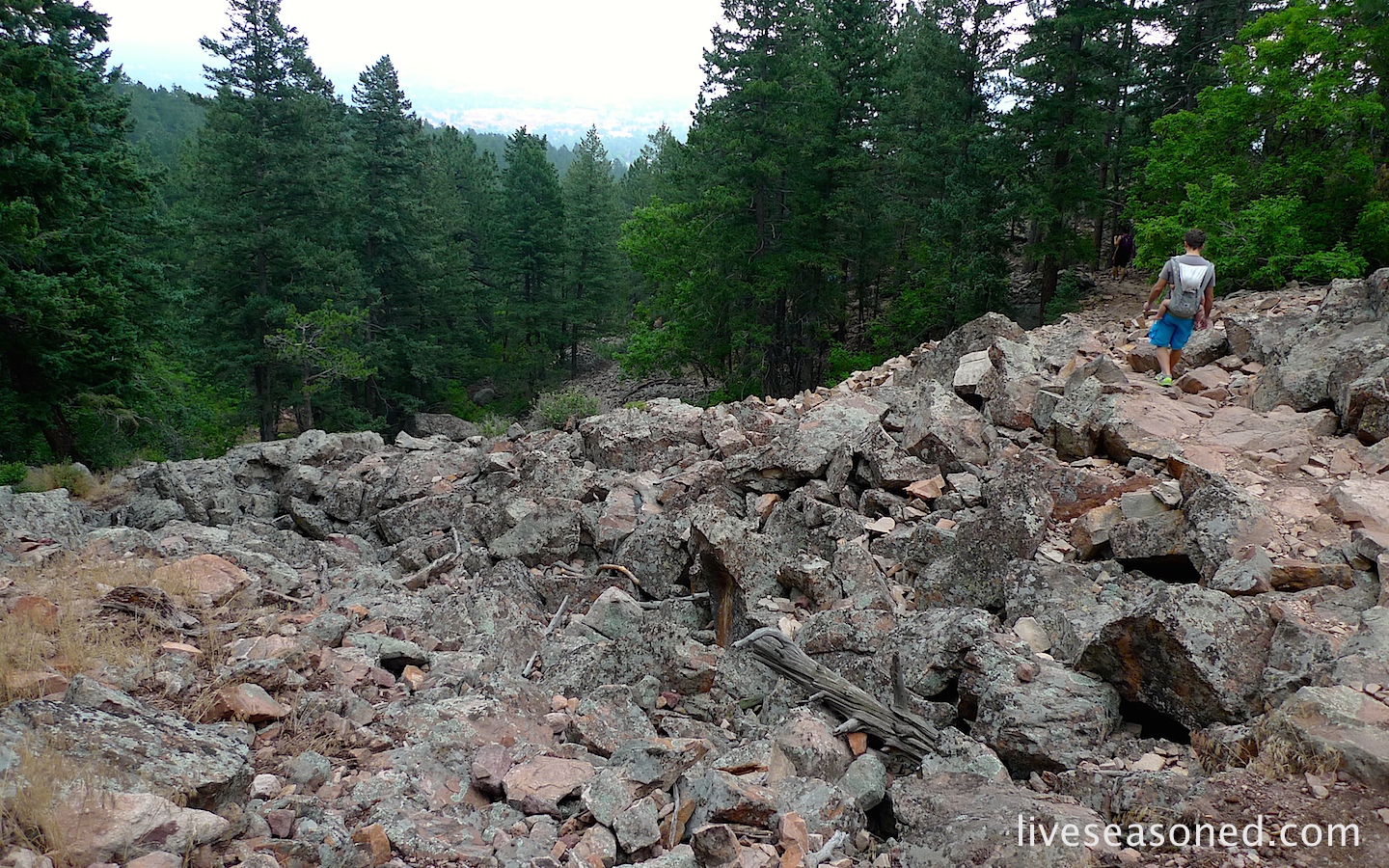
As you hike up the hill you leave the grasslands behind, entering the pine forests and areas of exposed bedrock and boulders of the Flatirons.

liveseasoned_summer2014_hike14

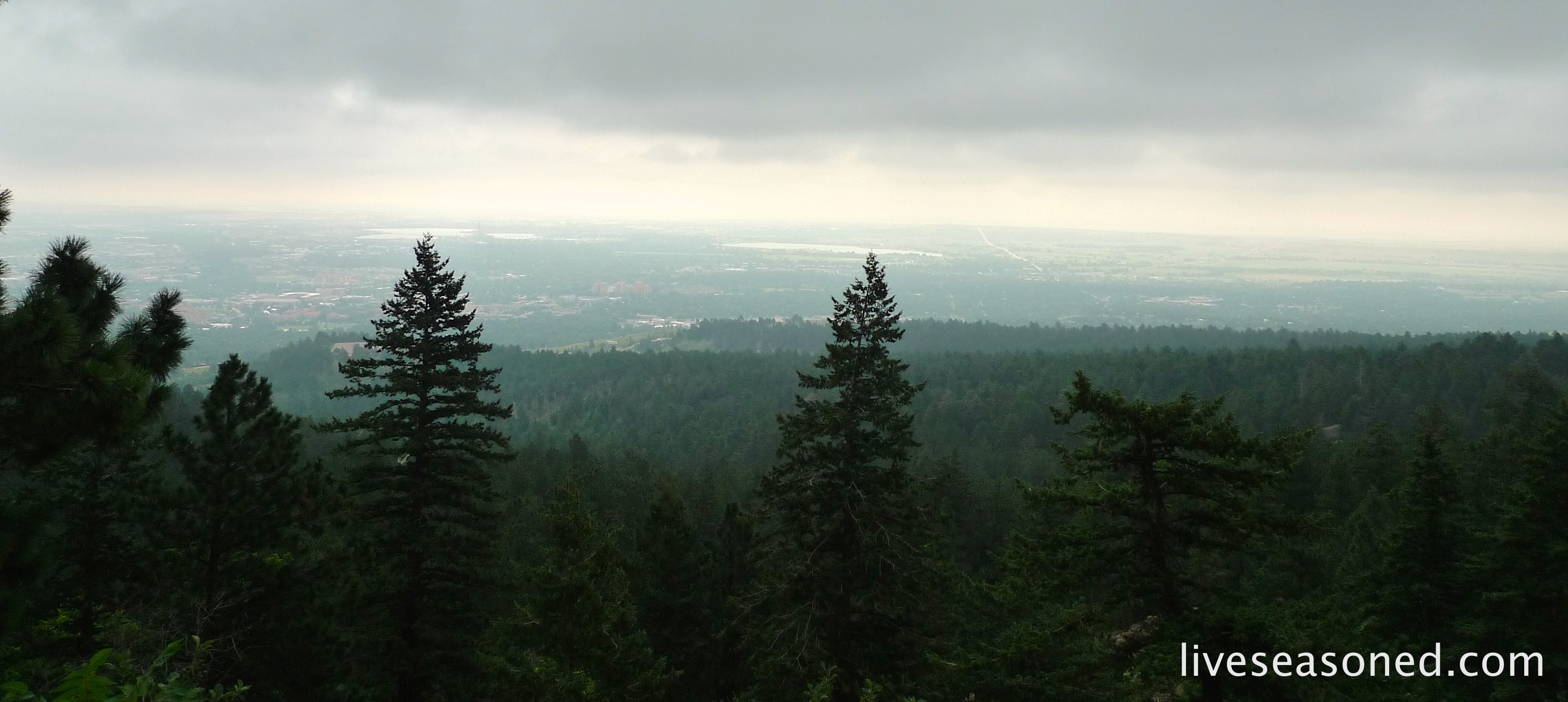
There are two climbers in the photo on the right above! They are near the top of the single pine tree that’s growing out of the rock face. Eventually, you reach a few open areas overlooking the city.

liveseasoned_summer2014_hike19

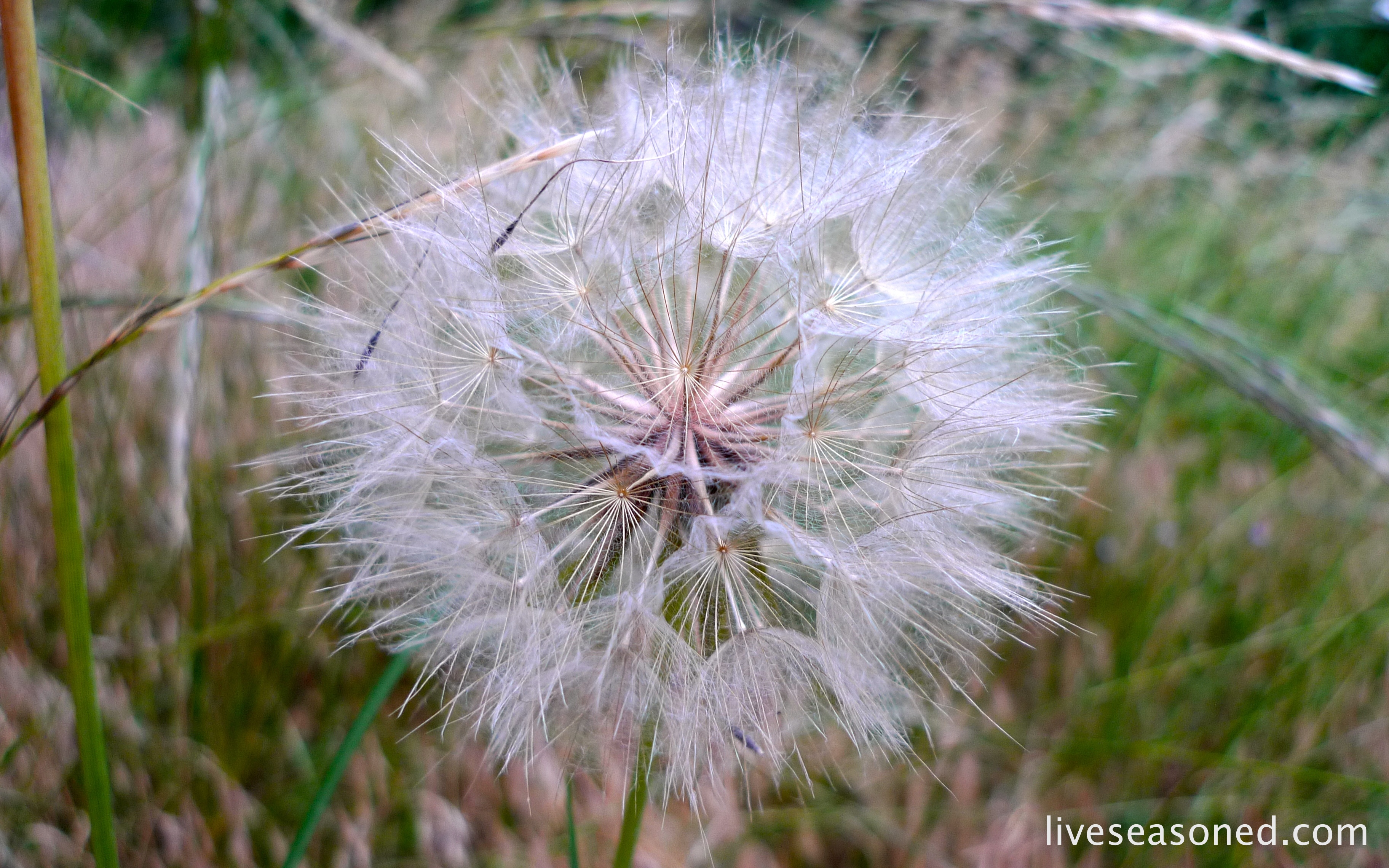
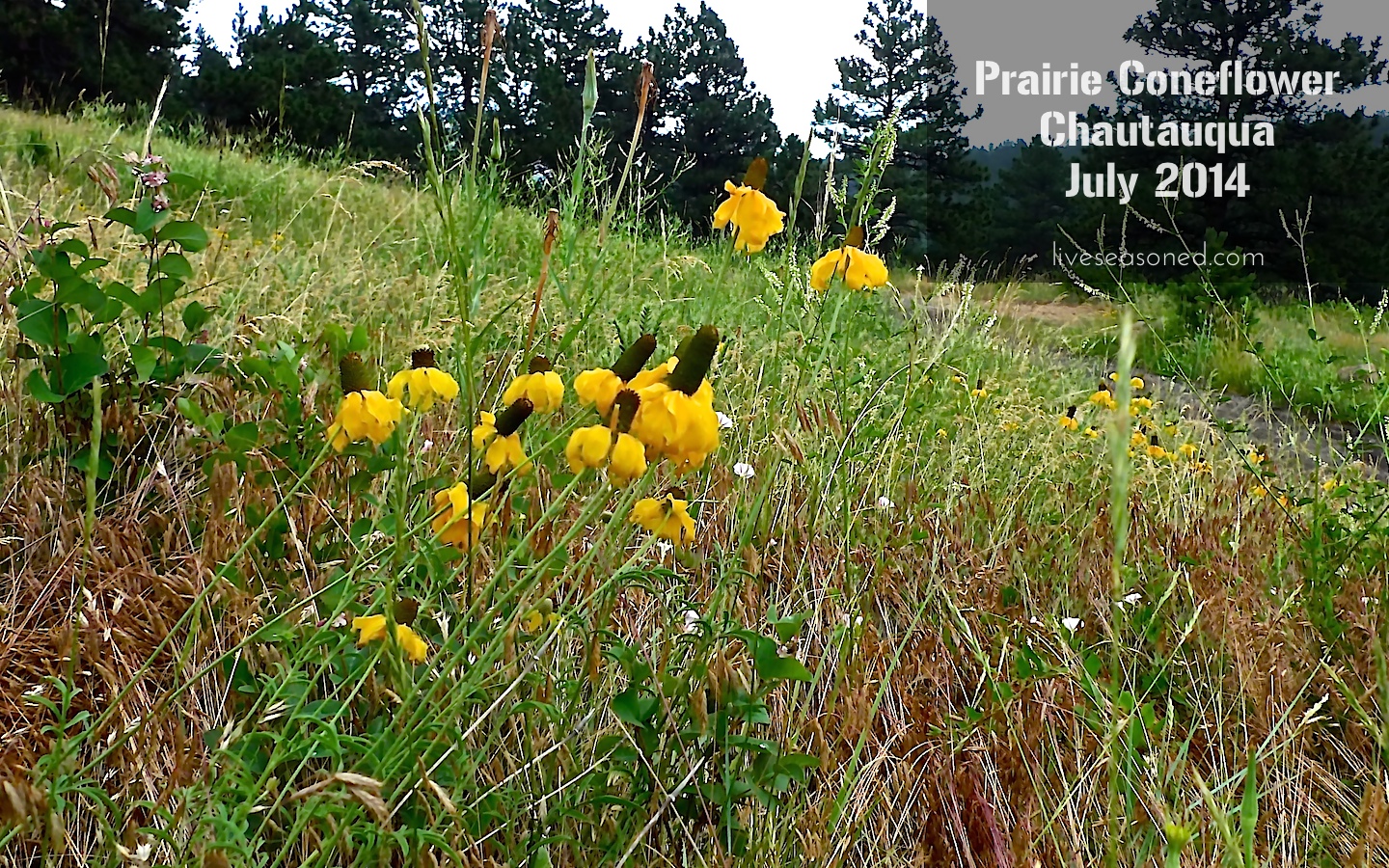
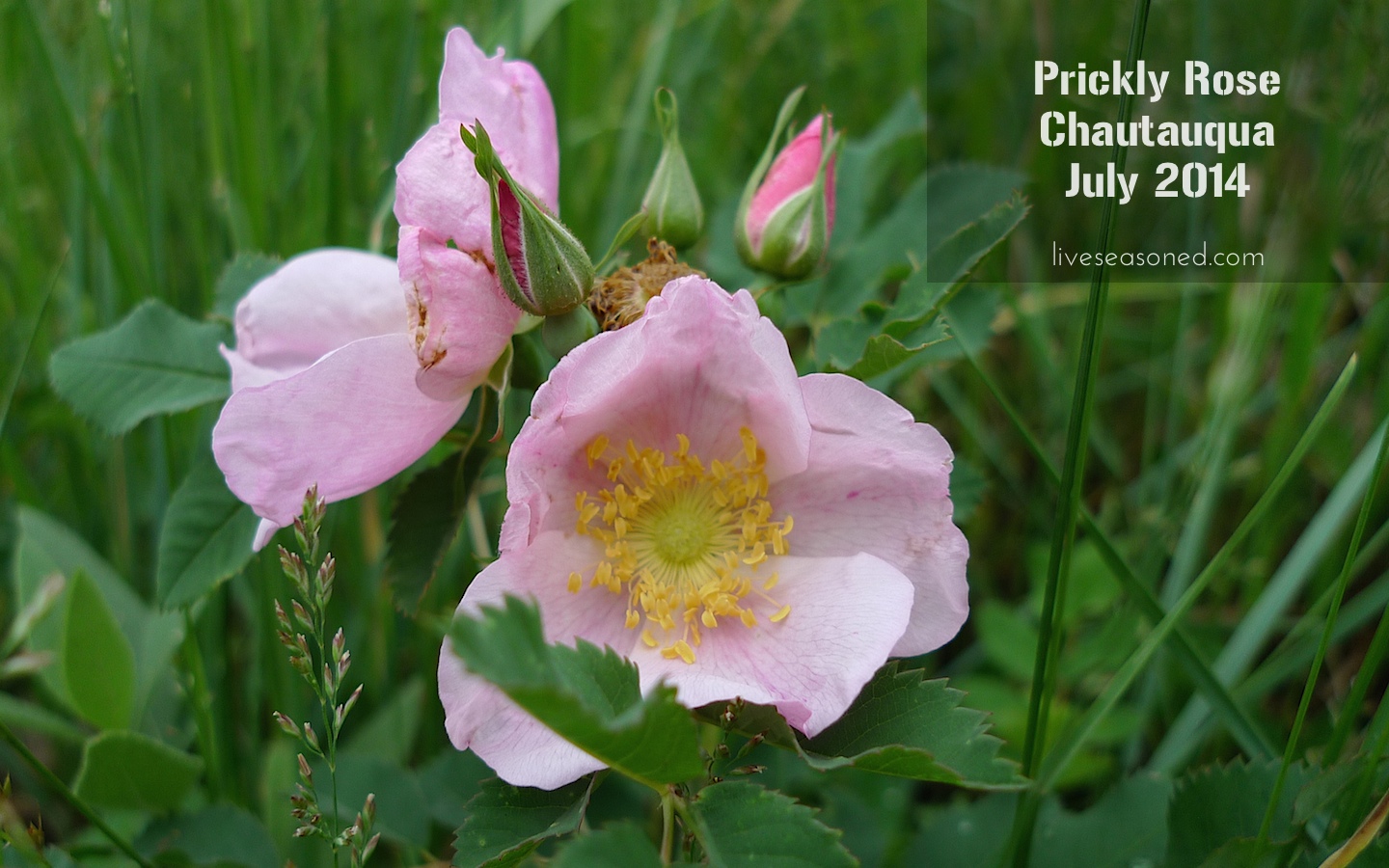
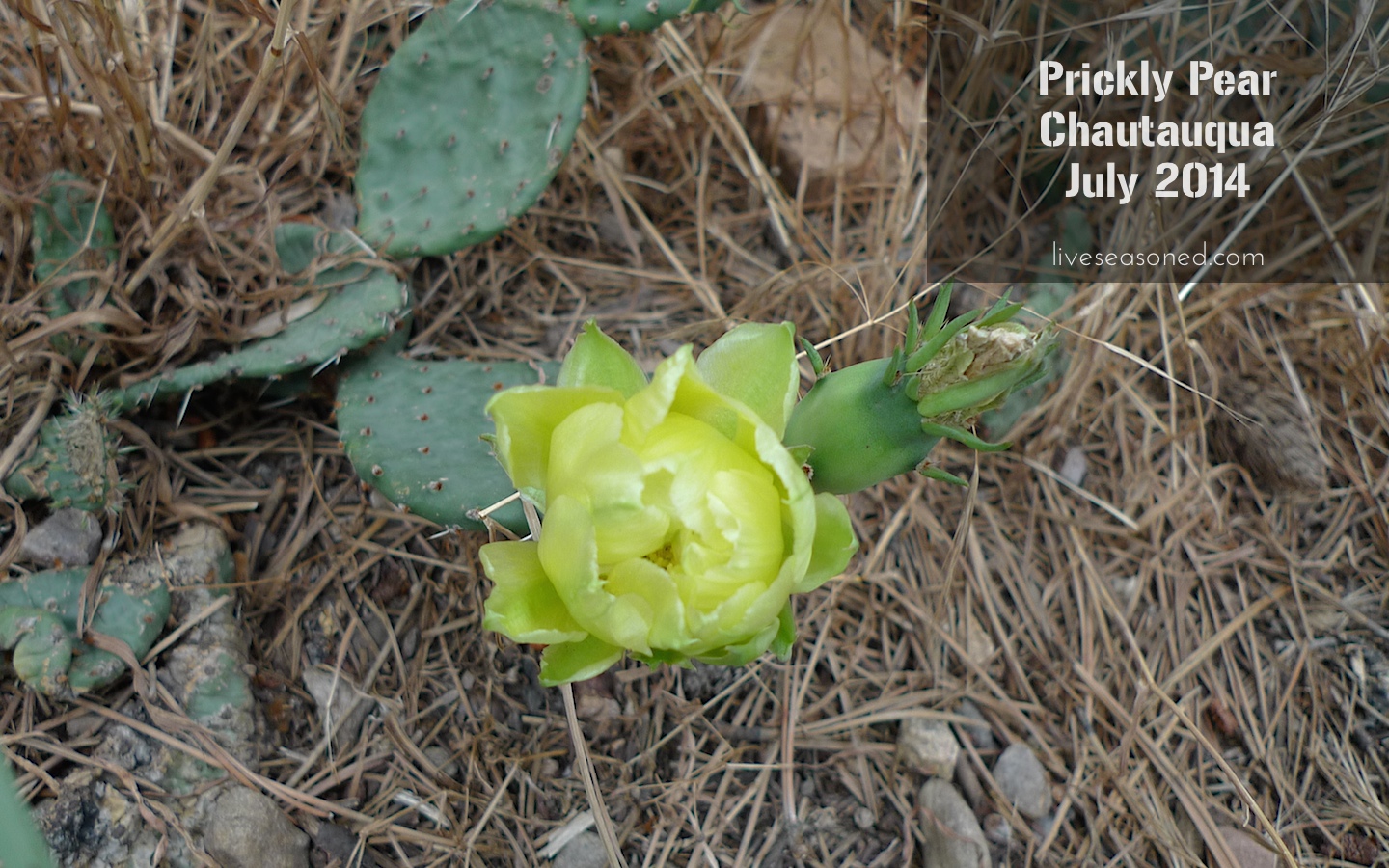
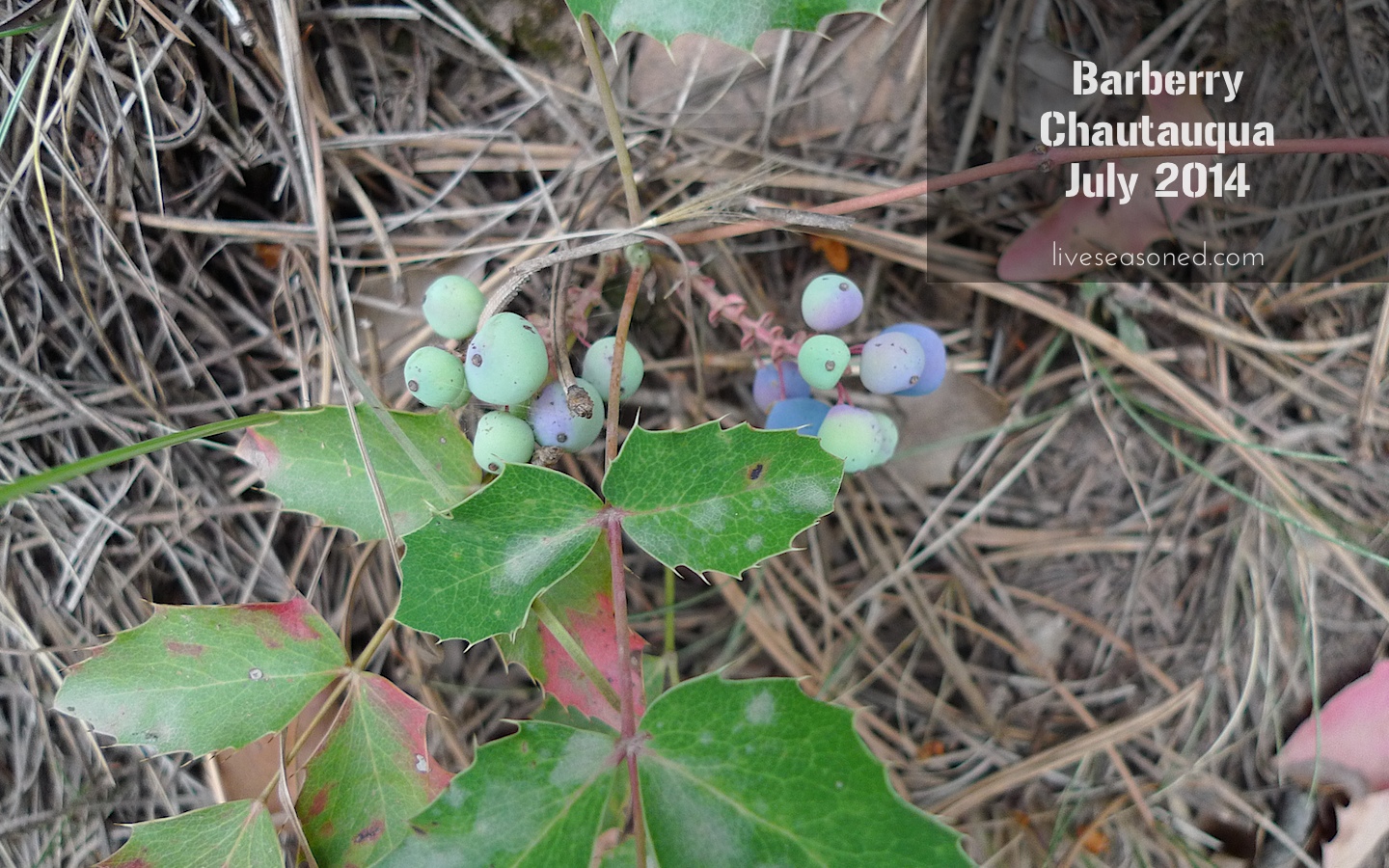
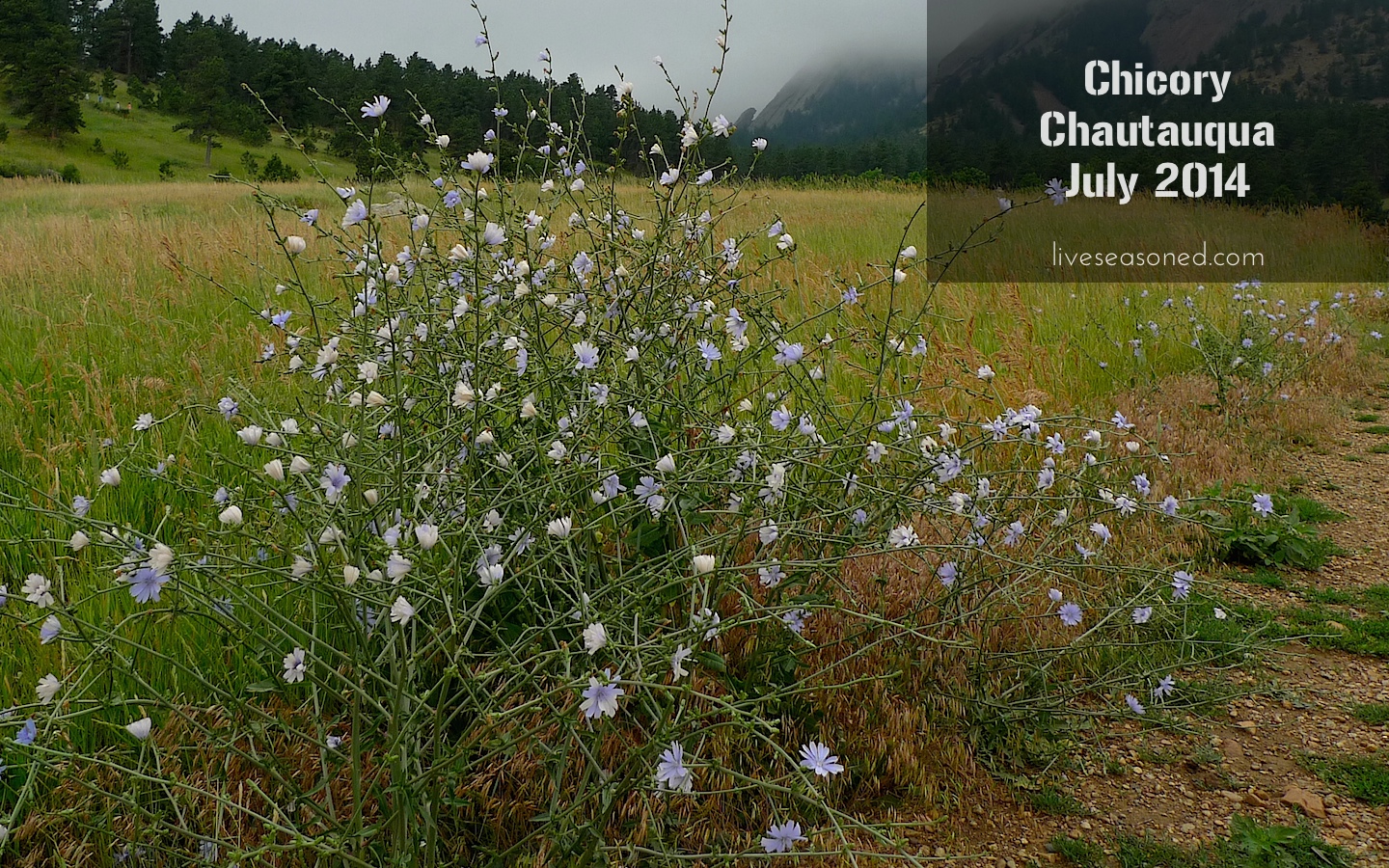
liveseasoned_summer2014_hike18Just like last week’s hike, there were plenty of flowers blooming here with a promise of more to come.

liveseasoned_summer2014_hike21

liveseasoned_summer2014_hike6

liveseasoned_summer2014_hike10

liveseasoned_summer2014_hike7

liveseasoned_summer2014_hike9

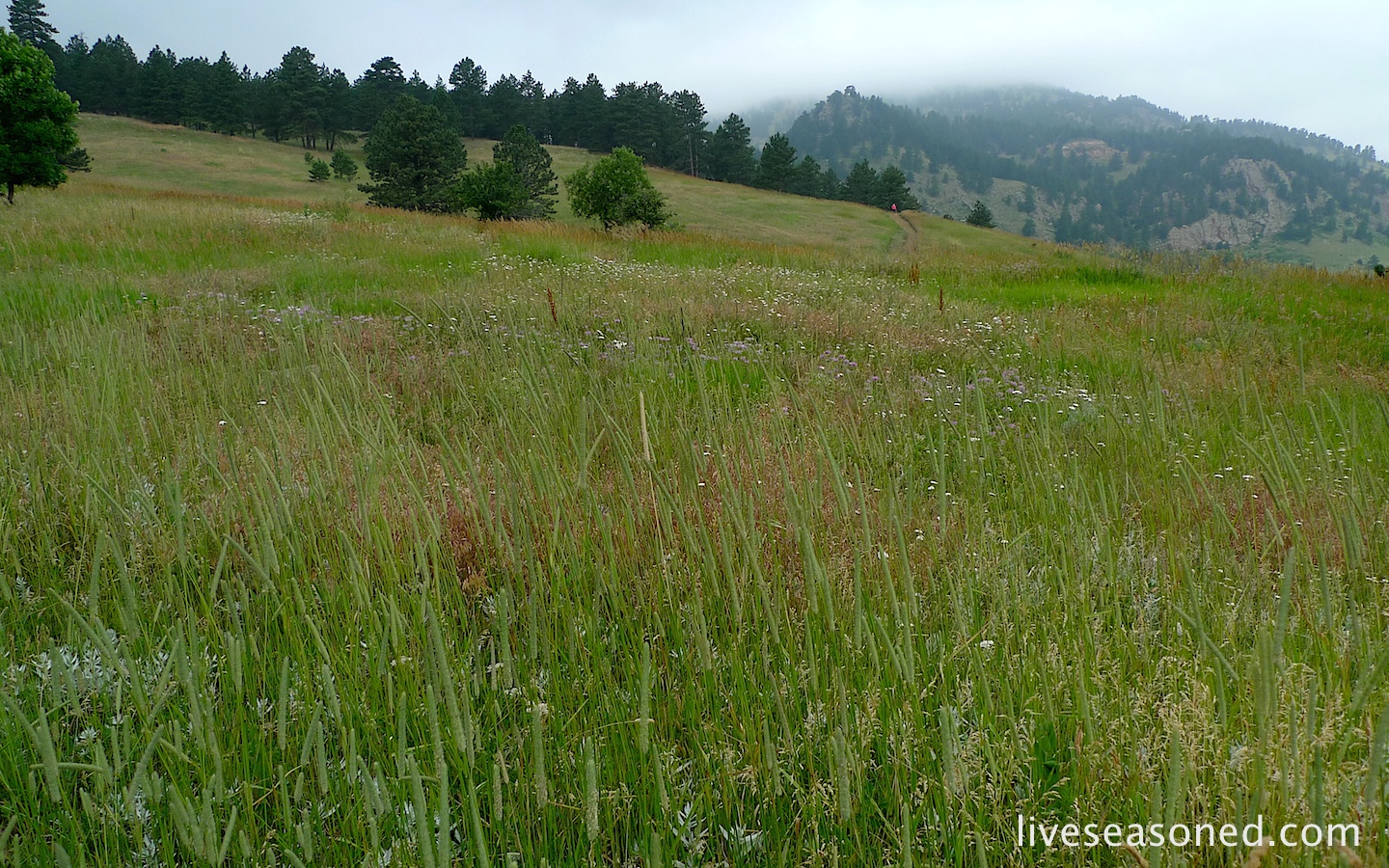
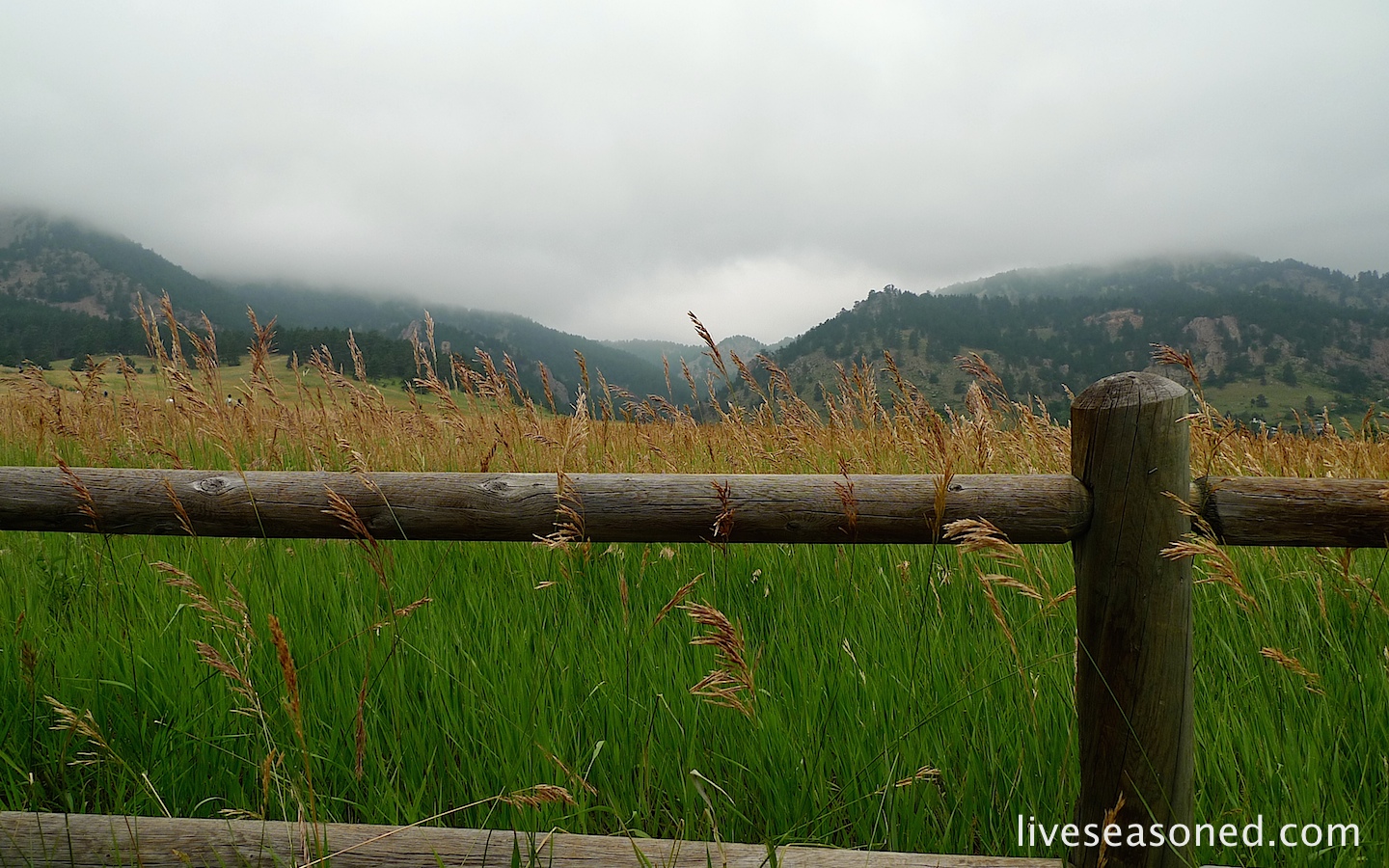
On our way back down the hill (mountain?) we left the pine trees behind and welcomed the grasses again. As you can see from these photos, the skies were overcast for our whole hike, but I think that worked to our advantage, keeping us cooler and less worried about sunburns as we walked.

liveseasoned_summer2014_hike12
liveseasoned_summer2014_hike13

Extra Details:

  • Knowing that the area is popular on weekends, we were worried about parking but easily found on-street parking a few blocks from the entrance.
  • I had a hard time finding a good trail map online until I looked to Google. Google’s map of the park is great, with all trails well marked!
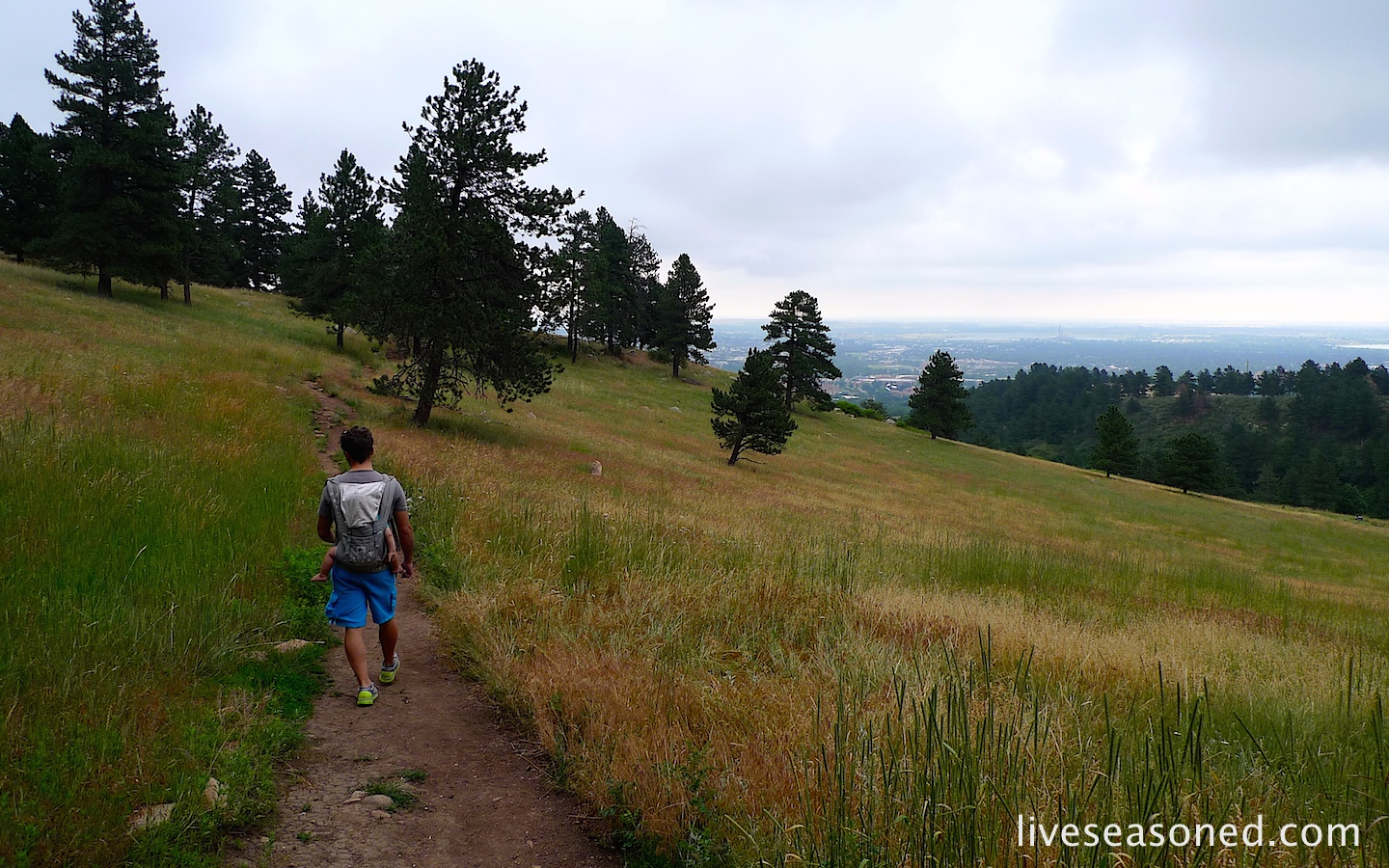
  • A hiking-with-kids tip: We knew we were heading out during Little A’s nap time, so rather than take the hiking carrier that doesn’t offer him anywhere to rest his head, we put him in the Ergo on Calder’s back. It was an easy carry for this short hike, and within a minute Alex was content and sleeping with his head supported between Calder’s back and the Ergo’s hood.

liveseasoned_summer2014_hike3