Colorado Hike : Ajax Mountain

liveseasoned_summer2014_aspen3

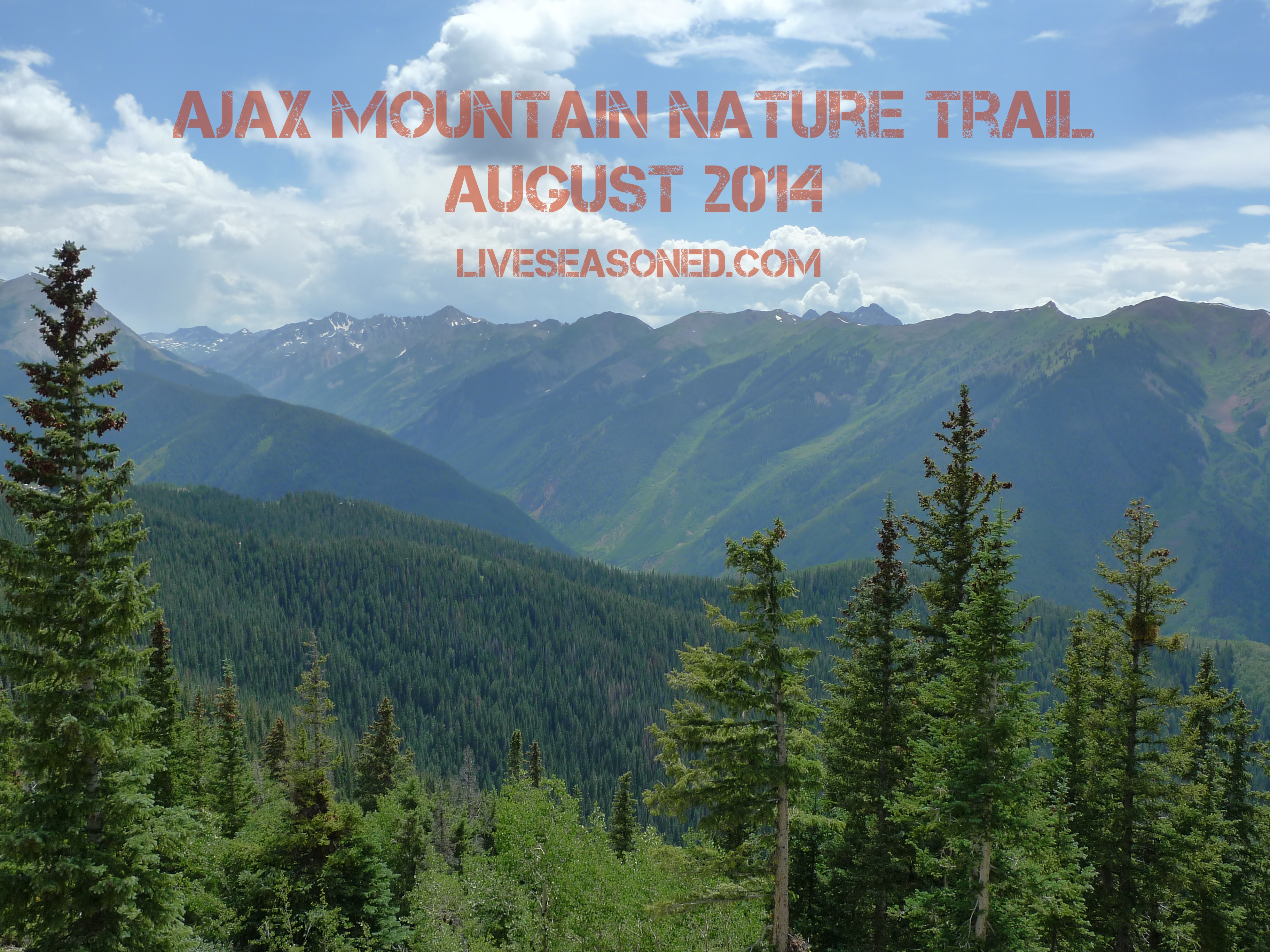
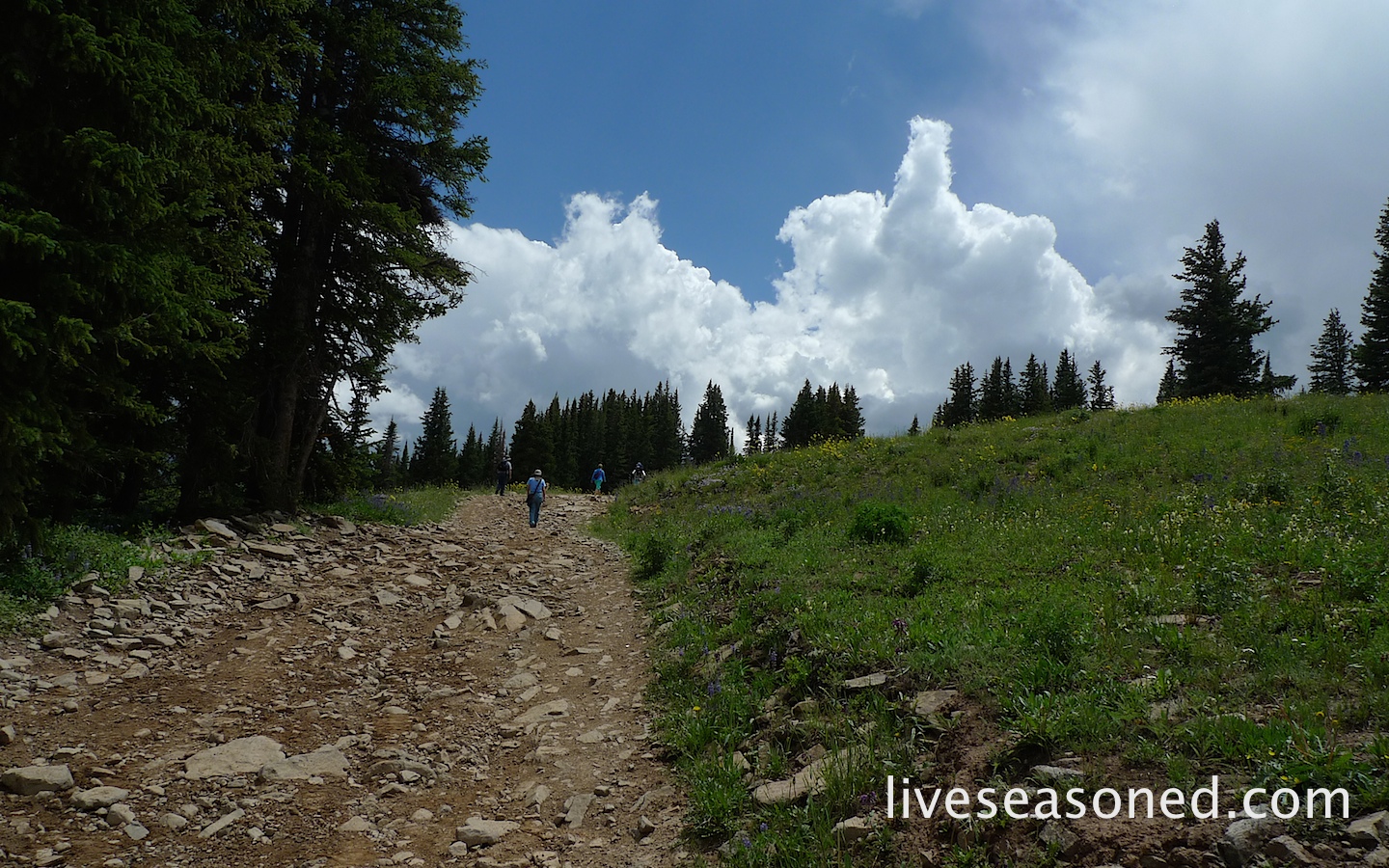
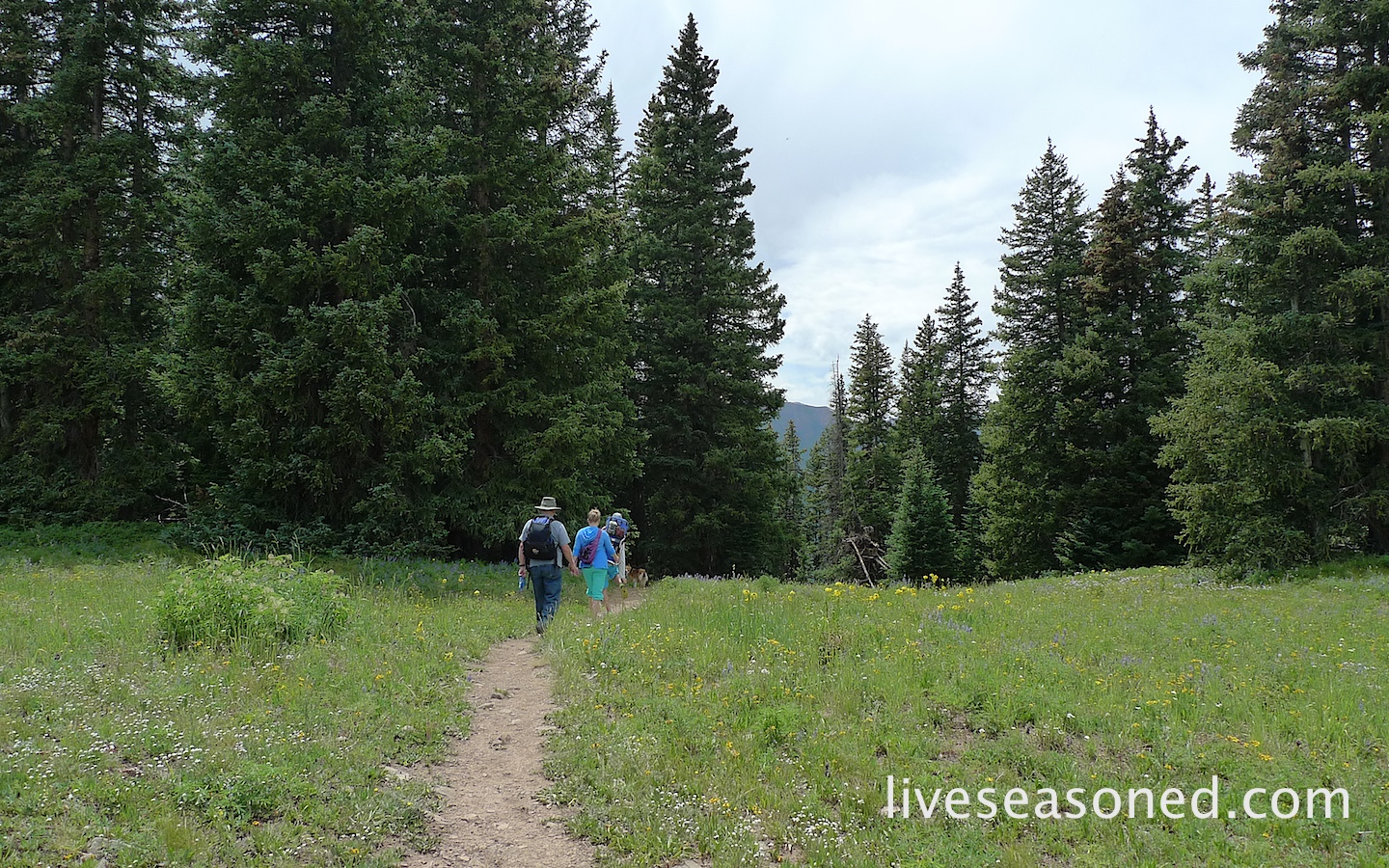
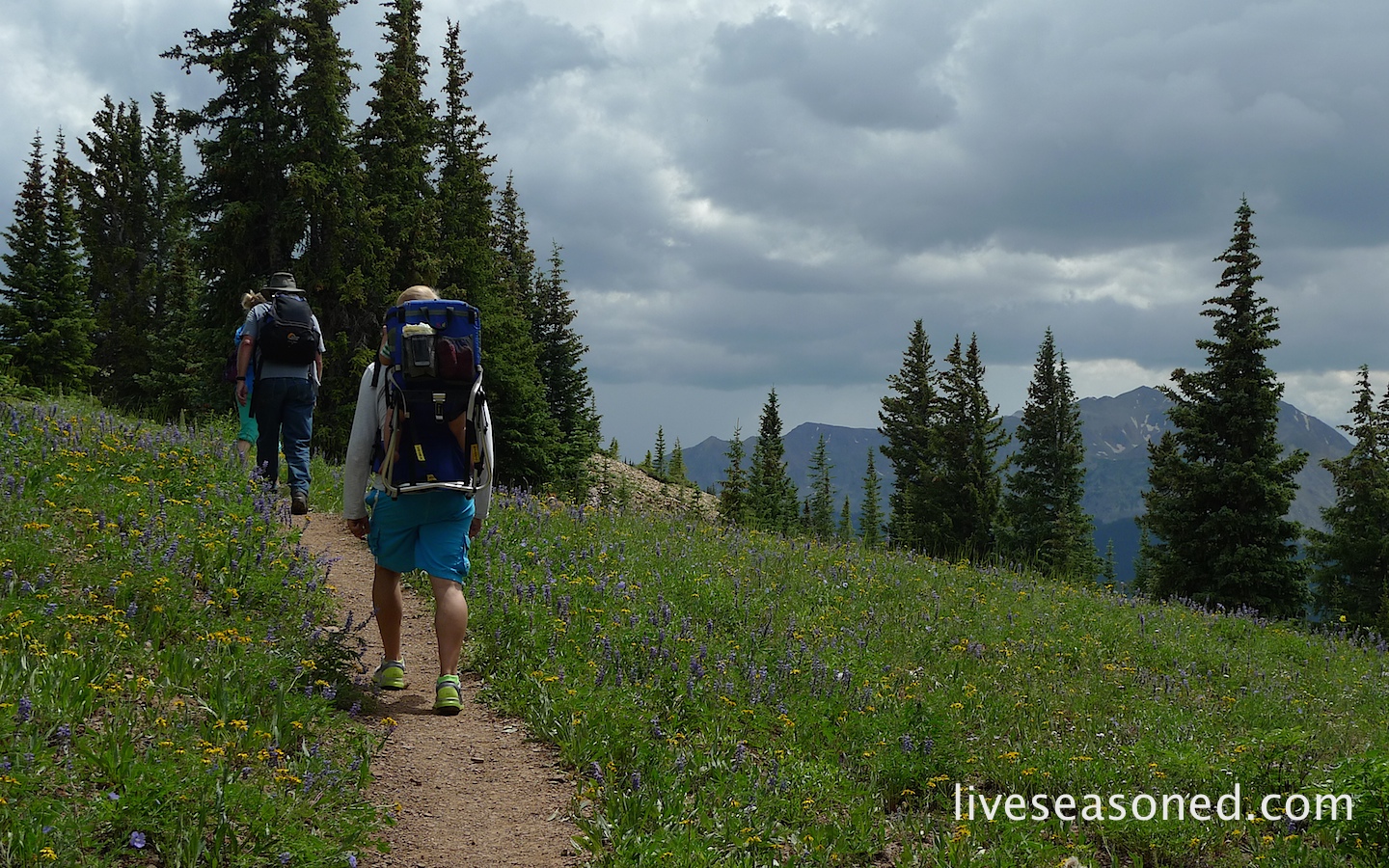
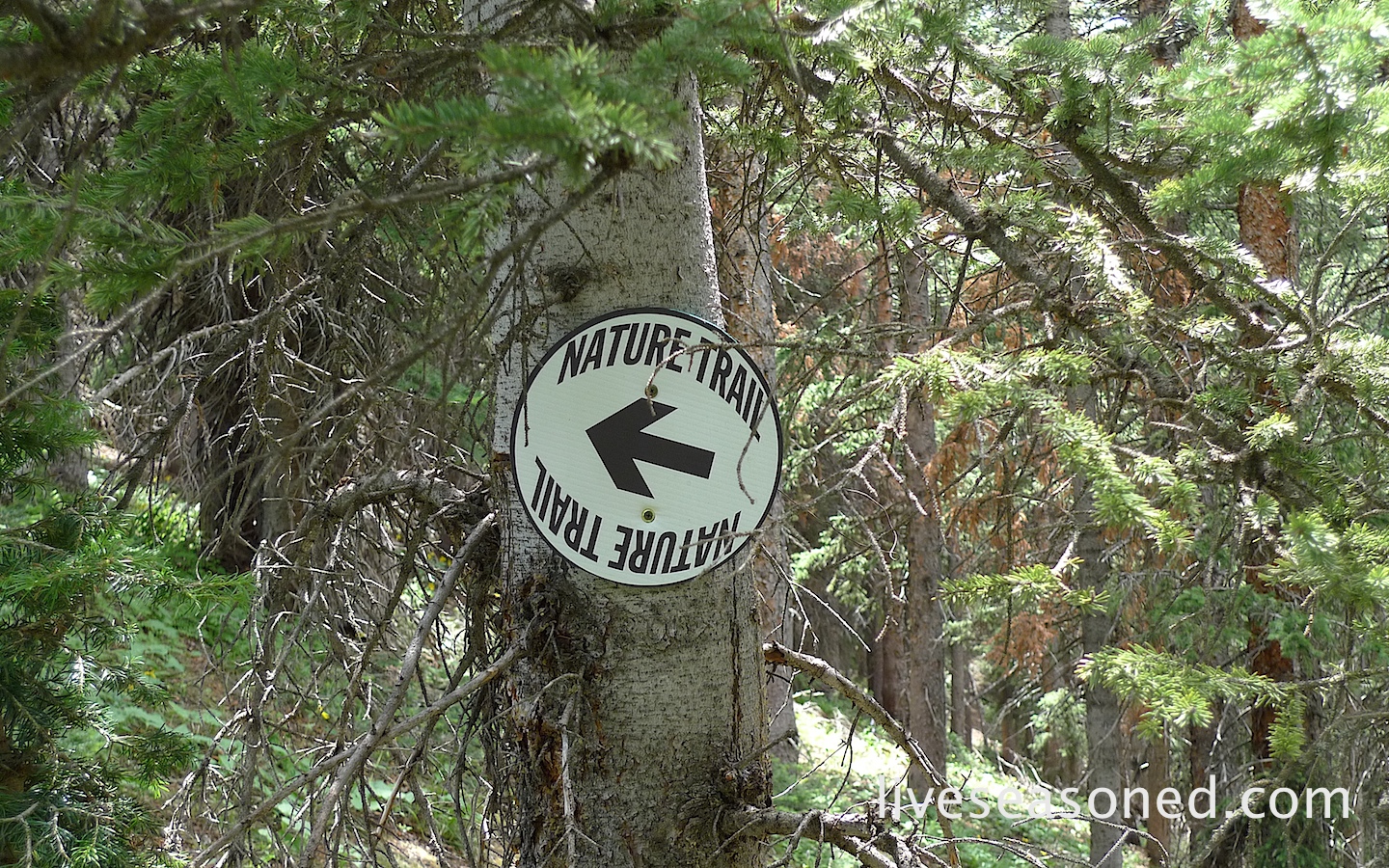
A few weeks ago we took a leisurely afternoon hike on the Nature Trail that starts at the top of Ajax, or Aspen, Mountain. This was an out and back hike that was super easy with barely any elevation gain because you do all of your climbing as you ride the gondola to the top of the mountain!

liveseasoned_summer2014_aspen1

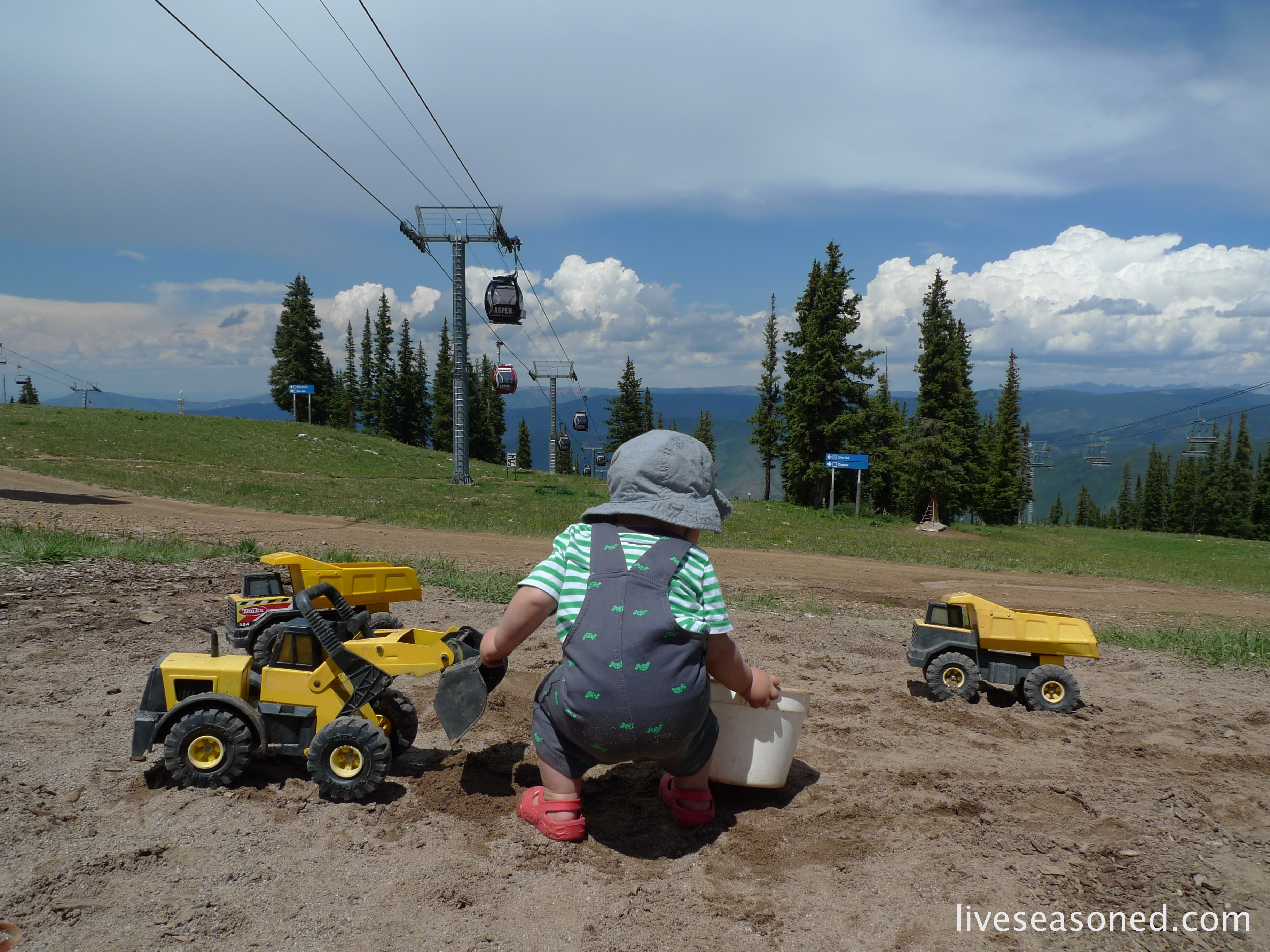
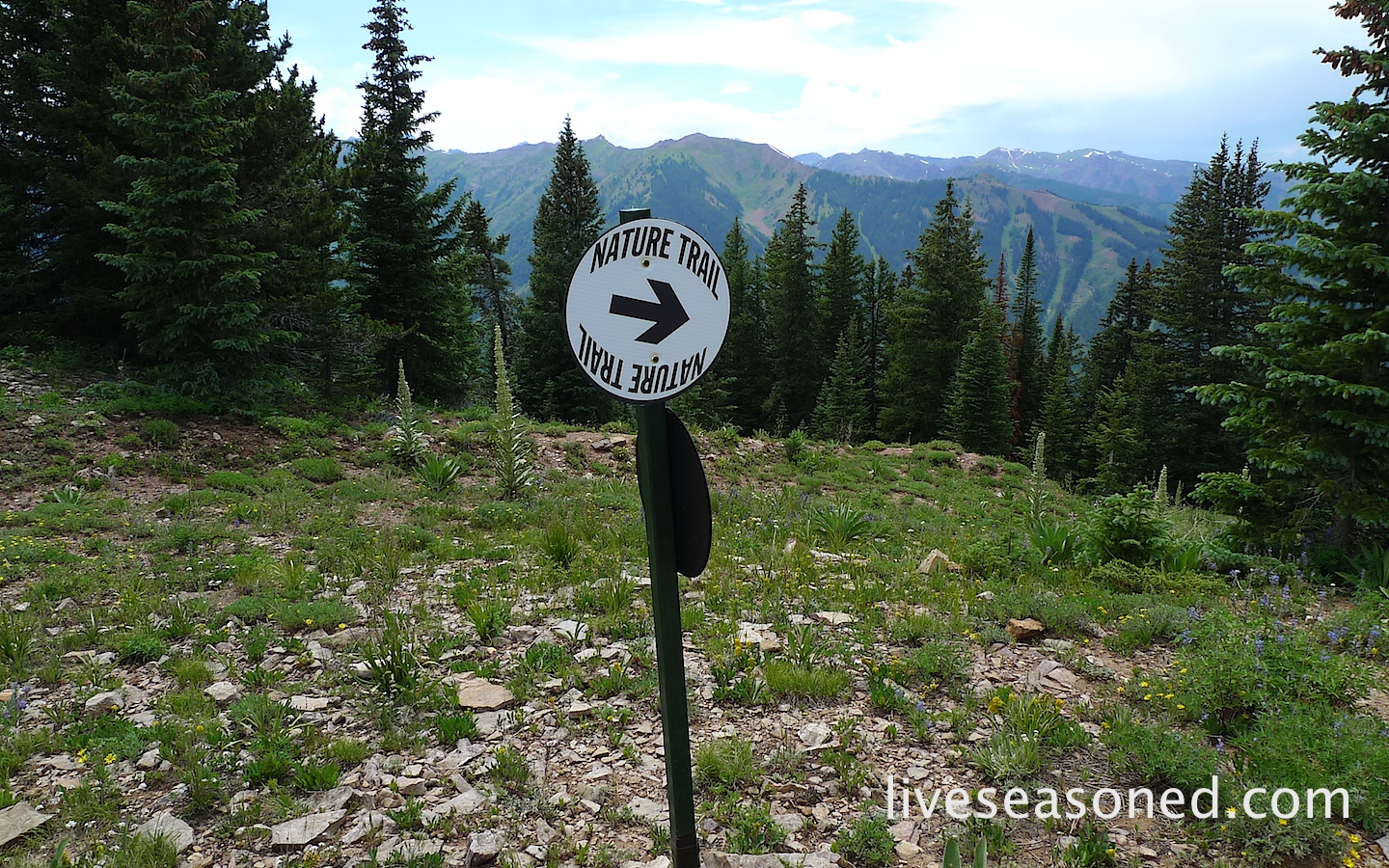
If you want to head straight for the hike, veer left as you get off the gondola and you’ll have no trouble finding the trail. If you’re heading up with kiddos, veer to the right and there are plenty of fun activities to let them burn off the energy before/after riding the gondola. Our little guy was just interested in the huge sand pit and trucks, but there are also spaces to dig for gold, go rock climbing, go trampoline jumping, and room for some good old running.

liveseasoned_summer2014_aspen2

liveseasoned_summer2014_aspen22

liveseasoned_summer2014_aspen20

liveseasoned_summer2014_aspen13

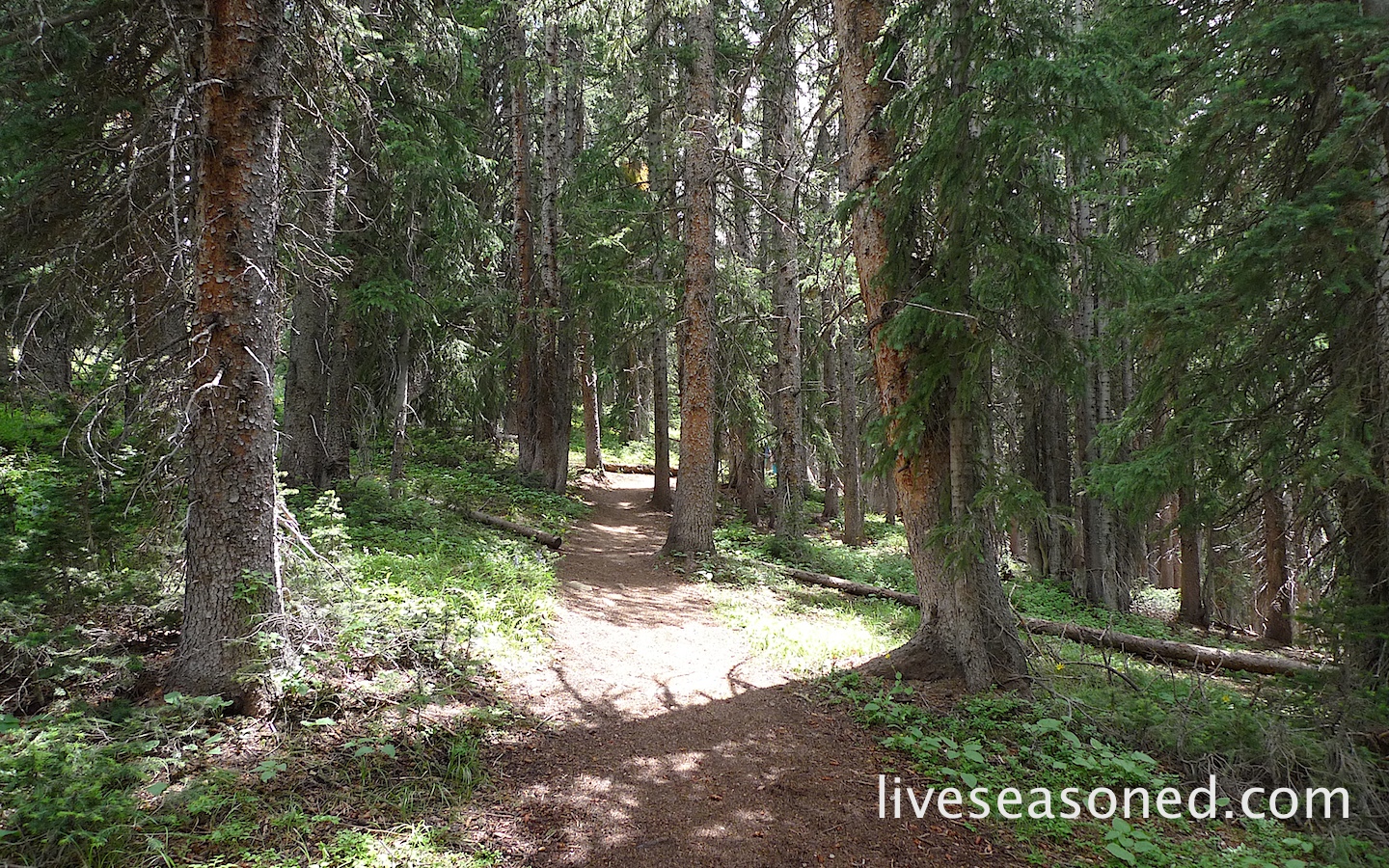
As well as delivering beautiful mountain views, the trail dips into the pine forest, giving you a reprieve from the bright alpine sun.

liveseasoned_summer2014_aspen21

liveseasoned_summer2014_aspen16

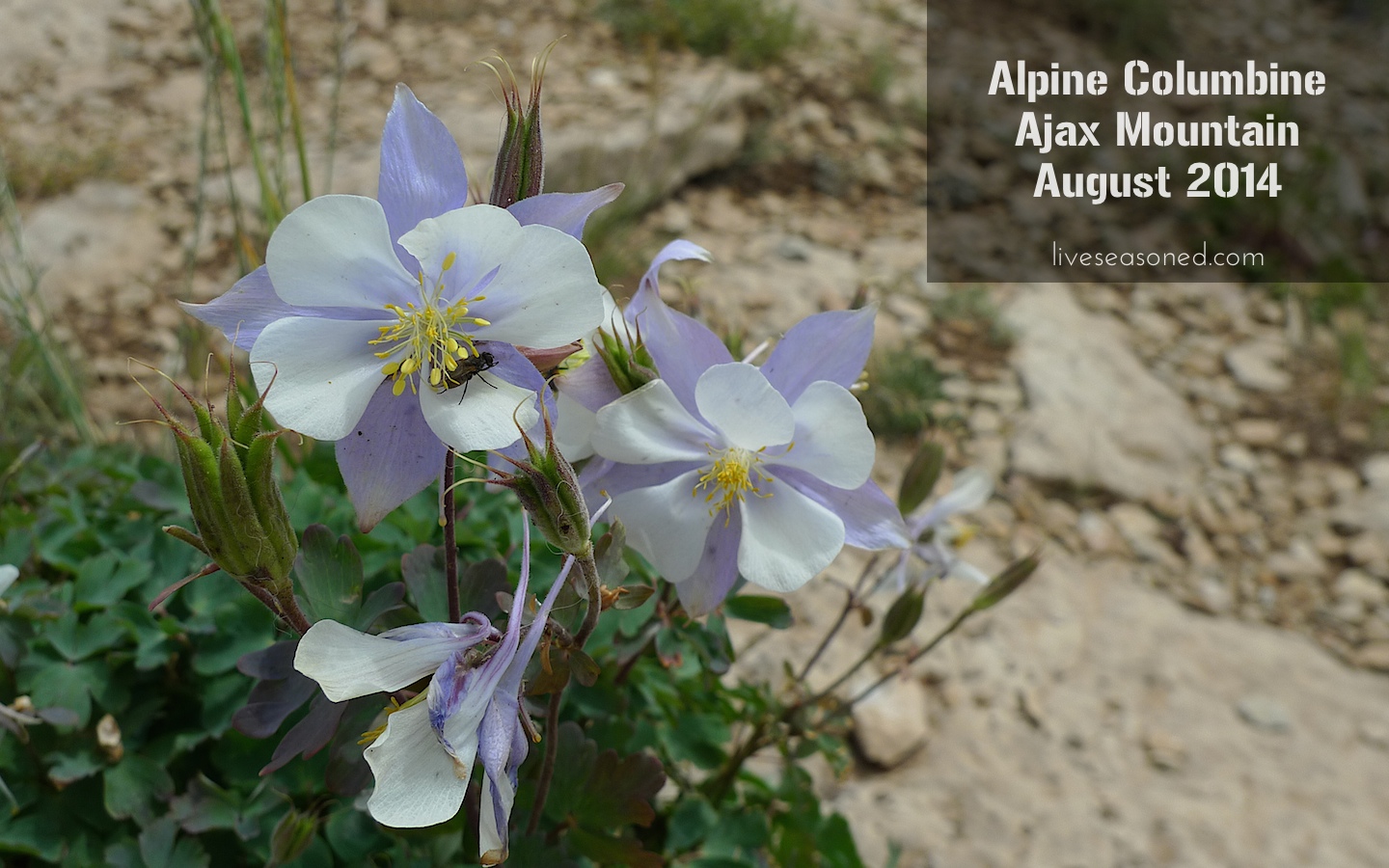
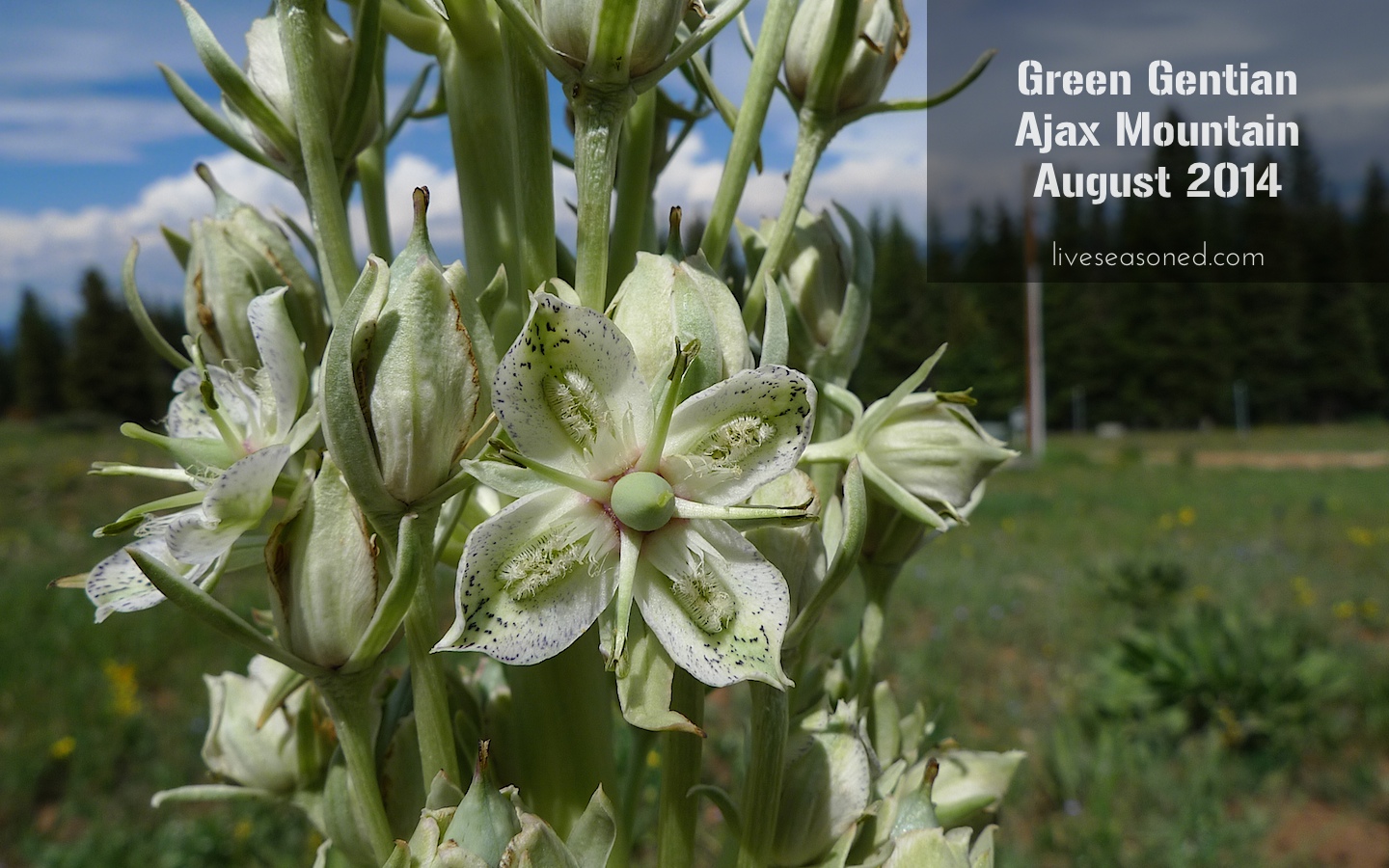
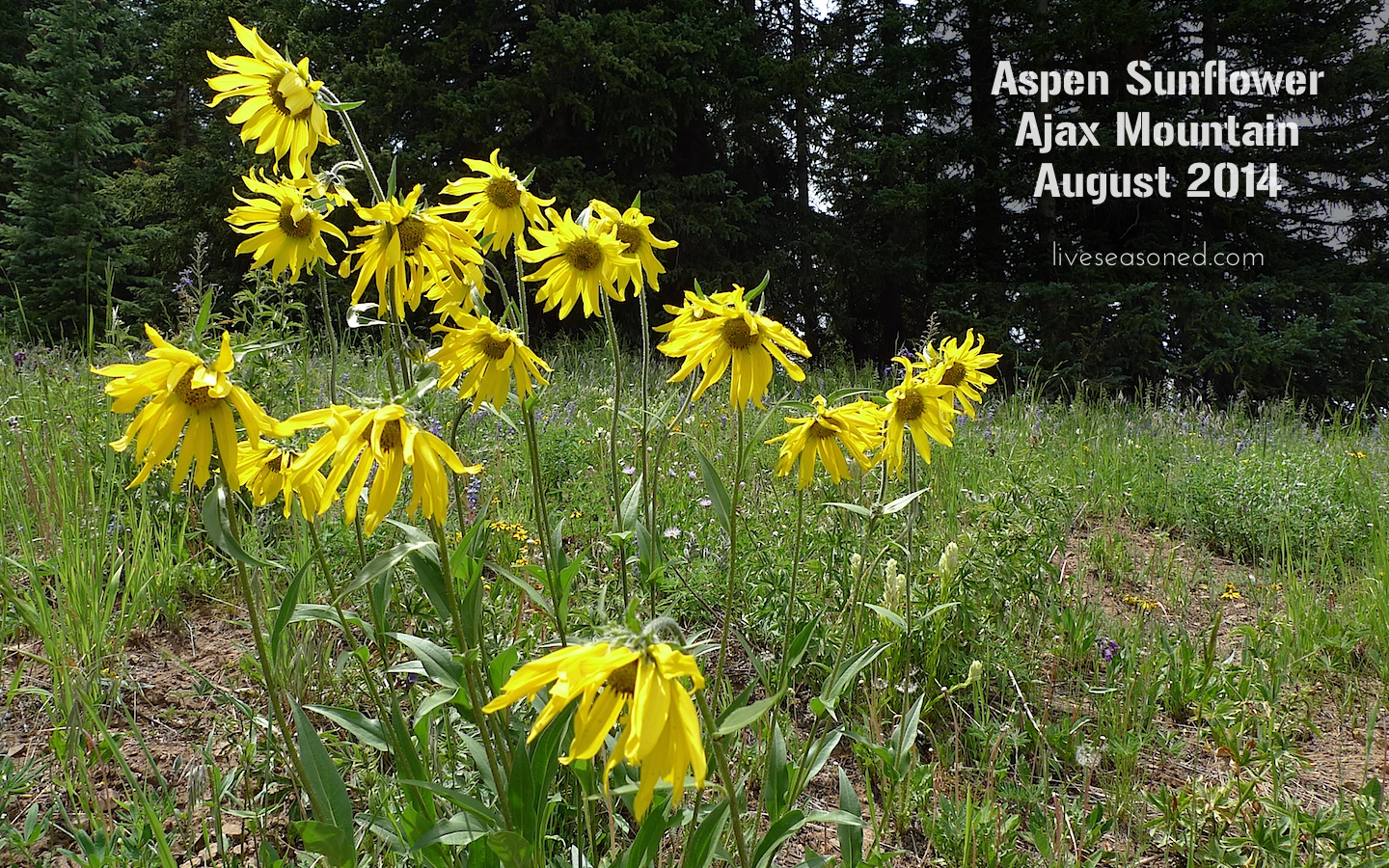
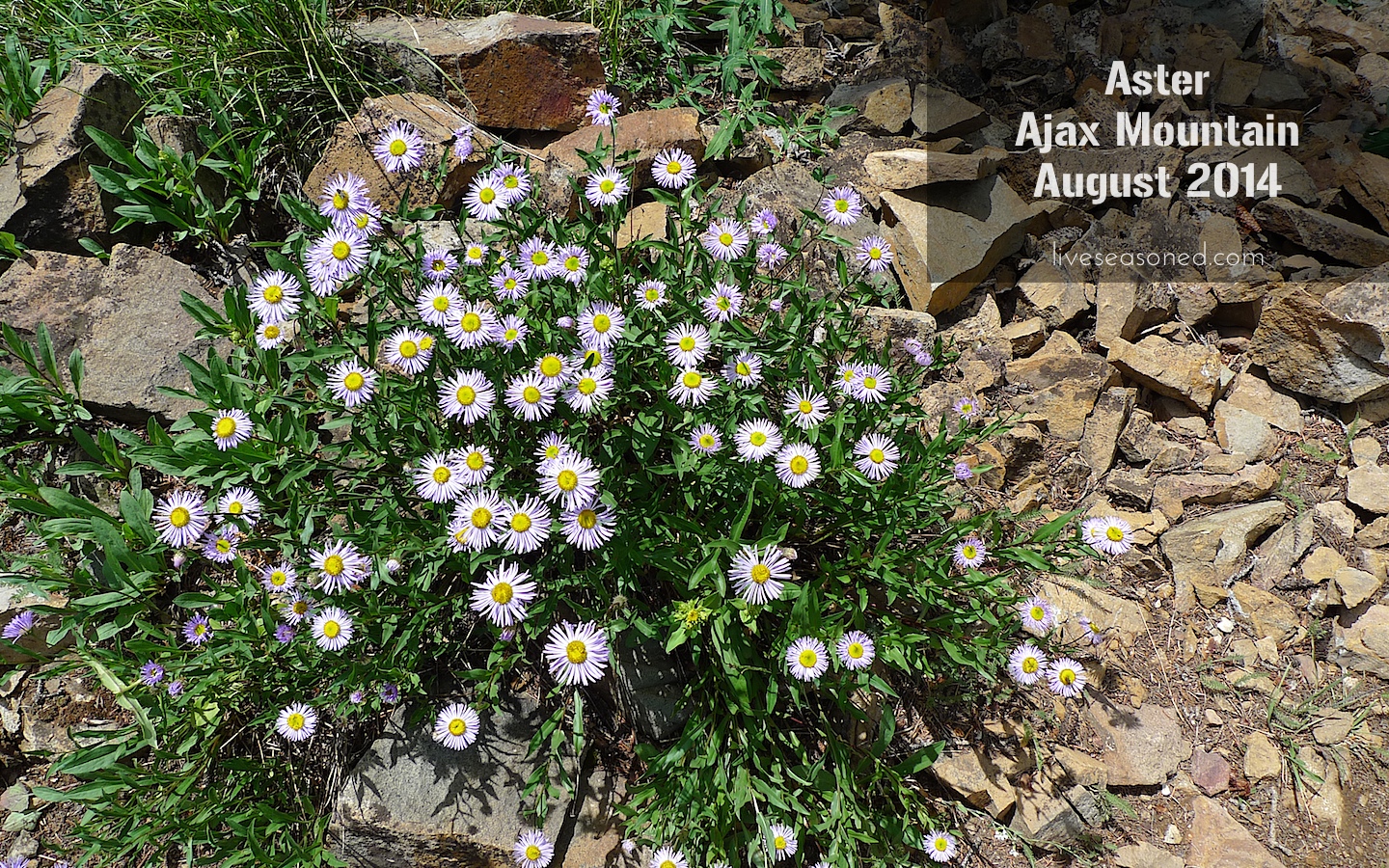
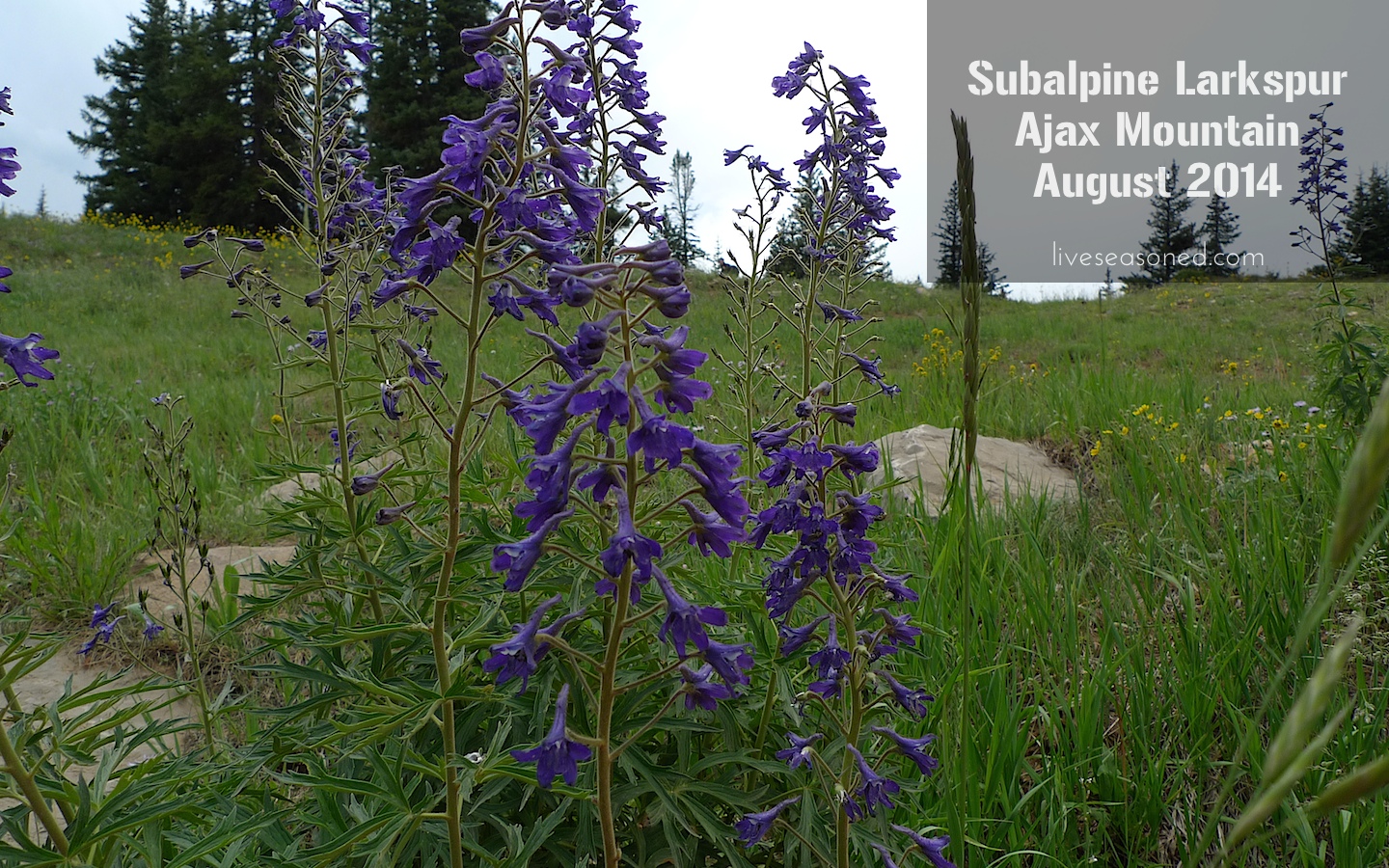
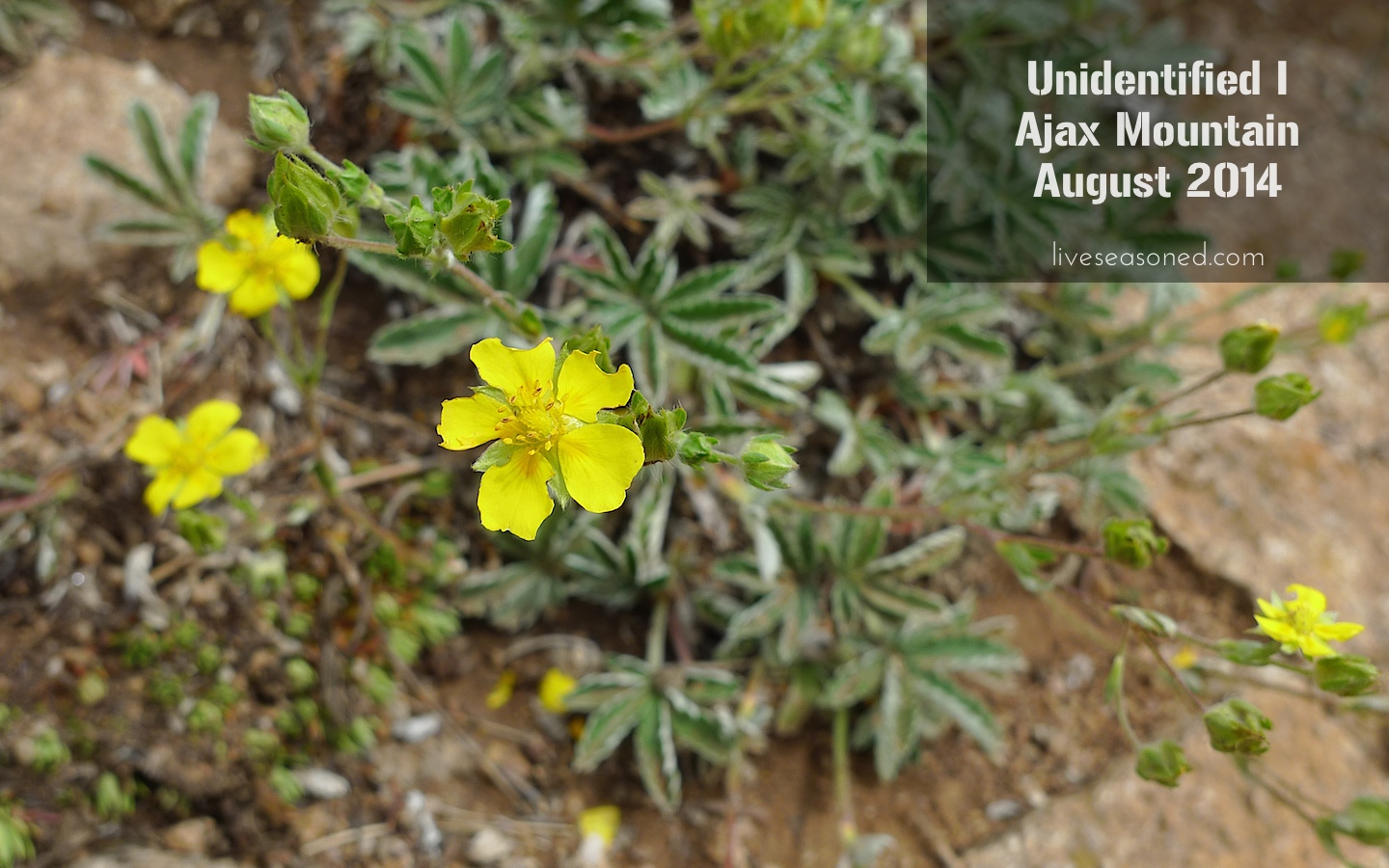
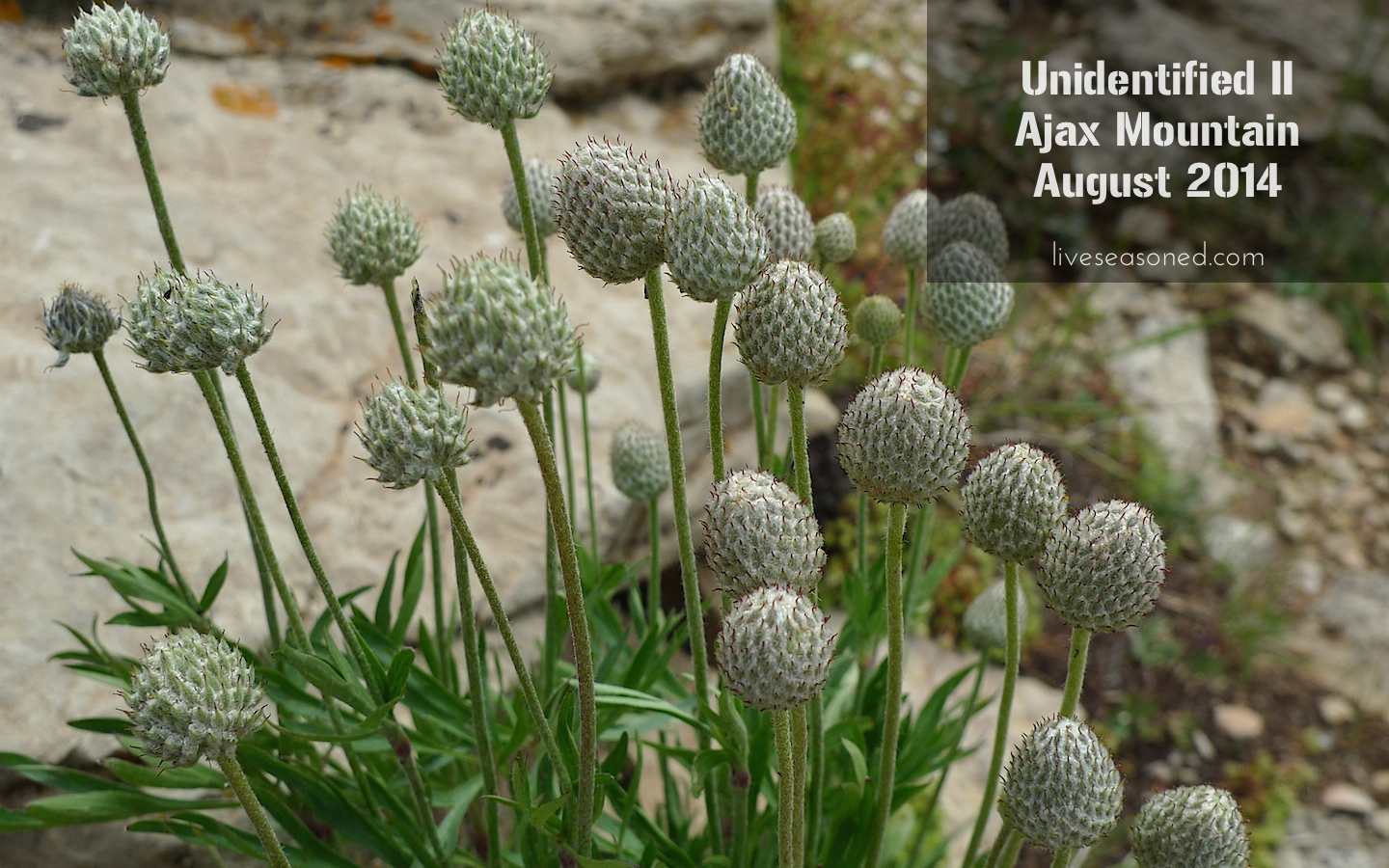
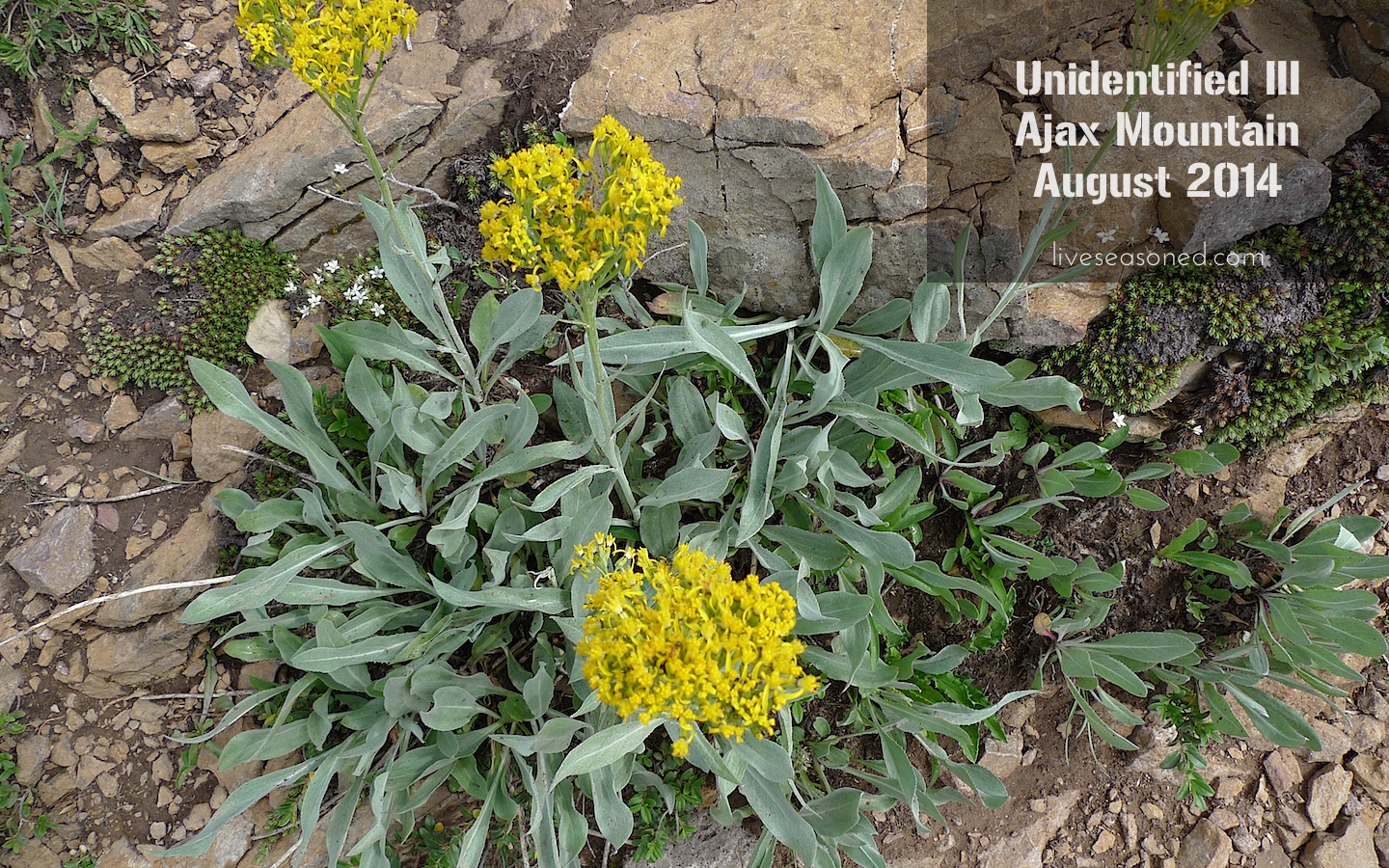
This was our third hike and I was excited to see yet more wildflowers in bloom. Unfortunately, I didn’t take a guide with me and had trouble identifying some new-to-me species from the photos. If you have any clues as to the names of the unidentified flowers below, I would really appreciate it!

liveseasoned_summer2014_aspen4

liveseasoned_summer2014_aspen7

liveseasoned_summer2014_aspen17

liveseasoned_summer2014_aspen18

liveseasoned_summer2014_aspen19

liveseasoned_summer2014_aspen5

liveseasoned_summer2014_aspen9

liveseasoned_summer2014_aspen10

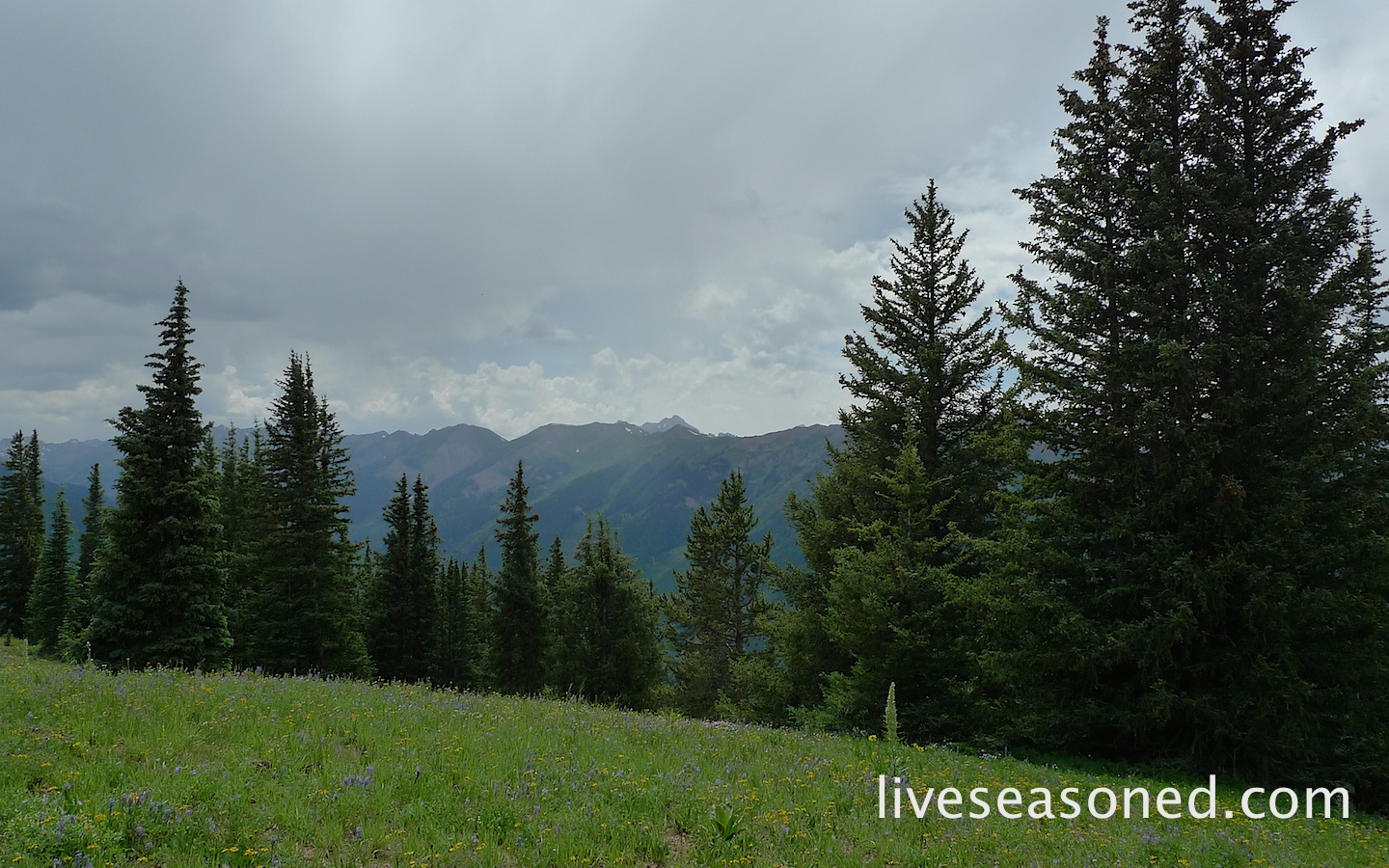
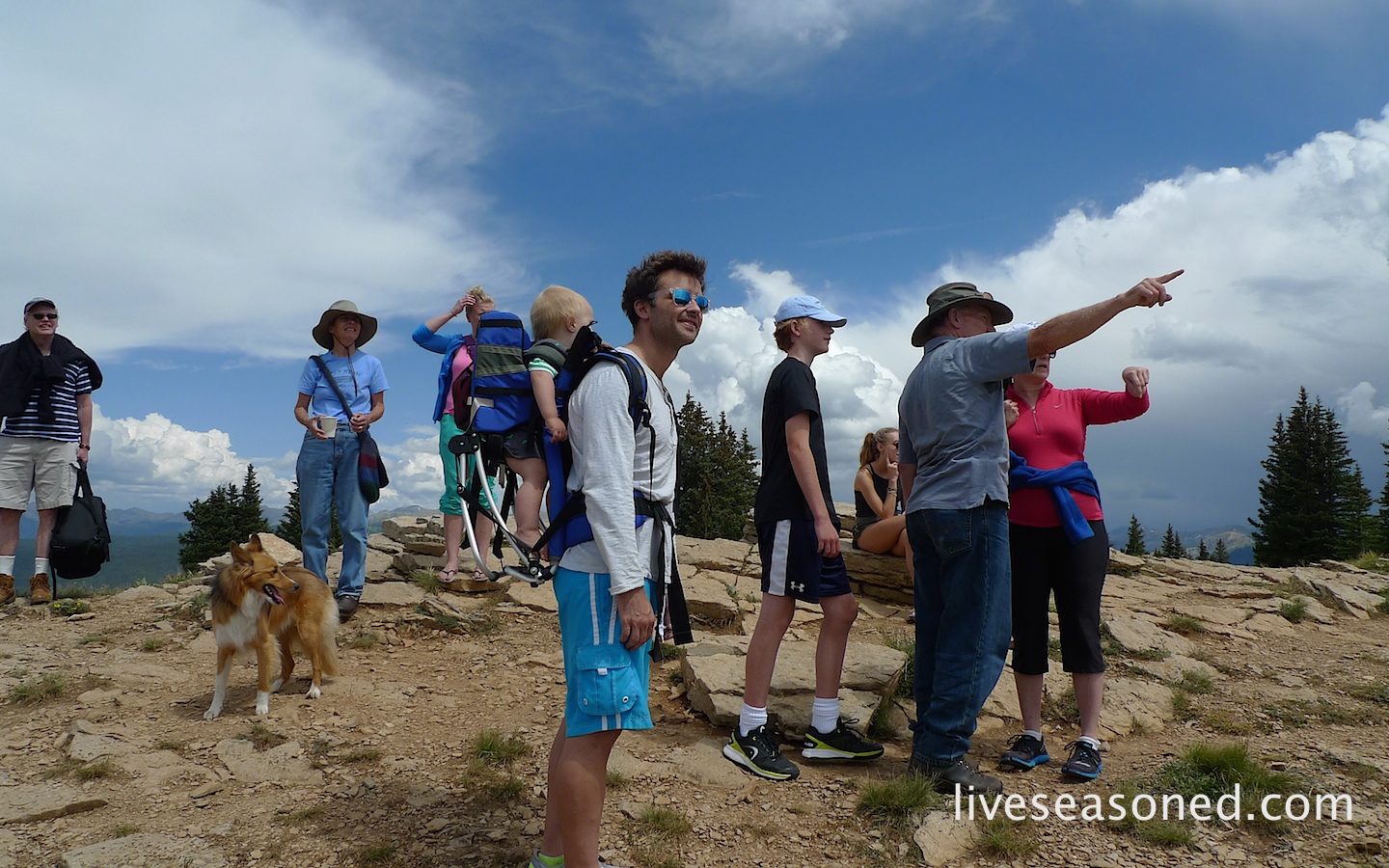
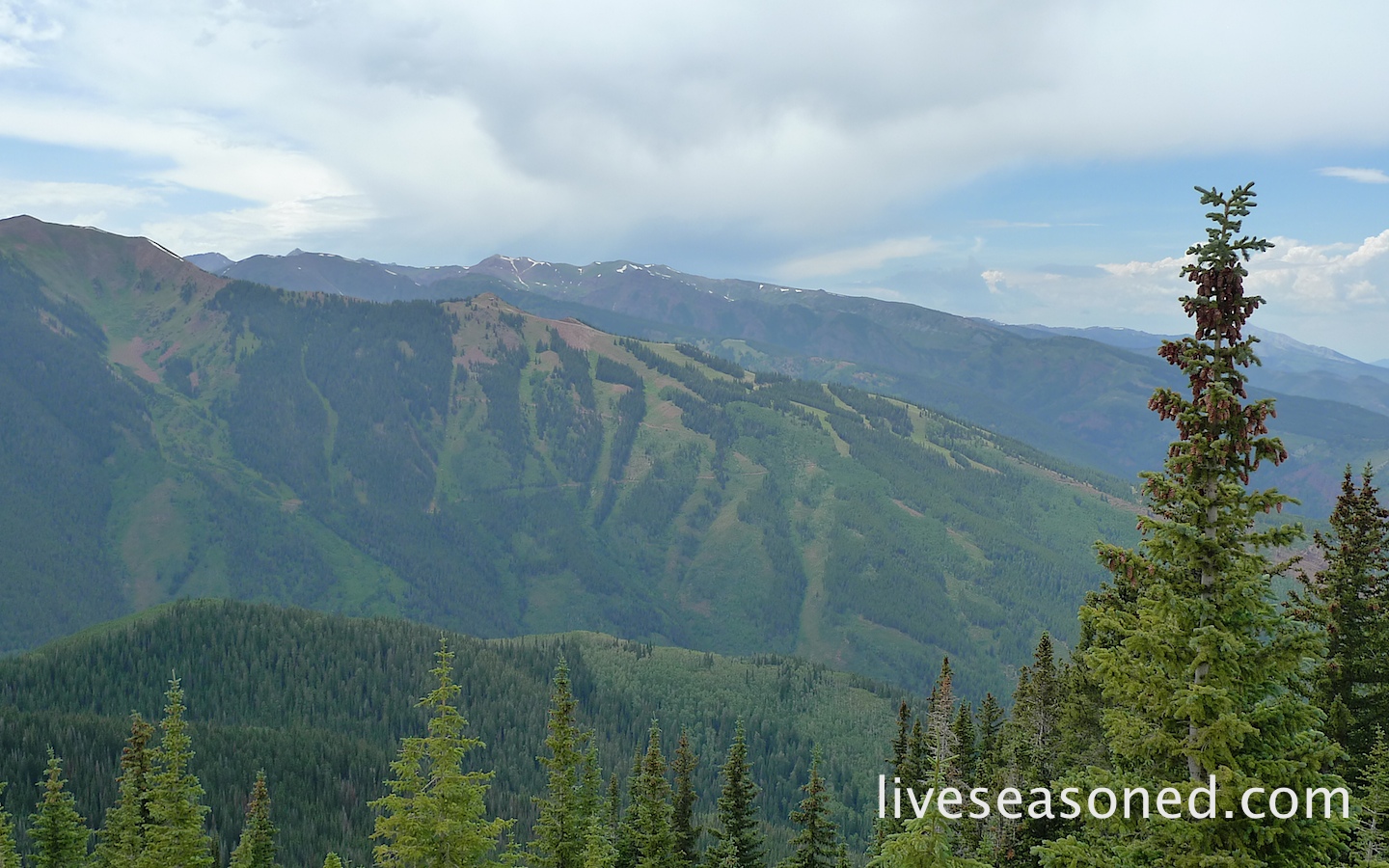
We hiked out to the point where there was a perfectly clear view of the Aspen Highlands ski resort. At this point, you can also see the very top of one of the two Maroon Bells peaks. We spent some time sitting here, letting Little A out of the pack to tool around and throw some rocks, while C and I talked to other hikers. It seemed to be a common stopping/turning point for many people.

liveseasoned_summer2014_aspen6
liveseasoned_summer2014_aspen8

liveseasoned_summer2014_aspen11

Extra Details:

  • During the summer months, the gondola’s open daily from 10:00am-4:00pm. A single ticket costs $19.00, but if you’re staying for a few days, or planning to take the bus up to Maroon Bells, they have a great package for $29.00.
  • Of course, you’re welcome to skip the gondola and turn this into a more rigorous, multi-hour hike by starting your walk from the bottom of the mountain. This is something that you can do any time of day in the summer, but only before the gondola opens during ski season.
  • This is probably obvious, but take sunscreen and a hat! You’ll be more comfortable because the sun is bright and there are plenty of areas without tree cover.

liveseasoned_summer2014_aspen15

Colorado Hike : Chautauqua Park

We love to get out for hikes as often as possible and thought it would be fun to document these little adventures, like our recent trip to Maroon Bells.

liveseasoned_summer2014_hike1

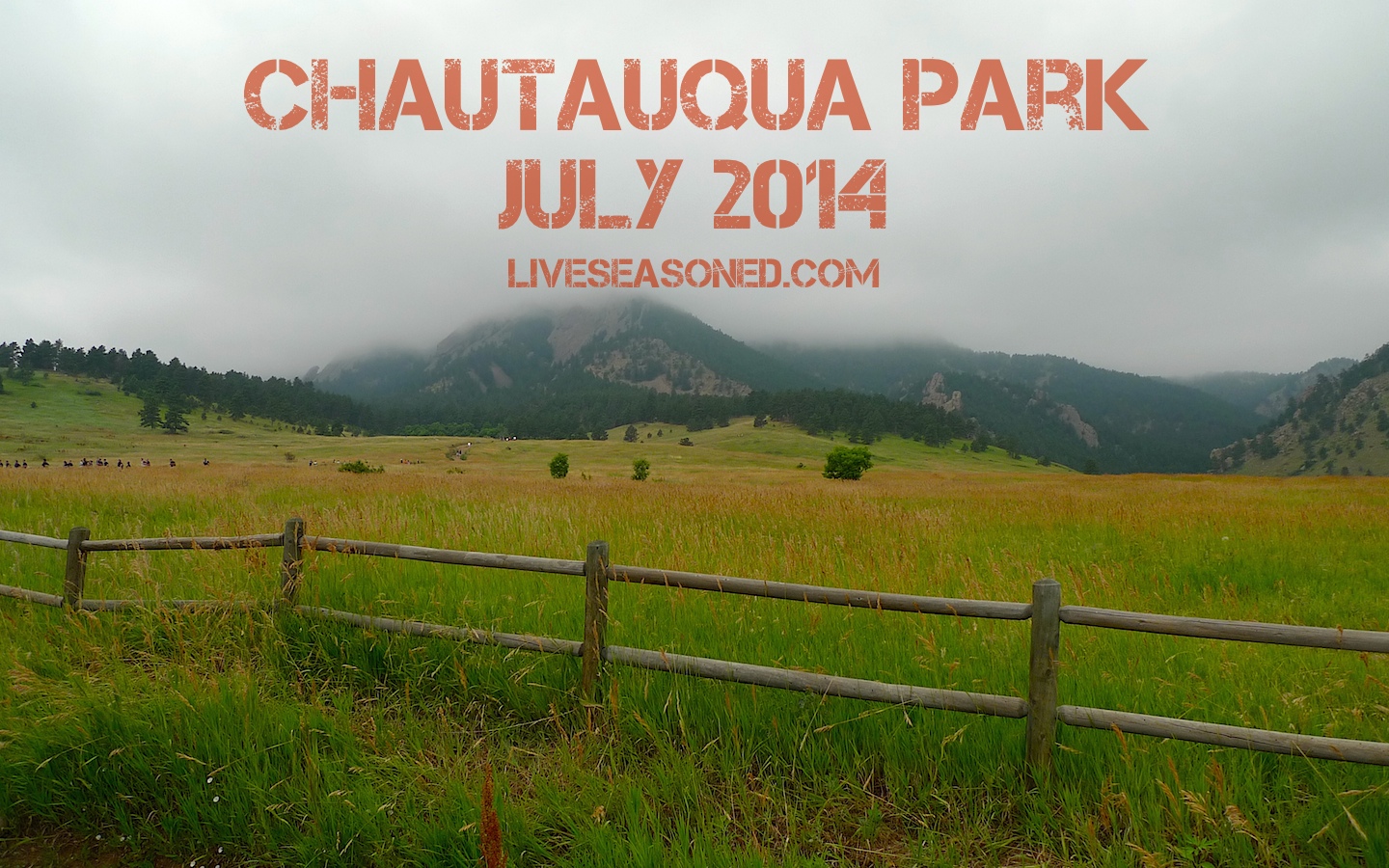
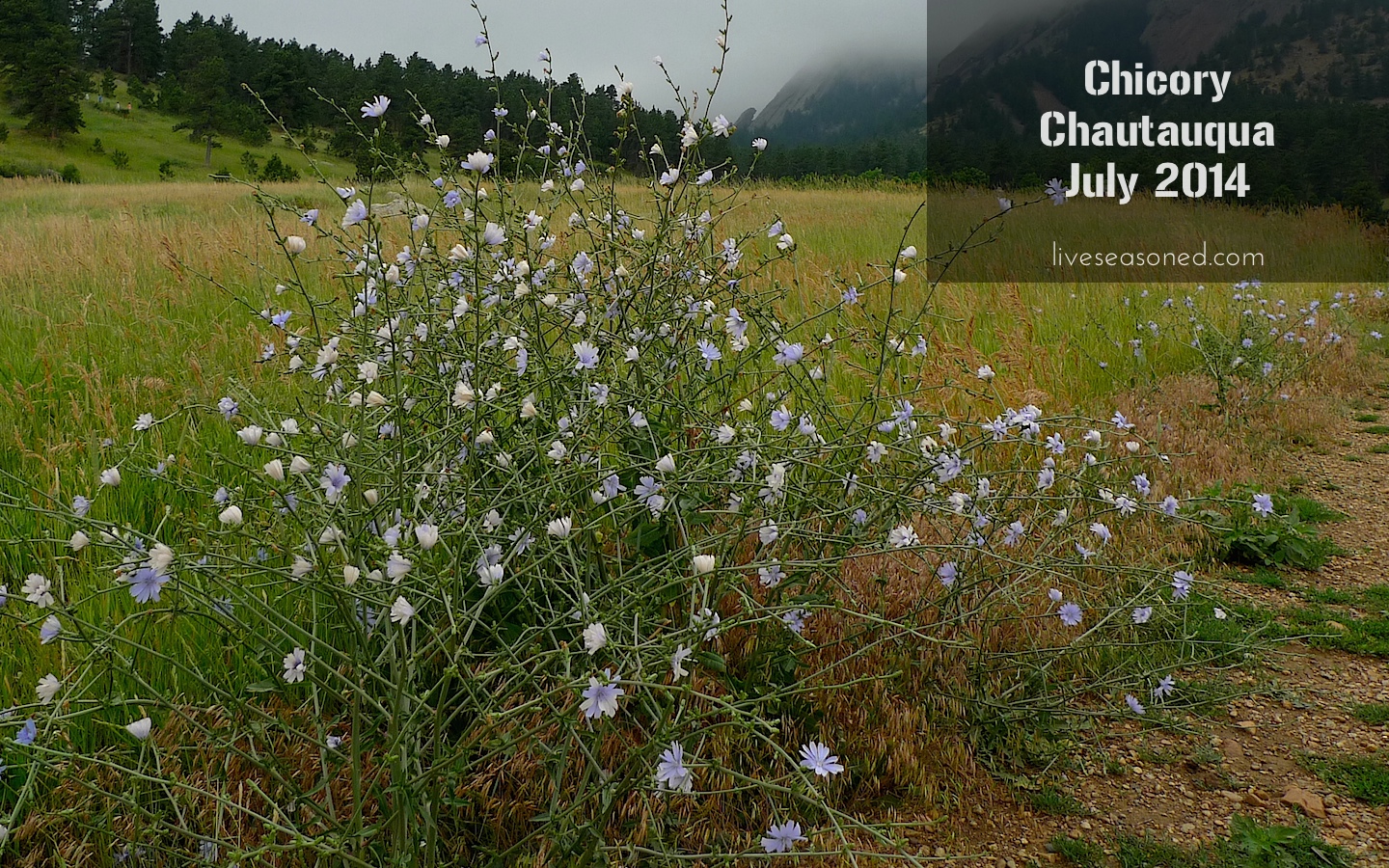
Last weekend we decided to stay close to home, wanting to explore more of what Boulder has to offer, so for our weekend hike, we headed to Chautauqua Park (pronounced with a soft “shhh” for the CH – I’m still getting the hang of it!). Chautauqua was one of the older open space areas purchased by the city over 100 years ago when it began preserving wild lands. The park is home to the Colorado Chautauqua  Association, which provides cultural and educational programs throughout the year. Among its many buildings and features, the Association has a dining hall, general store, and cottages that you can rent! On this particular day we skipped all of the buildings and headed straight for the hills, but we’re hoping to stop into the dining hall for brunch after our next hike.

**Before moving to Boulder, I was unfamiliar with Chautauqua, the adult education movement. Were you?

liveseasoned_summer2014_hike2

liveseasoned_summer2014_hike4

Arriving at the park, we knew it was a popular weekend destination, but were overwhelmed by just how many people were there. These pictures don’t do the crowds justice. At all times there were people in front of us, behind us, scaling the rock face to our right and left. There were babies laughing (and crying), there were more college-age girls chatting away than I wish to remember. Ugh, it was crowded. But, the scenery totally made up for it, and I can’t wait to get back out there on a weekday. A friend also tipped me off that if we start at Four Pines on King St., then we won’t hit the crowds. Keep that secret.

liveseasoned_summer2014_hike5

Before heading out, we asked for some trail recommendations and received a number of excited responses suggesting Royal Arch Trail, but it was still closed for raptor nesting.  So, with all of the well-marked trails in the park, we decided to wing it. We headed up Chautauqua Trail, made a left on Blue-Baird Trail, and then came back down on Bluebell Trail. In total, the hike took about an hour.

liveseasoned_summer2014_hike20

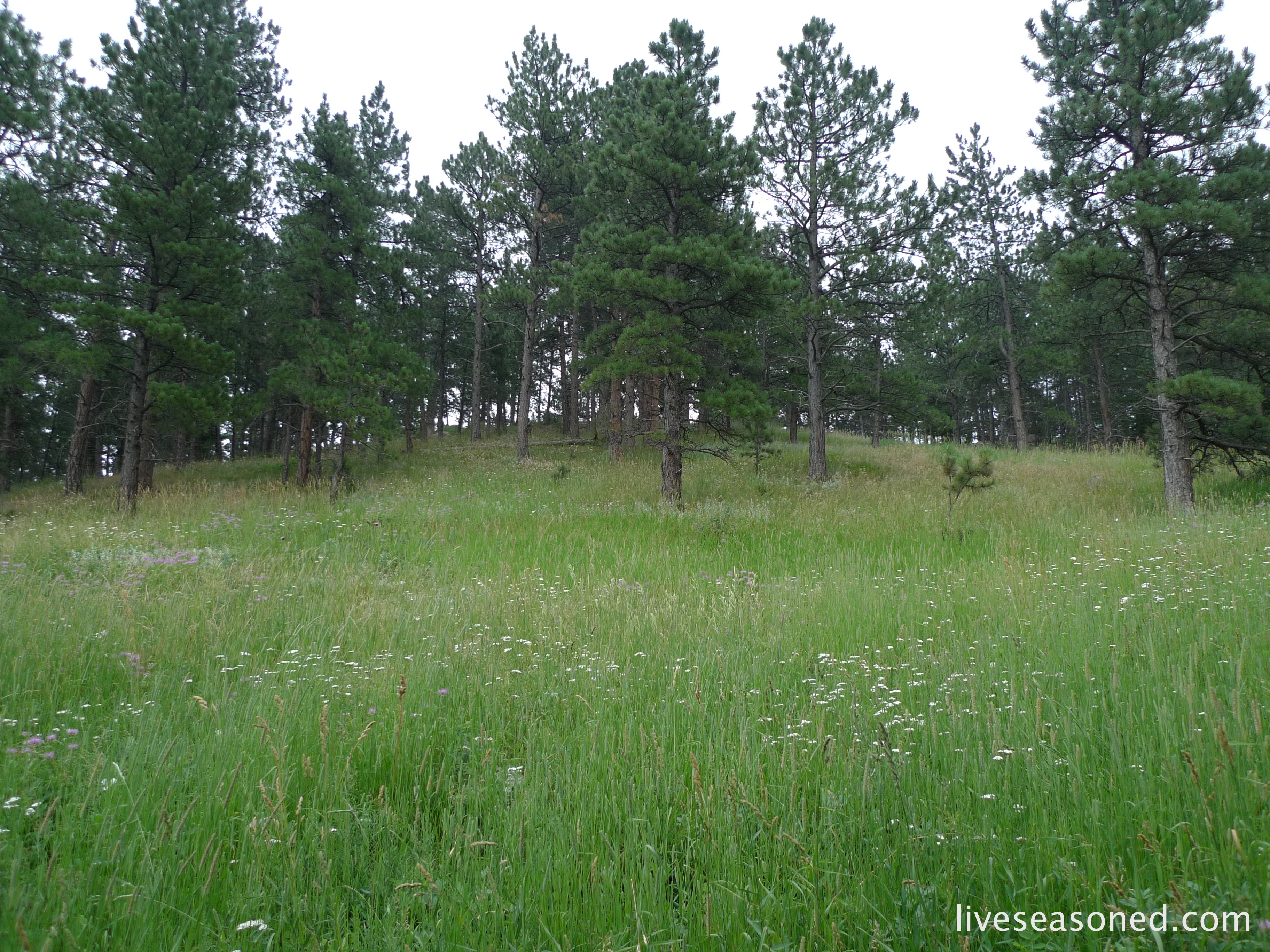
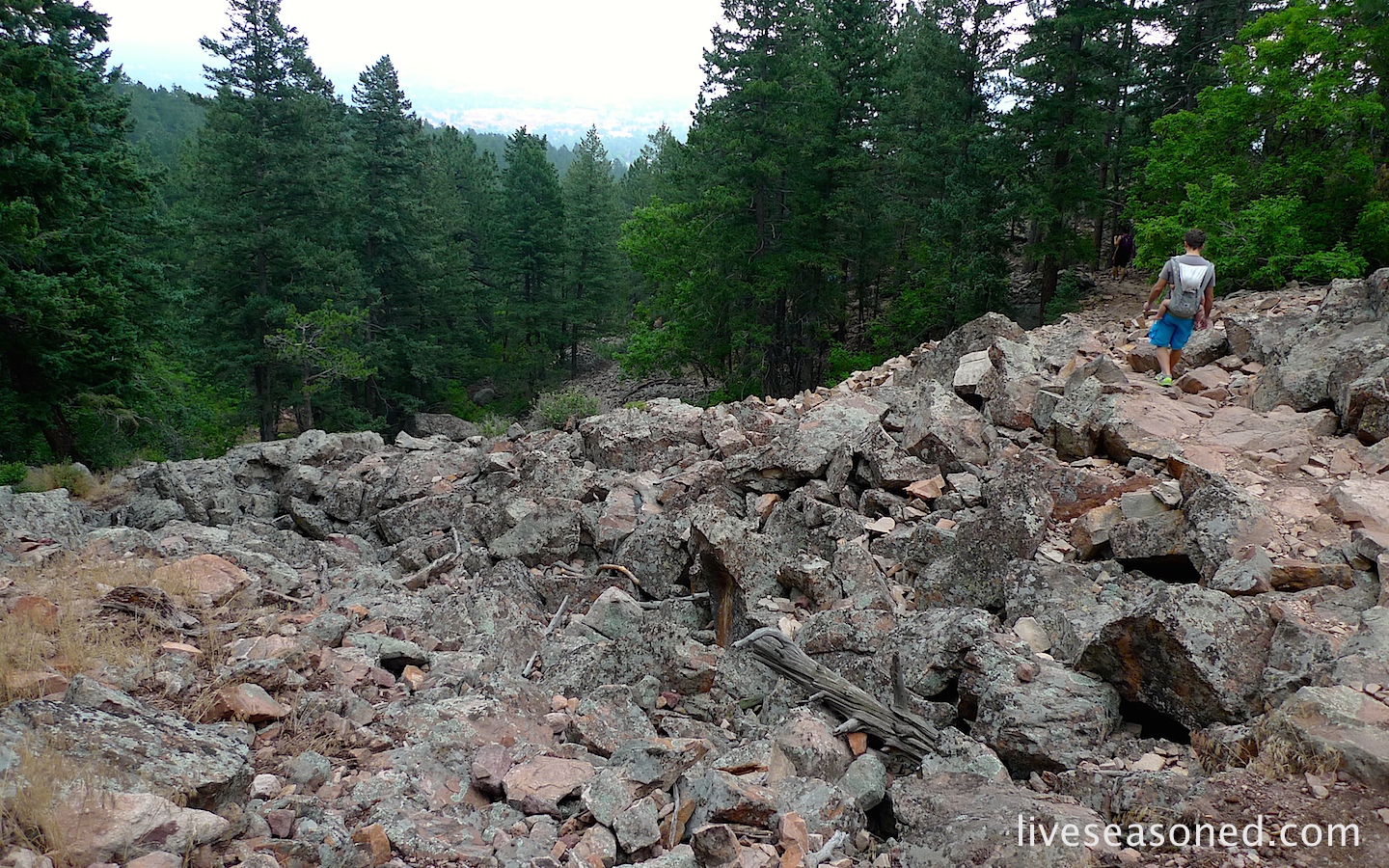
As you hike up the hill you leave the grasslands behind, entering the pine forests and areas of exposed bedrock and boulders of the Flatirons.

liveseasoned_summer2014_hike14

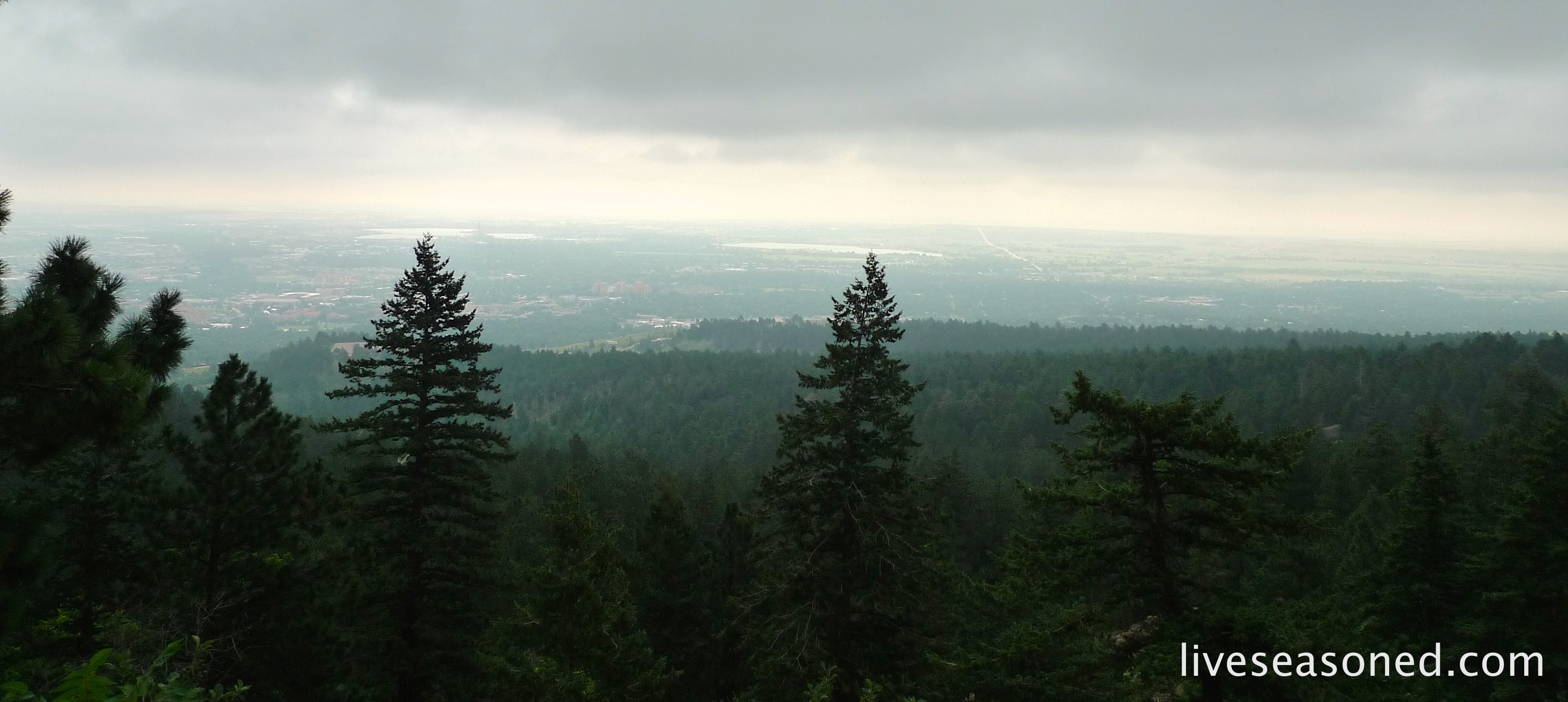
There are two climbers in the photo on the right above! They are near the top of the single pine tree that’s growing out of the rock face. Eventually, you reach a few open areas overlooking the city.

liveseasoned_summer2014_hike19

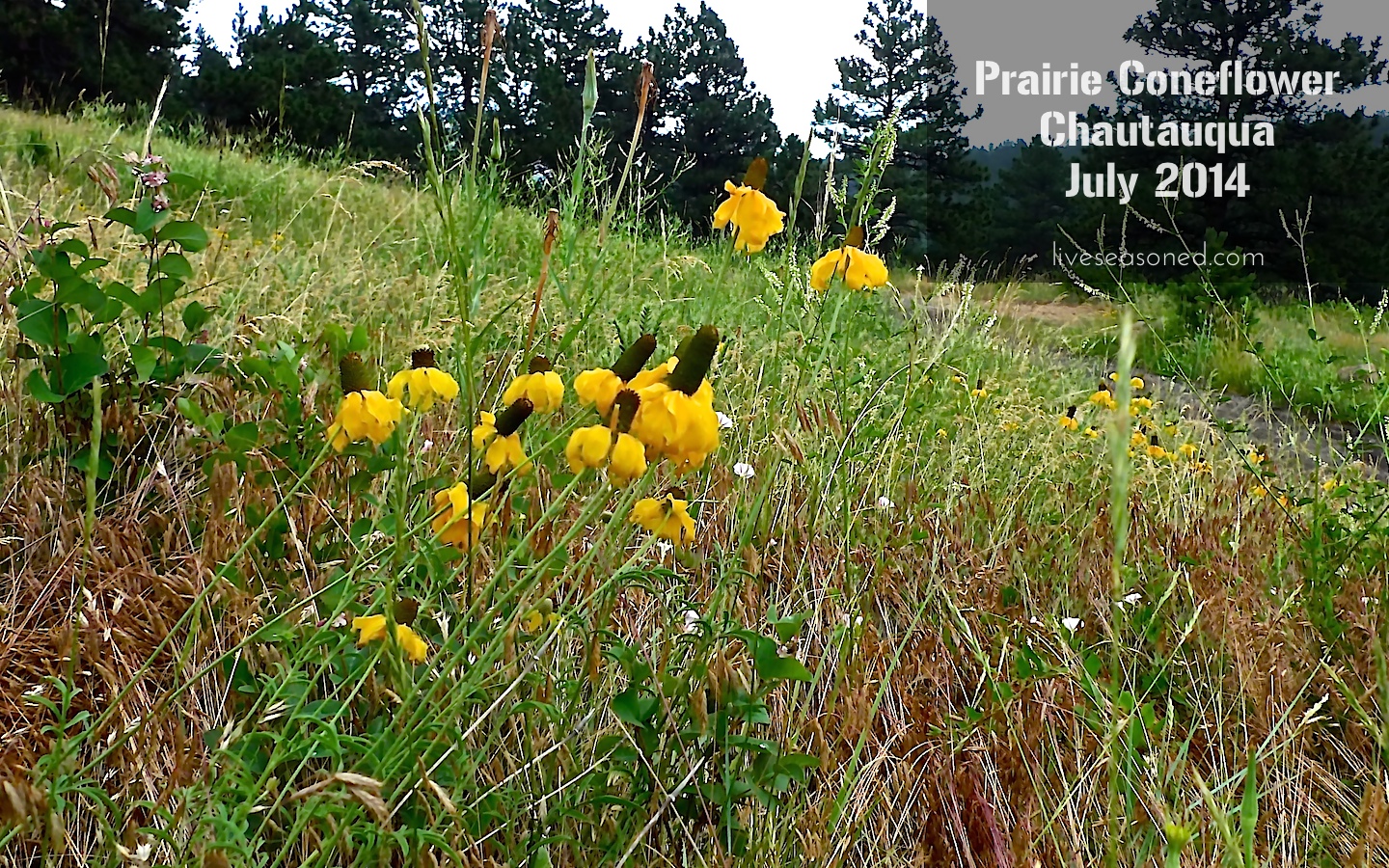
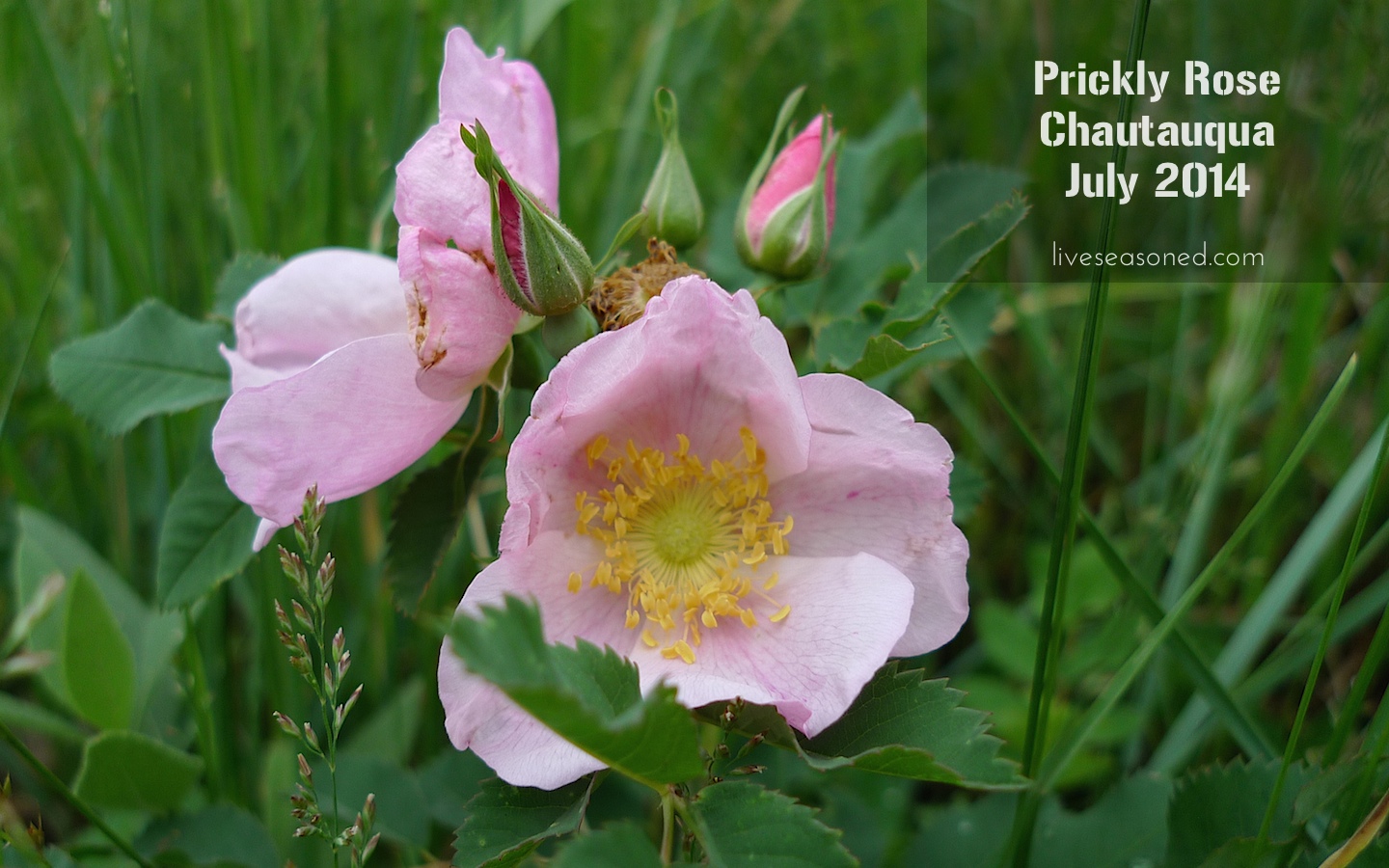
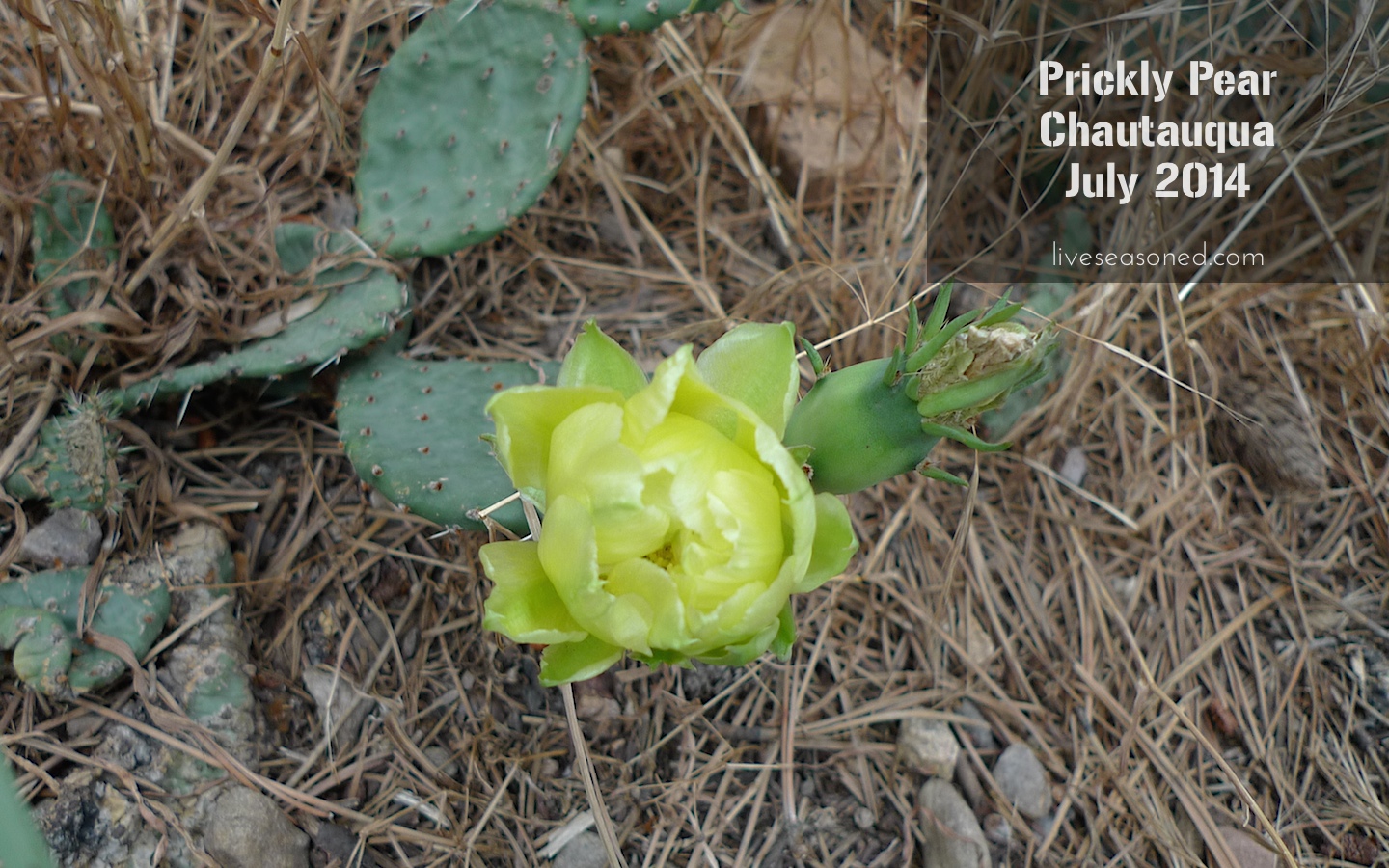
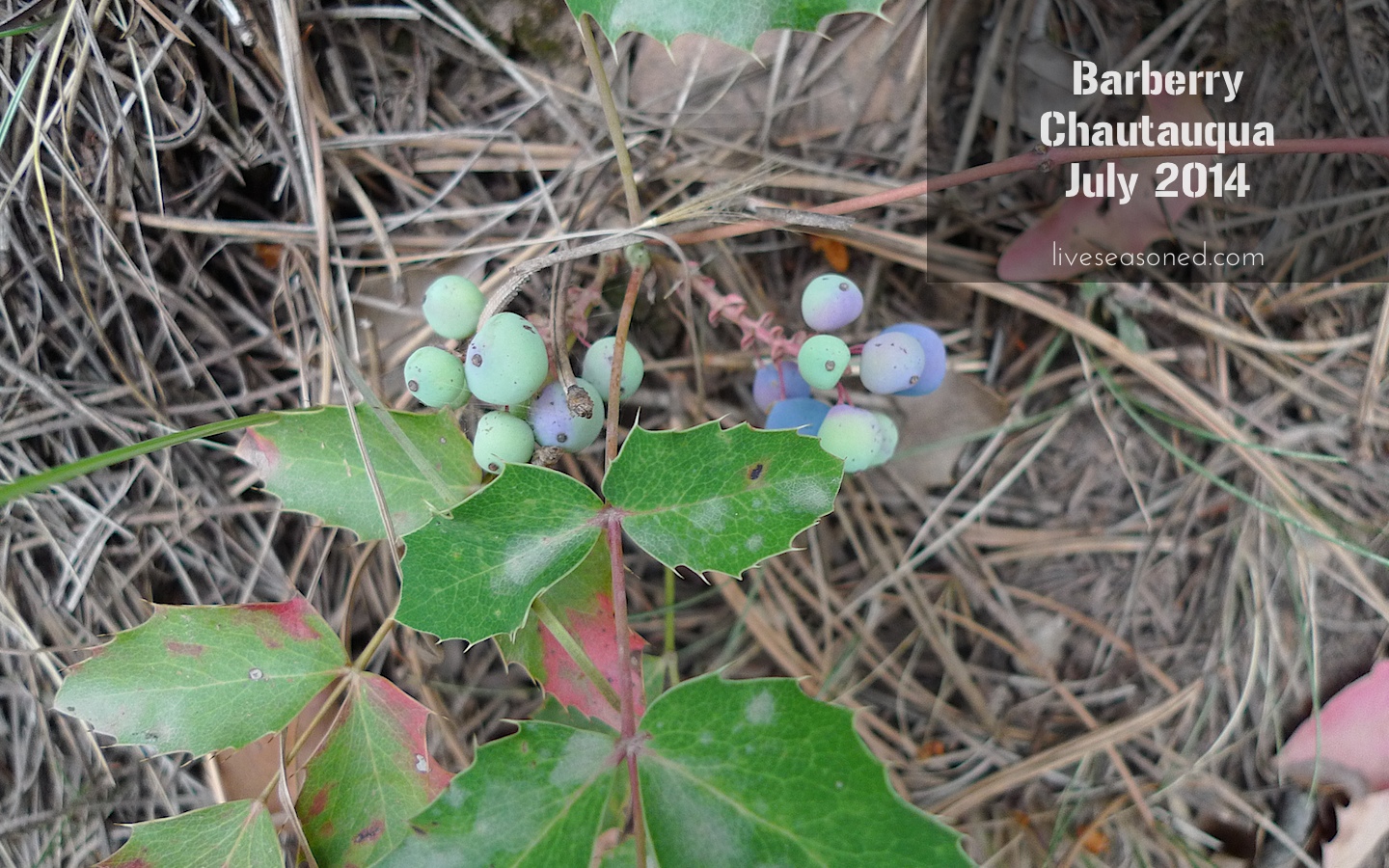
liveseasoned_summer2014_hike18Just like last week’s hike, there were plenty of flowers blooming here with a promise of more to come.

liveseasoned_summer2014_hike21

liveseasoned_summer2014_hike6

liveseasoned_summer2014_hike10

liveseasoned_summer2014_hike7

liveseasoned_summer2014_hike9

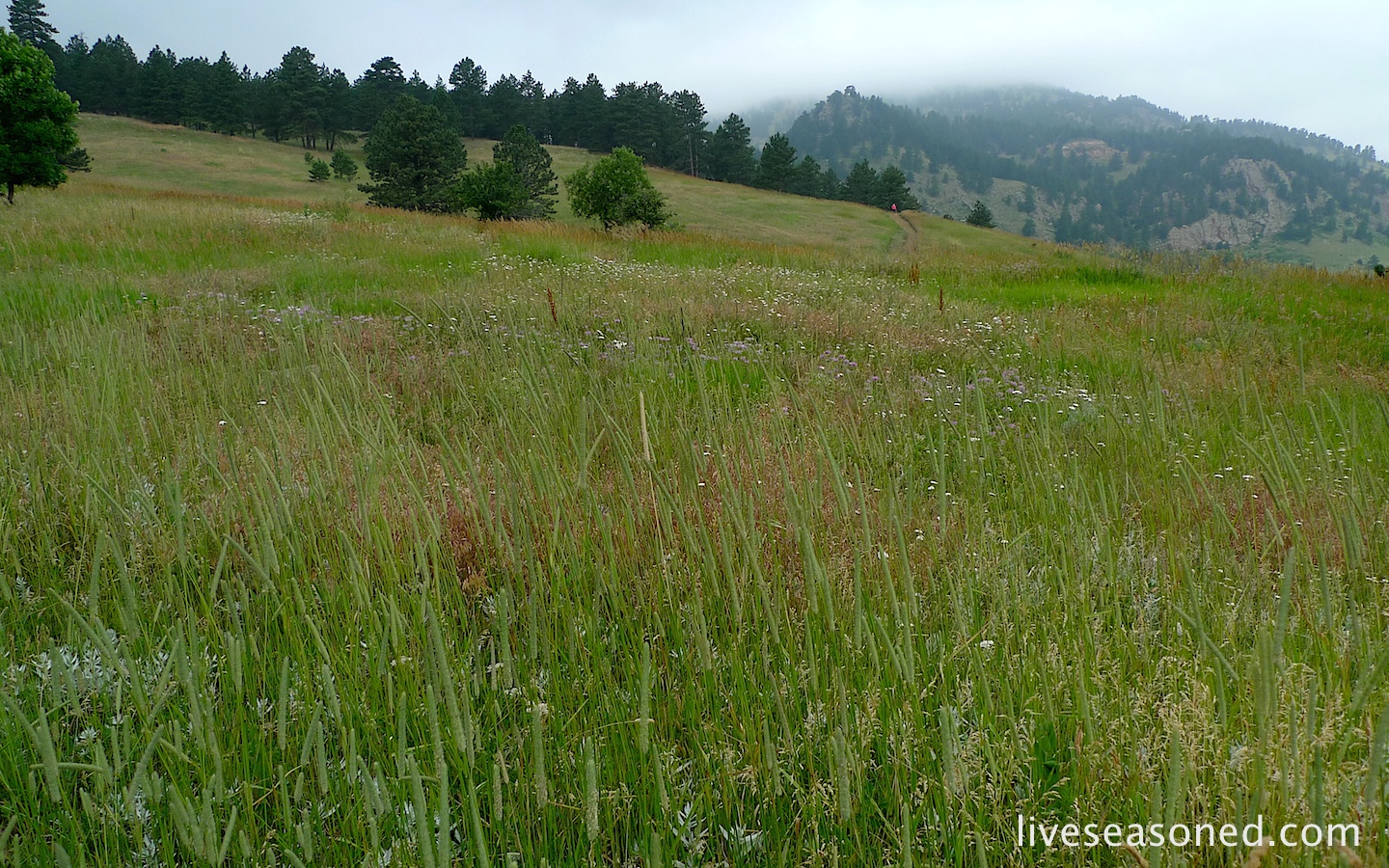
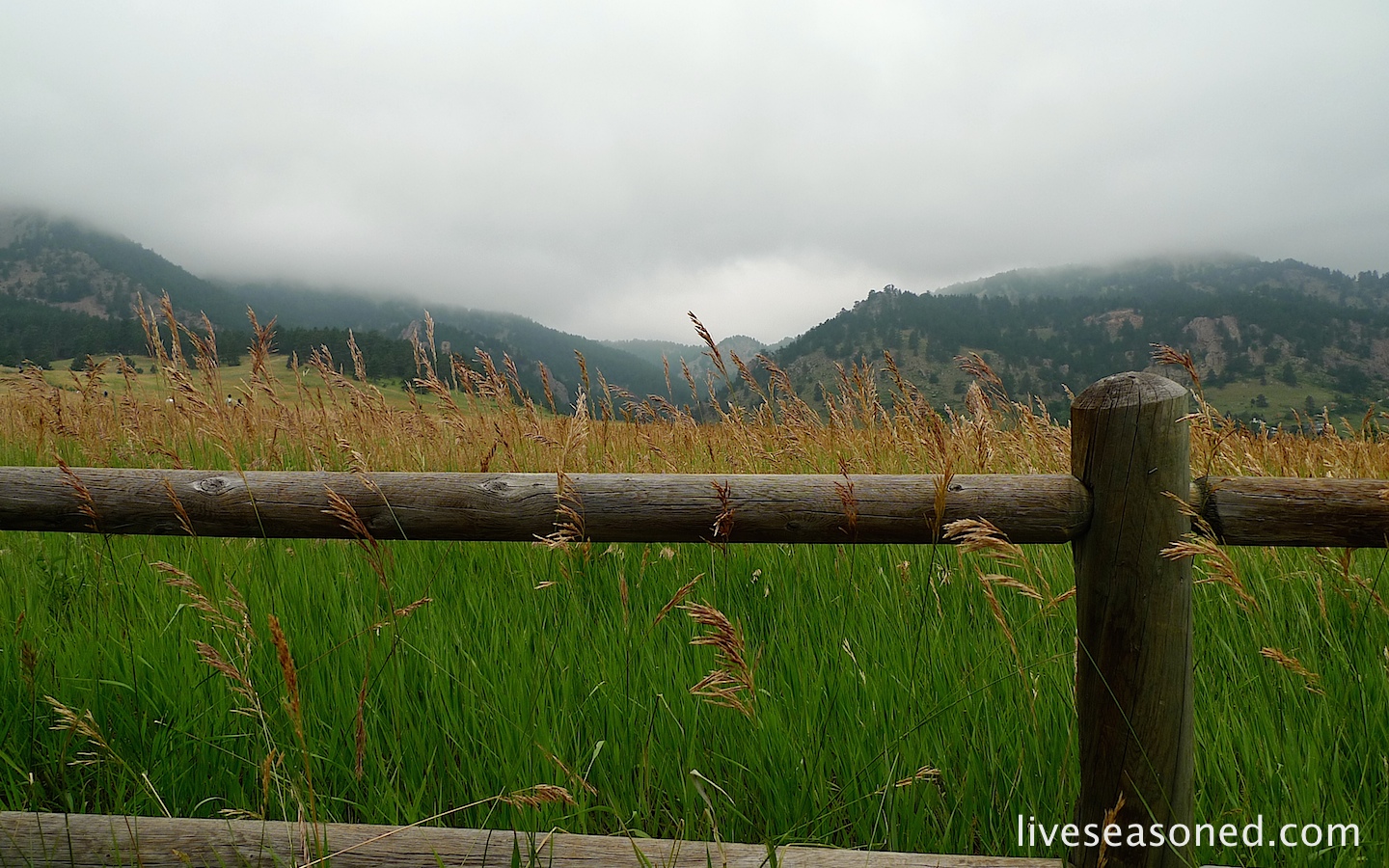
On our way back down the hill (mountain?) we left the pine trees behind and welcomed the grasses again. As you can see from these photos, the skies were overcast for our whole hike, but I think that worked to our advantage, keeping us cooler and less worried about sunburns as we walked.

liveseasoned_summer2014_hike12
liveseasoned_summer2014_hike13

Extra Details:

  • Knowing that the area is popular on weekends, we were worried about parking but easily found on-street parking a few blocks from the entrance.
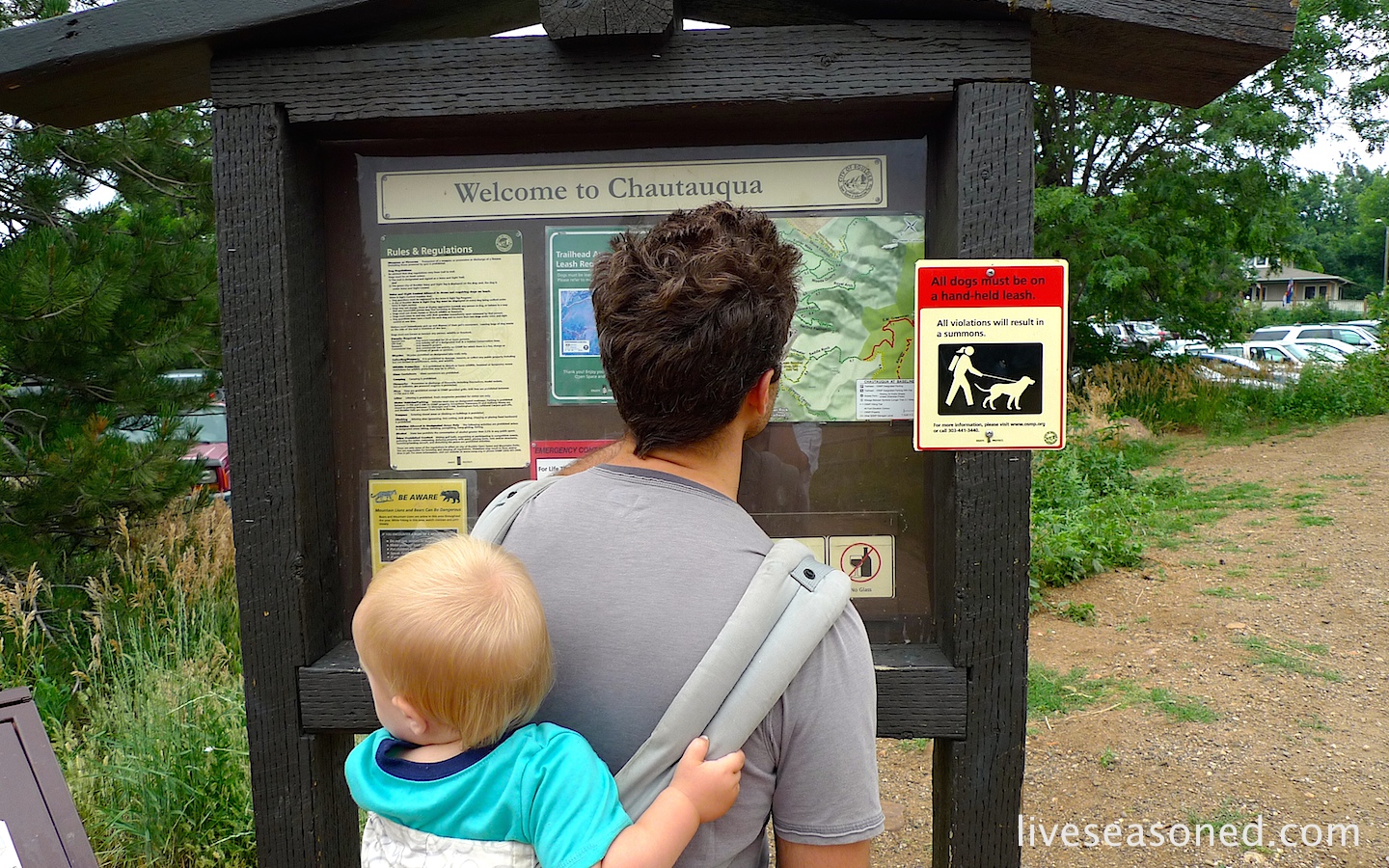
  • I had a hard time finding a good trail map online until I looked to Google. Google’s map of the park is great, with all trails well marked!
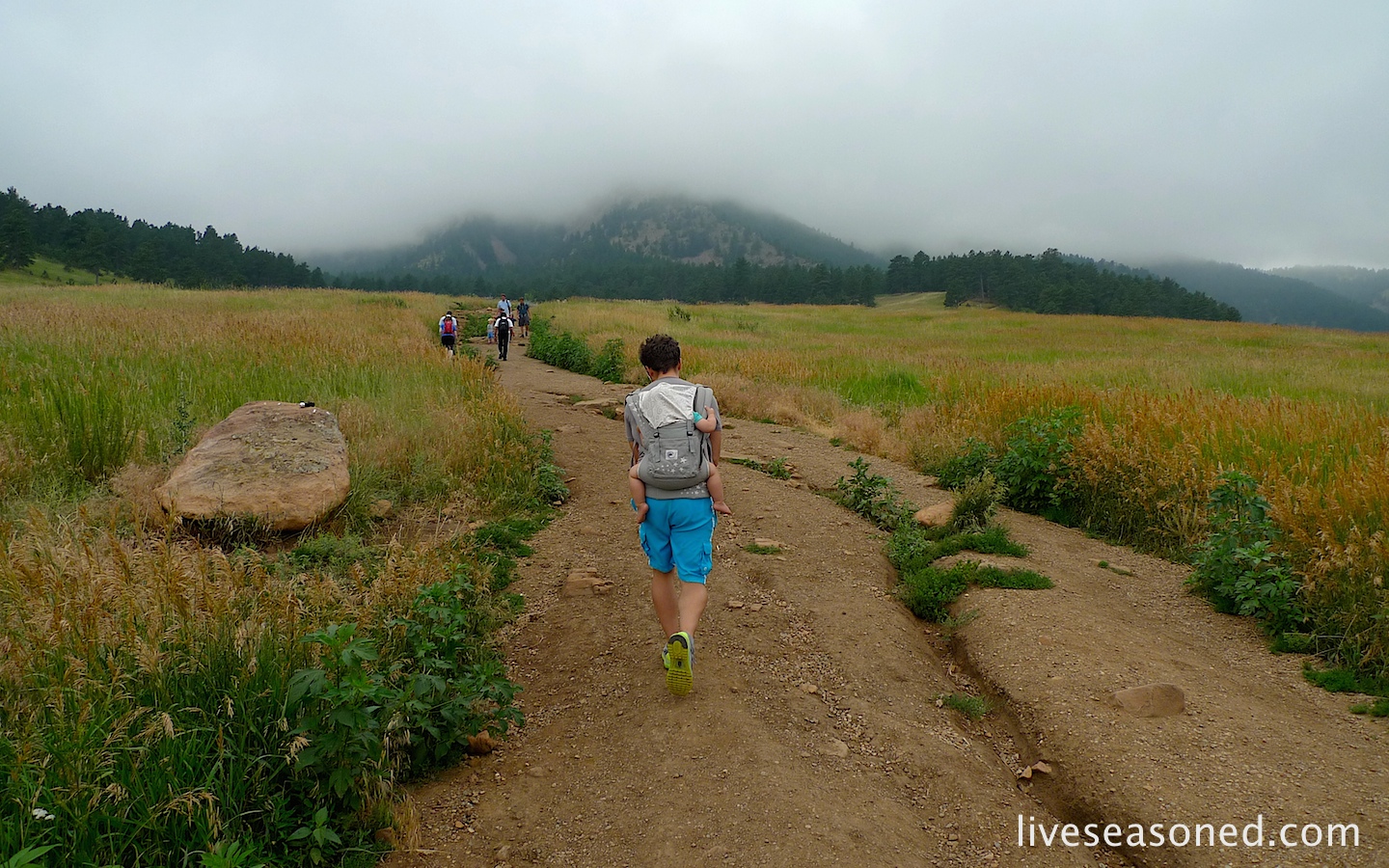
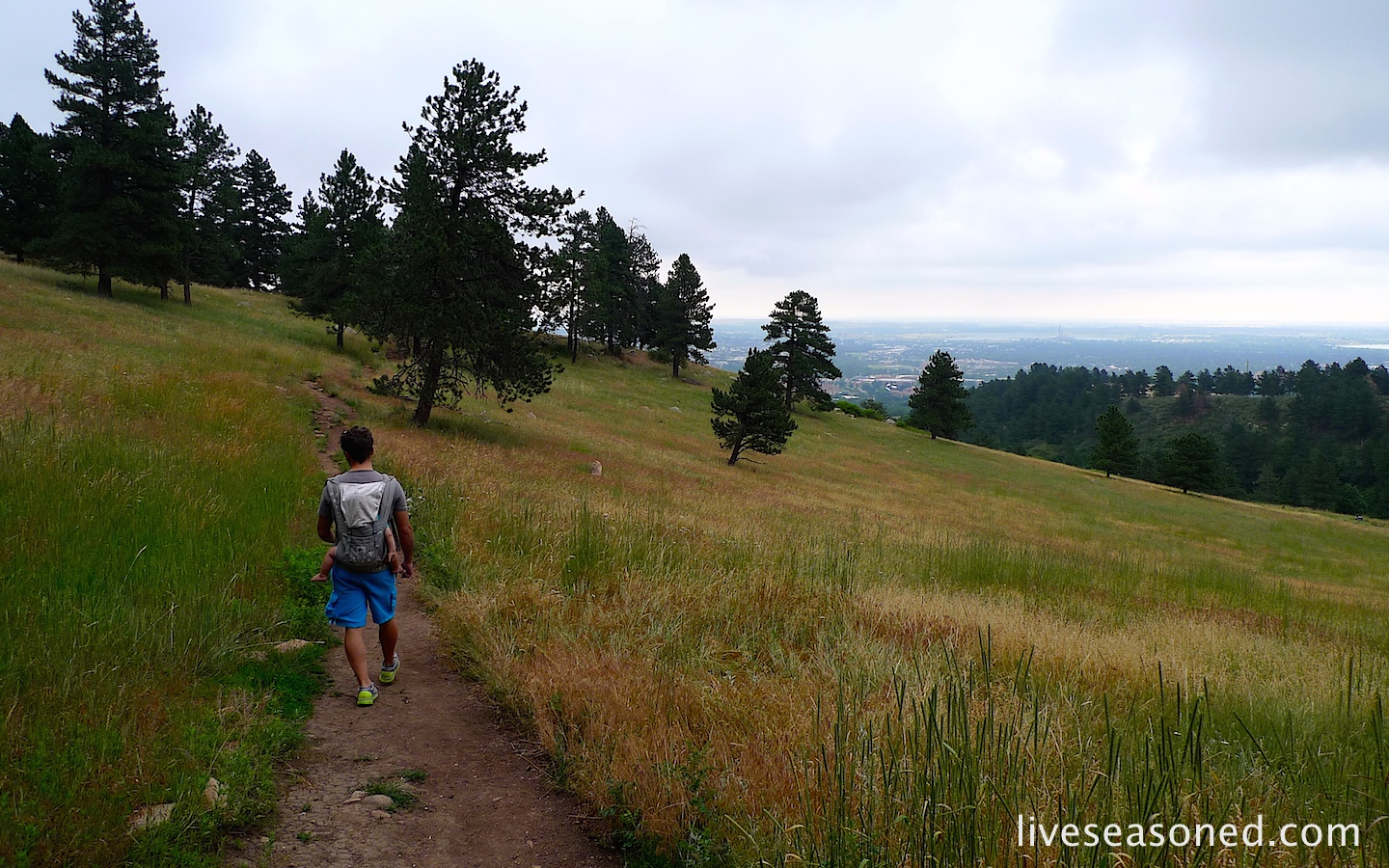
  • A hiking-with-kids tip: We knew we were heading out during Little A’s nap time, so rather than take the hiking carrier that doesn’t offer him anywhere to rest his head, we put him in the Ergo on Calder’s back. It was an easy carry for this short hike, and within a minute Alex was content and sleeping with his head supported between Calder’s back and the Ergo’s hood.

liveseasoned_summer2014_hike3


Colorado Hike : Maroon Bells

liveseasoned_summer2014_maroonbells_wm3

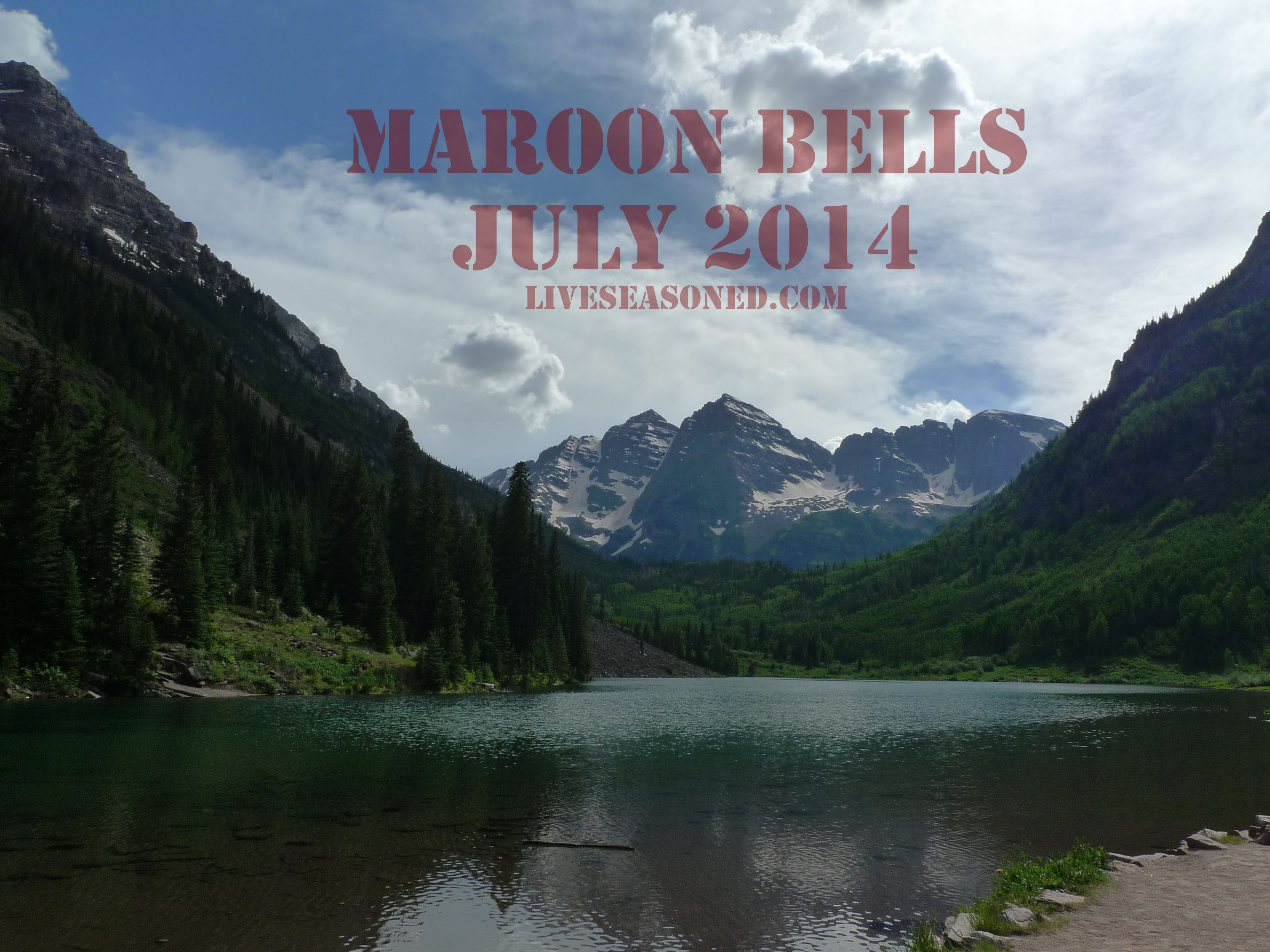
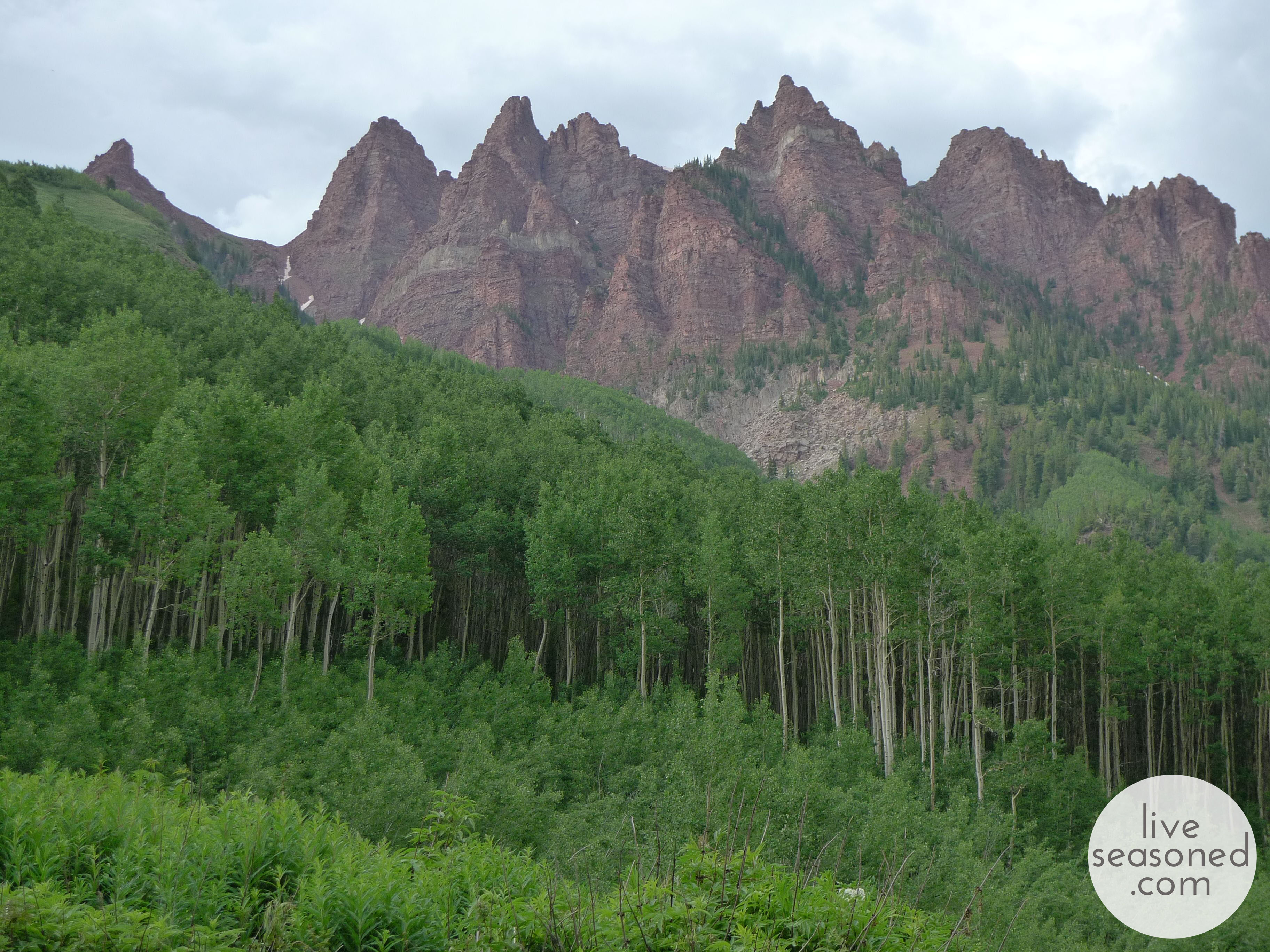
They say that the Maroon Bells, those two mountain peaks in the photo above, are the most photographed and famous scene in Colorado. I had never been, so we made it one of our small adventures over the Fourth of July weekend.

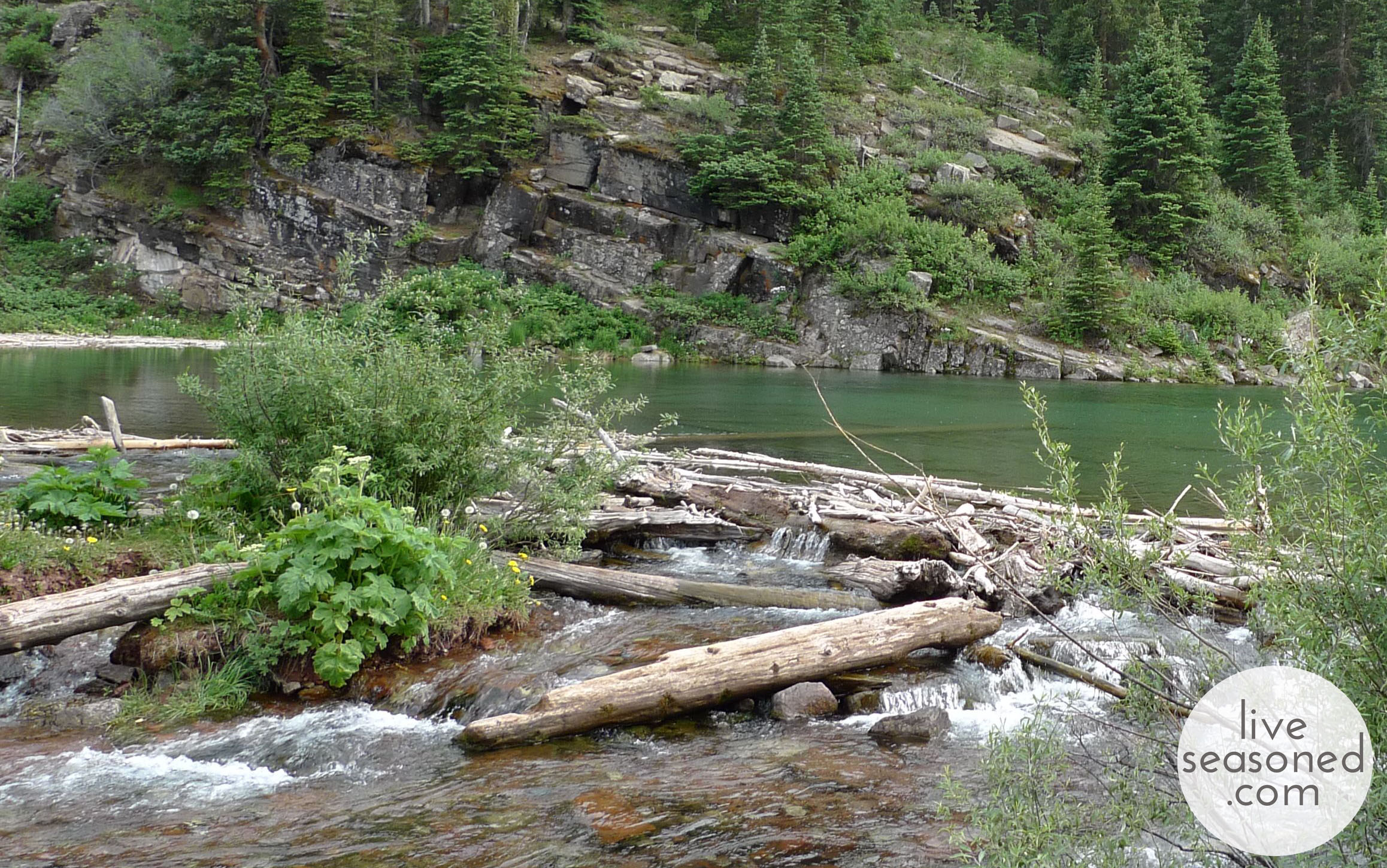
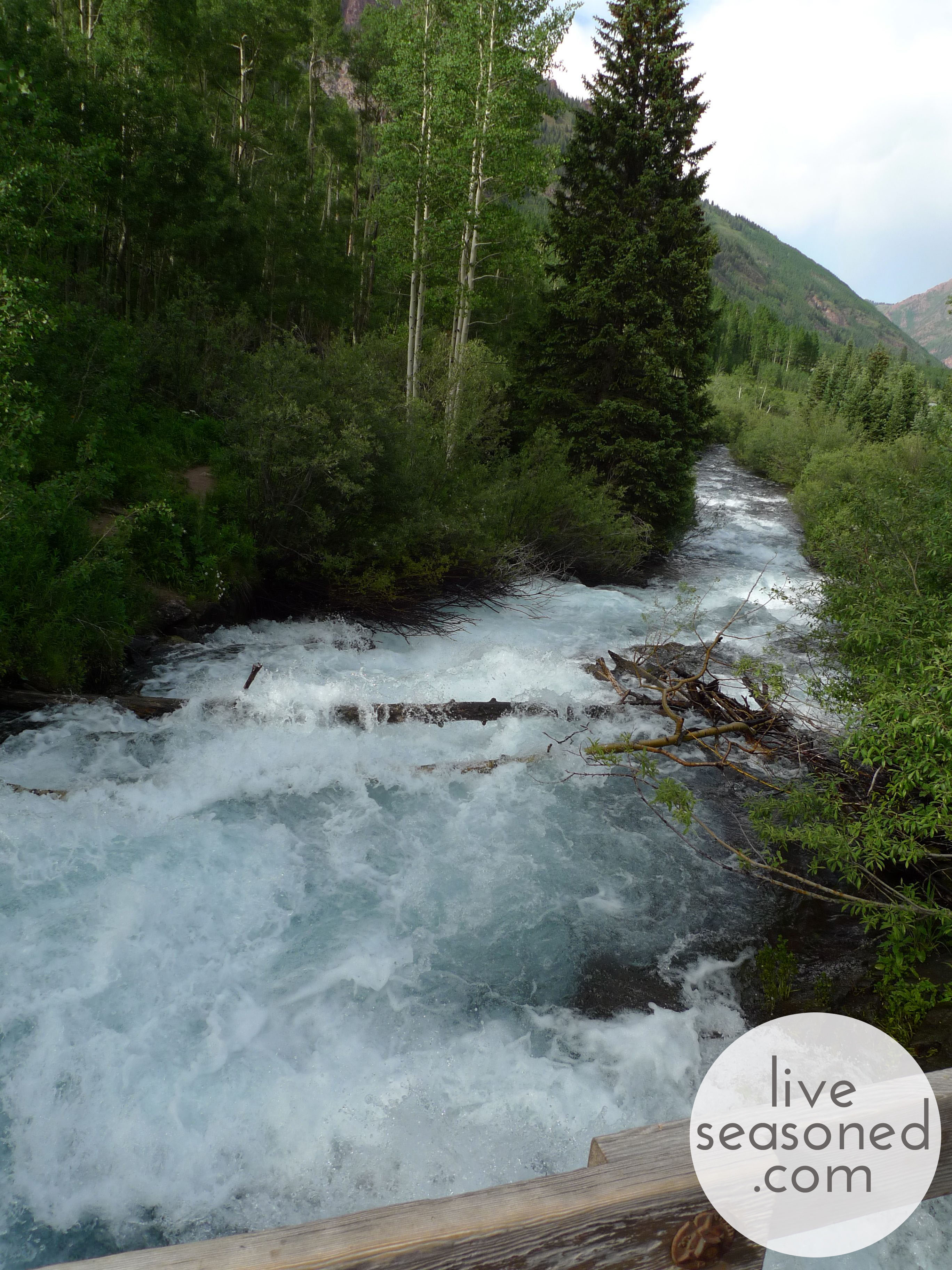
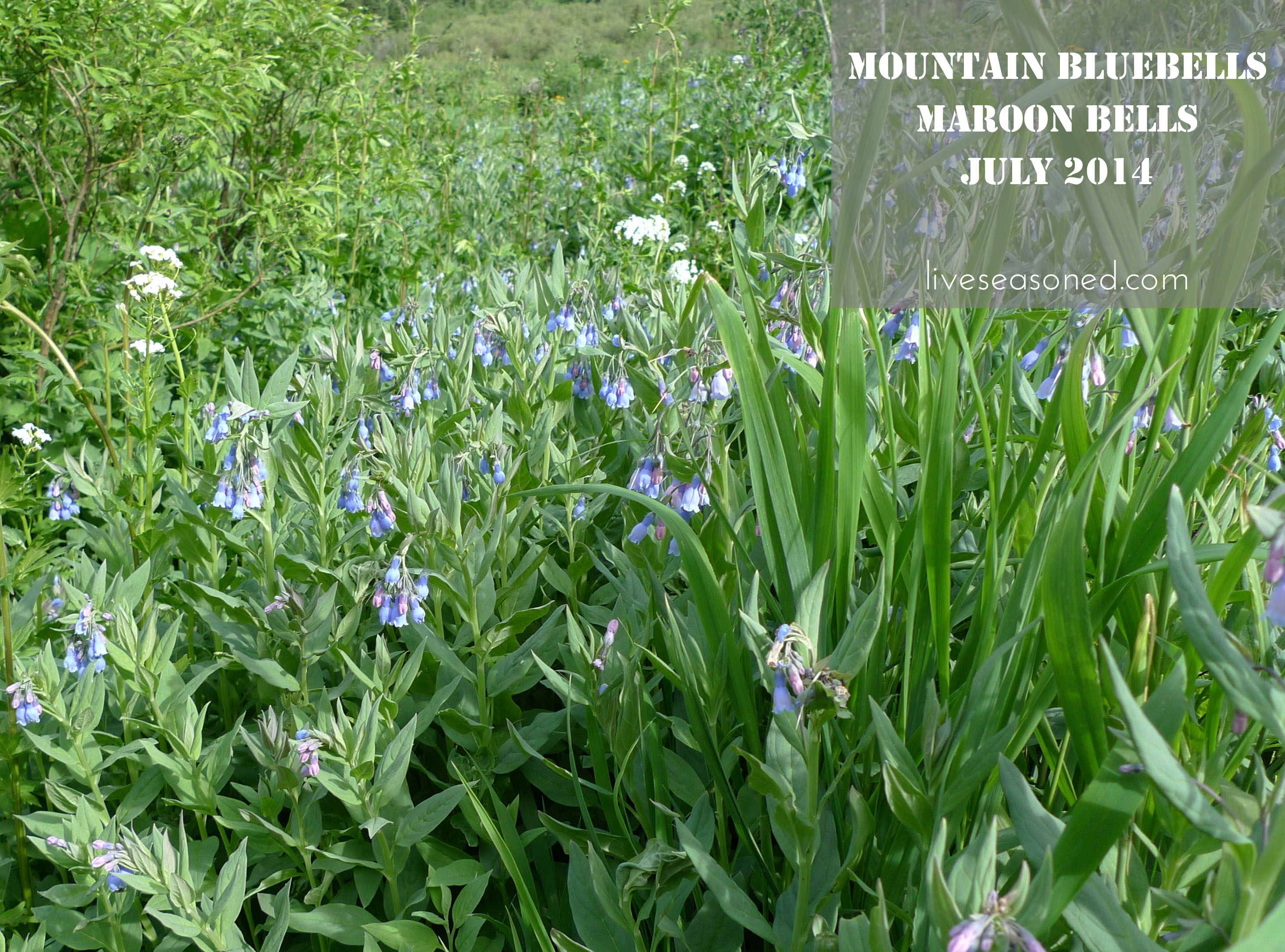
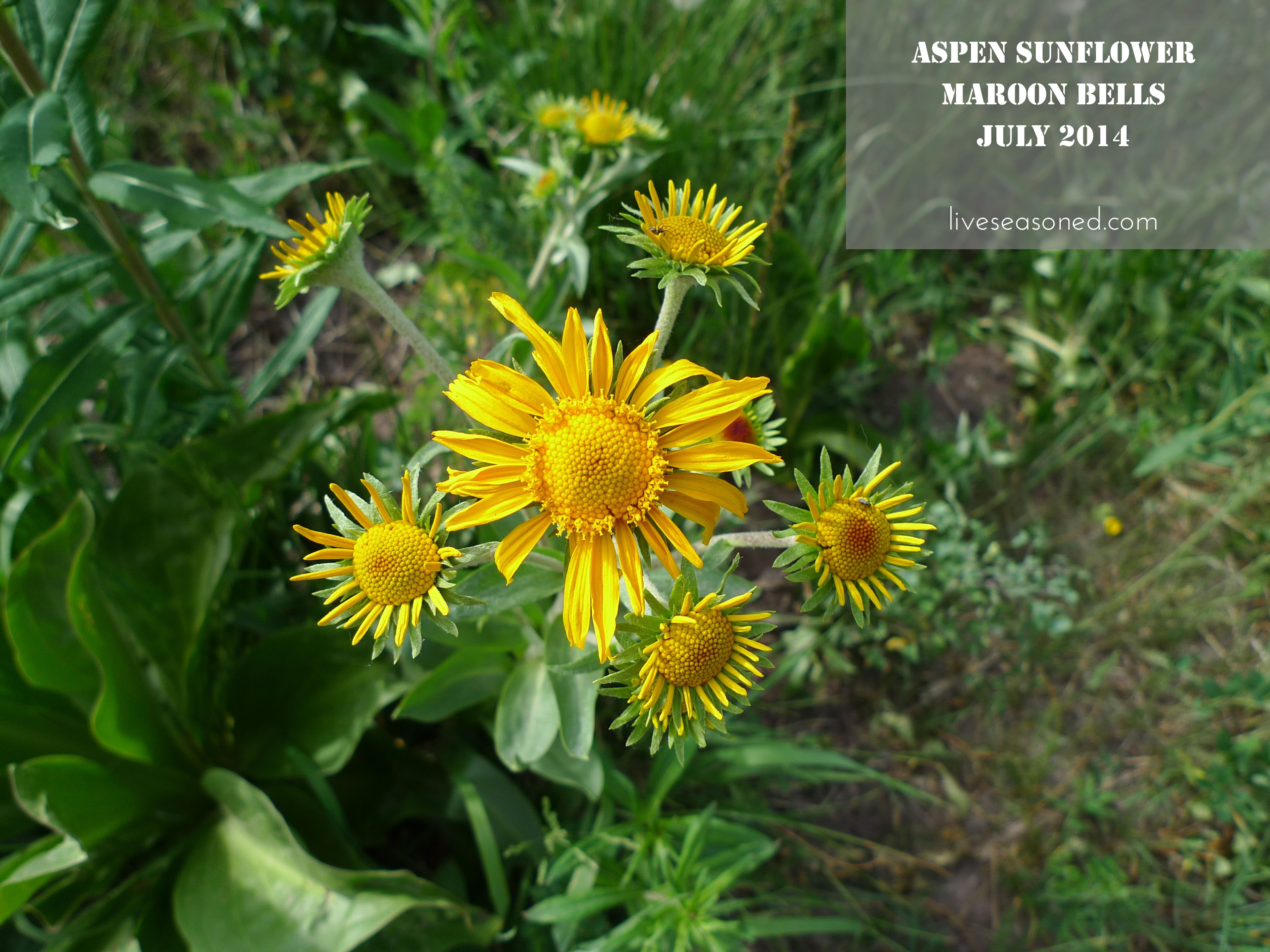
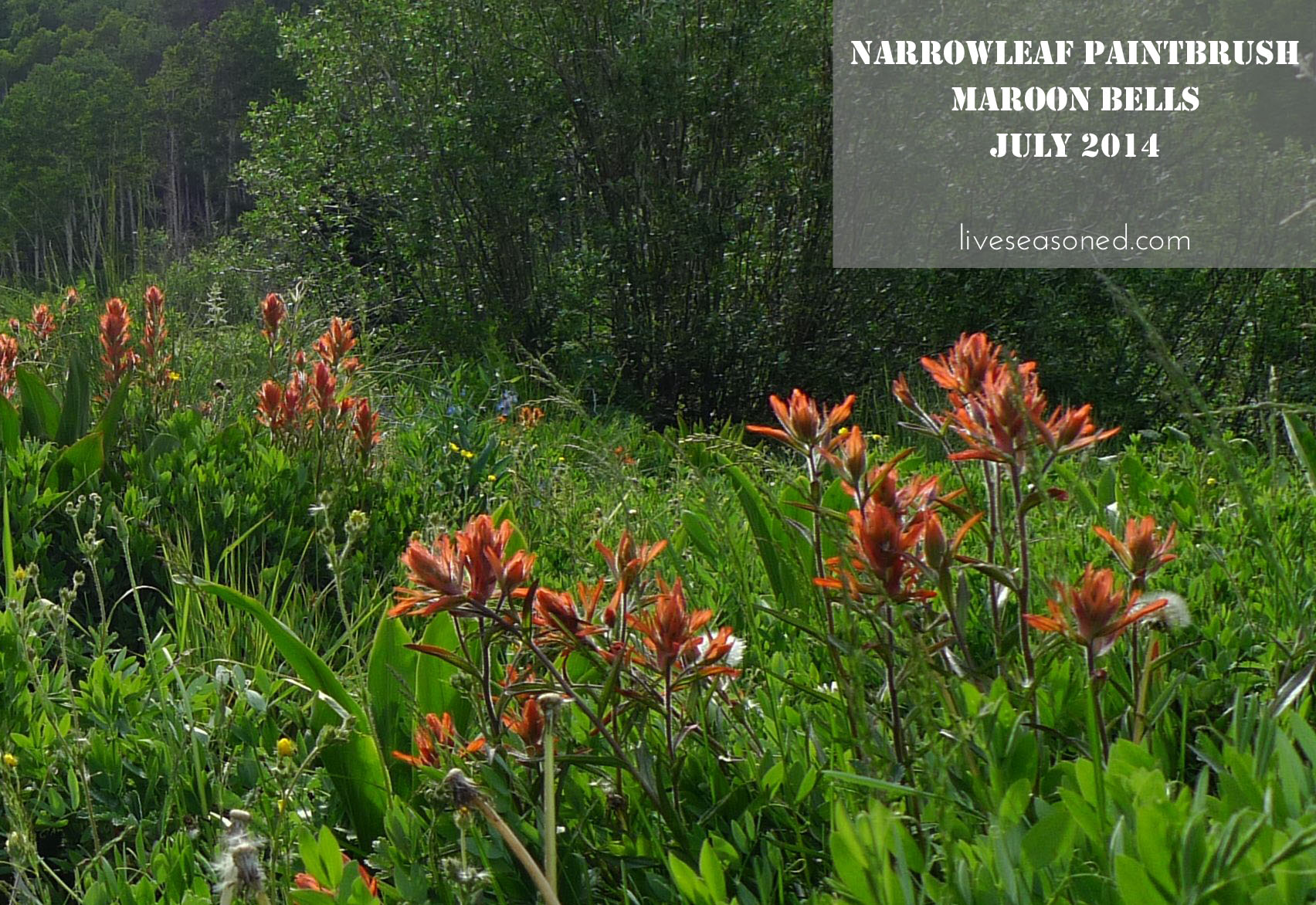
The area is breathtaking in summer. Wildflowers are blooming everywhere you look. In early July there was still some snow on the mountains, reminding you just how high you are, yet it’s melting quickly, so the streams are roaring adding an element of excitement to every bridge crossing. And as if it couldn’t get any better, there were signs of beavers and a couple of moose!

liveseasoned_summer2014_maroonbells13_wm

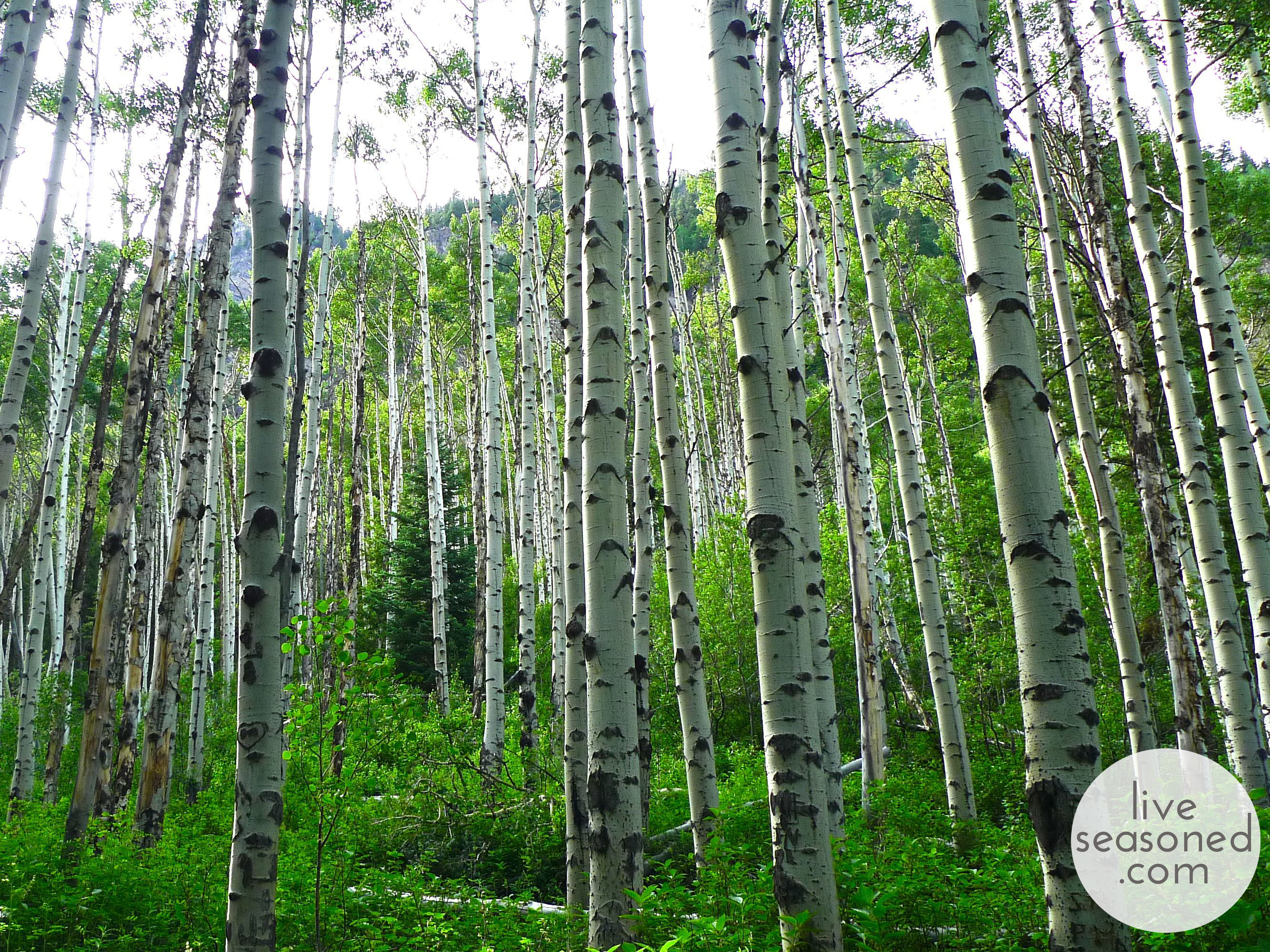
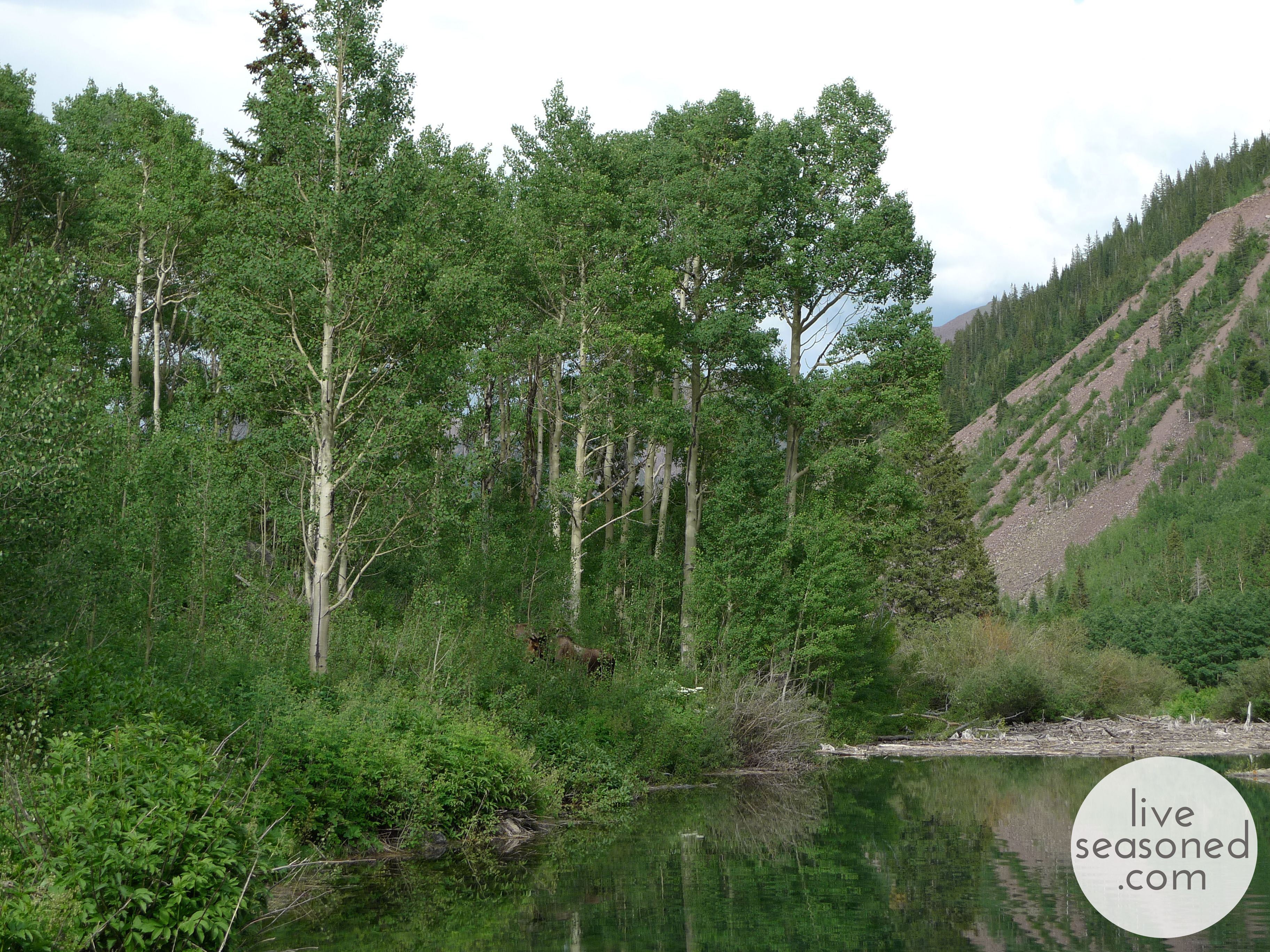
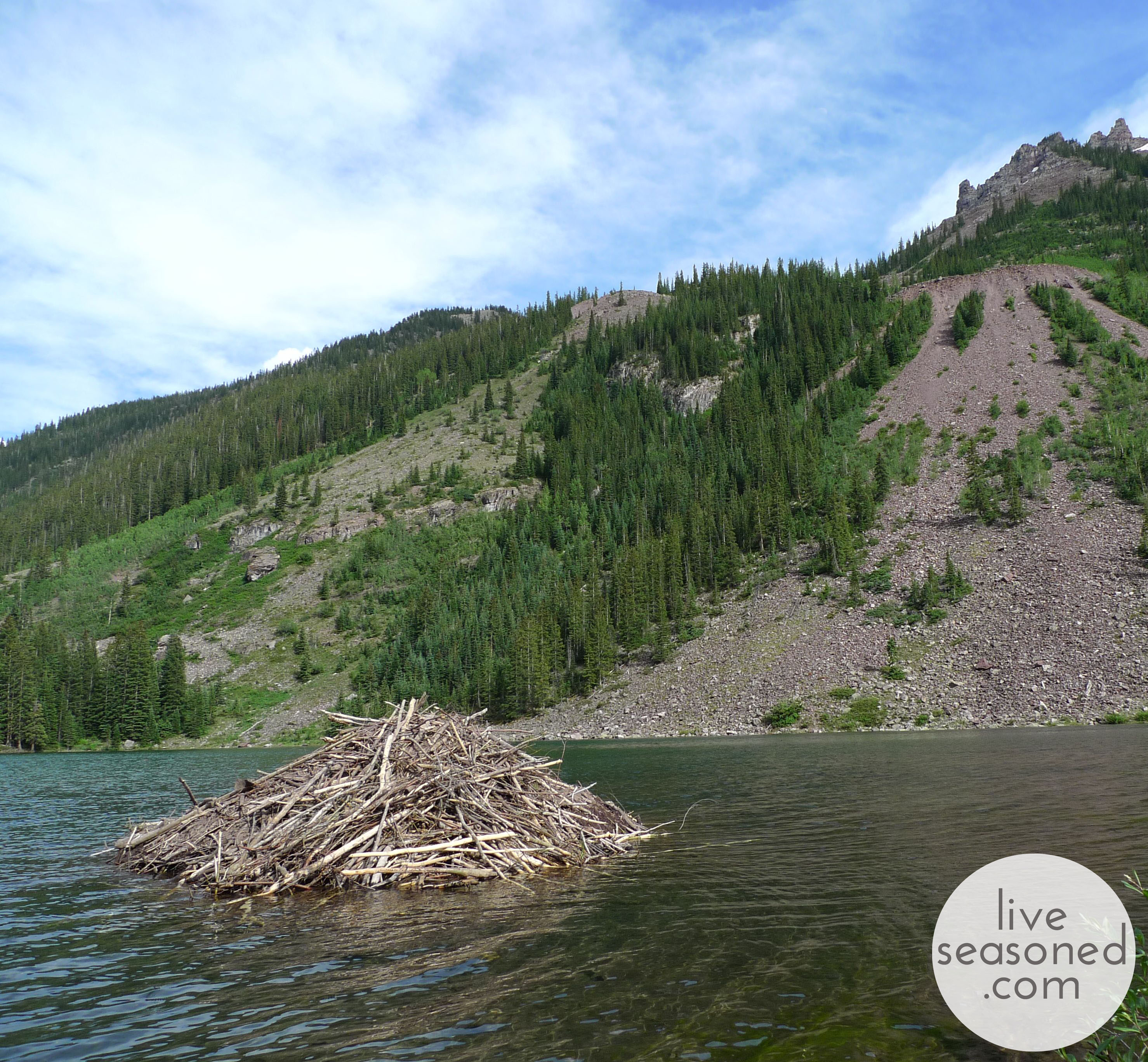
Maroon lake was created by glacial deposits, but there are also some busy beavers on the lake working to build up the dam. We followed the Maroon Lake Scenic Trail along the lake, over the roaring Maroon Creek, through an aspen grove, and around to a small active beaver pond.

liveseasoned_summer2014_maroonbells7_wm

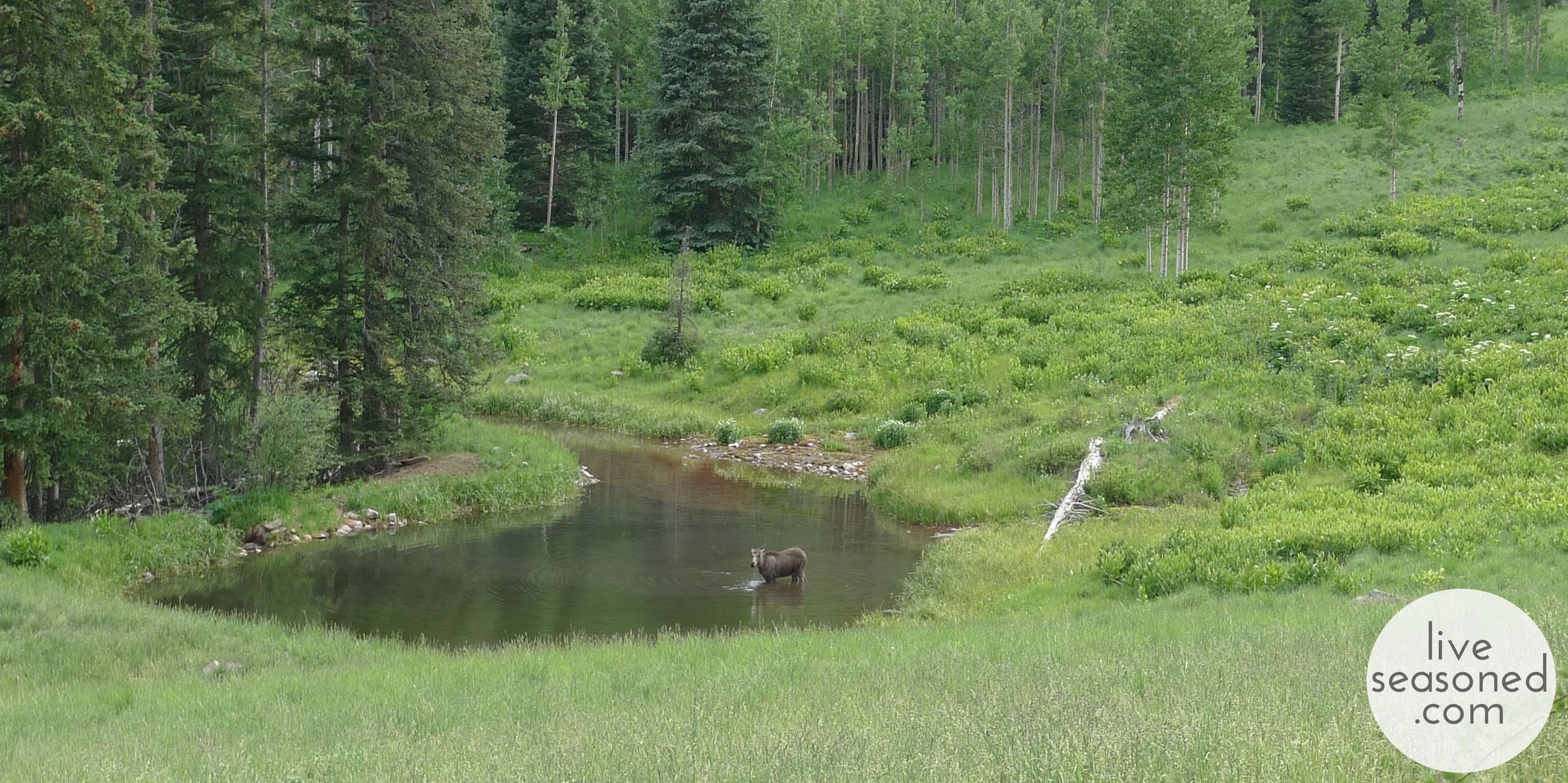
liveseasoned_summer2014_maroonbells8_wmWe were standing at the pond, taking in the tranquil scene, when all of a sudden someone realized that we were looking right at a moose! Can you see him in the lower center of the photo below, to the left of the pond? This was my first moose sighting and I was ecstatic, the other members of my party – not so much. Apparently, moose are extremely dangerous. So much to my chagrin, we turned around and headed back the way we came.

liveseasoned_summer2014_maroonbells9_wm

Wildflowers were blooming all along the trail, but particularly in the riparian and shrubland areas around the lake. We visited just at the beginning of the blooming season, but if you want to see everything in peak bloom, schedule your visit for late July into August.

liveseasoned_summer2014_maroonbells6_wm

liveseasoned_summer2014_maroonbells5_wm

liveseasoned_summer2014_maroonbells4_wm

liveseasoned_summer2014_maroonbells1_wm

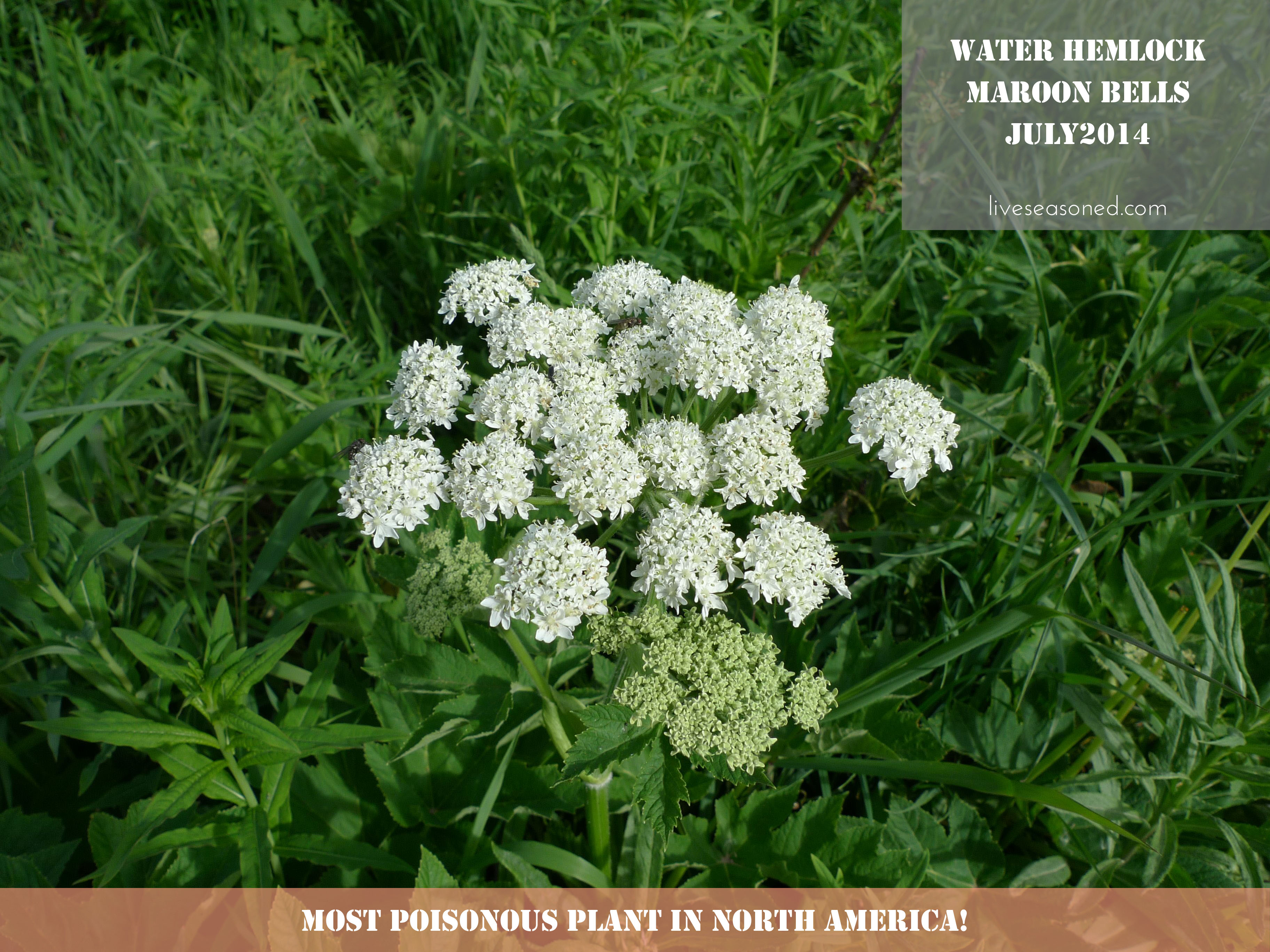
When I got back to the house and was identifying plants, I couldn’t believe that we saw the most poisonous plant in North America. A piece of the water hemlock’s root the size of a marble can kill an adult in 15 minutes! Even more frightening, children have died while playing with the hollowed out stem, using it as a peashooter and such. Crazy!

liveseasoned_summer2014_maroonbells2_wm

Walking along the Scenic trail, you get a fantastic view of the beaver’s home. Unfortunately, we didn’t see any beavers, but just being close to their dam and home was fun. Fun fact from Calder: beavers can get up to 150 pounds!

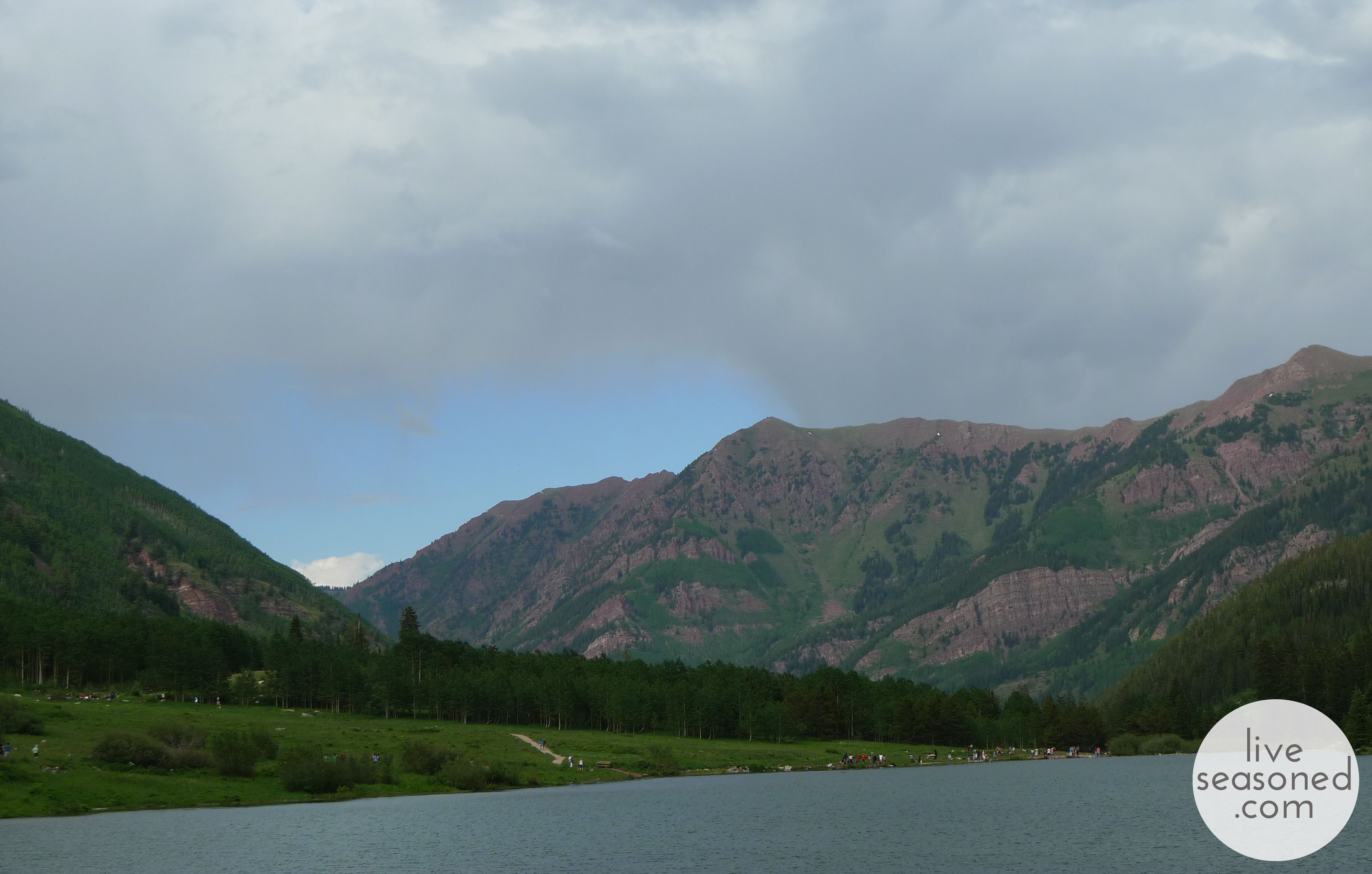
From this vantage point, you can also look back towards the dam and see the crowds along the shore. The photo below is the mountain version of those beach paintings/photos where everyone is just a colored speck in the sand grassland, isn’t it?

liveseasoned_summer2014_maroonbells11_wm

As we were driving back down into town, we noticed a group of cars pulled off to the side of the road. There was another moose! This one was far enough away that no one was in danger, so I hopped out and took a few more photos. Two moose in one day, I was a happy camper.

liveseasoned_summer2014_maroonbells14_wm

Before you go:

  • The Scenic Trail was an easy hike with a few steep spots, but overall there was relatively little elevation gain. Waterproof shoes with good traction are recommended as there were muddy areas.
  • Wild at Heart is a fantastic resource if you’re planning a visit. It’s a field guide to the plants, birds, and mammals of the Rockies, with a particular focus on the Aspen-Snowmass area. I know that it’s out of print and not available on Amazon, but I’m pretty sure you can still pick it up in some of the shops around Aspen and Snowmass (I just received my copy as a birthday present, so it’s out there!).

liveseasoned_summer2014_maroonbells12_wm

Getting there:

  • Traffic is restricted from mid-June through September
  • The site is open to all traffic from 7:00am-9:00am and 5:00pm-7:00pm
  • With a few exceptions, all visitors are required to take a bus from 9:00am-5:00pm. You catch the bus in Aspen Highlands Village (where you can park for free). The pass fee is $6/adult, $3/child.
  • Cars with children under 2, disabled passengers, or groups of 11 or more are allowed through from 9:00am-5:00pm if they pay a $10 fee.
  • You can also drive up if you are camping in the area
  • For detailed information see this site.


Ecosystem Profile : Tidal Salt Marsh

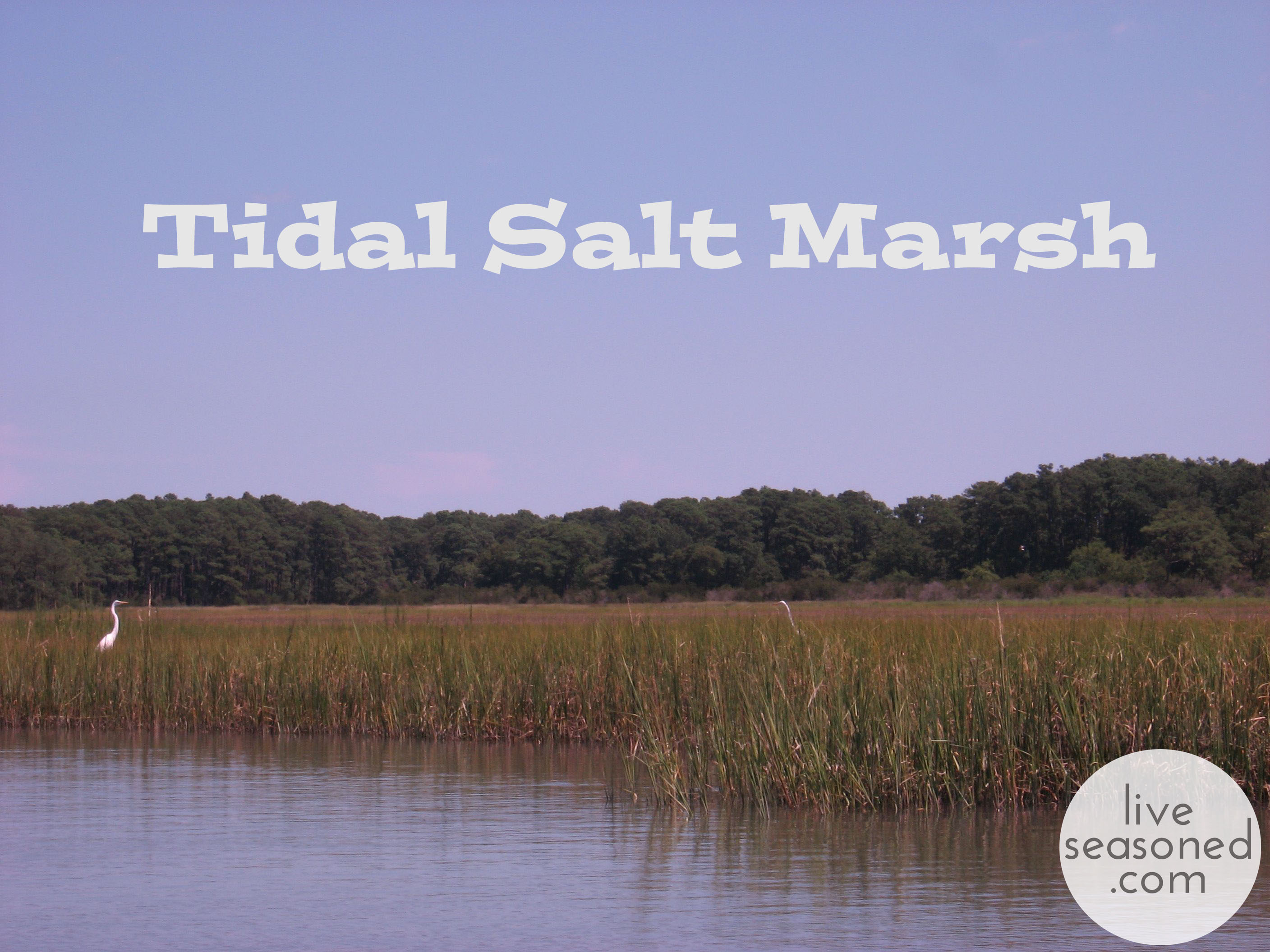
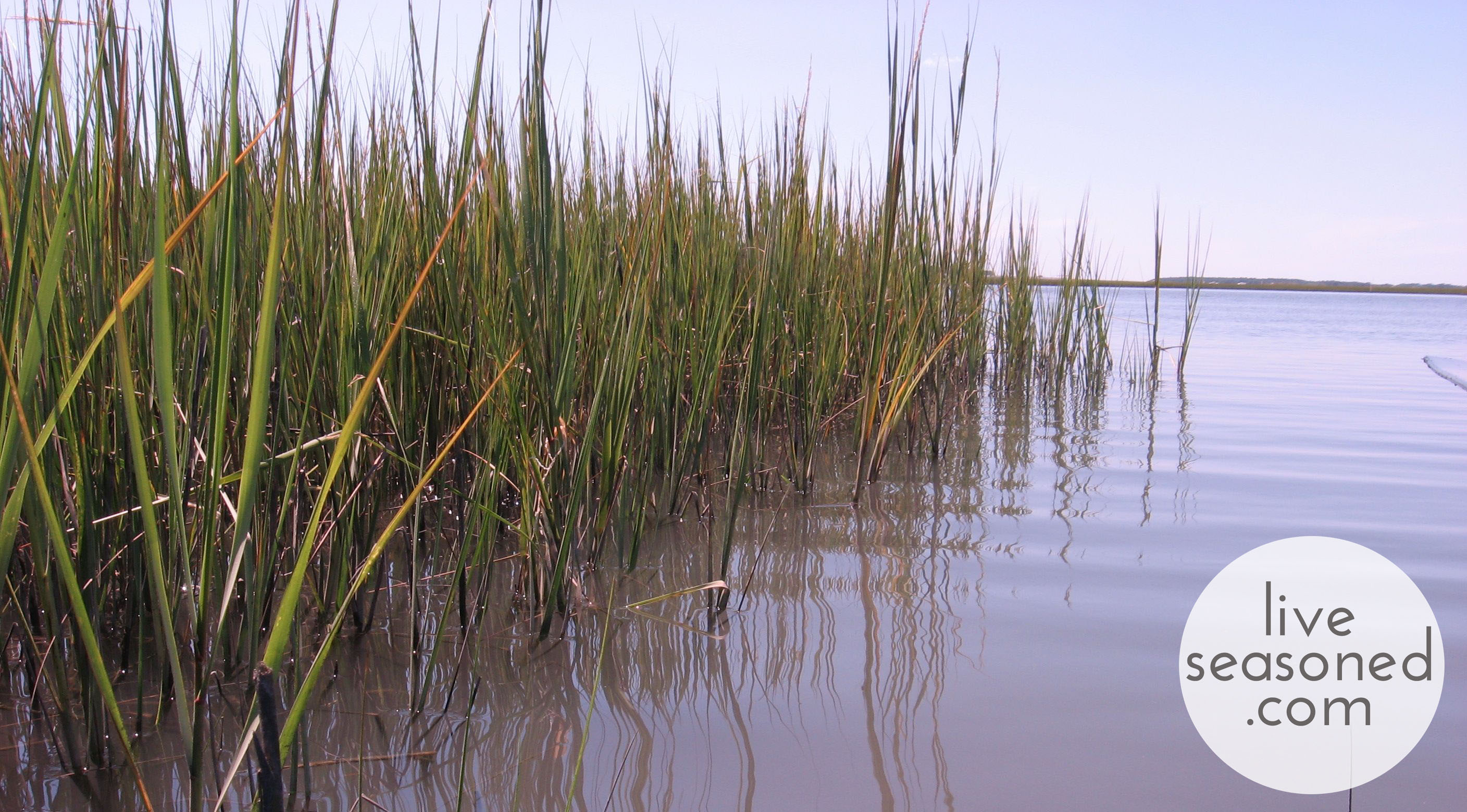
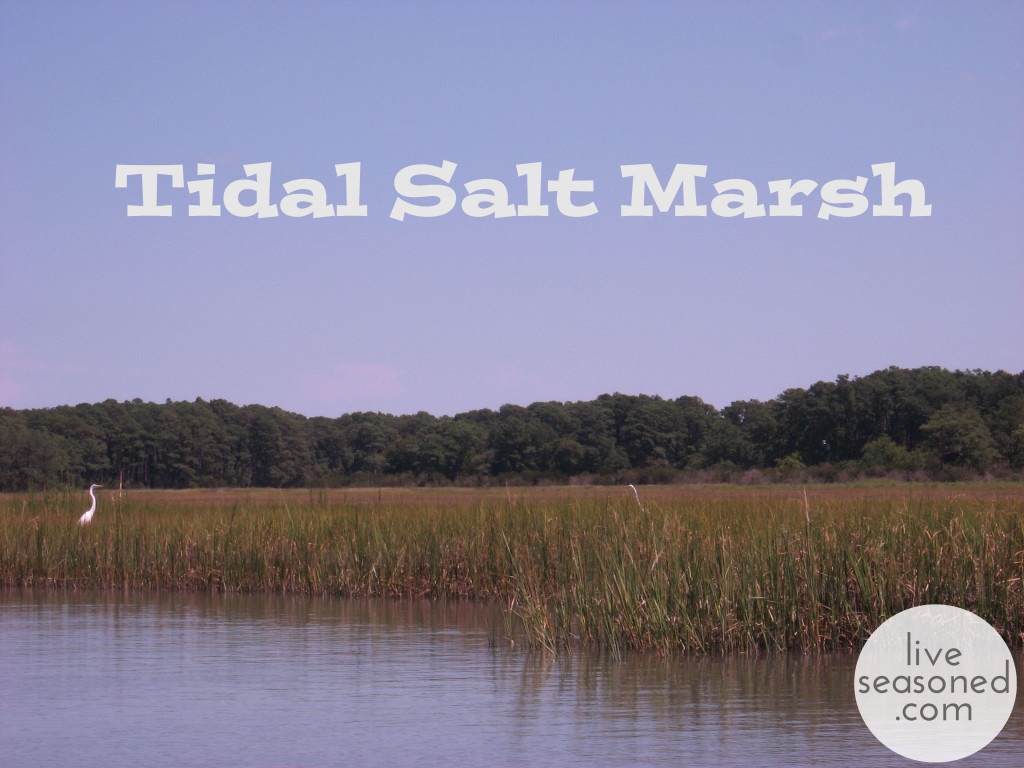
On Friday, I shared some photos from Saxis, VA and referred to it as an island. Saxis is bordered on one side by the Chesapeake Bay and on the other by about 1.5 miles of tidal salt marsh before you reach the mainland . That wide expanse of marsh is why the town is unofficially an island ~ without a causeway, it would be nearly impossible to reach Saxis by land.  Originally residents and visitors came and went by boat along the town’s Chesapeake shoreline. But, technically the marsh is land connecting the community to the mainland, and so it’s not really an island (of course, that won’t stop us from calling it one!).
liveseasoned_summer2014_marsh_title

If you’ve gone to the beach, it’s likely that you’ve driven past (or through) a tidal salt marsh to get there. These are such an amazing and valuable features along our coasts, yet we rarely stop to visit them, and so for that reason, I thought it would make for an interesting ecosystem profile. We’re going to keep these profiles brief, just giving you an overview of the ecosystem with photos, and, of course, some links that will direct you to more detailed information.

Physical Landscape

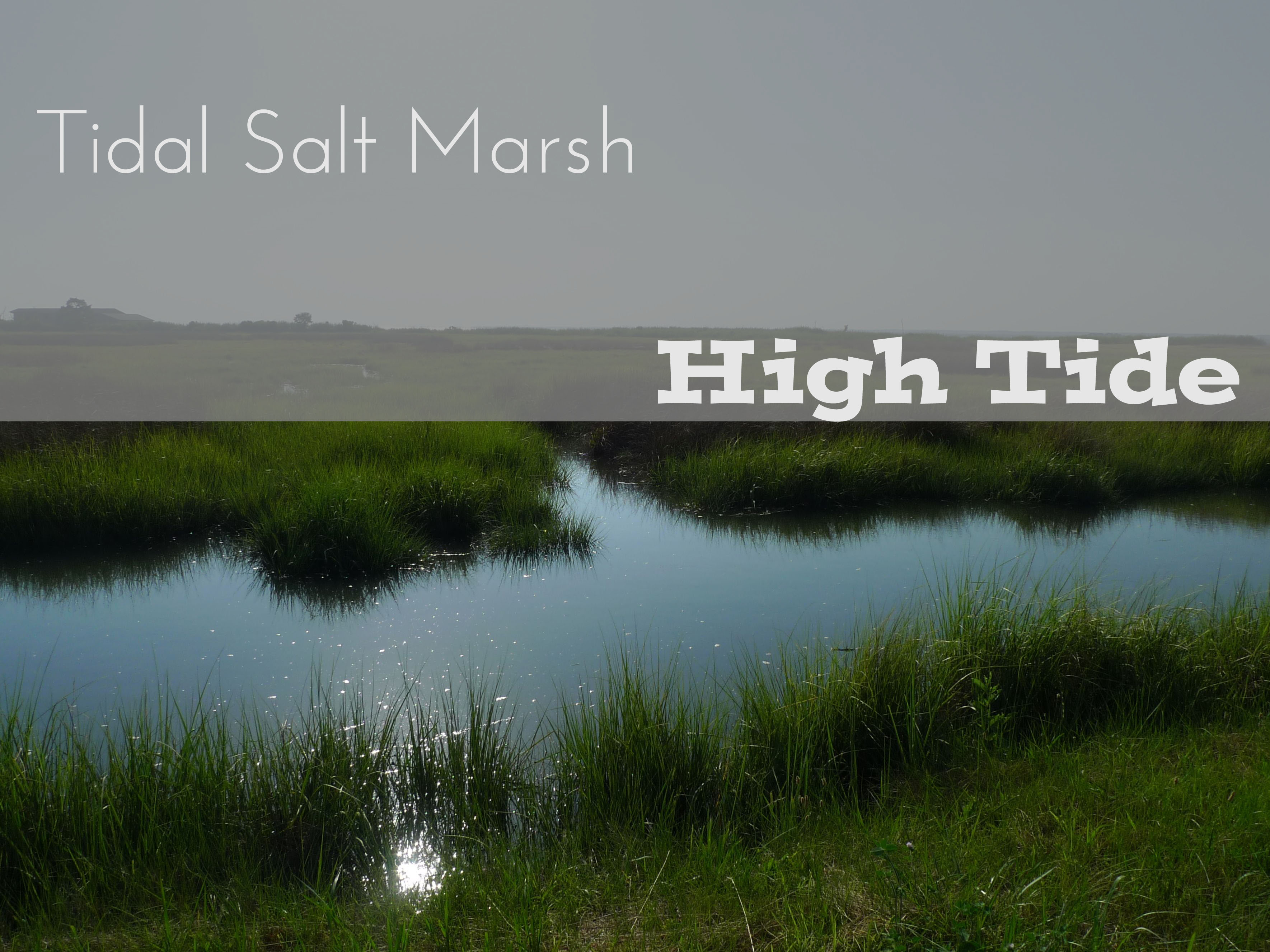
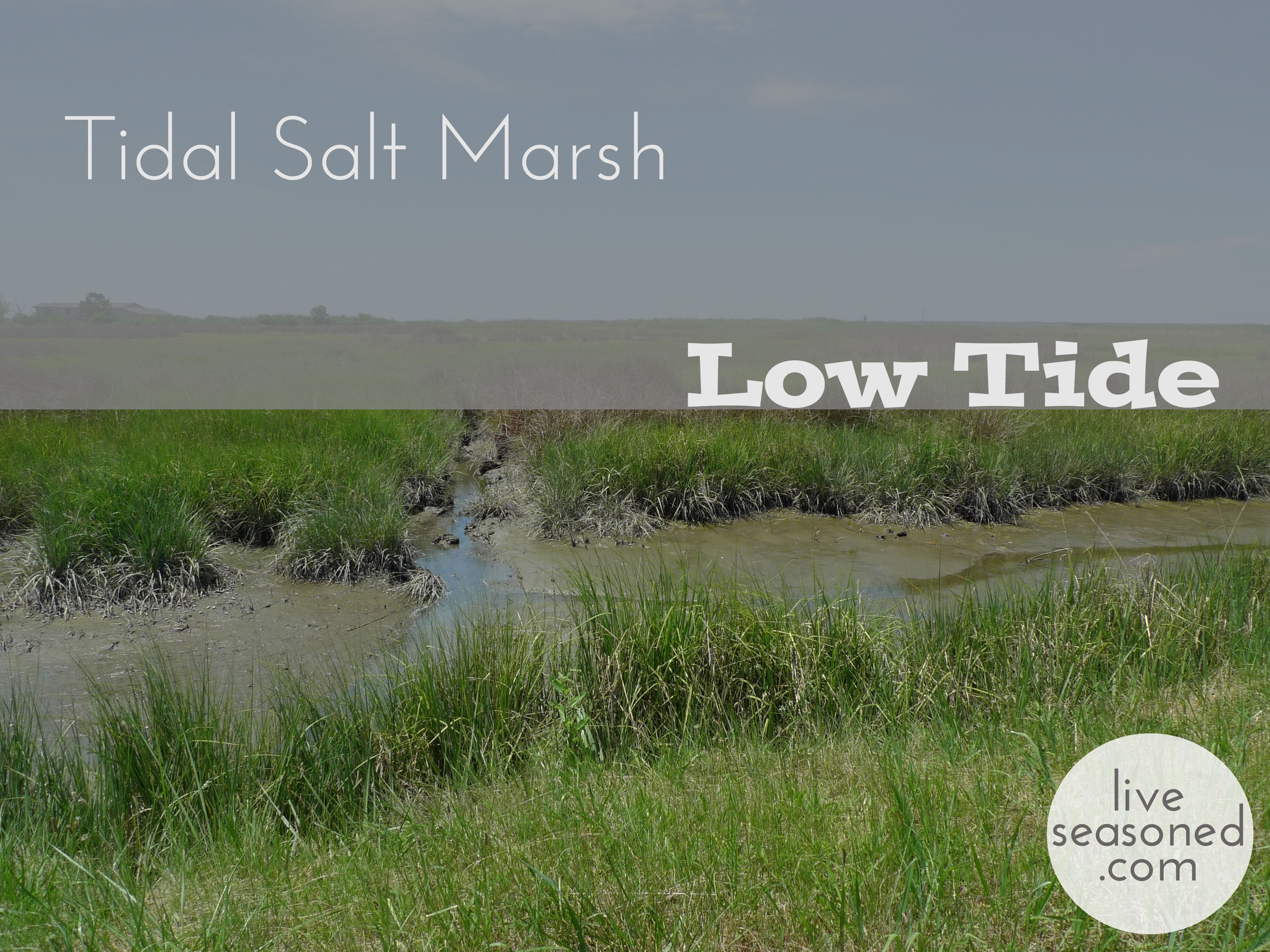
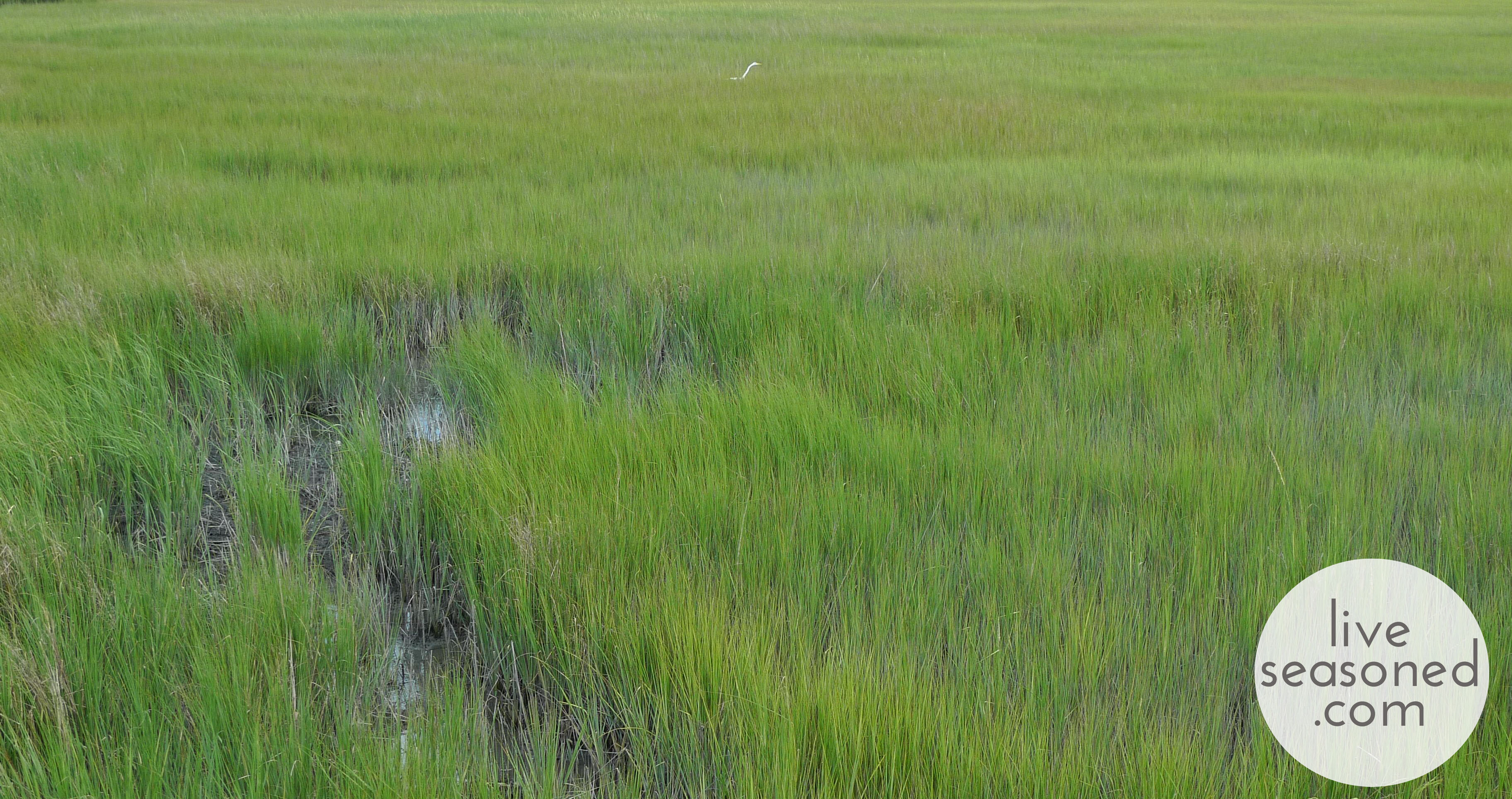
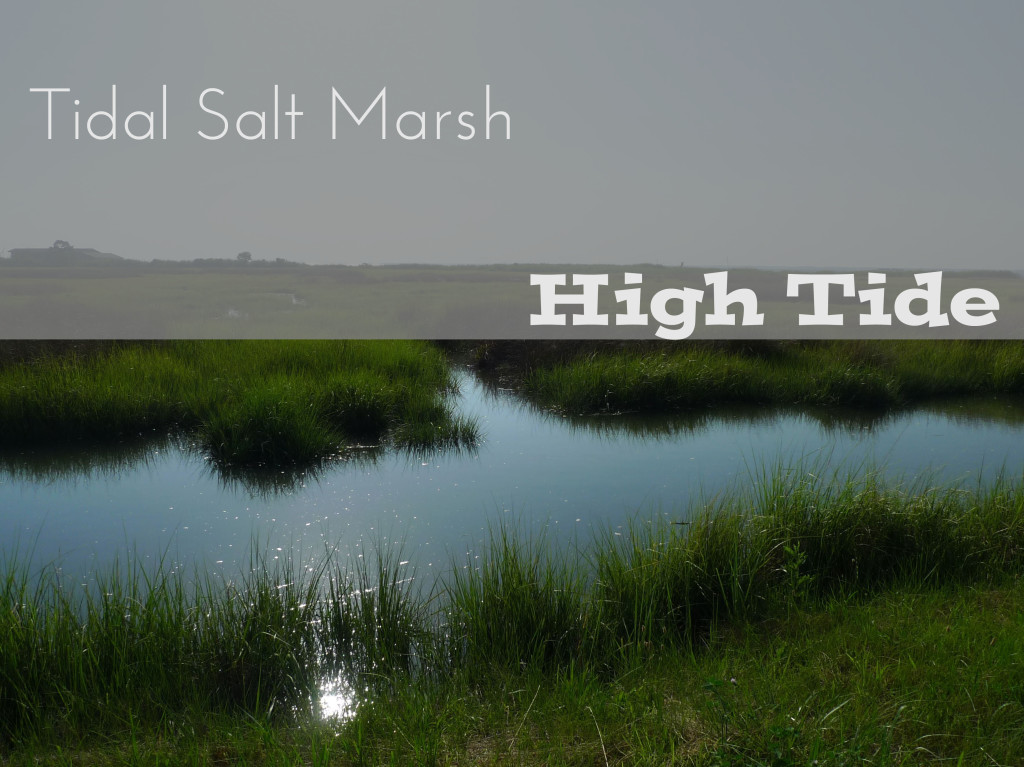
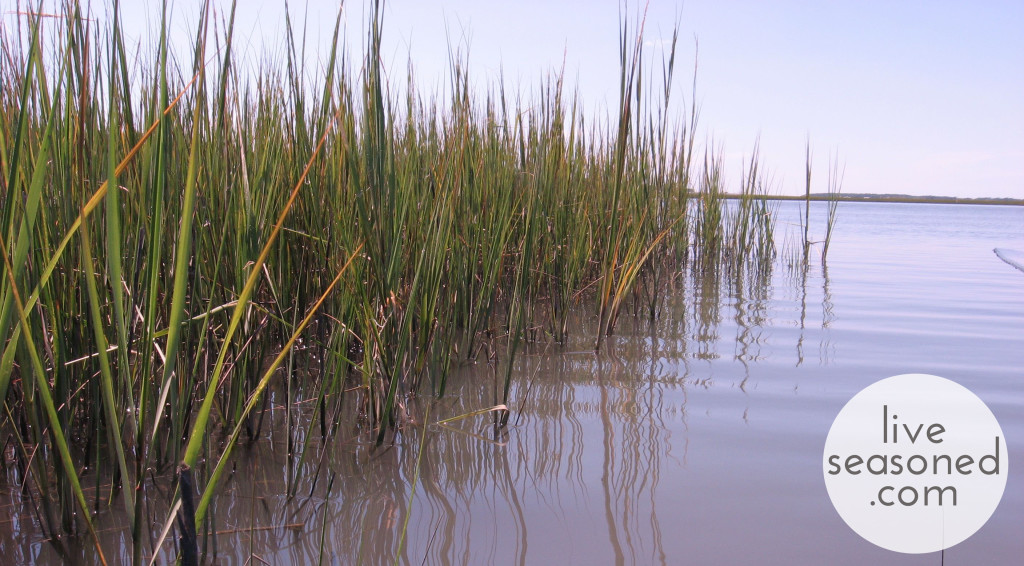
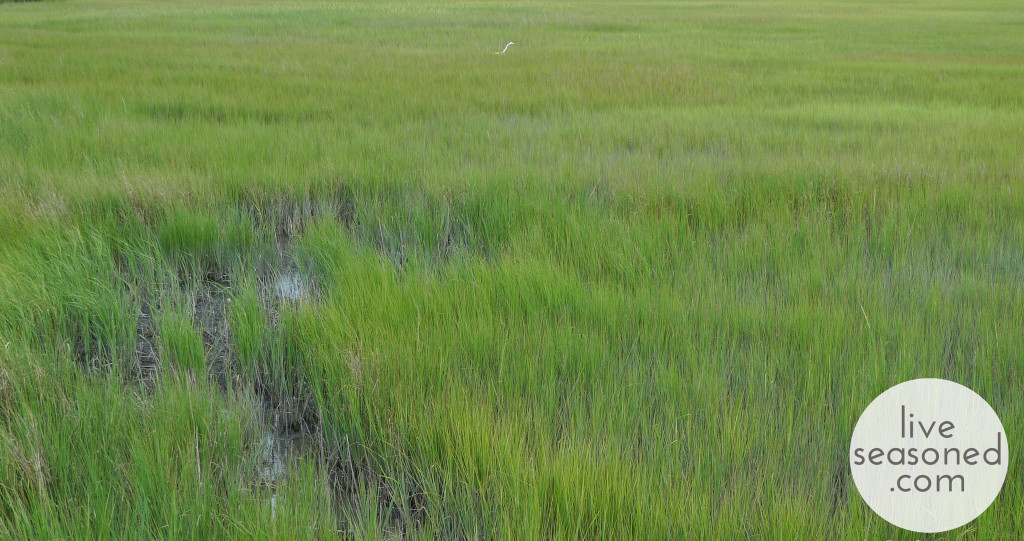
Situated along coastal areas in the intertidal zone, tidal marshes are intimately connected to both the land and the sea. Looking at the marsh in profile, we generally expect that the area closest to land has a higher elevation than the area closest to open water, but depending upon the pattern of colonizing vegetation, there are areas of high and low elevation as you move parallel to the coast too. The land-ward side is often dryer and has a lower salt content than the ocean side, while the forces of the tides are more prominent on the ocean side. Throughout the marsh are meandering creeks and pools that facilitate the flow of water into and out of the system with the changing tides.
liveseasoned_summer2014_marsh3

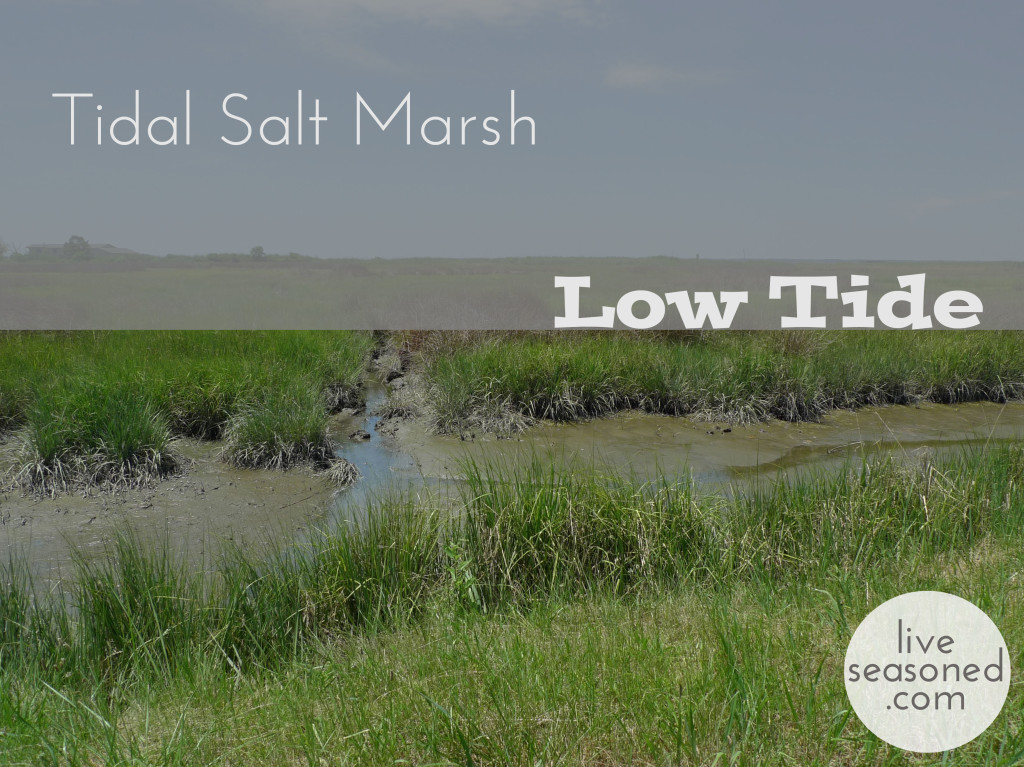
Every day the marsh is flooded and drained multiple times with the rise and fall of the tides. The brackish waters of the marsh are a mixture of fresh water flowing off the land and salt water from the ocean. As a result the salinity level varies depending upon the time of day and year; a heavy rain increases the fresh water content while high tides flood the area with salt water.
liveseasoned_summer2014_marsh2

The size, shape, and elevation of the marshes are in a constant state of flux, but the rates of growth and erosion are variable. Both the incoming fresh and salt water carry sediment and nutrients that are deposited in the marsh. At the same time, flowing water erodes the sea-ward sides. A single hurricane can erase large sections of a marsh that required years of sedimentation to develop.

Flora & Fauna

The different physical zones create unique microhabitats within the ecosystem. More salt and water-tolerate plants and animals will be found in lower elevations while those requiring a dryer and more stable environment will be found at higher elevations.
liveseasoned_summer2014_marsh11

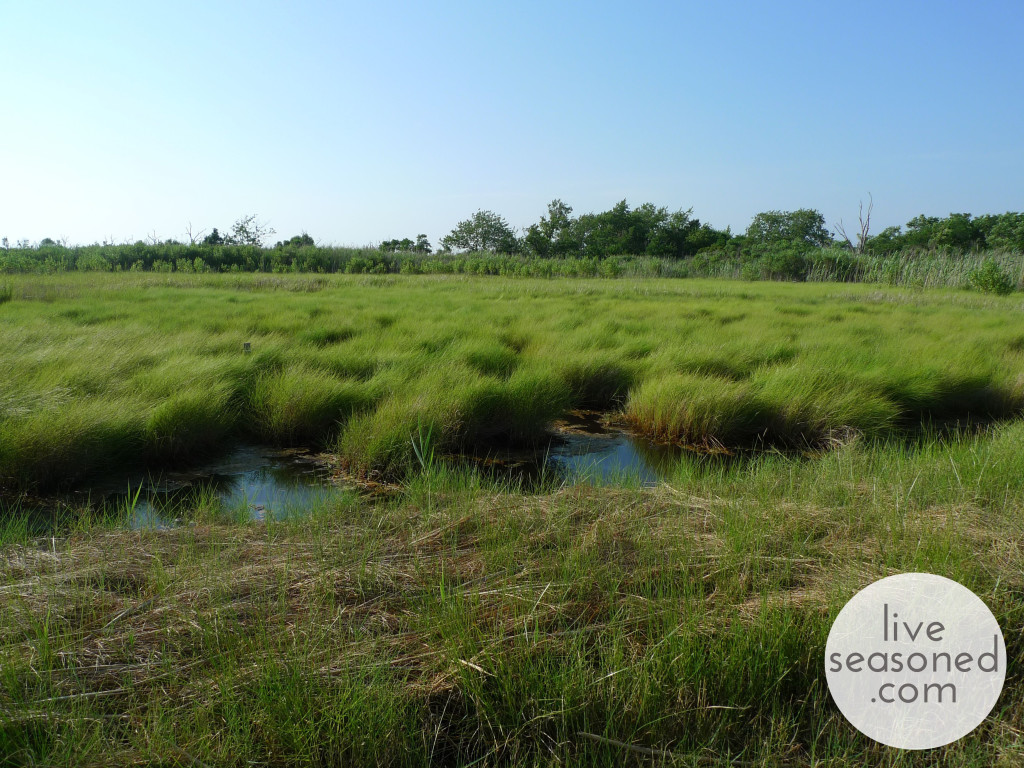
The most prevalent vegetation within the marsh is Spartina Alterniflora and Spartina Patens, two species of cordgrass. These grasses, particularly Alterniflora,  are able to tolerate the water-logged anoxic environments of the mid to low marsh. Once established the cordgrasses’ roots hold the mud in place, and their stems and stalks help to slow water flow, increasing sedimentation in their vicinity and creating the muddy mounds visible during low tide. Vegetation is more diverse at higher elevations, where the environment is slightly more stable. You may see a variety of herbaceous plants as well as low shrubs, and eventually trees at the highest elevations.
liveseasoned_summer2014_marsh1

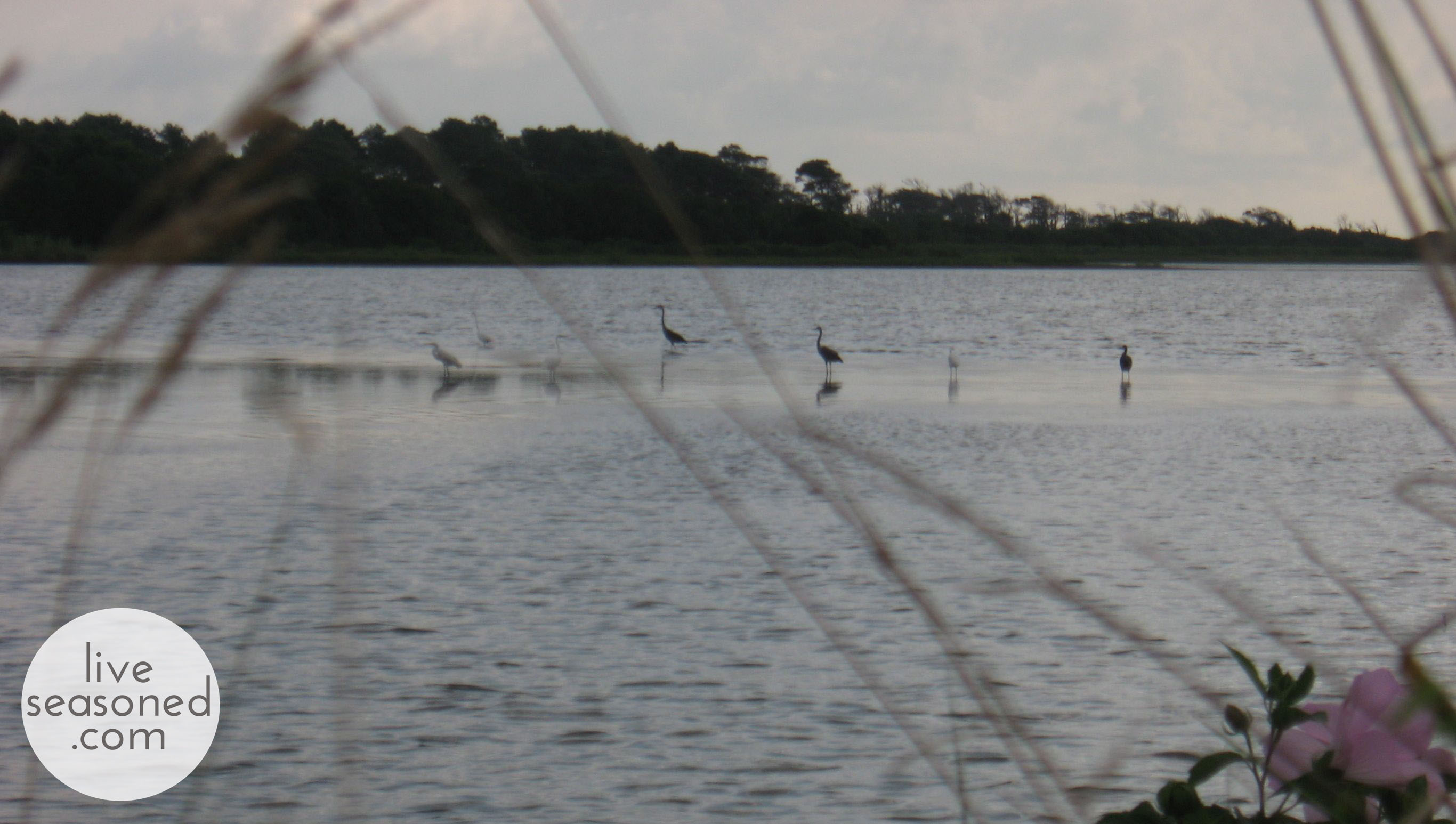
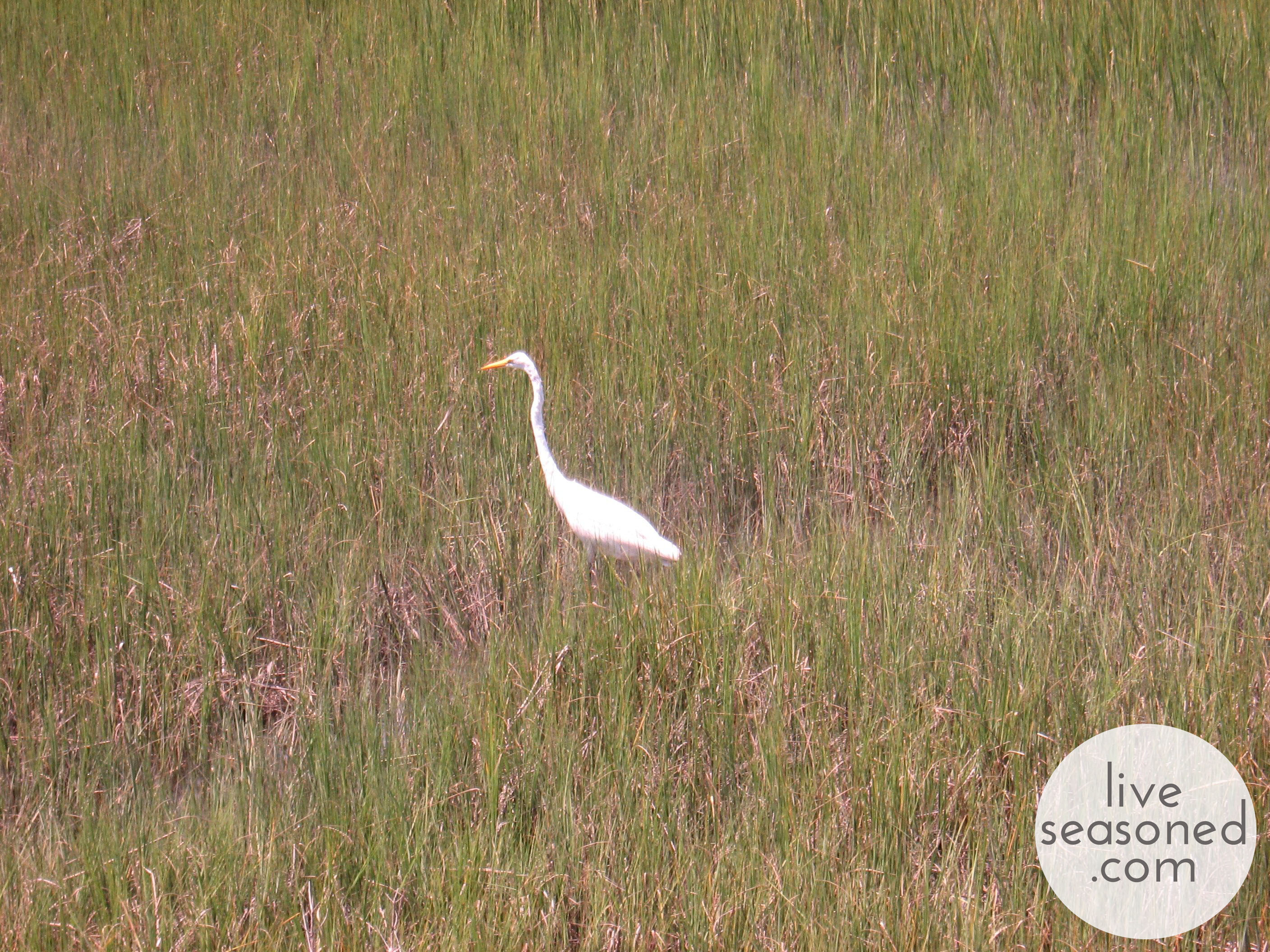
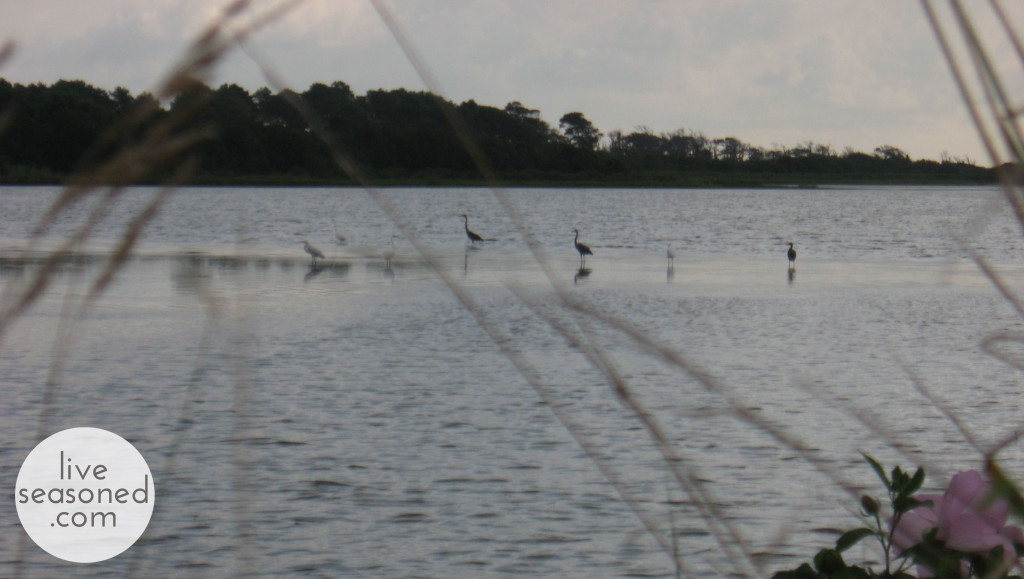
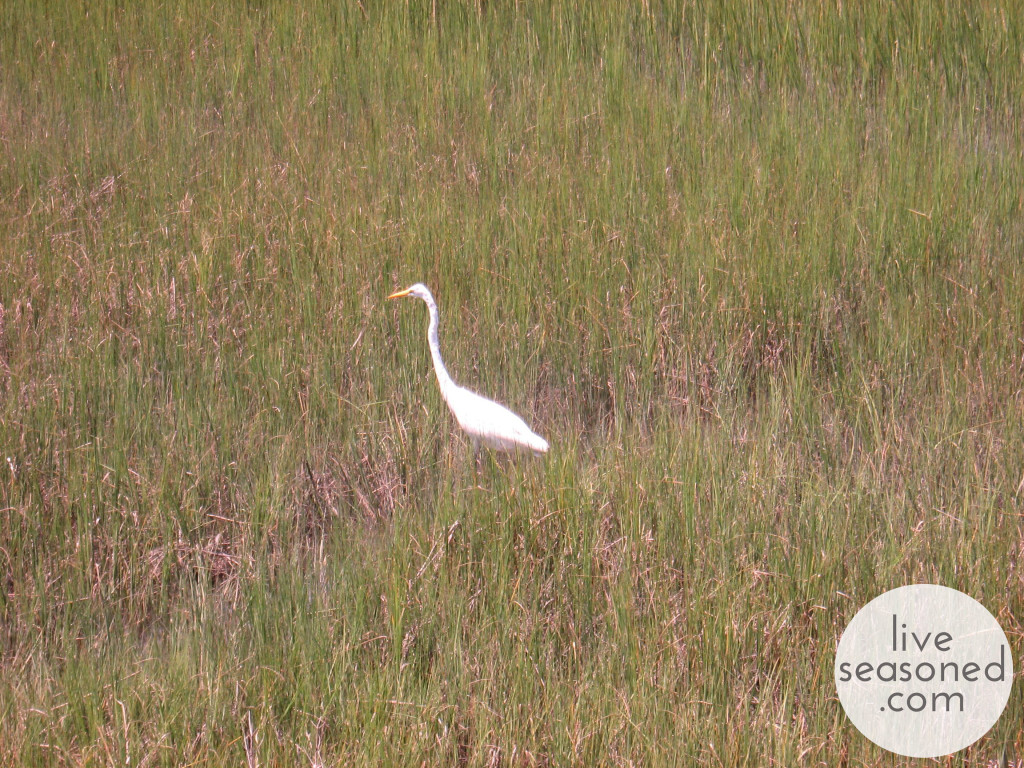
The marshes are home to a variety of animals, but perhaps the most visible are the birds that visit every day to feed on insects and organisms in the water. We see a lot of egrets and herons in our local marshes. The water column itself is a valuable fishery habitat, nursery, and food source for a variety of fish, crabs, and shrimp. The area is also home to a healthy population of insects (if the mucky soil doesn’t deter humans, the insects often do!). And, of course, the water and soil are full of bacterial colonies that help to break down detritus and keep the nutrients flowing. This combination of rich food sources is what attracts the birds, particularly those that need plentiful energy sources on their migratory stopovers and those using the area as a nesting habitat.  Though rarely seen, some tidal marshes are also visited by mammals; I often see deer and raccoon footprints in the sand near our marsh.

Ecosystem Services

Ecosystem services are the benefits society receives from native ecosystems.

As mentioned, the tidal marsh is a nursery and habitat for a number of aquatic species, including crabs, shrimp, and a variety of commercial fish species. Some aquatic species lay their eggs in the calmer waters where they are also protected by the dense foliage. This also protects the larva as they develop. When marsh habitat declines, either in size or health, so does the populations of these species, lowering catch size and increasing seafood prices.

The marshes provide a crucial physical buffer to the mainland from incoming storms. They are the mainland’s first line of defense, absorbing the energy from the storms and lessening the intensity of their flooding. A healthy marsh with dense vegetation also helps to minimize the erosion that inevitably results from the powerful storms.
liveseasoned_summer2014_marsh8

Marsh Impacts

Invasive Species : Many of our marshes are being invaded by Phragmites australis subsp. australis an invasive grass from Europe (not to be confused with the native variety subsp. americanus). Phragmites is a vigorous plant that can spread 16 feet per year, survive in standing saline water, and even grow as a floating mat, ideal characteristics for marsh invasion.

Upstream activity : Farming and urban development in areas upstream of the marshes increases both the sediment and nutrient flow into the ecosystem. This can disrupt the natural progression of a marsh by speeding up sedimentation and favoring plants that are more tolerant of high nitrogen environments.

Land “Reclamation” : For the longest time, marshes were assumed to be wasteland. They were often backfilled with sediment and converted (not reclaimed, I would argue) into urban and agricultural uses. This was before we understood the ecosystem’s true value in biological and physical terms.
liveseasoned_summer2014_marsh4

Visiting a Salt Marsh

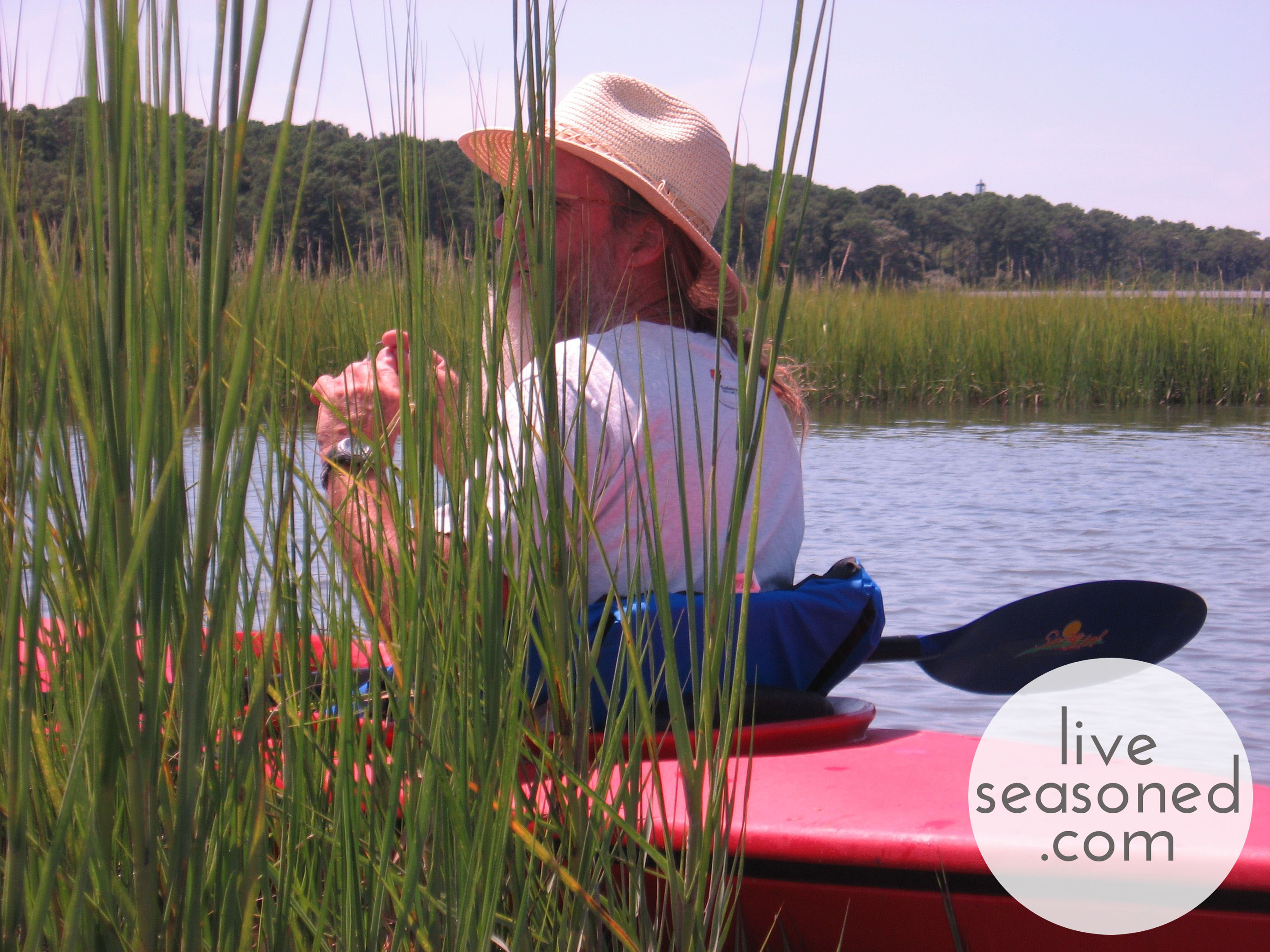
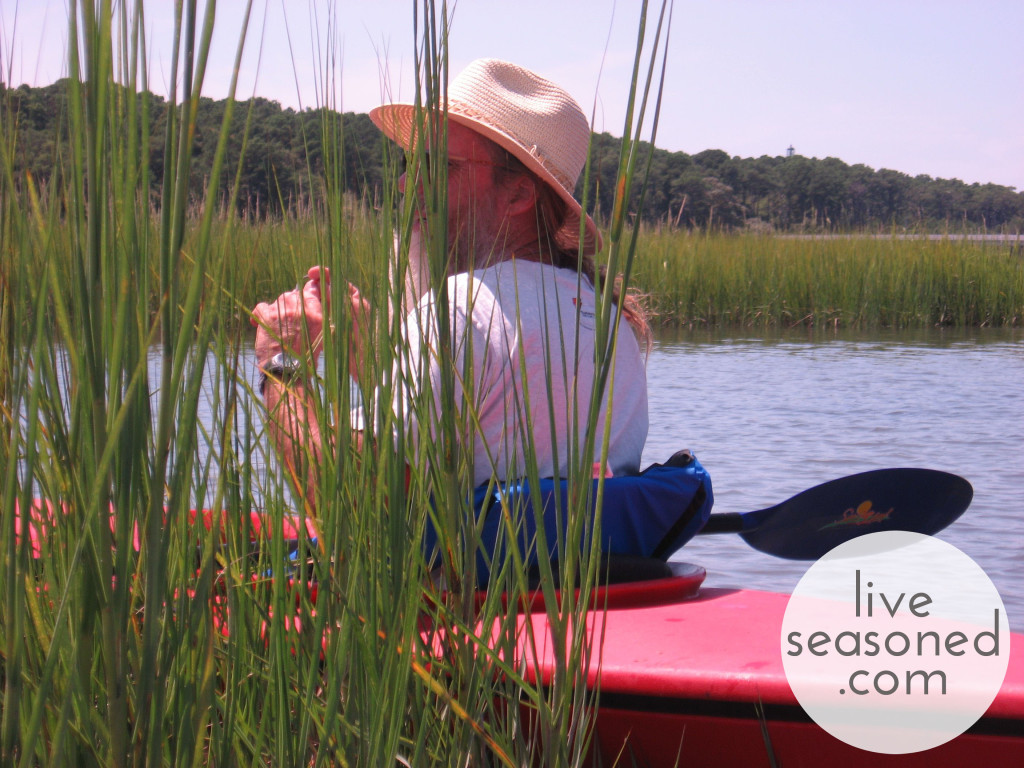
Marshes are nearly impossible to walk or wade through, but that shouldn’t stop you from visiting! As I mentioned, you’ve probably driven through marshes to get to the beach. Next time take a pair of binoculars and stop, with a little bit of time, you may see some beautiful birds. If you have even more time, rent a kayak and take a slow paddle through the marsh’s creeks at high tide. It’s an amazing way to get an intimate look at the marsh. The waters are unbelievably peaceful and easy to paddle, making it a breeze to move through the marsh without disturbing the wildlife.
liveseasoned_summer2014_marsh14

If you want to make a true adventure of it, look for a refuge or park with marsh area. It’s always nice to stop in the visitors’ center for more information and to talk to the ranges about prime wildlife watching areas. Some have kayaking tours and others have dedicated trails. We’ve done quite a bit of paddling around Chincoteague National Wildlife Refuge, entering the water from Tom’s Cove park and paddling over to the marshes. We’ve just learned about Jane’s Island State Park and are so excited to check out their miles of trails!
liveseasoned_summer2014_marsh7

Tidal marshes are such a beautiful and dynamic habitat, and while they aren’t often thought of as a destination, we hope you’ll give them a second look the next time you pass through!  

 

Pack Your Bags: Spring Backpacking

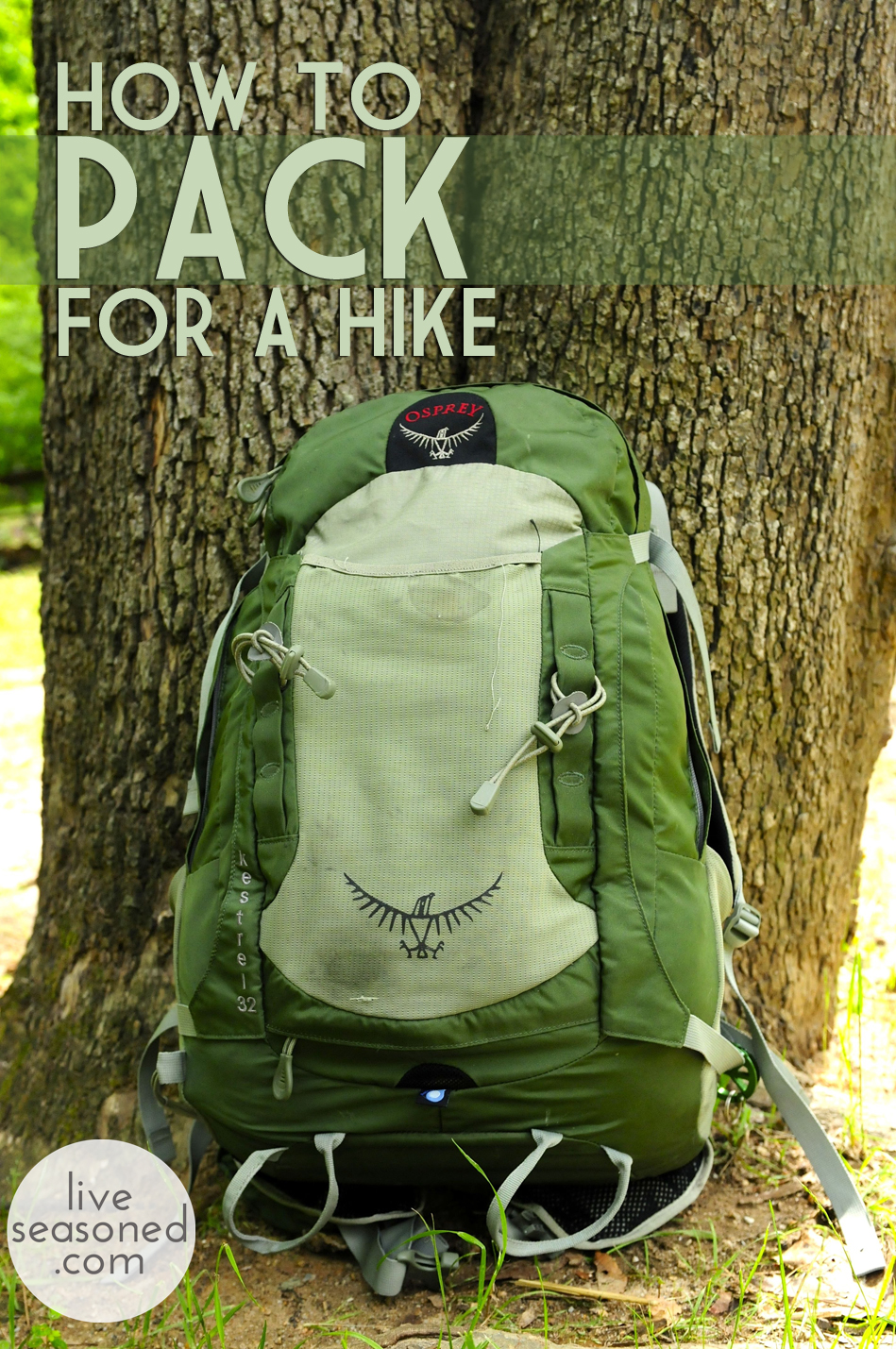
Spring is a great time to hit the trails.  The weather is warm, but not too hot and the creeks are overflowing with water.  Lots of water is a good thing.  That means you’ll have enough to drink, cook and wash with.  Nothing is worse than hiking to a campsite and realizing the creek has run dry.  Backpacking may seem a little intimidating if you have never gone before, but by the time you finish reading this post, you’ll realize you can do it to!
liveseasoned_spring2014_backpacking2

liveseasoned_spring2014_backpacking10

In this segment of Pack Your Bags, we’ll cover everything you need in your pack for a weekend trip.  In the future we will fill you in on some basic backpacking 101 information as well as what to eat on the trail.  If you are preparing for your first hike, make it an easy overnighter.  That way you will get a feel for hiking and have a better idea of what it entails for future weekend-long hikes.

Continue reading

Pack Your Bags : Van Camping

Hey there, we’re gearing (pun intended) up for a summer of travel and thought it would be fun to do a series of posts that focus on our gear. We aren’t highlighting the latest line of ultra-light-weight this or that. As you’ll see in this post, what’s important to us is getting out the door, so we try to keep the gear simple, functional, and relatively inexpensive.  I’m kicking off the series with the essentials that Calder and I keep at the ready for our road trip and van-camping adventures. Check back this afternoon and Sarah will share what’s in her camping pack!

liveseasoned_spring2014_packyourbags10_wm

Calder and I love a good road trip. Alex? Not so much, but we’re working on him. Cash? He’s our primary co-pilot and sticks to the van like glue the moment he sees us start to pack.

Continue reading

In Season: Cool Camping Gear

wpa_hikingI could spend hours in outdoor adventure stores and usually I do, but I always walk away with only the most sensible, reasonable and necessary purchases.  When I win the lottery, I’m going to finally buy all of those funky, hip, not-so-necessary purchases that I’ve coveted all along…

I’m in love with this hammock/tent combo, Tentsile. Who doesn’t love a portable treehouse?

I already have a few swiss army knives otherwise I’d buy this Matrioshka Classic SD Limited Edition.

If I had unlimited funds for fun camping gear you know I’d pick up this melon or this field of dreams tent.

Now that we’re on the subject of sweet tents, check out this VW Camper Van.  I suppose it’s the next best thing after an actual VW!

I’m inspired to make some guest bed rolls because of these.

Coffee is a must on the trail, which is why this is going to be my next backpacking purchase.  No more cowboy coffee for me.

Katie here : I know I’m getting old, because I want to make one of these super comfy camping chairs my next purchase. I think I’ll have the perfect double-use excuse once we sign up little A for soccer (just a three-year wait!) 🙂

We love our headlamps, and not just for camping. They’re great on trains, in cars, at bonfires on the beach.

While we definitely can’t afford it, we love this bear sleeping bag. And what an interesting/tragic story of design inspiration.

Lastly, a product that I wish every family had: the LifeStraw.  It filters your water quickly and efficiently.  Clean water should not be a luxury, but for most people it is.
We hoped you enjoyed our cool camping gear round-up. Happy weekend!


Image via Library of Congress.

Early Spring Camping

liveseasoned_spring2014_springbreak16_wm2

Surprise! We had to come back with a one-two punch, because what goes better with a maple syrup festival than camping?!

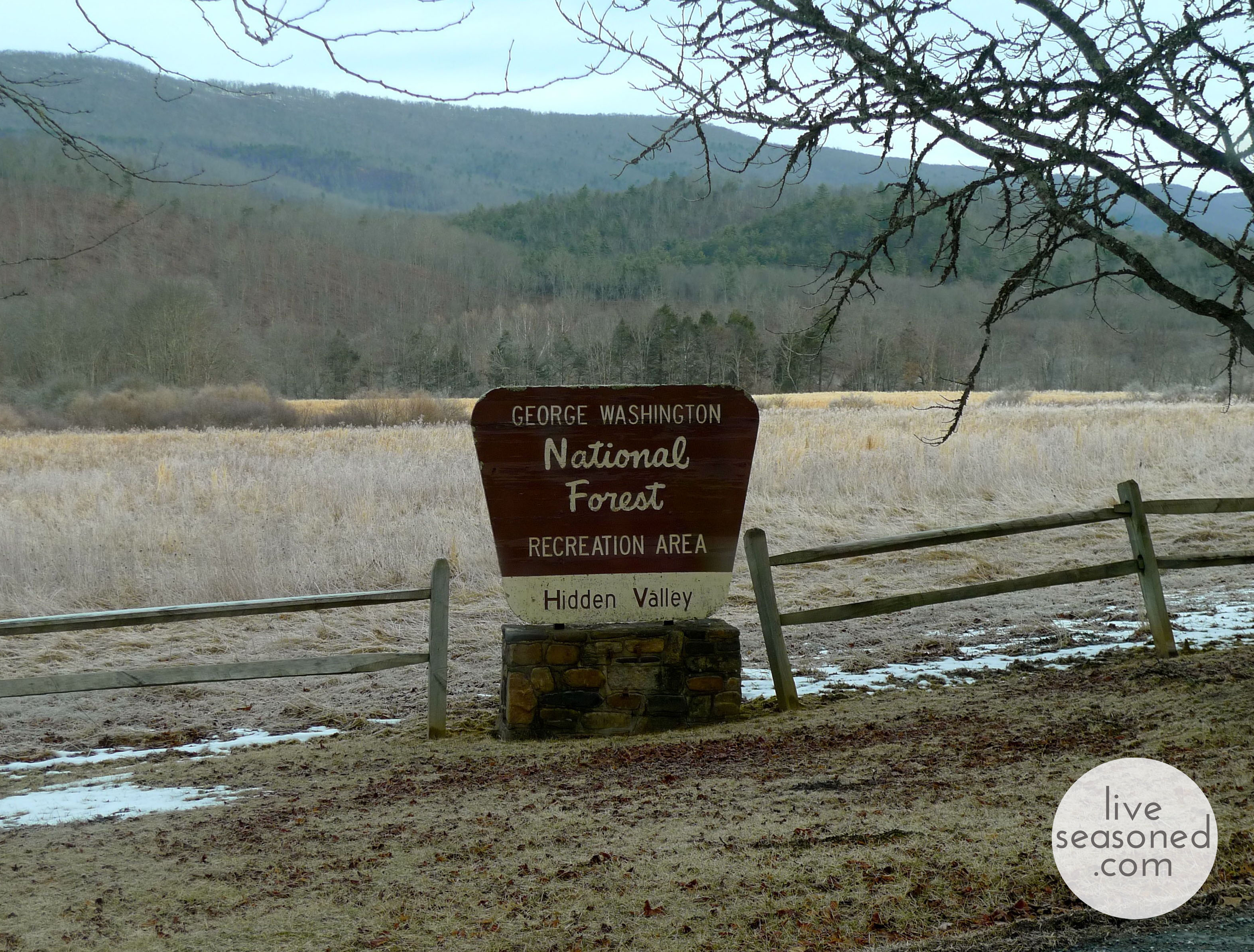
If you haven’t tried it yet, early spring camping can be a lot of fun. During our week-long road trip in early March, we spent almost as much time camping as we did sleeping indoors. Albeit our camping isn’t necessarily roughing it; the back seat of our van folds down into a bed big enough for the three of us (four when Cash curls up for a snooze). These were taken on the first morning in George Washington National Forest, just outside of Warm Springs, VA. 

liveseasoned_spring2014_springbreak13_wm2

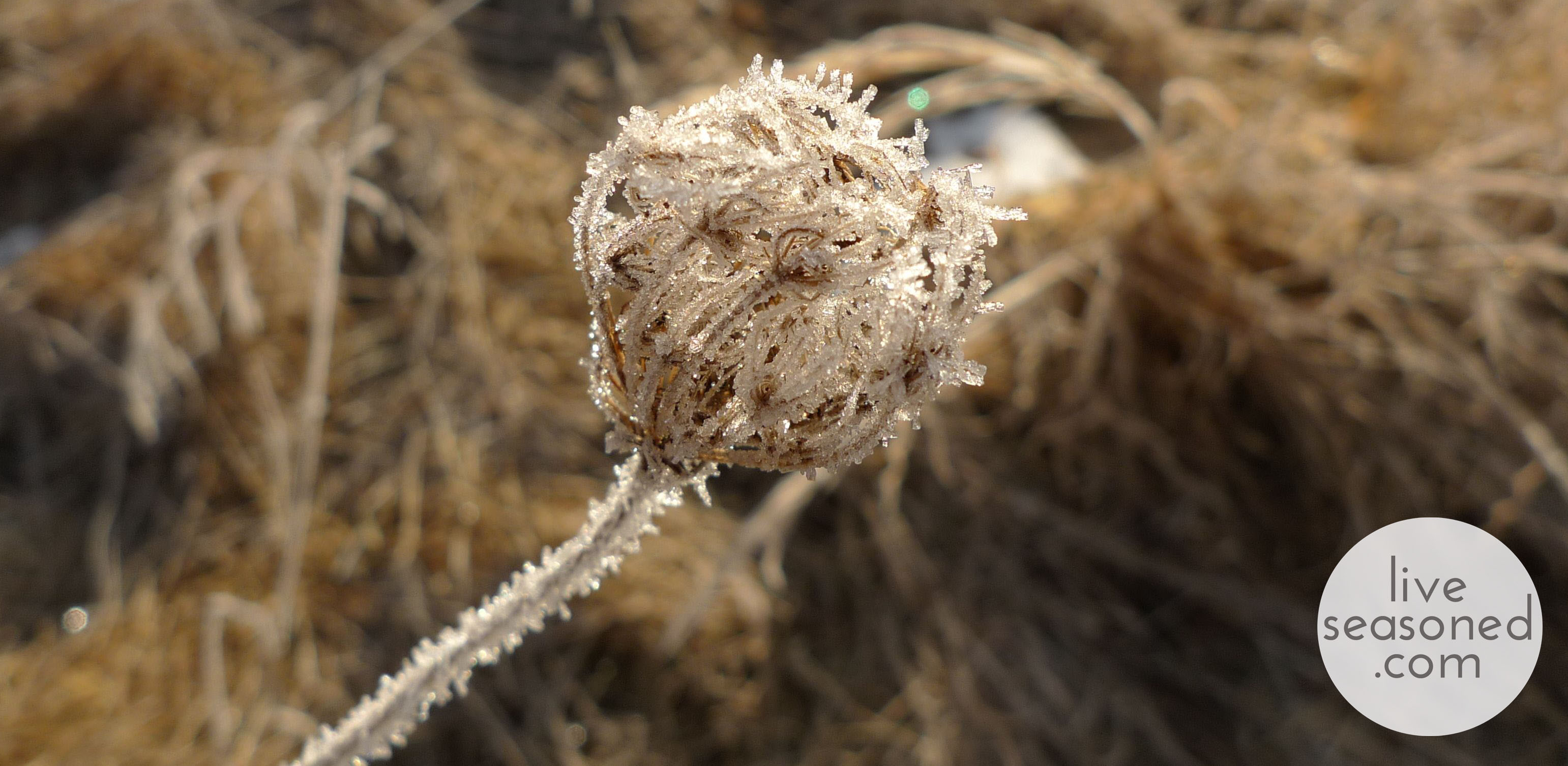
As you can tell, the morning air was freezing crisp and refreshing, with a beautiful layer of frost and ice crystals covering every surface. So first things, first, Calder made some coffee in the french press while I wandered off to check out the scenery. Soon I was back at the van, grabbing my coffee, and encouraging everyone to get out and watch the rising sun sparkle on the ice.

Continue reading