Species spotlight is an ongoing series highlighting creatures that we find interesting for one reason or another. Past subjects include sharks, bark beetles, and a beautiful garden spider.

I’ve traveled plenty, most times with the wrong gear, but when it’s right, I’ve never felt more comfortable and relaxed in an unknown environment. Today I’m sharing my most beloved travel companions, in the way of gear, so you can scope out a great present for the adventurer in your life. All these items are highly practical and while they may be on the expensive side, they’ll last for half a decade or more. If you want your wanderer to think of you while they’re abroad, scope out one of these premium gifts and have them travel in comfort and style. I’ve traveled without most of these items at least once, but never again, never again.
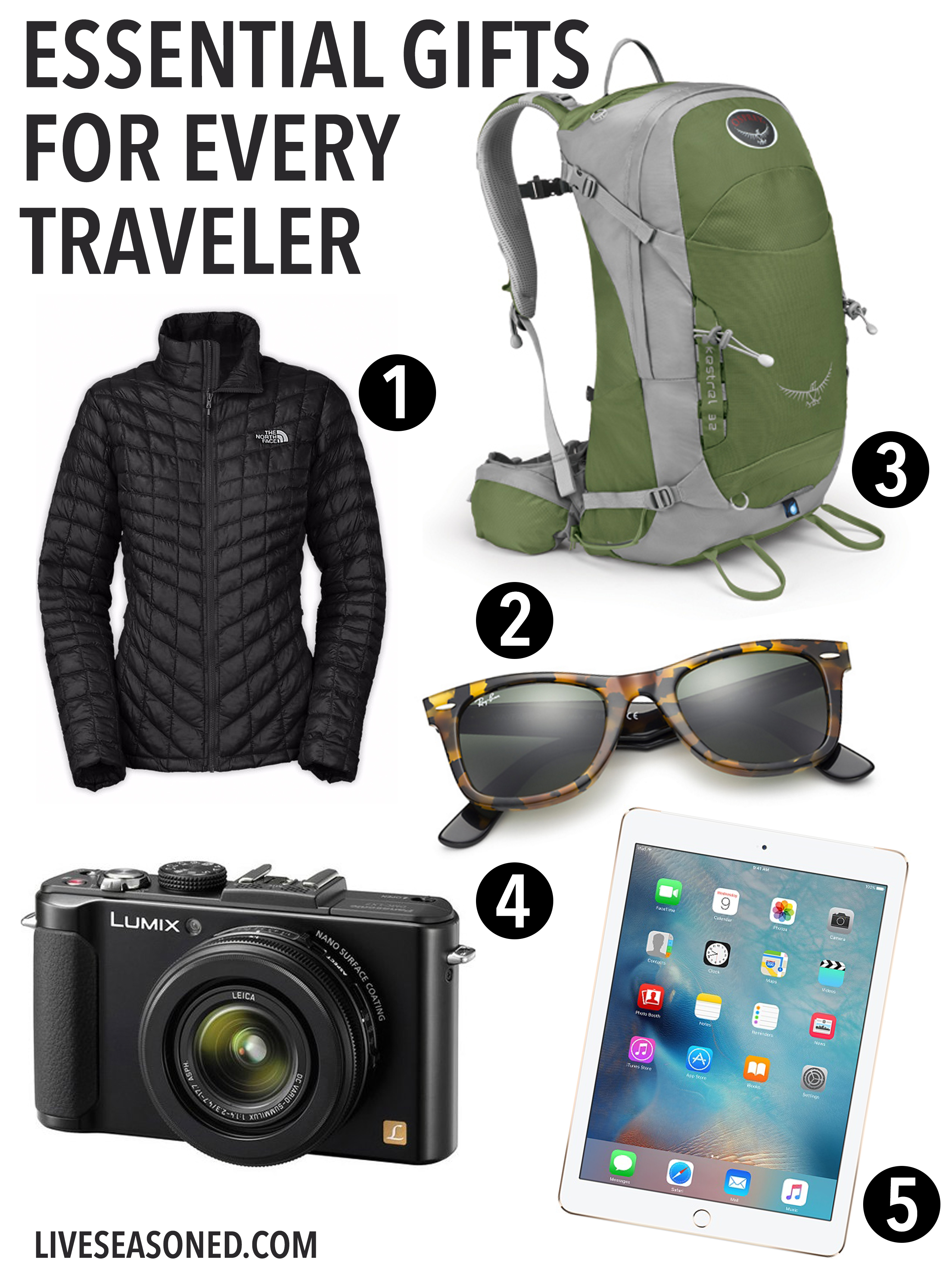
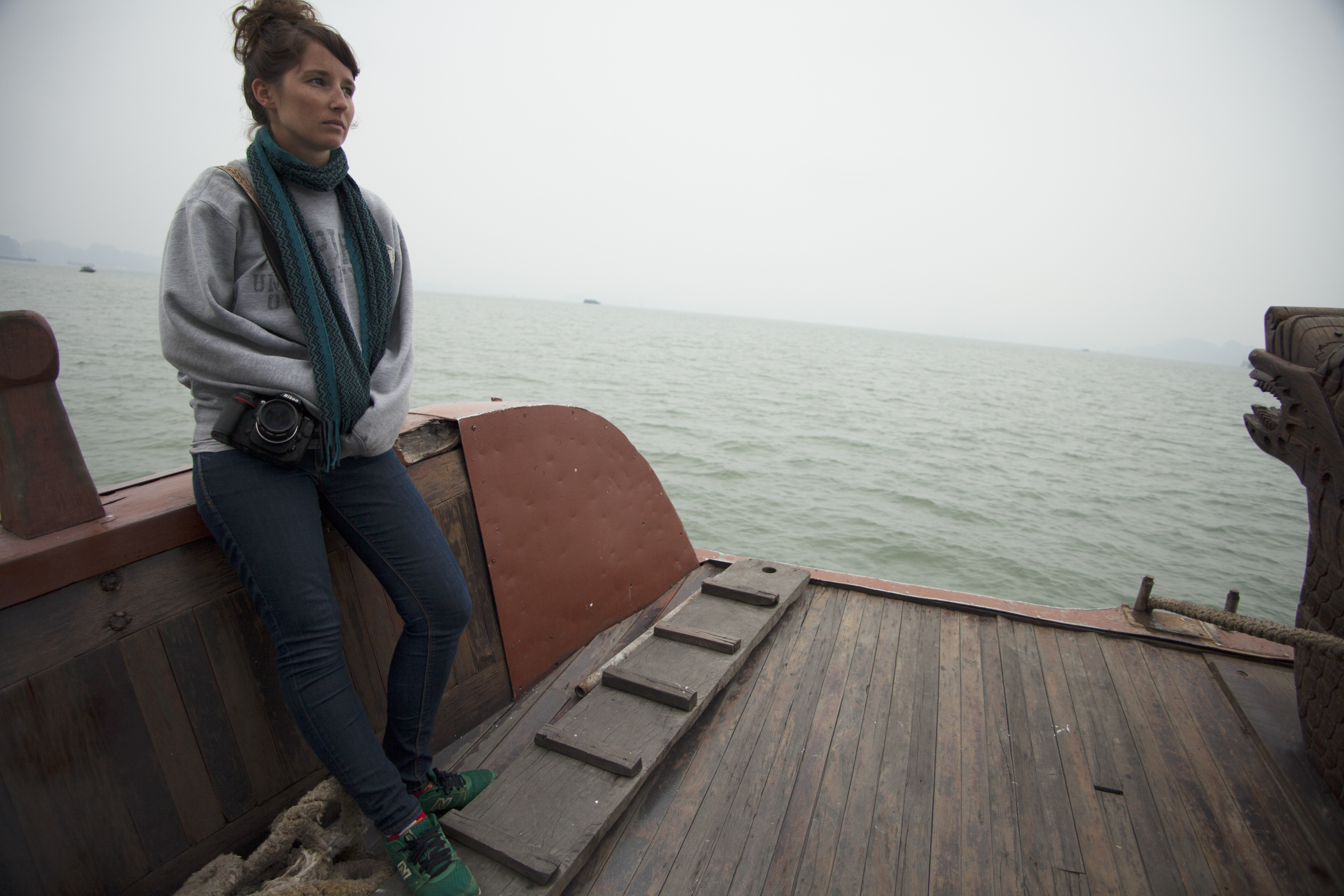 A quality, packable down jacket. I was absolutely unprepared and frozen in this photo (and for the next few days) taken in Halong Bay, Vietnam. On my recent trip to Nepal, I made sure to pack a down jacket and it’s a good thing, because I wore it for a week straight on the Annapurna Circuit.
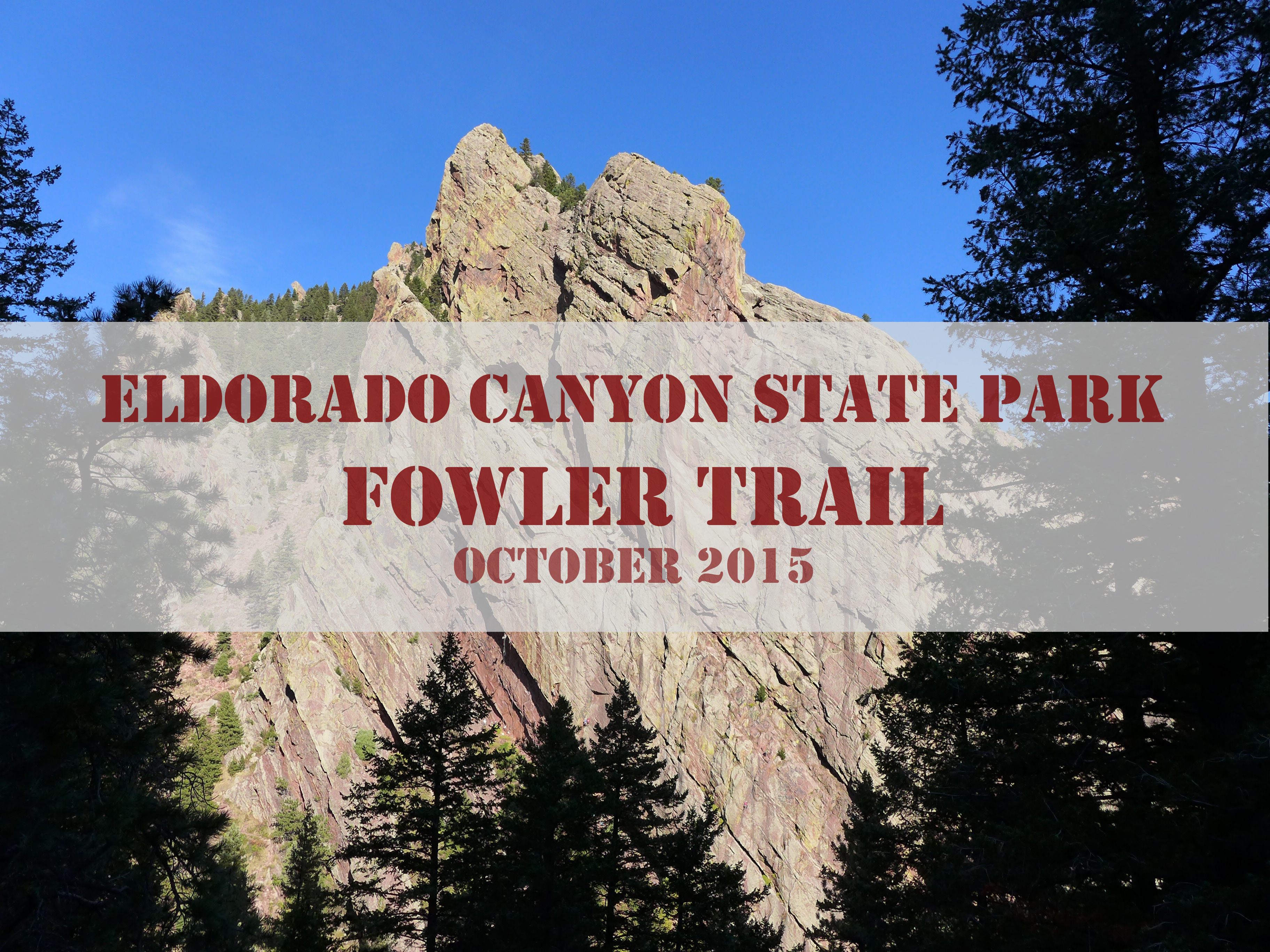
Last week a friend tipped us off to the awesomeness that is Eldorado Canyon State Park, in particular, Fowler Trail. As an active 2.5-year-old, Alex is really excited to get outside and do whatever we’re doing. Translating this to hiking, it means that he’s much happier walking along with us than riding in the backpack. Unfortunately, his little legs get tired fairly quickly, so I’m always on the hunt for trails that are not that steep or long. Fortunately, Fowler trail is both short* and relatively flat! As you’ll see in the photos, it also provides outstanding views of canyon walls filled with climbers, making it extra exciting for our little adventurer. One look at the climbers and he exclaimed, “wow, that’s wild!”.
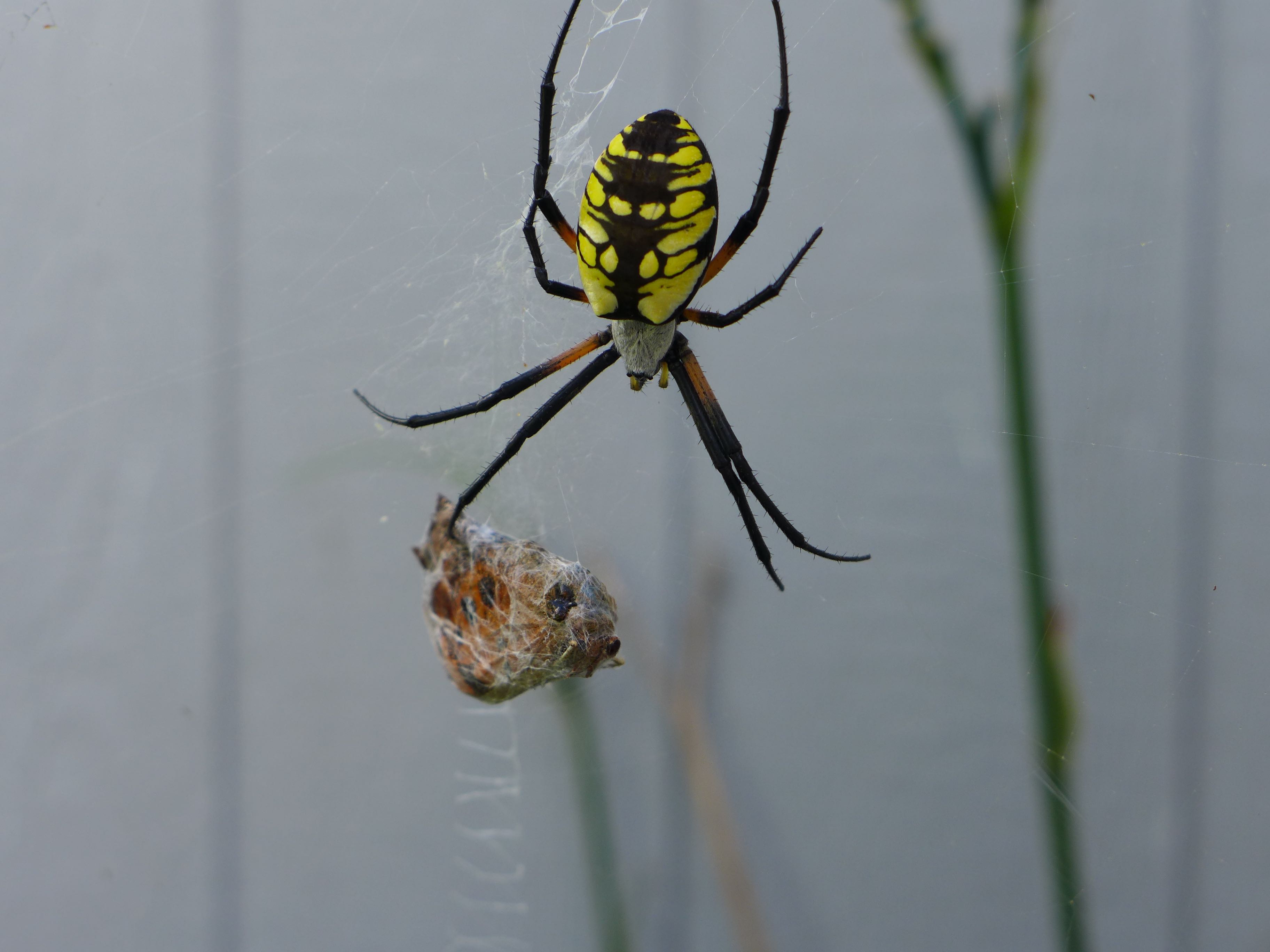
If you’ve been following along with our Instagram feed, then you’ve seen a few photos of the spider living at the beach house. We’ve all become a bit enamored with her and wanted to share more information. First a formal introduction, meet Argiope aurantia, common referred to as the black and yellow garden spider.
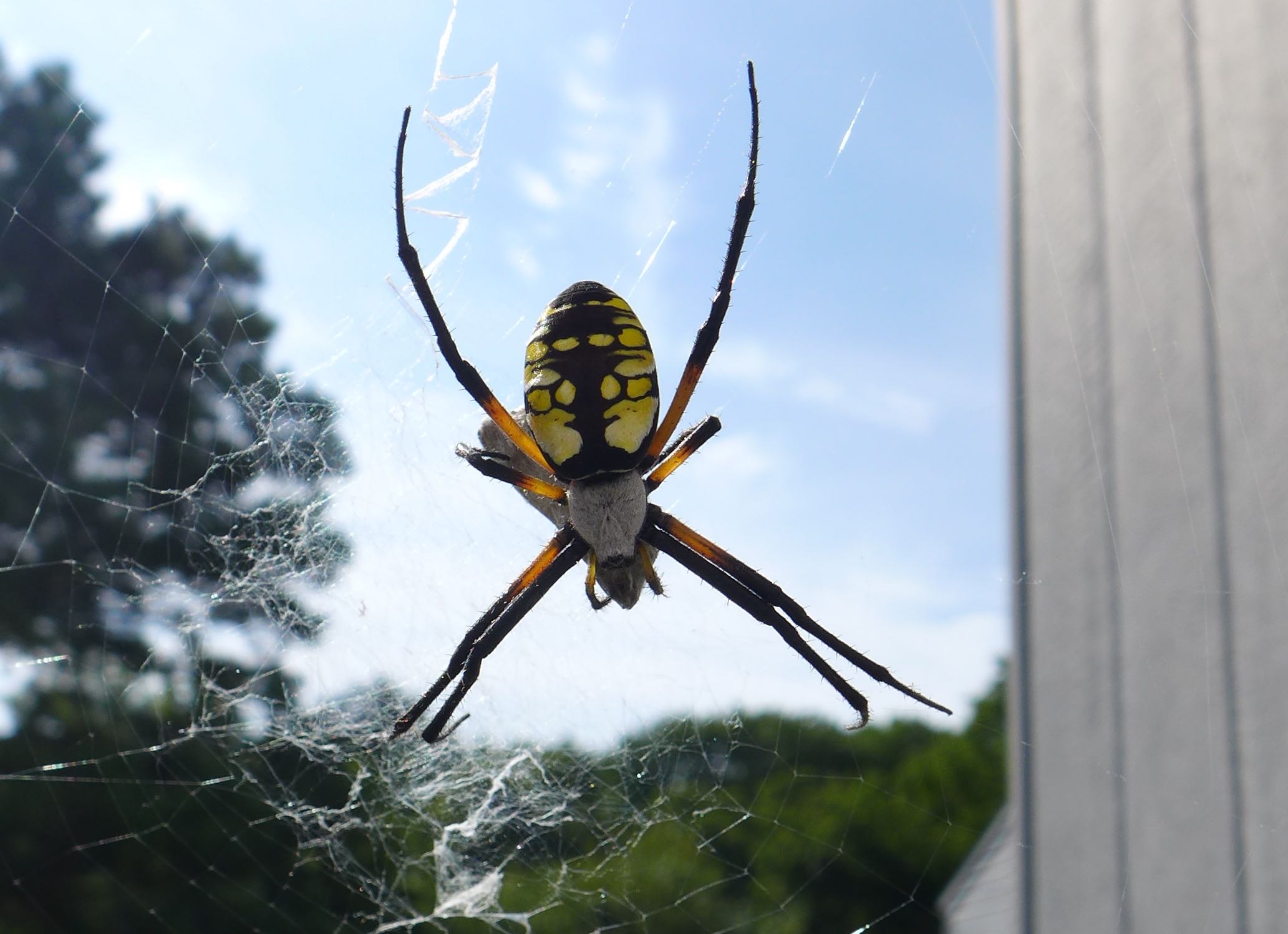
Even we can admit that she looks equal parts mesmerizing and scary, fortunately, she’s relatively harmless. She has no interest in biting humans, and would only do so if grabbed (although she would rather drop down from her web and hide). If she does bite, the result is said to be no worse than a bee sting. Did you get that? If you come across a garden spider in your yard, don’t worry, don’t scare her away, and definitely don’t kill her!
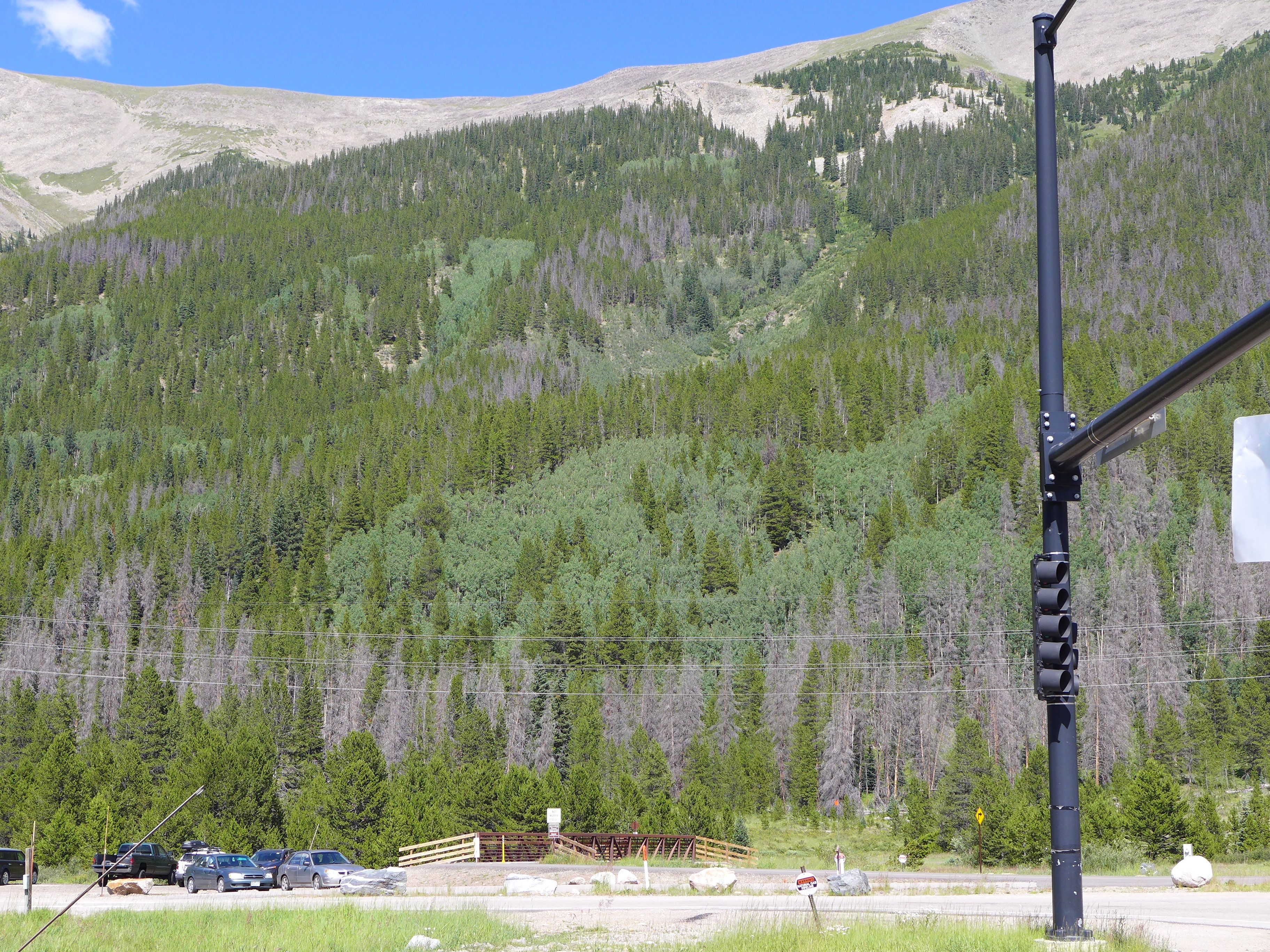
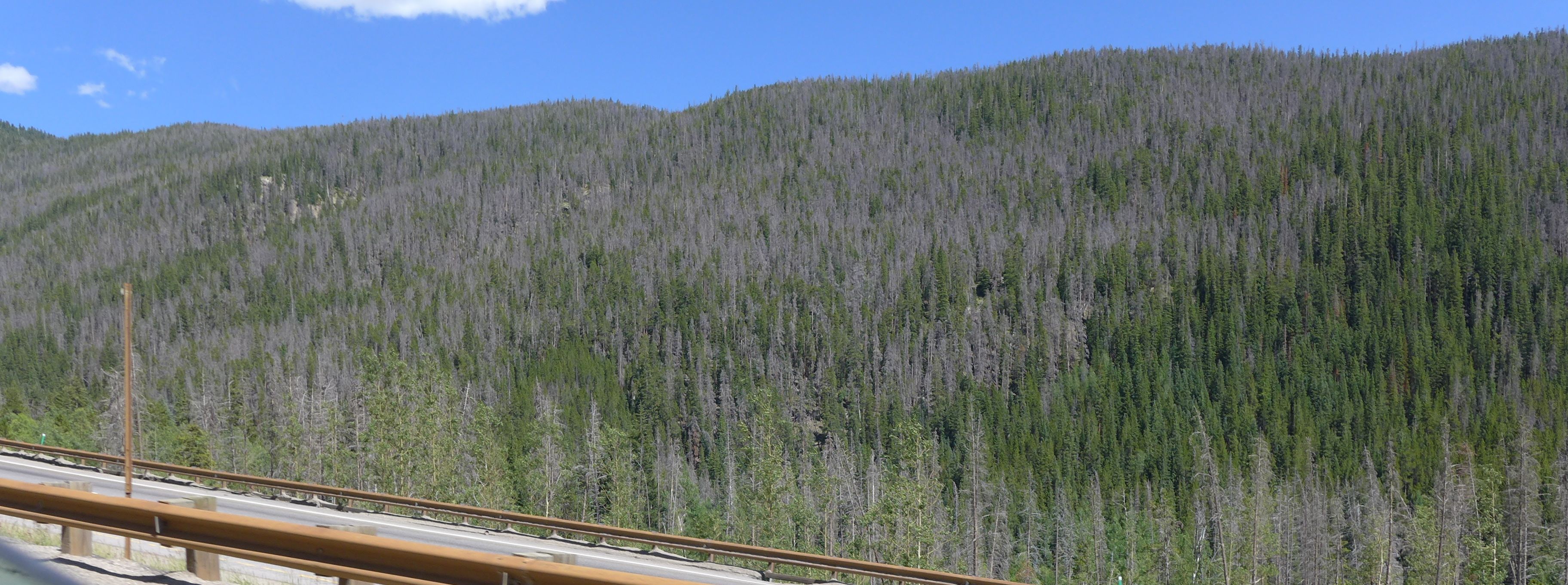
Mother Nature : she can be so predictable, and its her reliable rhythms that we’ve come to depend upon and even appreciate. Organisms living and working together in ecosystems, cycling energy, recycling nutrients, cleaning the air and water, keeping things moving at the right pace so that there’s no build-up of waste. When these systems are working seamlessly and in sync, we simply notice is the beauty of nature, but when some thing throws the systems out of balance, that’s when we sit up and take notice. All too often, humans are the “thing” that threw mother nature out of balance, and it’s not until the damage is widespread do we realize the impacts of our actions. Today’s post is about just that sort of situation.
Bark beetles encompass a number of different beetle species that share similar life cycle characteristics, mainly that they all lay their eggs under the bark of different coniferous trees. As I’ll explain below, beetle activity can damage and kill trees. This often happens at a slow rate and is actually beneficial to forests: weak trees are killed, making space for healthy, young trees to grow. The “problem” occurs when bark beetle activity is happening so fast and so intensely that wide swaths of relatively healthy trees are also killed.
One of the things Calder and I are really looking forward to are camping adventures with the boys, but somehow we’ve had a hard time making time/plans for a trip this summer. Side note : since moving to Colorado, we’ve learned that you have to plan these trips in advance if you want to secure a site at a campground. Reservations are scooped up as soon as they come online! If you aren’t able to reserve a spot, there are some campgrounds that hold a few spots open for first-come-first-serve arrivals, but we’ve been too lazy to go through the effort of packing the car and taking the risk. We know we could just head out into the wilds, but again, we’ve been lazy.
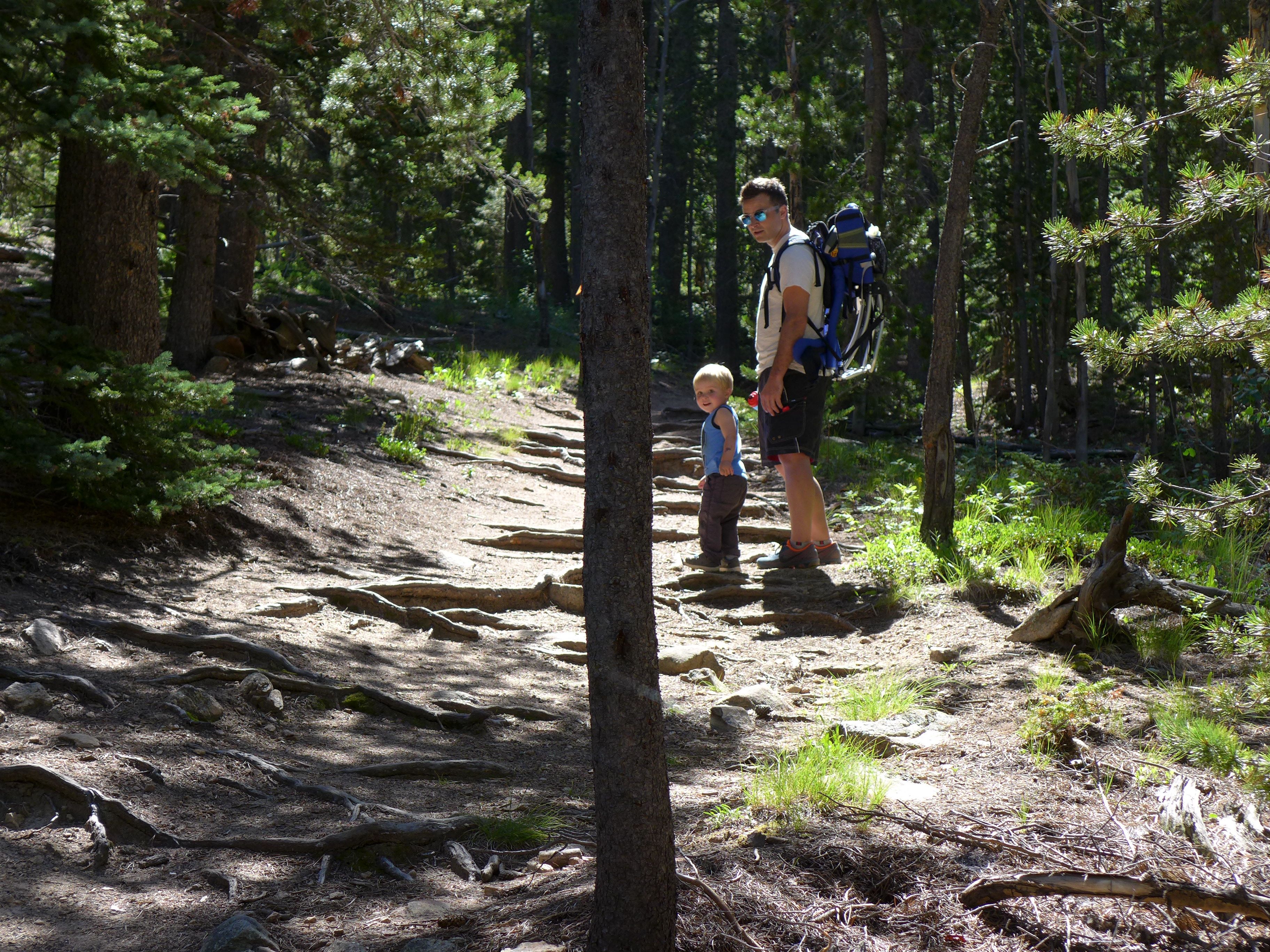
As luck would have it, friends (hi Neha!) of ours were going on trip with a few other families, some sites opened up, and we were able to take one. Score! Alex is just a few months past his second birthday and Luc is four months old, so this was our first trip with both a toddler and an infant, and I thought it might be useful to share our tips/tricks for a super easy and enjoyable weekend camping trip. As you’ll see, we kept everything so simple for this trip. If you’re hesitant about camping with kids, I want to encourage you to do it and show you how it can be done without a lot of stress, tears, or baby gear. Of course, if gear is your thing, then pack on :-).
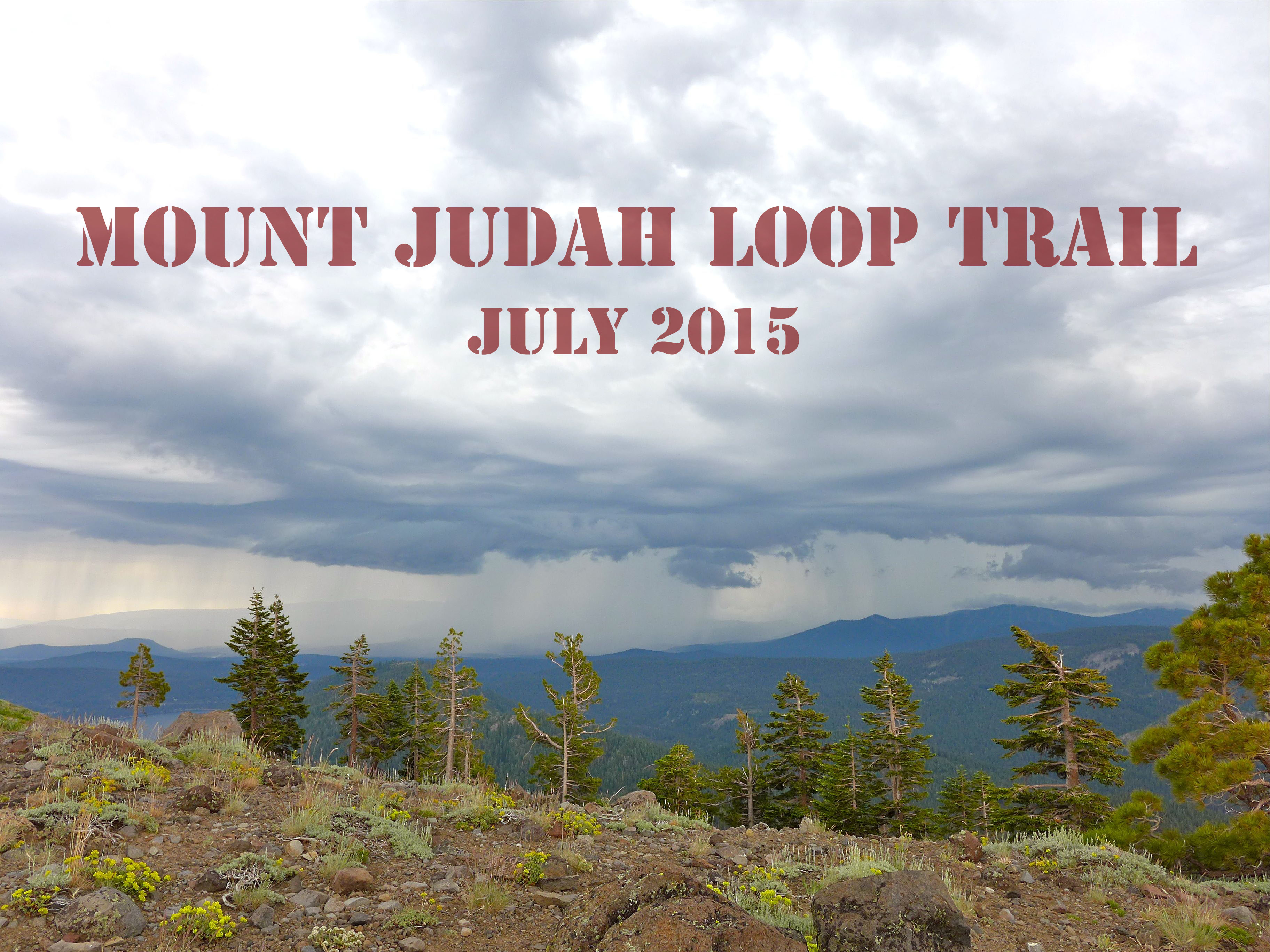
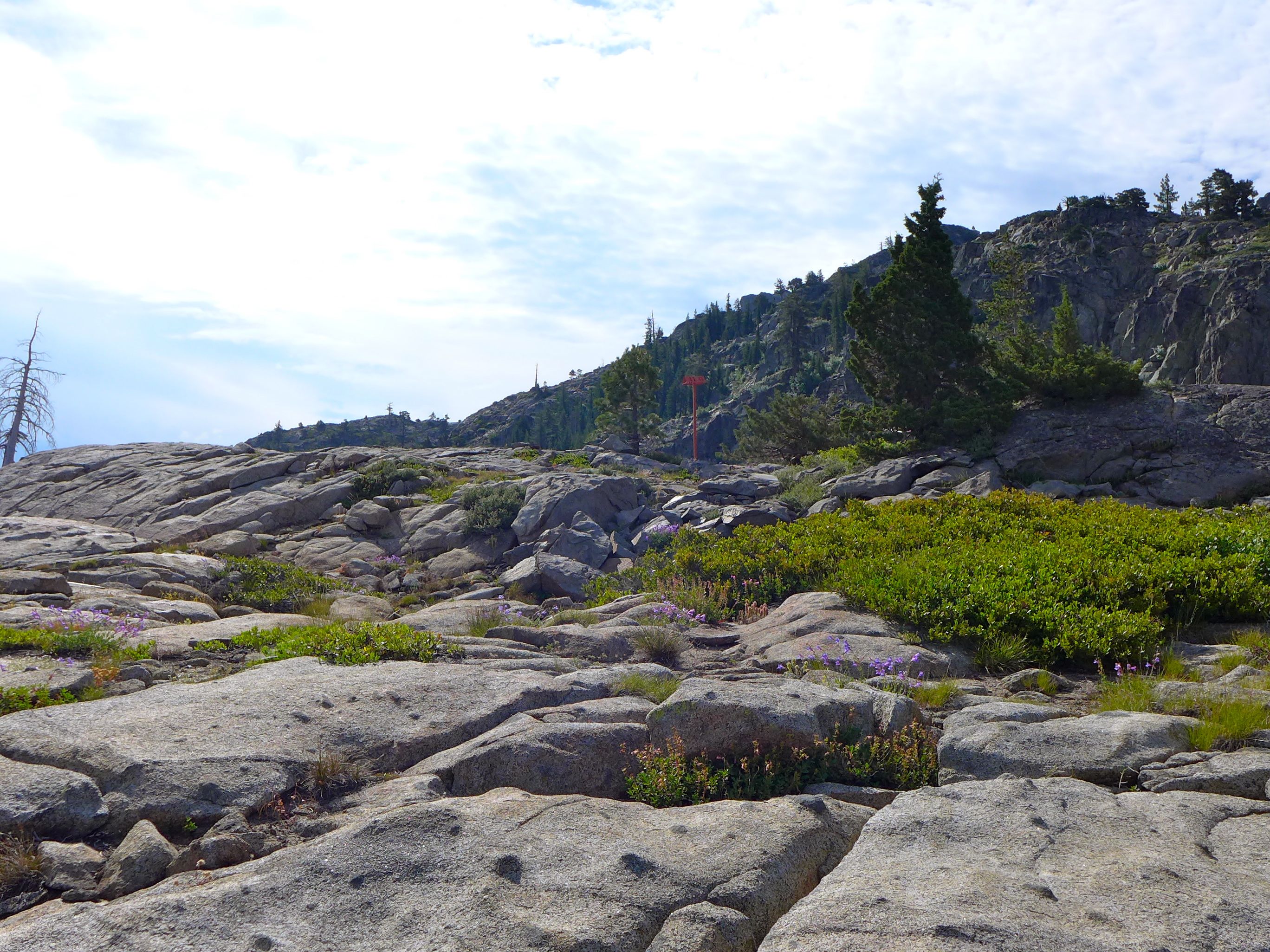
We found this particular hike in a book of trails that was in the house, but you can easily find information about it here and here. The trail is in the Northern Sierras, near Truckee, CA, and it’s just 4 miles from the Soda Springs exit on Route 80. It’s proximity to the highway makes it an easy and worthwhile stop if you’re on a road trip. There is ample parking in the lot next to the Sugar Bowl Academy (we visited in summer, I’m not sure if the parking situation changes when school is in session). From there, you have to take a short walk down the side road to get to the trailhead. You could also drive down that road and park at the trailhead, but I’m not sure how crowded that area gets on the weekend.
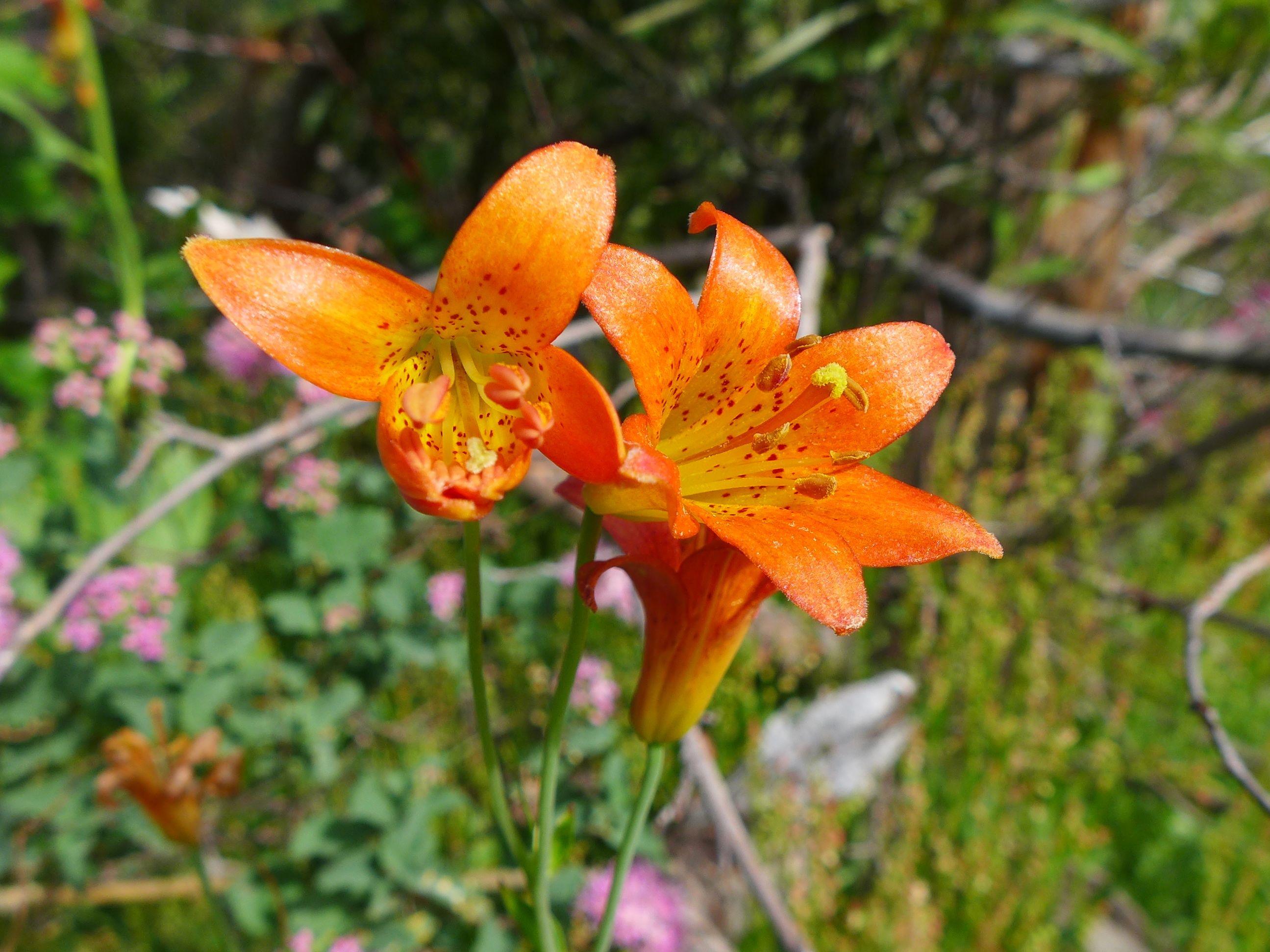
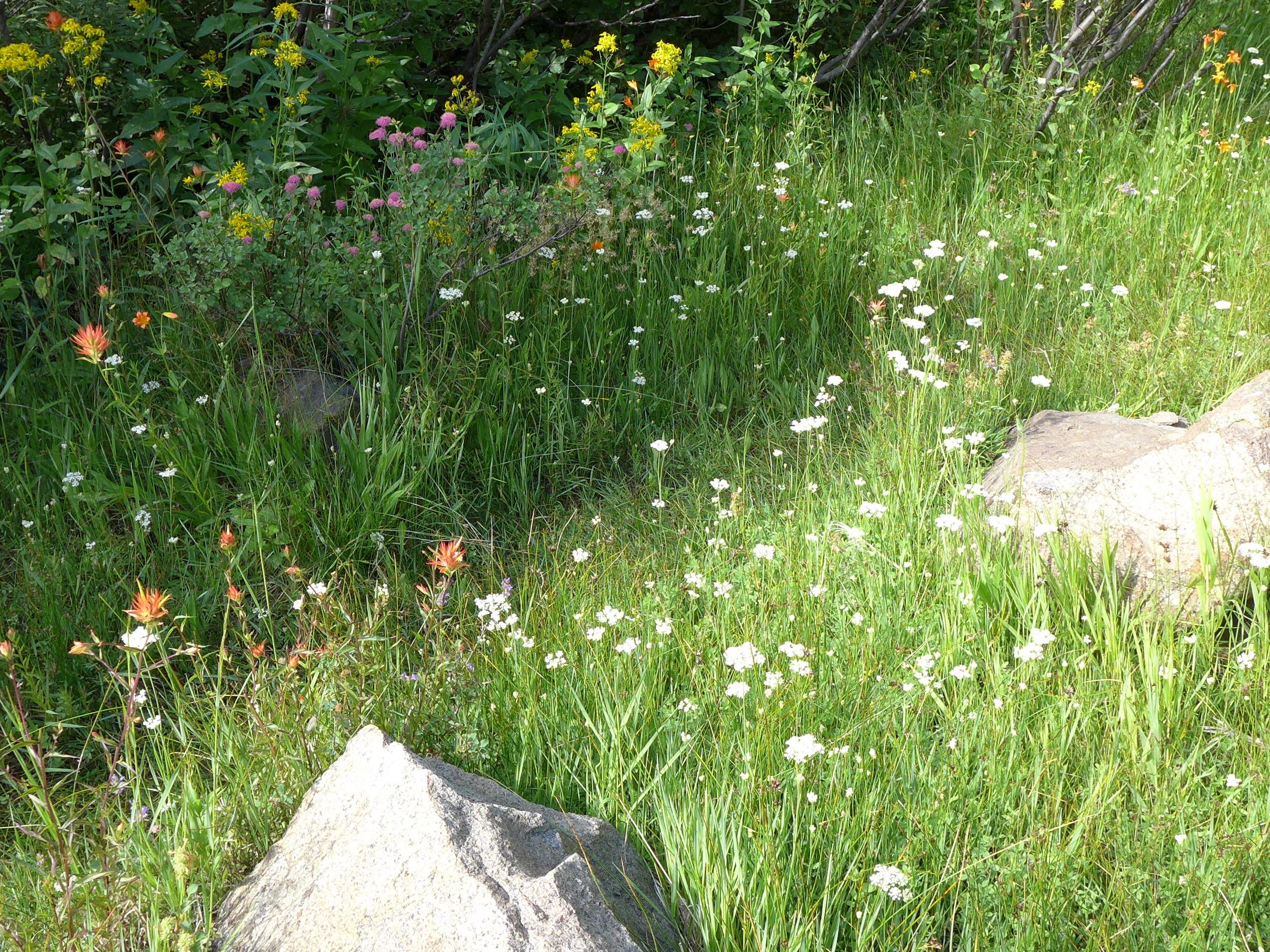
The total distance for this hike is about 4.5 miles. You begin on the Pacific Coast Trail, hiking towards the Sugar Bowl Ski Resort, and on one of the runs is where you’ll bump into the Mount Judah Trail. You could take a left there and head up the trail, but we continued on the PCT and took the second intersection with the Mount Judah trail (there are only two points of intersection). Whichever way you connect to Mount Judah, you’ll end up hiking the one initial PCT section both in and out to the parking area.
This hike is marked as moderate in the trail guides, and I would agree. The most difficult portion is the initial (and final) ascent (decent) on the PCT. The terrain is rocky, the trail relatively narrow, and the incline steep, but after those switchbacks, the rest of the trail is much less rocky with a more gradual climb. The trail covers a total elevation gain of about 1000 ft.
Side note : someone in our group was concerned about going on this hike with a bum knee, then Calder’s sister reminded them that they would be hiking with a septuagenarian, a pregnant lady, and a lady with a baby… if our rag-tag bunch could handle this hike, then most readers probably can too!
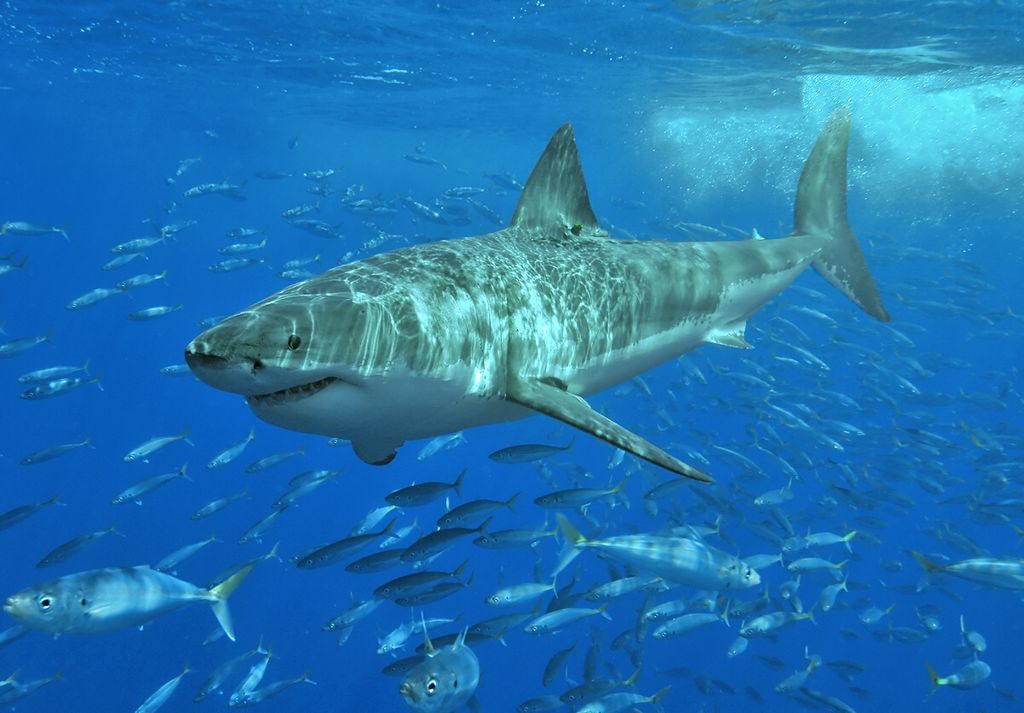
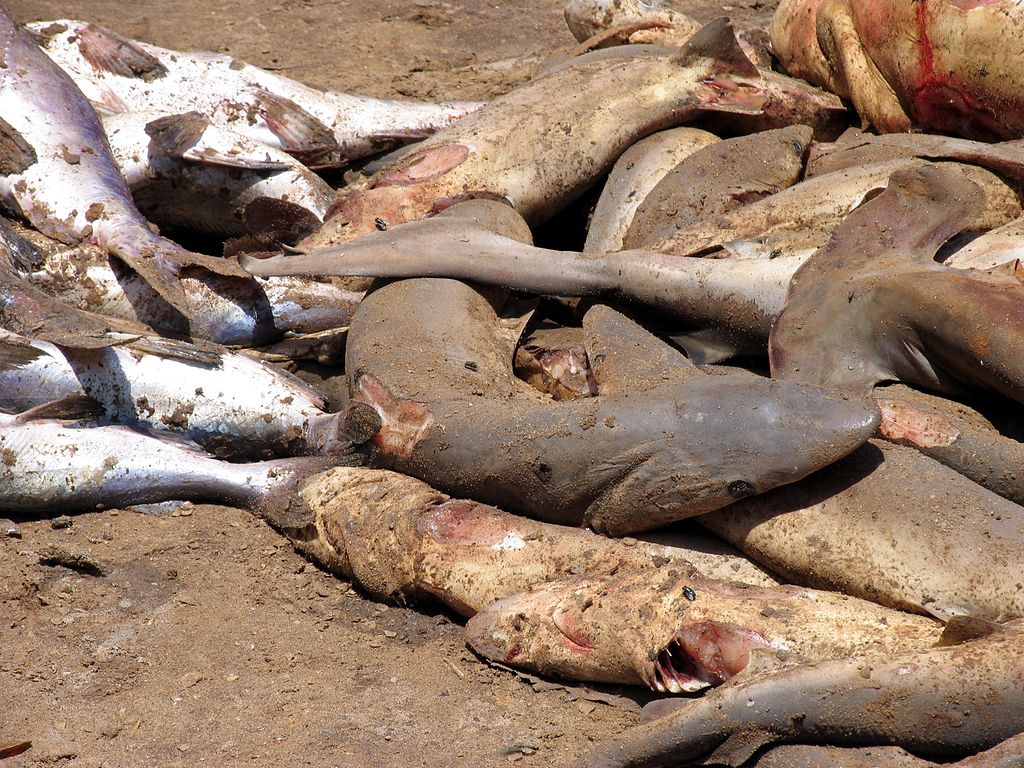
Yesterday we mentioned the abundance of Atlantic shark activity, and rather than just stop there, we thought that it would be worthwhile to spend a little bit more time talking about this species that is crucially important to ocean health. Think of today’s post as the highlight reel about the role sharks play in the world’s oceans and why it’s important to conserve these predators. Yes, you read that correctly, while we’re the first to raise our hands and say that we could do without a shark sighting at our beach, we’re also the first to support all efforts to study and conserve them too. Read on to find out why…
Before we get started ~ 1. there’s at least one image in this post that readers may find offensive (it’s in the “Estimating the Sharks’ Value” section), 2. I provide some definitions and clarify some terminology at the bottom of the post (you may find it useful to go there first).
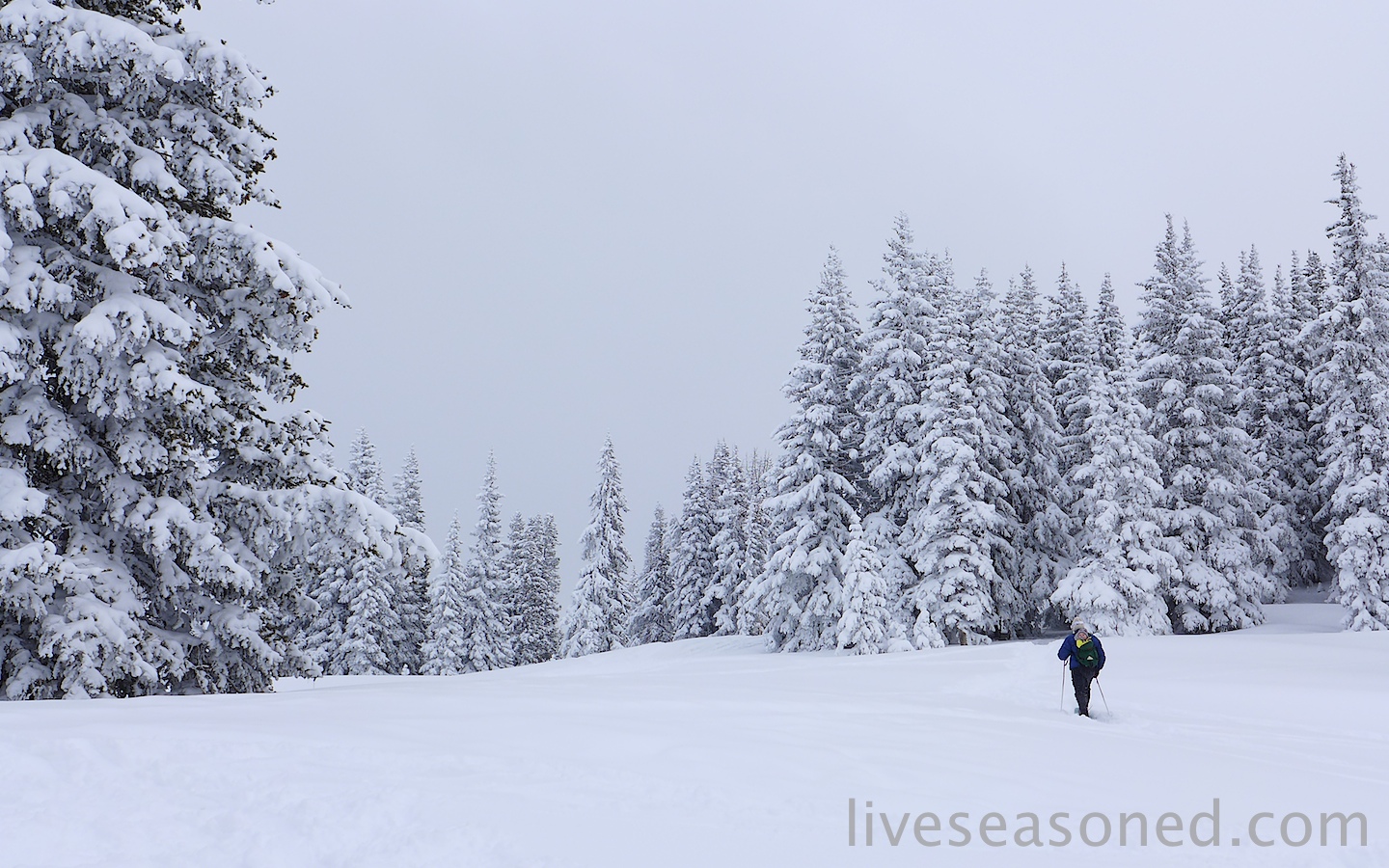
This is Alex’s second winter and the second year that we took the little guy out on a snowshoeing adventure during our Christmas break. If you like to get outside for exercise and have a little one that’s too small for many winter sports but is happy to be bundled up and spend a bit of time out in the cold, then this is a great family winter activity!
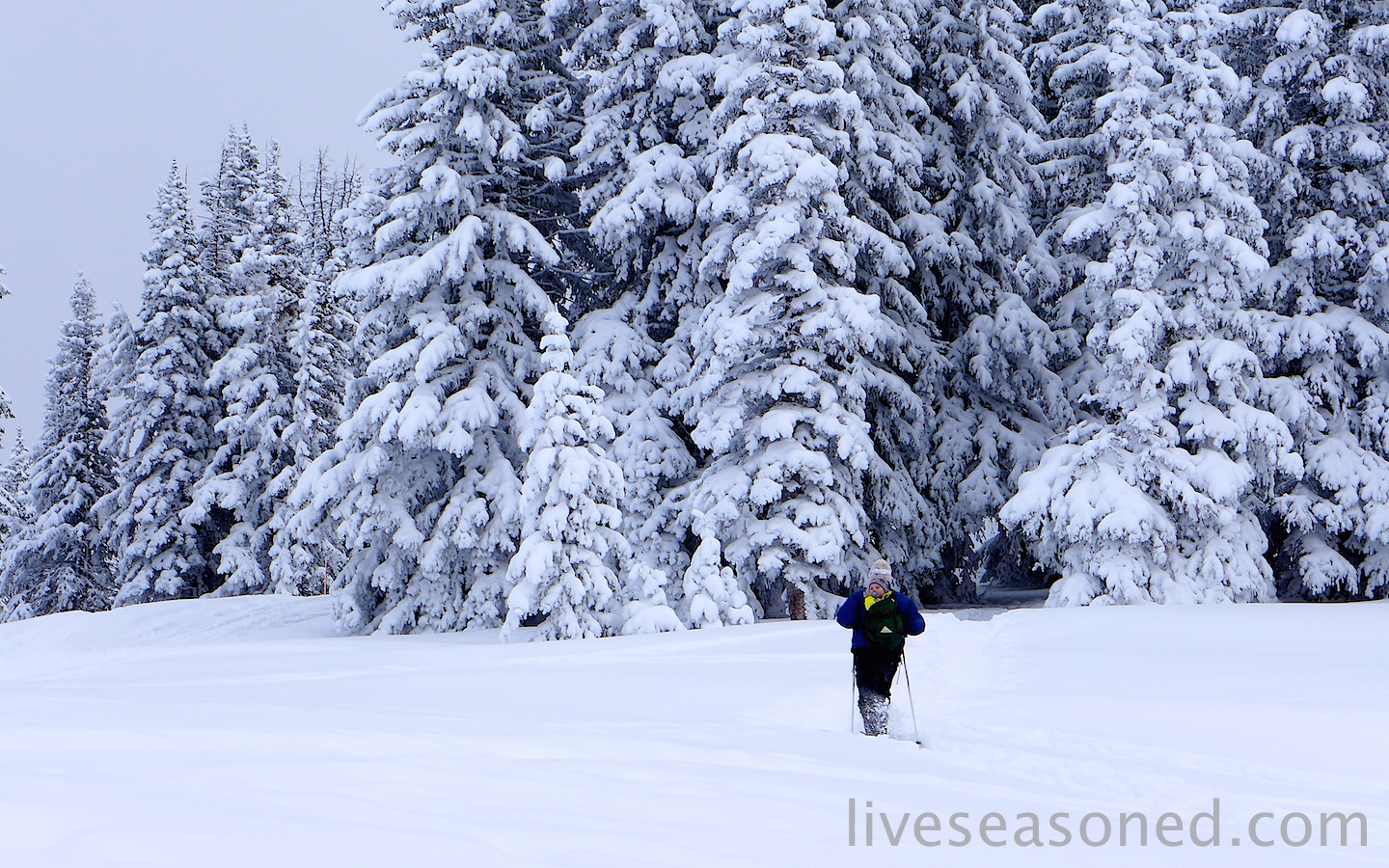
In our case, Alex is still too little to ski and pregnancy is limiting my options this year, but snowshoeing is the one outdoor activity that we can all do (other than our many, many walks around the neighborhood pulling the little guy in his sled!).


Planning for an afternoon snowshoeing adventure is relatively simple:
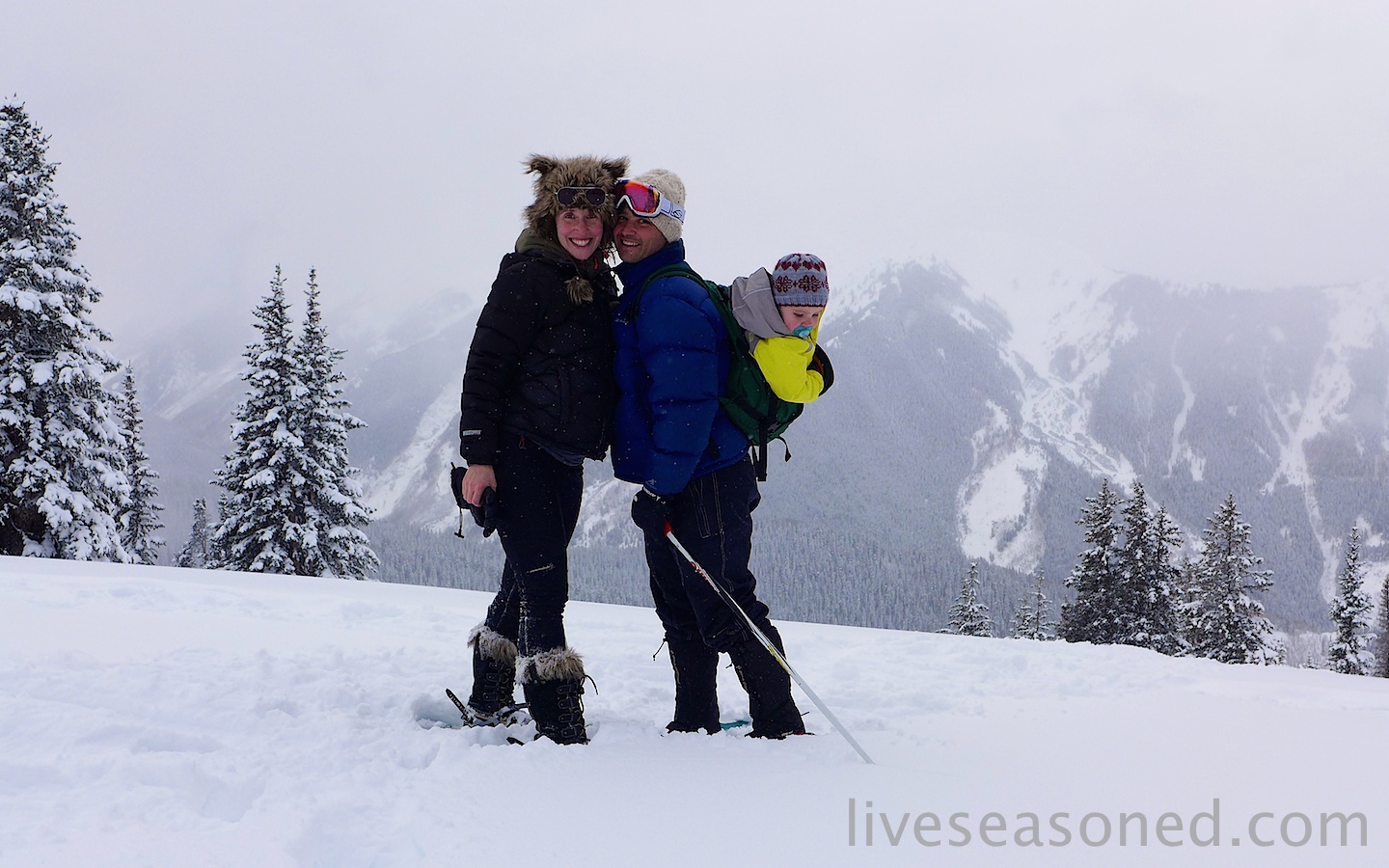
It was a cold day, so we only stayed out for about 20-30 minutes, but that was plenty of time for a good walk. *** Quick note ~ this is where we should mention that if you’re pregnant you may want to proceed at your own risk (or, talk to your favorite doc first). While Calder and Alex went on a larger loop, I realized that at such a high altitude it was better for me to take it slow and walk with them at the beginning and end of their loop rather than push my limits. If you exercise regularly, a vigorous snowshoe at lower altitudes while pregnant is much less of an issue.
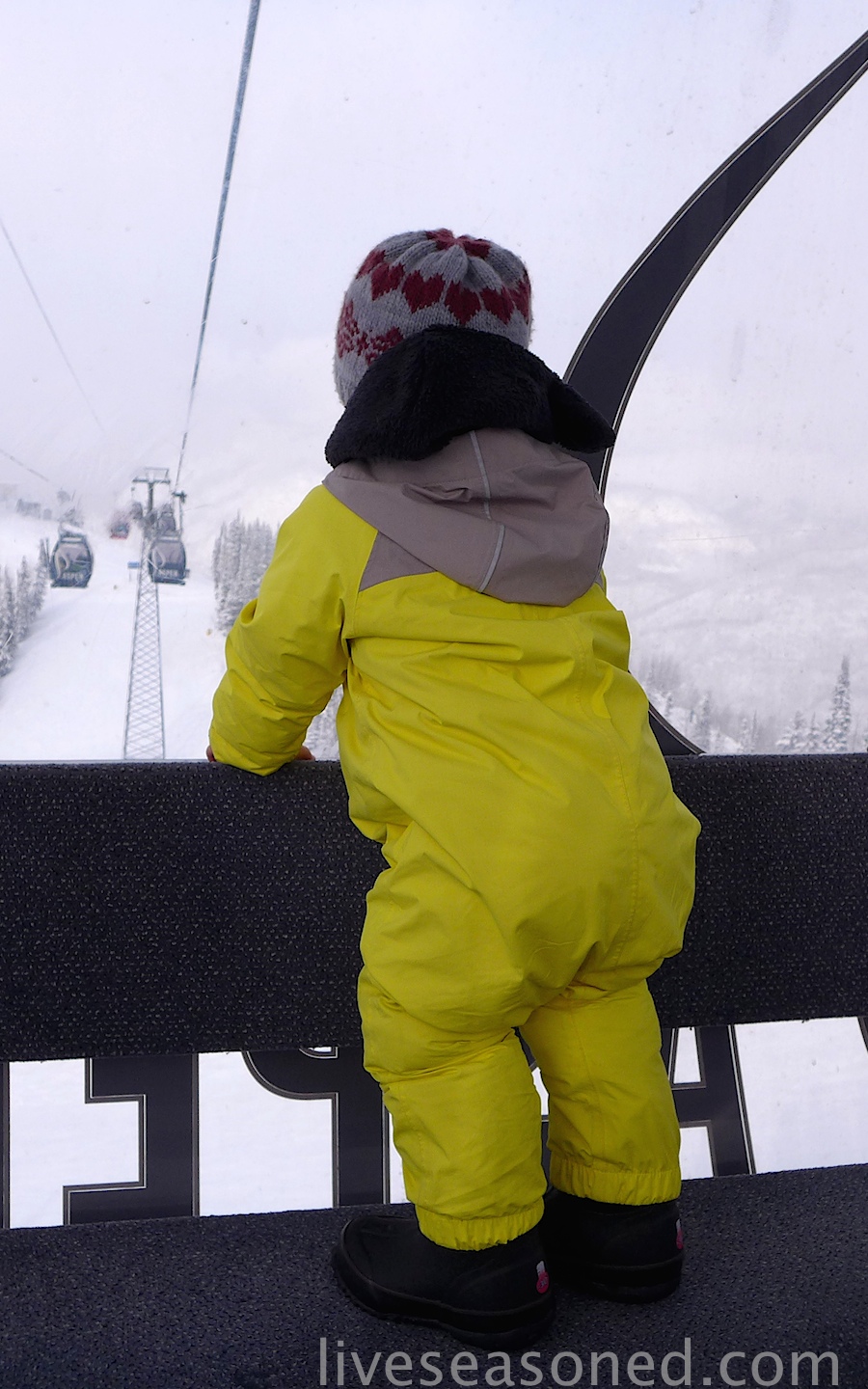
This turned out to be one of those perfectly planned days where we were able to meet everyone’s fun quota. We rode the gondola to the top of the mountain, which makes the whole adventure even more fun for little ones! Calder carried along his skis and was able to put in a few runs after our walk while Alex and I warmed up by the lodge’s fir. Then we all had lunch before Alex and I rode the Gondola down and Calder took another run to the bottom of the mountain.


At that was it ~ our simple but fun snowshoeing adventure for the whole, growing family… we’re hoping to fit in a few more trips this winter, and I’m already imagining next year’s adventure when we’ll have two little ones in packs!
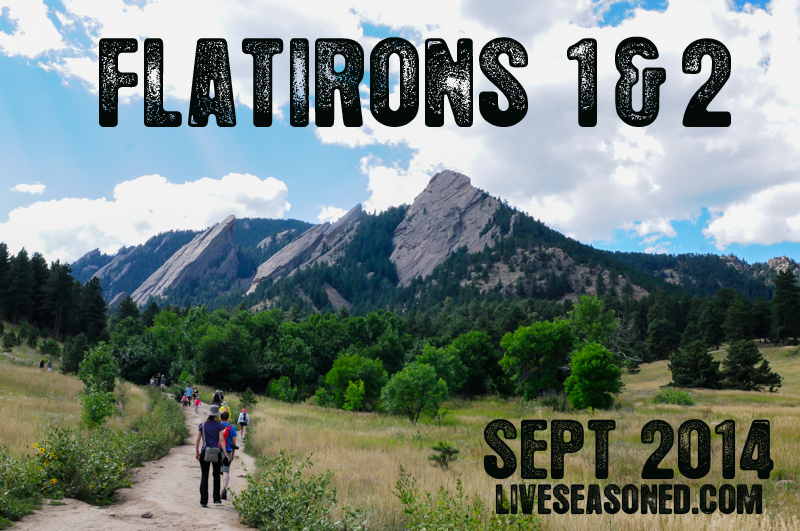
About a month ago, Katie, Jeff (our brother) and I hiked the Flatirons 1 & 2 trail. I’ve been meaning to write this post for some time since it was one of the most scenic hikes in Boulder, CO, so here goes:
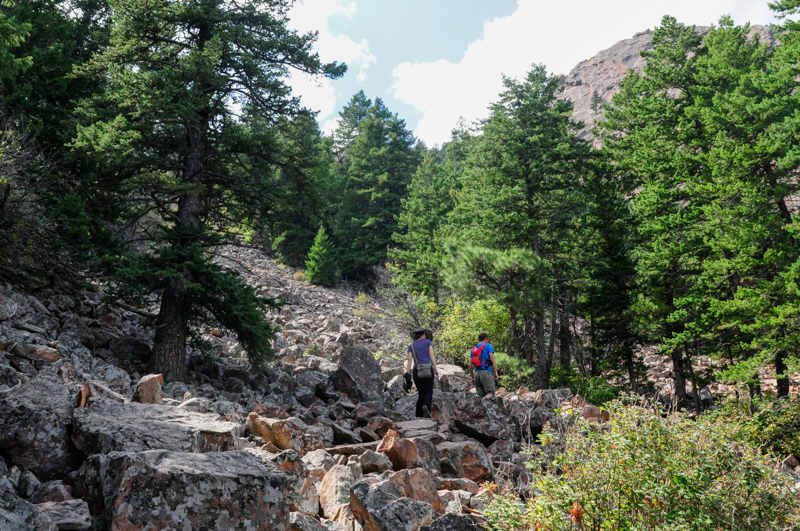
The hike starts at the Chautauqua Park trailhead. Parking in the lot can be pretty tricky, especially on the weekends, but you can find additional parking on Baseline Road. That being said, the trail is extremely crowded. You won’t have the views to yourself, but hey, at least there is no chance of getting lost. After you find a parking spot, continue to the Chautauqua Park trailhead where the trail takes you through a lovely green meadow. (Note that if you’re hiking right after a rainstorm, it will be pretty muddy since the trail is basically a path for runoff water. ) The Chautauqua trail connects with the Flatirons 1&2 trail and the signage is very clear as is the flow of people flocking to the Flatirons 😉


Over the course of this relatively short hike (about 2.5 miles), you will climb 1,400 feet in elevation. Flatiron 1 is approximately 7,100 ft high, which makes for stunning views. As you hike up the trail, there are plenty of outcroppings that are perfect for taking a break and enjoying the vistas. The Flatiron trail is mainly switchbacks through thick forests of ponderosa pine that cut around enormous boulders. Along the way, there are also several rock climbing access points. Speaking of climbing, there is a very short section of the trail (about 15 feet) where you have to climb up a boulder. There are footholds and handholds worn into the rock making it easy for adults, but I wouldn’t recommend taking children on this hike. I would also turn back immediately if it starts to rain because the rocks will become slippery making a large portion of this trail fairly dangerous.


Once you finally wind up, up and up, the views are spectacular. There are clear views of the city of Boulder as well as amazing views of Flatiron 3, which is sure to have rock climbers scrambling up it. The top of the trail is a perfect spot to stop and have a snack or a picnic, but remember to hike all your waste out with you, even banana peels! The top of the trail is like an adult jungle gym. You’ll see folks in all different nooks and crannies. It goes without saying that you should be careful when you’re climbing from boulder to boulder, don’t knock into any rocks that may fall and injure someone at a lower elevation. After you’ve climbed your heart out and took a bajillion pictures, it’s time to make your way down the ridge. Be mindful of other hikers who are still making their way up and if they look like they need encouraging remind them that they’re almost there!


Geology Rocks! I say that far too often, but I just can’t resist. Here’s a quick rundown of some geological properties of the flatirons. I’m going to give some definitions in case you slept through your geology lab class.


Before of after your hike, be sure to stop by the historic ranger cottage near the parking lot – you can’t miss it. It has a wealth of information, free maps and dozens of stuffed birds and mammals. I really enjoyed the station because I gained a better sense of what animals were sharing the forest with me. It’s especially cool to see the animals you have very little chance of seeing in the wild like mountain lions, coyotes, and bobcats. If you want a little snack, continue past the ranger station for about a block and you’ll see a little refreshment cottage with homemade hard ice cream and just about everything else.
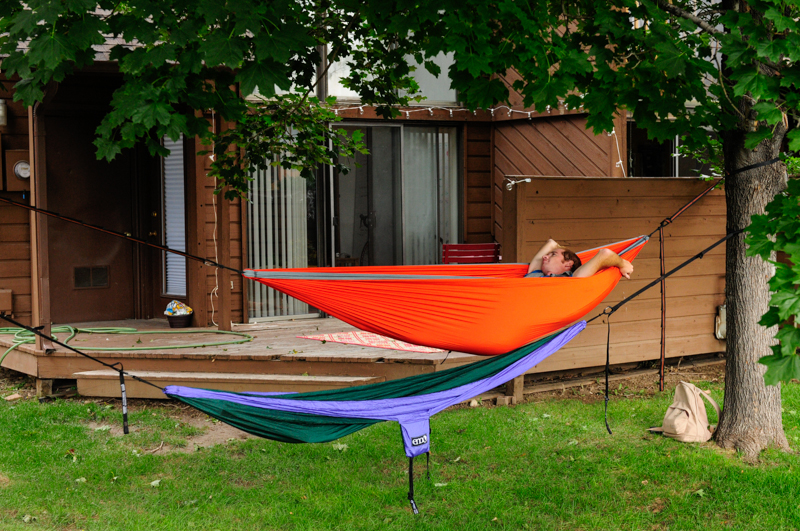
After the hike and the ice cream, you should probably treat yourself to an afternoon snooze! Happy hiking!