We hope your holiday is filled with mojitos, iced tea, popsicles, and love!

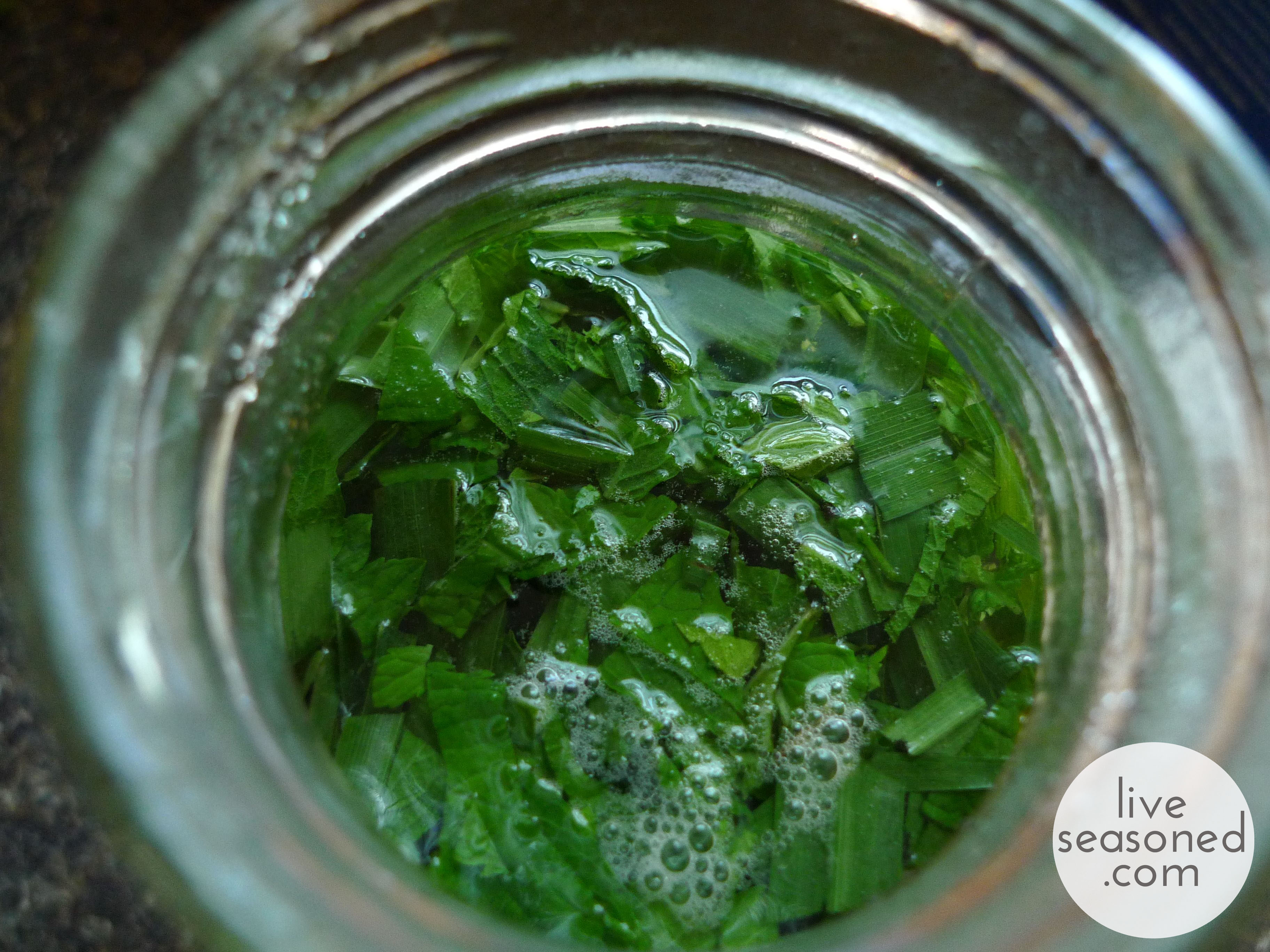
Today we’re sharing an amazingly simple and delicious herbal iced tea that’s the perfect addition to any summer spread. This pairing of lemongrass and mint is something I’ve carried around with me for years, only getting the urge to mix up a batch on the hottest of summer days, just like the first time I had it.
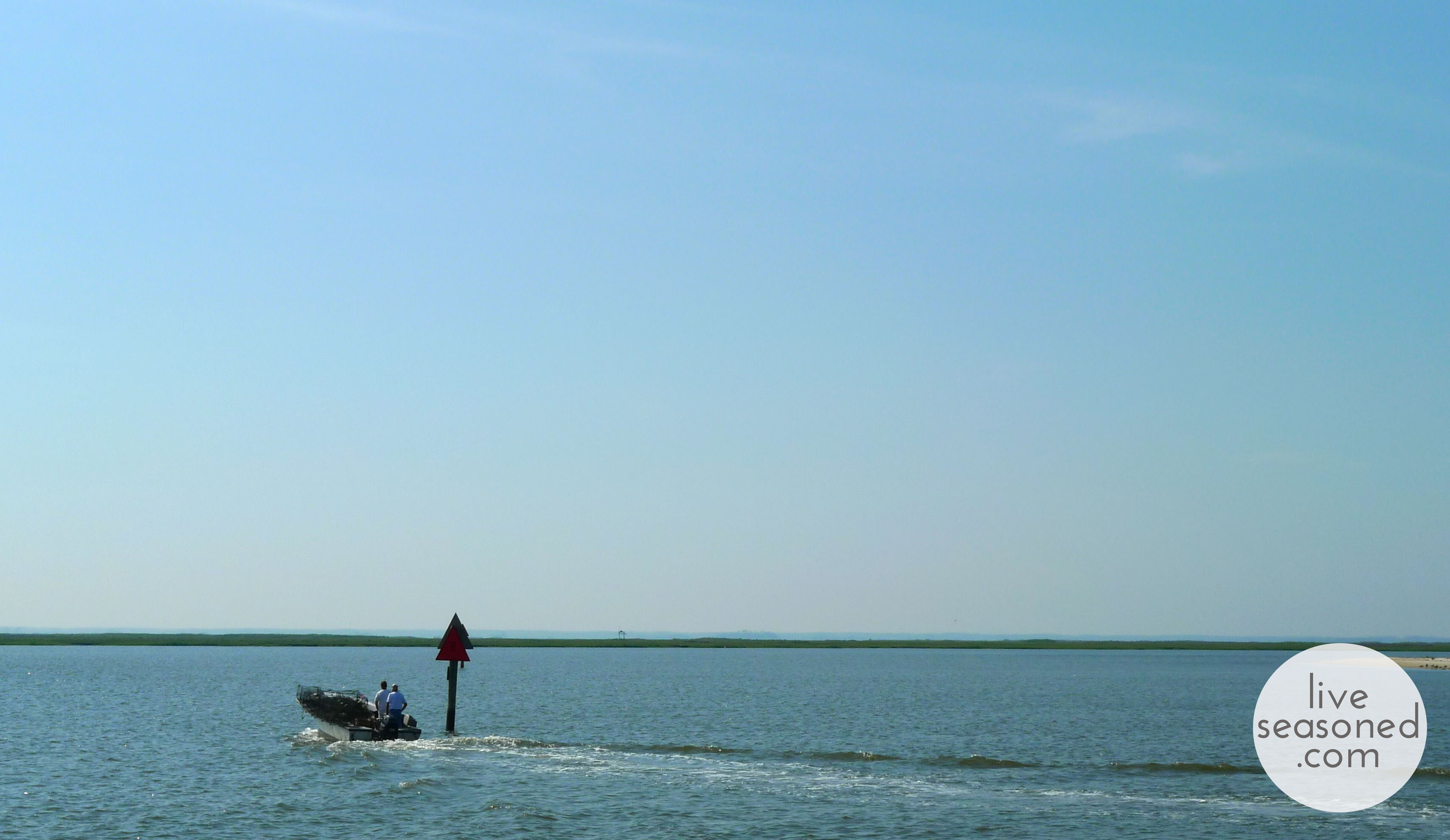
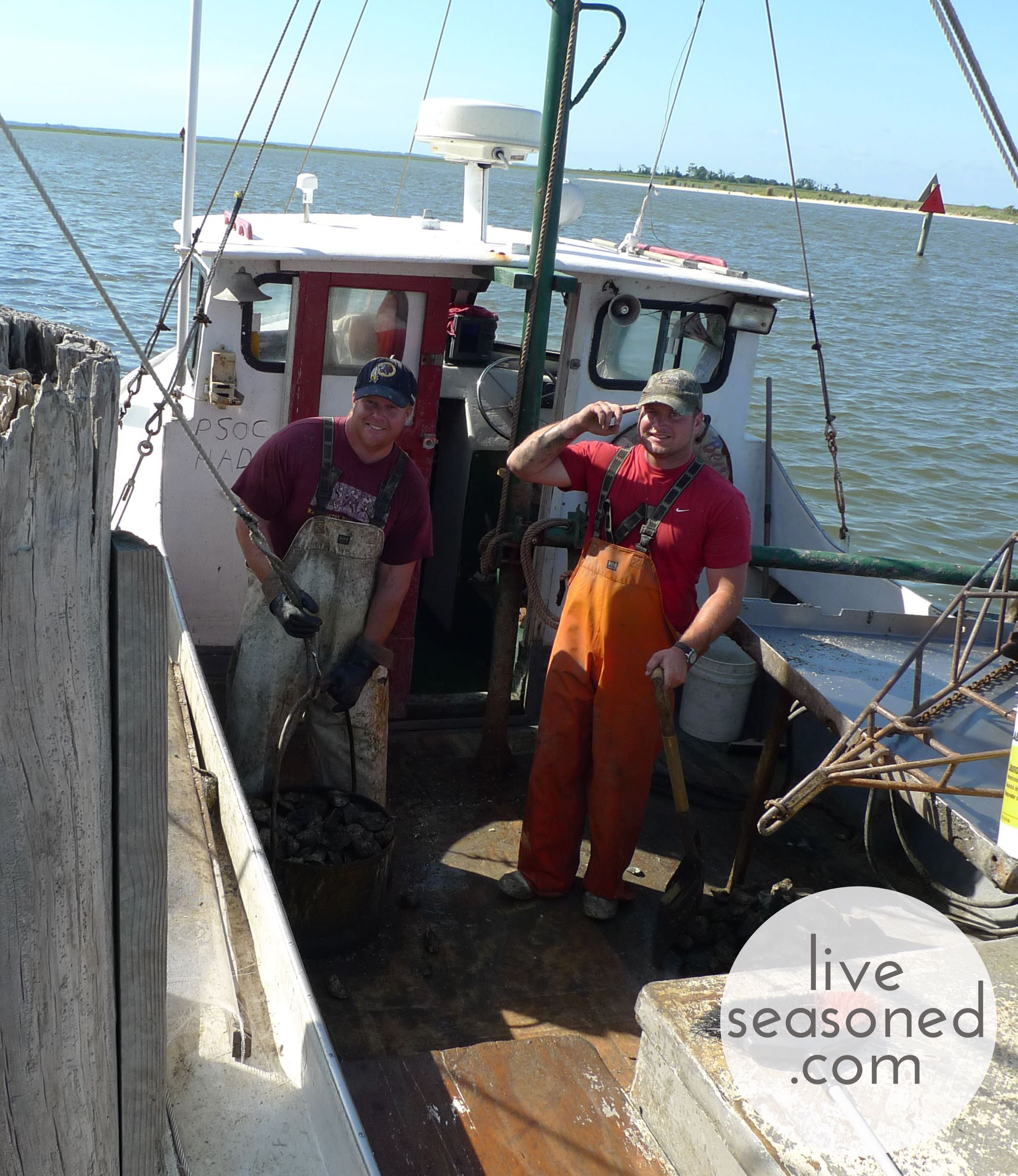
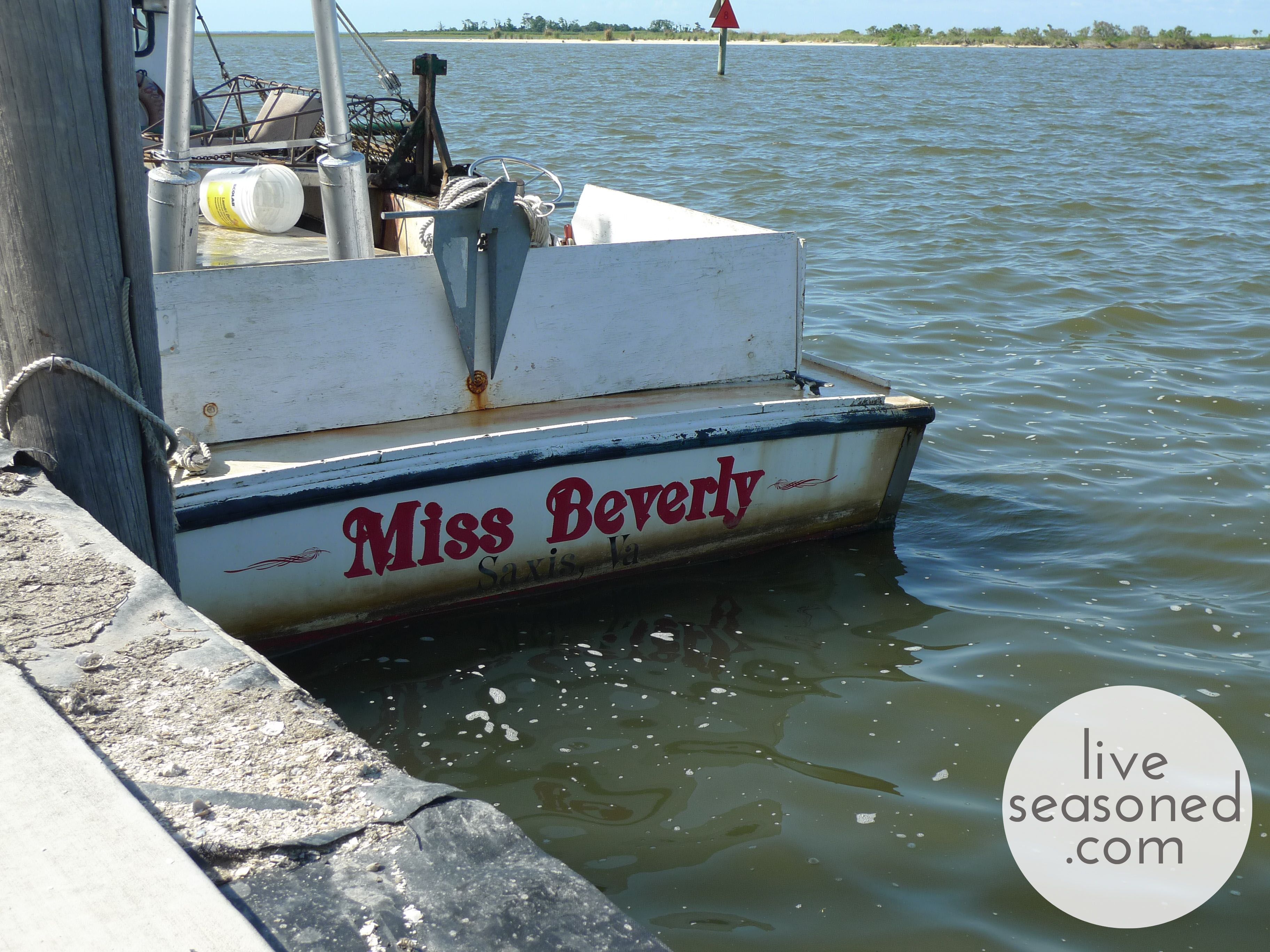
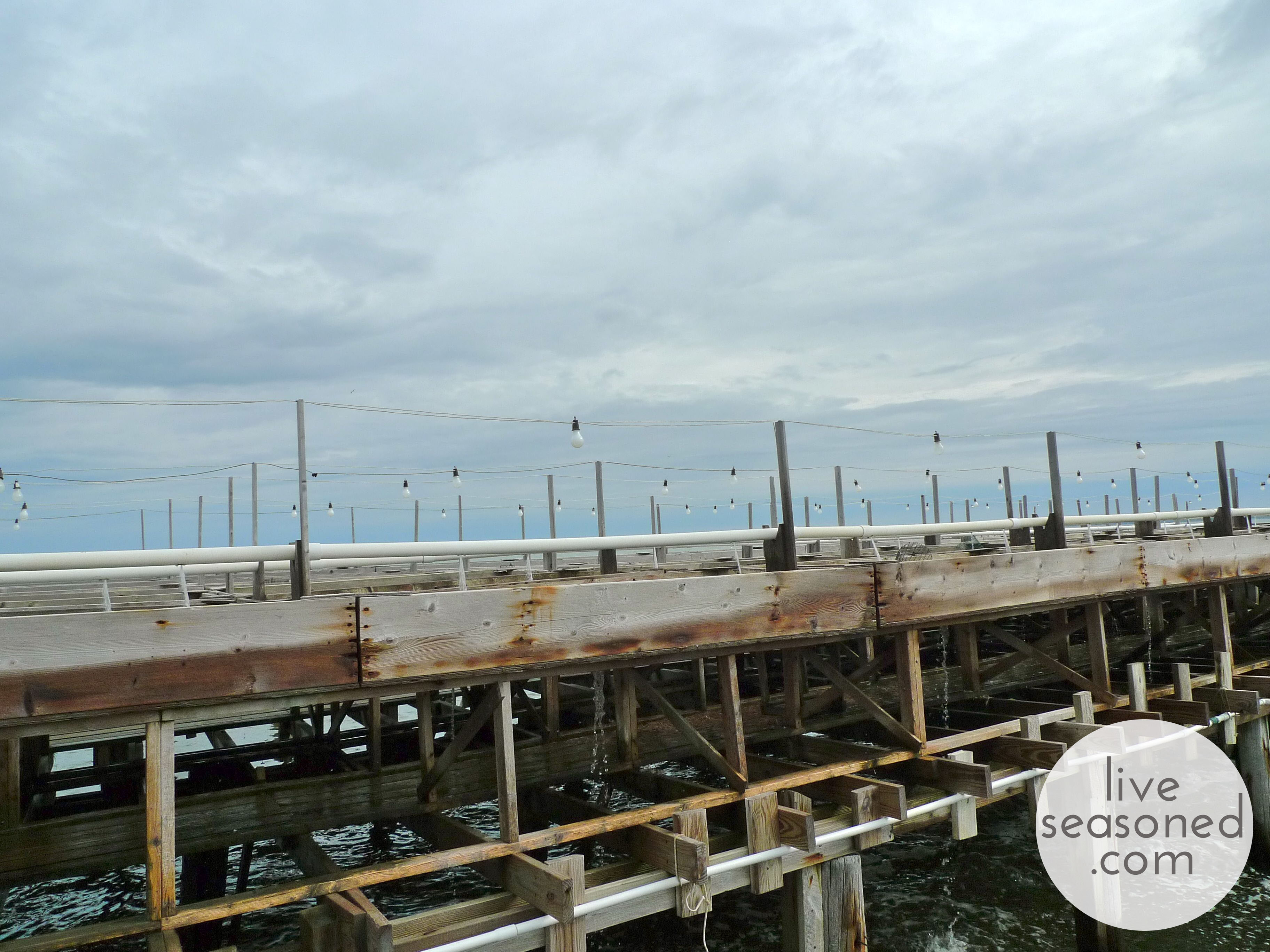
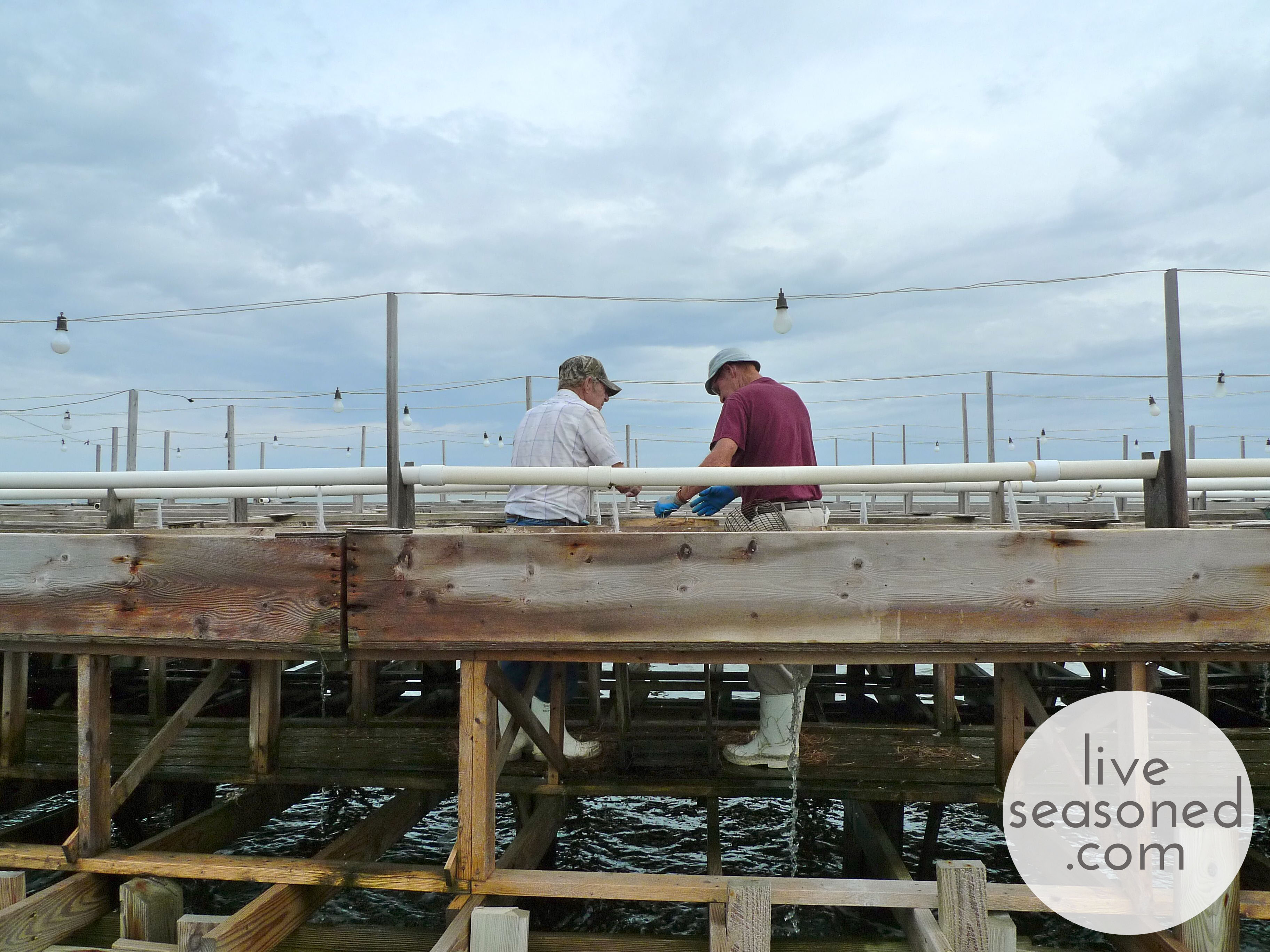
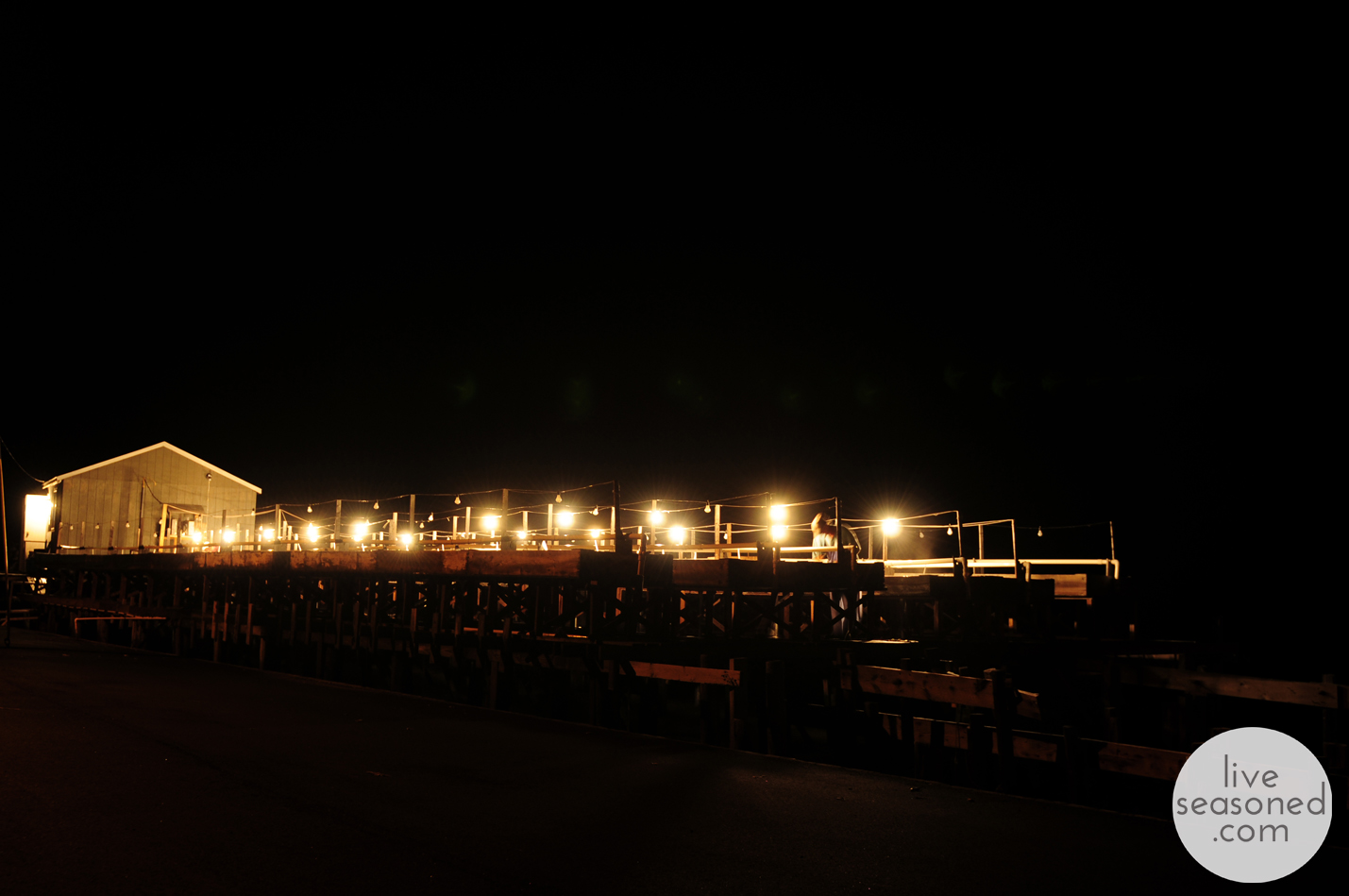
This is our second photo essay from Saxis. The first time I showed you the view as little A and I bike to the beach. Today we’re sharing photos from the hardworking side of the island : the watermen that are working at all hours of the day to harvest oysters and blue crabs that are delivered to markets up and down the east coast.






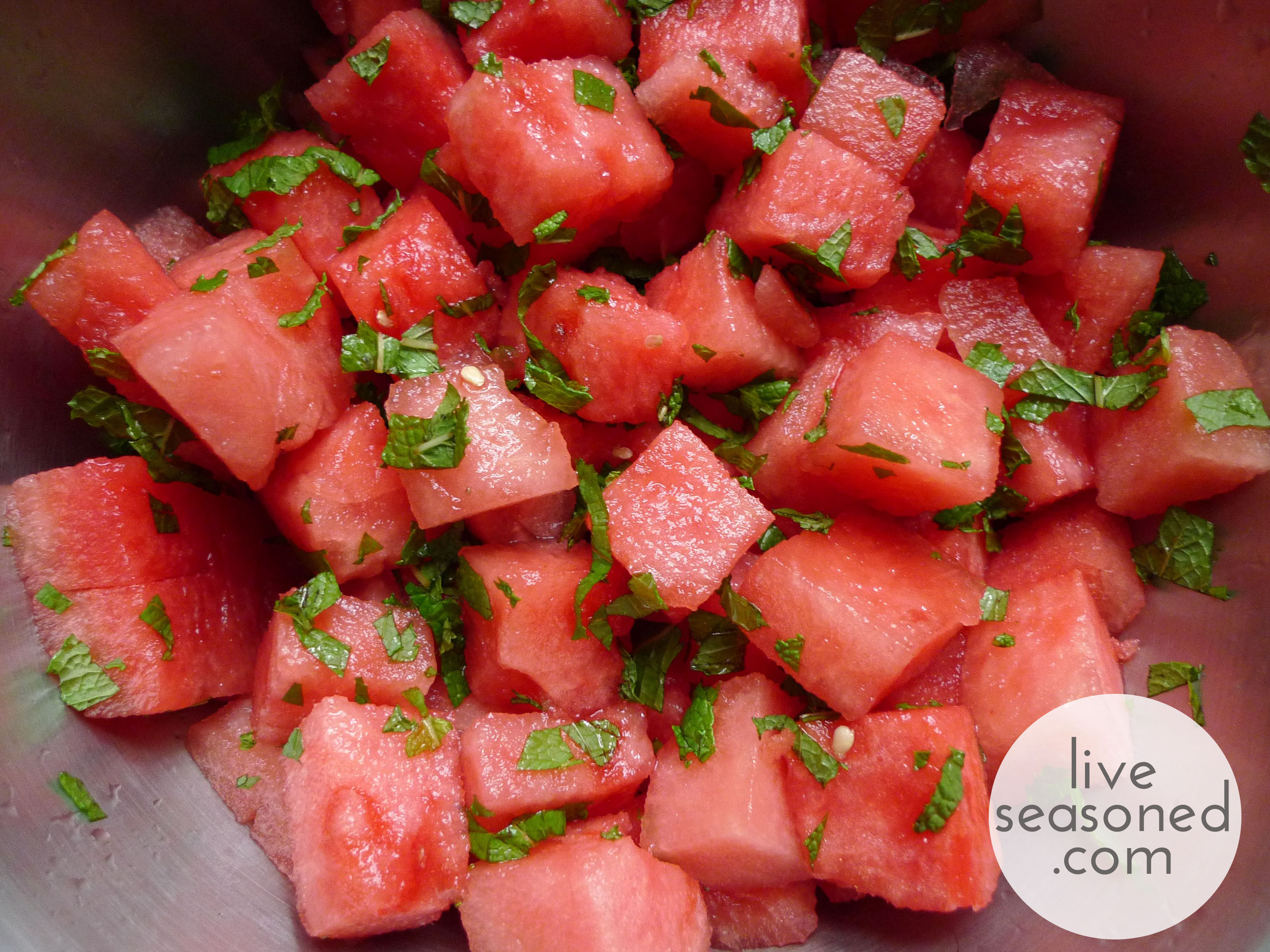
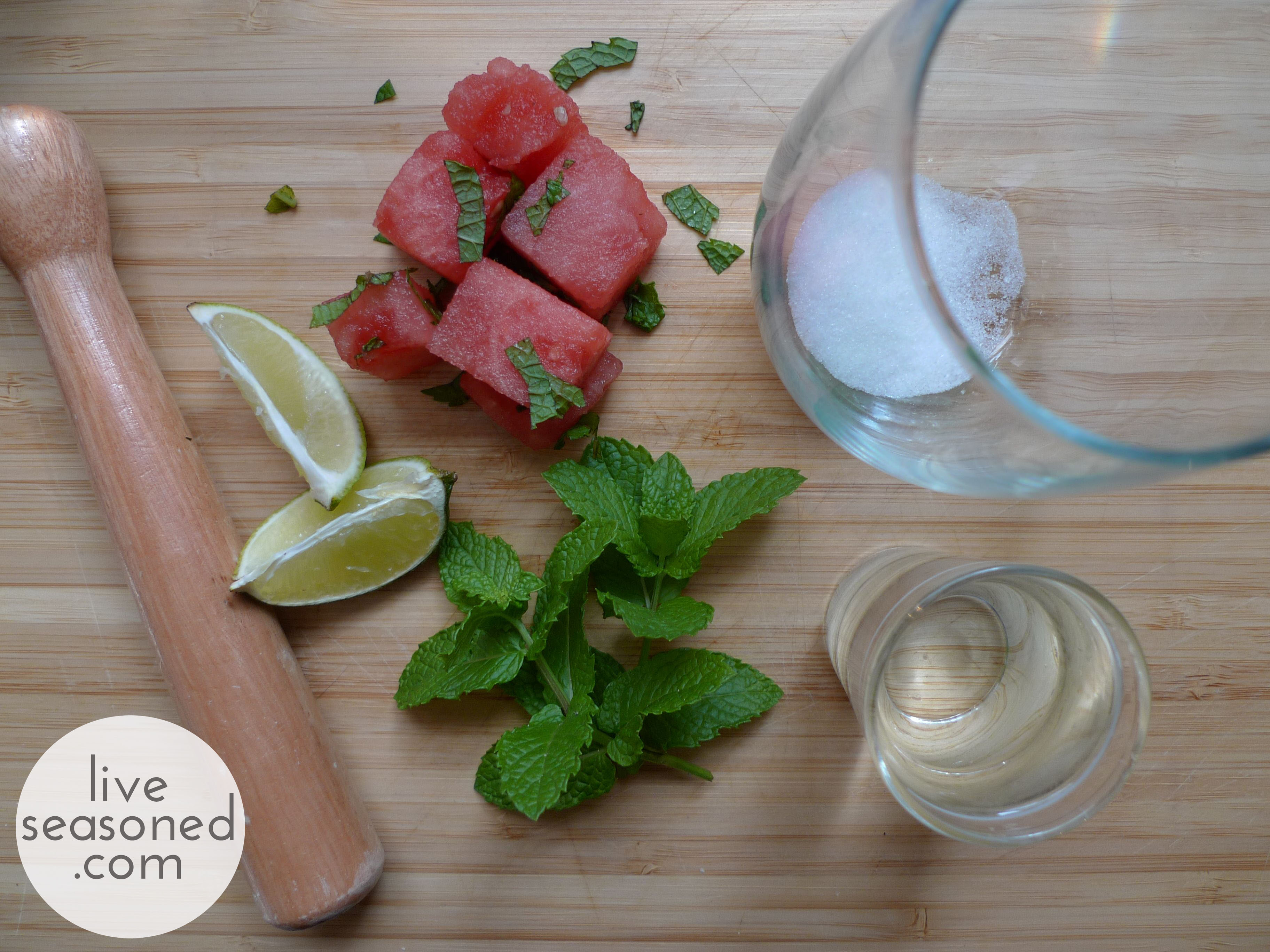
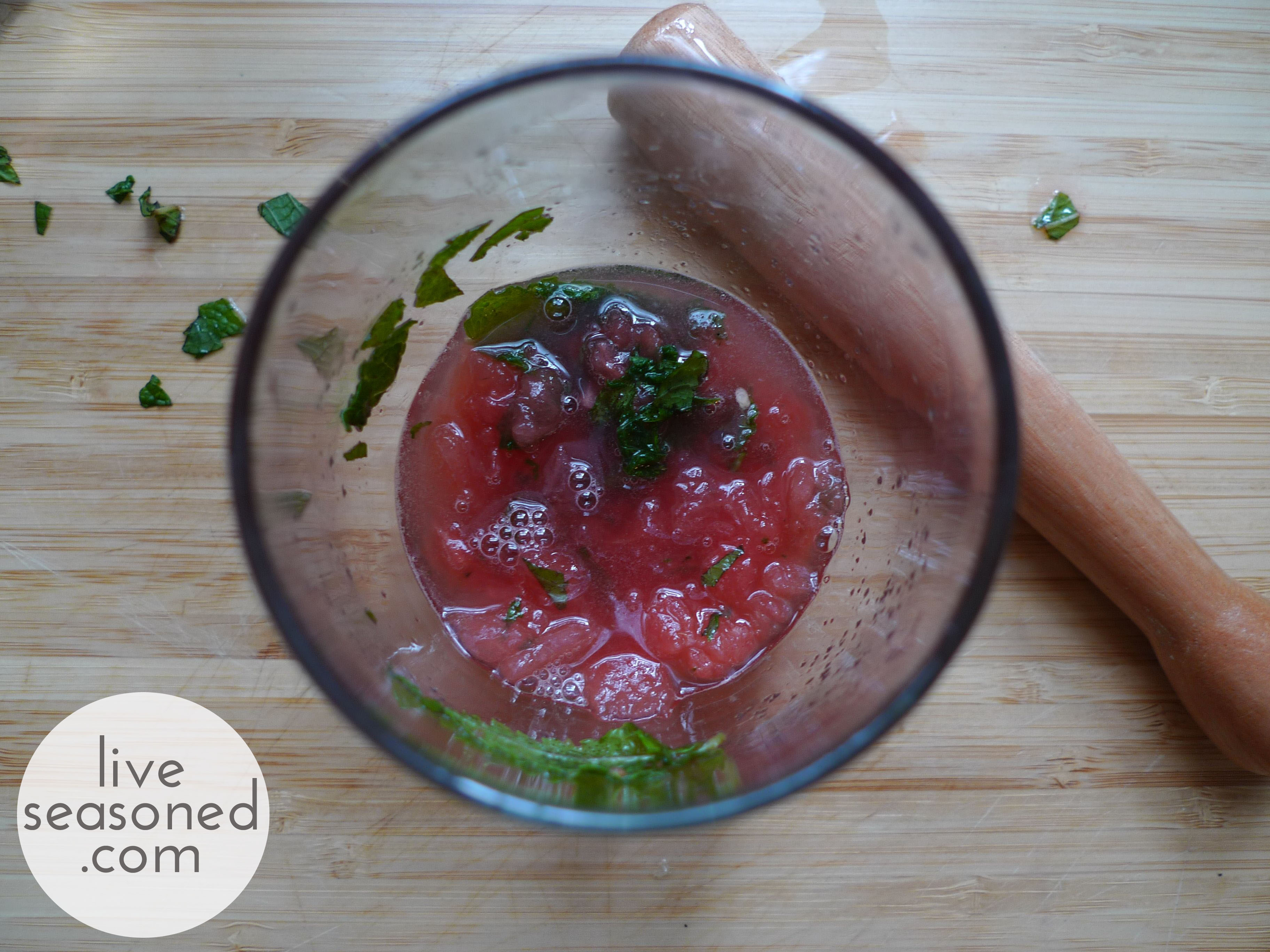
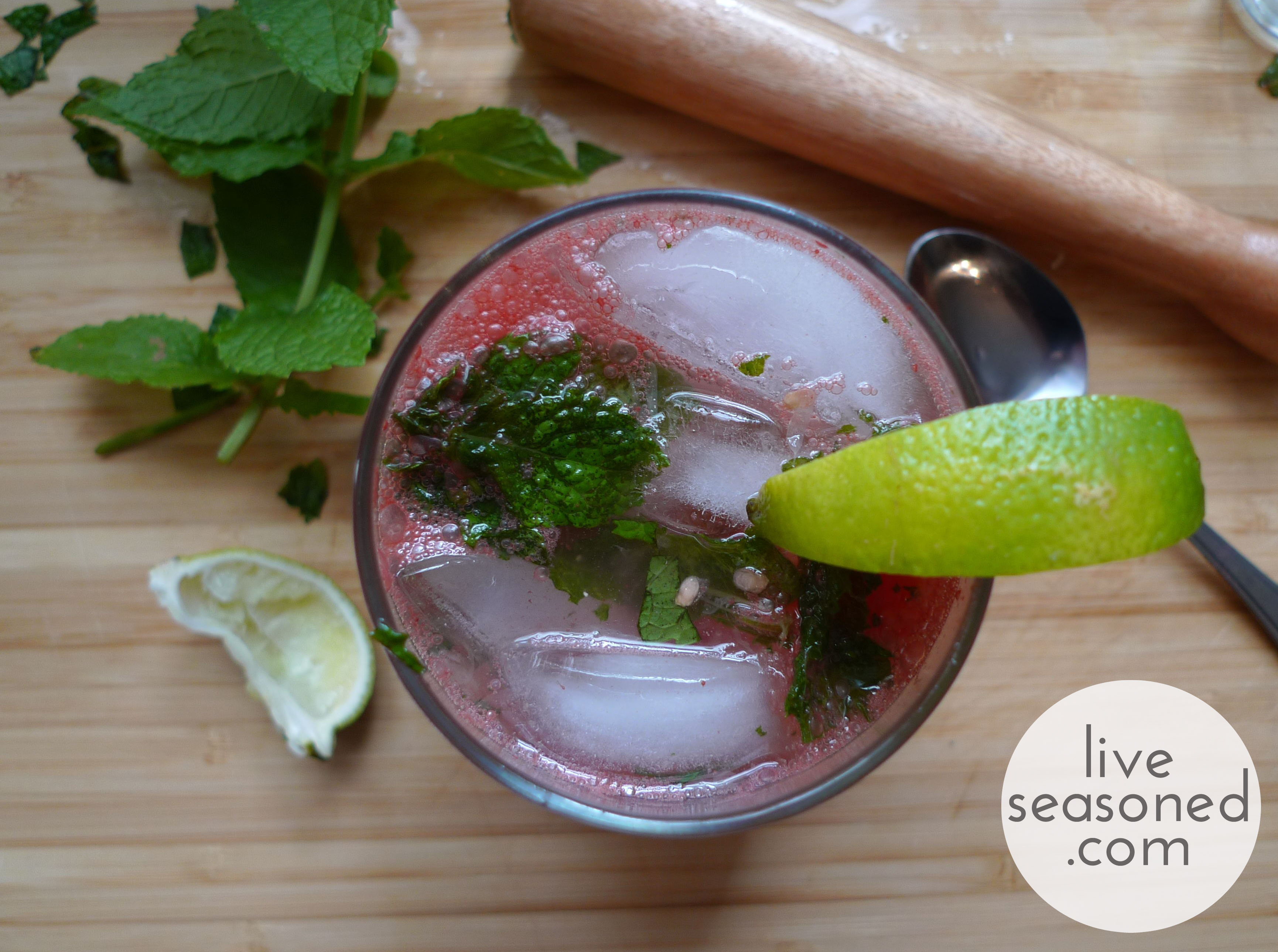
Remember when I promised a use for Tuesday’s leftover watermelon mint salad? Hands up if you guessed mojitos! Today’s drink couldn’t be easier to make (or drink), especially if you have your watermelon cut up into nice little cubes.
As soon as Sarah started talking tillandsia, I got so excited about the idea of putting some in the outdoor shower! It’s a great way to add something unexpected to the space while increasing our garden’s vertical reach. I know this seems like a unique project, but we’re hoping it’ll inspire some more creative uses for these versatile plants. What about adding some air plants to your porch posts, up the trunk of a tree, or to the supports on a swing set? As long as the location is getting some nice bright, but not direct, light and a regular misting from either the rain or a hose, then your plants should thrive.


Guys, today we’re throwing mint and watermelon together and calling it a salad. That’s it! It’s so amazingly simple, yet perfectly refreshing on a hot summer day. If you’re looking for a more complex recipe for watermelon salad, they’re out there, but I’m (nearly) a watermelon purist and those recipes never appealed to me. Though on one sweltering summer day in West Philly I threw mint and watermelon together, and now I’m hooked on this simple pairing!


I usually cut my watermelon in half and use a spoon to eat it straight from the rind. No joke. But, if I’m going to get fancy and call it a salad, then I have a super simple method for easily cutting the melon into cubes without making a huge mess. I promise, this is totally worth two cents.
1. Begin by cutting the whole watermelon into quarters. Follow the steps below for each quarter.
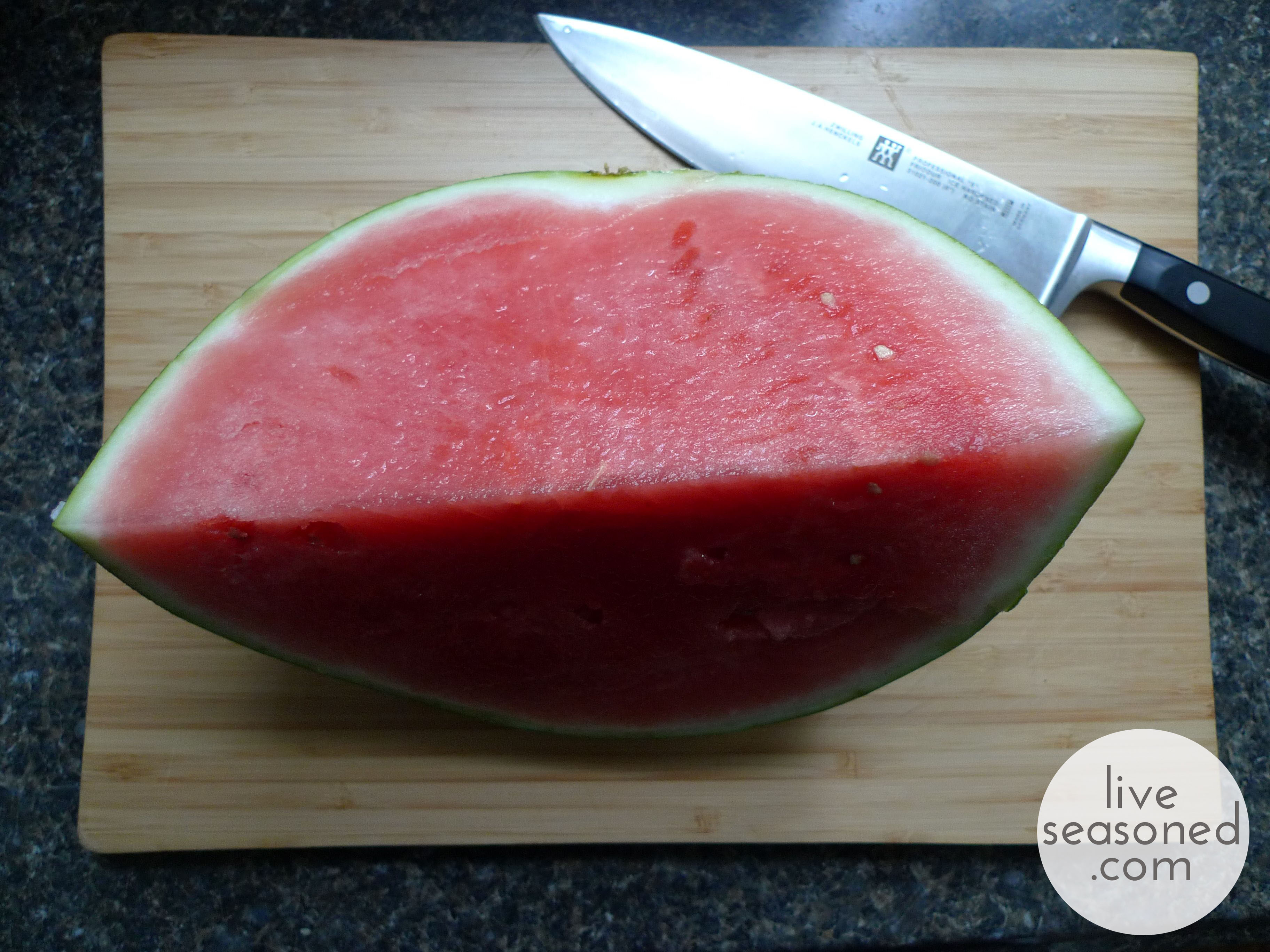
2. With the rind on the cutting board, make equally spaced cuts down through the melon to the rind – you will end up with cuts on both open faces of the melon.
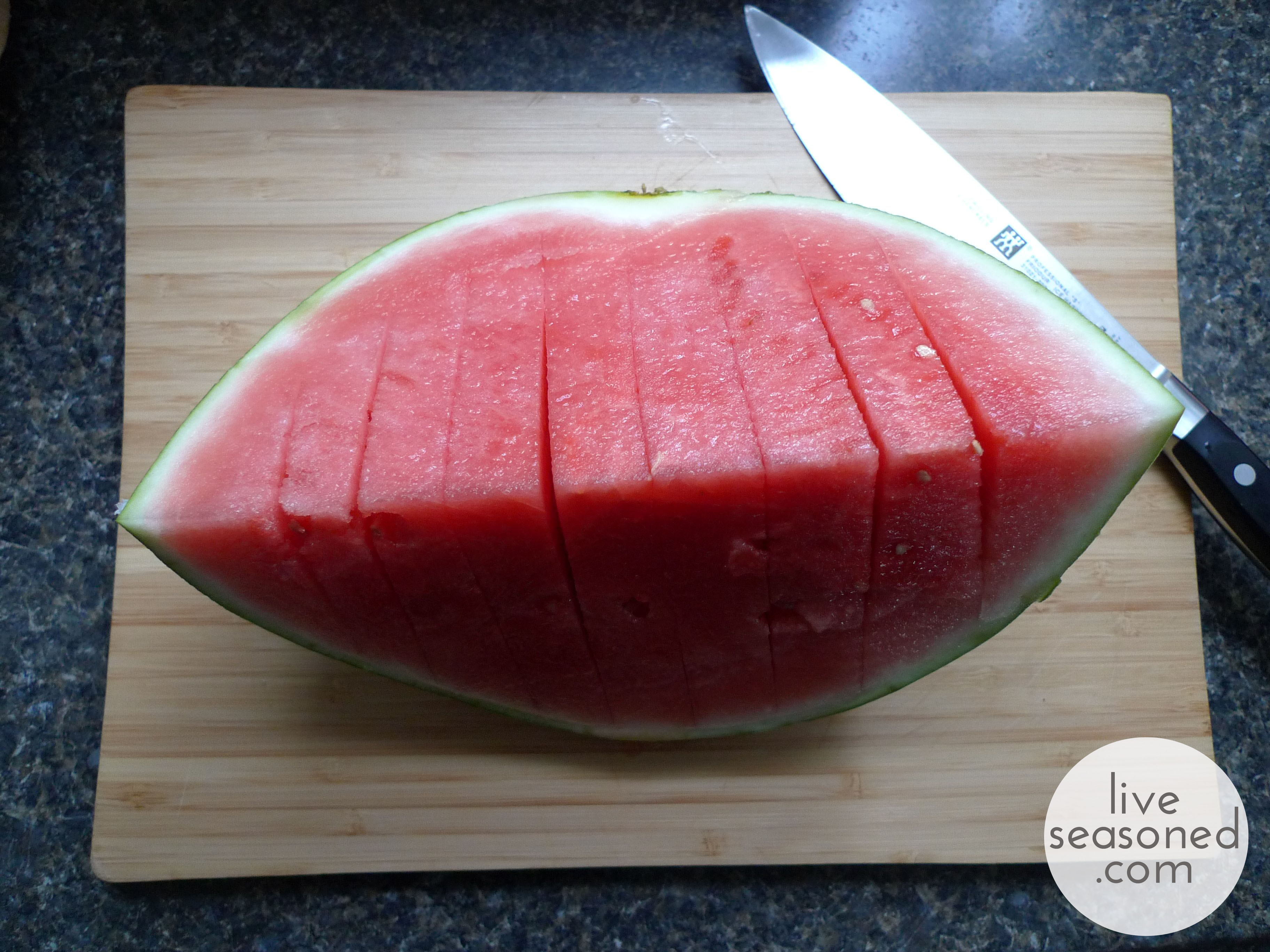
3. On both open faces make equally spaced cuts that are perpendicular to your original lines.
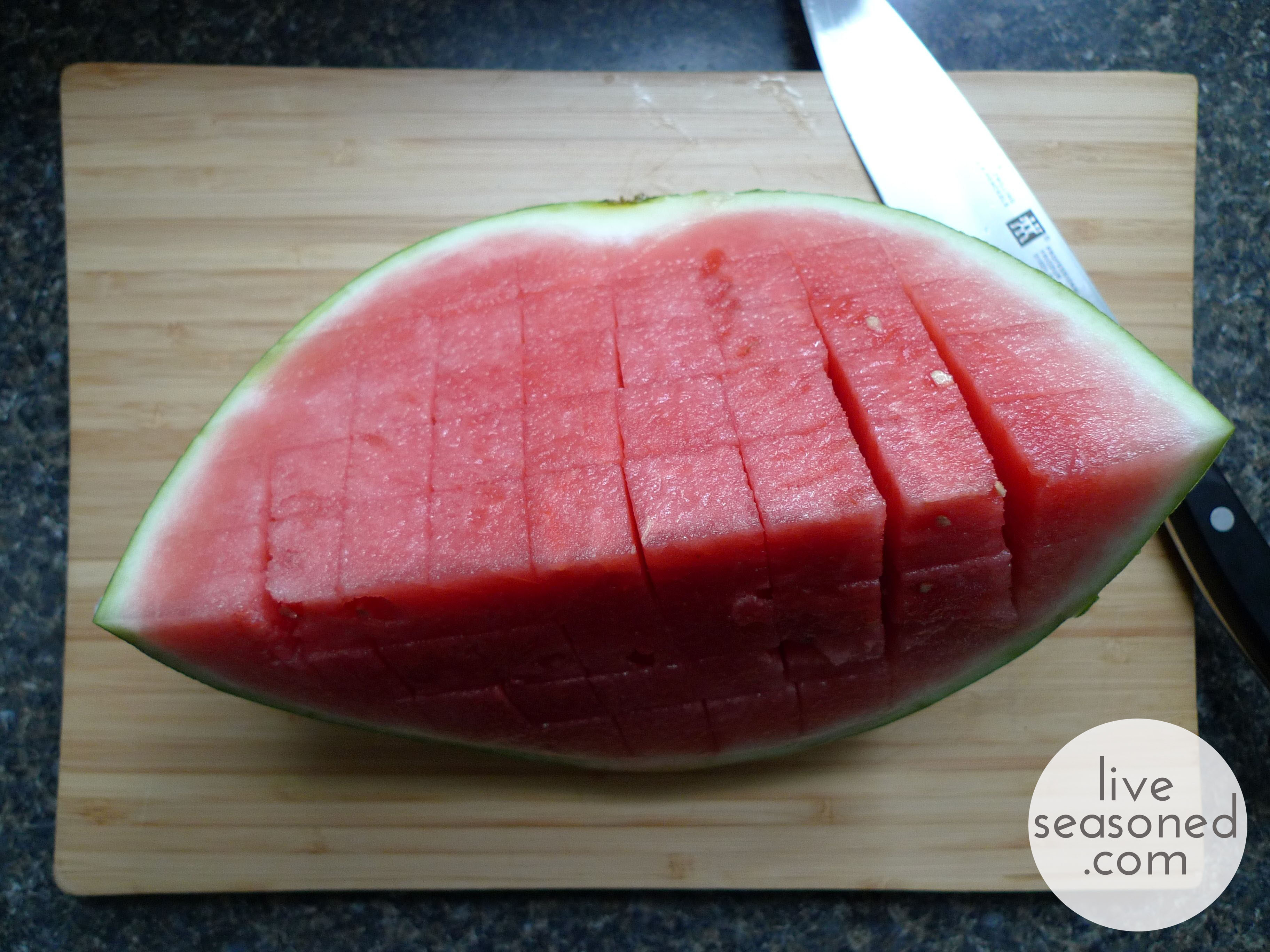
4. The center cubes of the melon should now fall out. Once you’ve removed all of the loose cubes, stick your knife in the melon near the rind and cut out the remaining pieces.


With your watermelon cut, coarsely chop your mint.
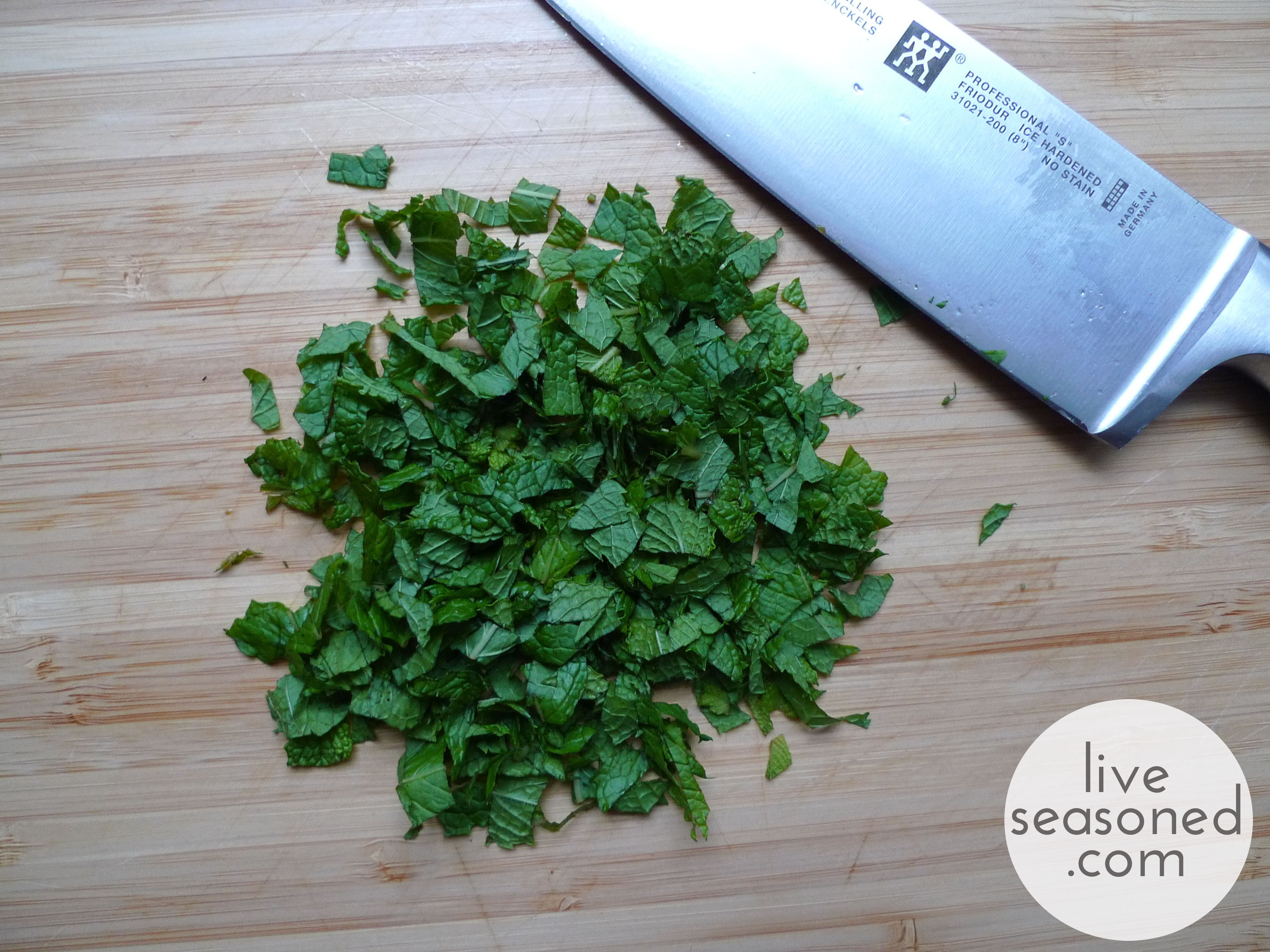
Mix the two together and enjoy… but don’t eat it too fast, if you have some salad still in your fridge by Thursday, we’ll show you how to use your leftovers!
On Friday, I shared some photos from Saxis, VA and referred to it as an island. Saxis is bordered on one side by the Chesapeake Bay and on the other by about 1.5 miles of tidal salt marsh before you reach the mainland . That wide expanse of marsh is why the town is unofficially an island ~ without a causeway, it would be nearly impossible to reach Saxis by land. Originally residents and visitors came and went by boat along the town’s Chesapeake shoreline. But, technically the marsh is land connecting the community to the mainland, and so it’s not really an island (of course, that won’t stop us from calling it one!).
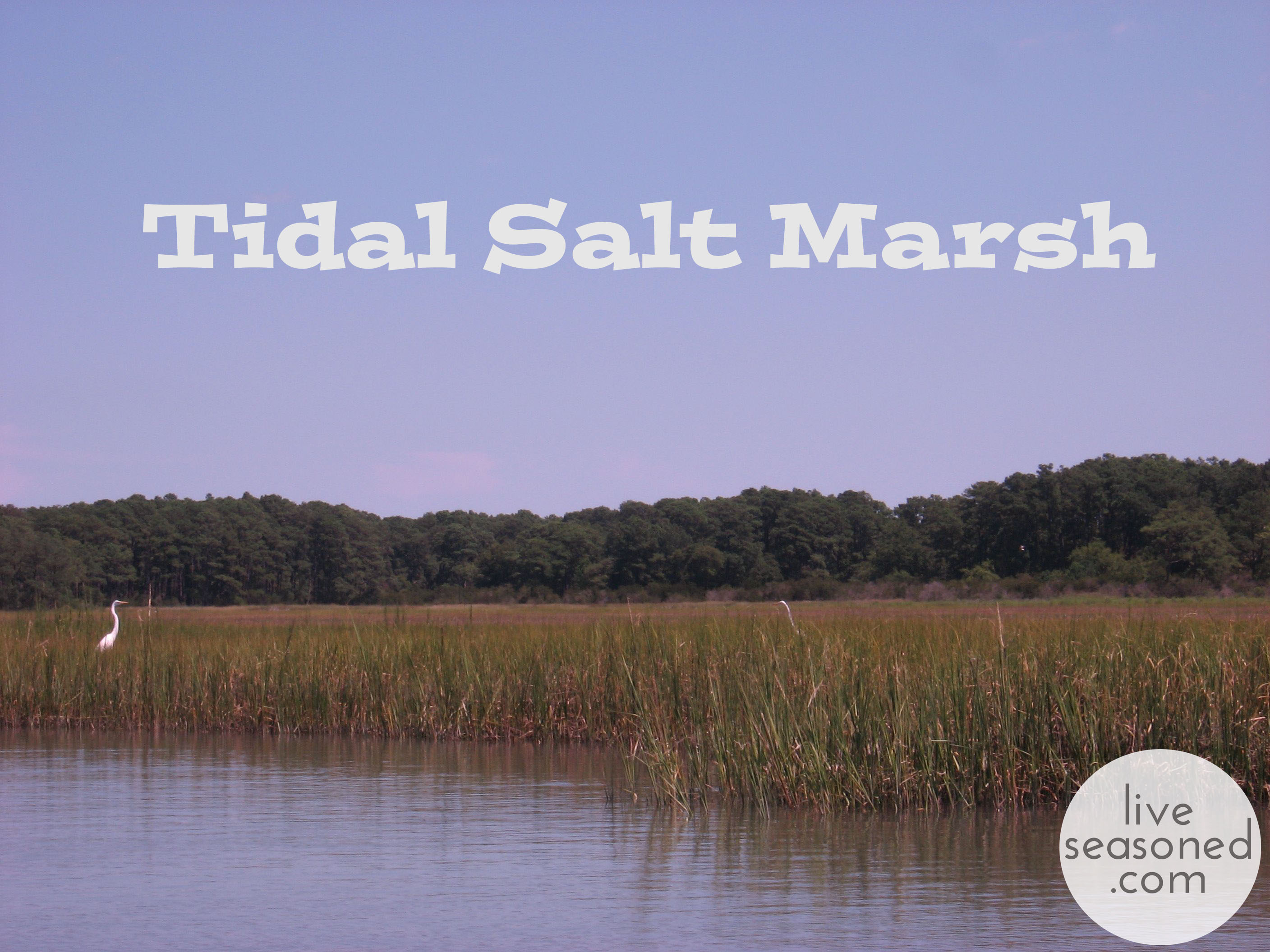
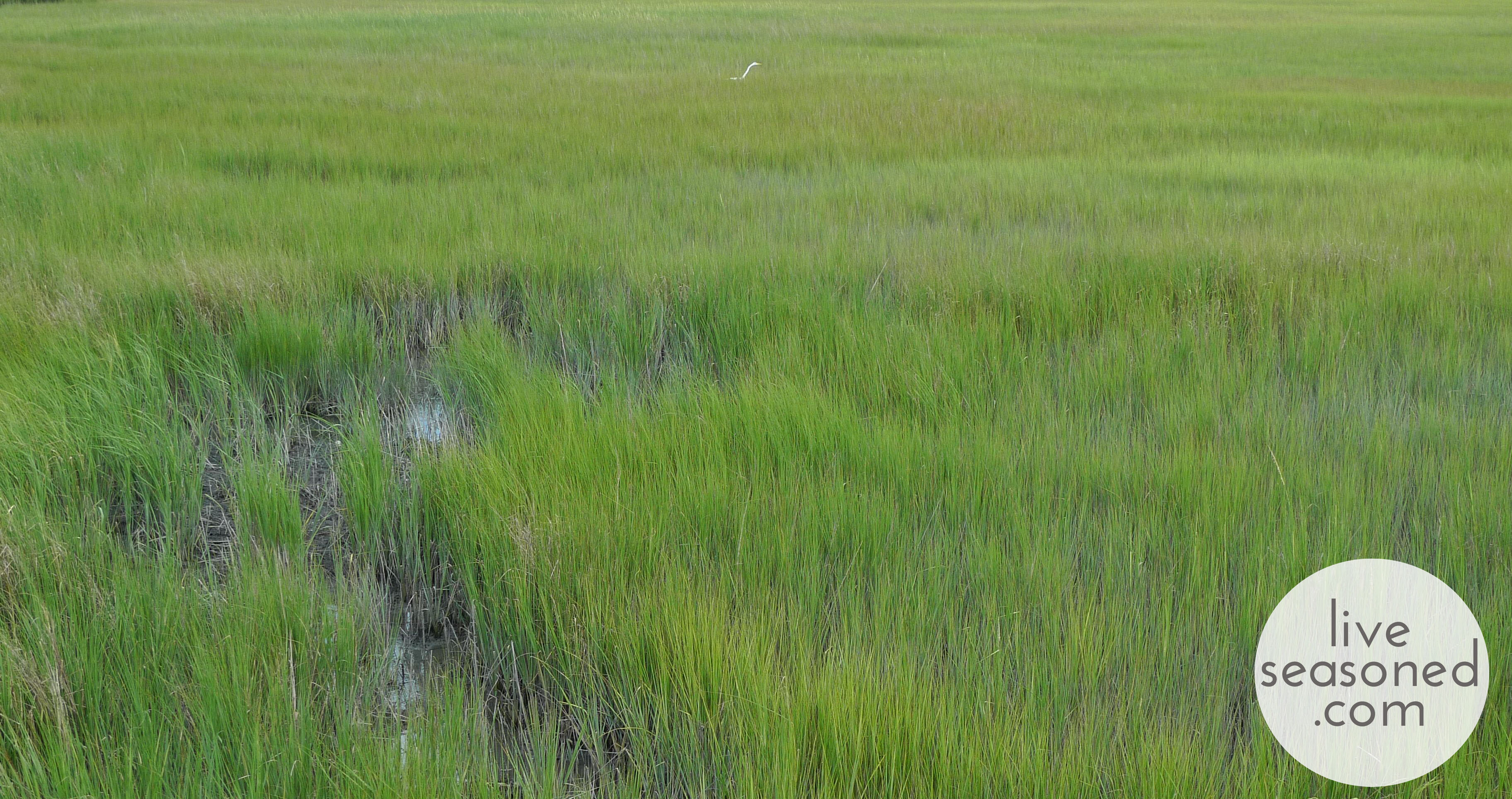
If you’ve gone to the beach, it’s likely that you’ve driven past (or through) a tidal salt marsh to get there. These are such an amazing and valuable features along our coasts, yet we rarely stop to visit them, and so for that reason, I thought it would make for an interesting ecosystem profile. We’re going to keep these profiles brief, just giving you an overview of the ecosystem with photos, and, of course, some links that will direct you to more detailed information.
Situated along coastal areas in the intertidal zone, tidal marshes are intimately connected to both the land and the sea. Looking at the marsh in profile, we generally expect that the area closest to land has a higher elevation than the area closest to open water, but depending upon the pattern of colonizing vegetation, there are areas of high and low elevation as you move parallel to the coast too. The land-ward side is often dryer and has a lower salt content than the ocean side, while the forces of the tides are more prominent on the ocean side. Throughout the marsh are meandering creeks and pools that facilitate the flow of water into and out of the system with the changing tides.
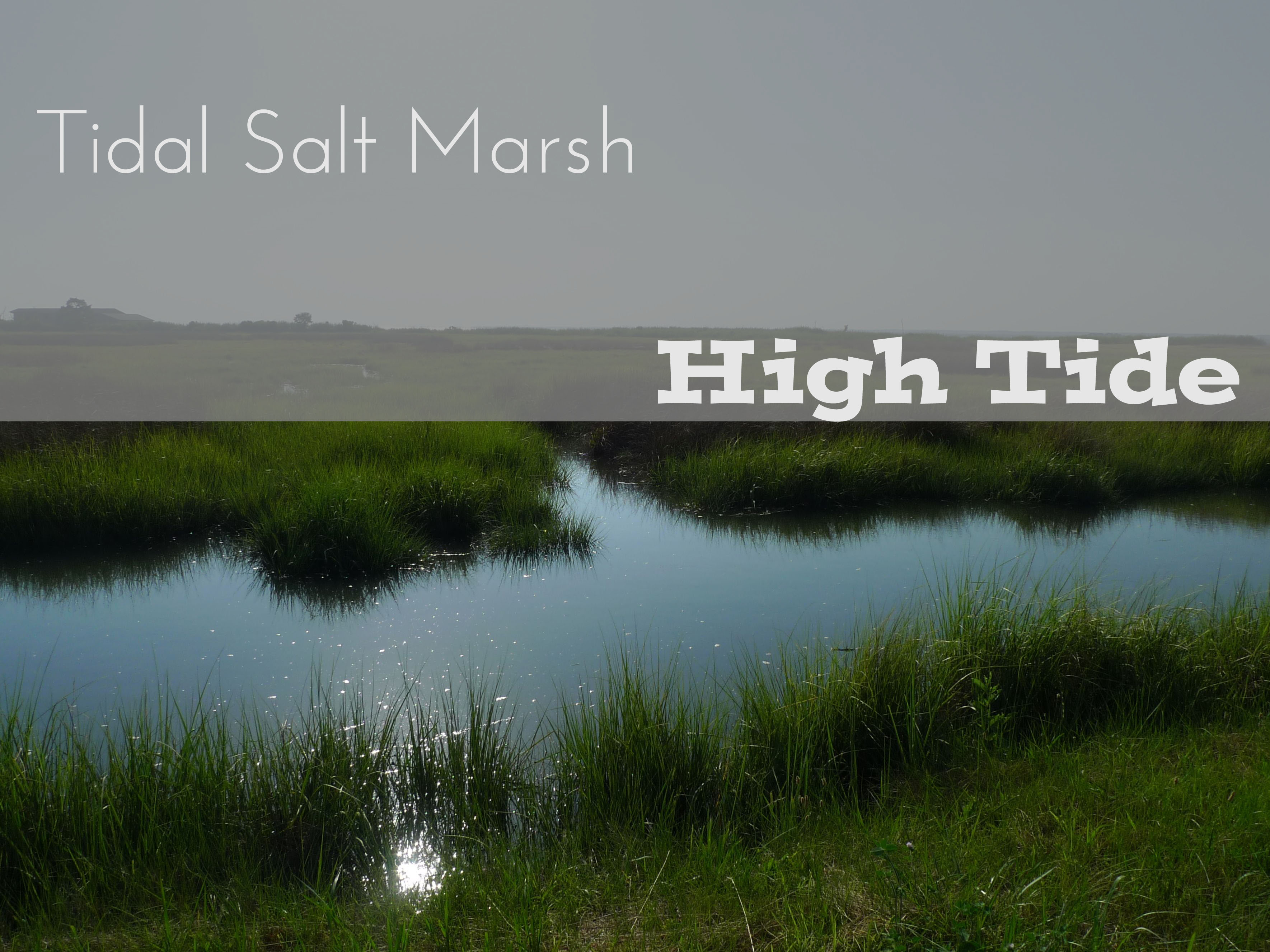
Every day the marsh is flooded and drained multiple times with the rise and fall of the tides. The brackish waters of the marsh are a mixture of fresh water flowing off the land and salt water from the ocean. As a result the salinity level varies depending upon the time of day and year; a heavy rain increases the fresh water content while high tides flood the area with salt water.
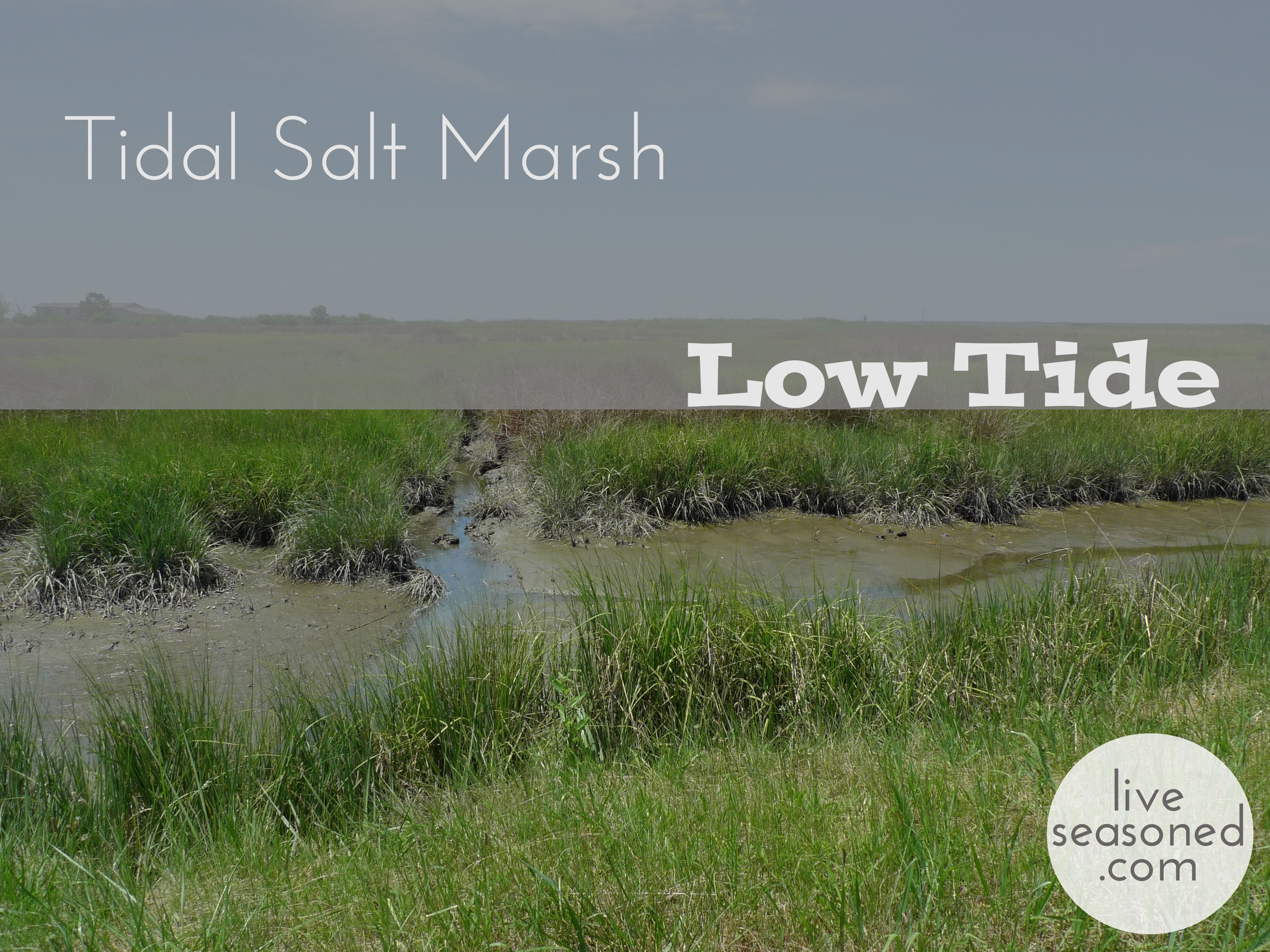
The size, shape, and elevation of the marshes are in a constant state of flux, but the rates of growth and erosion are variable. Both the incoming fresh and salt water carry sediment and nutrients that are deposited in the marsh. At the same time, flowing water erodes the sea-ward sides. A single hurricane can erase large sections of a marsh that required years of sedimentation to develop.
The different physical zones create unique microhabitats within the ecosystem. More salt and water-tolerate plants and animals will be found in lower elevations while those requiring a dryer and more stable environment will be found at higher elevations.

The most prevalent vegetation within the marsh is Spartina Alterniflora and Spartina Patens, two species of cordgrass. These grasses, particularly Alterniflora, are able to tolerate the water-logged anoxic environments of the mid to low marsh. Once established the cordgrasses’ roots hold the mud in place, and their stems and stalks help to slow water flow, increasing sedimentation in their vicinity and creating the muddy mounds visible during low tide. Vegetation is more diverse at higher elevations, where the environment is slightly more stable. You may see a variety of herbaceous plants as well as low shrubs, and eventually trees at the highest elevations.
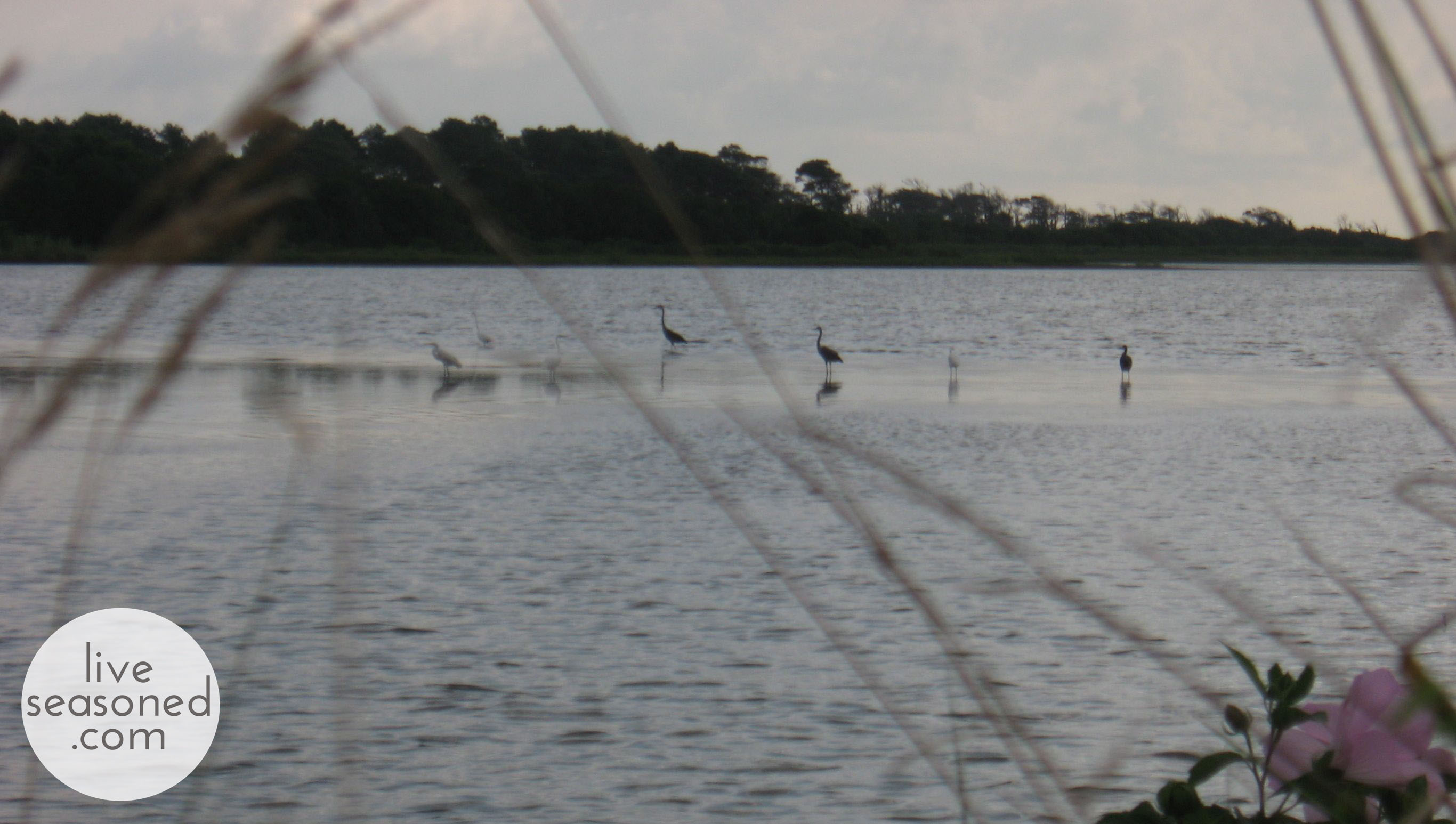
The marshes are home to a variety of animals, but perhaps the most visible are the birds that visit every day to feed on insects and organisms in the water. We see a lot of egrets and herons in our local marshes. The water column itself is a valuable fishery habitat, nursery, and food source for a variety of fish, crabs, and shrimp. The area is also home to a healthy population of insects (if the mucky soil doesn’t deter humans, the insects often do!). And, of course, the water and soil are full of bacterial colonies that help to break down detritus and keep the nutrients flowing. This combination of rich food sources is what attracts the birds, particularly those that need plentiful energy sources on their migratory stopovers and those using the area as a nesting habitat. Though rarely seen, some tidal marshes are also visited by mammals; I often see deer and raccoon footprints in the sand near our marsh.


Ecosystem services are the benefits society receives from native ecosystems.
As mentioned, the tidal marsh is a nursery and habitat for a number of aquatic species, including crabs, shrimp, and a variety of commercial fish species. Some aquatic species lay their eggs in the calmer waters where they are also protected by the dense foliage. This also protects the larva as they develop. When marsh habitat declines, either in size or health, so does the populations of these species, lowering catch size and increasing seafood prices.
The marshes provide a crucial physical buffer to the mainland from incoming storms. They are the mainland’s first line of defense, absorbing the energy from the storms and lessening the intensity of their flooding. A healthy marsh with dense vegetation also helps to minimize the erosion that inevitably results from the powerful storms.
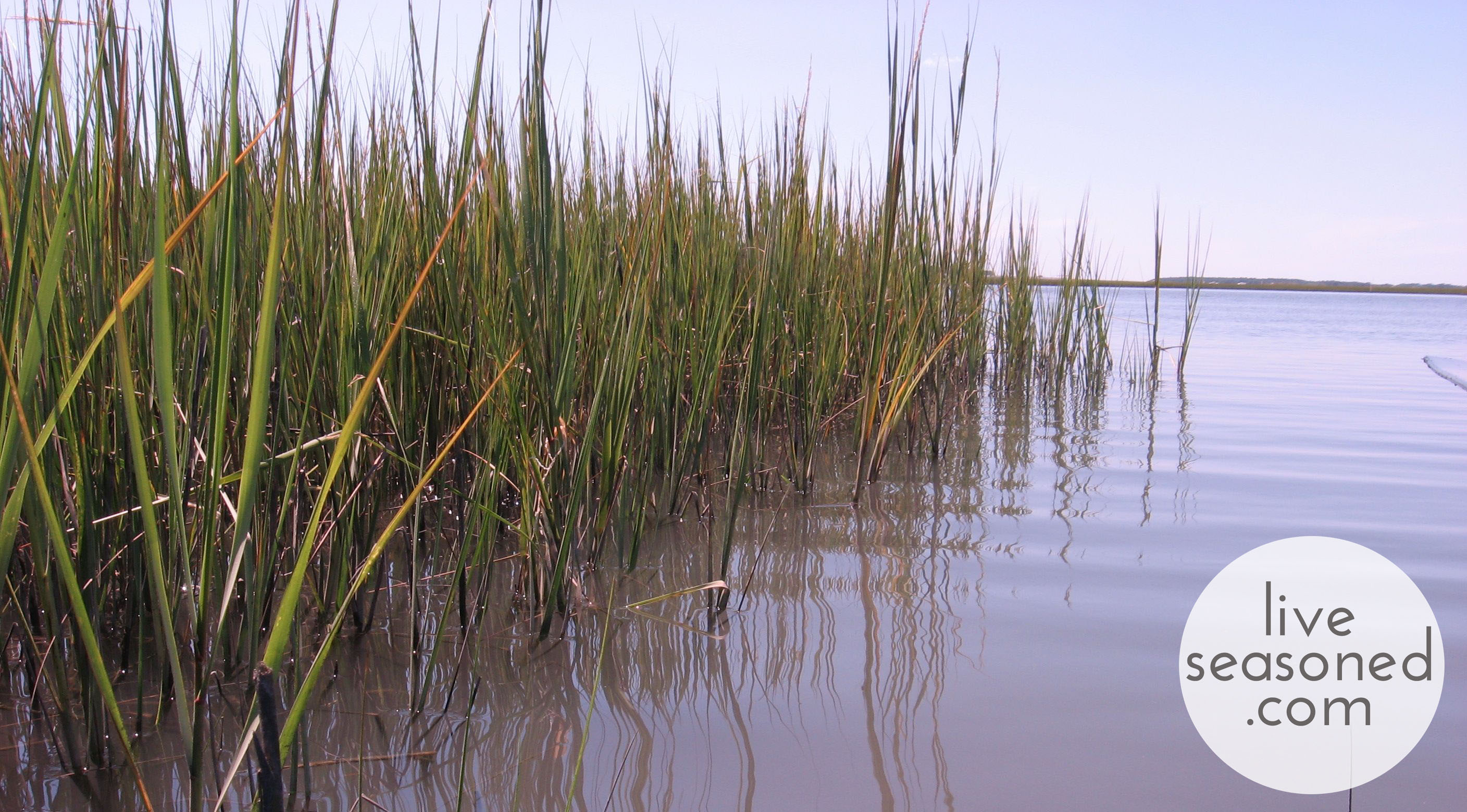
Invasive Species : Many of our marshes are being invaded by Phragmites australis subsp. australis an invasive grass from Europe (not to be confused with the native variety subsp. americanus). Phragmites is a vigorous plant that can spread 16 feet per year, survive in standing saline water, and even grow as a floating mat, ideal characteristics for marsh invasion.
Upstream activity : Farming and urban development in areas upstream of the marshes increases both the sediment and nutrient flow into the ecosystem. This can disrupt the natural progression of a marsh by speeding up sedimentation and favoring plants that are more tolerant of high nitrogen environments.
Land “Reclamation” : For the longest time, marshes were assumed to be wasteland. They were often backfilled with sediment and converted (not reclaimed, I would argue) into urban and agricultural uses. This was before we understood the ecosystem’s true value in biological and physical terms.
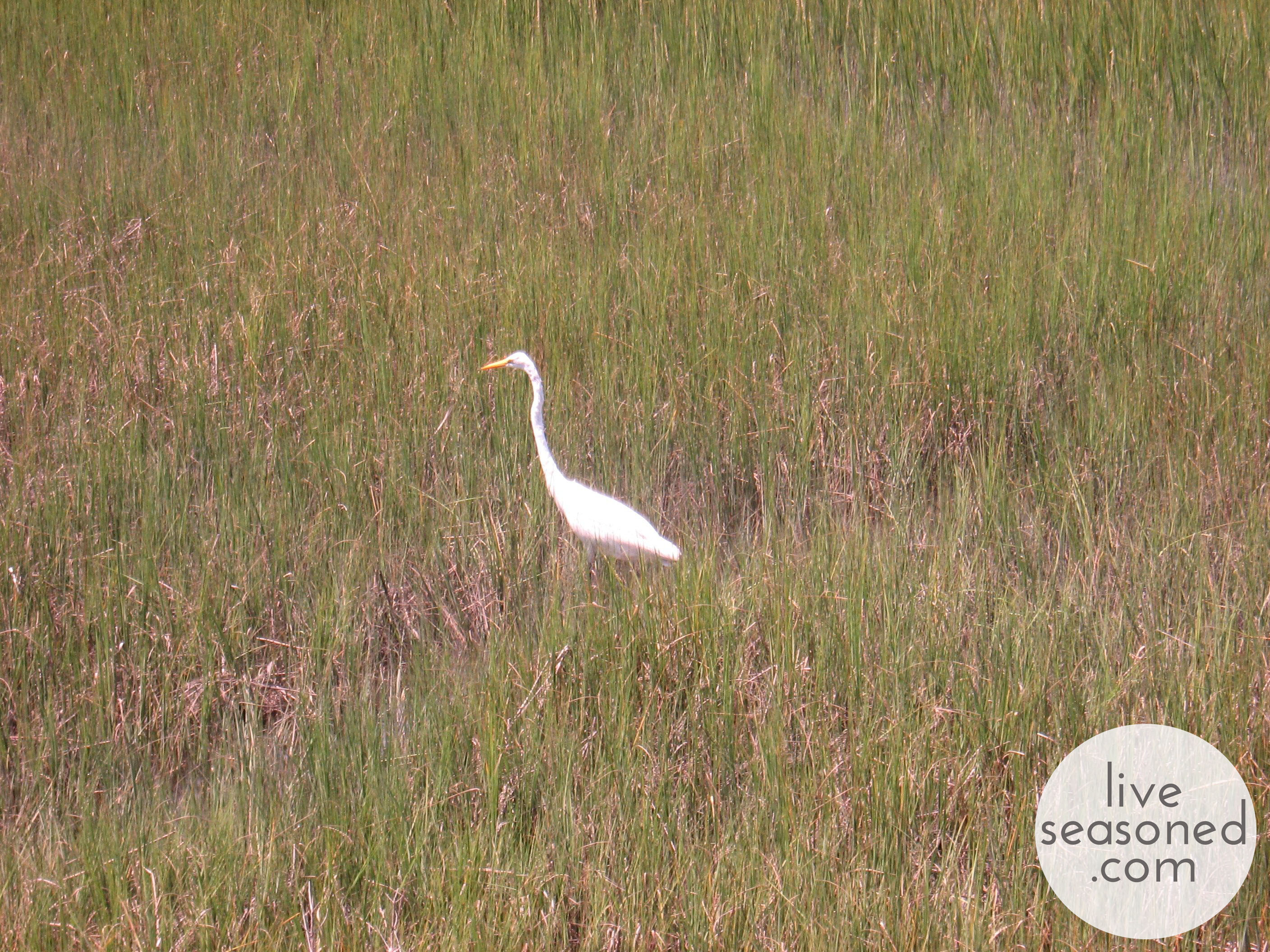
Marshes are nearly impossible to walk or wade through, but that shouldn’t stop you from visiting! As I mentioned, you’ve probably driven through marshes to get to the beach. Next time take a pair of binoculars and stop, with a little bit of time, you may see some beautiful birds. If you have even more time, rent a kayak and take a slow paddle through the marsh’s creeks at high tide. It’s an amazing way to get an intimate look at the marsh. The waters are unbelievably peaceful and easy to paddle, making it a breeze to move through the marsh without disturbing the wildlife.
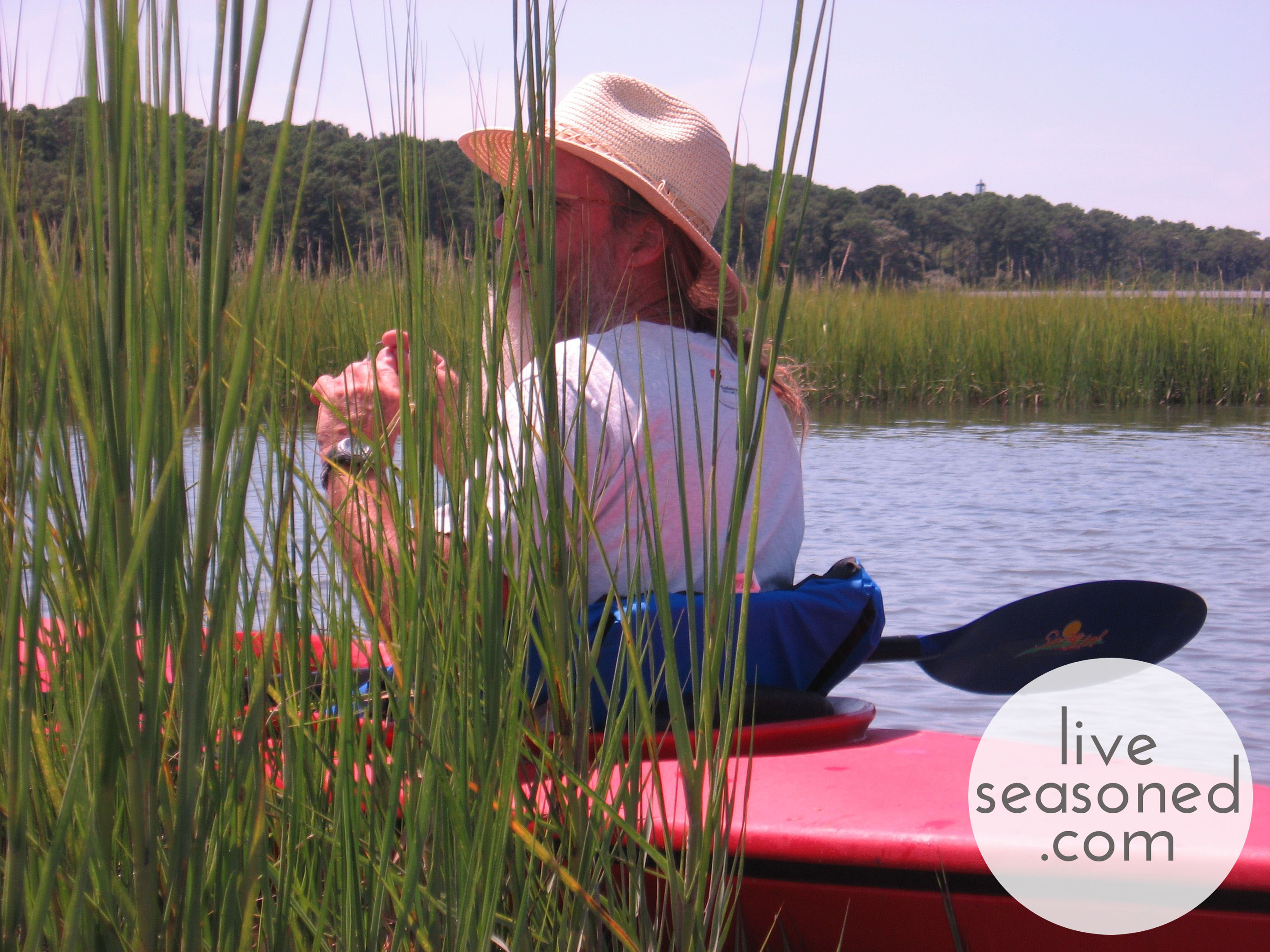
If you want to make a true adventure of it, look for a refuge or park with marsh area. It’s always nice to stop in the visitors’ center for more information and to talk to the ranges about prime wildlife watching areas. Some have kayaking tours and others have dedicated trails. We’ve done quite a bit of paddling around Chincoteague National Wildlife Refuge, entering the water from Tom’s Cove park and paddling over to the marshes. We’ve just learned about Jane’s Island State Park and are so excited to check out their miles of trails!
Tidal marshes are such a beautiful and dynamic habitat, and while they aren’t often thought of as a destination, we hope you’ll give them a second look the next time you pass through!
As our final farewell to the east coast, little A and I are spending June at our family’s house in Saxis, VA. Today we’re skipping our regularly scheduled In Season post and sharing some photos from the island (more on that next week).
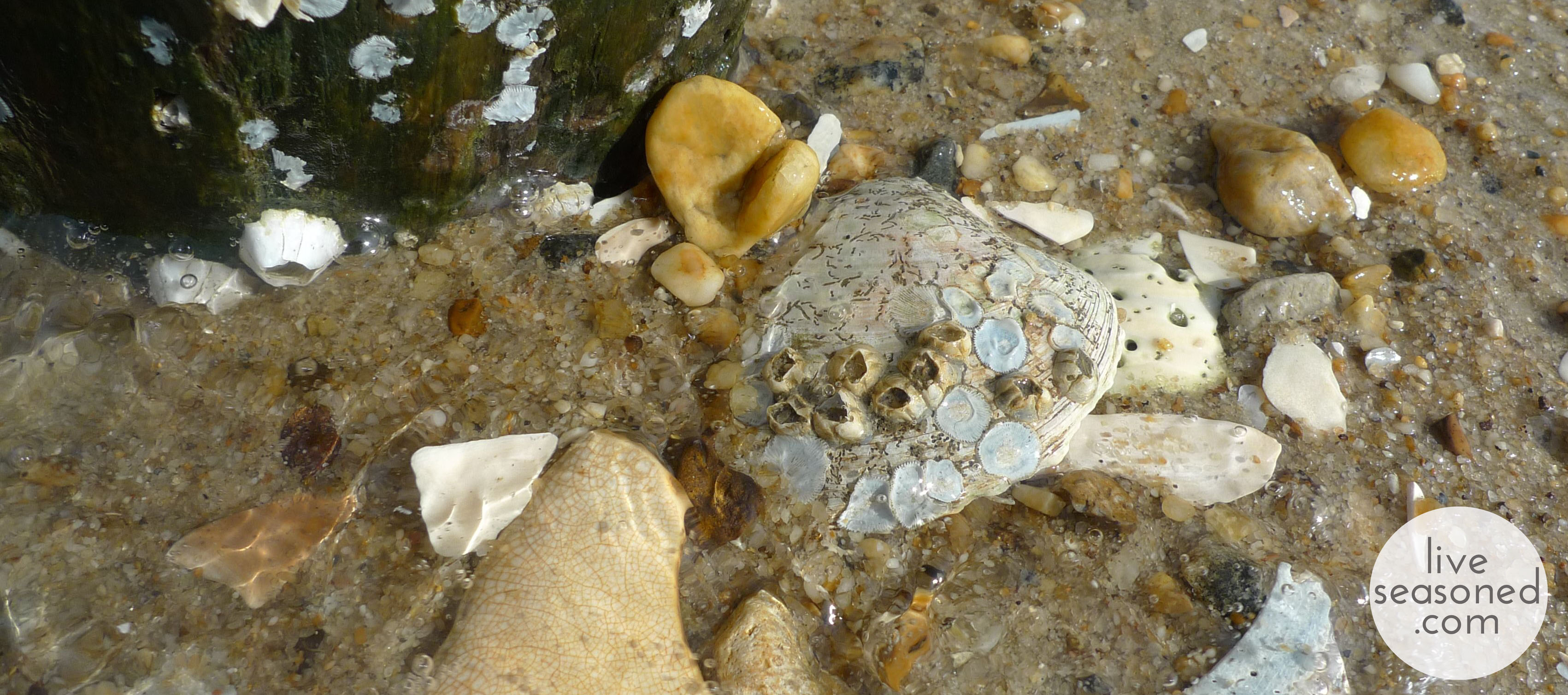
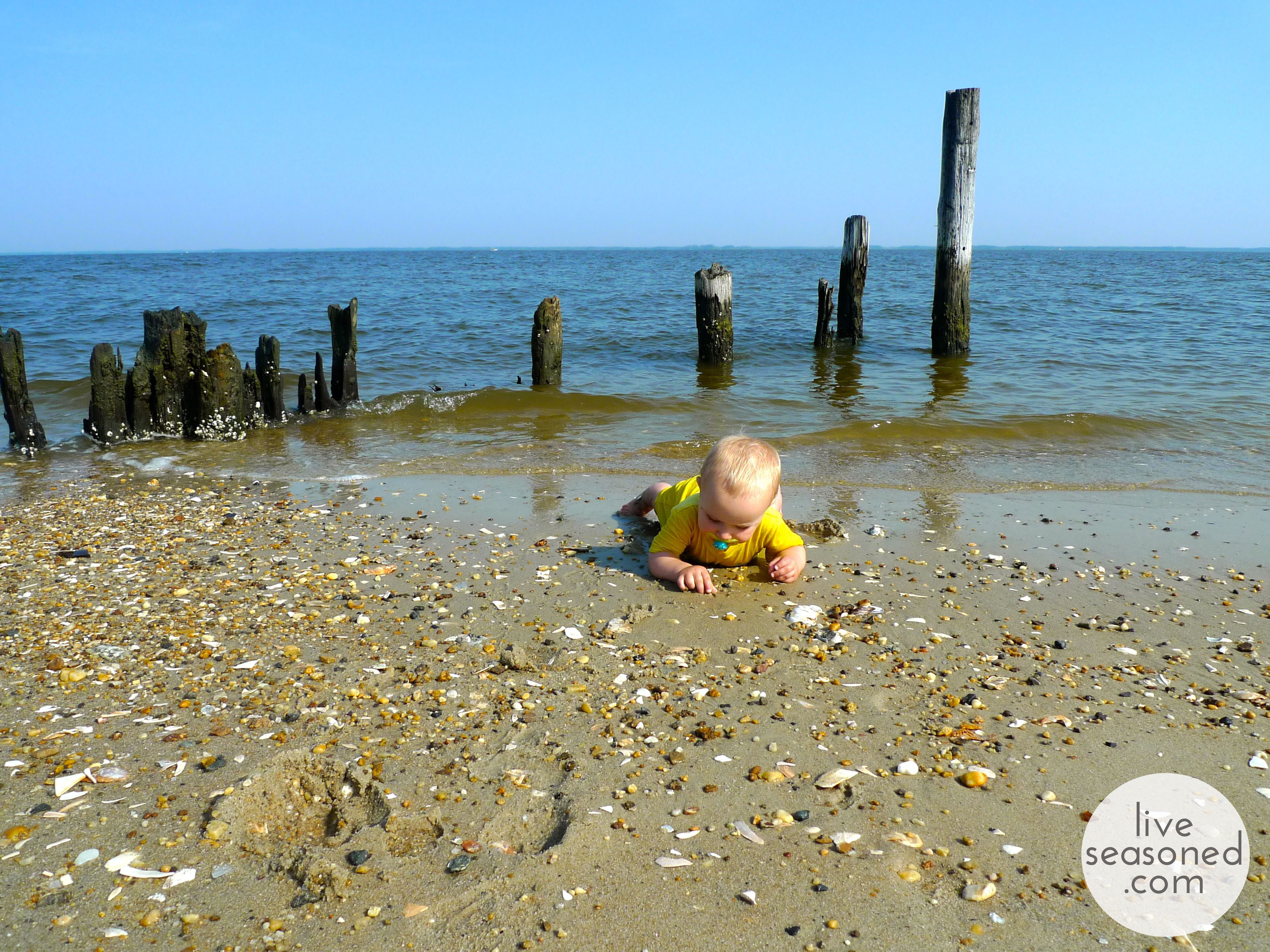
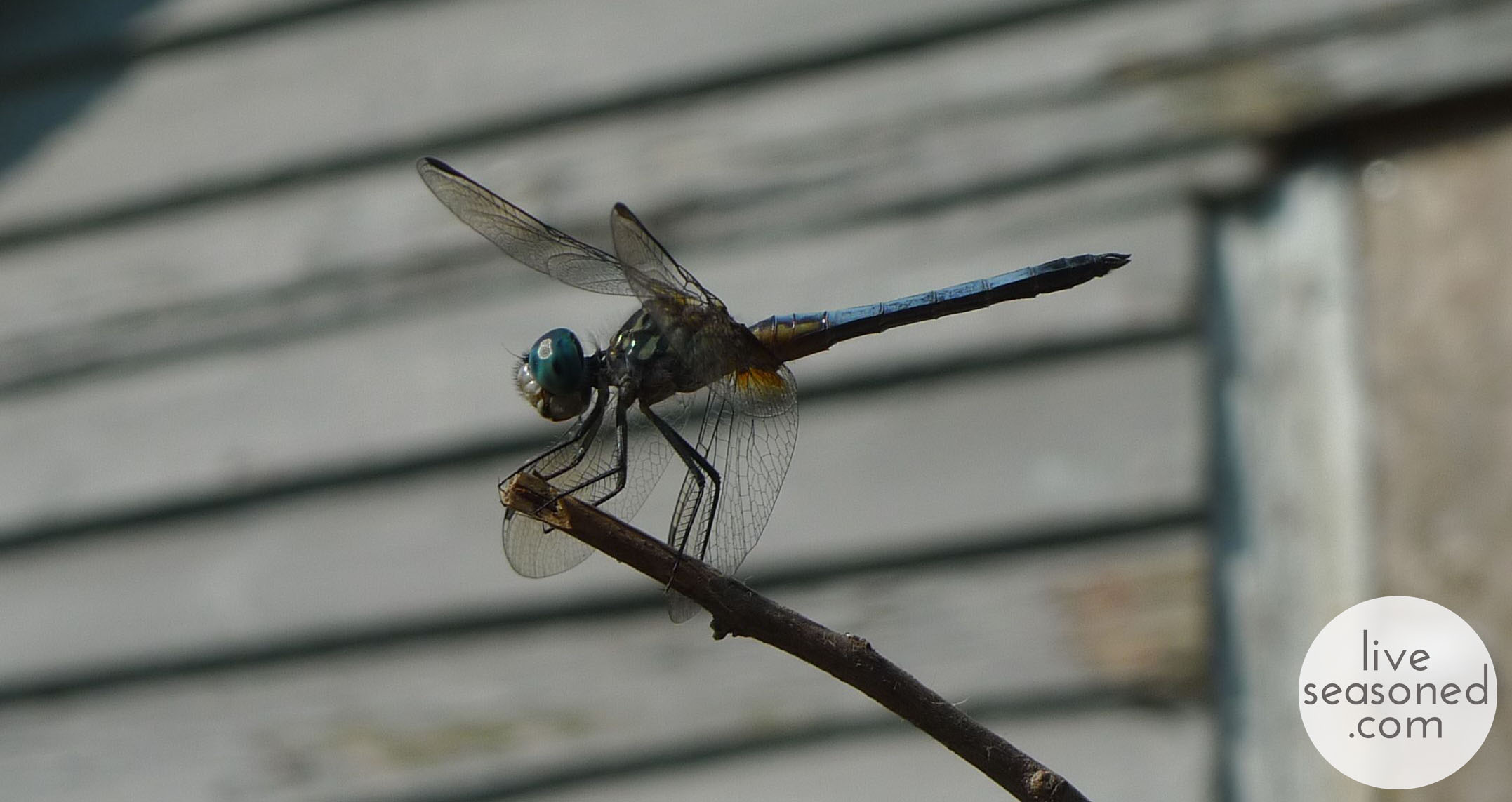
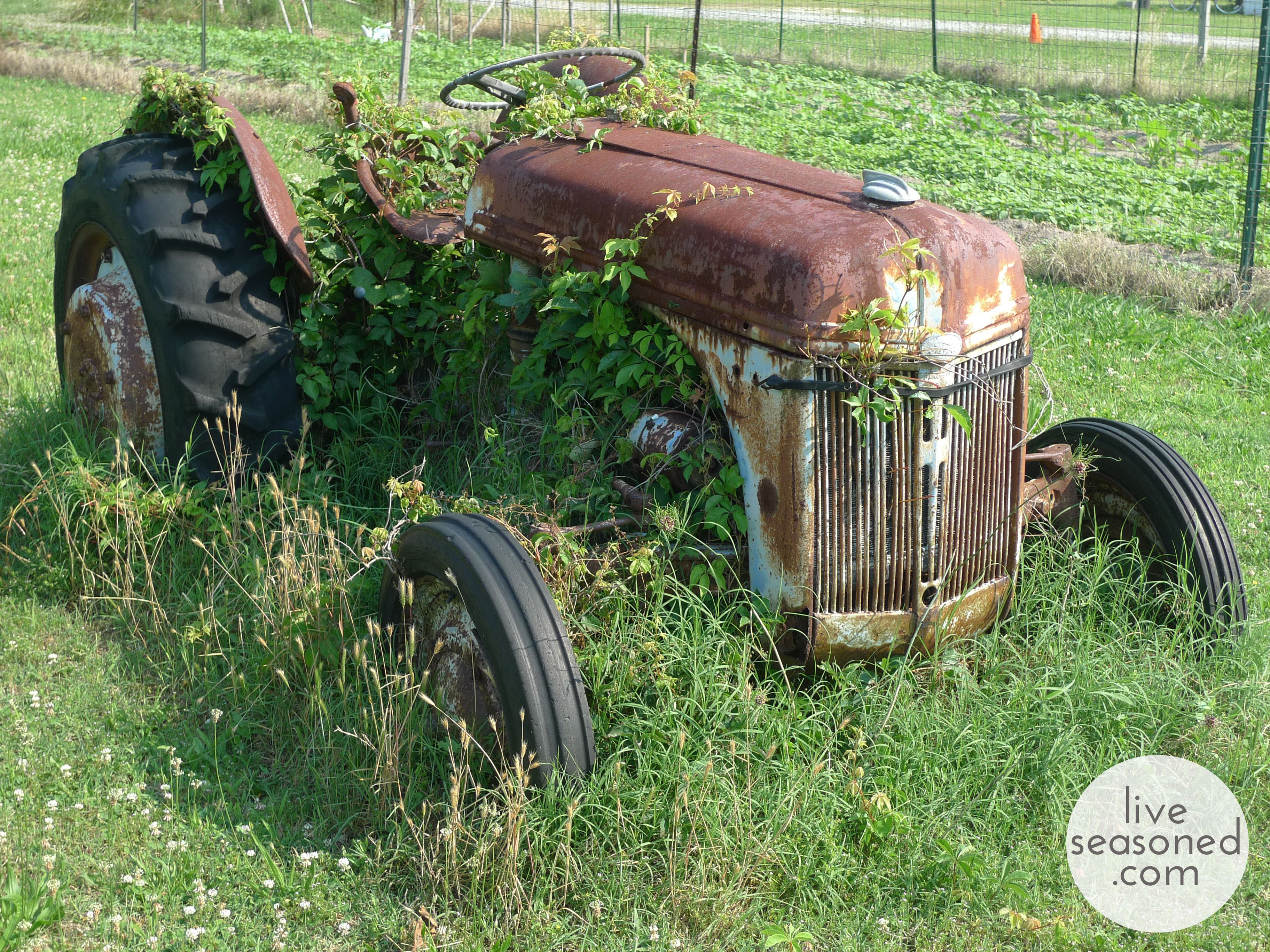
Saxis is 350 years old. It’s a small community full of history, and we are so happy for the chance to spend some quality time here. There is one main street that winds through the town, and all of the smaller lanes are often just someone’s driveway! The main street used to be lined with businesses, but now there are just a few ~ a museum and ice cream stand are among them, but no grocer!. This is a place where everyone knows everyone (and their business), but being the new kids in town, we get a tickle out of hearing bits and pieces of the gossip and meeting the cast of characters. Every day Alex and I head out for morning and evening bike rides. We easily ride from one end of town to the other, stopping along “glass beach” to look for treasures and to cool off in the water before checking in with the osprey nest. Today’s photos are snapshots of what we see on those rides.


We hope you have a great weekend! Any fun plans? We’re waiting for the rest of the family to join us in the sun and sand.
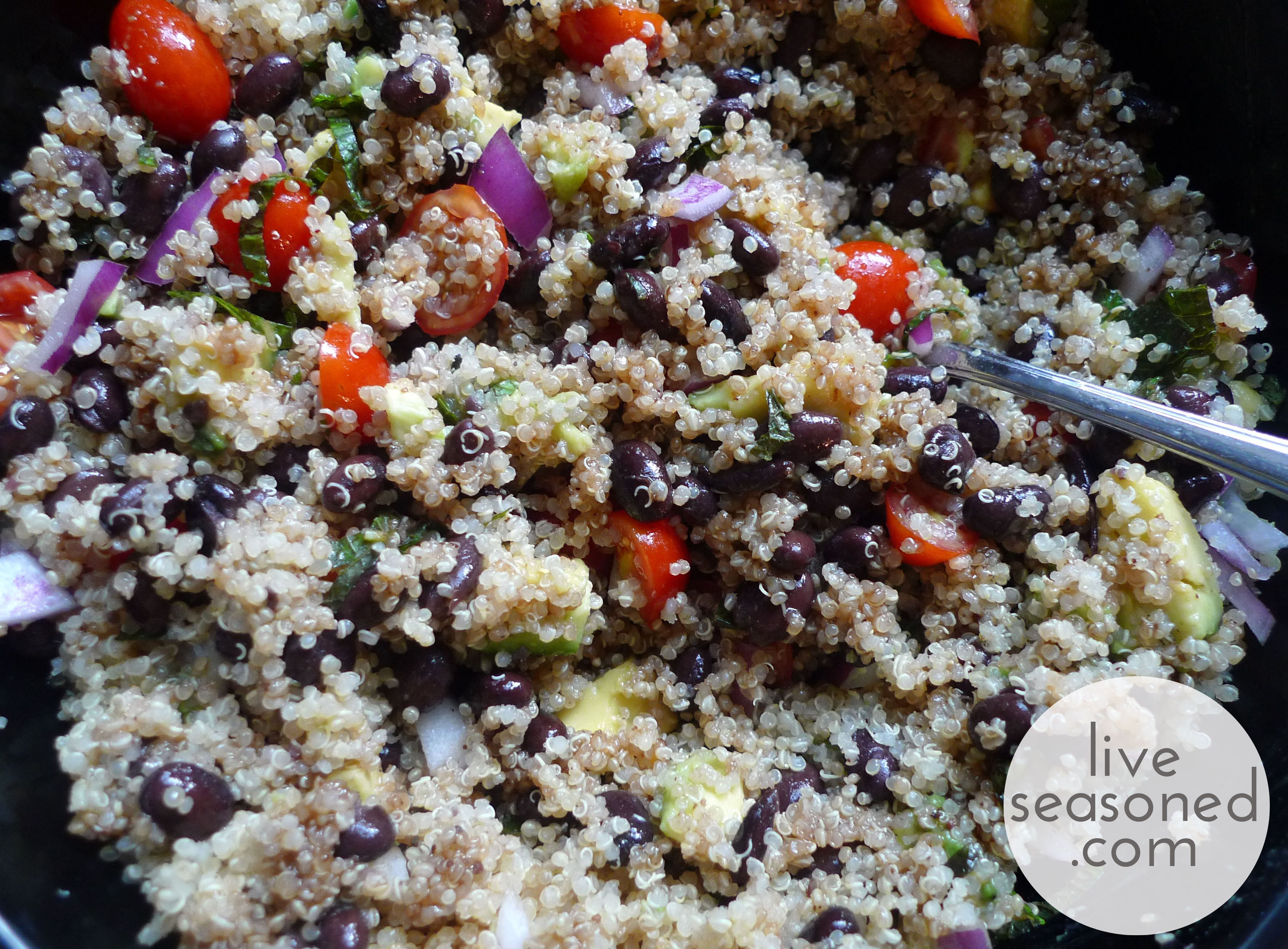
Have you tried quinoa yet? It’s an uber nutritious grain, or psuedo-cereal, that’s high in protein, fiber, and minerals. Quinoa is native to the Andes, and that’s still where most of the world’s crop is grown, but with its increasing popularity over the past decade or so, it’s easy to find in most markets across the US. If you haven’t tried it before, don’t be deterred. Cooking quinoa is as simple as boiling water, and then you can eat it warm and lightly seasoned in place of rice or couscous as a side to meat and veggie dishes. Beyond side-dish status, we love to throw quinoa (warm or cold) into salads. It’s a fantastically simple use that quickly ups the salad’s nutritional content and can turn it into a hearty meal (and we aren’t the only ones singing the quinoa salad’s praises).
Hey there! How did you like the beautiful weather this past weekend? Our family got together along Virginia’s eastern shore and, aside from a day of fishing that involved a lot of water in the boat, we had a fairly relaxing weekend.
With a few idle hours on the beach to motivate us, we’re here today to announce our summer picks for the Seasoned Book Club. That’s right, this season we have two books lined up, both are by Alexandra Fuller. The first, Don’t Let’s Go to the Dogs Tonight: An African Childhood is about her childhood in Africa. The second, Cocktail Hour Under the Tree of Forgetfulness explores Fuller’s parents’, and particularly her mother’s, life in Africa. Our plan is to read Don’t Let’s Go to the Dogs first and discuss it sometime in mid-July. Then we’ll pick up Cocktail Hour and discuss it towards the end of August.


What inspired these picks? Sarah and I love to travel, and we particularly love international trips where we can immerse ourselves in another culture. Unfortunately, after a whirlwind of travel in 2012, it seems that we’ve both suffered from a cold-spell and are starving for something exotic. With nothing big on the horizon (yet!), we’re turning to books to get our fix. Granted, these books contain some heavy material and aren’t a fairy tale view of the land, but we think the material will make for a really interesting read and discussion.
Having never traveled to Africa, we are both so excited to jump into this adventure, and we hope you’ll join us!