Garden Update : The Pond

Throughout this summer, I’m documenting our garden. How it’s growing, what we’ve planted, and any changes we make to the space. Here’s my introduction to the bulk of our flower and veggie beds here.

Ugg, we’re such lazy bloggers lately! I realized that if I didn’t put this post up soon, then I’d miss my window of opportunity for pond introduction photos. Without further ado ~

When we lived in PA, I experimented with a few water gardens on our deck. Click here to read more about those experiments and the Thai water gardens that inspired my experiments.

With this house we inherited a small pond. It’s not something that either Calder or I would want to instal in our yard, especially in such a dry area where it seems a bit frivolous, but since it’s here, I’m so excited to expand my water gardening to this bigger space!
pond - 1

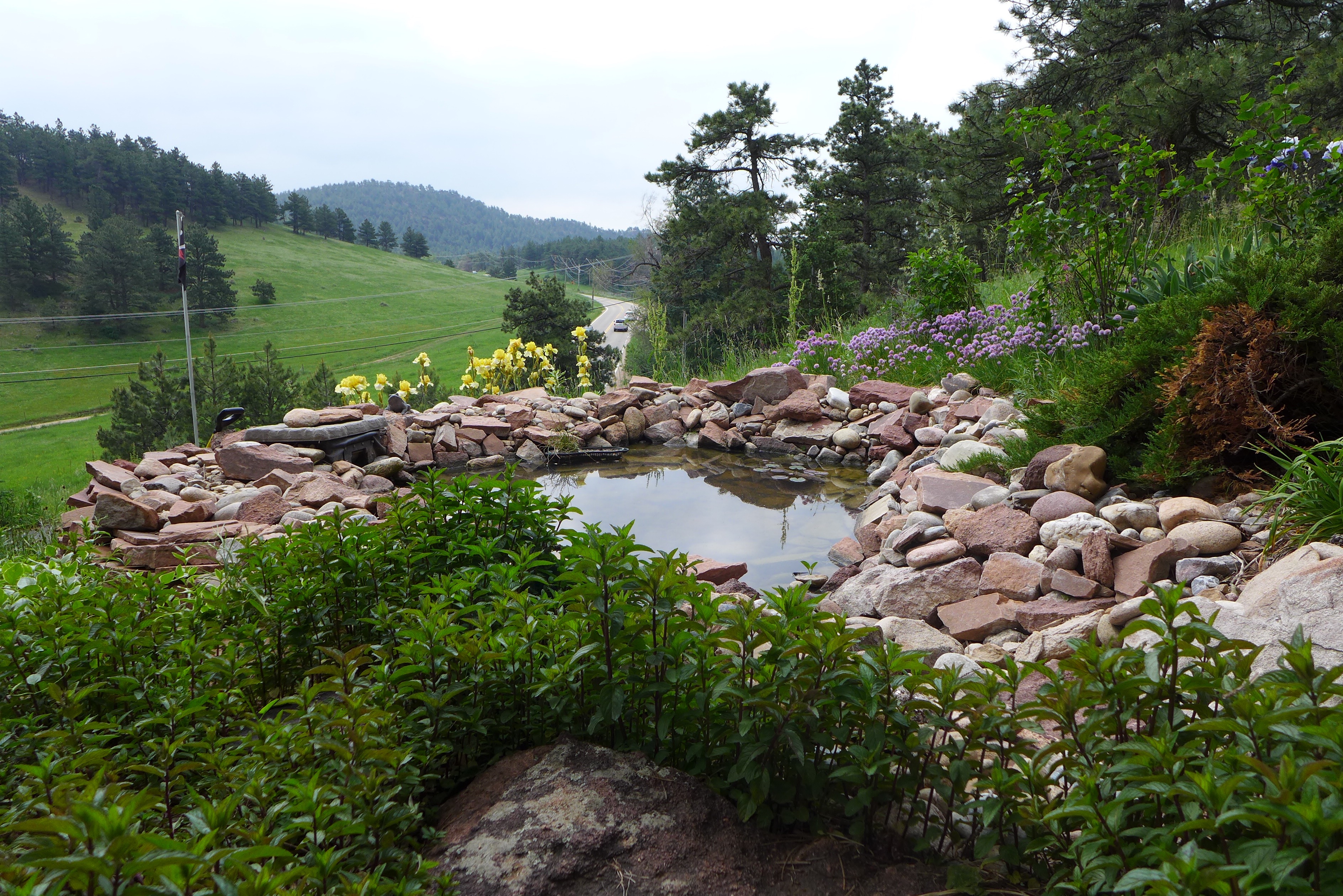
The Pond

This pond is created using a waterproof rubber liner that is then covered with rocks. The pond is about 10 feet from our deck, and between those to spaces is a flagstone path with mint growing between the rocks (that’s what you see in the foreground above). The pond has a filter and pump system that pump water to a waterfall that’s about 6 feet high and 10 feet away from the pond. The water then trickles down a stream and into the pond. Last season we turned on the pump once (right after cleaning it), but then never used it again. This summer we’re hoping to tweak it slightly and use it a bit more, but I’ll discuss that feature in a future post.

Spring Cleaning

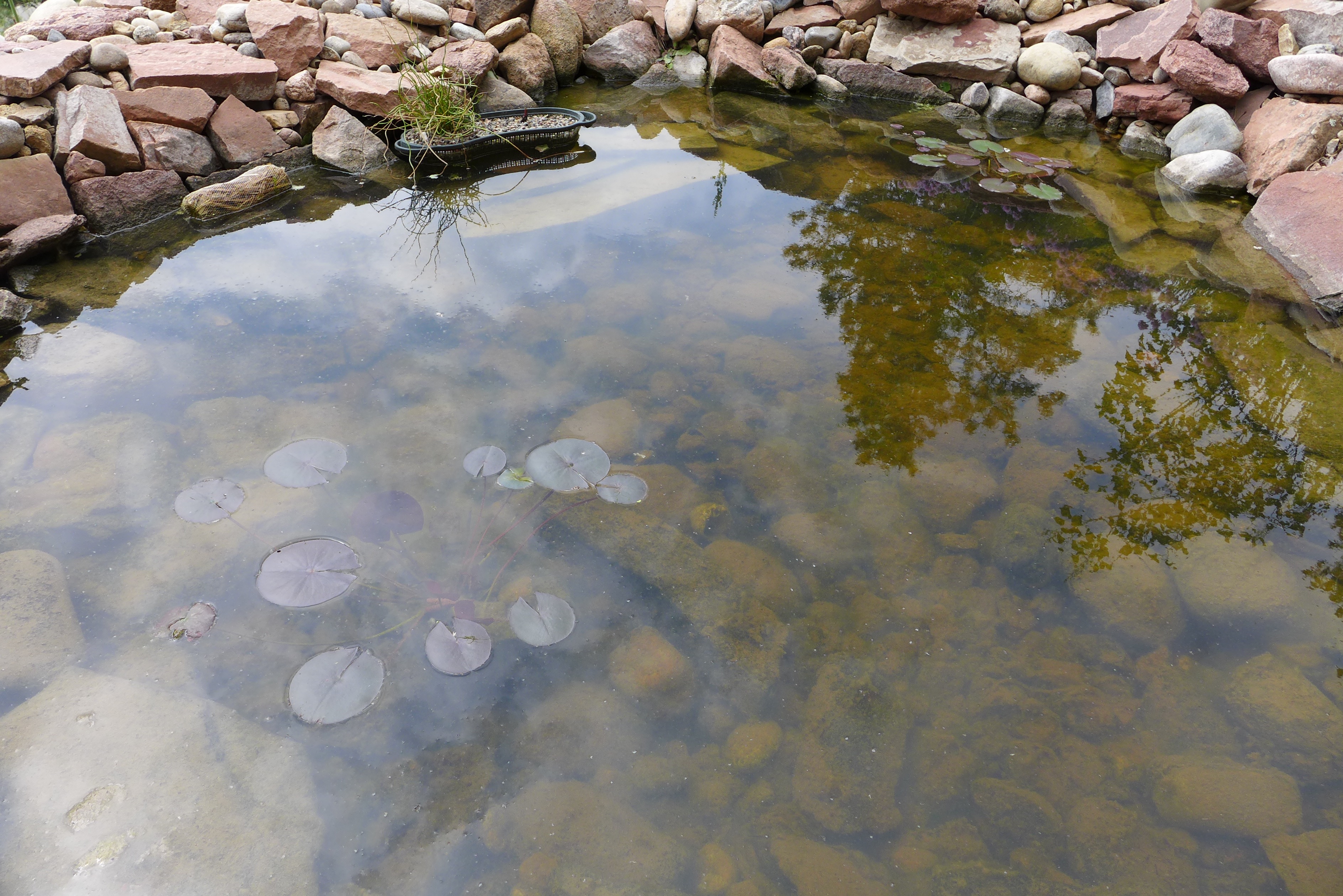
Both last year and this year we started the season by draining the pond and spraying it down to try to remove as much algae and silt as possible. I didn’t photograph that process, but realized I should next year. We learned a lot of things last year that made what was at least a 12-hour project the first time just a 2-hour jaunt this time.

We drain the pond with a big hose using this technique. You just fill the hose with water, submerging one end in the pond water and putting the other end at a lower point, letting gravity do the rest.

With a pond of our size, it takes a while for it to drain completely, so while it’s draining, I get to work removing the algae. I drag a large pitchfork through the water, picking up sheets/strings of algae that I then dump outside of the pond. As the water level goes down, I’ll hook another hose up to a water source and start spraying down the rocks on the side of the pond, trying to remove any algae and slime on them.

Once the pond is almost completely drained, you have to be careful that the draining hose doesn’t lose suction. It’s just a pain because then you have to fill it with water and get suction going again to get any remaining water. During this phase, I’m almost constantly spraying fresh water onto and between the rocks to wash out as much silt, slime, and algae bits as possible.

I don’t remove every bit of gunk from the bottom of the pond, but once I’ve done a fairly good job, the process is done and I start filling it again with fresh water.
pond - 1 (2)

Algae

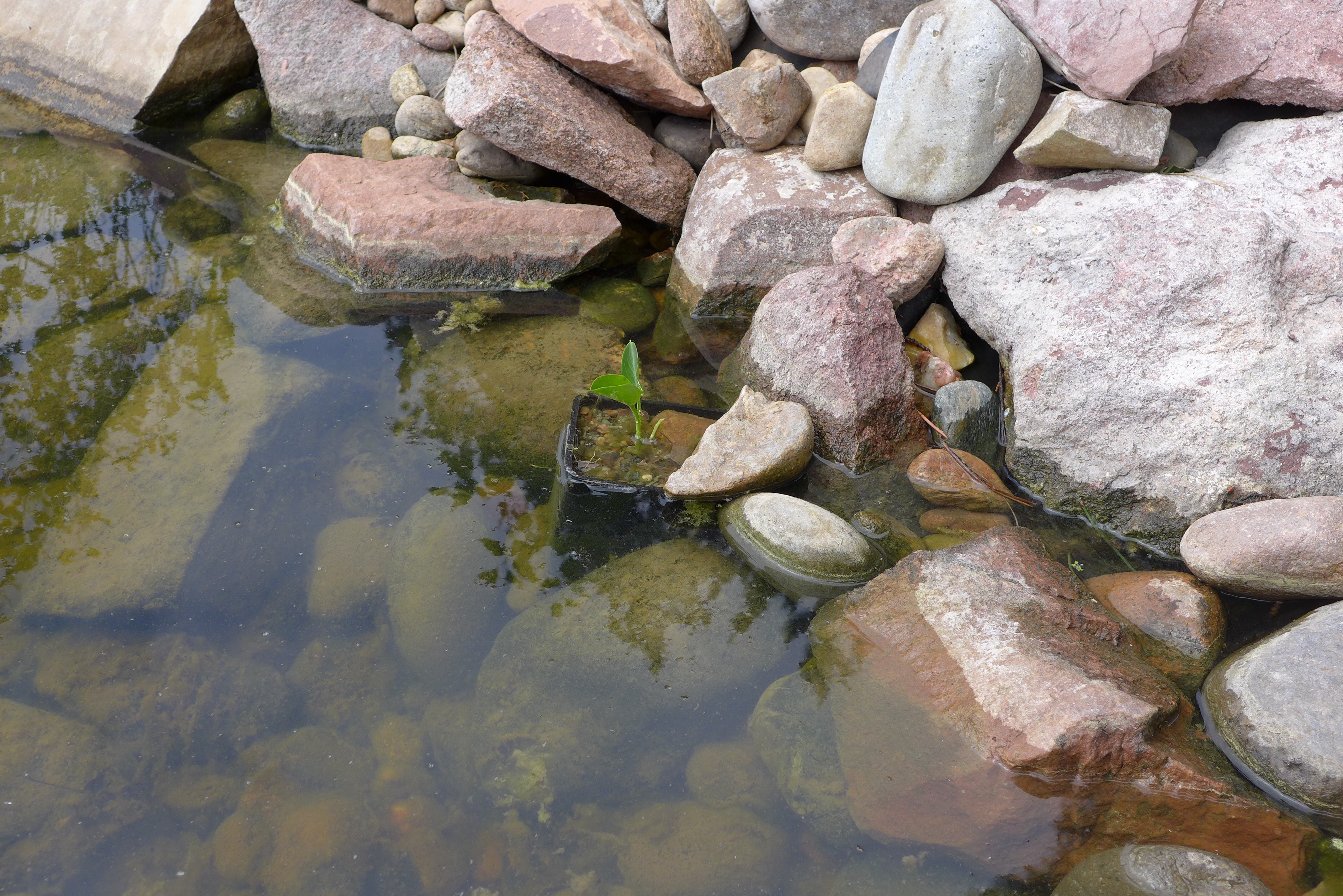
If left unchecked, our pond came become overgrown by string algae. From what I understand, the algae is not a danger to us or other organisms, but cosmetically, it’s a bit unsightly and makes the pond look more like a swamp than an oasis.

One of the reasons that our pond seems to be a prime target is because it gets a lot of direct sunlight throughout the day, and just like other plants using chlorophyl to make their food, sunlight will encourage growth. I was told that I could eliminate the algae and have crystal clear water by adding bleach to the pond, but this is only a solution if I don’t want to have any other plants or animals growing in the pond (and if I don’t mind dumping bleach into the environment, which I do). There are a few other solutions, so this summer I hope to keep you updated with my algae successes and failures.

In addition to physically removing the algae (as described above) and using an algaecide (discussed below), I can try to physically limit the amount of sun reaching the water’s surface. One easy way to do this is by adding water plants that will grow on top of the water, so that’s what I’ll be experimenting with this summer.
pond - 1 (1)

Mosquitos

Because of the cool weather in the mountains and the lack of standing water in our dry climate, the mosquito population in the mountains is generally low. That said, we don’t want this pond to become a mosquito breeding ground. There are a few ways to avoid that.

Generally, mosquitos will successfully breed if they have access to the surface of still water and if nothing eats the larva. If we keep the waterfall on, this would agitate the water enough to deter mosquitos from laying their eggs. It’s unlikely that we’ll do that because of the noise, energy use, and increase in water loss that would happen. Another option is to cover the surface of the water in plants so that it’s hard for the mosquitos to lay their eggs. I’m going to attempt to cover most of the water with plants (more below), but it’s unlikely that we’ll completely cover the surface. If I do achieve relatively good plant cover, then I would love to add a few goldfish to the pond, and they would help to eat the larvae. So, there are some options, but they aren’t guaranteed to work at this point in our pond’s lifecycle.

So, for now, we’ve decided to add Mosquito Bits to the water. The mosquito pellets/dunks contain BTI, which is a bacteria that is toxic to the larvae and will kill them. The dunks are considered safe and non-toxic (when used correctly) for all other animals.
pond - 1

Plants

This year I’m hoping to do some experiments and expand the variety of plants that I grow in the pond.

Right now our pond contains two groupings of water lilies. Both are made up of lilies that I put in the pond last summer and they successfully spent the winter out there. Not only did they survive in our little pond, but they thrived, multiplying successfully in their pots. This year I repotted them and added another one that came as a dry root from Home Depot. I bought that one because it was so much cheaper than the live plants and I wanted to grow it as a test this year to see how well it does.

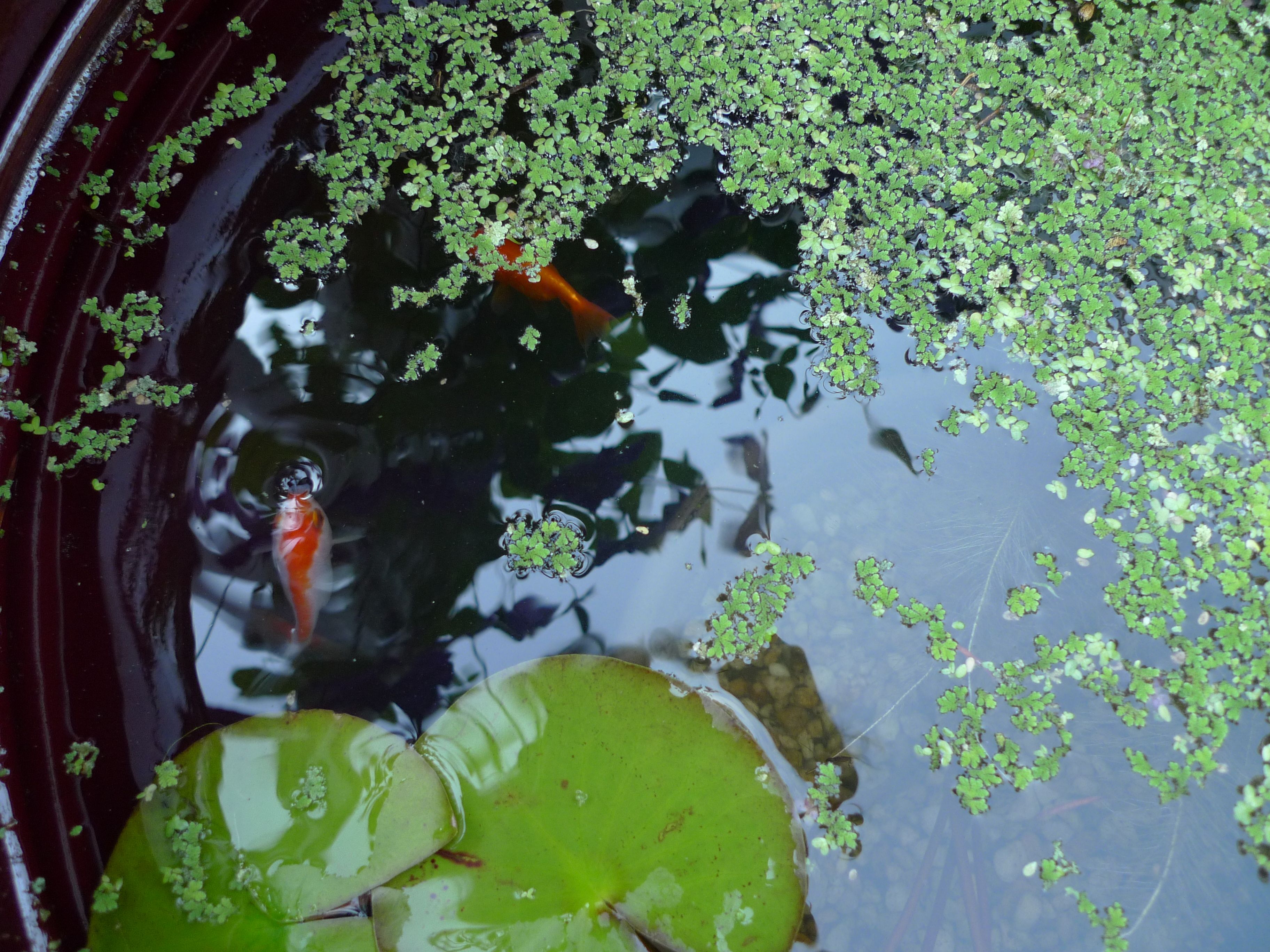
I’ve also added a curly rush, two canna lilies (from dried roots), and another mystery lily that I picked up in the pond section at Home Depot. You can see the leaves of the mystery lily just starting to sprout in the photo above. All of these plants live on the “margins” of waterways ~ along the edge where their roots may be submerged in water, but their stems and leaves aren’t. So I have them in pots near the surface of our pond. It isn’t the most beautiful presentation, but I’m hoping that the floating plants will disguise the pots, and if they plants are successful, then I’ll come up with a better solution next year.

I was going to use duckweed as a floating plant to cover the water surface, but I wasn’t happy that the batch I received in the mail. So just this week I placed an order for fairy moss (it’s the small floating plant growing in the photo above), and a couple of water lettuce (another floating plant that is larger, like a small head of lettuce, and multiplies like crazy).

~

That’s our pond in early spring. I’m hoping to get some lush growth from the plants this year. I would love to add a couple of goldfish, knowing that they will be super attractive treats for birds (thus wanting some good plant cover for them to hide under). We have a couple of frogs out at the pond now; we hear them but can never see them! Last year they laid eggs, so we’re hoping for another batch of tadpoles this year.

I’m excited to keep you updated as the pond grows and evolves this summer!
A Garden Introduction

Throughout this summer I’m excited to keep a journal documenting the growth, updates, and general observations of the gardens around our house. Since it’s the start of the season, I thought it would be appropriate to begin with a little overview of the outdoor space. Admittedly, the photos in this post aren’t that exciting, but I’m happy for the visual record they’ll provide as the season progresses.

liveseasoned_spring2016_garden10

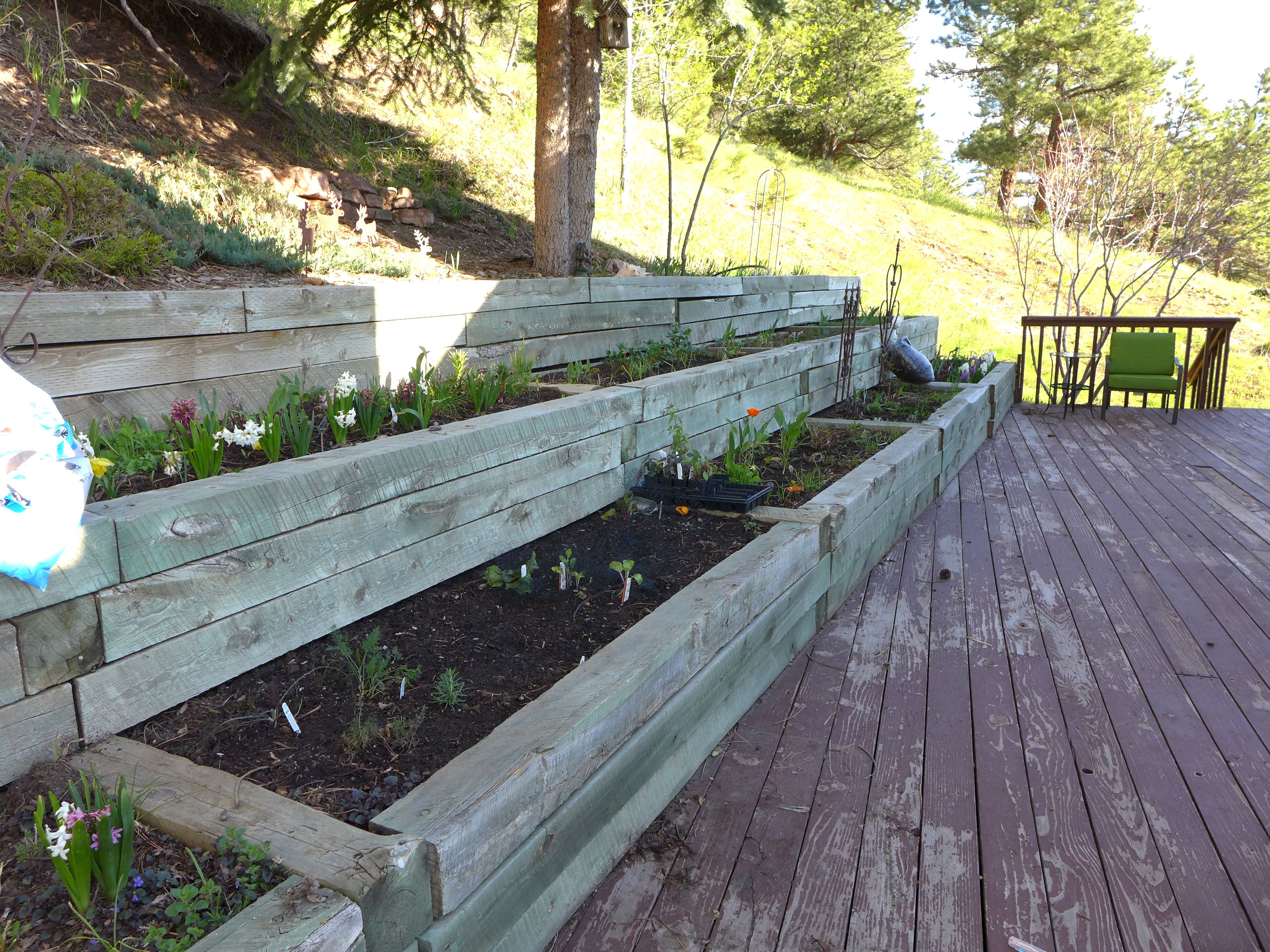
We have a very large deck, a number of raised beds, a small-ish pond with a waterfall/stream powered by a pump that we can turn on and off. There’s a small rock path leading from the deck to the pond, and then this path continues down the side of the hill to our driveway. The rest of our outdoor space is rustic. Our house is built on the side of a hill/mountain, and fortunately there is no landscaping, instead, we just get to walk off the porch and and are immediately immersed in the native Rocky Mountain foothills ecosystem, full of evergreen trees, cactuses, native grasses and flowers, and small shrubs, all dotted with many rock outcroppings.

Location

For anyone interested in the nitty gritty – I’m gardening in Boulder, CO in the foothills of the Rocky Mountains. We’re at about 6000 feet altitude, and in USDA zone 5b.

The Challenges

This is going to be my first real season gardening in Colorado. For the past two summers, I mainly grew herbs and a few things in pots on our deck, but this year my goal is to start improving the permanent spaces around our house. The main challenges that I want to keep in mind are water supply, animal predation, and length of the growing season.

liveseasoned_spring2016_garden11

I think I’m already doing a good job of reining in my expectations when it comes to that last item. If this were PA, I would have been actively working in the garden and adding new plants back in April. But here, we saw some of our biggest snow storms just a month ago! That definitely helped to keep my expectations in check. It also helps that the nurseries (knowing what’s what) don’t put out many of their plants until we’ve entered the window where putting them in the ground is ok. So, I’ve just started to add some perennials to the flower beds, and while it *feels* late, I think I’m right on schedule.

When it comes to plant choices, I want to create a responsible garden, so I’m really focusing on plants that will do well in a more arid environment. Fortunately for me, many of the flowers that I like also fit the bill as having low-water needs. After their first season, that is. You want to water plants well in their first season to ensure that they become established in the beds, growing nice deep roots that will help them  in future seasons with lower water supplies. We have a drip irrigation installed throughout the beds, so that will help with watering but even so, I want to make sure we’ve installed a water-wise garden.

liveseasoned_spring2016_garden5

The other challenge that I’m trying to keep in mind are the foragers that frequent/live on our property. There are families of Mule Deer living in this area, and they love to graze in our yard. They are often eating the native grasses growing on the hillside, but they also walk right onto the deck and will look for anything tender growing in the garden. We also have rabbits living in the yard and they have no qualms about eating from the garden. Again, I’m lucky that many of the flowers I want to add to the garden are generally considered to be deer and rabbit-safe, but this is not the case for most vegetables, so as you’ll see below, I have a plan…

The Raised Beds

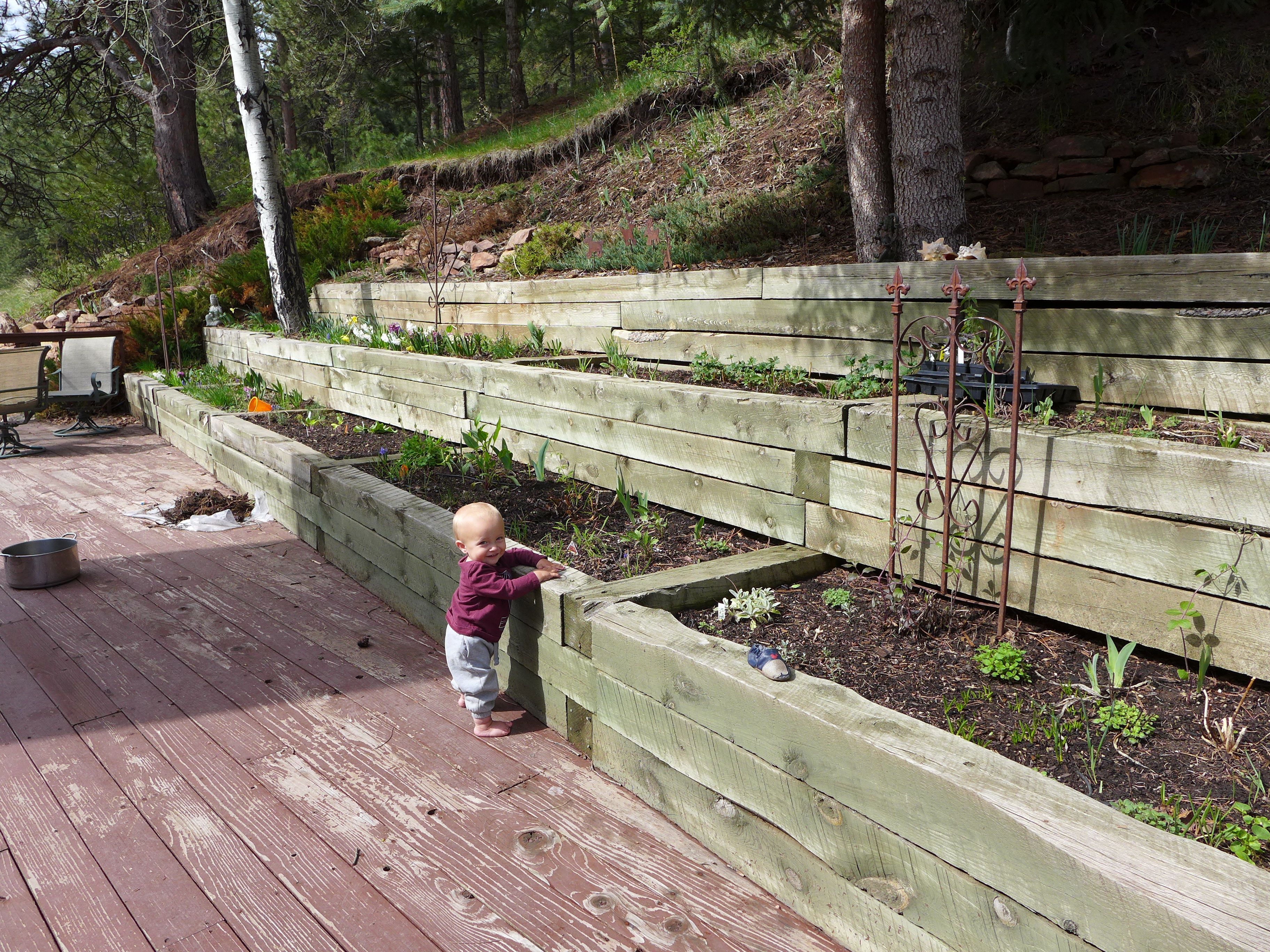
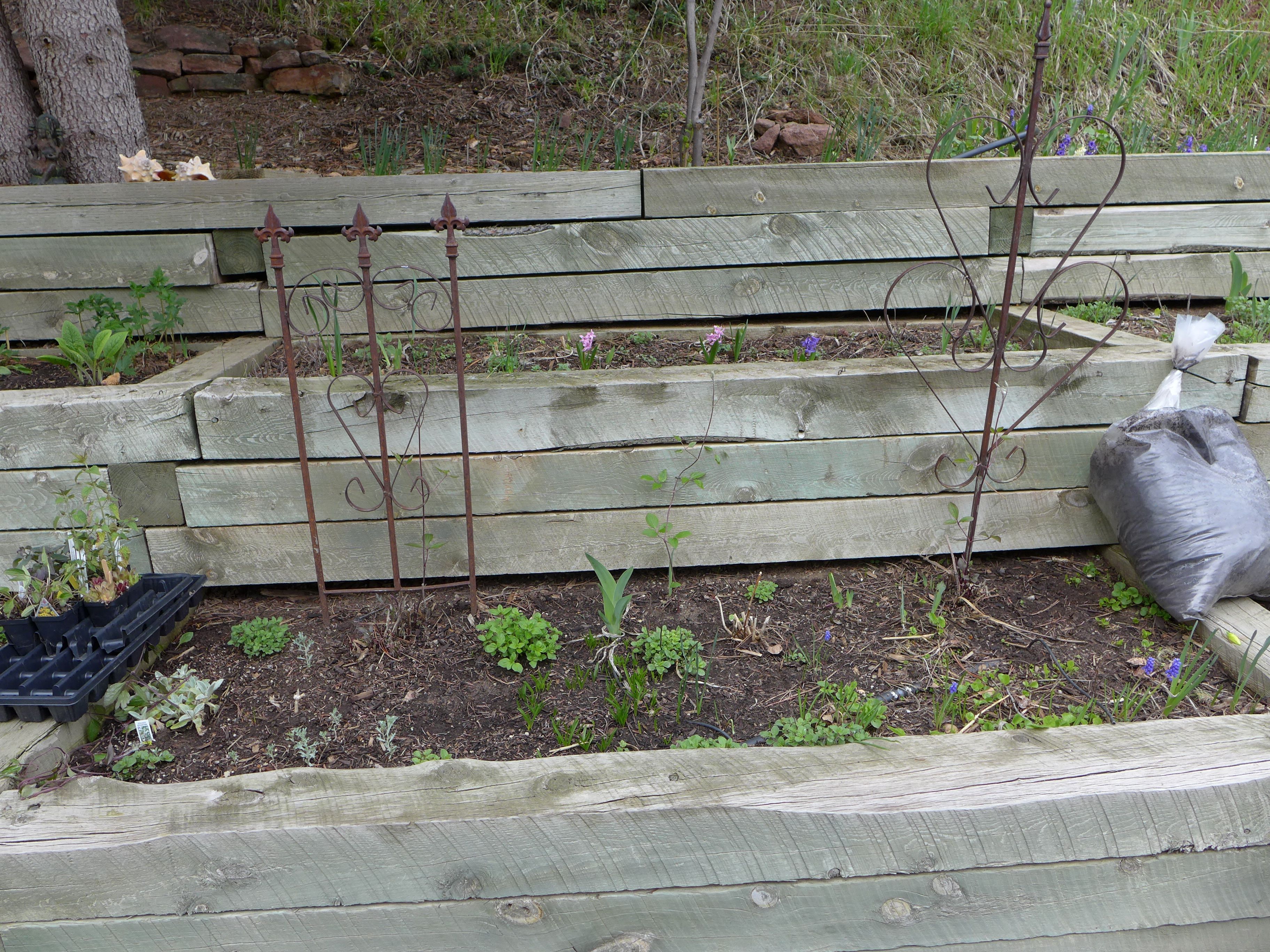
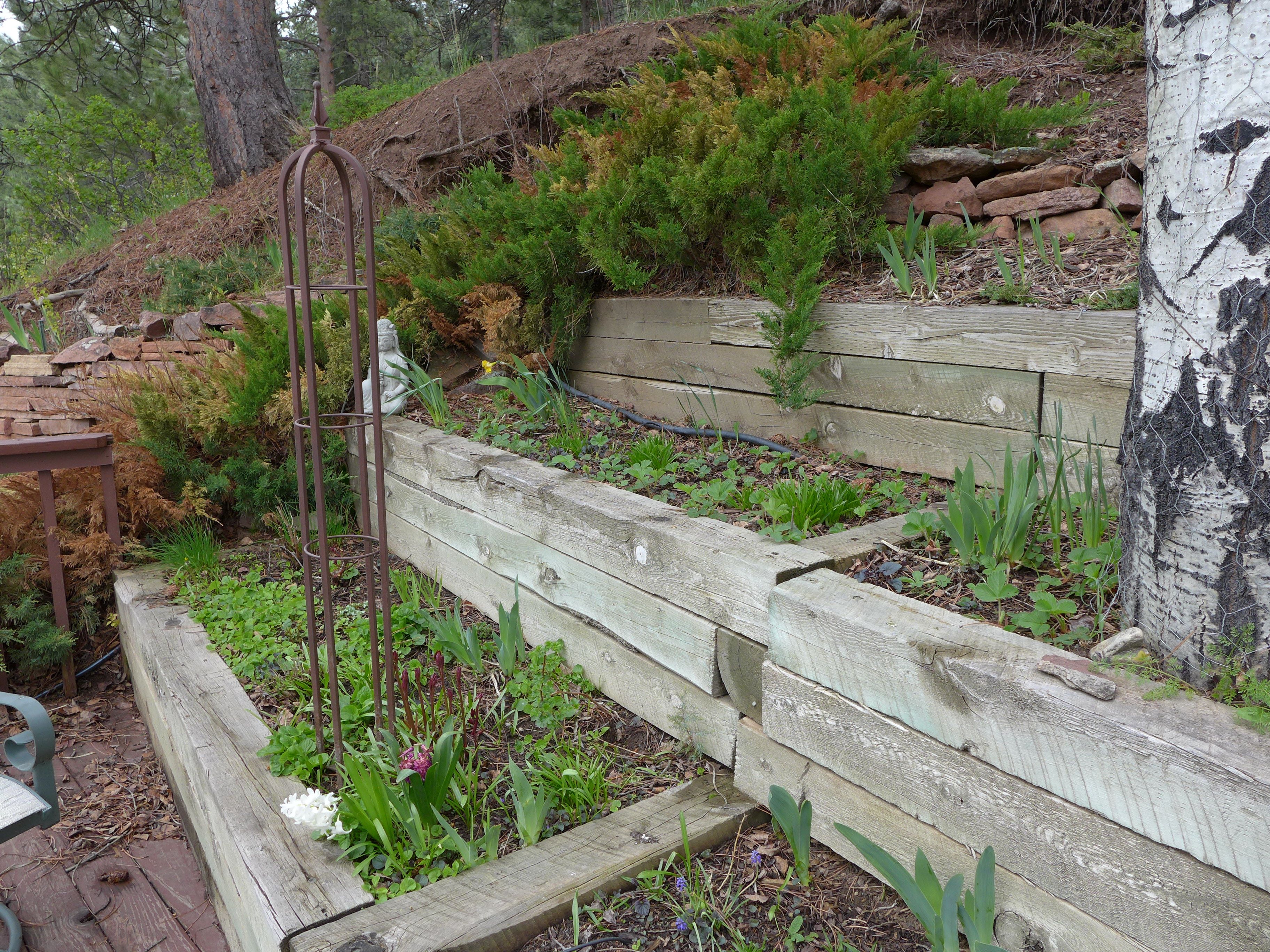
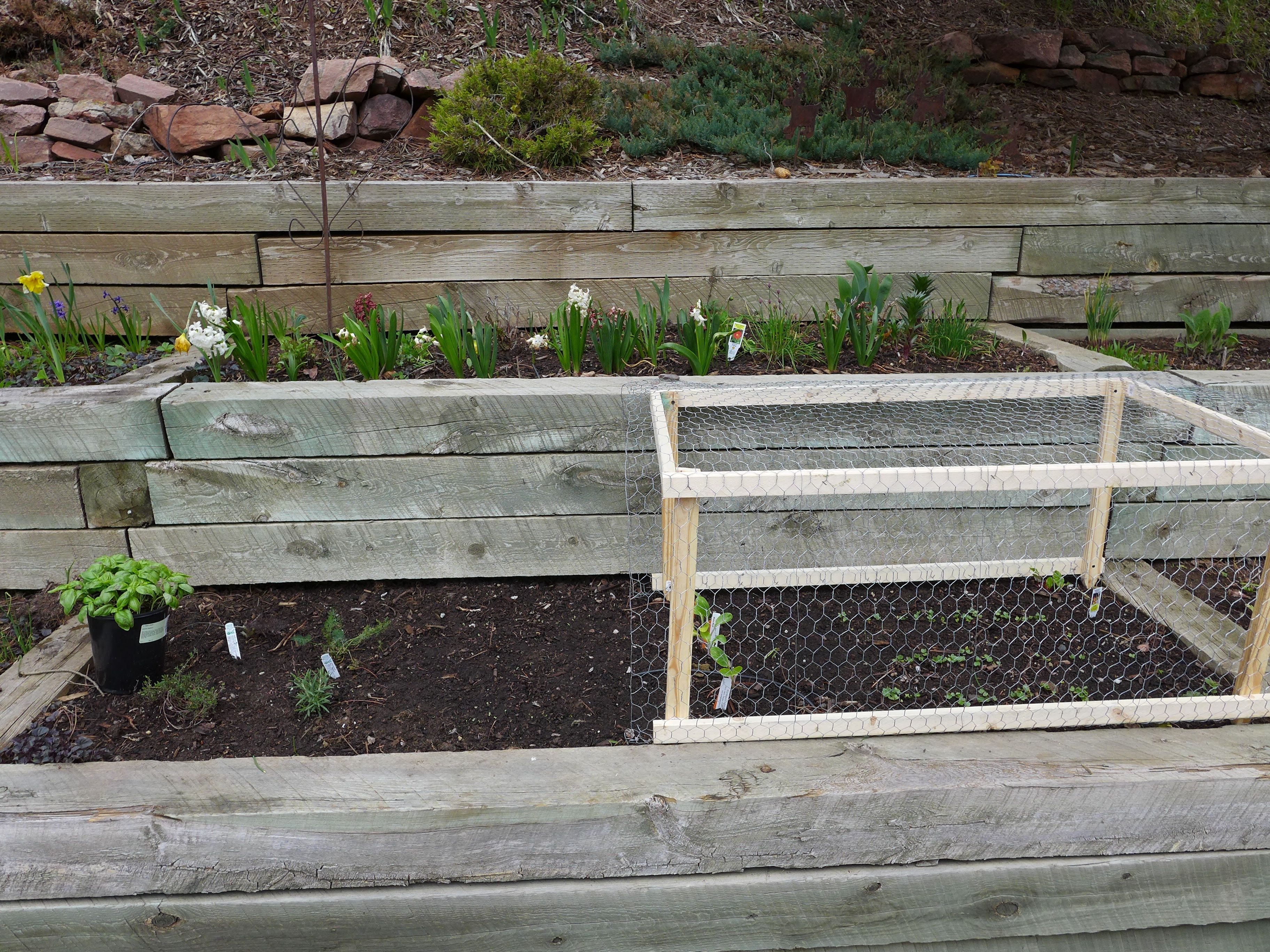
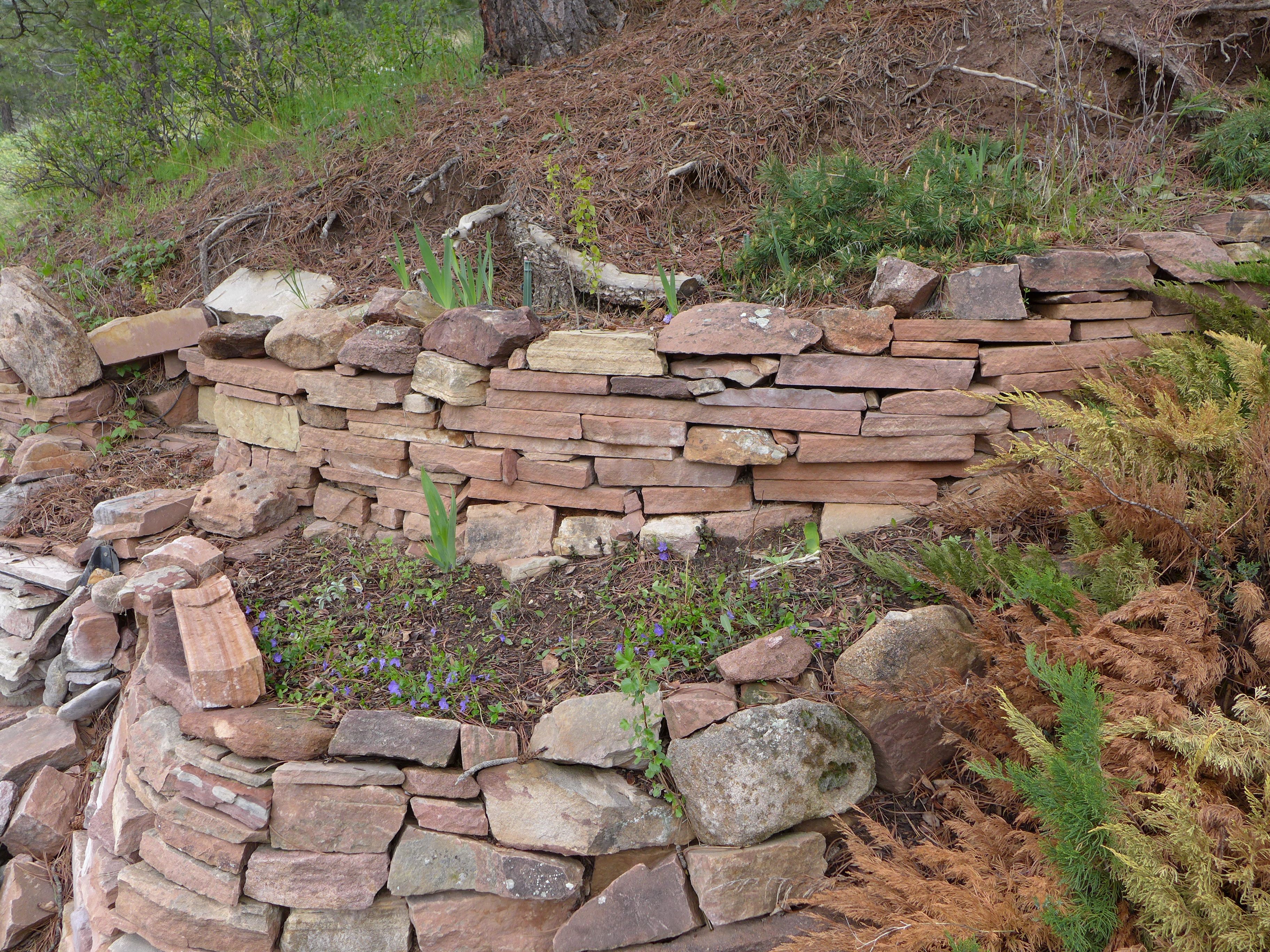
There are twelve tiered beds along one side of our deck, a few more that line the stairway from our driveway to the front door, and a couple more on the east-facing slope of our mountain below the house. We don’t see those last two on a daily basis, so I think I’ll end up ignoring them for most of this summer while I keep my focus on developing the plantings in the other beds.

Flowers

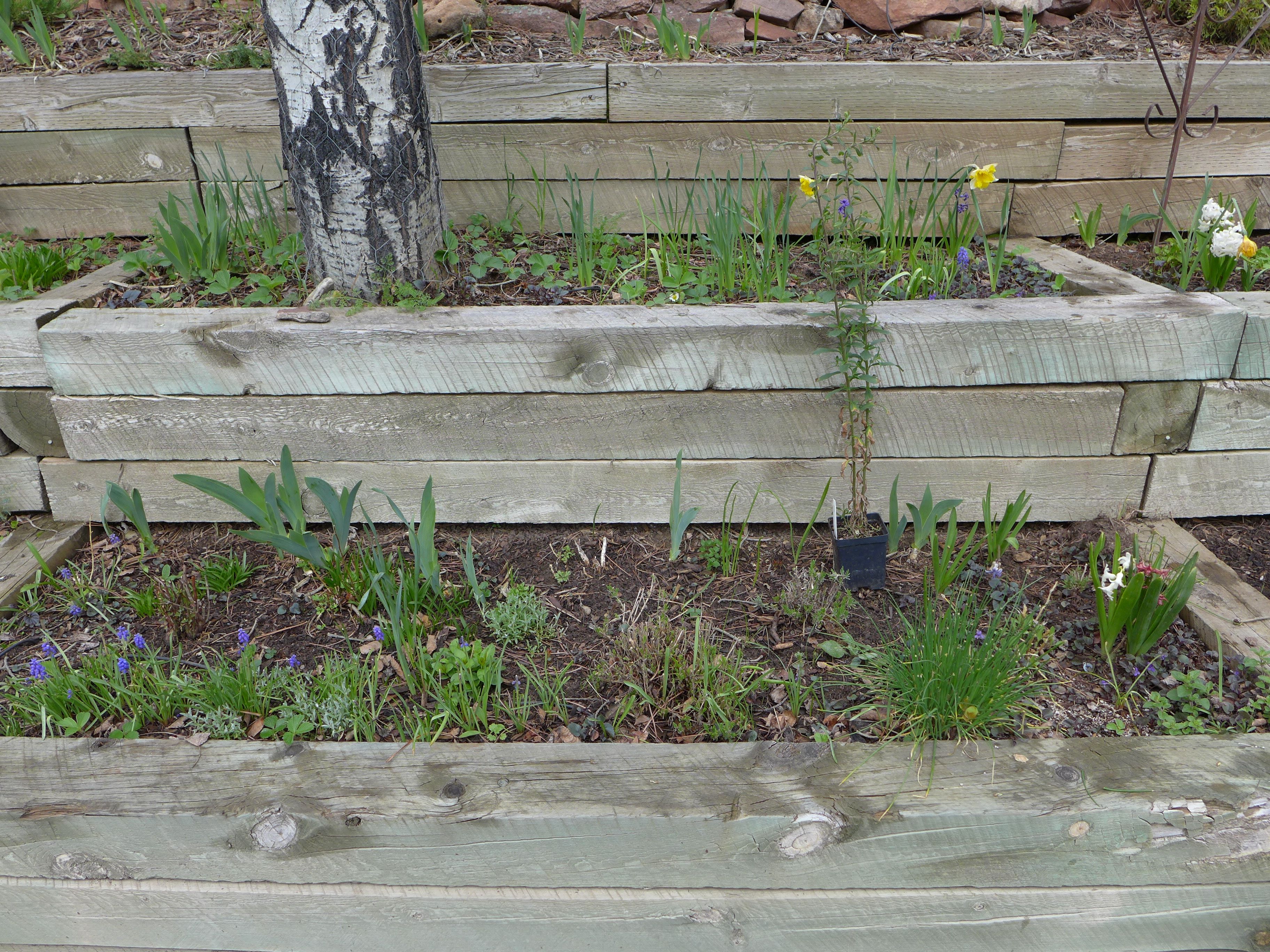
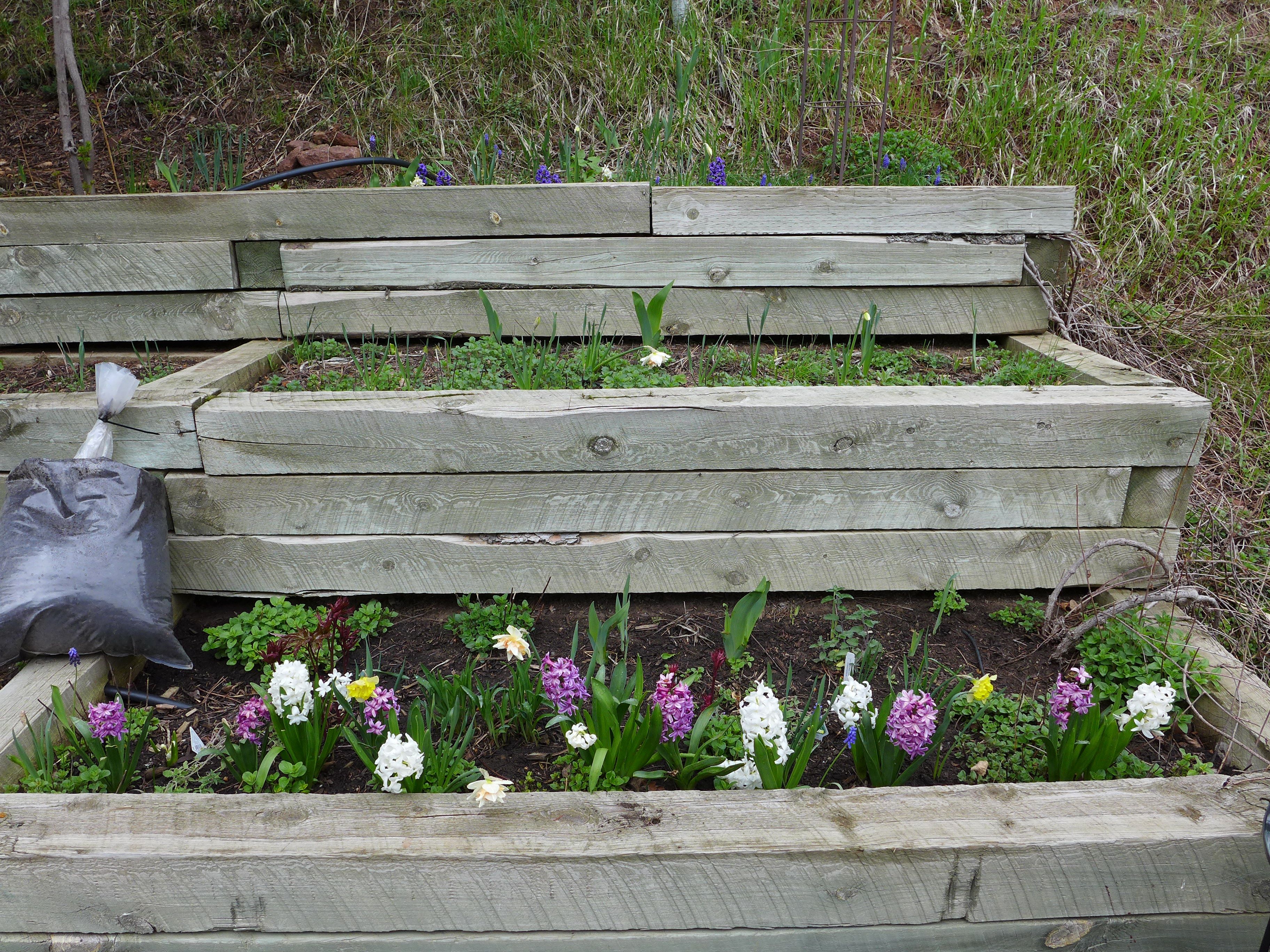
All of the planted areas currently contain a collection of early-season bloomers (daffodils, snowdrops, hyacinths). There are a few peony plants, lavender, roses, and a lot of bearded irises.

liveseasoned_spring2016_garden1

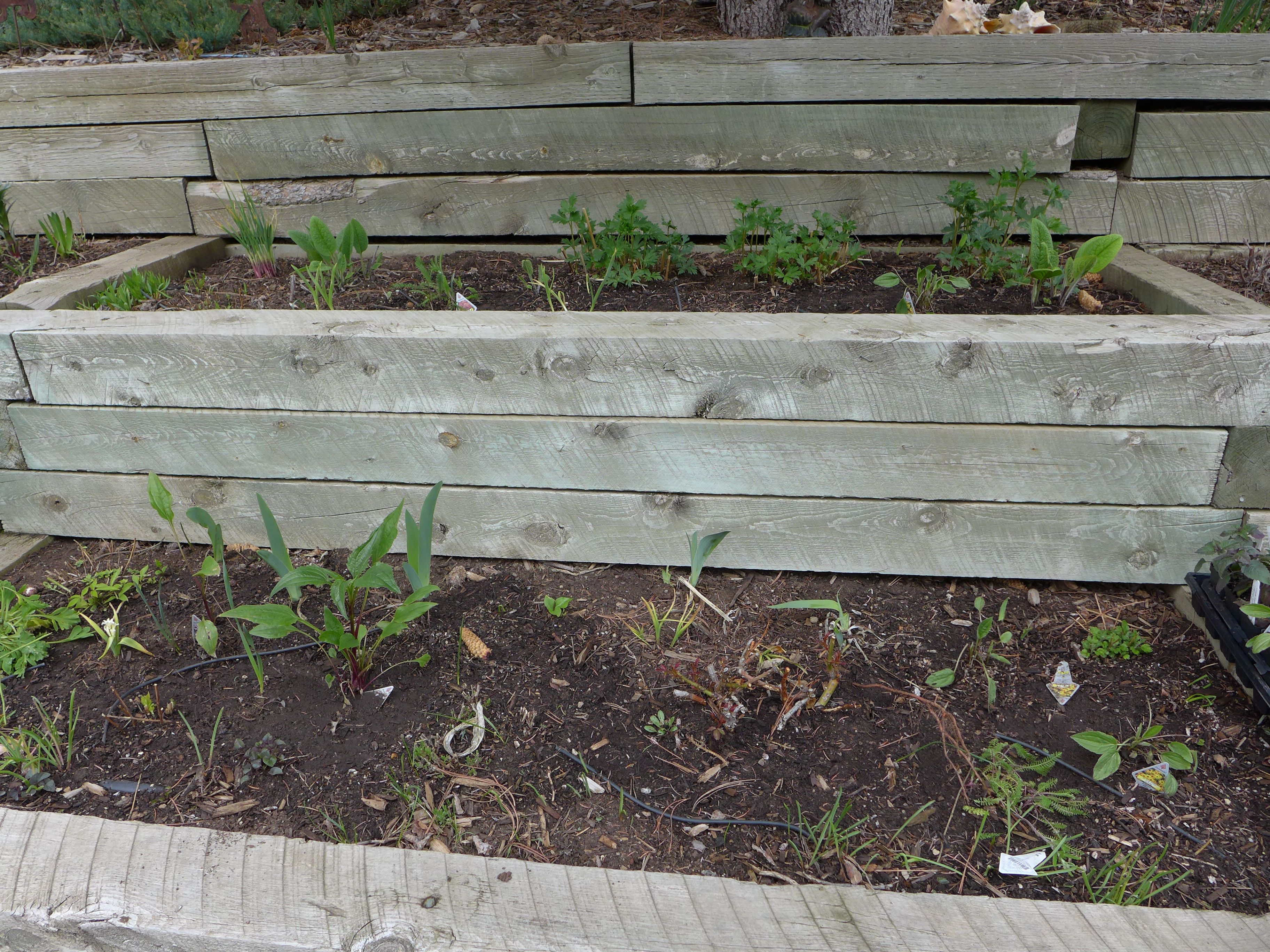
This year I’m hoping to expand the variety of flowers growing in these beds. My plan is to add black-eyed susans, purple coneflowers, bee balm, catmint, yarrow, goldenrod, and milkweed. From my research, these all fit the bill as having low water needs and also being relatively unattractive to foraging from deer and rabbits. And while I’m trying to keep away some animals, I’m hoping to attract others. These flower choices are all attractive to a combination of hummingbirds, butterflies, and bees.

In addition to the flowers, we have a number of ornamental shrubs – butterfly weed, flowering hydrangea, and lilacs. I don’t plan on adding any more shrubs at the moment; I just want to maintain what we have.

liveseasoned_spring2016_garden3

liveseasoned_spring2016_garden2

Edibles

We inherited a few edible plants in our garden. There are perennial herbs (sage, chives, oregano, and mint), a raspberry patch, and a few old strawberry beds.

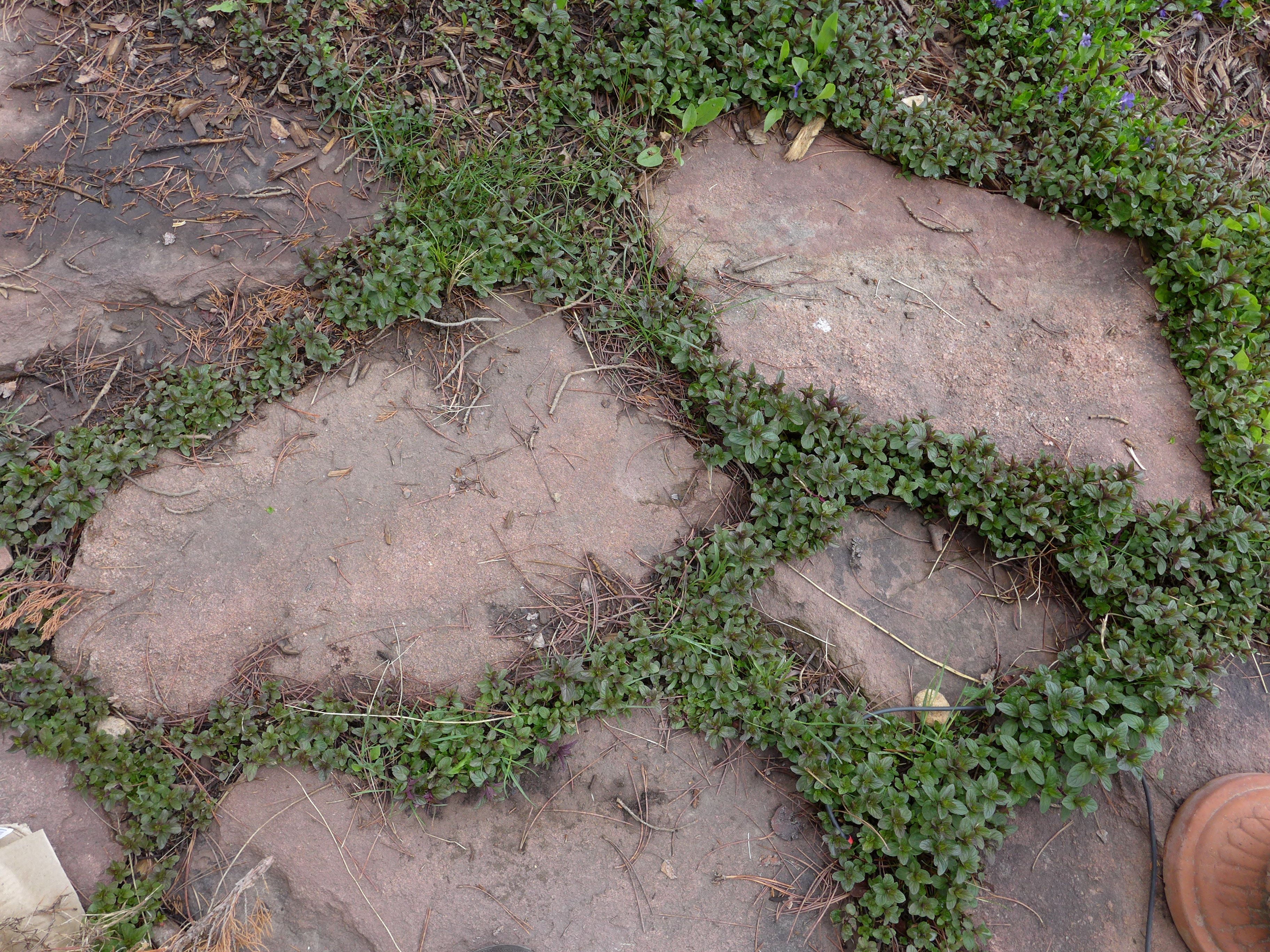
A lot of people flinch when they here about mint in the garden because it’s so invasive. We’re fortunate in that all of our mint is planted in the rock pathway between our deck and the pond. It’s slightly shaded and is an area with soil that stays more moist than other beds (perfect for water-loving mint), and fortunately, it can’t really spread beyond that zone because it’s cornered by the pond, stream, and deck.

liveseasoned_spring2016_garden9

I didn’t know anything about raspberries before moving in, and I still feel like there’s a lot to learn. I know that there are some varieties that produce berries late in the season off of new canes and other varieties that produce berries throughout the season off of old growth. Right?

Last summer I cut all of these canes back. We only ended up getting two berries (no joke!), but they were delicious! It could have been that we didn’t water the area enough? Or it could be that this is a variety that produces berries on old growth? I didn’t prune anything this season and am going to see what happens. I’ve also signed up for a “small berries” class at a local nursery. I’m hoping to walk away from the class with both tips for growing and caring for our berry plants as well as information about different varieties that do well in our area.

liveseasoned_spring2016_garden6

I think our strawberry beds are all past their prime. I’ve read and been told that a strawberry plant only has a few years in it before its production slows down. Last year we had quite a few flowers, and I think I saw a berry or two, but we never got to any of them before the animals (this might be an unavoidable problem). I’d like to re-energize our beds, but I think I’ll wait to do anything until after the class.

When we moved in, every one of our raised beds had something growing in it – some were more full than others. Calder and I were both excited to completely empty at least one bed for growing veggies. We don’t have high expectations, or necessarily a high demand since we have a farm share, but we want to grow a few things that we can pick and eat, and more importantly to give the boys the exposure to growing something that they can pick and eat.

liveseasoned_spring2016_garden7

liveseasoned_spring2016_garden4

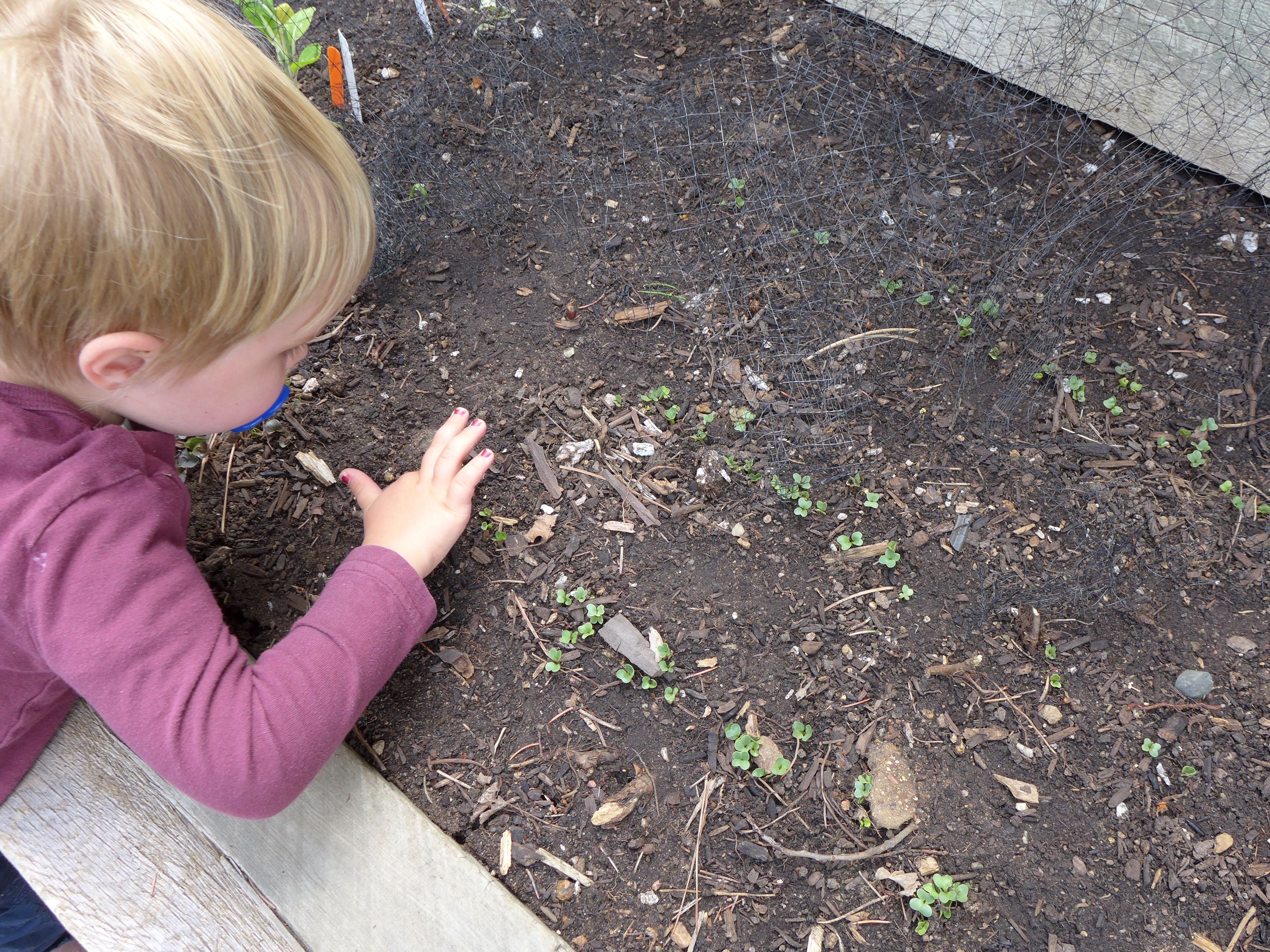
So this spring, I cleared one of the beds right off of the deck, moving most of the plants to open spaces in the surrounding beds. We then turned over the soil, added compost, and planted a few early-season veggies and herbs. Right now we have a little area of loose-leaf lettuces and another area of radish varieties (I’ve heard radishes are absurdly easy to grow, and I’m looking for an easy success in our first season). One side of the bed is dedicated to herbs – we have thyme and a hardy rosemary, if we’re lucky, both will be perennials in that space. We also added a dill and a fennel plant. In the middle of the bed I put in a couple of bok choy plants and one rainbow chard because we like to eat those greens. I think that as it gets too hot for the lettuce area, I’ll plant some basil in that zone.

This past weekend we built a couple of fenced boxes to fit over the vegetable bed. Nothing fancy just a super-simple frame using the cheapest wood from the hardware store with chicken wire stapled to it. I built the box in two pieces so that it would be easy to pick them up and move then aside when we’re working in that bed, and we can use only one if we only need half of the bed covered.

liveseasoned_spring2016_garden8

~

So that’s the state of the garden as of this week. Between the late snowstorms and recent rain, we’ve had a relatively wet spring, which is getting everything off to a really nice start (even if we are all going a bit stir-crazy inside!). The radish and lettuce seeds have sprouted! And all of the perennials I’ve planted thus far seem to be thriving. I’ll be excited to update this series throughout the summer as a record of how the beds change, and I’m hoping that the visuals will really help me each year as I think about what I’d like to add/change in the garden.

In the next post I’ll introduce you to our pond and my dreams for a big, lush water garden… they’re competing with Calder’s dream to turn the pond into our hot tub!


DIY Vanilla Extract

Vanilla is our ingredient of the season. So far we’ve made some vanilla-infused vodka (great for milkshakes!), a savory roasted chicken with vanilla bean, and some homemade perfumes with vanilla essential oils.

Forgive me for stating the obvious, but today we’re finally hitting on the key ingredient in every kitchen – vanilla extract! Who doesn’t have a bottle of vanilla extract in their kitchen? It gets used in everything. In fact, yesterday the boys and I baked our favorite chocolate cake, and even that called for two teaspoons of vanilla extract. 

liveseasoned_spring2016_vanillaextract5 - 1

My fist exposure with homemade vanilla extract was a few years ago when I received a bottle from my BFF for Christmas. It was amazing, and I cherished that bottle, wanting to use it but also keep it for ever because it was just so good. As you’ll see, DIYing your own extract is so easy that I probably should have reigned in my emotions a bit…

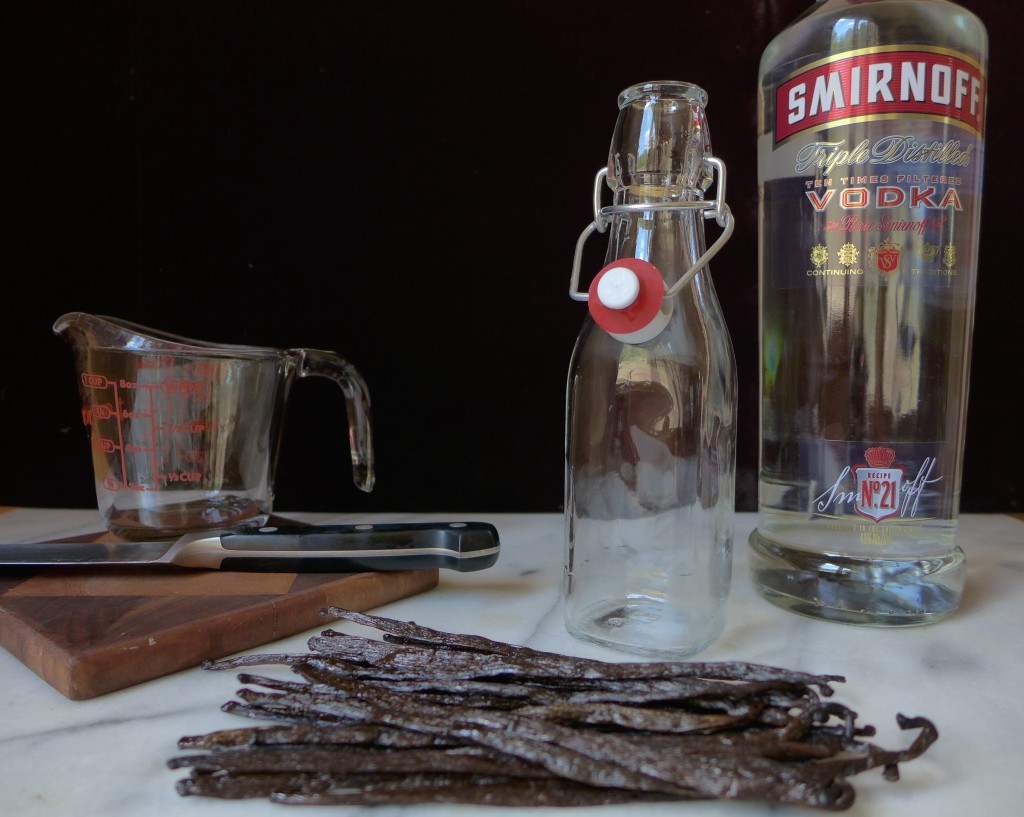
The key to make a quality vanilla extract comes down to two things : 1. quality beans and 2. time.

liveseasoned_spring2016_vanillaextract3

How-to

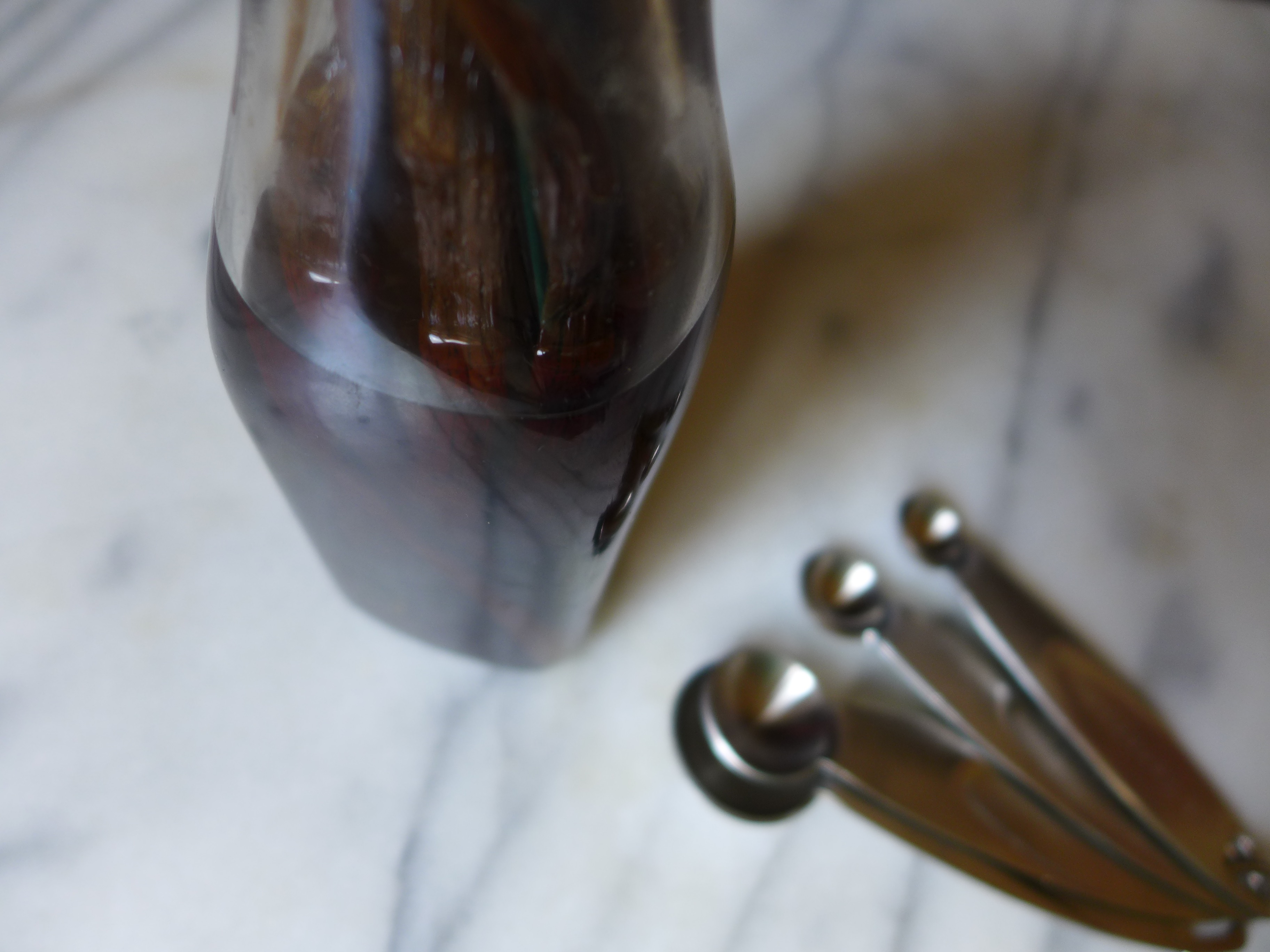
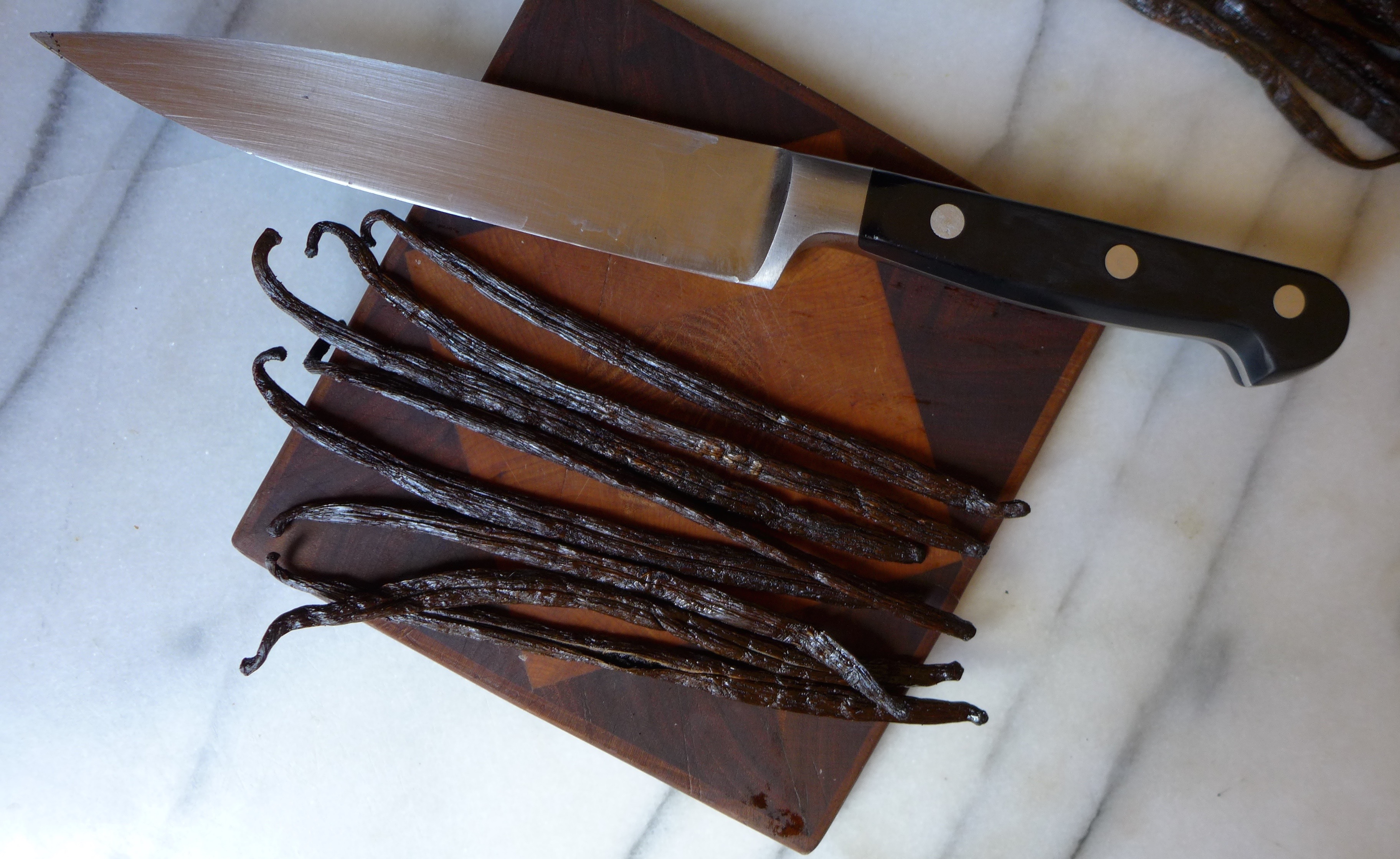
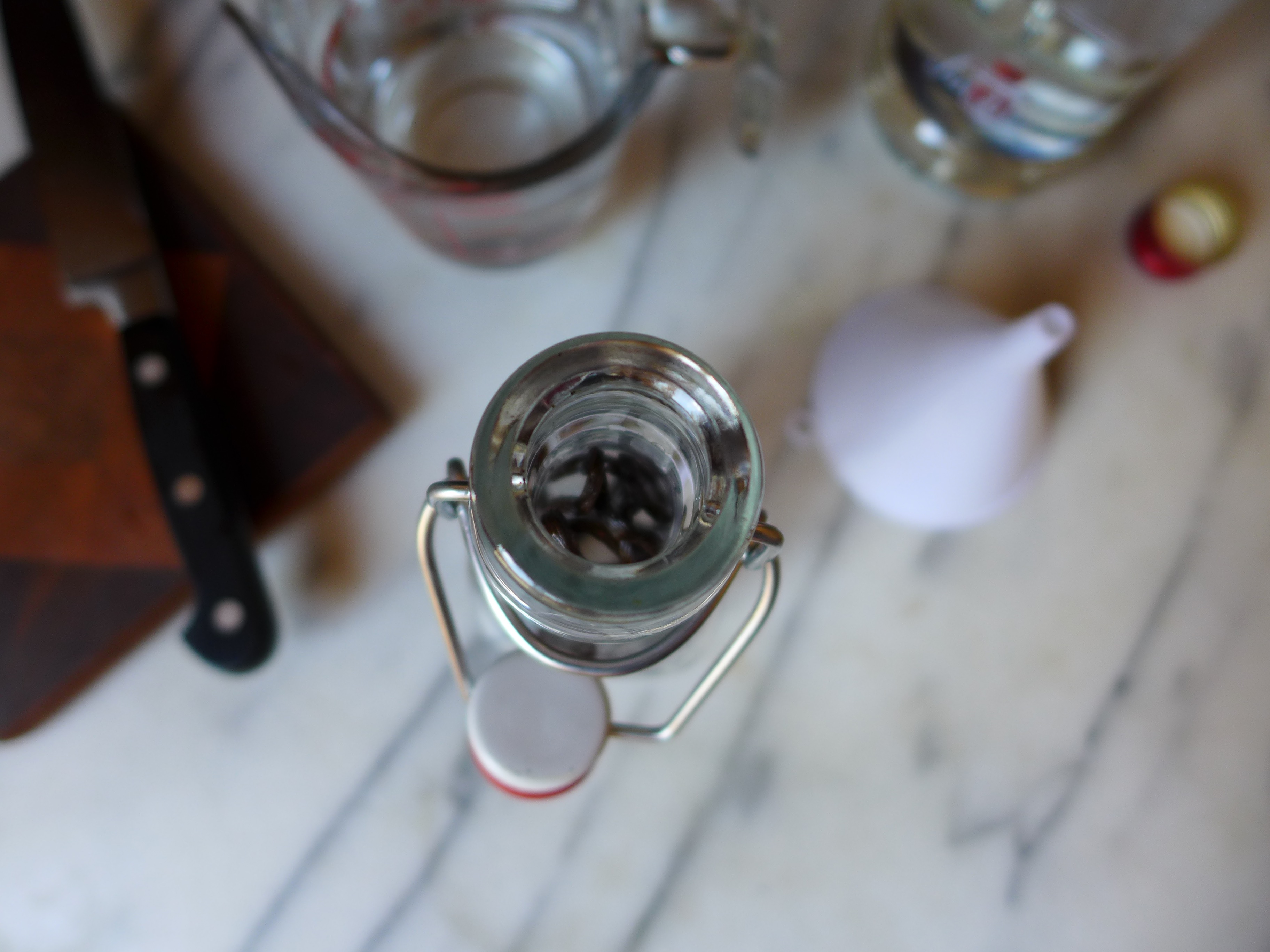
For this bottle of extract I used 8 Madagascar Bourbon vanilla beans and 1 cup of vodka. Split each bean by slicing through it lengthwise, then place the beans in a jar, add the vodka (making sure that it covers the beans), and let sit for at least two months.

After that time, you don’t have to remove the beans. In fact, you can let the extract sit longer to get a richer flavor. And as you use the extract, you can top it off with more vodka to keep your batch going.

That’s it!

liveseasoned_spring2016_vanillaextract2

For how simple this recipe is, there are many ways to personalize it. Try different vanilla beans for different flavors (for example, Ugandan beans are supposed to have a more smokey flavor). You can also use different alcohols. I used vodka because it’s flavorless, so I would really only taste the vanilla from my beans, but you can substitute rum or bourbon. Personally, now that I have this bottle, I’m excited to experiment with a few more bean/alcohol combinations.

liveseasoned_spring2016_vanillaextract4

And if you just happen to have a big bottle of vodka sitting around, don’t forget that with a single vanilla bean and a few days, you can turn it into a smooth vanilla vodka! If you’ll remember, Calder made fun of my idea to make vanilla vodka, but the joke’s on him because that stuff was so good that it’s already gone and I’m thinking about making another batch (maybe with lime this time!).

A New Season

Hey there, we’re still here! Somewhere.

P1190165

As the weather has changed, we’re finally enjoying spring in the mountains and have turned our attention outside. Breakfast on the deck, planting a little bed of veggies, cleaning up the pond, afternoons at the park, which morph into evenings and dinner in the park. It’s all amazing, but it’s pulled me away from the computer, which is both good and bad. I love all of the time in the sun and fresh air, and there’s nothing that puts a bigger smile on my face than digging in the dirt (especially when the boys help), but I do miss documenting our days. So, I’m hoping to get back here, even if it’s at a more relaxed pace over the next weeks/months.

P1190190

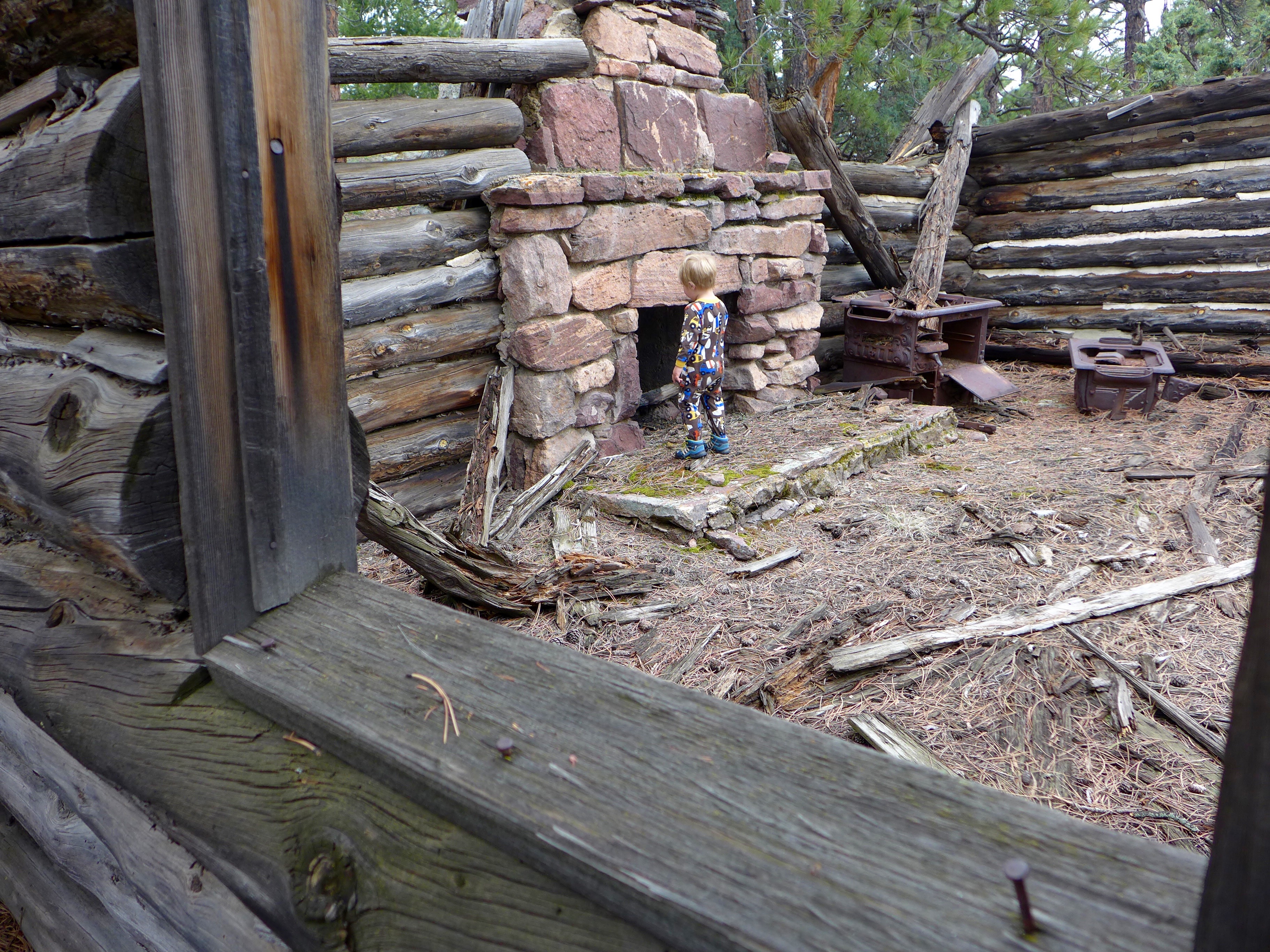
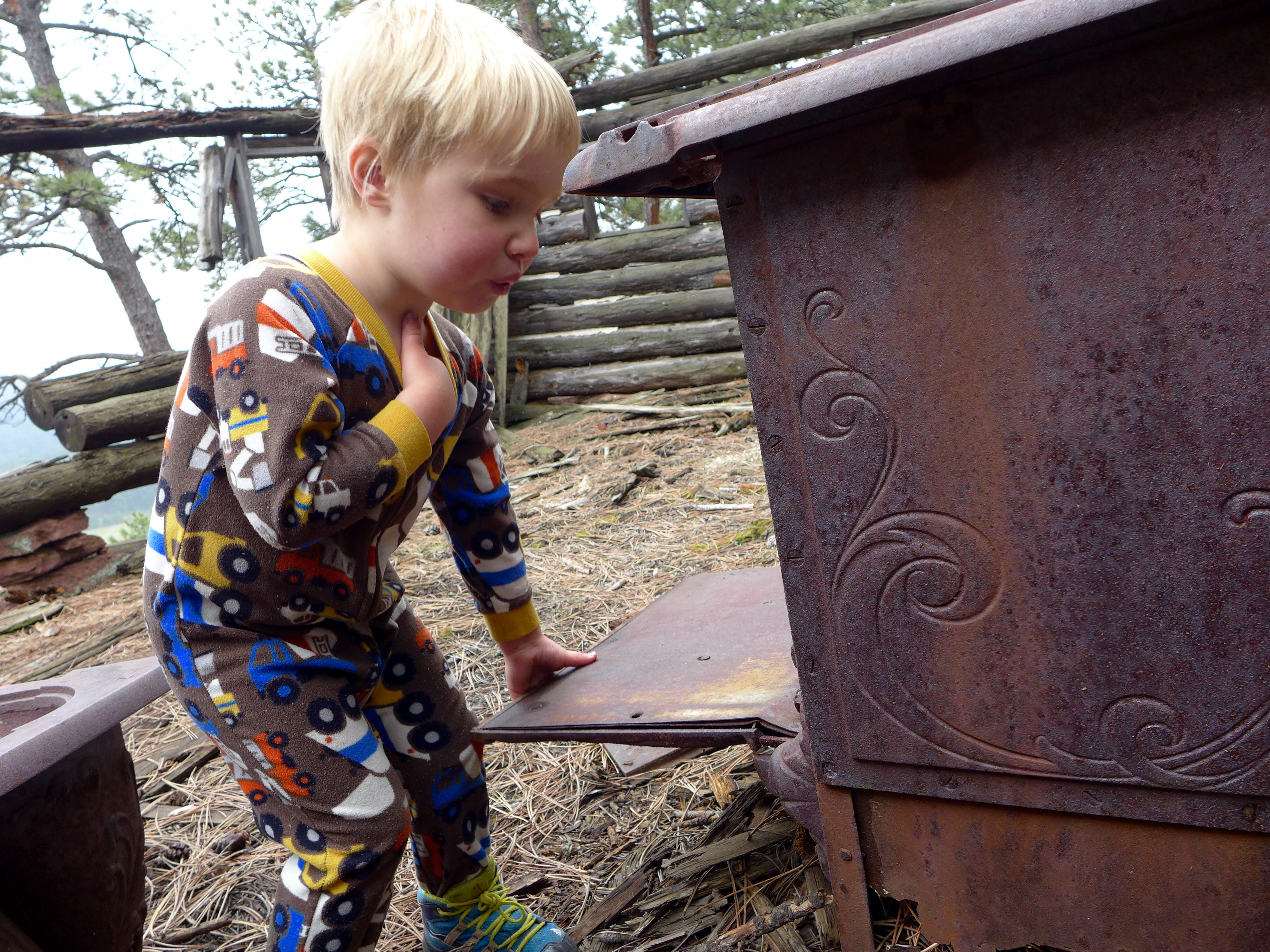
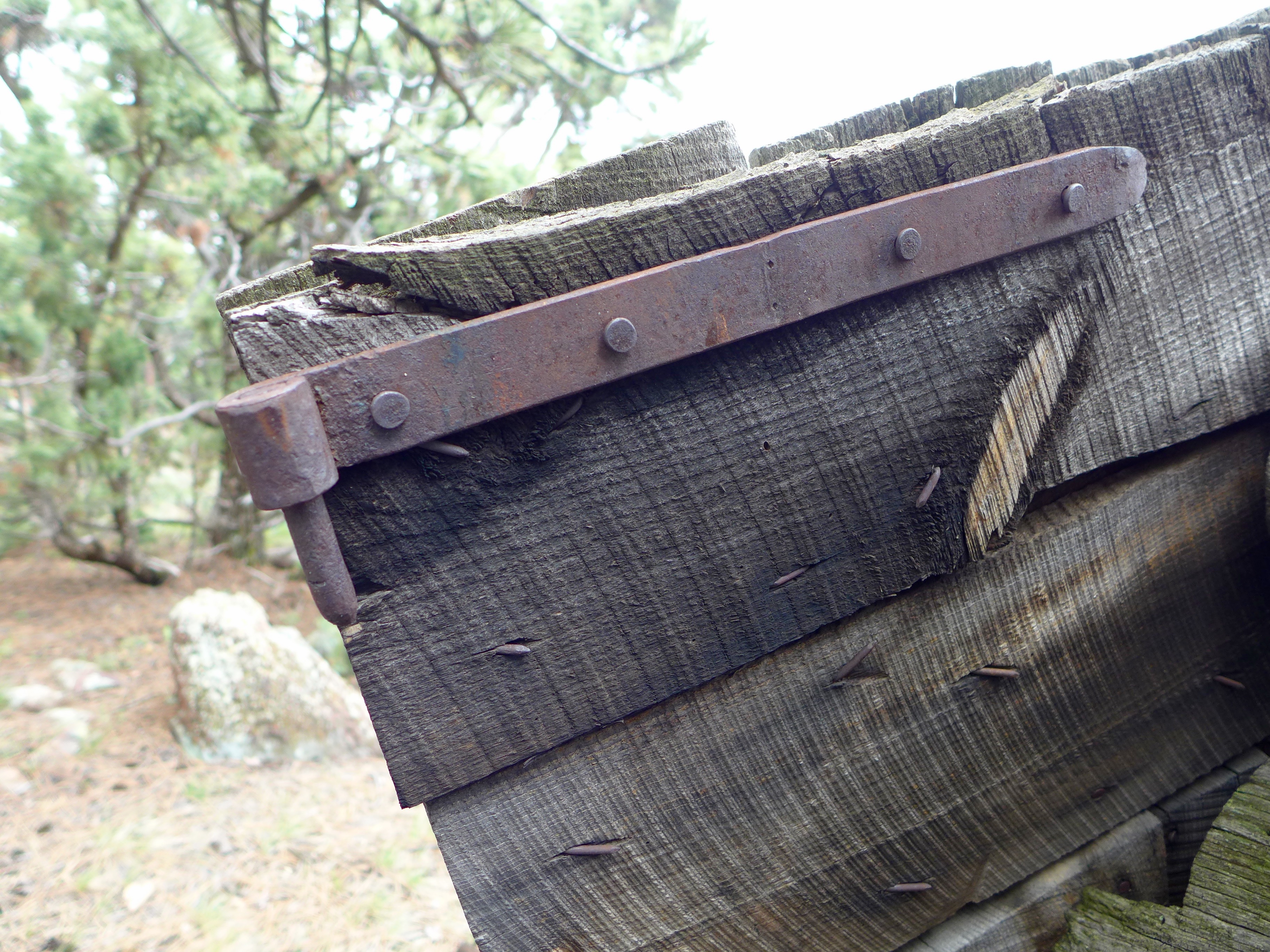
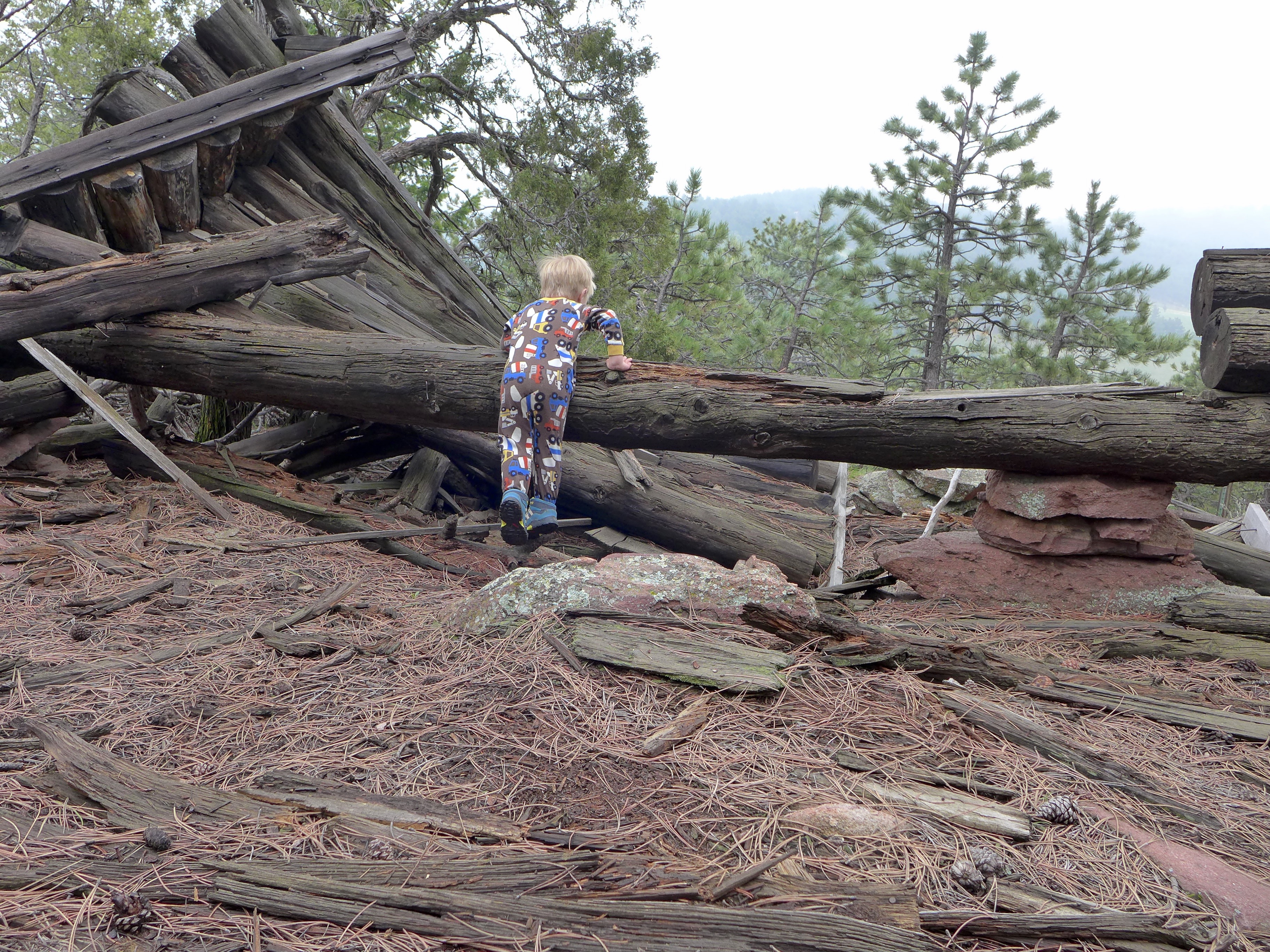
The photos in this post are from a Mother’s Day hike that Alex and I took up our mountain to the old cabin in the woods. I wanted to spend one-on-one time with each boy on Sunday, and when I asked Alex what he wanted to do, “hike to the cabin” was his idea. It was so perfect. There was only one moment when I threatened to leave him in the woods – three year olds are tantrum masters. But we recovered, and then had a great time exploring that cabin.

P1190167

P1190180

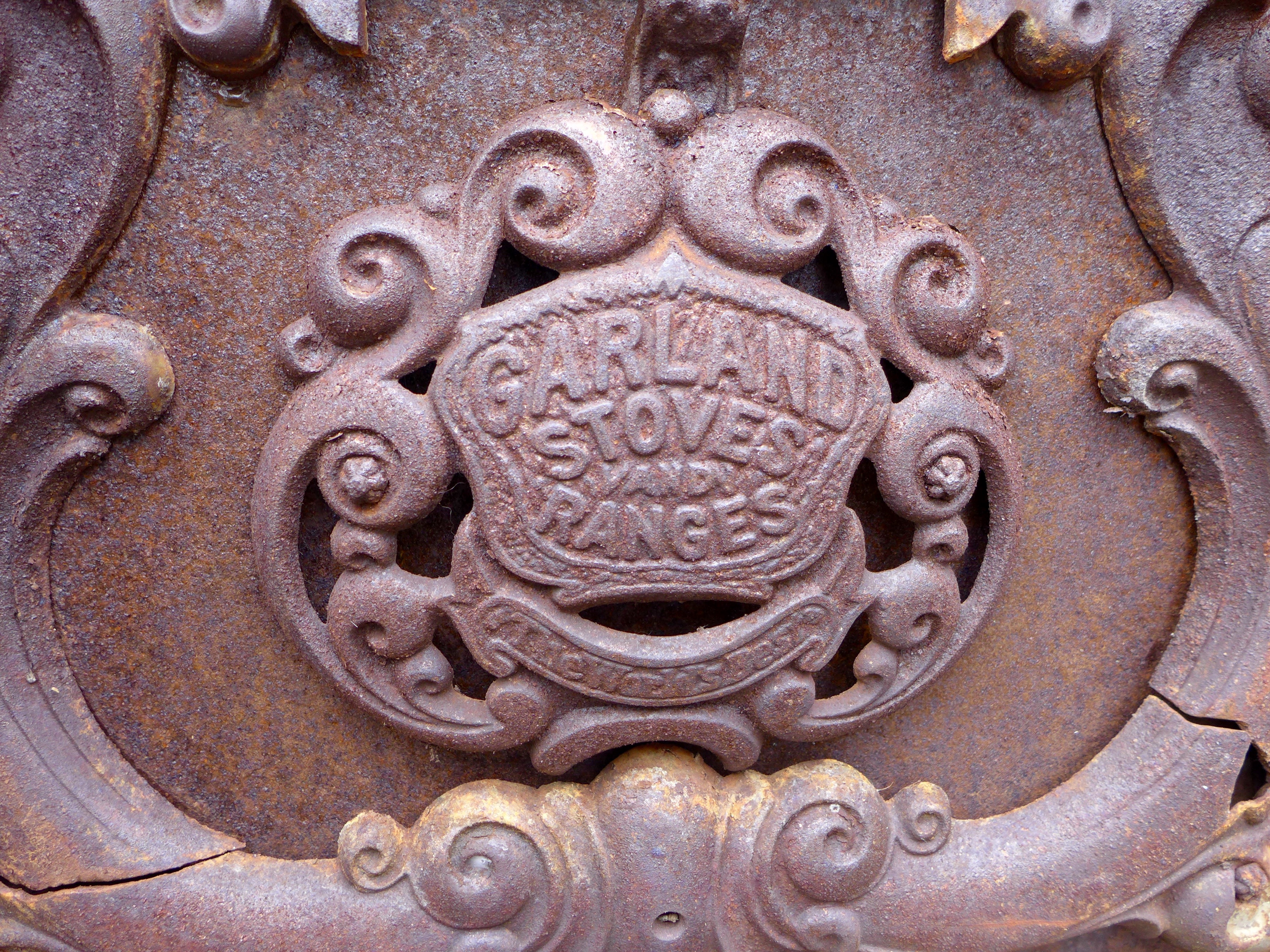
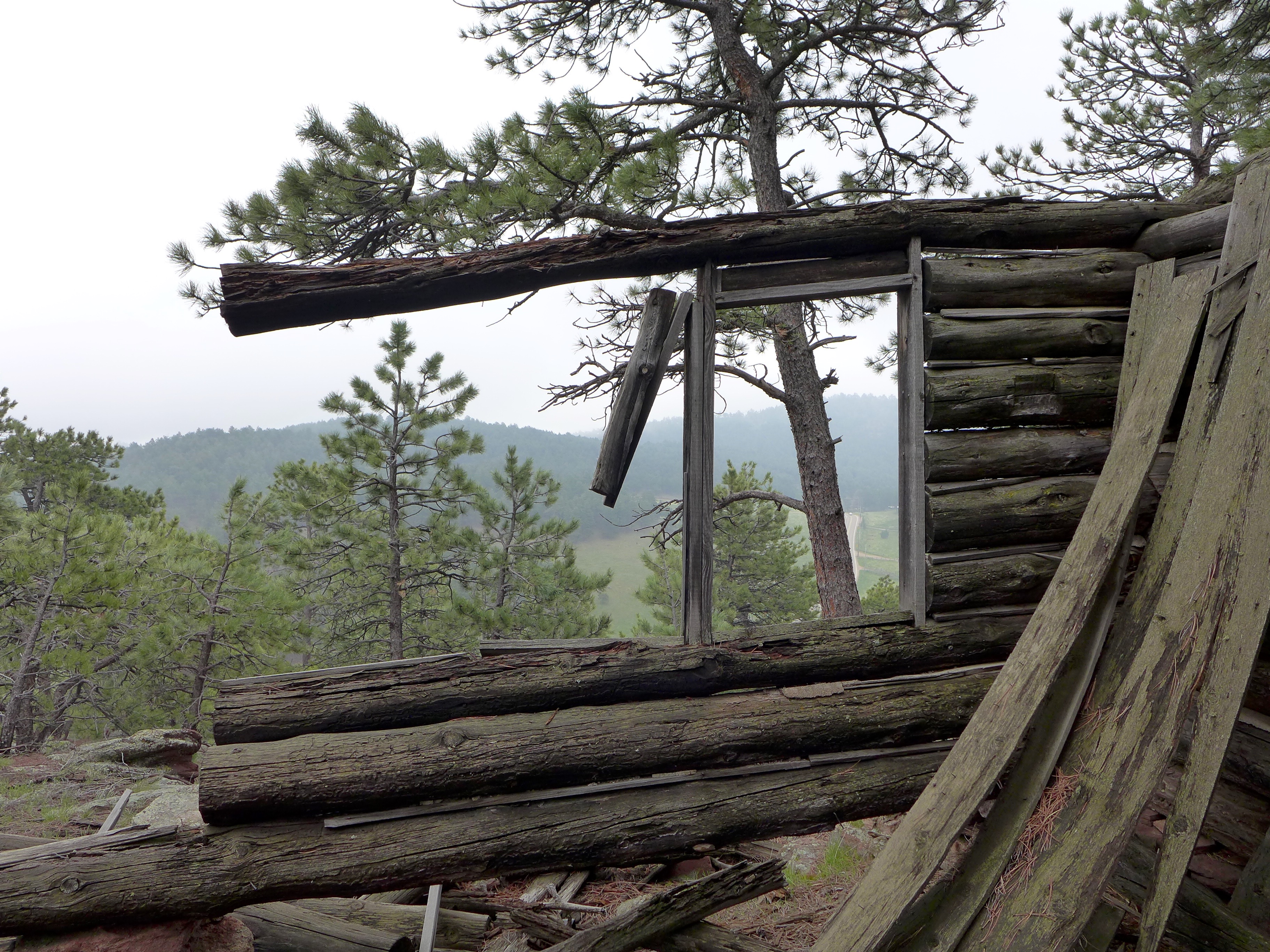
Every time I visit the cabin, I’m in awe of what it must have taken to trek all of the materials to that spot, and I’m also left with so many questions. Who was it? Why there? when did the cabin start to fall apart? It looks like such a quality piece of work, not a temporary shack. And it’s so cool that I wish I could freeze it in time, but I know that we just have to let nature take its course.

P1190169

On this particular trip Alex came to the realization that “maybe this was a house!” and “maybe somebody lived here!”. It was amazing to watch his little brain grasp these big ideas, especially as he started to wonder what happened to the cabin, where did its floor go, etc. etc.

P1190182

P1190186

And in other news, little Luc started walking over the weekend! Soon the three of us will be taking that hike together.

And with that, I’m signing off to get back out in the garden. I’ve been working hard in that space and am so excited to share/document the work.

P1190177

In the Field : Sara Lingenfelter

This post was originally published on April 25th, 2014. We’re republishing it today because it’s Arbor Day! Get out there and hug a tree, but first, read about someone who’s doing some awesome work to help save the American Chestnuts.

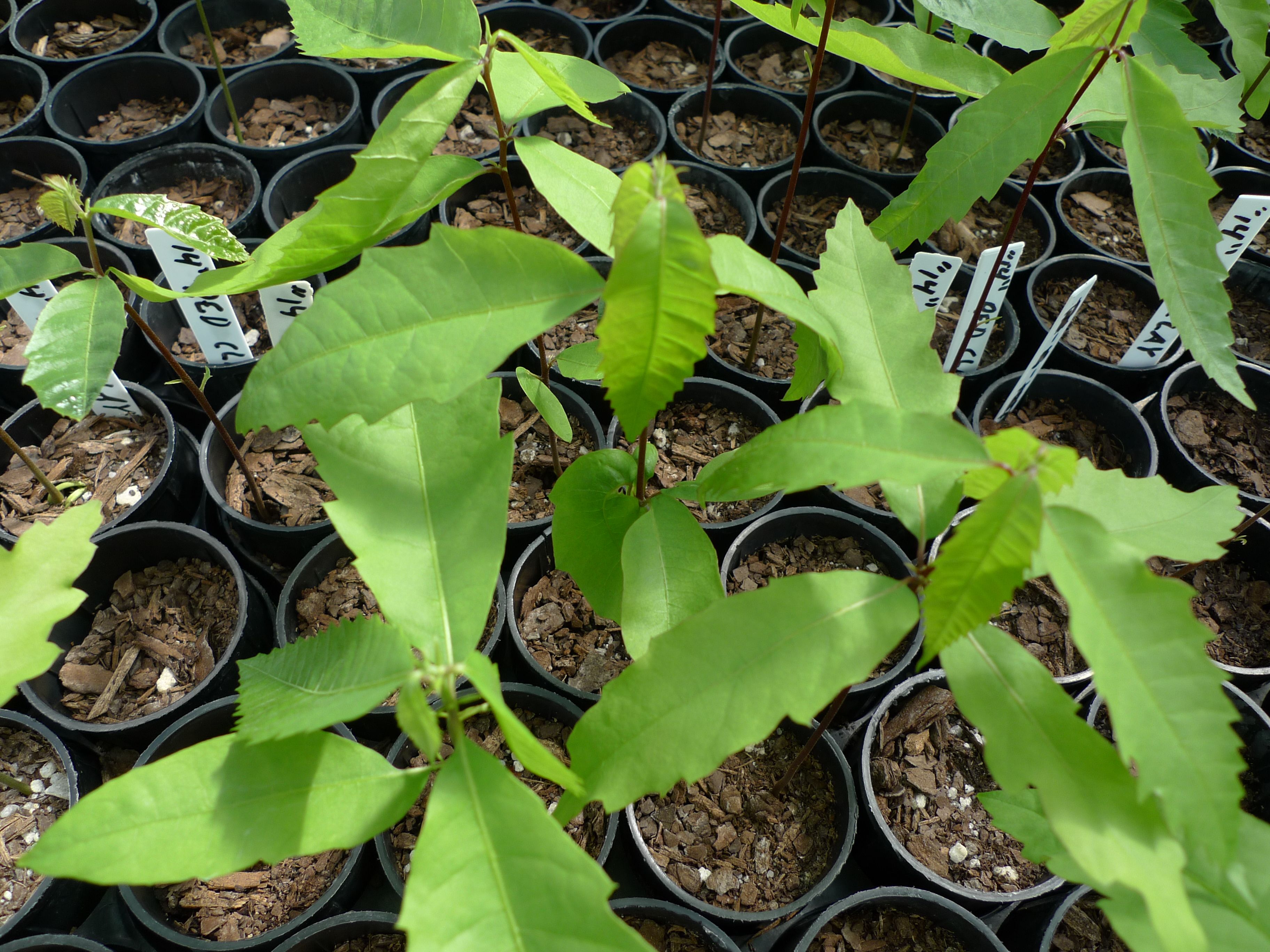
As we mentioned on Monday, today we’re introducing a new column called In the Field, where we tag along with someone doing interesting work. In this post we’re talking to Sara Lingenfelter (formerly Fitzsimmons), the regional science coordinator for the Pennsylvania Chapter of  The American Chestnut Foundation (TACF). I think I can speak for both Sarah (my sister) and myself when saying that having an excuse to search out and talk to someone like Sara is just the sort of reason why we started Seasoned. I couldn’t wait to learn more about TACF’s mission and current projects as well as Sara’s research and the day-to-day aspects of her job!

Given that today is Seasoned’s first Arbor Day, we couldn’t think of a better tree to talk about than the American chestnut, Castanea dentata.  Depending upon your age, you may have heard your parents, grandparents, and/or great-grandparents talk about the majesty of the American chestnut. These trees are native to the forests of the Eastern US, where they were considered extremely important for their role within the ecosystem and as a valuable economic resource.

Continue reading

Creative Corner : Artist Benjamin Gazsi

We’re republishing one of our favorite artist interviews today – originally posted on April 22, 2014.

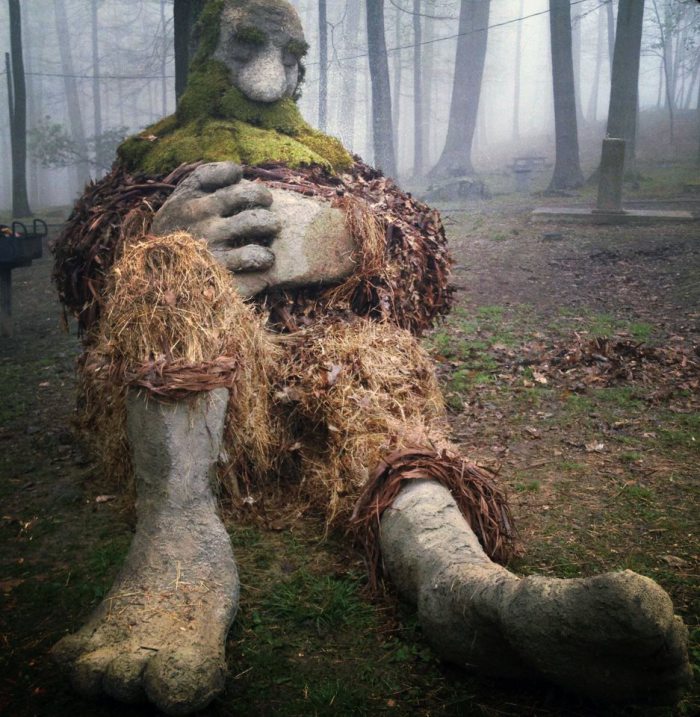
Ben Gazsi is an artist who may be best known for his eco-sculptures, but before we delve into his work, let’s get one thing out of the way. Yes, his given name really is Benjamin Gazsi; it’s a Hungarian name, not a political statement related to incidents in the Libyan city.  And get this, he’s not the only Ben Ghazi (different spelling intentional) to be asked such questions. So, on with the art then?

coopers_giant2

I discovered Ben’s work while preparing for our camping trip to Cooper’s Rock State Forrest. I knew that his bear sculpture was still standing and was excited to see it and take a few pictures while we were there. As luck would have it, Ben was in the forest working on his next installation for Cooper’s Rock: a turtle that is being unveiled today, Earth Day 2014! Of course I couldn’t pass up the chance to photograph his process and ask a few questions.

Continue reading

Our Camera Equipment – Katie’s Camera

We often get asked about the cameras we use to take pictures for the blog and our instagram account, so today we thought it would be fun to do a series of posts where we each talk about our equipment and how we use it. This won’t be a lesson in photography, rather just a discussion about what we use and why it’s worked for us.

Katie here :

I use the Panasonic Lumix DMC-LX7. And sometimes my iPhone 6s.

In the best of ways, I sort of fell into my camera. Calder gave it to me for a gift about five years ago (maybe longer!), and once I started using the LX7, I’ve never wanted anything else. Below I’m listing some of the selling points for me, together these may not seem worth the ticket price for this camera, but what I’ve left out is that this camera is just f’ing amazing for its size. It’s packed with features, and I’m only highlighting a handful.

lumix_lx7

Continue reading

DIY Fragrances

Vanilla is our ingredient of the season. So far we’ve made some vanilla-infused vodka (great for milkshakes!), a double vanilla cake, and a savory roasted chicken with vanilla bean. And this is just one in a series of essential oil posts.  Check out the rest here.

The idea of creating my own fragrance slowly developed over the past year or so after buying a vial of Victory Wolf. A few things about that purchase : a. it does smell just like a campfire! b. I would have never thought to create a fragrance that smells like smoke, but that inspired me to think outside of the “normal” perfume scents, c. I always thought that perfumes contained a bit of hocus pocus, and maybe they do, but with that purchase I realized that they can be just essential oils in a carrier oil.

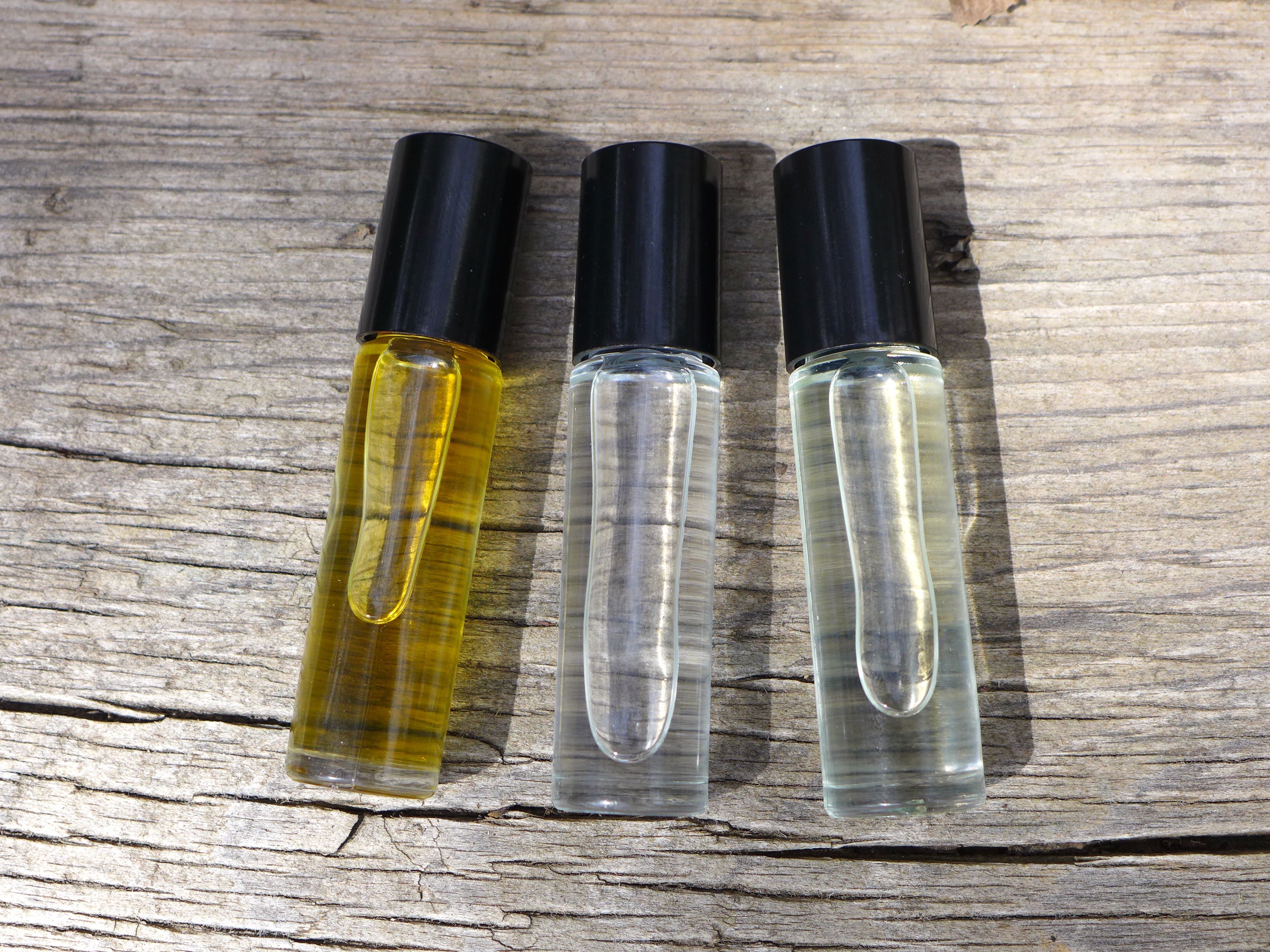
liveseasoned_spring2016_perfume3

This is our first foray into blending essential oils, so we are by no means experts, but happily, our three blends turned out beautifully and we’re excited to share them today. Throughout the post we provide links to a few resources we found helpful for learning about blending essential oils to create fragrances.

With vanilla as our ingredient of the season, we thought it would be the perfect base note to build upon while trying to create some DIY fragrances. Going into this project, my plan was to create three distinct scents: something minty/fresh, something floral, and something spicy & citrus.

Continue reading

Two Bits

We want to break down these internet barriers and invite you into our lives and we’re hoping you’ll do the same.  You are welcome to share a bit of your week or day in the comments, or if they’re better represented by a photo, tag us on instagram @liveseasoned

Katie here :

Confession – during Thursday’s happy hour, we were those parents with their kids in a bar. In our defense, it was a bar disguised as an arcade, and if the babysitter were free, you can bet I would have been playing skee ball by myself. But then I would have missed out on an amazing moment with Alex where he got his first ever gutter ball (after about 15 minutes of rolling the balls up the ramp only to have them roll back to him). You should have seen the excitement on his face the first time the ball actually went in the gutter! After that, it was just one gutter ball after another. The kid was on fire.

IMG_6537

In other news, I’ve been having one of those weeks where I want time to slow.down. and then speeeeeed up!  Luc turned one. How can that be? At least he’s a tiny one year old, so he still seems a bit more baby than toddler, but the walking is going to start any day now. Ugg. I’m not ready. On the other hand, I’m soooo ready for time to speed up so that I can get out in the garden and start planting. I have some big plans for our flower beds and pond this year, and I can’t wait to put everything into motion. But I’m biding my time, because I know the threat of frost is still strong in the mountains.

Slow down. Speed up. How are you feeling?

Screen Shot 2016-04-08 at 11.45.17 PM

Sarah here :

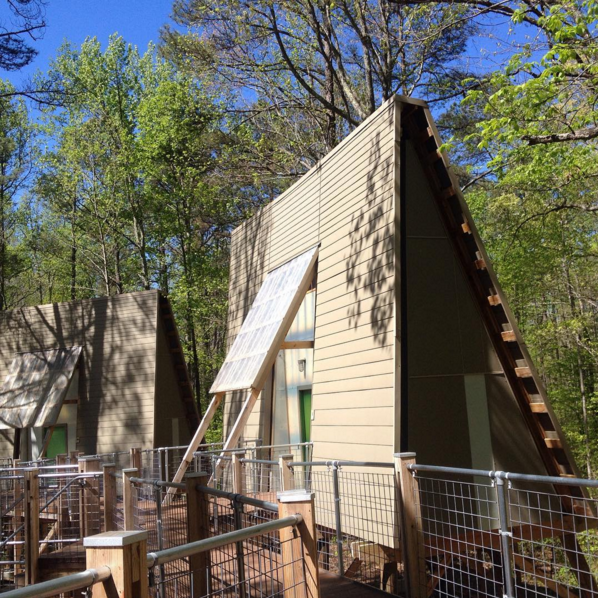
It’s 11:43pm – I can still contribute to two bits, right? In response to Kate’s question, I wanted work to speed the f**k up today while I worked a twelve hour day and now that I’m finally home and facing that same hurdle tomorrow I want it to slooooow down. No complaints here though, I promise. Today I shot possibly the coolest assignment of my short career! I worked in Henderson, North Carolina at the Girl Scouts Camp Graham Tree Houses. Yep, that’s the cool sh!t your cookies buy! These bunk houses are supreme and seeing two troops of little ladies running around and having a blast in them today made it that much more spectacular.

Other than the tree house shoot, I’ve been working a bunch of hours in the darkroom lately. Working alone with the ancient enlarger, hundreds of negatives, and all those smelly chemicals is an art form as well as meditation to me. I listen to podcast after podcast in that small space and these were my favorites this week:

Stuff You Should Know: How Dark Money Works – Holy shit. I mean, I knew, but this podcast just spells it all out. THIS SHOULD BE REQUIRED LISTENING. I had to shout that because I learn so much every week from podcasts and this one had me captivated, horrified and pissed off (in the best way) the entire time. Please listen to this, please.

Stuff You Should Know: How Nitrous Oxide Works – As always with these dudes, a funny, entertaining, and enlightening podcast. I had no idea what the hell was happening when I did whippets and now I know! Probabbbbly should not have done so many that one day, but at least it was only that one day…

Joe Rogan #646 featuring Dr. Dan Engle, MD a practicing psychiatrist, board certified in psychiatry and neurology as well as Aubrey Marcus a fantastic writer, entrepreneur, and adventurer. Engle and Marcus talked a bunch about drugs I’ve never heard of before – drugs that have the potential to treat addiction, which is what made this podcast so fascinating to me.

Joe Rogan #629 featuring Andrew Hill, PhD, a lecturer, scientist, explorer, and also the lead neuroscientist at TruBrain. This podcast focused a lot on neuroscience pertaining to the treatment and understanding of addiction, ADHD, depression, and other diseases and mental disorders. Extremely interesting and Dr. Hill is knowledgable across the board so just enthralling all around.

It’s now 12:02am, I’ve failed. Slow down time, geeeeze.


Thirsty Thursday!

Vanilla is our ingredient of the season. So far we’ve made some vanilla-infused vodka (great for milkshakes!), a double vanilla cake, and a savory roasted chicken with vanilla bean.

Hey there, it’s almost the weekend!… and maybe you live somewhere that will actually feel spring-like on this last weekend in March? Our forecast was looking good, but now it’s taken a turn towards cold. So I’ll likely make one (or two) of these, curl up by the fire, and pretend that the snow has melted away.

liveseasoned_spring2016_drinks2

Both of the ideas are variations on traditional drinks. We just substituted plain vodka for our (super-simple) homemade vanilla vodka and made another tweak here or there.

This recipe for vanilla-infused vodka includes lime zest. I knew that I didn’t want to limit my bottle of vodka to recipes where I wanted both the vanilla and lime flavors, so I skipped the lime, but both of today’s drinks include lime, and it really is a great pairing. So much so that it’s worth considering keeping a bottle of vanilla-lime vodka on the shelf.

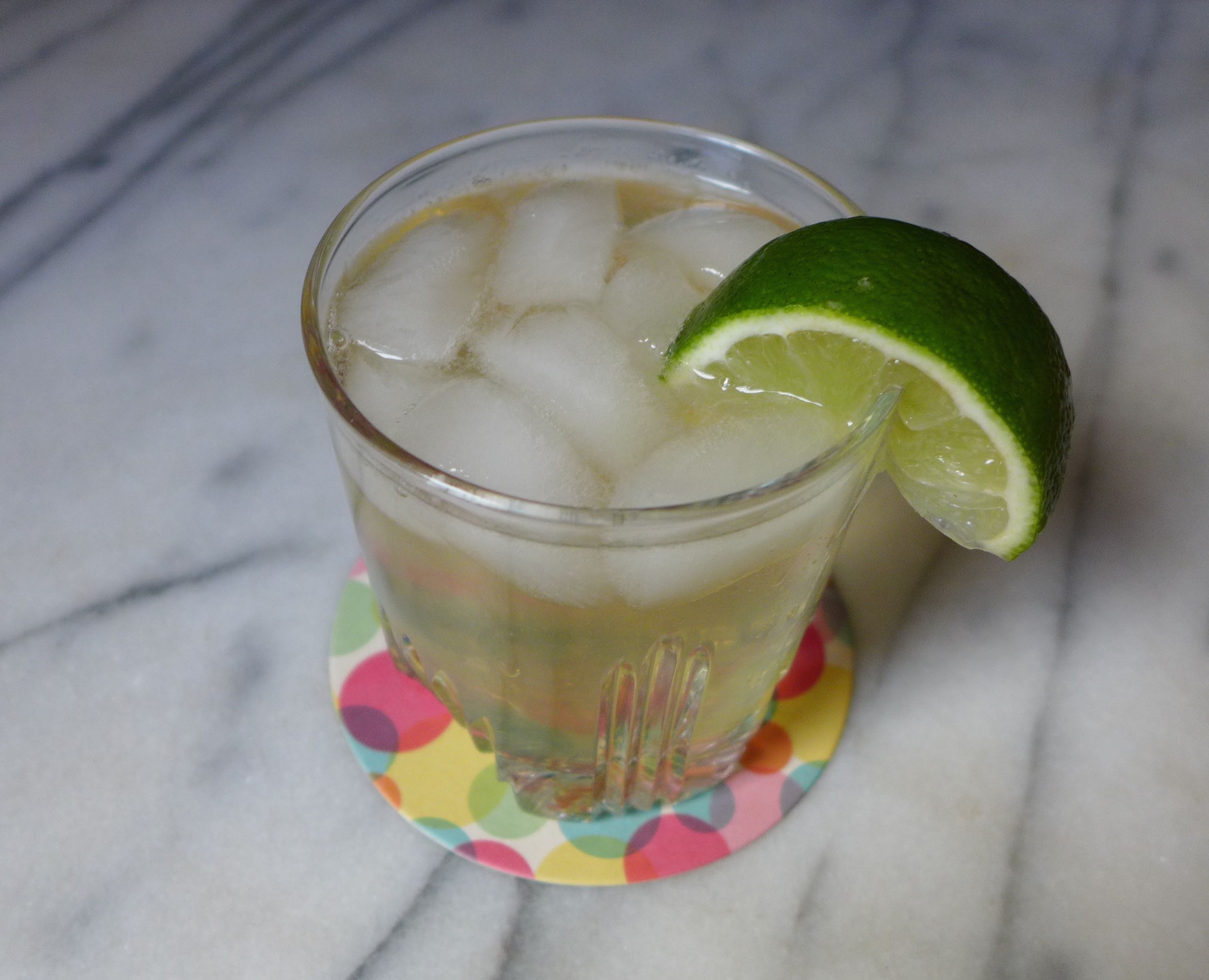
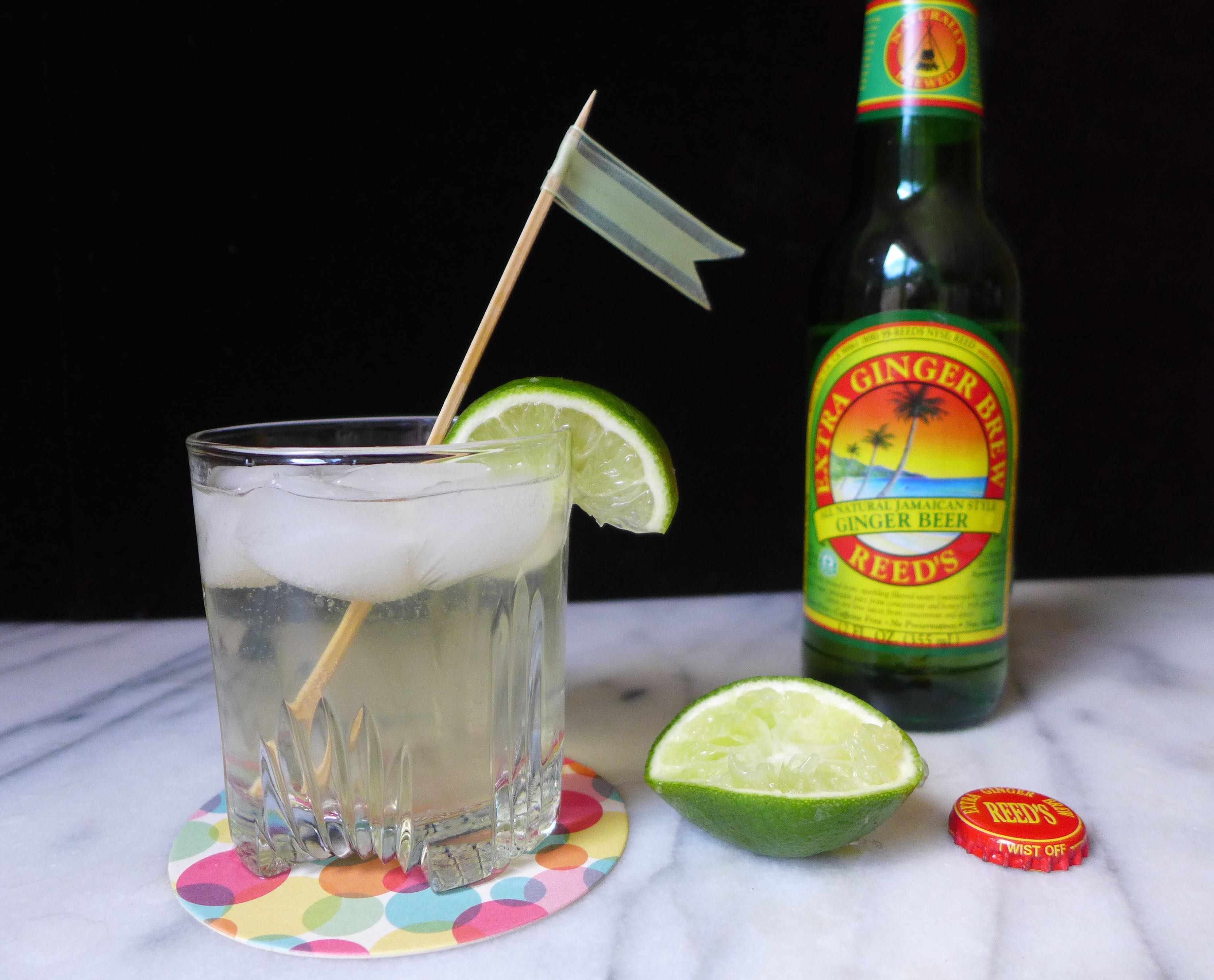
Vanilla Mule

Just a simple twist on the traditional Moscow Mule. Mix together ginger beer, vanilla vodka, and a splash of lime juice. So simple and so delicious!

liveseasoned_spring2016_drinks1

Vodka Tonic

This second drink is just a touch more exotic than your typical vodka tonic in that we add a splash of lime shrub. We make a vodka tonic with the vanilla vodka, add about a tablespoon of lime shrub, and then a spray of fresh lime juice if you have it.

liveseasoned_spring2016_drinks3

 yum & yum