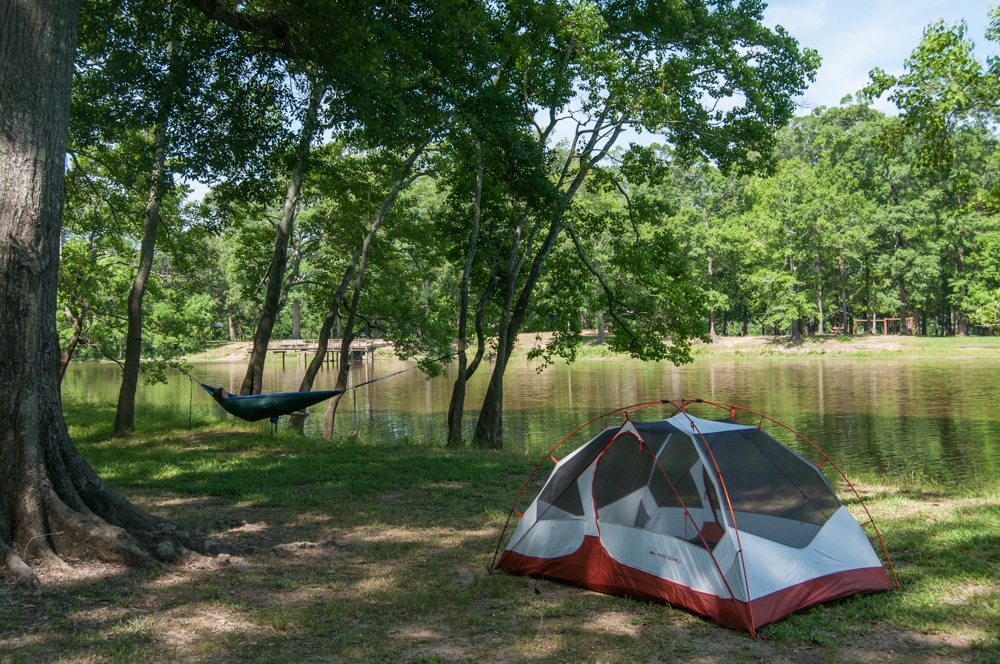
Winter (Van) Camping

We like to get outside every chance we get, whether it’s a quick run, a day-long hike, or a weekend camping trip. You can see all of our outdoor adventures here, and more of our Colorado hikes here.

jan2017_camping1

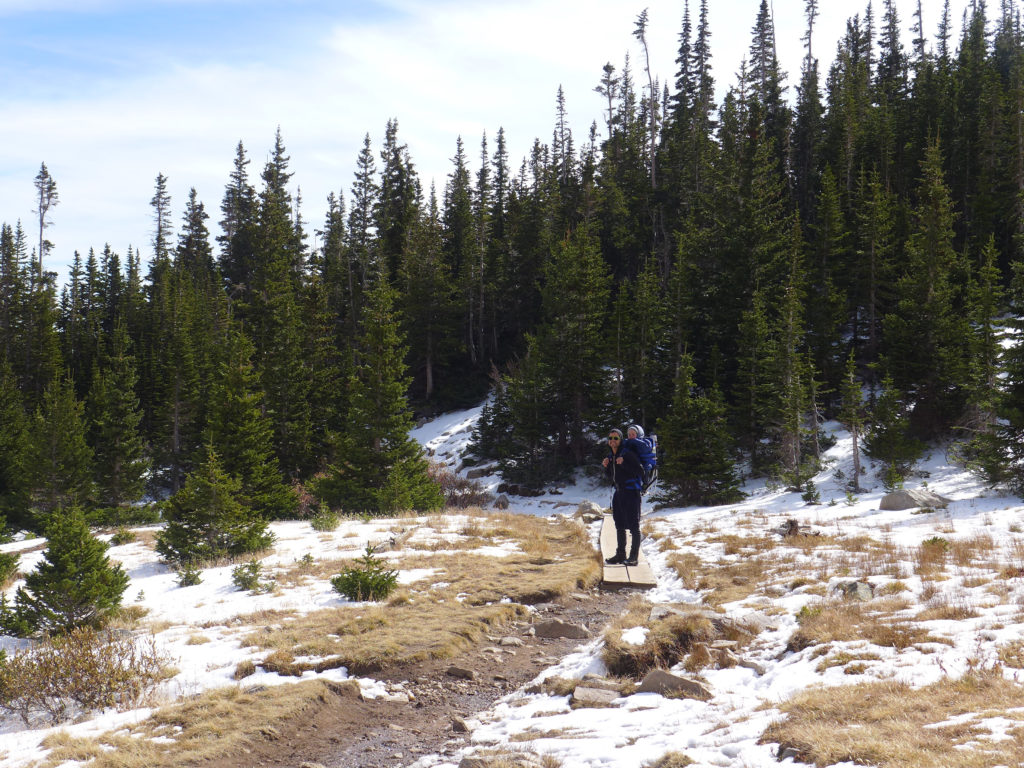
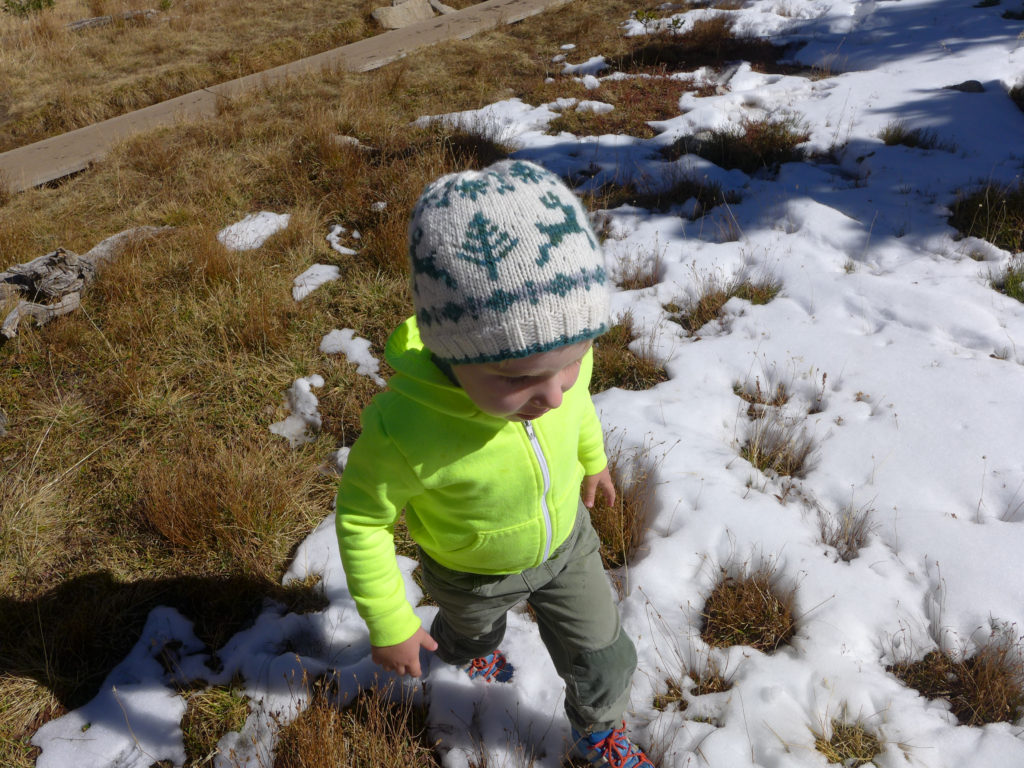
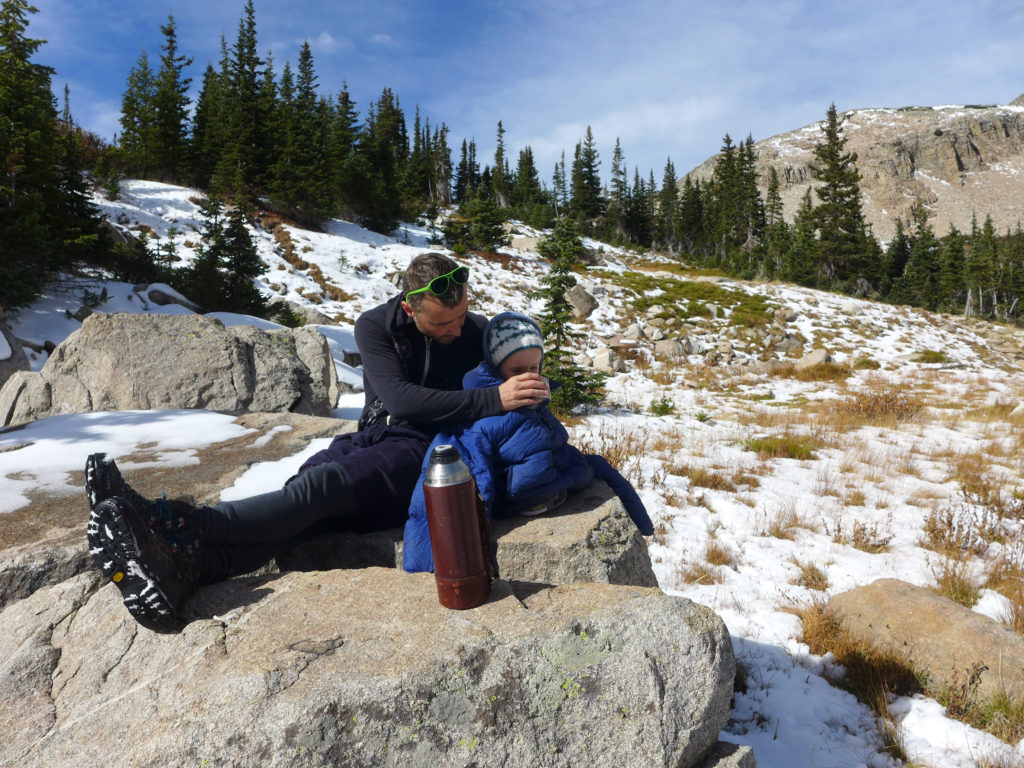
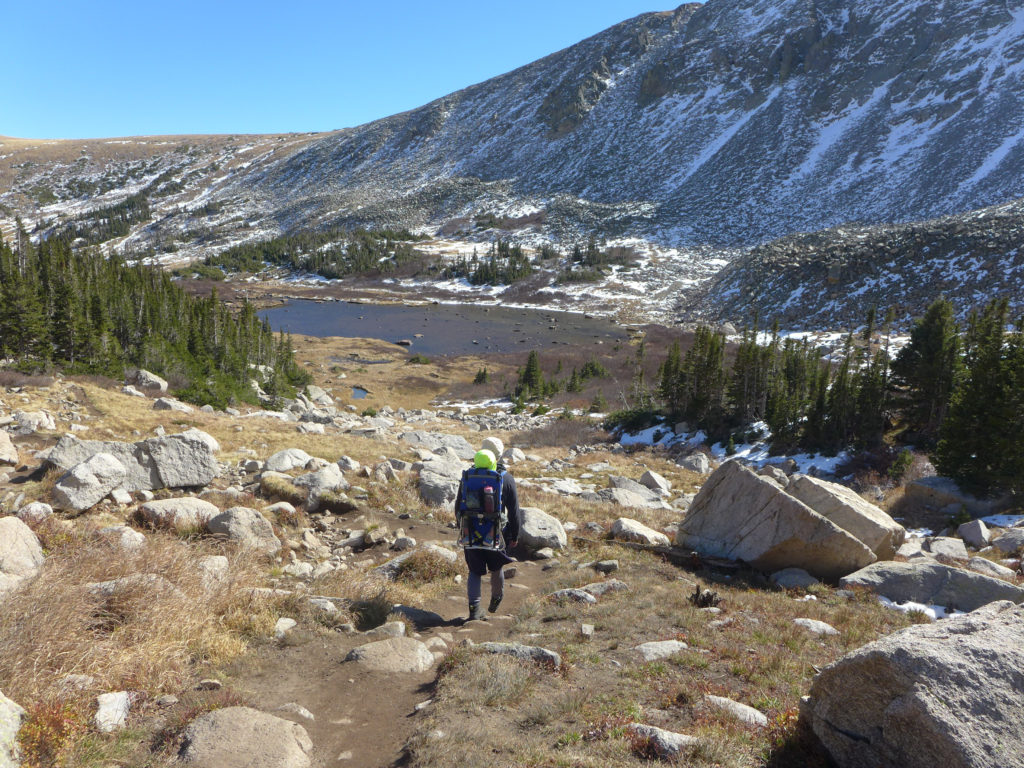
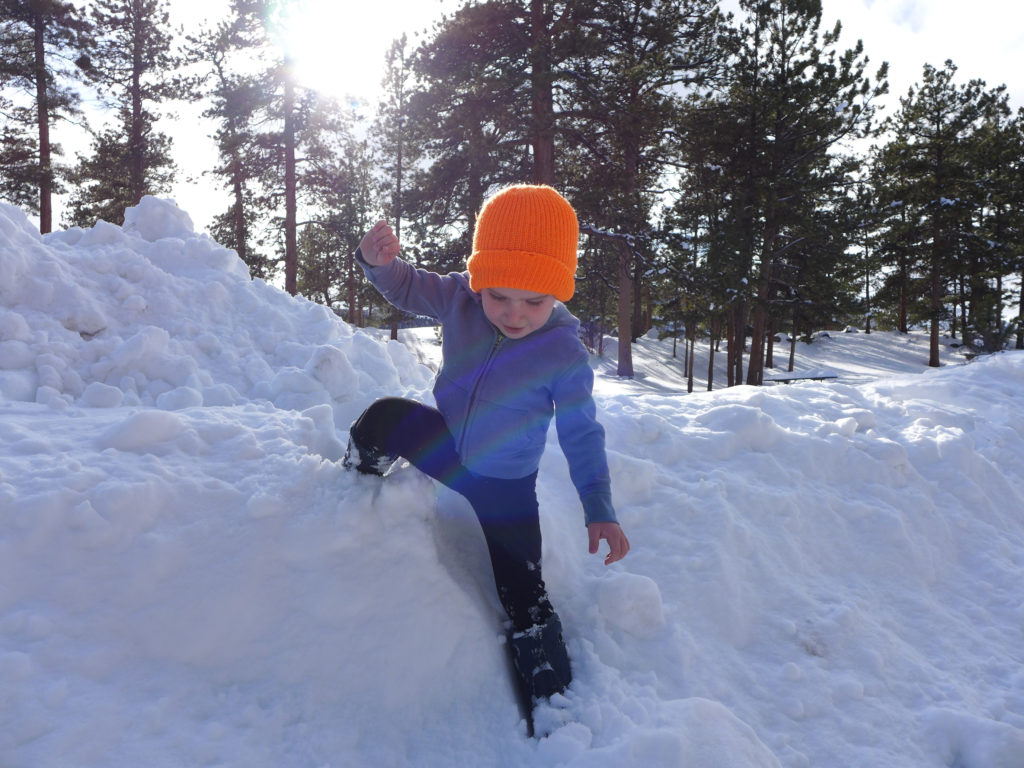
Last weekend we packed up the van and headed into Rocky Mountain National Park for an overnight adventure! Since winter camping is not a common past time, especially if you have little kids, I thought I’d share some details about our adventure, and hopefully encourage you to take off into the snowy mountains for a weekend of fun.

Continue reading

Lake Haiyaha Hike

We like a good hike, and every once in a while we have the chance to hike slow, take pictures, and share the adventure with you. You can check out some of our previous Colorado hikes here.

liveseasoned_haiyaha16b

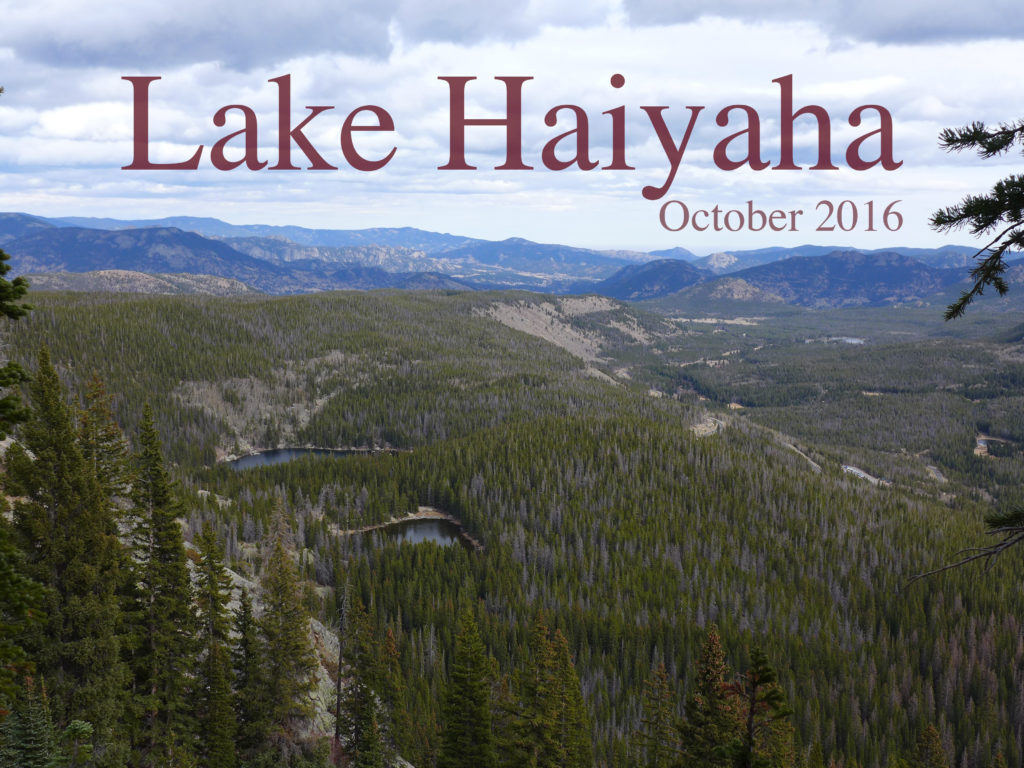
These are photos from a hike that we took a few months ago, and I just happened to find them here in an unpublished post. I was so sure that I wrote about this hike, but a few searches finally convinced me that I’m crazy.

Continue reading

Sticky Waterfall – Bua Tong

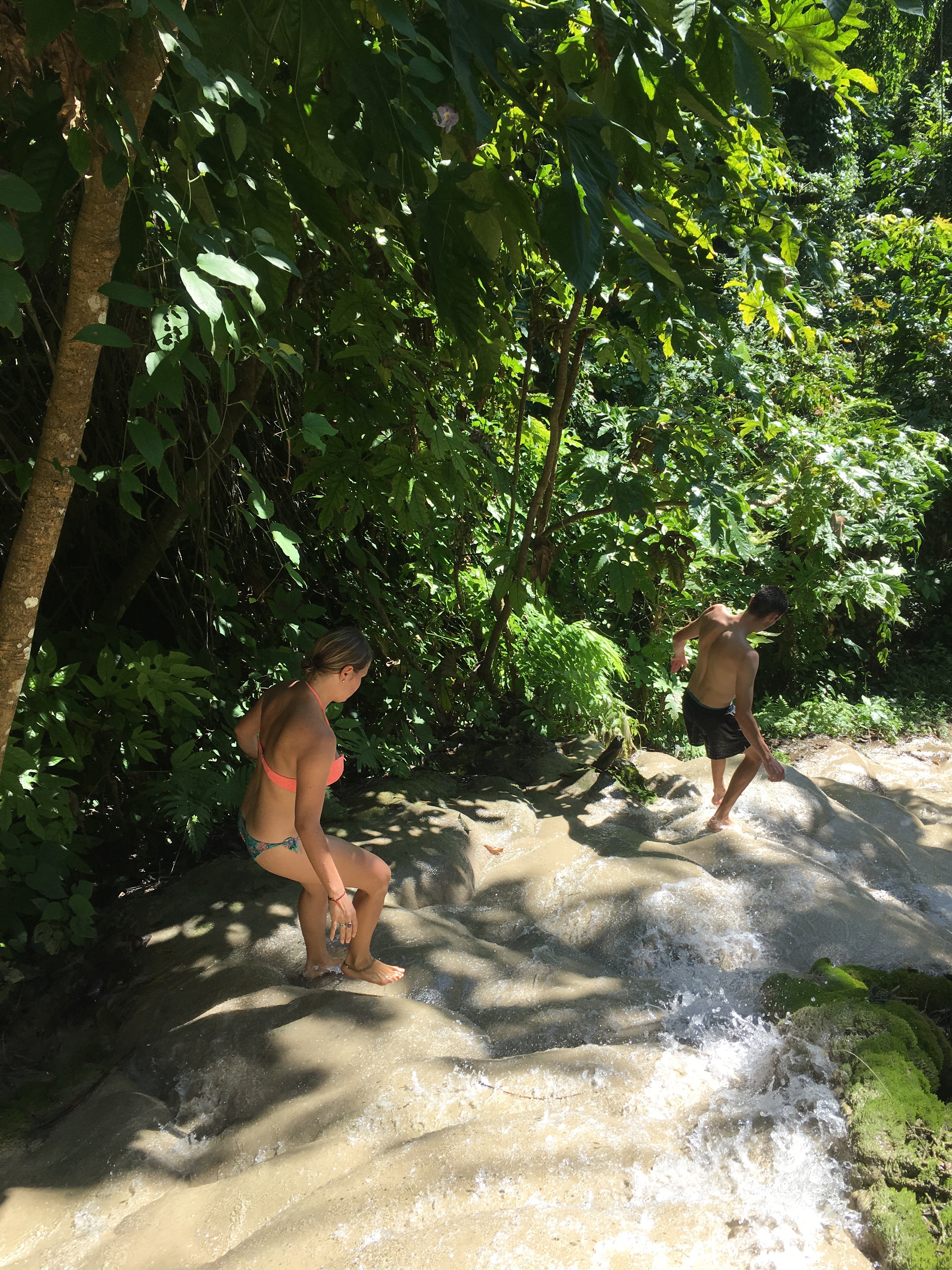
During my adventures, I’m often captivated by the natural beauty I witness. I’ve felt the sudden and overwhelming need to hug trees, lay down in the dirt, and literally salute the sun, but every once in a while there is a place that leaves me in complete aw. A place so magical that I know I will visit again because I must show someone else the wonder. Bua Tong is that place. All afternoon I felt dumbstruck. How is it possible that this type of beauty exists in nature? I felt like I was transported to Neverland, there was just no way that what I was seeing and experiencing was real. Was I asleep? Did someone slip me acid? Am I in a storybook? Nope, the earth is really this amazing and I had the opportunity to experience it.  Let me attempt at explaining what I experienced at Bua Tong although surely no words or images will come close.

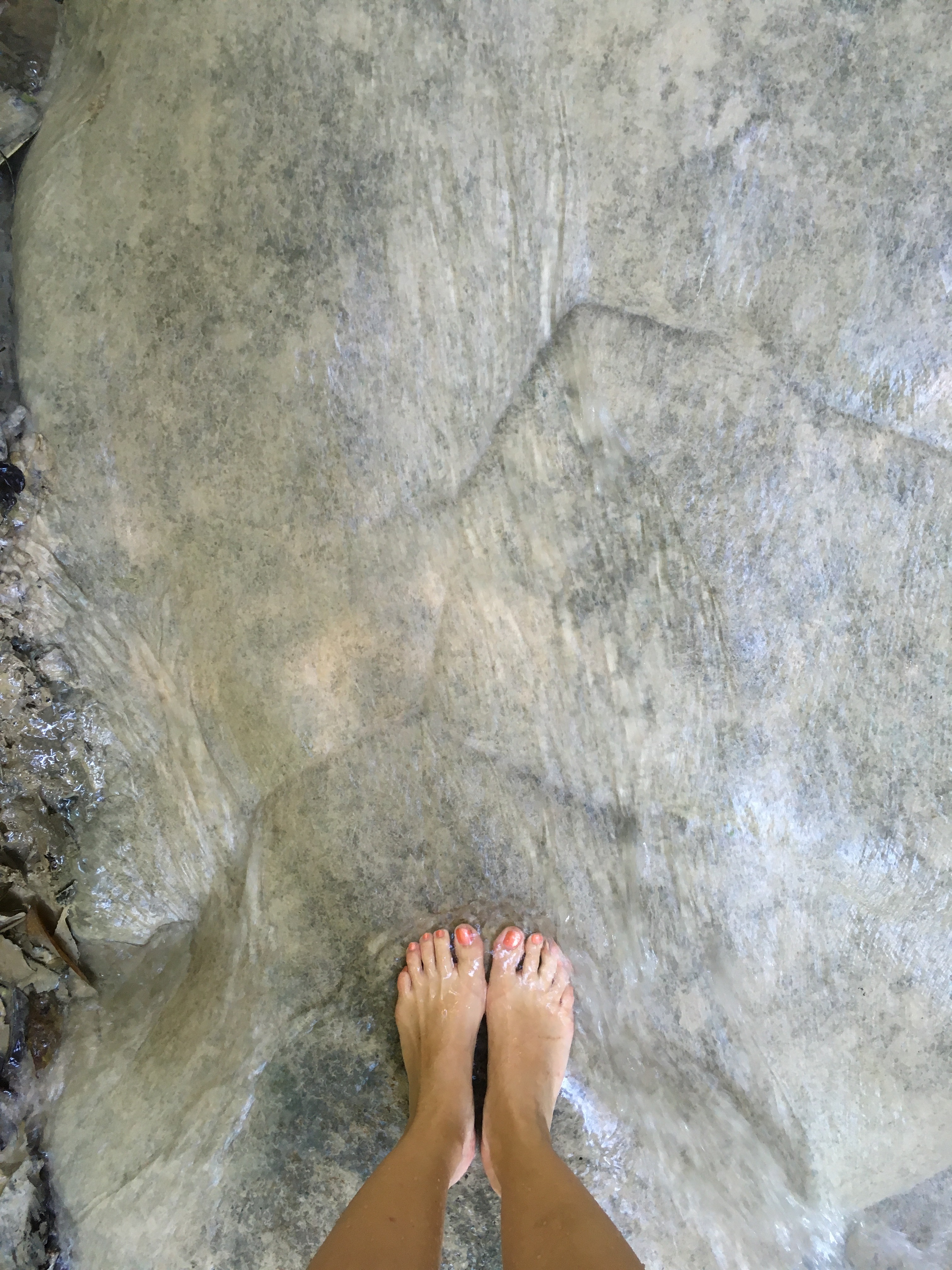
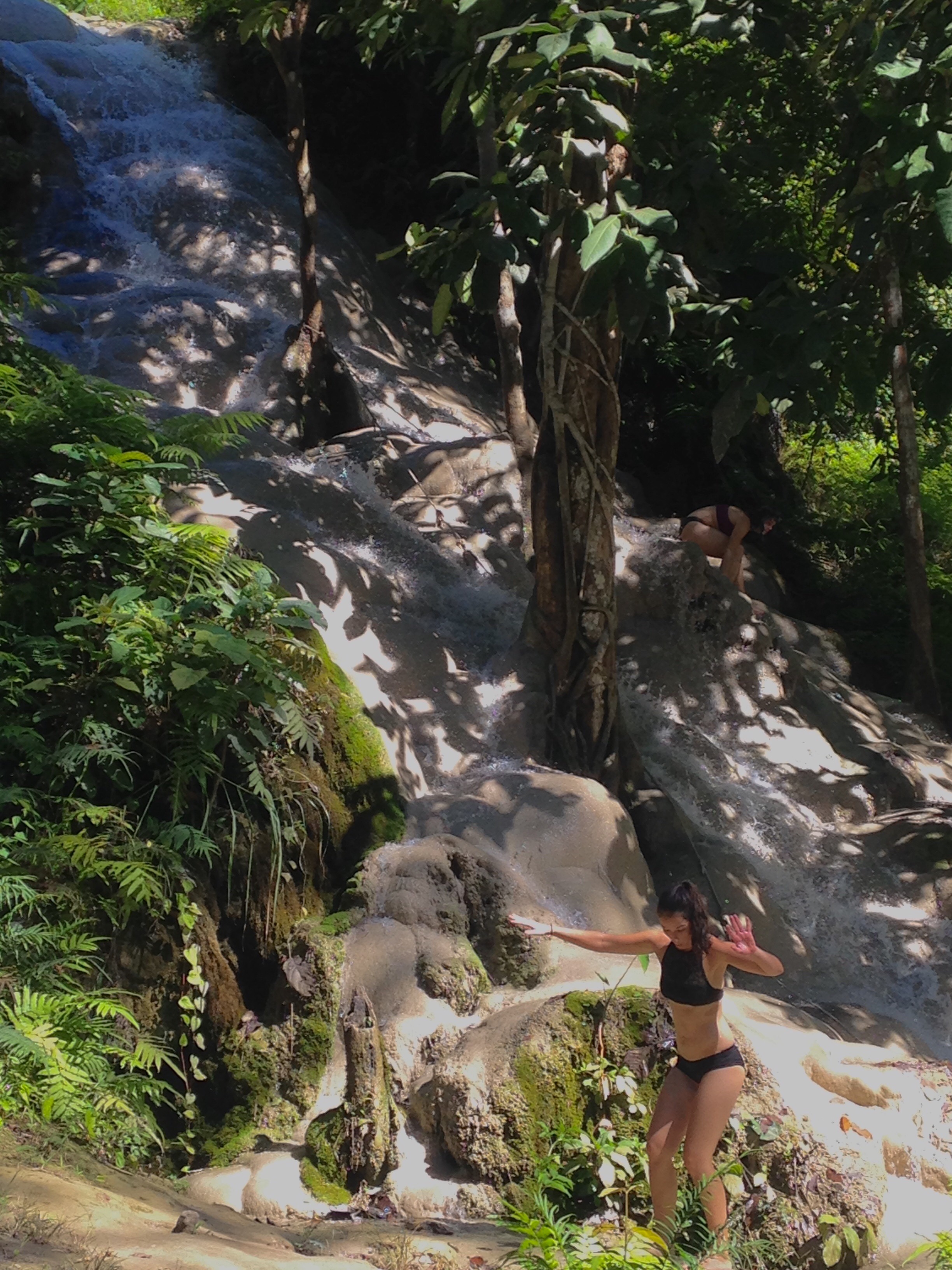
What is Bua Tong, the sticky waterfall? As unbelievable as it sounds, it’s just that. It’s sticky not slick, so one is able to walk quite easily up and down the slope of it even with water rushing by. What makes it this way? An abundance of calcium carbonate runoff.  Calcium carbonate is commonly found in Limestone, which is what lies under the thick deposits that you see covering the falls. Even though I briefly researched the waterfall (I didn’t look at any photos) before visiting, it didn’t prepare me for the experience.


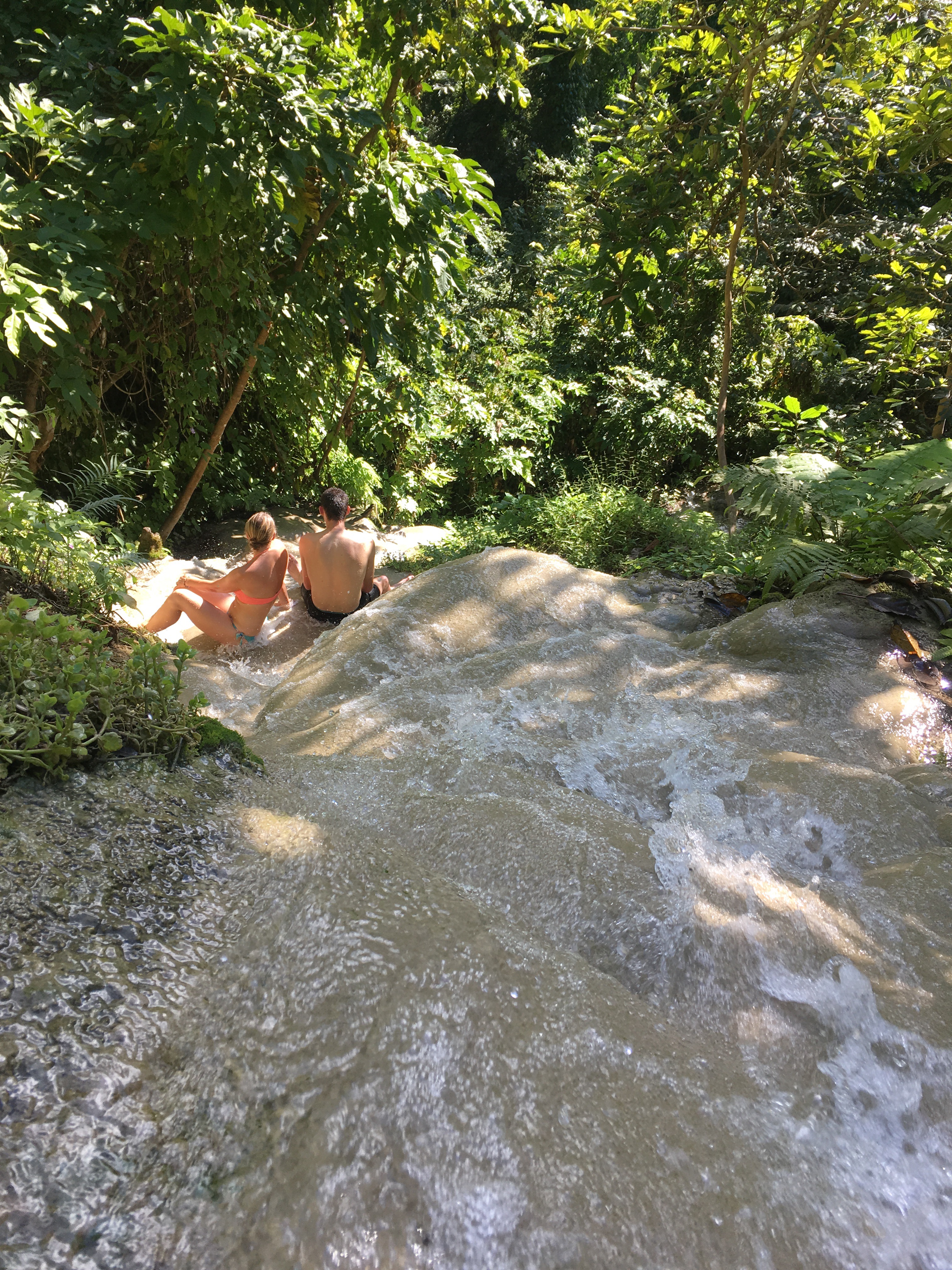
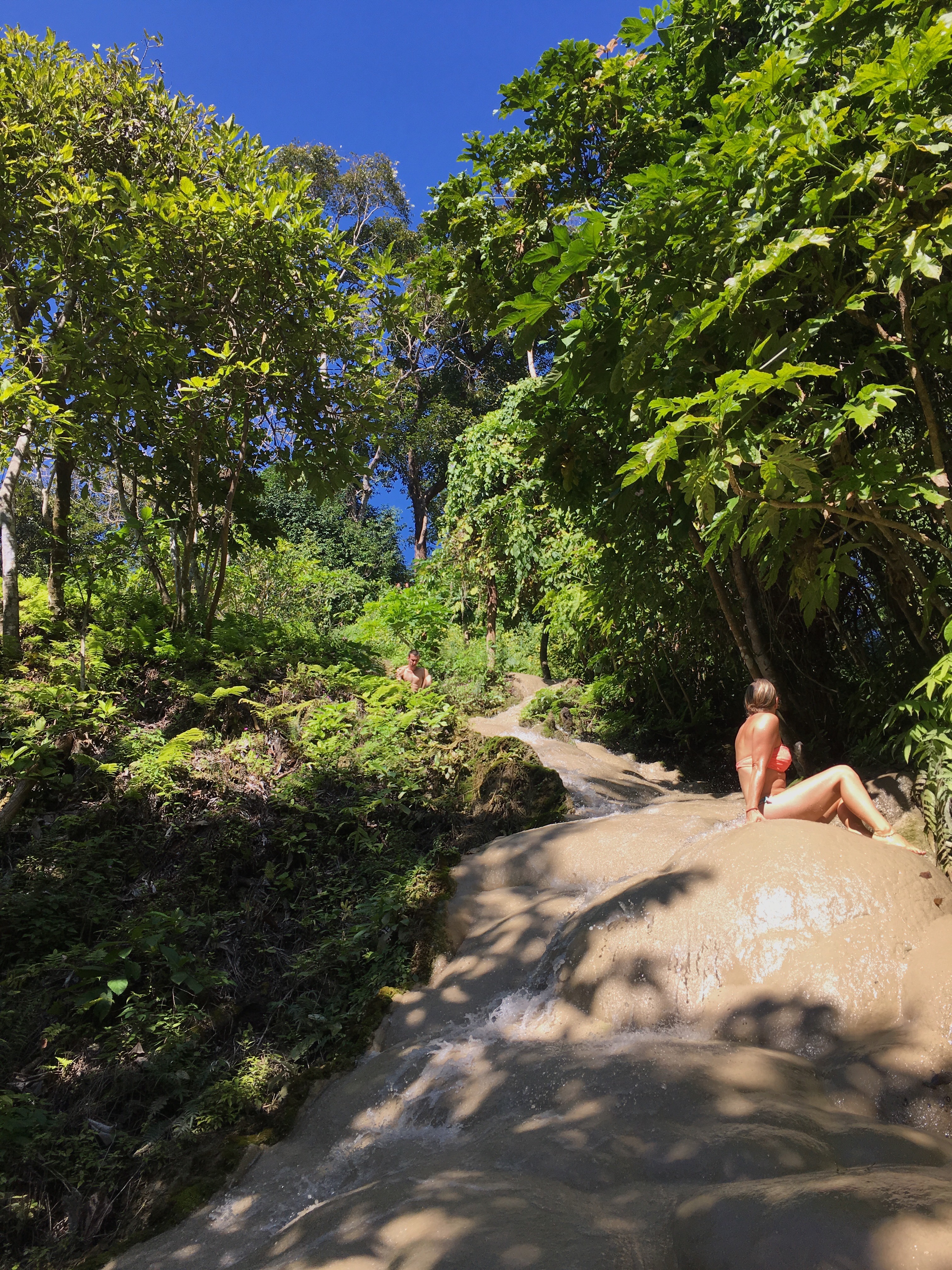
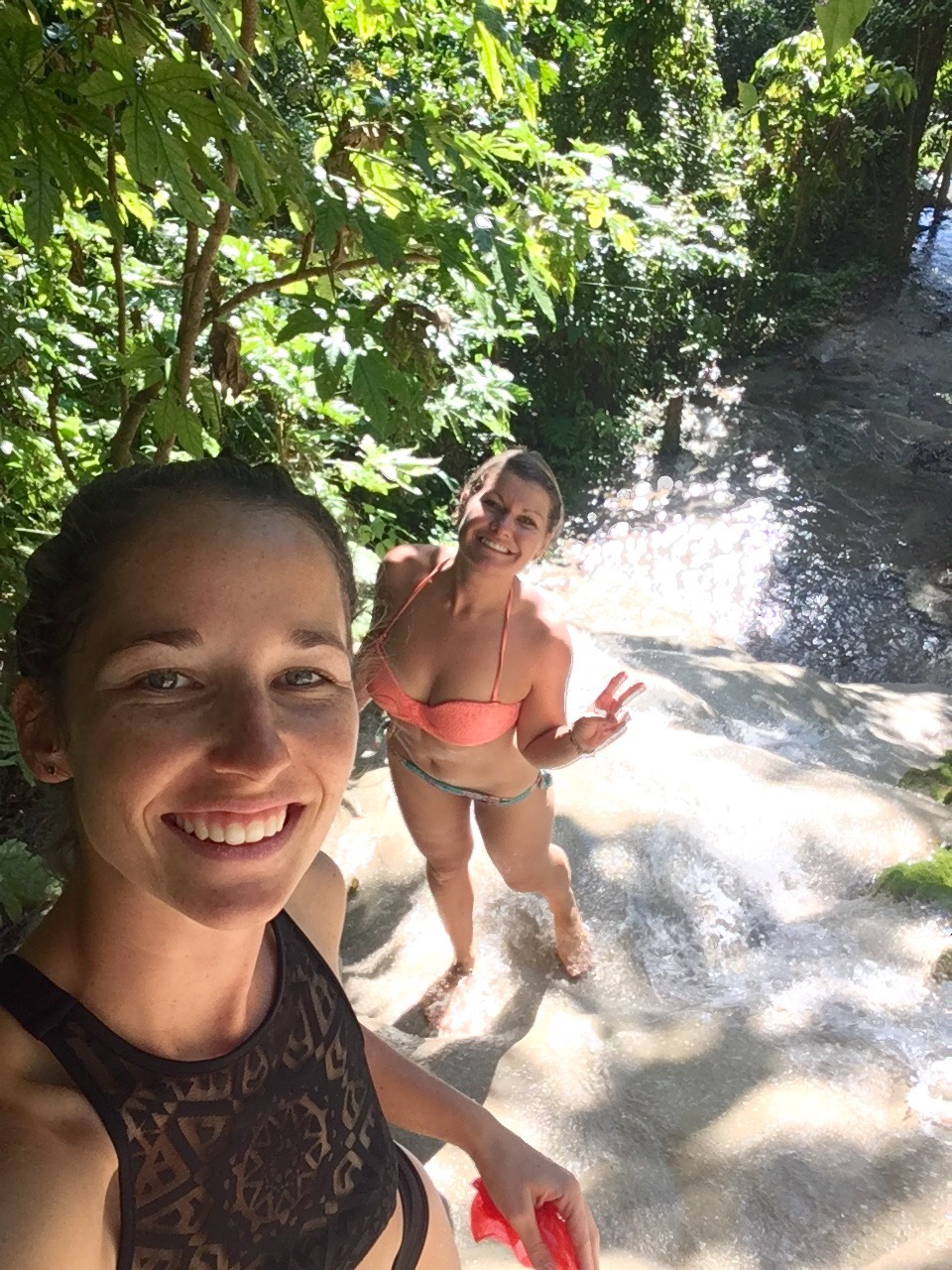
Walking up a waterfall. How absurd. That’s what I thought while reading about Bua Tong. Once I arrived, I stripped down and slathered on sunscreen all the while keeping my eyes on the handful of people walking up the falls. They were making it look so easy, but they looked athletic and young, surely it was harder than it appeared. Then it was time to try it for myself, I braced myself, felt my core tighten and prepared to face plant as I took my first step. Complete shock and amazement washed over me as I took one step and then another upwards through the rushing water. With my mouth hanging open and my eyes wide, I looked around at my friends, ‘are you seeing this!?,’ is what I’m sure my expression read. Pure bliss and bewilderment followed me around the rest of the afternoon and I climbed up and down, up and down, all around  Bua Tong. The mineral deposits look like white, cloud-like  sponges and actually feel similar though a little bit harder and slightly pricky, the surface even gives slightly under a firm touch.  There were a few patches that were slick, but it is because the calcium carbonate was covered with a mossy slime. These spots are easy to see and avoid.


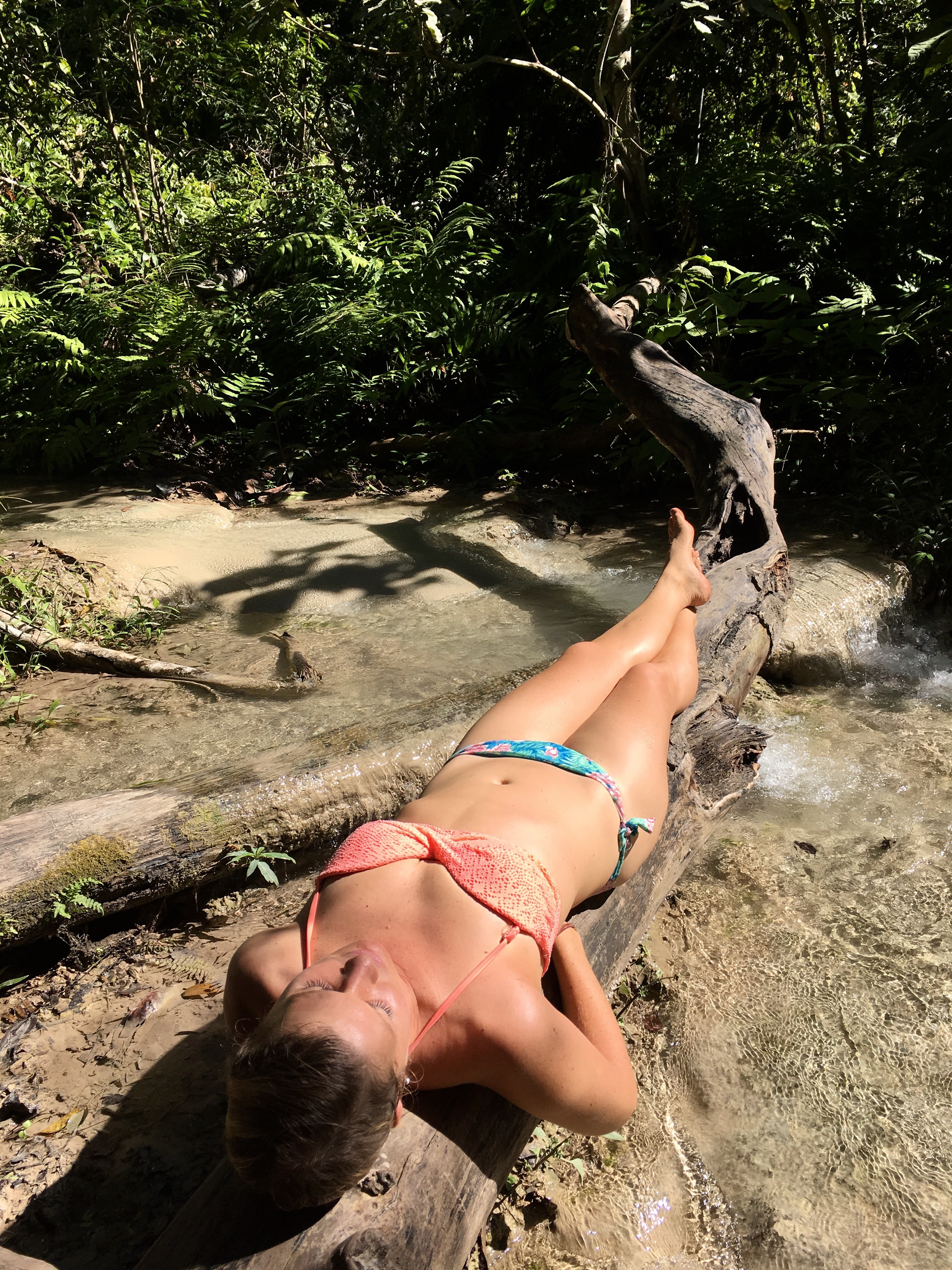
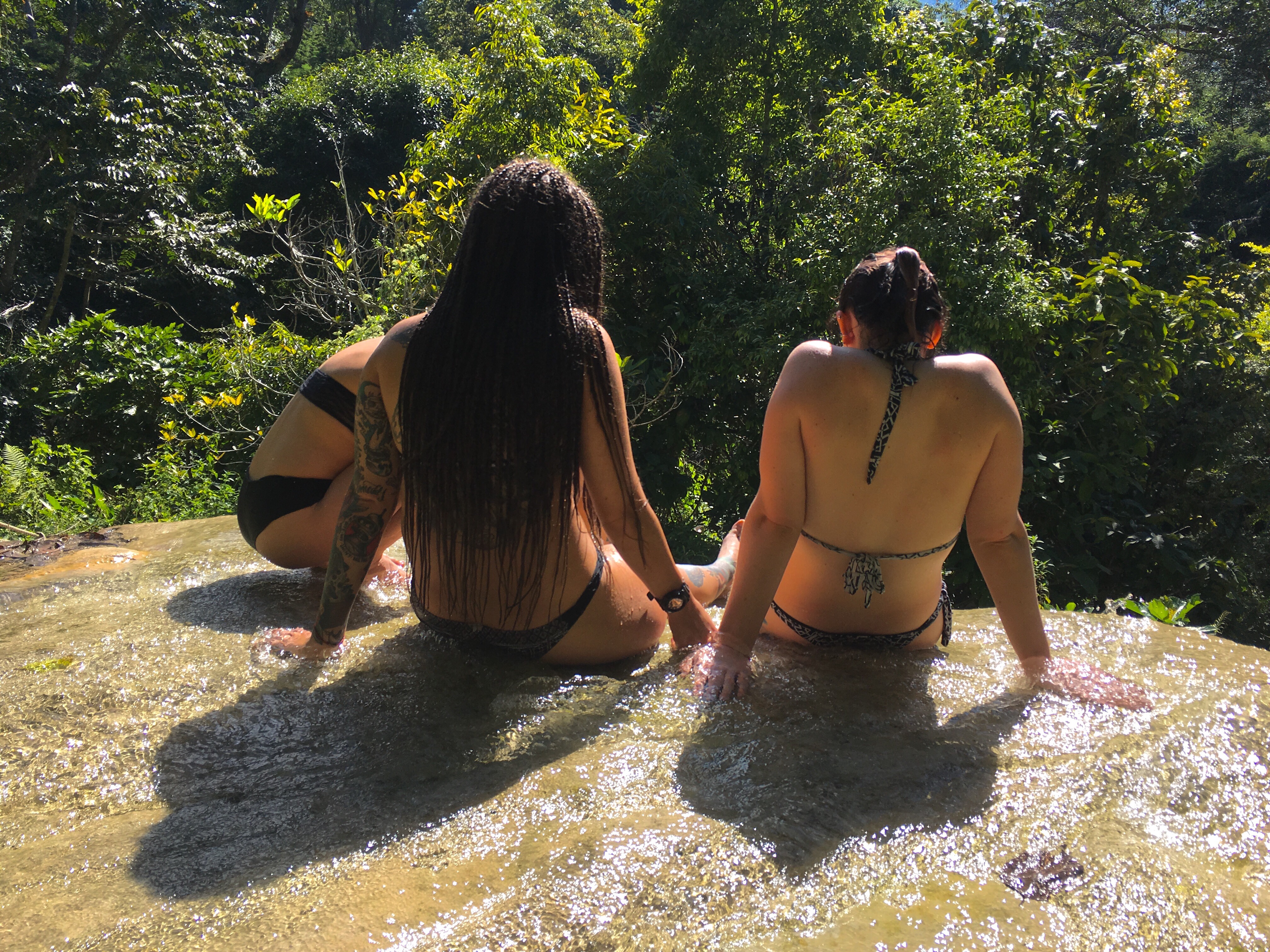
In the company of only about two dozen other travelers, Bua Tong had truly felt like one of the most enchanting places I’ve ever visited. Usually while traveling you’re forced to share the magic, but here it was all our own. As I looked around, I saw that most people had carved out a little space on the waterfall’s slope to sit in the sun and marvel at where their life had brought them. It was only a few minutes later that I joined my best friend, Natasha, on a sunny log in the middle of the rushing current to simply be. As I lay meditating, tiny tickles of what I thought were mosquitoes kept dragging me back to the outer world. It was in the midst of one of these tickling sensations that I opened my eyes and realized, it wasn’t mosquitos at all, but dozens of colorful butterflies. I closed my eyes again, determined to be at peace with each coming sensation. As I reflected on my weeks in Thailand, the friends in my company, my path in general, I had the overwhelming feeling of gratitude that materialized as a single teardrop from each eye. Life is beautiful. There is magic everywhere and I have so much to be grateful for, sometimes it takes a trip to never never land to remind you that every single day is a gift to be cherished and spent wisely, whether you’re climbing a sticky waterfall or navigating your work week.


Are you ready for a spiritual awakening? Kidding, but here are more details on how to reach Bua Tong and what to experience while you’re there.

What to pack:

  • Money for gas and snacks
  • Bathing suit
  • Sunscreen
  • Sunglasses
  • Book
  • Camera
  • Dry bag/waterproof bag if you have one
  • Long sleeve or sweatshirt (the ride home will be a little chilly)


How to get there:

Located over an hour outside of Chiang Mai, Bua Tong isn’t on the beaten tourist track, but still worth a visit. We rented motorbikes for the duration of our stay in Chiang Mai, which costs roughly 200-300b per day. I personally enjoy driving and navigating through crazy Thai traffic, but to some this may seem dangerous or unappealing. If you are in the latter group, you can ask your guesthouse or a tour operator for a songtaue to Bua Tong, but because it’s so far outside the city, it will be kinda pricy for Thai travel standards. I would find a cool crew the day before and convince them that they need to join you on this quest, that will surely reduce the price of the songtaue. If you’re in the former and you’re down to drive a motorbike, download either the app maps.me or google maps and download the northern Thailand map, while you have wifi that way you’ll have to problem navigating to Bua Tong. It really isn’t too tough and once you are about twenty minutes outside Chiang Mai, the traffic really slows down. I think driving the motorbikes to and from Bua Tong really added to the adventure and it was nice exploring the falls at our own pace instead of knowing a songtaue driver was waiting around for us.
What to explore :

Obviously you came for the sticky waterfall. If I were you, I’d take the stairs all the way to the bottom, stash your bag on a log (most people left their bags near the bottom of the falls unattended, I did the same and didn’t worry about my $3,000+ camera once, but do what feels comfortable to you) and start the climb up. Find a nice space to sun yourself midway or hike all the way to the top in one go. Now it’s time to hike down. Slightly scary, but equally easy. There are several ropes along the way to offer support in tricky areas  and ensure your decent is safe. Don’t you dare chicken out and take the stairs back down. You only live once. Once back at the bottom, continue a little further than the bag drop area where the stairs end. You’ll find another smaller waterfall with a shallow plunge pool at the bottom. Submerge yourself and dig your toes down into the soft, glittery sand, you did it.


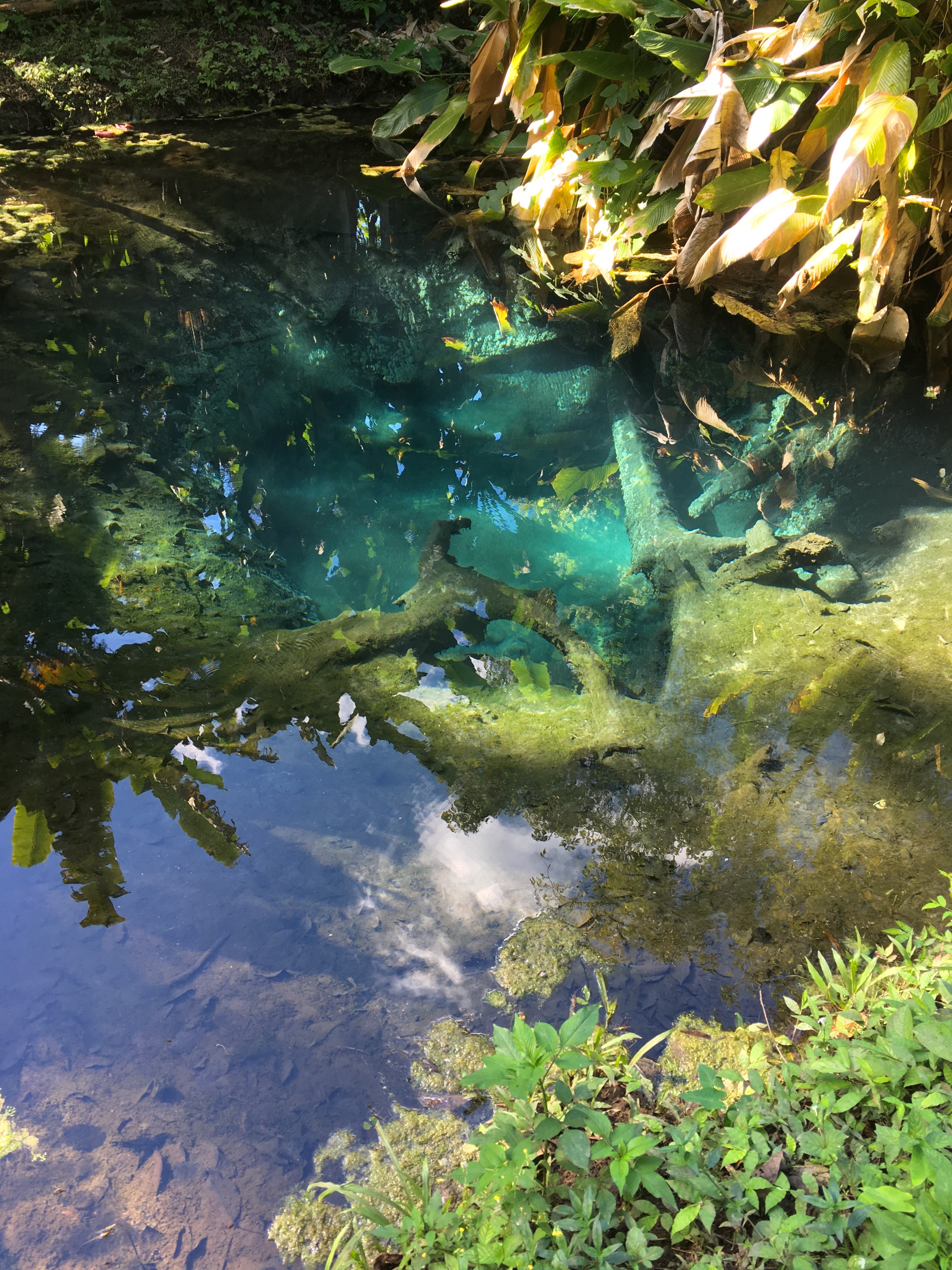
After you’ve had your fill of the waterfall, hike back up to the tip and explore the natural seven colored fountain. Even if you’re famished and tired (we were both) you can make it to the fountain. It’s less than a five minute walk and it’s a wooden boardwalk the entire way. You’ll be amazed at how insanely clear the water is and you’ll enjoy leafy jungle views on the way to and from.

There’s also another short hike depicted on a large wooden sign near the entrance to the fountain trail, we decided against it only because we were sure to die of hunger (or morph into hangry demons) at any moment. We contemplated buying a snack from the small restaurant on site and then completing the hike, but we wanted to have time to stop on the road for a late lunch and return to Chiang Mai before dark.


Where to eat & stay:

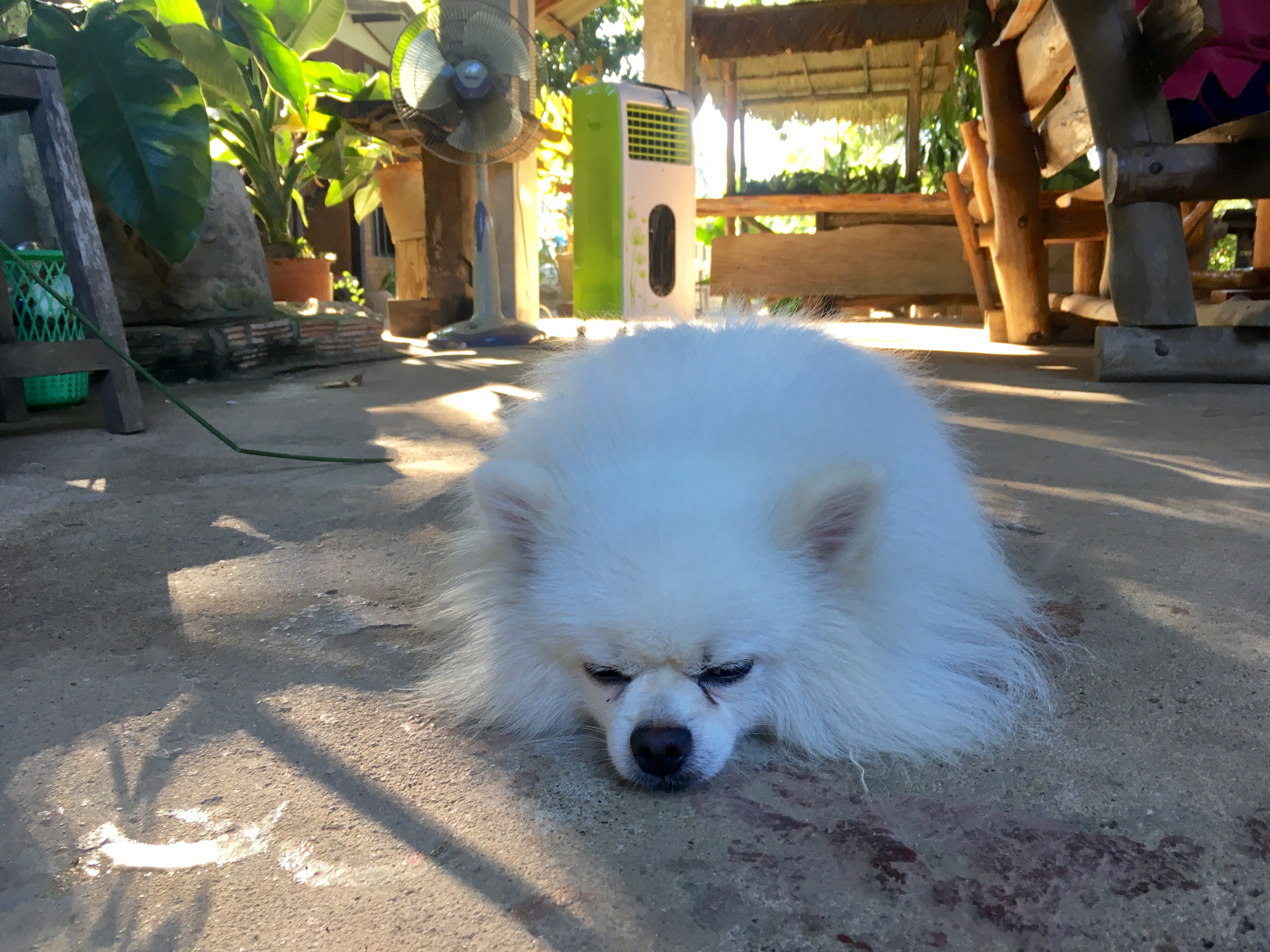
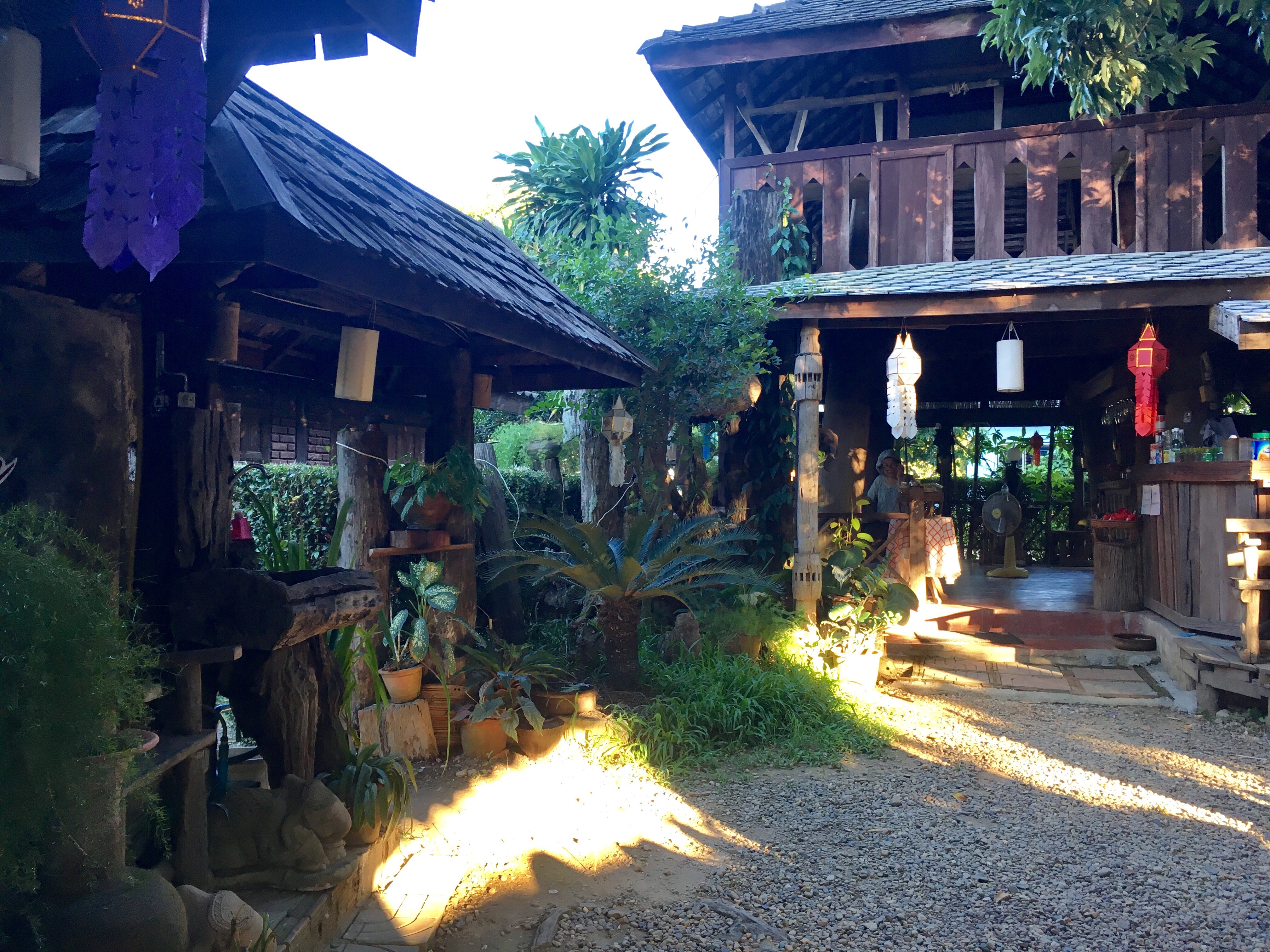
On the way back to Chiang Mai, we stopped at the loveliest little guesthouse and restaurant. If we had more time, we certainly would have stayed the night. The guest house is called Howiman or Horwiman. You pull off the road across from Lhongkhoa Resort and head straight down the dirt hill, you’ll immediately see a grouping of dark wooden buildings on the left and you’ll probably hear a yapping little dog, and you’ll know you’re in the right place. If we could have stayed and drank our Chiangs in frosty mugs all evening we totally would have. Next time I visit Bua Tong I will.  


Happy Mountain Day!

10-14-15-web-muktinah-1

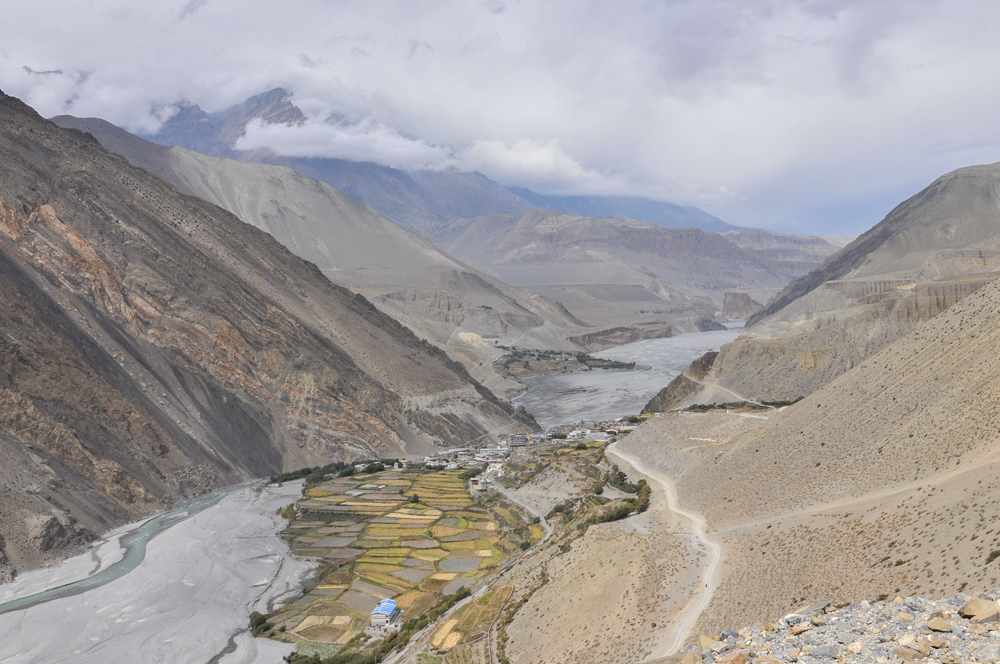
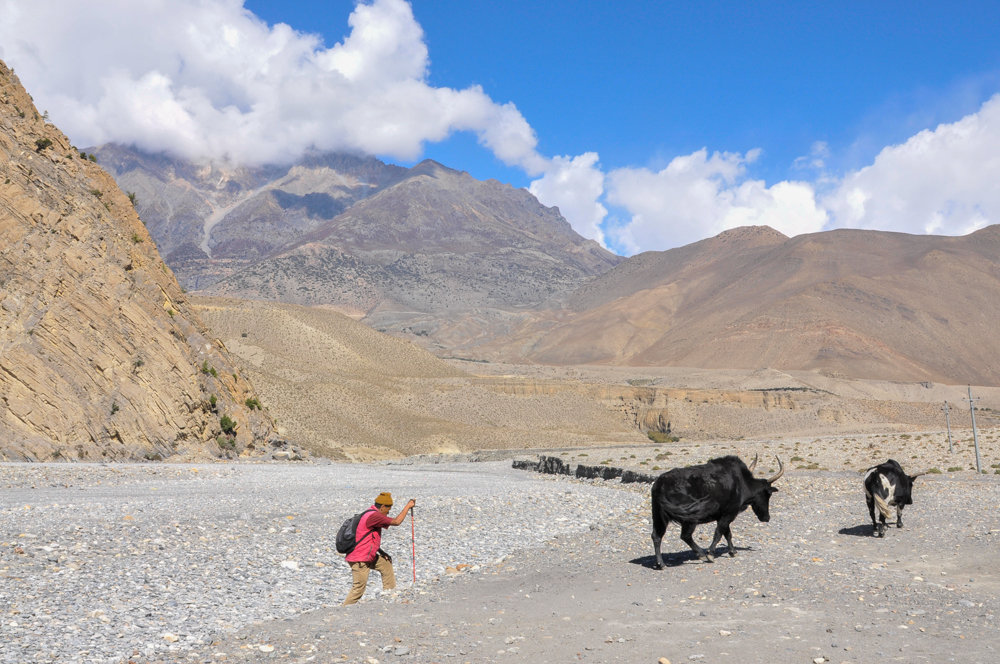
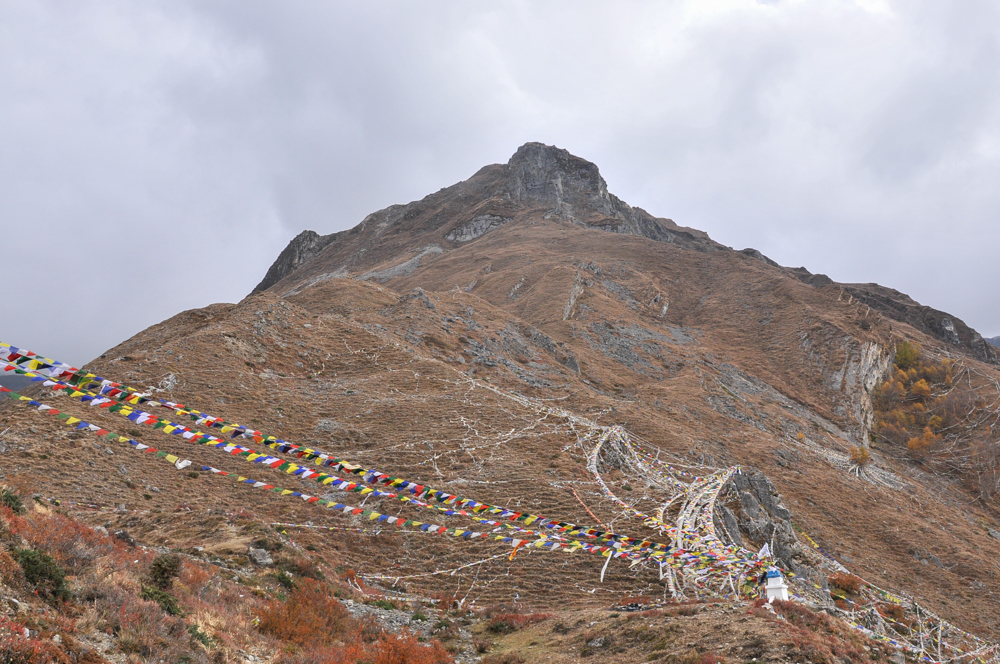
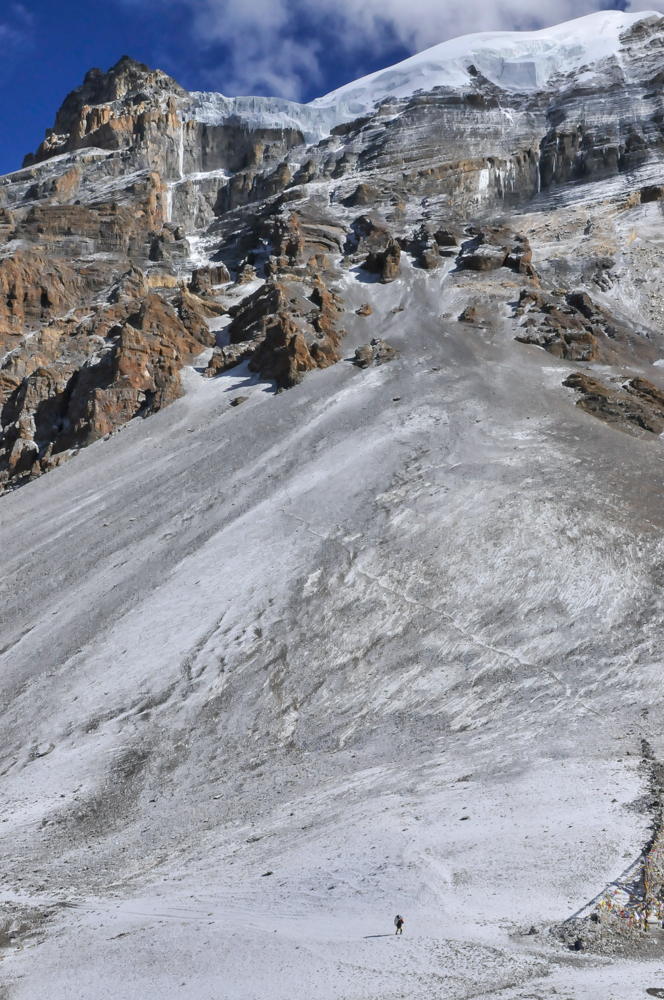
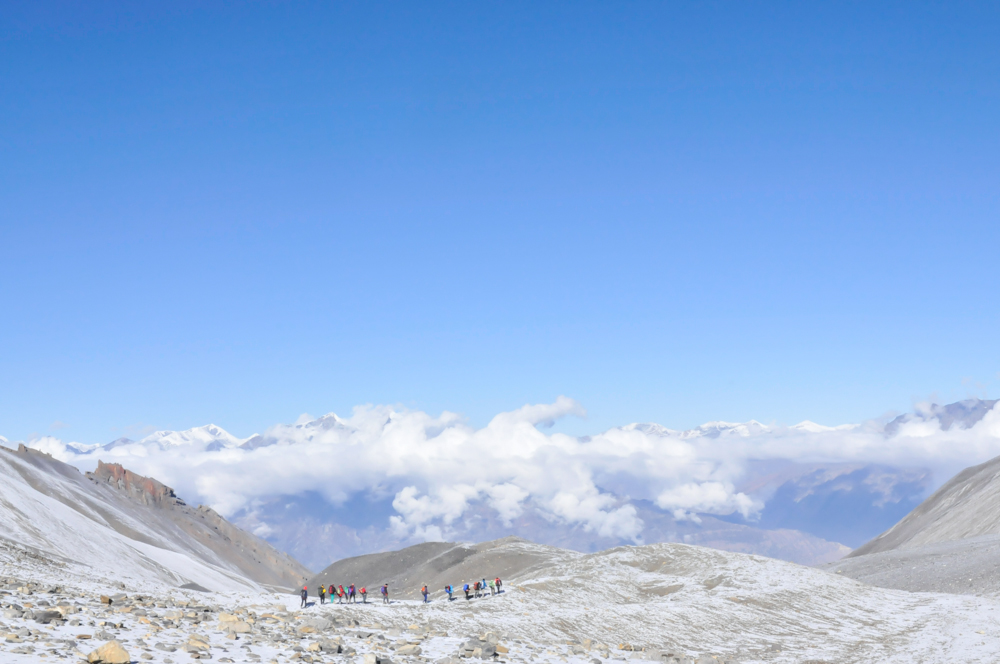
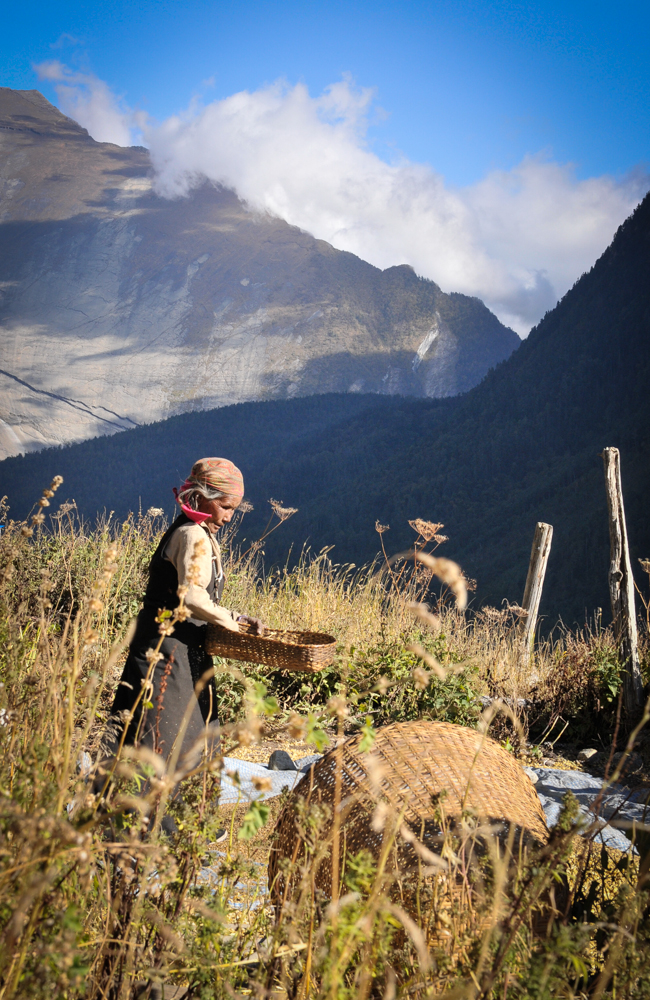
Sup mountaineers! Did you know that yesterday was International Mountain Day? In 2003, the United Nations designated 12/11 as International Mountain Day. A day meant to encourage the international community to organize events at all levels in order to highlight the importance of sustainable mountain development. Of course, with all the crazy going on this month, we missed it. We missed national letter writing day too, but I’ll fill you in on that another day. Anyway, this year’s theme is Mountain Cultures: Celebrating diversity and strengthening identity. From hiking the Blue Mountains in Jamaica, to climbing Mt. Agung under the stars, to trekking the Annapurna Circuit, I’ve experienced enough mountain magic to be hook. Mountain spaces are sacred, enchanting and come with an immense feeling of satisfying insignificance like I’ve never experienced elsewhere.

10-15-15-web-kagbeni-5210-16-15-web-jomsom-2110-18-15-web-pokhara-15

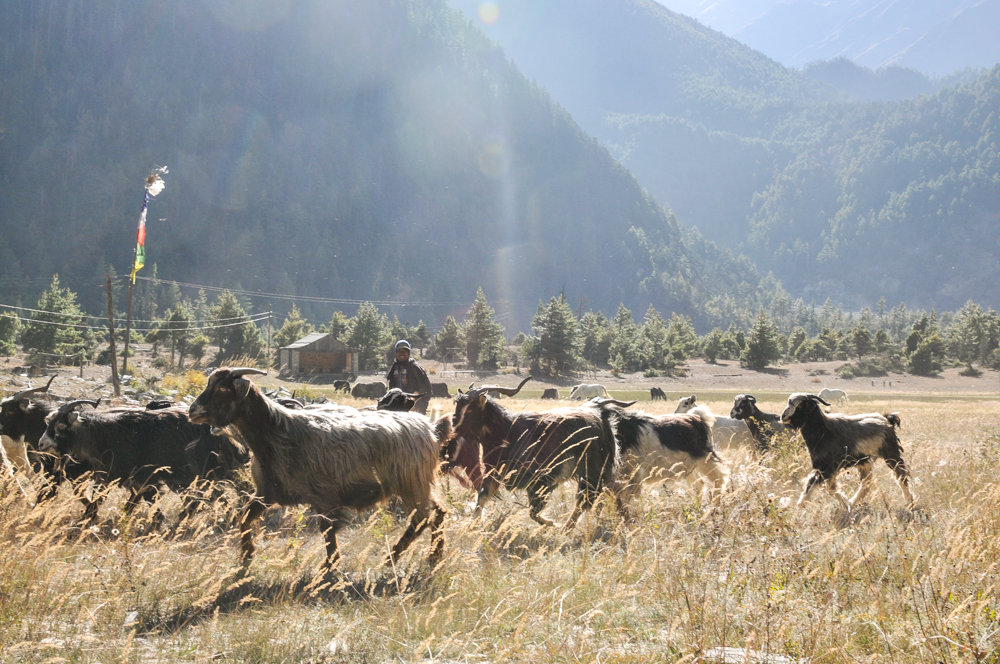
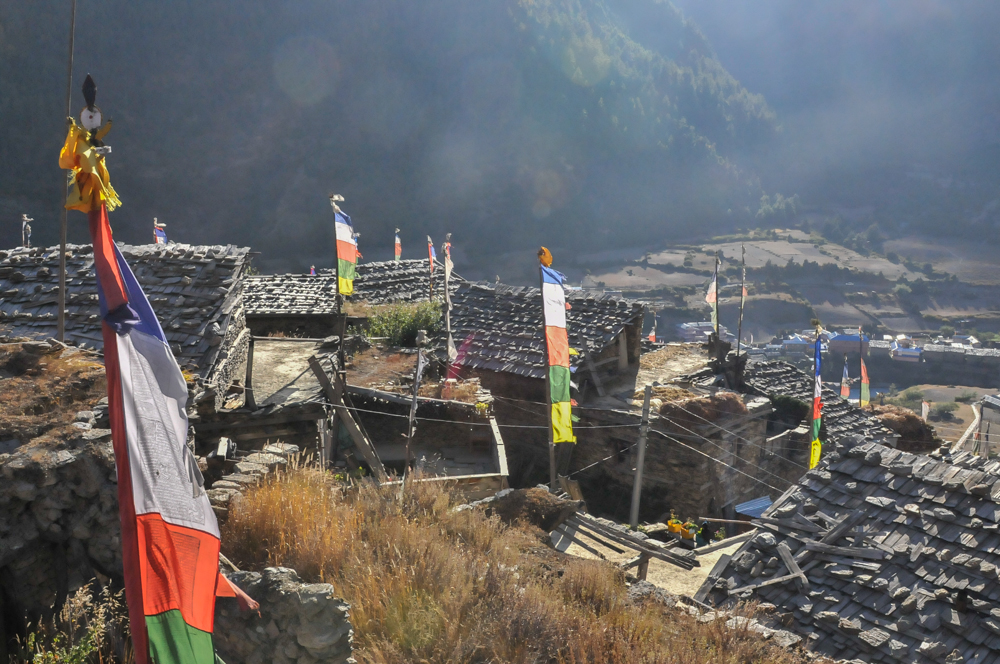
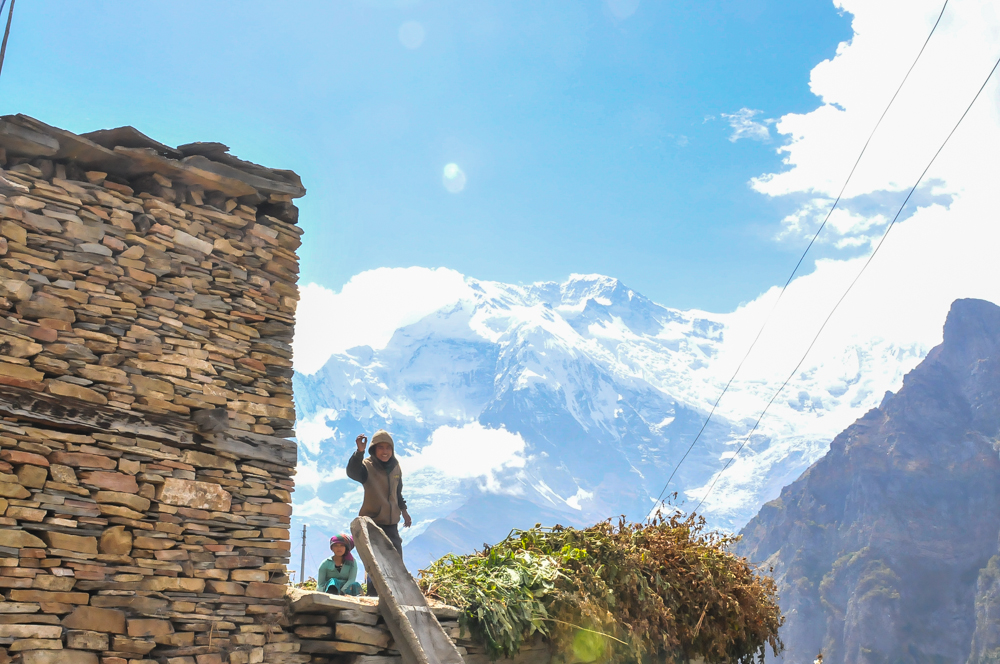
If you’ve ever wandered high up into the mountains, you will have noticed that remote mountain villages are home to ancient cultures and traditions. These traditional lifestyles are largely determined and linked to sustaining a living in harsh and remote mountain landscapes. Isolation helped to create and maintain immense diversity between villages and allowed these cultures to stay intact. Of course, as decades pass, mountain populations experience change and culture loss through migration and urbanization.

10-15-15-web-kagbeni-26

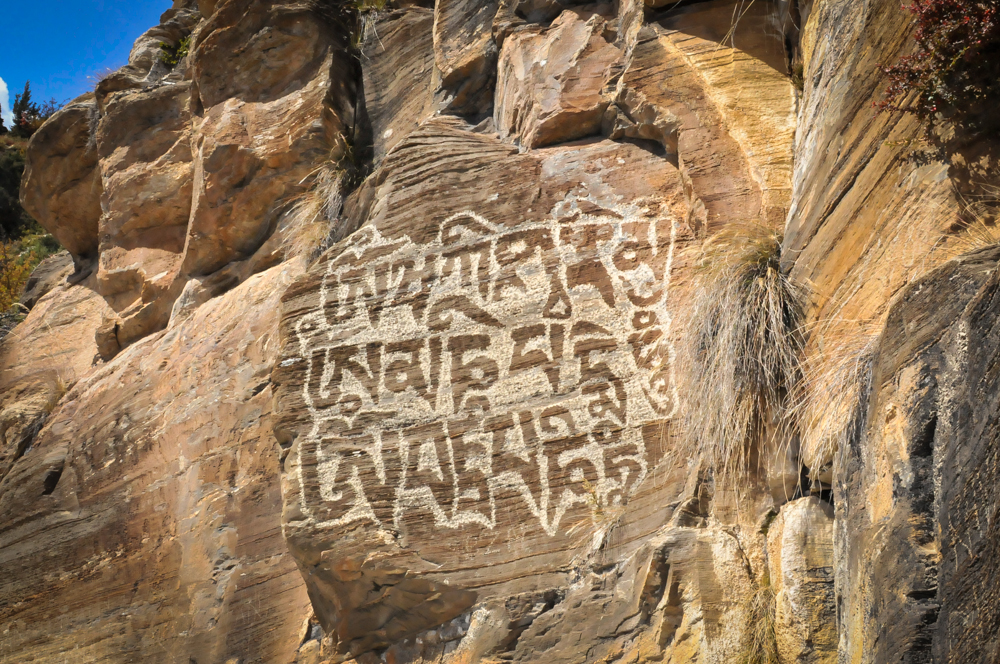
Whenever I experience remote mountain life, I’m captivated by the use of land, for farming, raising animals and capturing fresh water. Mountain people are so in tune with their unique environment and how to properly respect it while gaining what they need to prosper. Mountain people’s deep respect and attachment to the land quite often has religious ties. Mountains have commonly been revered as the home of deities throughout history because of their fresh water sources and their seemingly close proximity to the sun. It’s no coincidence that you often see crosses, pilgrimage sites and places of worship high on mountain tops.

10-14-15-web-muktinah-9410-14-15-web-muktinah-48

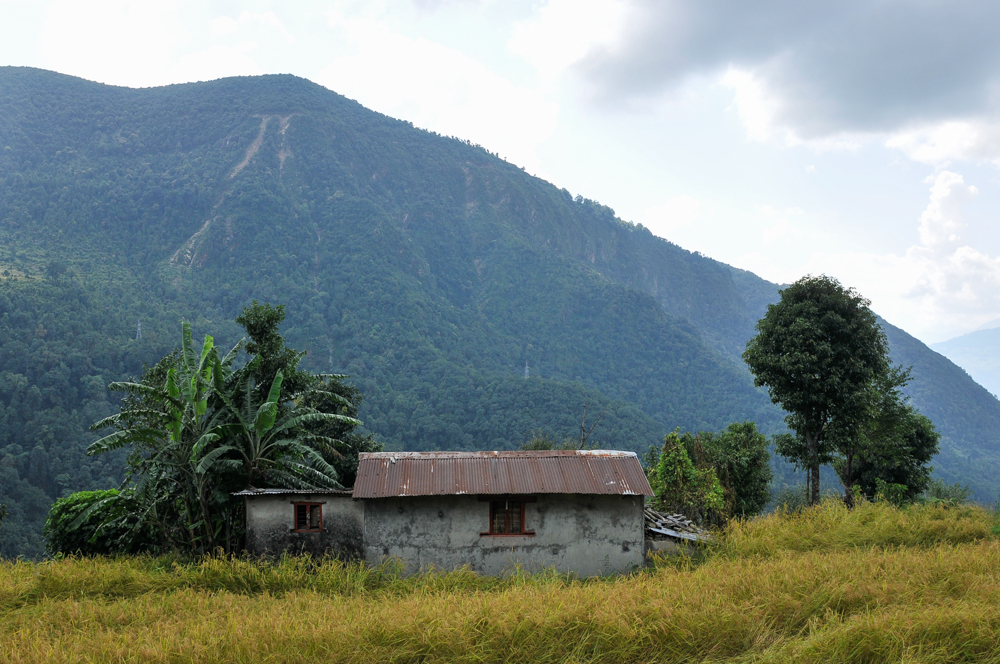
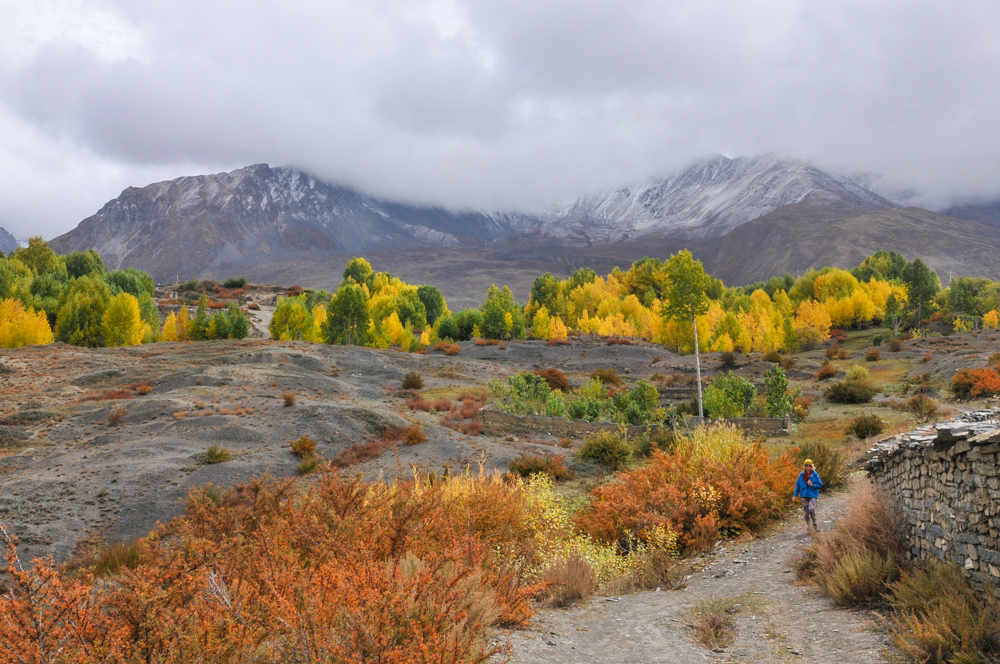
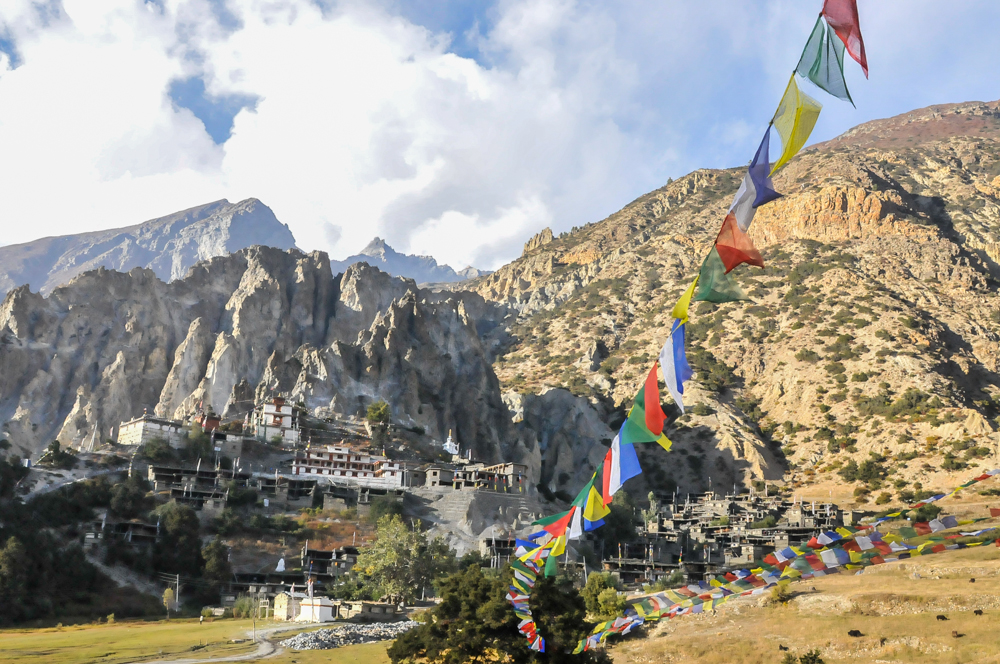
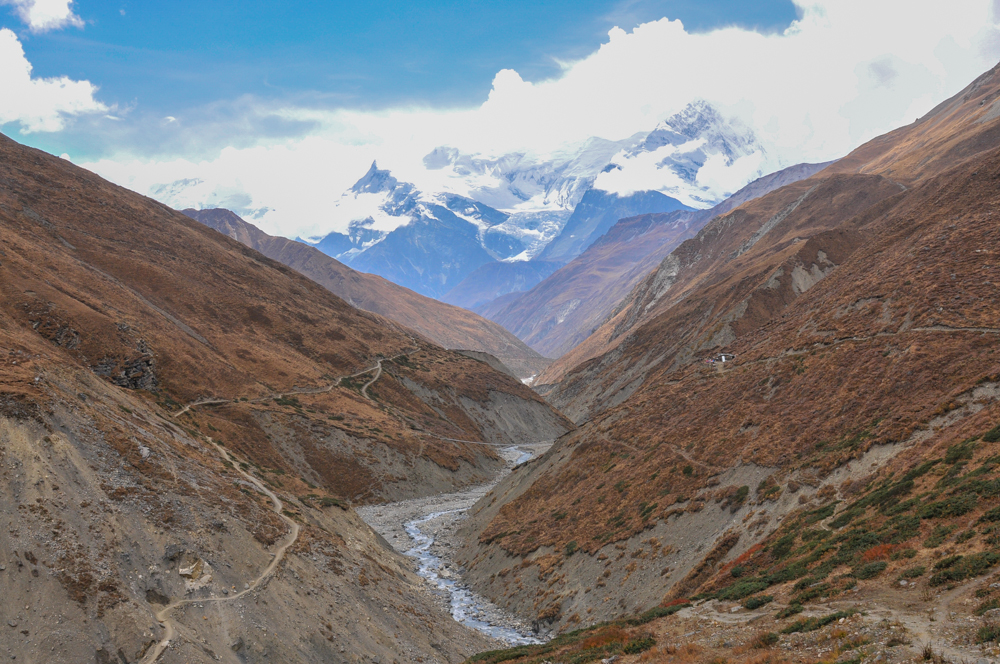
Obviously I’m quite conscious of my place while visiting mountains. I’m always a guest, a traveler, an ambassador of society at large and therefore I take my role very seriously. As much as possible, I strive to find community-based tourism that I can support. Tourism that will help maintain the culture, not parade it around and inevitably degrade it. I also distribute my dollars broadly to local people. Spending a little bit here and there, not a bunch in one place. Lastly, I ensure everything I hike in with also comes back out and of course I respect the ecosystem by not wandering off trail. As a visitor to these spaces, I have a big responsibility in ensuring these ancient cultures continue for future generations to experience. Hiking into mountain villages is like stepping back in time. It’s absolutely breathtaking and there’s no way I can aptly describe it, but maybe these images from the Annapurna Circuit in Nepal will help a bit.  10-14-15-web-muktinah-3310-09-15-web-upper-pissang-77 10-09-15-web-upper-pissang-88 10-09-15-web-upper-pissang-10110-11-15-web-manang-57 10-11-15-web-manang-62 10-11-15-web-manang-8010-13-15-web-new-phedi-82

I’m planning a trip to Nepal for October & November of 2017. Want to join me on a trek?

Mitchell Lake Trail

We like a good hike, and every once in a while we have the chance to hike slow, take pictures, and share the adventure with you. You can check out some of our previous Colorado hikes here.

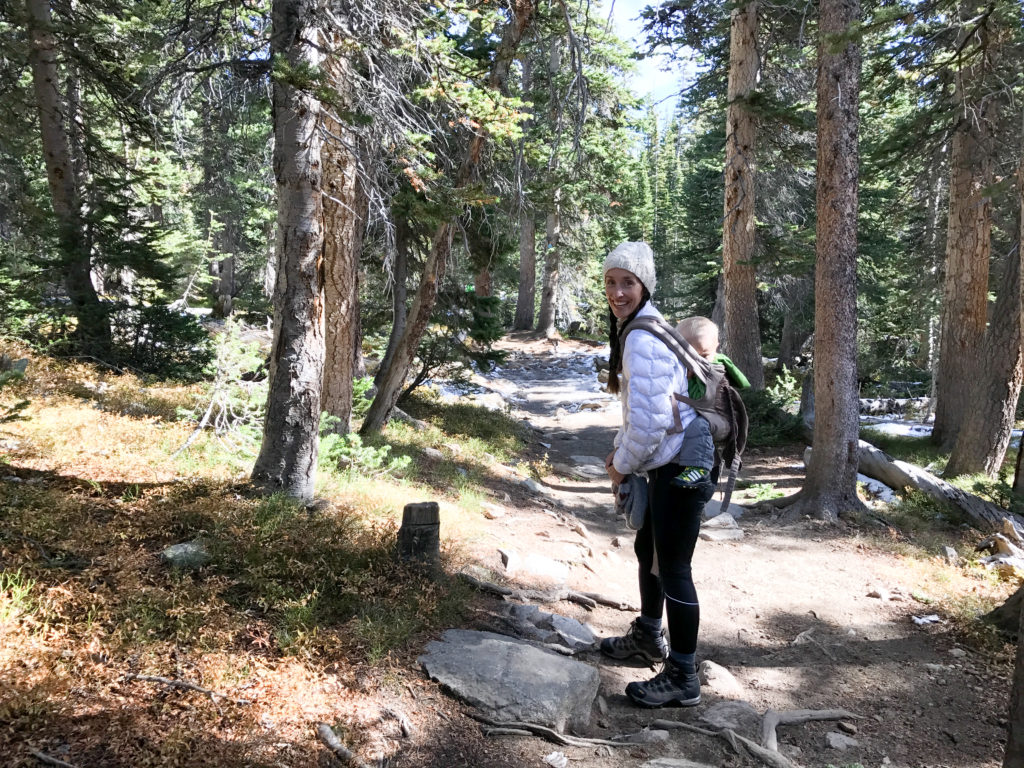
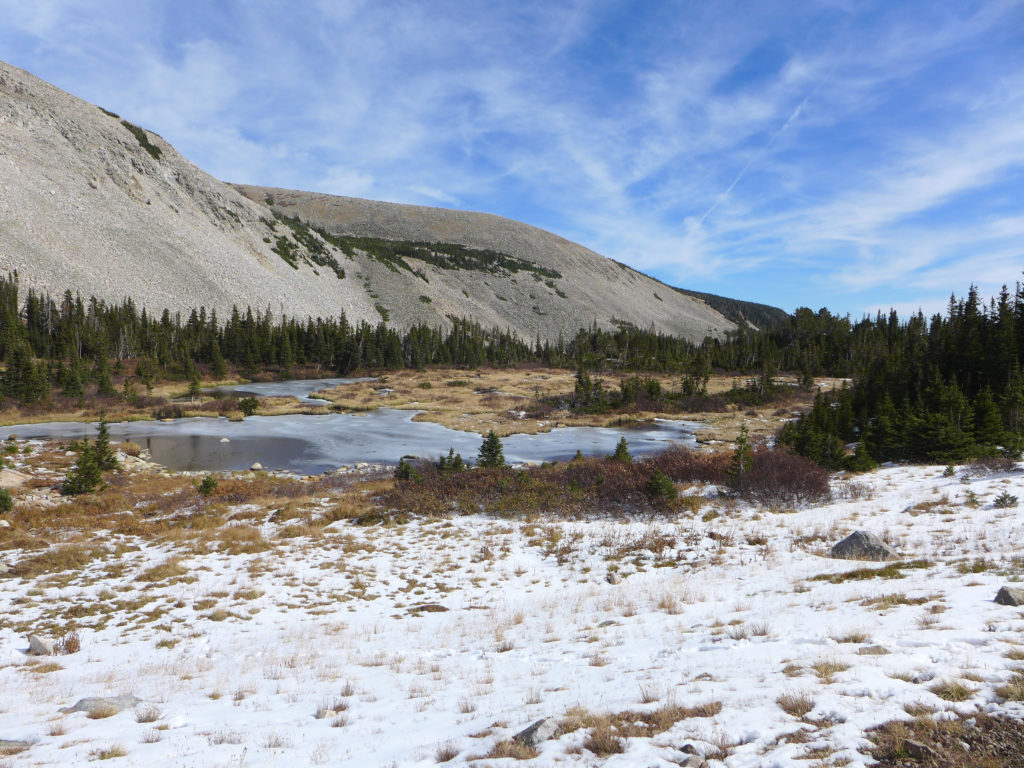
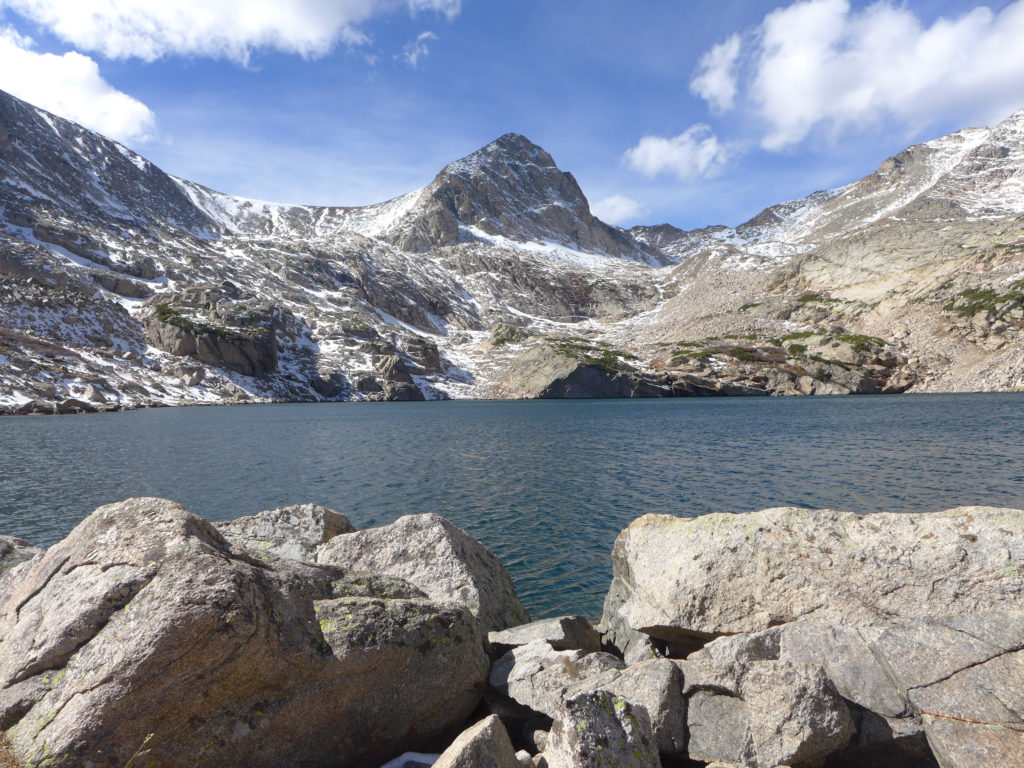
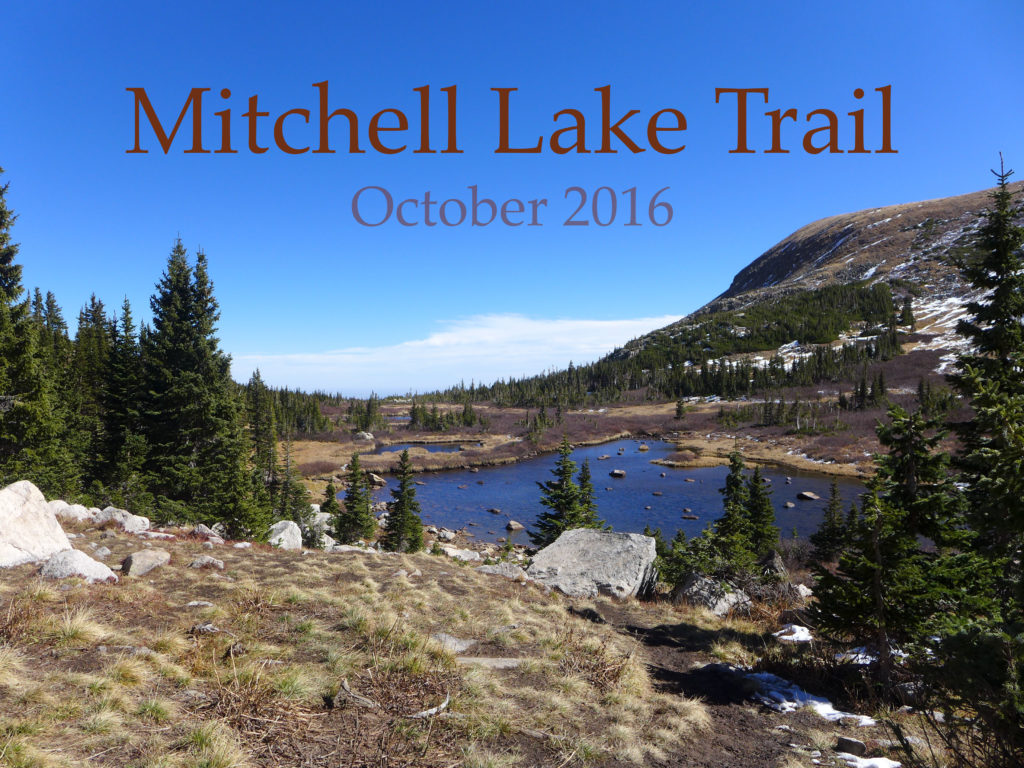
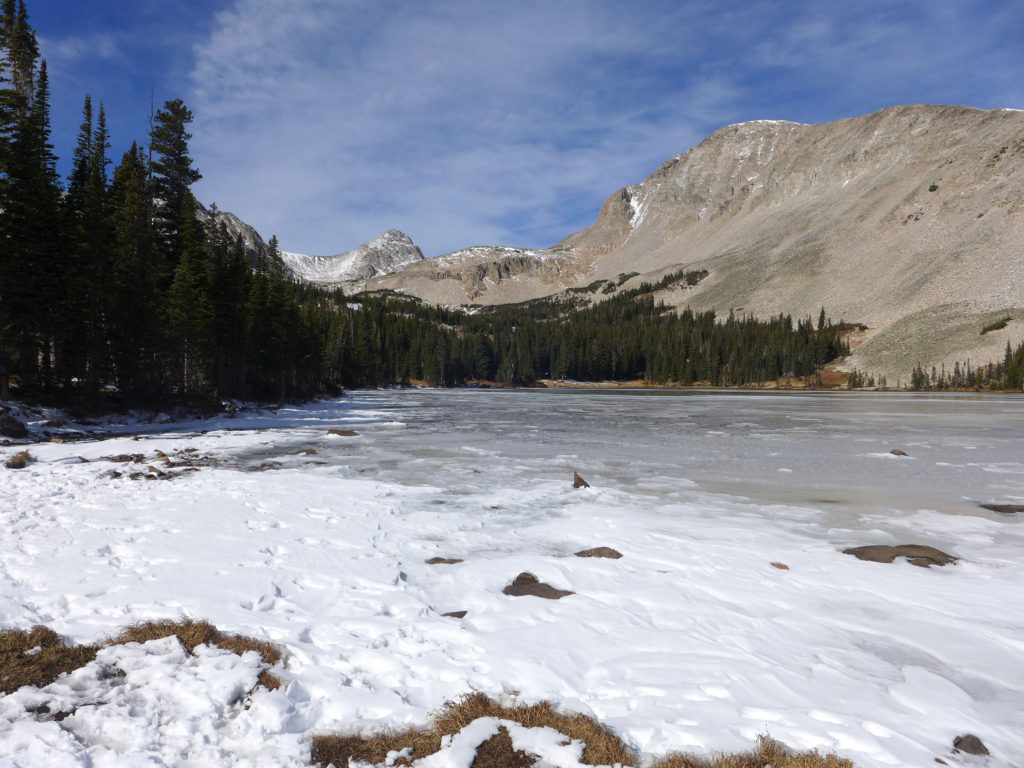
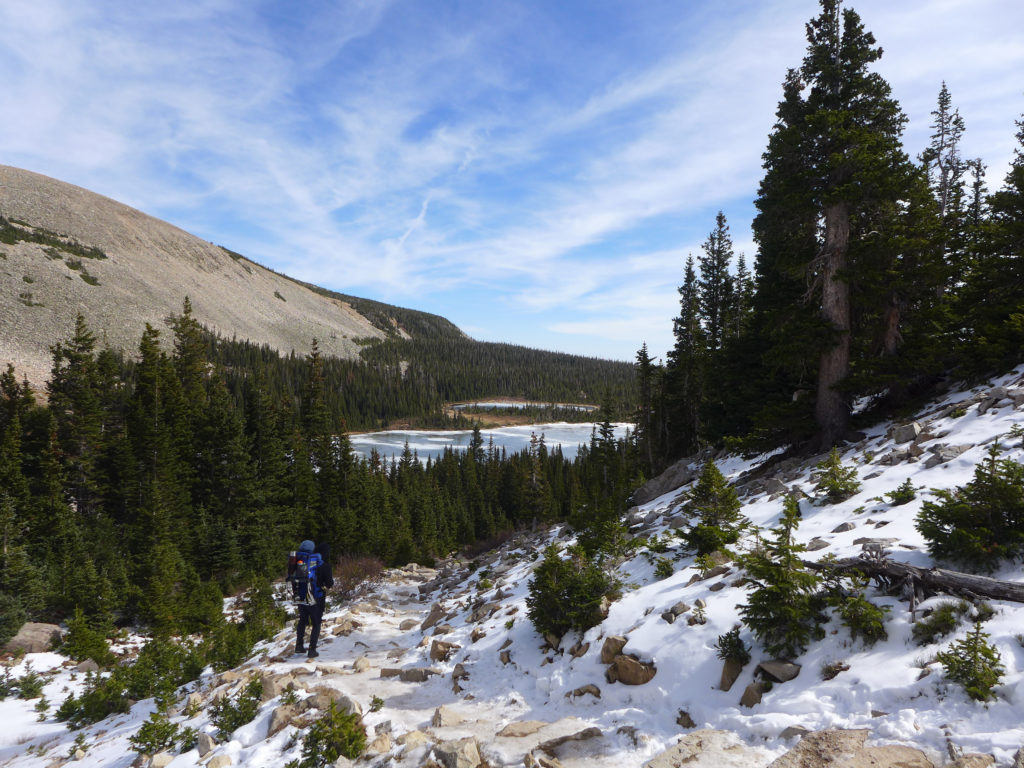
For the past two weekends, we’ve visited Brainard Lake Recreation Area and set out from the Mitchell Lake Trailhead. On our first trip, we did a short hike to Mitchell Lake, took a rest to have some hot chocolate, and then turned around. Yesterday we set out with the goal to make it all the way to Blue Lake, and we did!

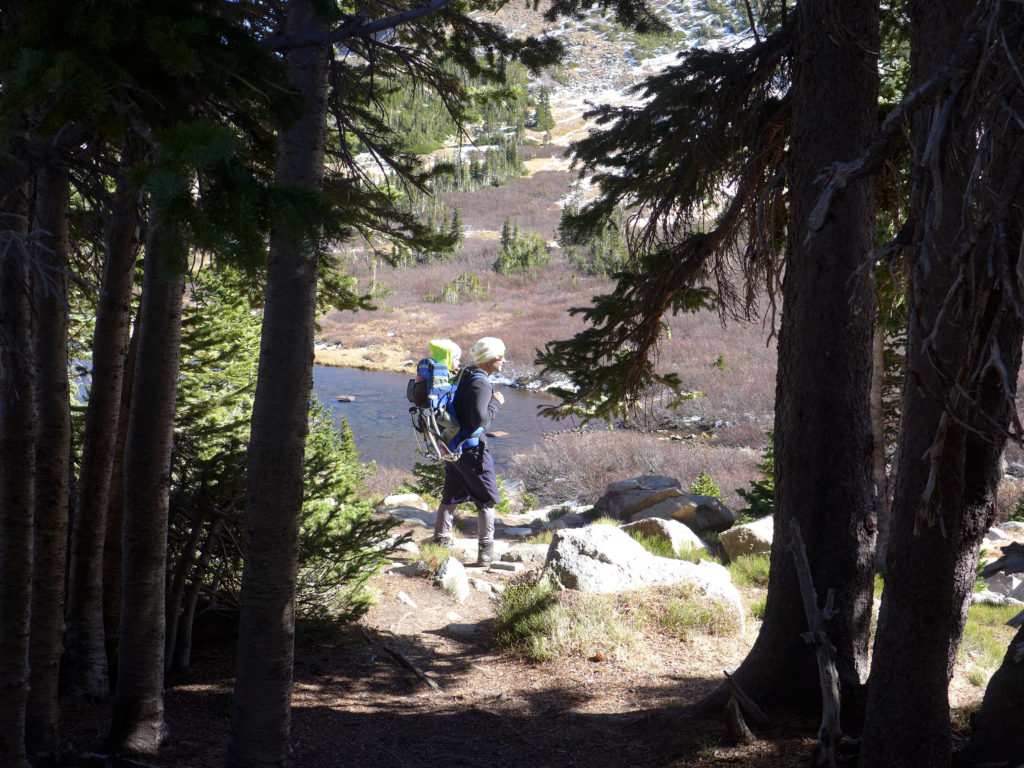
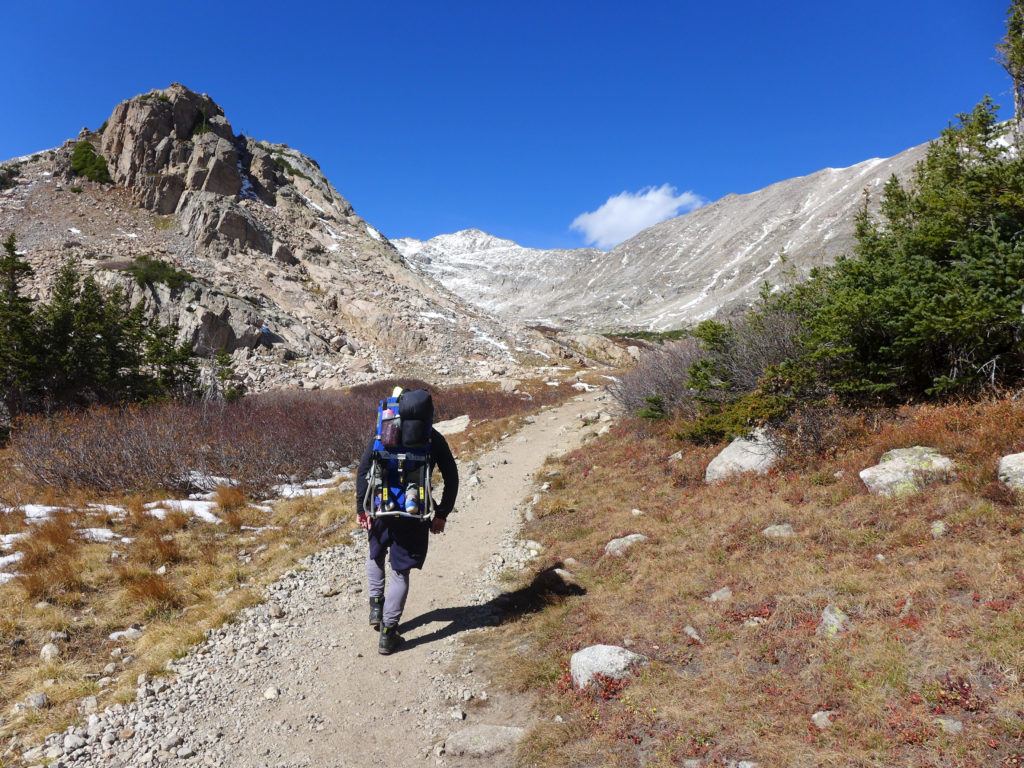
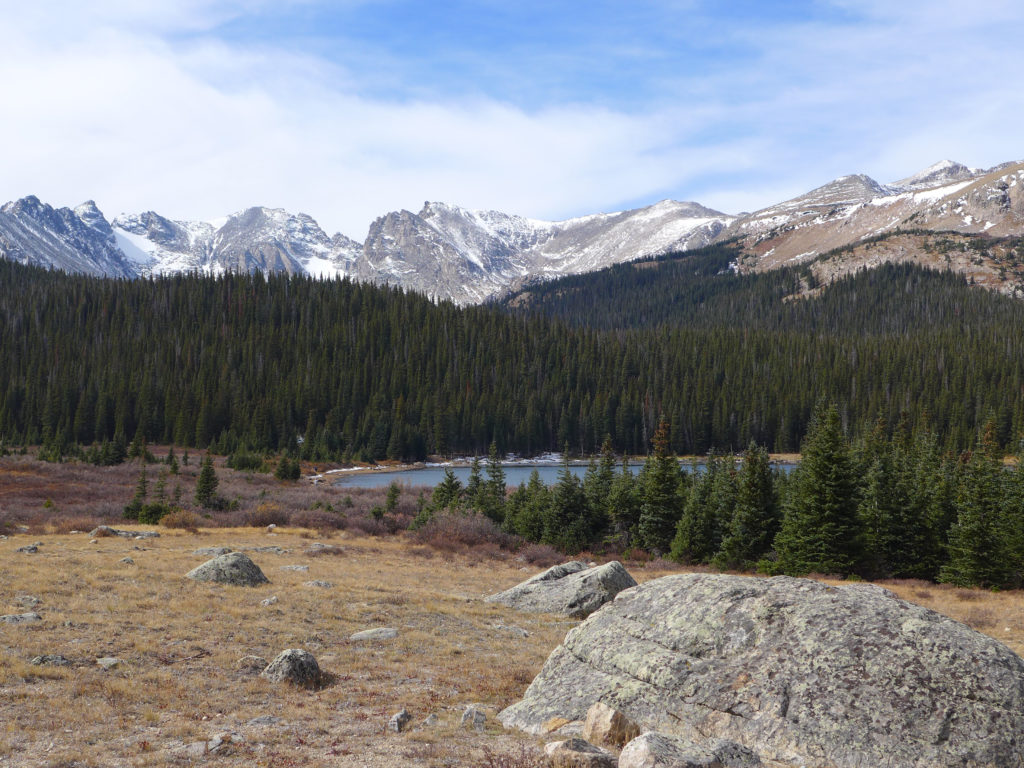
As in the tradition of our previous hike posts, I wanted to share some photos and a brief overview of the trail. These photos are from both trips and in no particular order, but they give you a great sense of what the trail is like during mid October.
mitchell_lake3b

mitchell_lake10

mitchell_lake20

mitchell_lake15

mitchell_lake7

mitchell_lake4

Trail Location

The trail starts within the Brainard Lake Recreation Area, but quickly leaves that area and continues on into the Indian Peaks Wilderness Area.

Brainard Lake Recreation Area is open to vehicles from June – October, but the exact opening and closing dates vary each year based on the weather. The entrance fee is on a sliding scale from $1 if you’re walking to $10/car, BUT you can access this area for free with a Nation Parks annual pass. When the area is closed during the winter, you can still park at a lot near the entrance and then enter the area by foot/ski/bike.

During the summer months, you can drive into the area and park at a number of lots. There’s a day-use lot near the main lake that often has spaces, and then there are two smaller lots near the Long Lake and Mitchell Lake trailheads, but in our experience, both of these fill up fairly early and remain packed throughout the day.

If possible, park at the Mitchell Lakes Trailhead and you’ll be able to quickly access the trail, if the lot is full, you’ll have to park in one of the other lots and walk over to the trailhead.
mitchell_lake11

mitchell_lake12

mitchell_lake14

Trail Overview

The hike to Mitchell Lake is just under a mile, and it’s another 1.6 miles to reach Blue Lake. These are both out-and-back destinations, making the round-trip hike to Mitchell approximately 1.8 miles and the hike to Blue Lake five miles. The altitude at the trailhead is approximately 10,500 ft, with a gradual climb of just 200 ft to Mitchell Lake and then reaching a final altitude of 11,300 ft at Blue Lake.

This is a popular, well-worn trail that is easily visible when there isn’t much snow on the ground. I’m not sure what it’s like when covered with snow, and while there were some markers in the trees, I didn’t pay close enough attention to notice how well-marked it was.

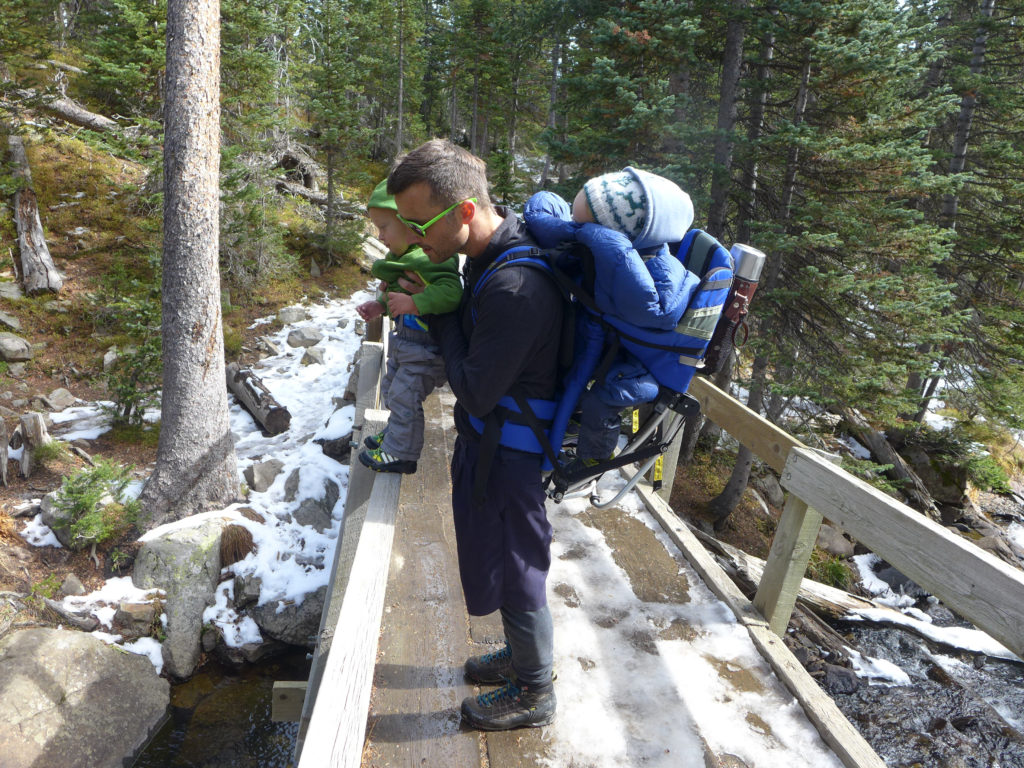
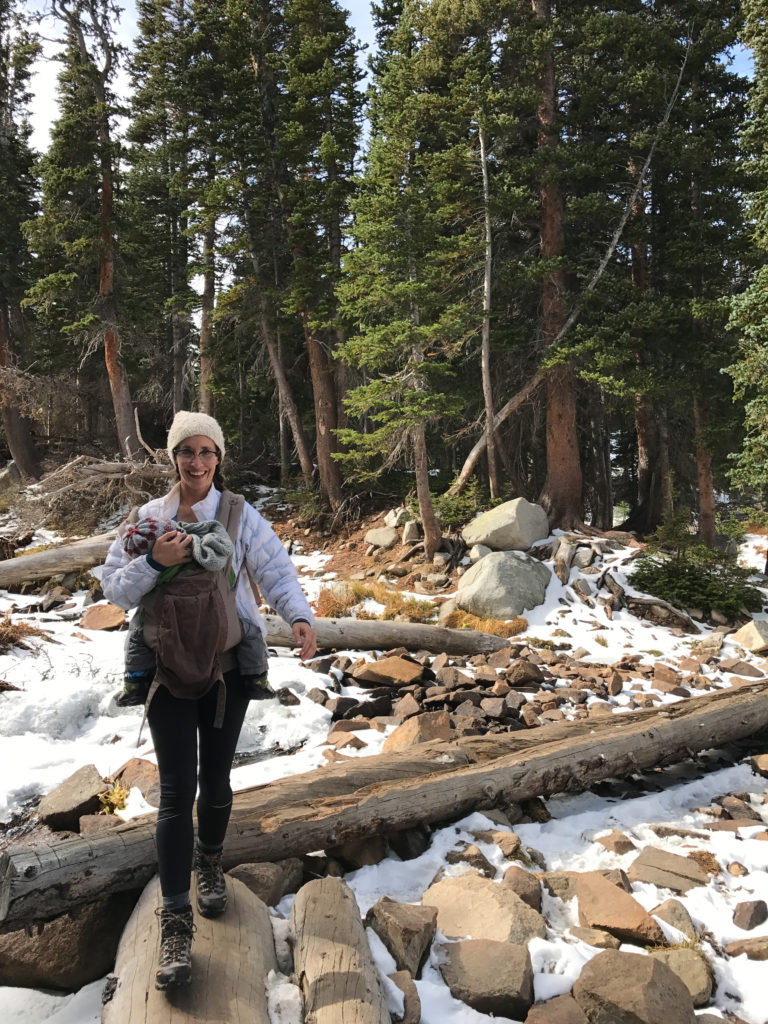
Near the base of the trail, hiking is relatively easy with that slow, gradual climb to Mitchell Lake. There is one large stream crossing over a short wooden bridge, and then another crossing over a wider stream with fall logs used as the bridge. In other segments, planks are used to keep hikers out of boggy areas. There are some steep areas where climbing the rocks is similar to climbing a steep set of stairs, with an increase in the portion of steep climbs as you approach Blue Lake.

During our first visit, there was some snow on the trail that had been tramped down and turned to ice, making some areas slick, but the following weekend this ice had melted, making hiking much easier. It was a nice reminder of how quickly weather and trail can change at that altitude.
mitchell_lake

mitchell_lake2

mitchell_lake17

Hiking with Kids

Young kids (4 to 8 year olds) should be able to hike to Mitchell Lake with minimal help but would likely need help making the full trek to Blue Lake. Older kids 8+ should have no trouble with the full hike. *** Having only 3.5 and 1.5 year olds, I may have to go back and revise those numbers as we continue to test the trail, but this is based upon the kids we saw out on the trails as we hiked.

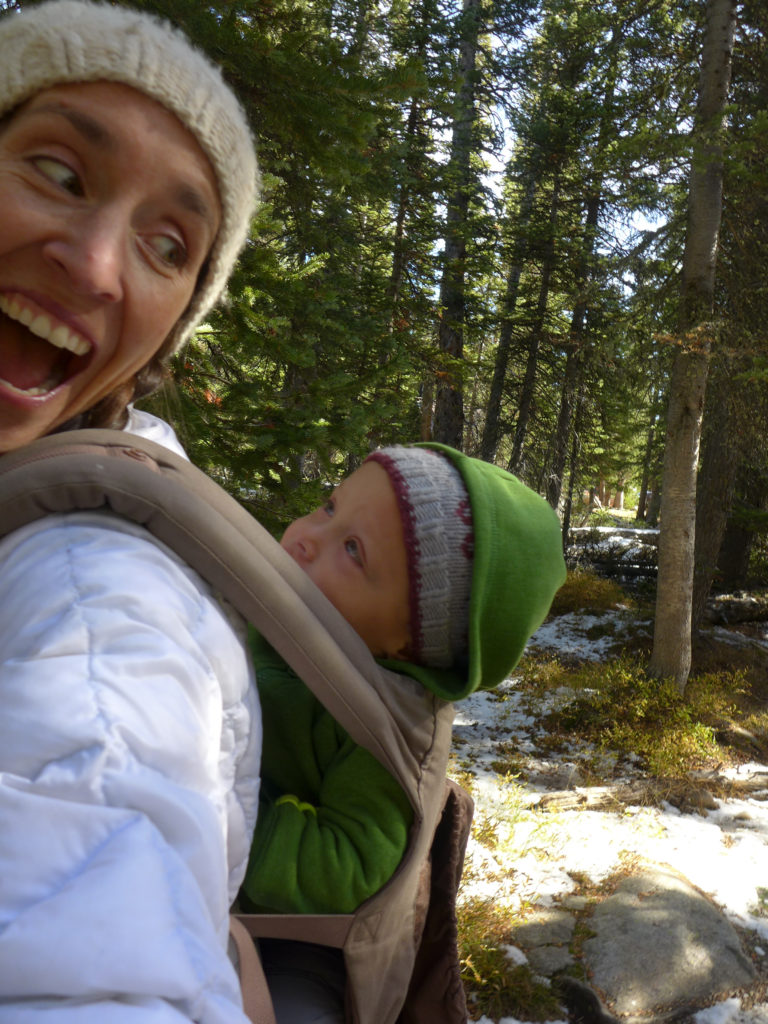
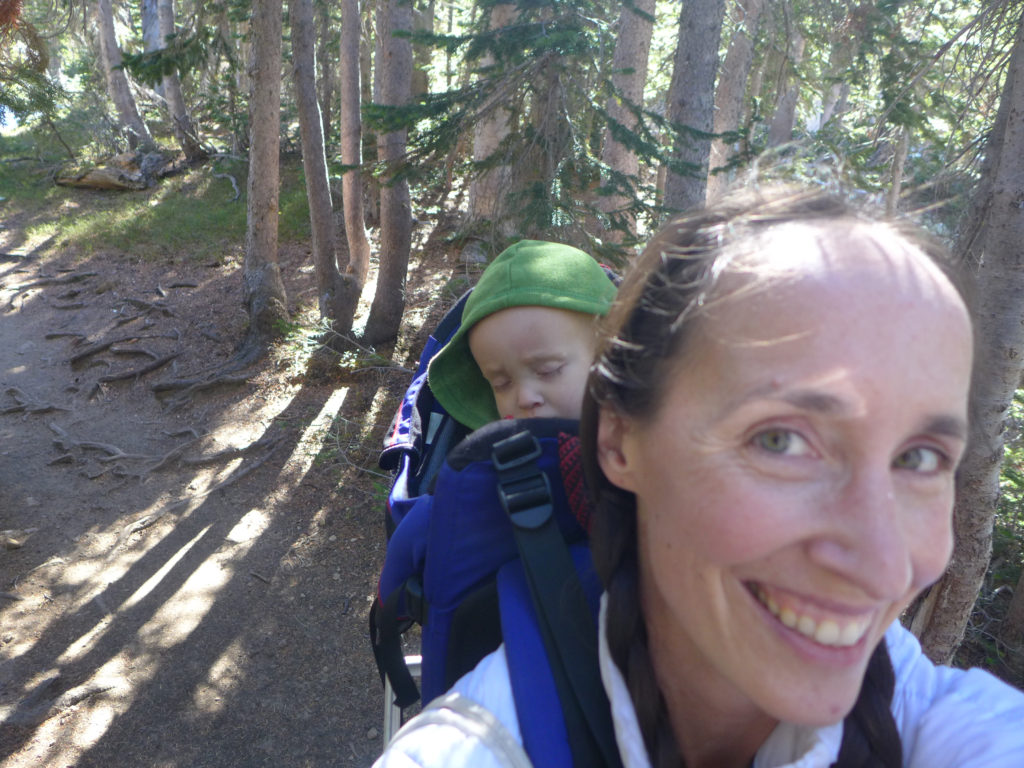
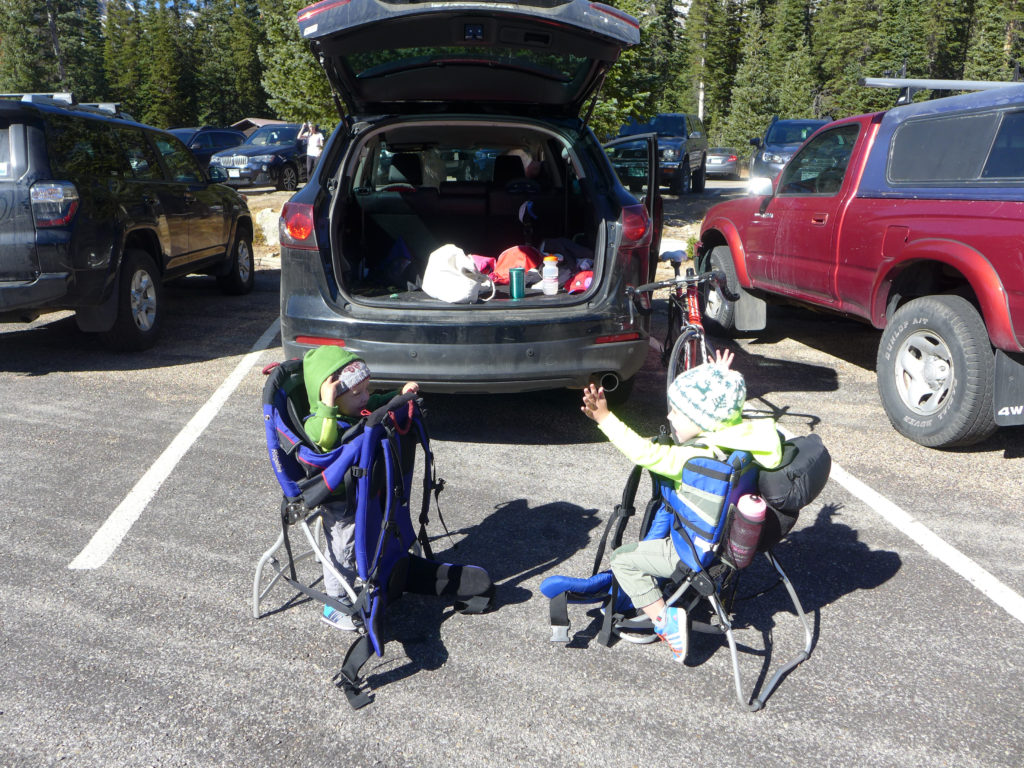
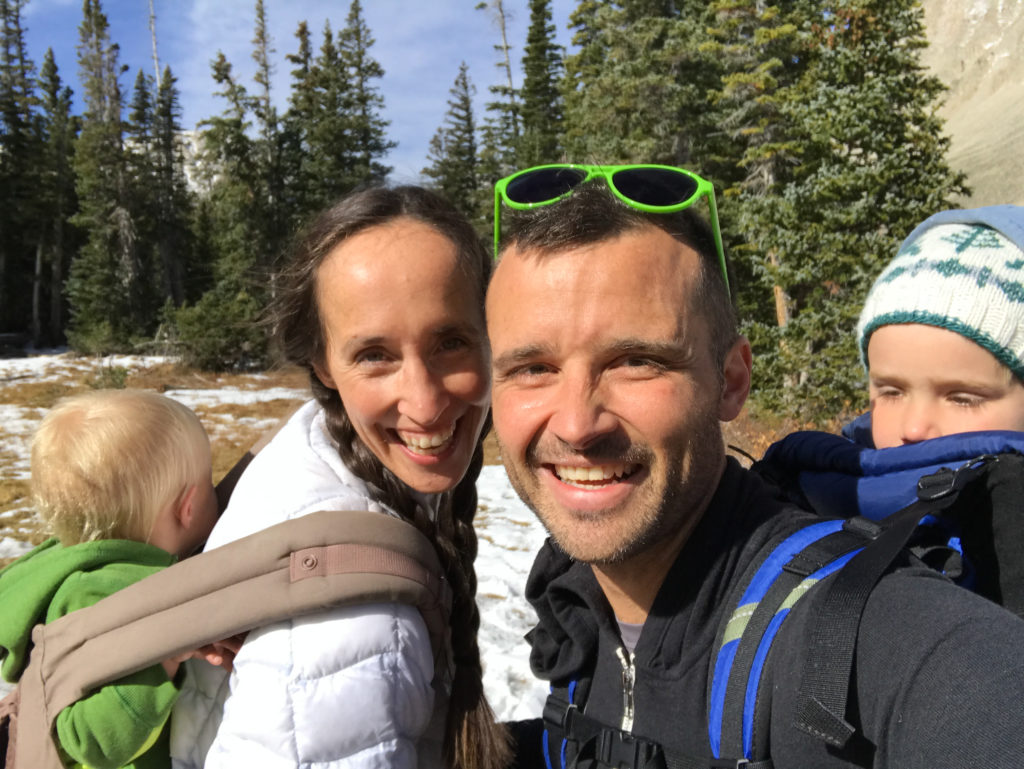
We ended up carrying both of our kids during both hikes. The first weekend it was because they were a bit under the weather, and the second weekend it was because we set out with the goal of the longer hike.

And I don’t know about your kiddos, but anytime we pull out a thermos of hot chocolate during a rest, they are happy hikers and totally oblivious to any chill in the air (pro-tip there)!
mitchell_lake9

mitchell_lake16

Dressing for the Trail

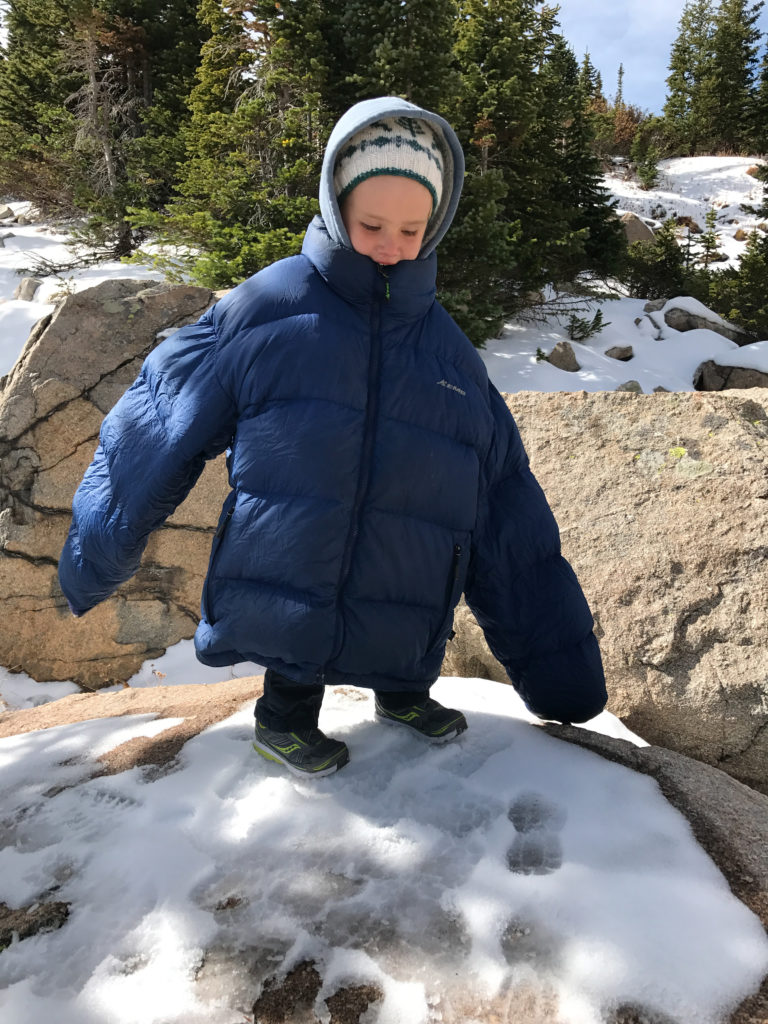
At this time of year (and almost any time!), it was really helpful to dress in light layers. I wore spandex on my bottom and then a tank, wool thermal, and a light down jacket on top. Calder did something similar. The boys wore lined pants, shirts, and hoodies. They could have been dressed a bit warmer, but we also used our down jackets to bundle around them when they were cold in the packs, which worked out well because it was often when we were hot from hiking and carrying them. We all wore wool hats that we put on and off all day.

It was particularly cold and windy at Blue Lake, but since we weren’t staying there long, it didn’t make sense to carry along extra layers just for that rest stop.

And don’t forget sunscreen! While there are some segments with plenty of shade, there is a lot of sun shining on much of the trail.
mitchell_lake19

mitchell_lake13 mitchell_lake6

mitchell_lake5By now, Calder and I both know that we live in a beautiful state, but even so, we couldn’t stop gushing about these two weekends spent hiking the same trail. We’re so glad we explored and now we’re anxious to hike it when the wildflowers are at their peak next summer. We’re also excited to have this hike at the ready the next time we have adventurous visitors in town.

If you’re in the Boulder area, this hike and the whole Indian Peaks area is definitely worth your time. Just know that everyone else loves the area too, so try to get there early before the lots fill up. Good luck!
mitchell_lake18 mitchell_lake21

Visit Arches National Park & Moab, Utah

live-seasoned-2016-moab-arches-utah-2

It’s Wednesday, you’re half way through the week that means you deserve to procrastinate by looking at pretty pictures of Moab, Utah. I’ve only visited Moab once, but I have not stopped thinking about it since. People are shocked by my profound love of Utah, but if you’ve never been, you need to stop yappin’ and start packing. After all, a few of the most scenic national parks are located there.

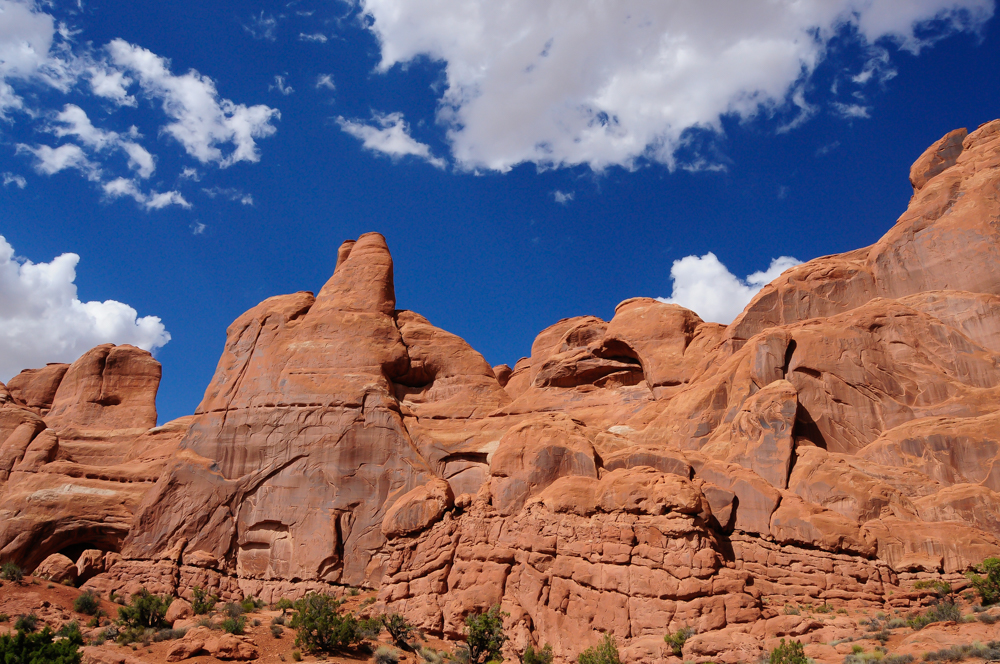
The following photos were taken at Arches National Park. Standing in the midst of such vibrant colossal rock formations was surely grounding. Upon entering the park, I read the history of Arches then spent the next several days trying to imagine the landscape as it changed throughout the ages. I believe connecting with the landscape and witnessing earth’s transformation is a powerful conservation tool for current and future generations. Getting to know and appreciate the natural beauty in the world will surely encourage you and others to be an active participant in securing these spaces for future generations. If you haven’t visited Arches yet, call a few buddies or load the family into the car and experience history, geology and immense beauty this year.  Continue reading

Feeling Inspired

alex_hiking4

Can you smell fall in the air? While I’m looking forward a season of cozy days spent indoors, our camping trip last weekend and photos of the changing scenery make me want to get outside. Even knowing that tomorrow afternoon I get to sit on the sidelines and watch Alex’s soccer practice has me excited (and brings me right back to the many fall seasons spent playing soccer when I was growing up).  It’s all just a reminder of how important it is for our souls to spend a bit of time outside, especially during these transitions from one season to another. Spend some time outdoors this weekend, letting yourself take in the sights, sounds, and smells of the changing seasons. xo

Postcards from the Eastern Shore

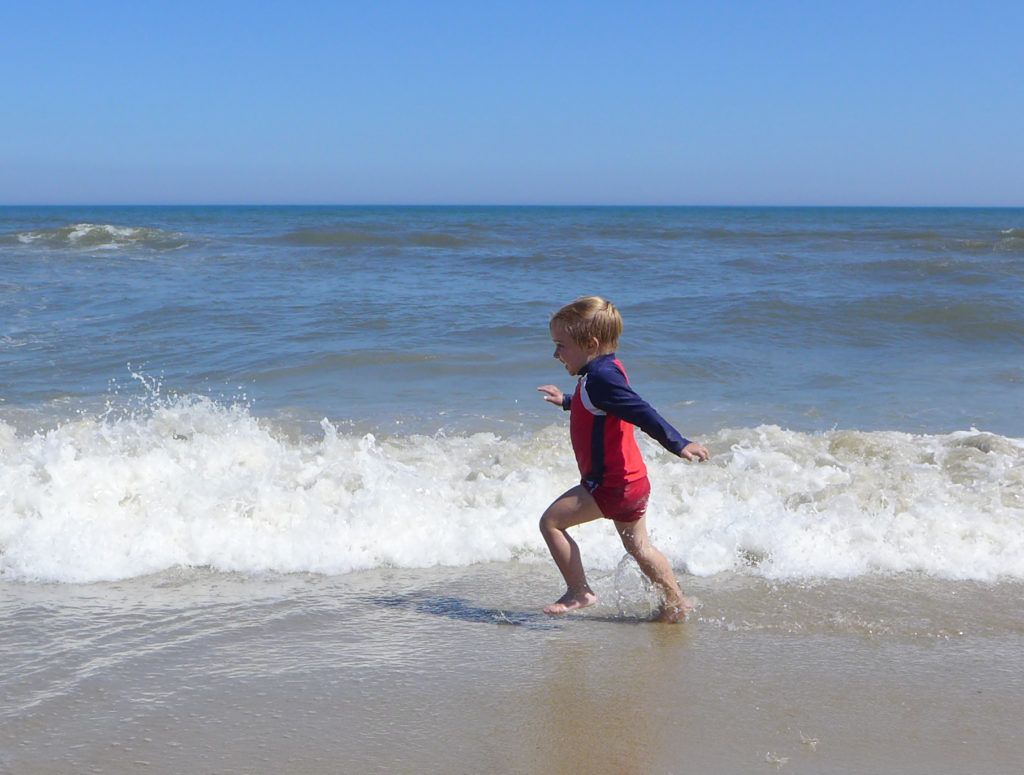
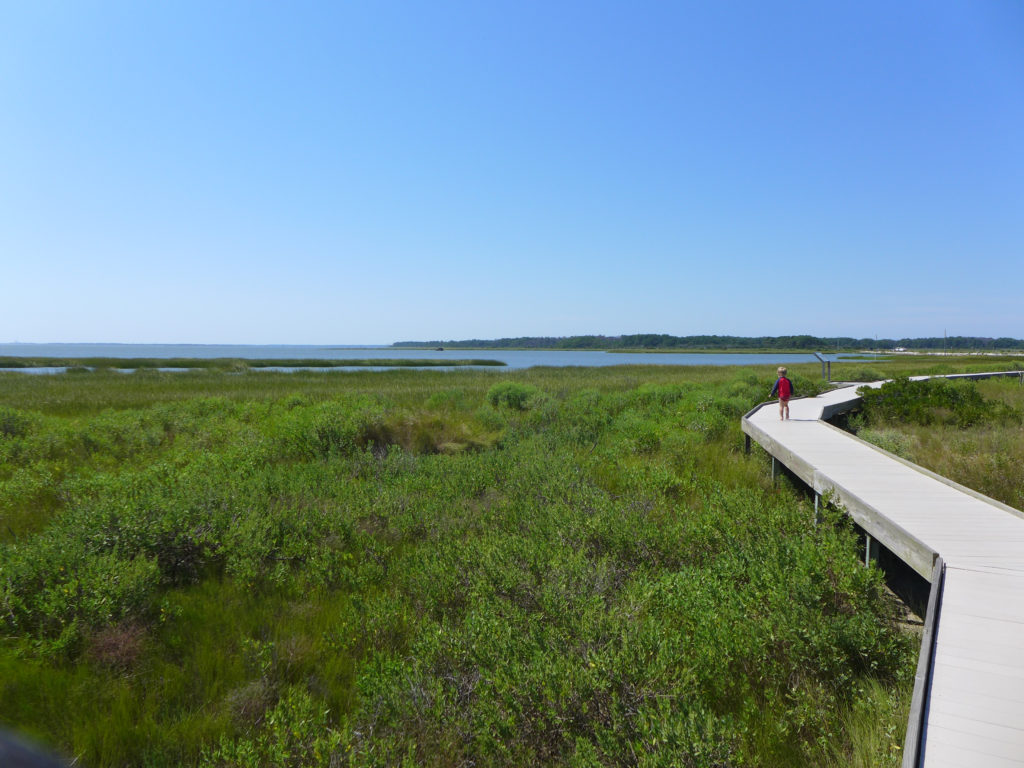
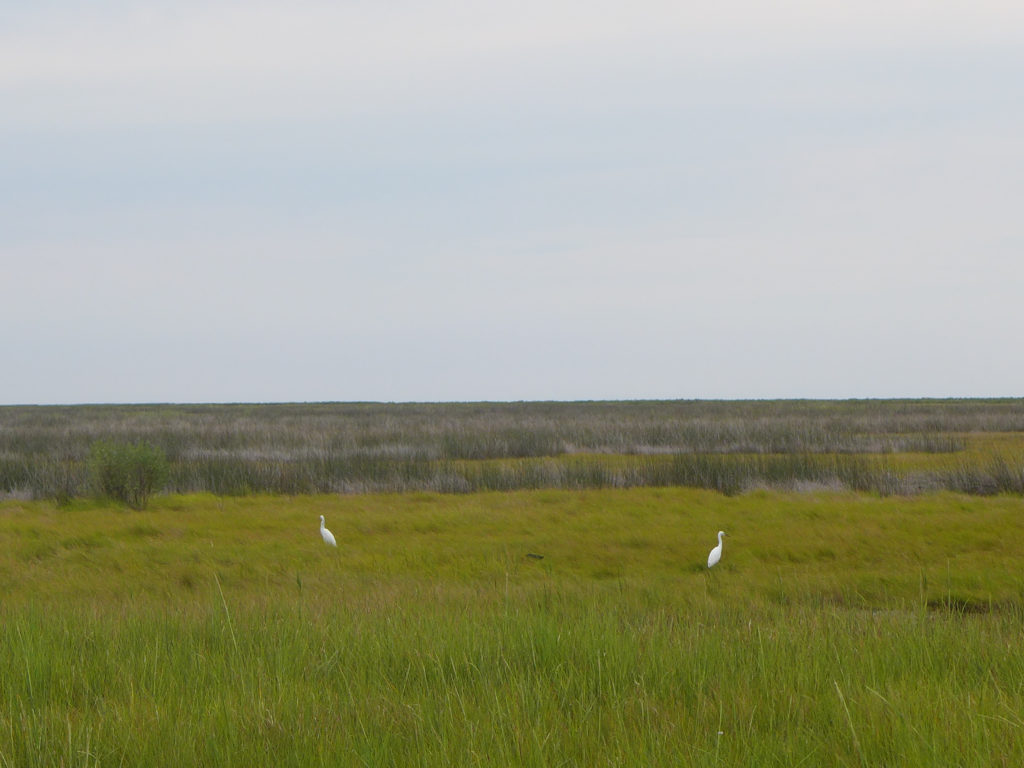
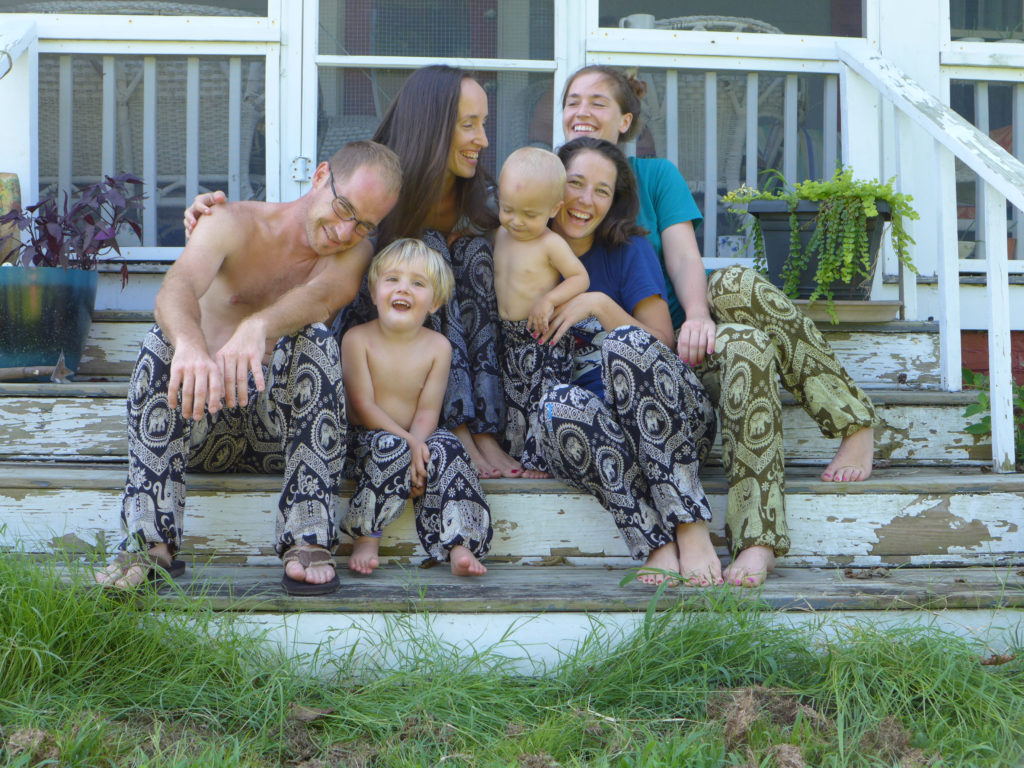
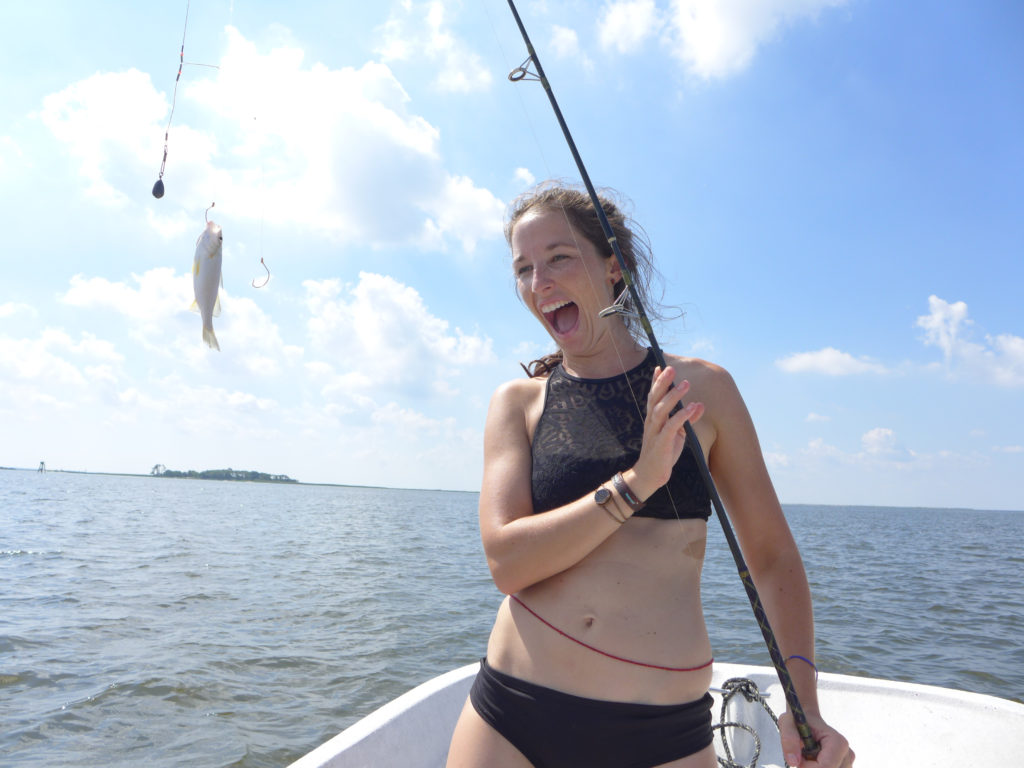
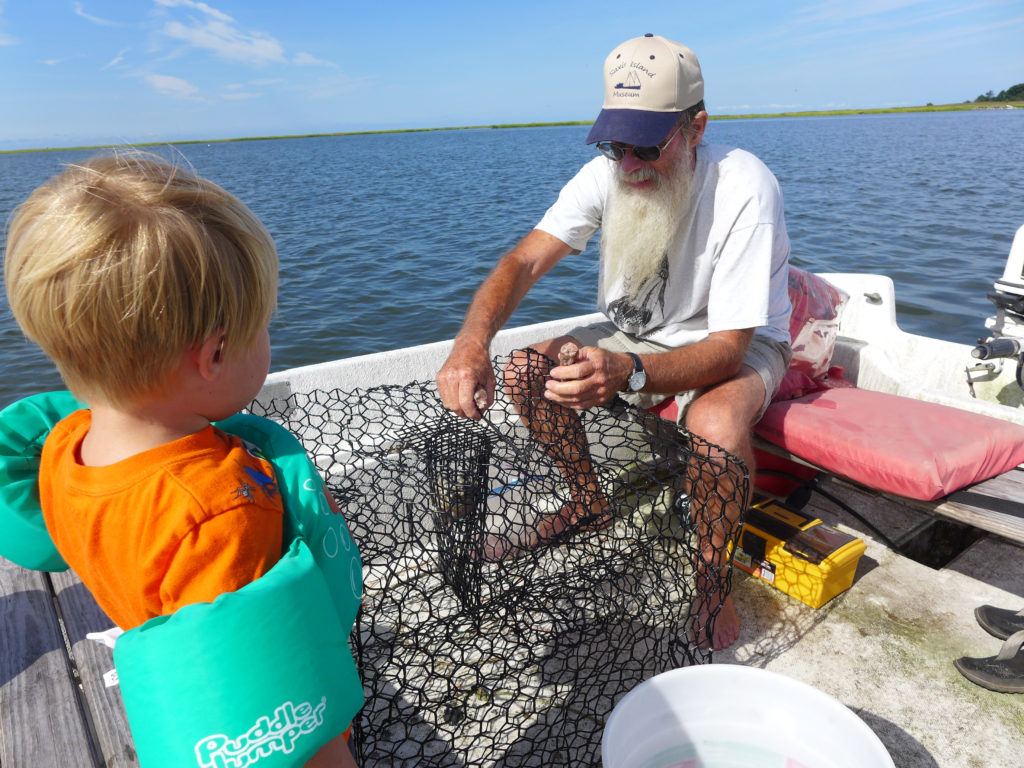
For the past few summers, the boys and I have spent a big chunk of August, crabbing in the Chesapeake Bay, jumping waves at Assateague Island National Seashore, and visiting with our east coast family. If you’re interested, here are photos from our 2014 (one & two) and 2015 trips.

It’s so amazing and special to me to be able to share the beaches that I grew up going to with Alex and Luc. I love expanding their horizons and teaching them about the sea, marsh, and island life that’s so different from the mountains of Colorado. And, most importantly, I’m so happy that we’re able to give my family such a long stretch of time to visit with the boys. We like to stay until we’ve worn out our welcome and Baba’s ready for us to “get the heck out of here”. But don’t worry, while we may have worn out our welcome this year, we’ll be back next summer to do it all over again!
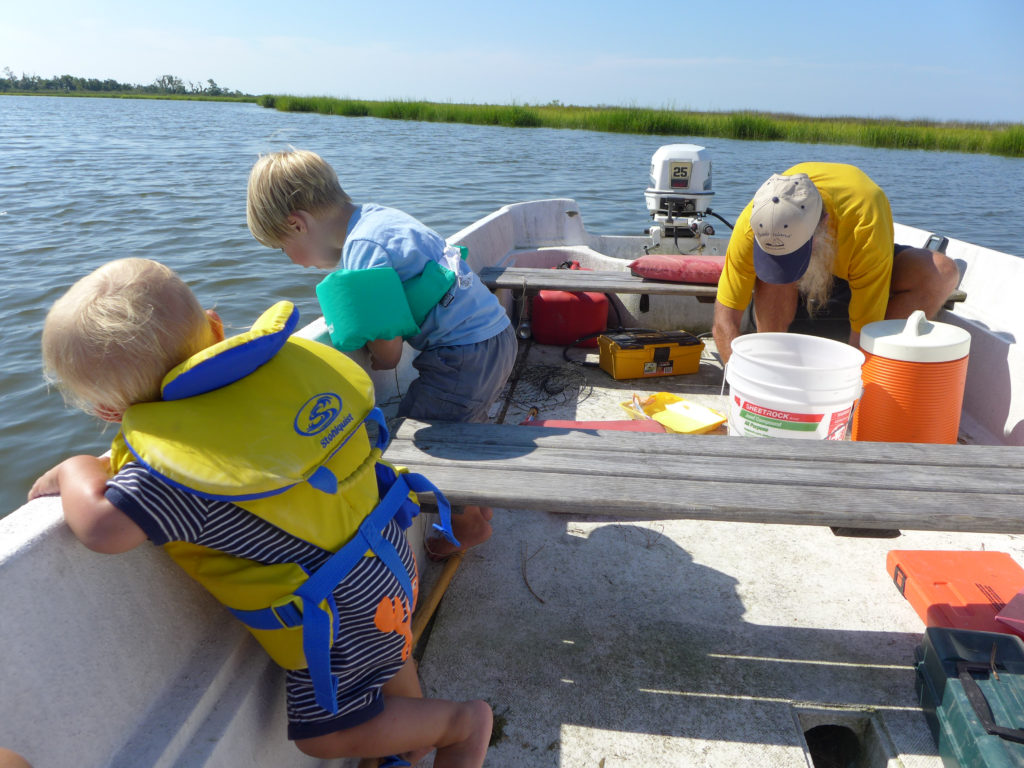
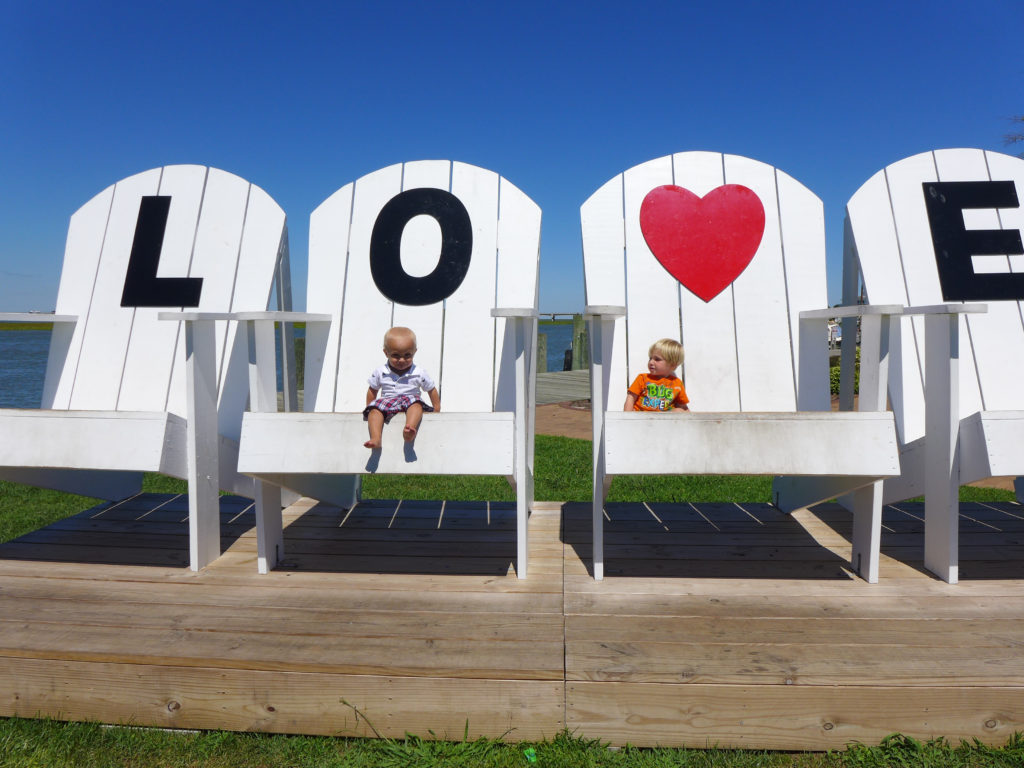
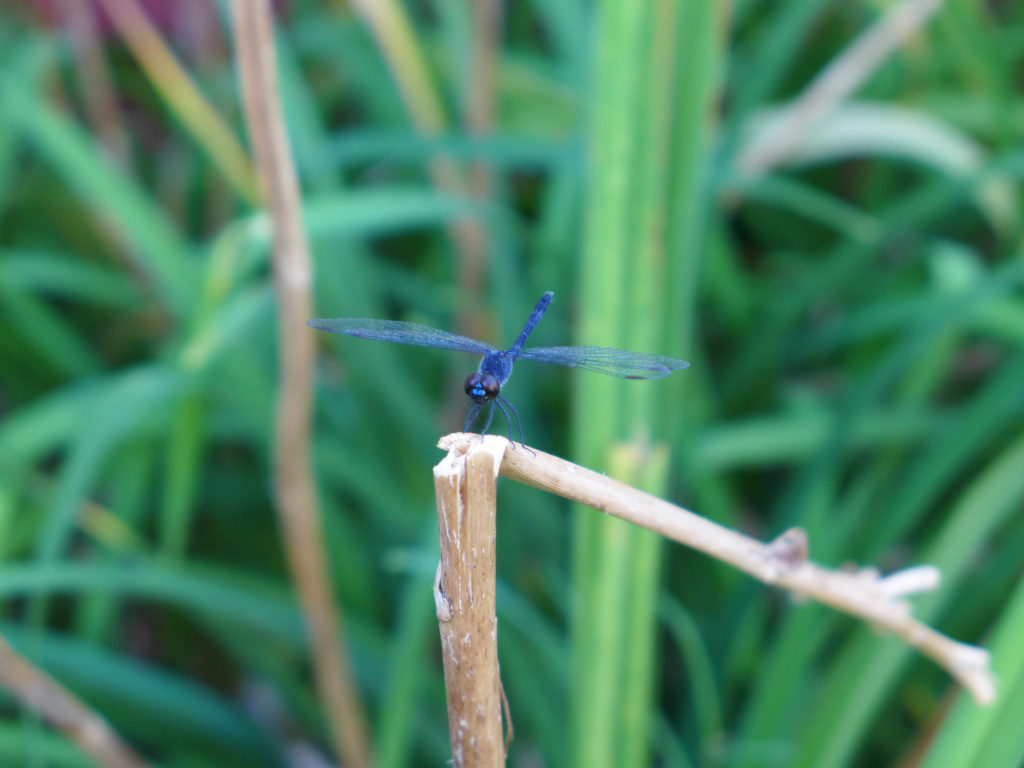
Today I wanted to share a few photos from our trip so that you can get a feel for the area. I’m hoping to follow up this post with a more detailed list of places to visit and things to do in the area.

alex_waves

crabbing

whippy

marshwalk egrets elephant_pants12 sarah_fishing luc

love

dragonfly

crabbing5 sunsetb plover

Five Best Earth Friendly Products For An Outdoor Shower

This was originally posted on 8/26/15, but with a weekend at the beach coming, I thought we should all give it a look again. Be earth concious, but more importantly, enjoy that outdoor shower!

liveseasoned_summer15_outdoorshower-1-2 copy
liveseasoned_summer15_outdoorshower-2

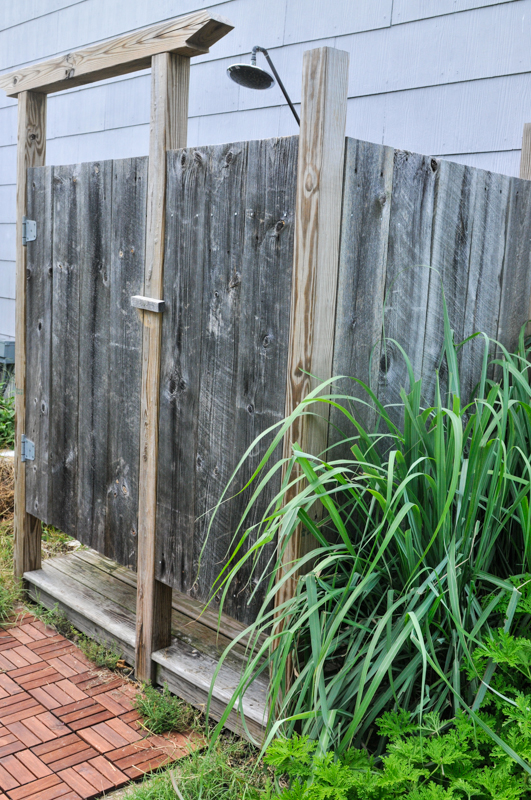
Taking an outdoor shower is hands down my favorite way to bathe.  A couple years ago, our father installed one at the beach and since then the whole crew has paraded in and out trying to wash the sand from our tootsies.  Because I would rather take all my showers outside under the moonlight, I thought it would be helpful to share our five favorite earth friendly products for the outdoor shower.  These products are all biodegradable and earth friendly, but what does that mean really?

Continue reading

Two Bits

We want to break down these internet barriers and invite you into our lives and we’re hoping you’ll do the same.  You are welcome to share a bit of your week or day in the comments, or if they’re better represented by a photo, tag us on instagram @liveseasoned.

liveseasoned summer16 two bits camping-1

Sarah Here :

Happy Friday! Today I’m prepping for a week-long camping trip with close friends, a family of goofy Brazilians. I spent all week making lists, buying supplies and packing bags. My guests have never slept in tents before which means this whole experience will be completely foreign for them.  When was the last time you tried something new? Were you nervous? Excited? Prepared? Worried? I’m trying my best to anticipate my guests’ feelings so I can make everyone comfortable to ensure a great time.

Here’s a rundown of how I began planning this vacation:

  • Find a great location – think of climate, beauty and accessibility to activities.
  • Reserve a campsite – I choose a rustic site, but you could search for a cabin, yurt, or decked out campsite if that’s more your speed.
  • Make a list of activities and natural attractions. If you’re headed to an area with limited cell reception, jot down important details like directions.
  • Make a list of meal ideas and ingredients.
  • Plan a schedule that incorporates the activities and meals taking into account the time and energy that will be spent on both. I tried to pair high-energy activities with nurishing, but easy meals and vice-versa.
  • Think through each activity and meal and write a list of supplies needed.
  • Borrow, rent or buy whatever you may need for your trip.
  • Pack your bags, while again thinking over each acitivity, and you should have all you need!
  • Remember, if you have a first aid kit, a reliable shelter, and a few basics, you will be fine. You can always pick up whatever else you may be missing on day one.

I’m off to pack a bit more. Have a great weekend and if you’re stateside, stay safe this July 4th!